

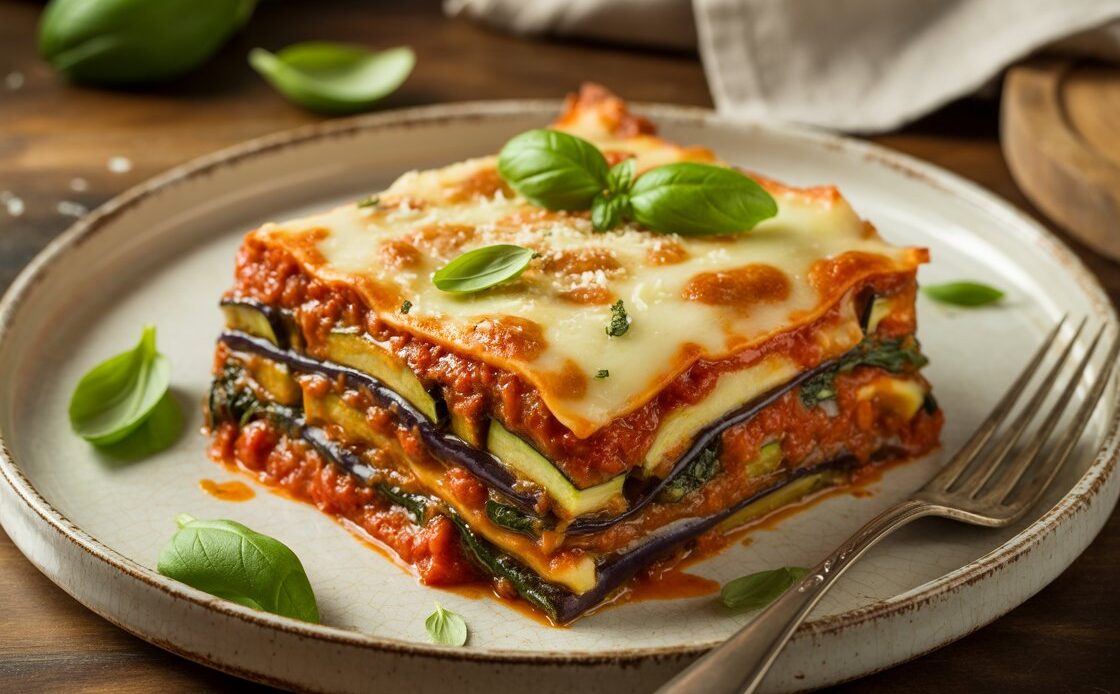
If you’re on the hunt for a comforting, hearty meal that’s both delicious and 100% plant-based, look no further than this vegan lasagna recipe. Unlike traditional lasagna packed with dairy and meat, this vibrant dish combines layers of tender pasta, rich tomato sauce, and creamy vegan cheese alternatives that will satisfy even the most devoted carnivores. Whether you’re a longtime vegan, exploring plant-based meals, or simply craving a wholesome dinner, this recipe promises a perfect balance of flavor, texture, and nutrition.
But this isn’t just another recipe post. We’ll dive into what makes vegan lasagna such a beloved comfort food, uncover secrets behind crafting the perfect dairy-free cheese layer, explore innovative veggie combos, and share practical tips to make it your go-to meal prep superstar. Ready to transform your dinner table? Let’s dig in!
Why Vegan Lasagna Is the Ultimate Comfort Food
Beyond Meatless — What Makes Vegan Lasagna So Satisfying?
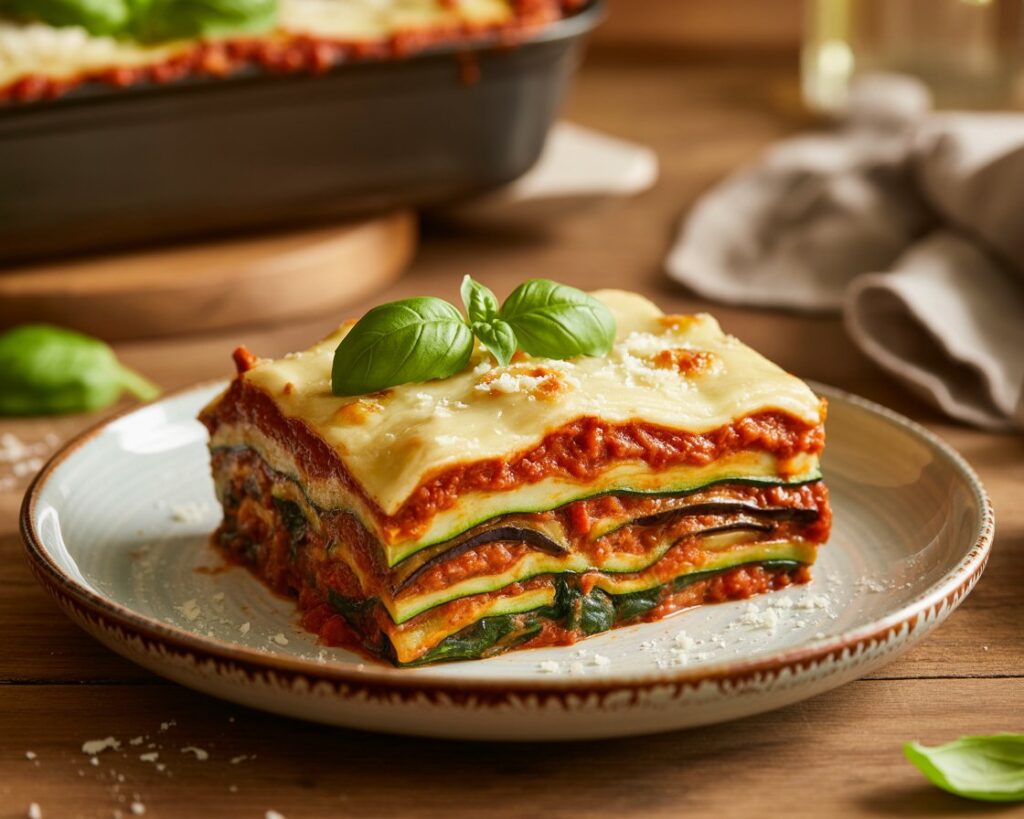
When you think of comfort food, creamy, rich textures and deep, savory flavors usually come to mind. Vegan lasagna achieves all of this without relying on animal products. The secret lies in combining plant-based ingredients that replicate the creamy mouthfeel and umami taste we associate with traditional lasagna. Ingredients like cashew cheese or tofu-based ricotta provide a luscious, smooth texture that melts into every bite. Meanwhile, hearty vegetables such as mushrooms, eggplants, and zucchini add satisfying substance and natural earthiness.
The umami flavor, often called the “fifth taste,” plays a crucial role here. It’s naturally present in ingredients like nutritional yeast, tomatoes, soy sauce, and roasted vegetables. These elements contribute a depth of flavor that keeps the dish rich and inviting. The combination of textures — from tender pasta sheets to the creamy cheese layers and chunky vegetables — creates a multisensory experience that comforts and satiates, making vegan lasagna not just a meal but an emotional experience.
Nutritional Benefits of a Vegan Lasagna Compared to Traditional Versions
Beyond taste and texture, vegan lasagna offers significant nutritional advantages over its traditional counterpart. Typically, classic lasagna contains high amounts of saturated fats and cholesterol due to cheese and meat. In contrast, the plant-based ingredients used in vegan versions tend to be lower in unhealthy fats and higher in fiber, vitamins, and antioxidants.
Here’s a simple comparison to illustrate these benefits:
| Nutrient | Traditional Lasagna (per serving) | Vegan Lasagna (per serving) |
|---|---|---|
| Calories | 450 | 350 |
| Total Fat | 22g | 8g |
| Saturated Fat | 12g | 1.5g |
| Protein | 25g | 18g |
| Dietary Fiber | 3g | 8g |
| Cholesterol | 70mg | 0mg |
| Sodium | 600mg | 450mg |
This table highlights how vegan lasagna is often lower in calories and harmful fats while providing more dietary fiber, which supports digestion and heart health. The absence of cholesterol also makes it a heart-friendly choice. Overall, choosing a vegan version allows you to enjoy a classic comfort meal while nourishing your body with wholesome, nutrient-dense ingredients.
Crafting the Perfect Vegan Cheese Layer — Secrets and Alternatives
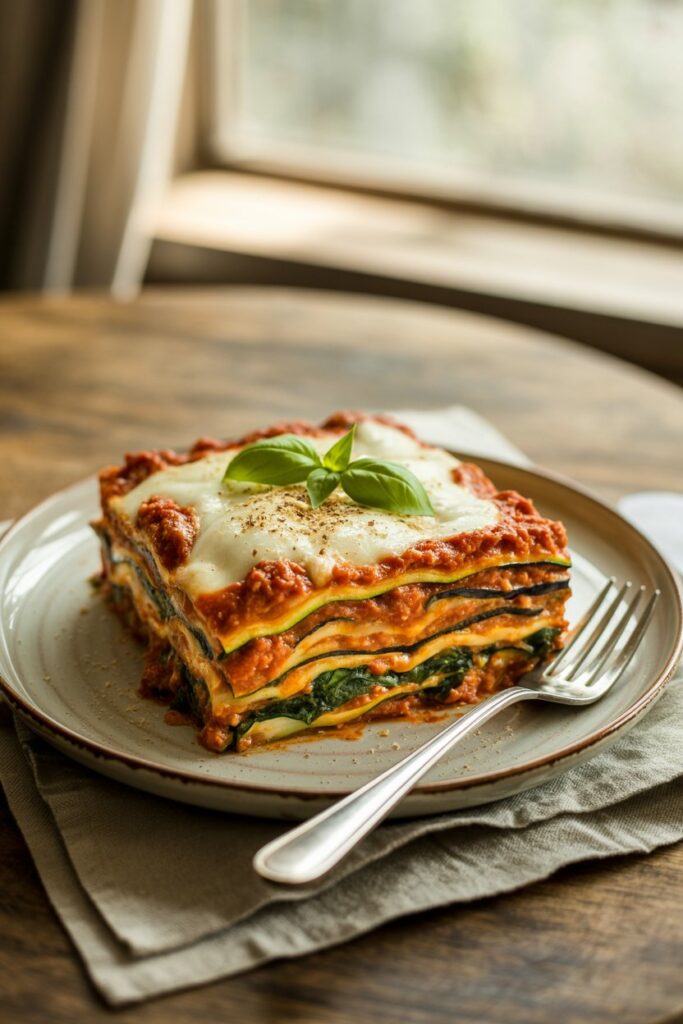
Creating a creamy, flavorful cheese layer is often the biggest hurdle in making a satisfying vegan lasagna. Fortunately, plant-based cheeses have come a long way, with popular options like cashew cheese and tofu ricotta offering distinct textures and flavors. Let’s explore which might be the best fit for your recipe and palate.
Cashew Cheese vs. Tofu Ricotta: Which One Wins?
Both cashew cheese and tofu ricotta bring creamy richness to vegan lasagna, but they differ in taste, preparation, and nutritional profile. Here’s a quick look at their strengths and weaknesses:
| Cheese Type | Pros | Cons |
|---|---|---|
| Cashew Cheese | Smooth, rich, and creamy texture; naturally sweet and buttery; versatile flavor that blends well | Requires soaking cashews for hours; higher in fat and calories due to nuts |
| Tofu Ricotta | Quick to prepare; lower in fat and calories; good source of protein | Slightly firmer texture; can have a mild bean-like taste; may require extra seasoning to boost flavor |
Cashew cheese is perfect when you want a luxurious, melt-in-your-mouth layer, especially if you don’t mind a bit more prep time and fat content. Tofu ricotta is a lighter, faster alternative that’s great if you prefer something lower in calories but still satisfying.
Nutritional Yeast & Other Flavor Boosters That Replace Dairy
To capture that unmistakable cheesy, umami flavor without dairy, ingredients like nutritional yeast, miso paste, and garlic powder are your best friends. Nutritional yeast, often called “nooch,” adds a nutty, savory depth that mimics Parmesan cheese. Miso contributes salty richness and complexity, while garlic powder rounds out the flavor with a subtle pungency.
Incorporating these boosters not only enhances taste but also packs your cheese layer with extra nutrients like B vitamins and antioxidants, all without the cholesterol and lactose found in traditional cheeses.
Allergy-Friendly Cheese Substitutes
For readers with nut or soy allergies, worry not — there are delicious vegan cheese options that cater to your needs:
- Sunflower Seed Cheese: Made by blending soaked sunflower seeds with lemon juice, nutritional yeast, and seasonings; creamy and mild.
- Cauliflower-Based Cheese Sauce: Pureed cooked cauliflower combined with nutritional yeast and spices creates a creamy, allergy-safe cheese substitute.
- Store-Bought Vegan Cheeses: Many brands now offer nut-free and soy-free options made from tapioca, coconut oil, or potato starch that melt well and taste great.
These alternatives ensure that everyone can enjoy a luscious vegan cheese layer regardless of dietary restrictions.
Innovative Veggie Combinations for Next-Level Vegan Lasagna
Unexpected Veggies That Elevate Flavor and Texture
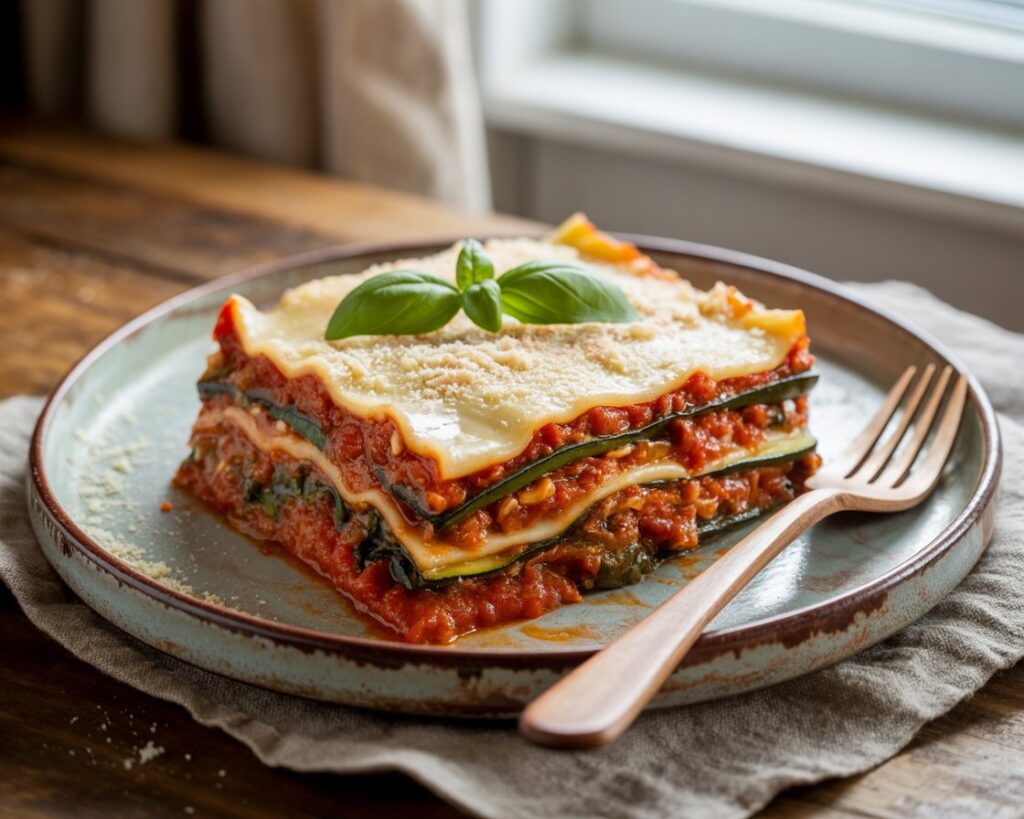
Taking your vegan lasagna to the next level means thinking beyond the usual spinach and tomato. Incorporating unexpected vegetables like roasted eggplant, caramelized onions, or sautéed mushrooms can transform the flavor profile and add exciting textures.
- Roasted Eggplant: Roasting eggplant slices concentrates their natural sweetness and adds a smoky depth that pairs beautifully with tomato sauce. To prep, slice the eggplant about a half-inch thick, lightly salt to draw out moisture, then roast at 400°F (200°C) for 20-25 minutes until golden and tender.
- Caramelized Onions: Slowly cooking onions until golden brown brings out a rich, sweet flavor that adds complexity and umami to the layers. Use low heat and patience—this takes about 30-40 minutes but is well worth the effort.
- Sautéed Mushrooms: Mushrooms add earthiness and a meaty texture to your lasagna. Use a mix of cremini, shiitake, or portobello for a fuller flavor. Sauté them in olive oil with garlic and thyme until their moisture evaporates and they develop a nice caramelized edge.
These veggie additions not only add flavor but also varying textures that make every bite interesting, avoiding the monotony some might fear from a plant-based dish.
Seasonal Veggie Swaps for Every Time of Year
Using seasonal vegetables keeps your vegan lasagna fresh, affordable, and bursting with natural flavor. Here’s a quick guide to swapping veggies by season, so your recipe stays vibrant all year long:
| Season | Best Veggie Swaps | Flavor Profile |
|---|---|---|
| Spring | Asparagus, peas, artichokes | Bright, fresh, slightly sweet |
| Summer | Zucchini, cherry tomatoes, bell peppers | Juicy, vibrant, mild |
| Fall | Butternut squash, kale, roasted mushrooms | Earthy, hearty, slightly sweet |
| Winter | Spinach, root vegetables (carrots, parsnips), Brussels sprouts | Robust, sweet, warming |
Experimenting with seasonal veggies can refresh your lasagna recipe and encourage trying new flavor combinations. Plus, seasonal produce tends to be more nutritious and environmentally friendly.
How to Balance Moisture and Prevent a Soggy Lasagna
One common challenge with vegetable-heavy lasagnas is excess moisture that can turn your dish soggy. Here are some key tips to keep your layers perfectly balanced:
- Salt and Drain Watery Veggies: For zucchini, eggplant, or mushrooms, slice and sprinkle with salt, then let them sit in a colander for 20-30 minutes. This draws out excess water. Pat them dry thoroughly before layering.
- Roast or Sauté First: Cooking veggies before layering helps evaporate moisture and concentrates flavors.
- Use Thick Sauces: A thicker tomato sauce or a creamy vegan béchamel will absorb some moisture and prevent runoff.
- Don’t Overcrowd Layers: Keep veggie layers moderate in thickness so steam can escape and avoid sogginess.
Following these tips will help you achieve a perfectly textured vegan lasagna that holds its shape and delights every time.
Practical Tips for Making Vegan Lasagna a Weekly Meal Prep Hero
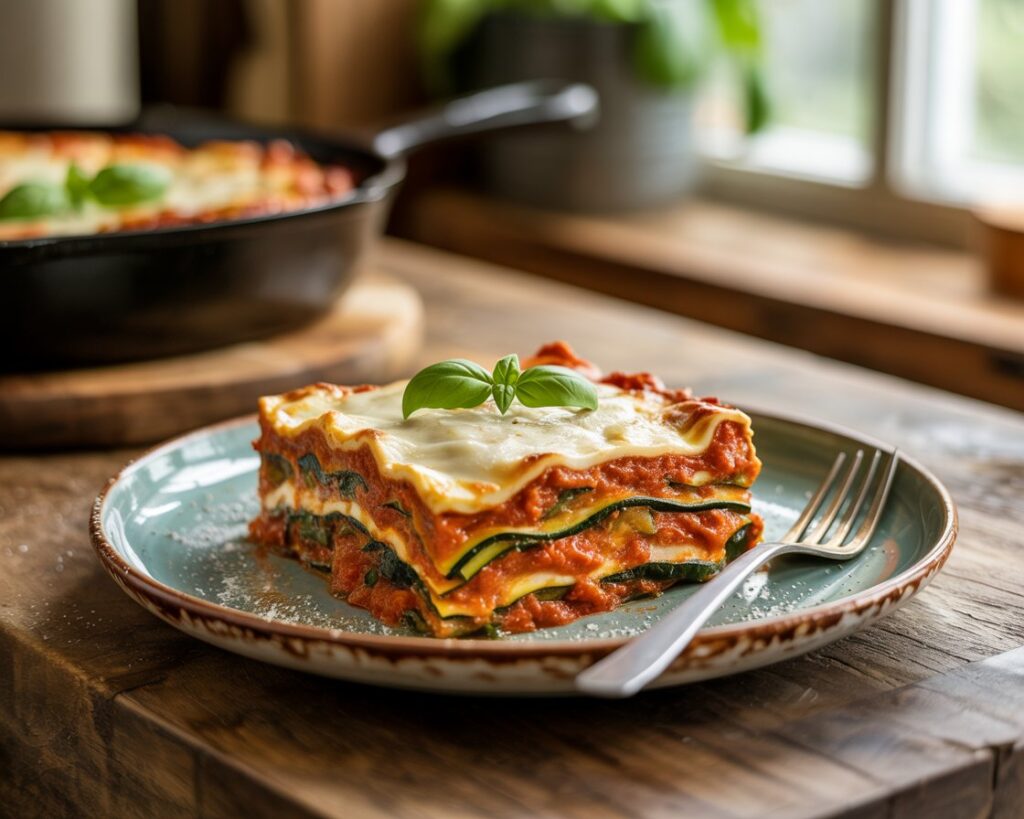
One of the best things about vegan lasagna is how perfectly it lends itself to meal prepping. Preparing this dish in advance means you can enjoy wholesome, hearty meals throughout the week without daily cooking stress. However, to get the most out of your efforts, it’s important to know how to freeze, store, and reheat it properly. Let’s explore some smart strategies to keep your lasagna tasting fresh and delicious every time you serve it.
Freezing and Reheating Without Losing Flavor or Texture
Vegan lasagna is perfect for meal prep, but freezing and reheating can sometimes affect its texture and taste. To keep your lasagna delicious after storage:
- Use airtight, freezer-safe containers or tightly wrap your assembled lasagna in plastic wrap followed by foil to prevent freezer burn and moisture loss.
- Freeze before baking if you want a ready-to-bake meal; just add about 15 extra minutes to baking time when cooking from frozen.
- If freezing after baking, allow the lasagna to cool completely before wrapping and freezing.
- Reheat gently: thaw overnight in the fridge, then reheat in the oven at 350°F (175°C) covered with foil for 20-30 minutes, removing the foil the last 5-10 minutes to crisp the top.
- Microwave reheating: For quick meals, microwave individual slices covered loosely to retain moisture but beware this may soften the pasta slightly.
With these simple steps, your vegan lasagna will taste freshly made even after multiple meals.
Batch Cooking Ideas: Doubling Up and Ingredient Storage Hacks
Saving time and money is key in busy kitchens. Here’s how to maximize your efforts when making vegan lasagna:
- Double the recipe: Prepare a large batch and freeze half for later meals. This works especially well with homemade sauces and vegan cheese layers, which can also be made in bulk and stored separately.
- Pre-chop and pre-roast vegetables: Store roasted or sautéed veggies in airtight containers in the fridge for up to 4 days, ready to layer quickly when assembling lasagna.
- Sauce storage: Make your marinara or béchamel sauce ahead and refrigerate or freeze in portions to streamline assembly.
- Use leftovers creatively: Leftover cooked veggies, pasta sheets, or sauce can be repurposed into soups, casseroles, or pasta bowls, reducing food waste.
Kid-Friendly & Crowd-Pleasing Vegan Lasagna Variations
Whether you’re feeding picky kids or a crowd, tweaking your vegan lasagna can win everyone over:
- Mild and creamy: Use simple, familiar flavors like spinach and vegan mozzarella, avoiding strong or spicy ingredients.
- Add hidden veggies: Puree carrots or butternut squash into your sauce to sneak in extra nutrition without compromising taste.
- Customize toppings: Let kids add their own favorite veggies or vegan cheese before baking for a fun activity.
- Party-sized portions: Bake in large trays and add festive garnishes like fresh basil or toasted pine nuts for a crowd-pleasing presentation.
With these variations, your vegan lasagna becomes a versatile dish everyone looks forward to.
The Story Behind Vegan Lasagna — From Tradition to Trend
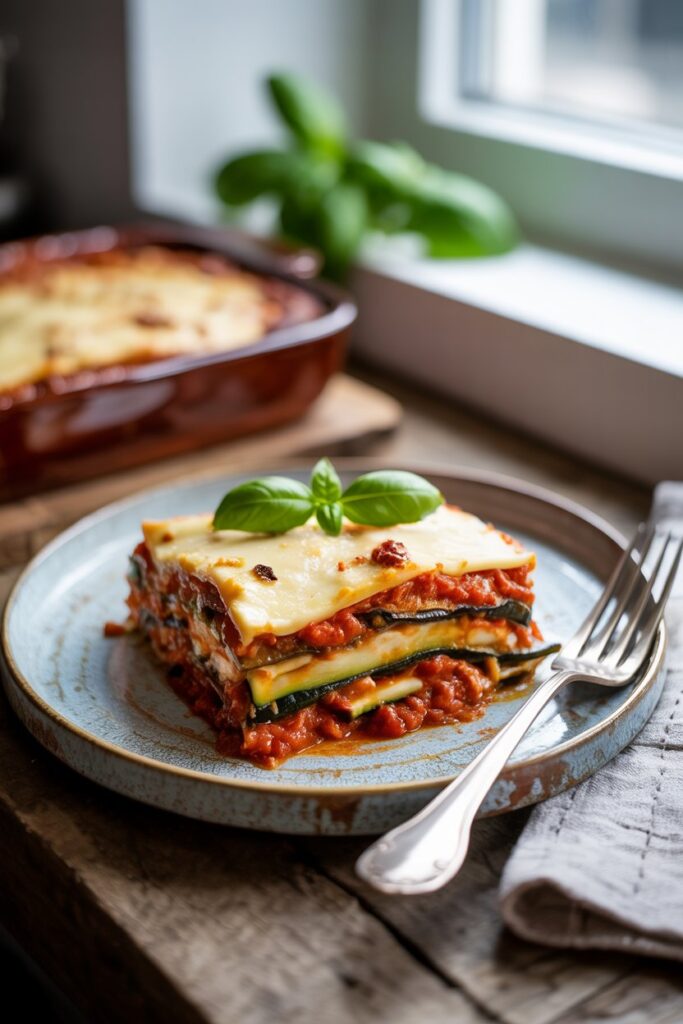
Lasagna is one of Italy’s most iconic dishes, celebrated for its rich layers of pasta, cheese, and savory fillings. But as more people embrace plant-based lifestyles, vegan lasagna has emerged as a delicious way to honor tradition while pushing culinary boundaries. This section explores how this classic comfort food has evolved into a global trend, blending heritage with innovation.
How Italian Classics Are Being Reimagined in Plant-Based Cuisine
Traditional Italian cooking values simple, quality ingredients and bold flavors. Vegan chefs honor this legacy by swapping out animal products with creative plant-based alternatives—think cashew ricotta instead of dairy cheese or lentil ragù instead of meat sauce. These reinventions maintain the heart and soul of lasagna, respecting its roots while catering to modern dietary choices and sustainability concerns.
Trending Vegan Lasagna Recipes Around the World
Around the globe, home cooks and chefs alike are putting unique spins on vegan lasagna. From spicy Mexican-inspired versions with black beans and corn to Asian-fusion recipes featuring miso and shiitake mushrooms, the dish has become a versatile canvas for cultural creativity. Exploring these twists not only broadens your vegan lasagna repertoire but also introduces exciting new flavors to your table.
Reader Poll or Interactive Quiz: What’s Your Favorite Vegan Lasagna Twist?
Now it’s your turn! We want to know: which vegan lasagna twist gets your vote? Is it classic Italian style, a spicy Mexican kick, or something totally unexpected? Take our quick poll below and share your favorite recipe ideas — let’s celebrate the endless possibilities of vegan lasagna together!
Why This Vegan Lasagna Recipe Should Be Your New Favorite
This vegan lasagna recipe proves that plant-based cooking can be both comforting and exciting. By combining innovative veggie layers, creamy dairy-free cheeses, and smart meal prep tips, you can enjoy a delicious, nutritious dish that honors tradition while embracing modern flavors. Whether you’re cooking for yourself, your family, or a crowd, this recipe adapts easily and satisfies every time. Give it a try—you might just find your new go-to comfort food!
