

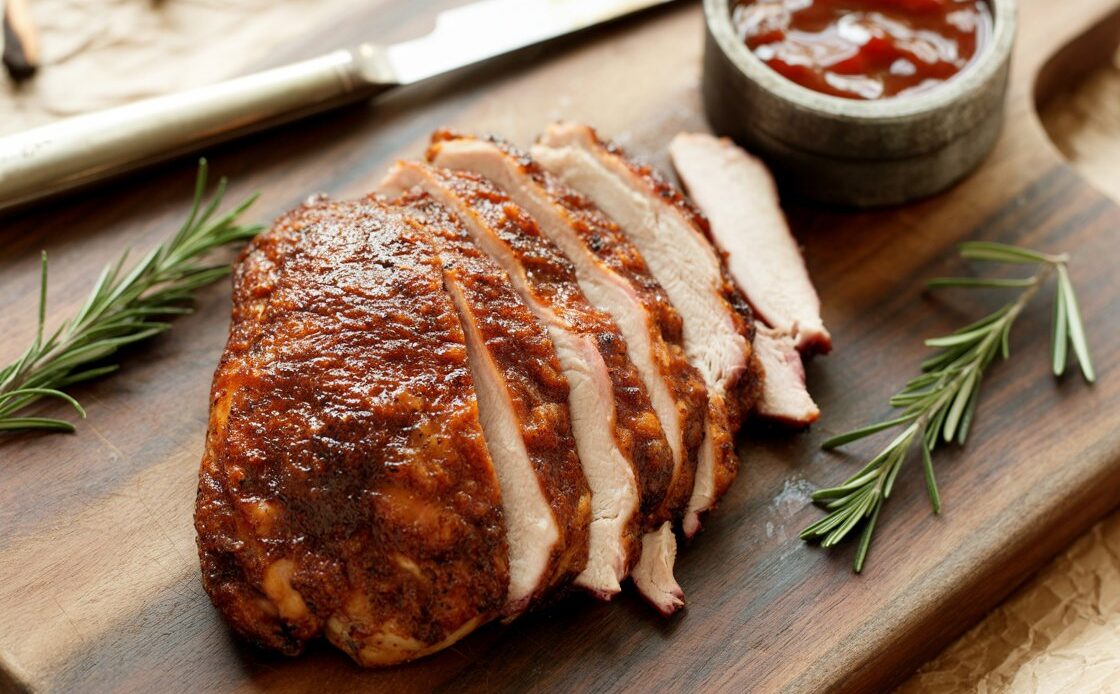
Smoked chicken breast is one of those underrated BBQ gems that can go from dry and forgettable to juicy and unforgettable—with just a few key techniques. In this post, we’re not just giving you another recipe; we’re diving into what actually makes smoked chicken breast taste amazing. Whether you’re using a pellet grill, electric smoker, or charcoal setup, this guide will help you avoid the usual pitfalls and smoke your chicken to tender, flavorful perfection. Plus, we’ll throw in some pro tips, flavor pairings, and fun extras (like charts and cheat sheets) to keep things useful, not boring.
What Makes Smoked Chicken Breast So Good (When It’s Done Right)
When it comes to smoking chicken breast, getting that perfect balance of juicy, tender meat with rich smoky flavor isn’t just luck—it’s about understanding the science behind moisture retention and mastering your cooking temperature. Many home cooks struggle because they rely on outdated tips or overlook key steps that make all the difference. In this section, we’ll break down why chicken breast can dry out, what temperatures you should aim for, and how the “low and slow” method unlocks the best results. This isn’t just theory—these are practical insights that will change how you approach smoking chicken forever.
The Moisture Myth – Why Chicken Breast Dries Out
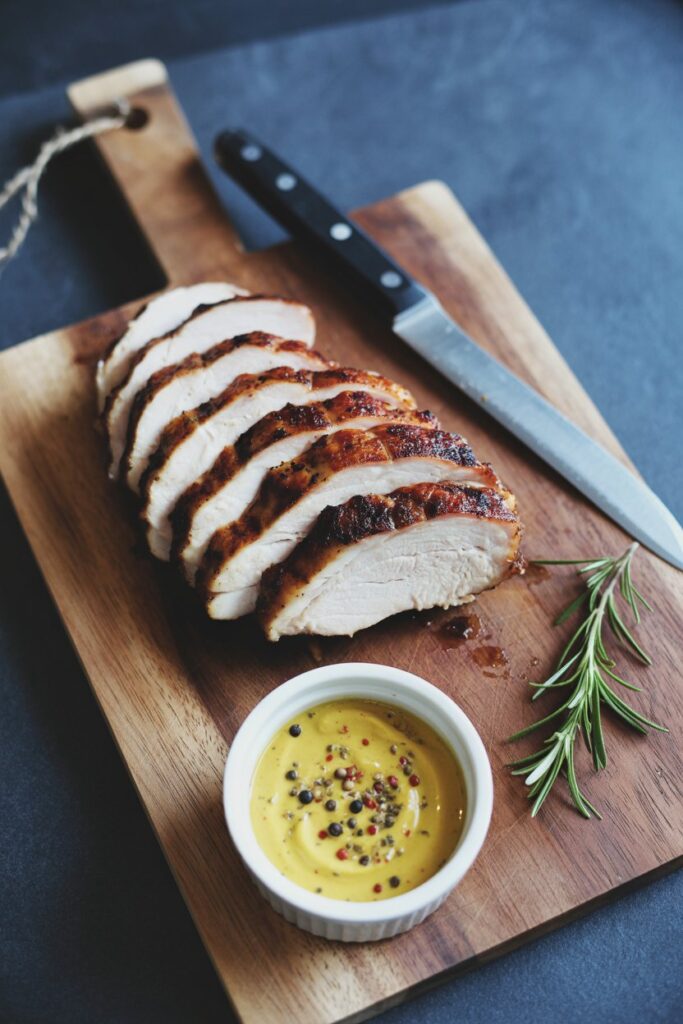
One of the biggest misconceptions about smoked chicken breast is that it’s doomed to be dry simply because it’s a lean cut. While it’s true that chicken breast lacks the fat content of thighs or wings, dryness is more often the result of technique than the meat itself.
The real culprits? Overcooking and skipping the resting phase. When smoked properly, chicken breast can be exceptionally juicy and flavorful. The key lies in monitoring internal temperature closely—165°F (74°C) is the magic number for safety, but pulling the meat off the smoker a few degrees earlier (around 160°F) and letting it rest under foil allows carryover cooking to finish the job while preserving moisture.
Resting isn’t just a suggestion—it’s science. It gives the juices a chance to redistribute rather than spilling out when you cut into the meat.
Here’s a visual reference to understand how temperature impacts moisture retention:
| Internal Temp (°F) | Texture | Juiciness |
|---|---|---|
| 150°F | Too soft | High |
| 160°F | Tender | Optimal |
| 165°F | Firm | Good |
| 170°F+ | Dry | Low |
Low & Slow Isn’t Just for Brisket
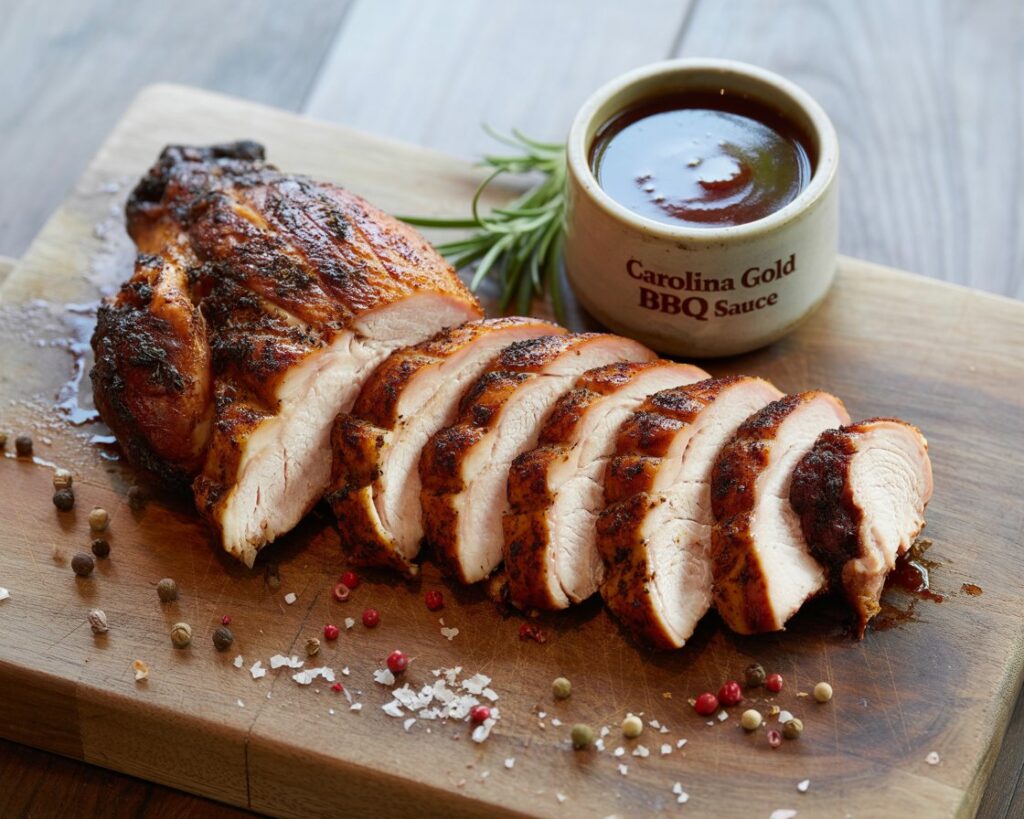
When it comes to smoked chicken breast, slow and steady truly wins the flavor game. Cooking it low and slow—ideally between 225°F and 250°F—gives smoke time to penetrate the meat, keeps the outer layers from toughening up too quickly, and allows for better control over internal temp.
Unlike grilling, where high heat can cause the surface to char before the center cooks through, smoking creates a gentler heat environment. That’s why even a lean cut like chicken breast stays juicy and develops that signature smoky flavor without drying out.
Here’s a quick comparison of cooking methods:
| Method | Heat Level | Flavor | Moisture Control | Best For |
|---|---|---|---|---|
| Smoking | Low (225–250°F) | Deep smoke | Excellent | Long, slow cooks |
| Grilling | High (400–500°F) | Charred | Risk of dryness | Quick sears |
| Oven Baked | Moderate (350°F) | Mild | Fair | Weeknight meals |
By understanding and applying these subtle differences, you’ll take your smoked chicken breast recipe from average to exceptional.
The Tools You Actually Need (No Fancy Gear Required)
You don’t need a top-of-the-line smoker or a kitchen full of gadgets to make incredible smoked chicken breast. In fact, understanding a few key tools and how to use them will take you farther than any expensive setup. From choosing the right smoker for your lifestyle to knowing how to measure temperature accurately, this section will break down everything you really need—plus some insider tips to keep your chicken juicy and perfectly cooked every time.
Smoker Showdown – Which One Is Best?
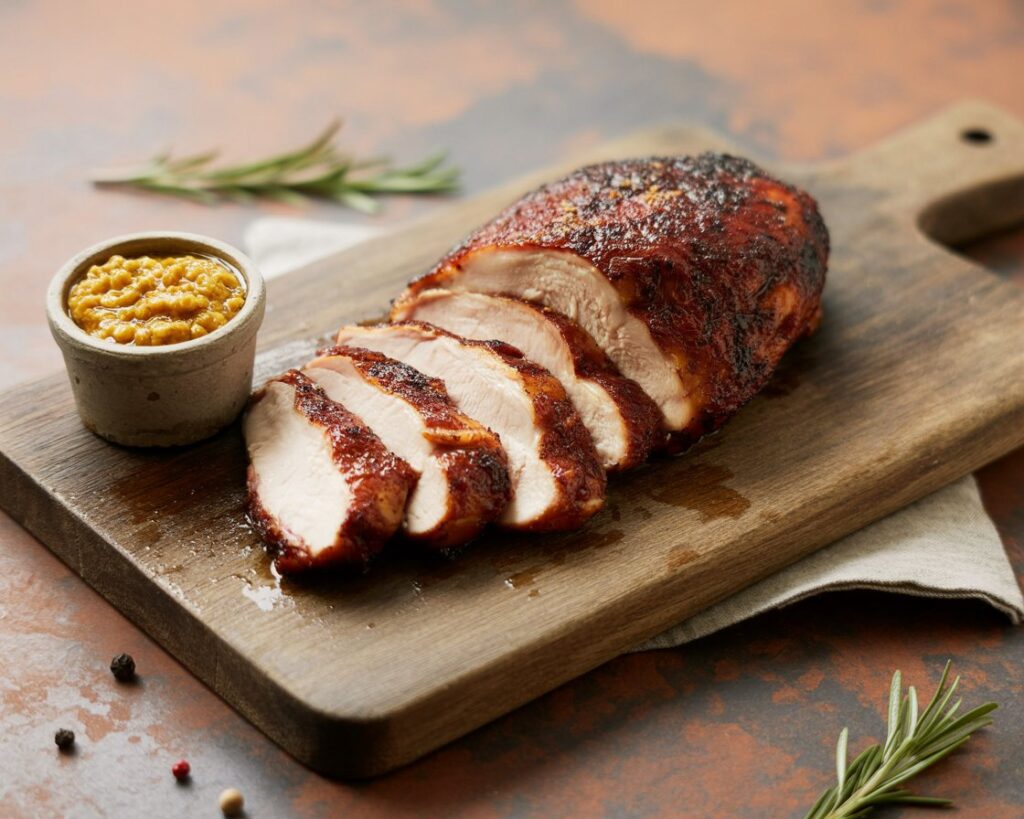
Choosing the right smoker can feel overwhelming with so many options available. Here’s a quick comparison of the most popular types to help you decide:
| Smoker Type | Pros | Cons | Best For |
|---|---|---|---|
| Pellet Smoker | Easy to use, consistent temps, great smoke flavor | Requires electricity, more expensive | Beginners & busy cooks |
| Electric Smoker | Simple controls, affordable, reliable heat | Less smoky flavor compared to charcoal | Beginners, apartment dwellers |
| Charcoal Smoker | Authentic smoky flavor, versatile heat control | Requires more skill and attention | BBQ enthusiasts & flavor purists |
For beginners, pellet and electric smokers offer the easiest entry point. Pellet smokers provide excellent smoke flavor with minimal effort, while electric smokers are straightforward and budget-friendly. Charcoal smokers reward patience and practice with deep, complex flavors but come with a steeper learning curve.
Thermometers Matter More Than You Think
No matter how good your smoker is, guessing when your chicken breast is done is a recipe for disappointment. A digital meat thermometer is your best friend for achieving that perfect juicy texture without overcooking.
The USDA recommends cooking chicken breast to an internal temperature of 165°F (74°C) for safety. However, to lock in maximum juiciness, some pitmasters pull their chicken off the heat a few degrees earlier and let carryover cooking finish the process.
Pro Tip: Insert your thermometer probe into the thickest part of the breast without touching bone or the smoker grate. This ensures the most accurate reading.
Image idea: Include a clear diagram or photo showing proper probe placement in the chicken breast.
Don’t Skip the Resting – Here’s Why
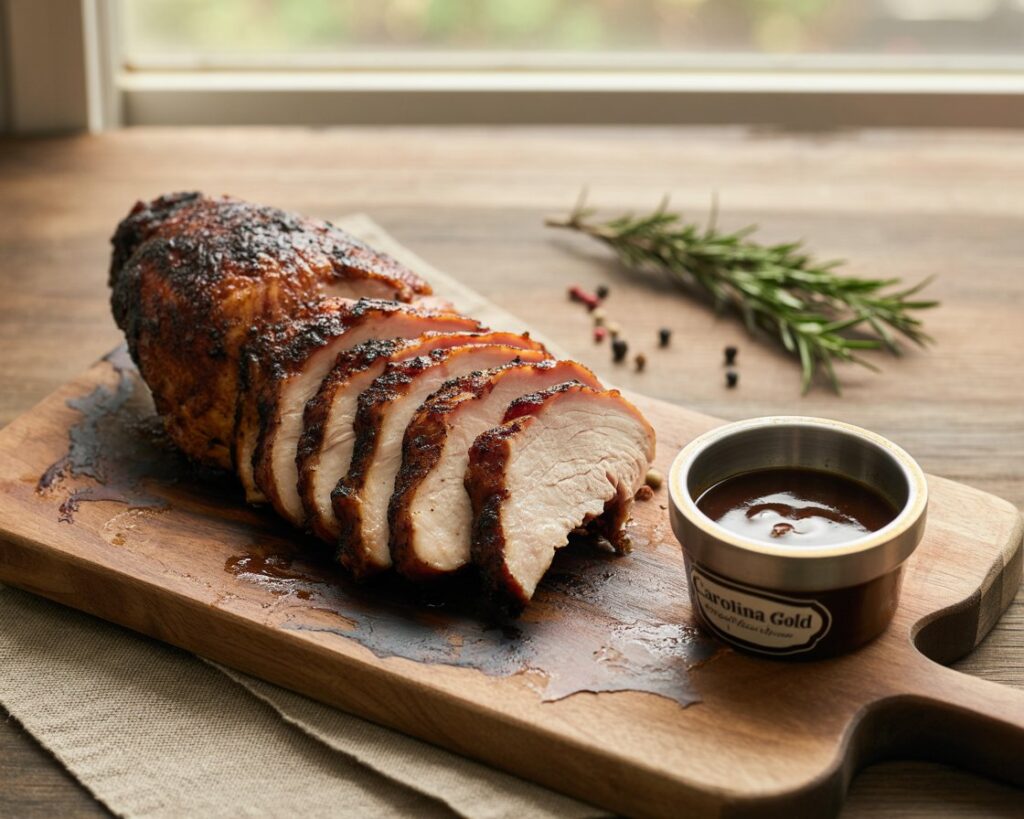
Once your chicken breast reaches the target temperature, it’s tempting to slice right in—but hold on! Resting is a crucial step that many overlook.
During resting, the muscle fibers relax, allowing the juices that were driven toward the center during cooking to redistribute evenly throughout the meat. This means every bite is tender and moist, not dry and stringy.
To keep your chicken warm, tent it loosely with foil for about 10 minutes. This also allows the internal temperature to rise slightly (called carryover cooking), ensuring it’s cooked safely without drying out.
Flavor Boosters: Brines, Rubs, and Woods That Actually Work
When it comes to smoked chicken breast, flavor isn’t just about the smoke itself. How you prepare the meat beforehand and what kind of wood you use to smoke it play huge roles in creating that perfect balance of savory, sweet, and smoky. Let’s dive into brining techniques, the best dry rub ingredients, and the wood varieties that truly elevate your chicken.
Wet vs Dry Brine – What’s Worth It?
Brining helps chicken breast retain moisture and enhances flavor, but is a wet or dry brine better? Both have their place depending on your timeline and flavor preferences.
| Brine Type | Pros | Cons |
|---|---|---|
| Wet Brine | Adds moisture and seasoning throughout meat; easy to customize with herbs and spices | Requires time (several hours); needs a container and fridge space |
| Dry Brine | Simple to apply; concentrates flavor; less mess | Takes longer to penetrate deeply; risks uneven seasoning if not applied evenly |
Brine Cheat Sheet:
- For wet brine: Use 1/4 cup kosher salt per 4 cups water. Add sugar, herbs, and aromatics as desired.
- Dry brine: Sprinkle kosher salt evenly over the surface and refrigerate uncovered for 4-12 hours.
Tip: For quick fixes, a dry brine is less fussy and great for same-day smoking.
Best Dry Rub Ingredients for Smoked Chicken
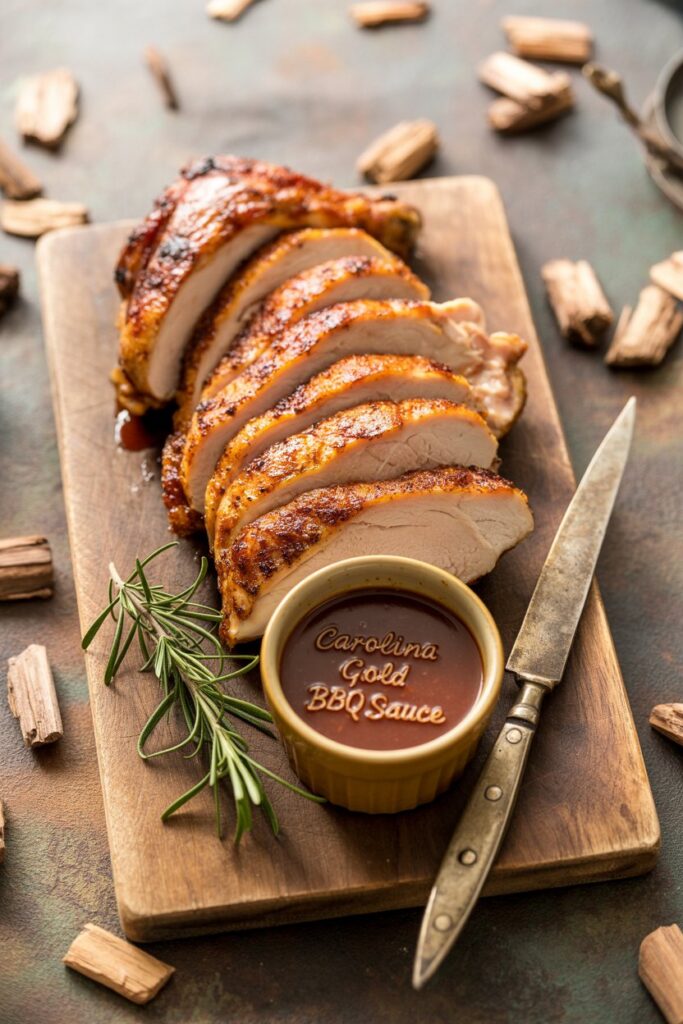
A well-balanced dry rub can turn simple smoked chicken breast into a flavor powerhouse. Here are the top ingredients you want on your spice rack:
- Brown sugar: Adds subtle sweetness and helps caramelize the crust.
- Paprika (smoked or sweet): Provides smoky depth and vibrant color.
- Garlic powder: Classic savory note that complements smoky flavors.
- Onion powder: Adds mild pungency and complexity.
- Black pepper: For gentle heat and bite.
- Chili powder or cayenne: Optional, for those who like a kick.
- Salt: Essential to bring out all flavors.
Rub Formula Idea (by weight):
| Ingredient | Percentage (%) |
|---|---|
| Brown sugar | 40 |
| Paprika | 25 |
| Salt | 15 |
| Garlic powder | 10 |
| Onion powder | 5 |
| Black pepper | 4 |
| Chili powder | 1 |
Visual idea: A spice wheel showing these ratios could help readers easily mix their own rubs.
The Woods You Use Matter (More Than You Think)
Wood choice dramatically influences the flavor profile of your smoked chicken breast. Here’s a simple guide to common woods, ranked from mild to bold, and what they bring to the table:
| Wood Type | Flavor Profile | Best Use with Chicken |
|---|---|---|
| Applewood | Sweet, mild, fruity | Perfect for delicate smoky flavor |
| Cherry | Slightly sweet, fruity | Adds rich color and gentle smoke |
| Hickory | Strong, bacon-like | For bolder, robust BBQ flavor (use sparingly) |
| Pecan | Nutty, rich | Milder alternative to hickory, great balance |
Pro tip: Combining applewood or cherry with a touch of hickory can create a complex but balanced smoke flavor.
Make It a Meal: What to Serve With Smoked Chicken Breast
Smoked chicken breast is delicious on its own, but pairing it with the right sides can elevate your entire meal from good to unforgettable. Whether you’re serving a casual weeknight dinner or hosting friends, these accompaniments complement the smoky flavors without overpowering them.
Side Dishes That Don’t Steal the Show
Light, fresh, and flavorful sides balance the richness of smoked chicken perfectly. Here are some fan favorites:
- Classic coleslaw: Crisp cabbage with a tangy vinaigrette or creamy dressing adds refreshing crunch.
- Roasted seasonal vegetables: Think carrots, Brussels sprouts, or asparagus tossed with olive oil and herbs.
- Grilled corn on the cob: Smoky and sweet, it’s a natural BBQ sidekick.
- Quinoa salad with herbs and lemon: Adds a healthy, zesty contrast.
- Garlic mashed potatoes: Creamy, comforting, and a crowd-pleaser.
If you’re curious, check out our recipe roundup of easy side dishes that pair perfectly with smoked meats.
Leftover Gold – Creative Uses Beyond Day One
Got smoked chicken breast leftovers? Don’t let that smoky goodness go to waste. Here are some delicious ways to reinvent your leftovers:
- Smoked chicken tacos: Shred the meat and toss with fresh salsa, avocado, and lime.
- BBQ chicken sandwiches: Add a slice of cheese and pickles for a quick lunch.
- Smoked chicken salad: Mix with greens, nuts, and a citrus dressing for a light meal.
- Pizza topping: Scatter diced smoked chicken over your favorite pizza for extra flavor.
- Chicken-stuffed peppers: Combine with rice and cheese, then bake.
Leftover Makeover Ideas
- Shredded Chicken Tacos
- BBQ Chicken Sandwiches
- Smoky Chicken Caesar Salad
- Chicken and Veggie Stir-Fry
- Smoky Chicken Flatbread Pizza
This list could be displayed as a carousel or a simple clickable list for easy browsing.
Quick-Glance Time & Temp Chart (Bookmark This!)
Smoking chicken breast doesn’t have to be guesswork. Use this easy reference chart to hit the perfect temperature, cooking time, and resting period every time. Save it, screenshot it, or print it—this little guide will become your go-to smoking companion.
| Smoking Temp | Internal Target Temp | Approx. Time per Pound | Resting Time |
|---|---|---|---|
| 225°F (107°C) | 160–165°F (71–74°C) | 1.5 to 2 hours | 10 minutes (tent with foil) |
| 250°F (121°C) | 160–165°F (71–74°C) | 1 to 1.5 hours | 10 minutes (tent with foil) |
Pro Tip: Pull the chicken breast at 160°F and let carryover cooking raise it to the safe 165°F while resting. This helps keep the meat juicy and tender.
Reader Q&A: Your Smoked Chicken Breast Questions Answered
Can You Smoke Frozen Chicken Breast?
Smoking frozen chicken breast isn’t recommended because it leads to uneven cooking and longer smoke times, increasing the risk of dry meat. For best results, fully thaw your chicken in the refrigerator before smoking to ensure even heat penetration and juicy, tender results.
How Do I Keep the Skin from Getting Rubbery?
Rubbery skin usually happens when moisture gets trapped and the skin doesn’t crisp properly. To avoid this, pat your chicken breast dry before applying rubs or brines. Smoking at a consistent low temperature and finishing with a quick blast of higher heat or a brief sear can help crisp the skin while locking in moisture.
Is Smoked Chicken Healthy?
Yes! Smoked chicken breast is a lean, high-protein option with minimal fat, making it a healthy choice. Just watch the amount of added sugar in rubs or sauces and avoid charring to keep it nutritious. Smoking also allows you to cook without added fats, preserving flavor naturally.
Mastering Smoked Chicken Breast: Your Journey to Juicy, Flavorful Perfection
Smoked chicken breast might seem simple, but with the right tools, techniques, and flavor boosters, it transforms into a mouthwatering centerpiece that’s juicy, tender, and packed with smoky goodness. Whether you’re a beginner or looking to refine your skills, this guide equips you with everything you need to smoke chicken breast like a pro. Now it’s your turn—fire up the smoker, try these tips, and enjoy the delicious rewards!
