

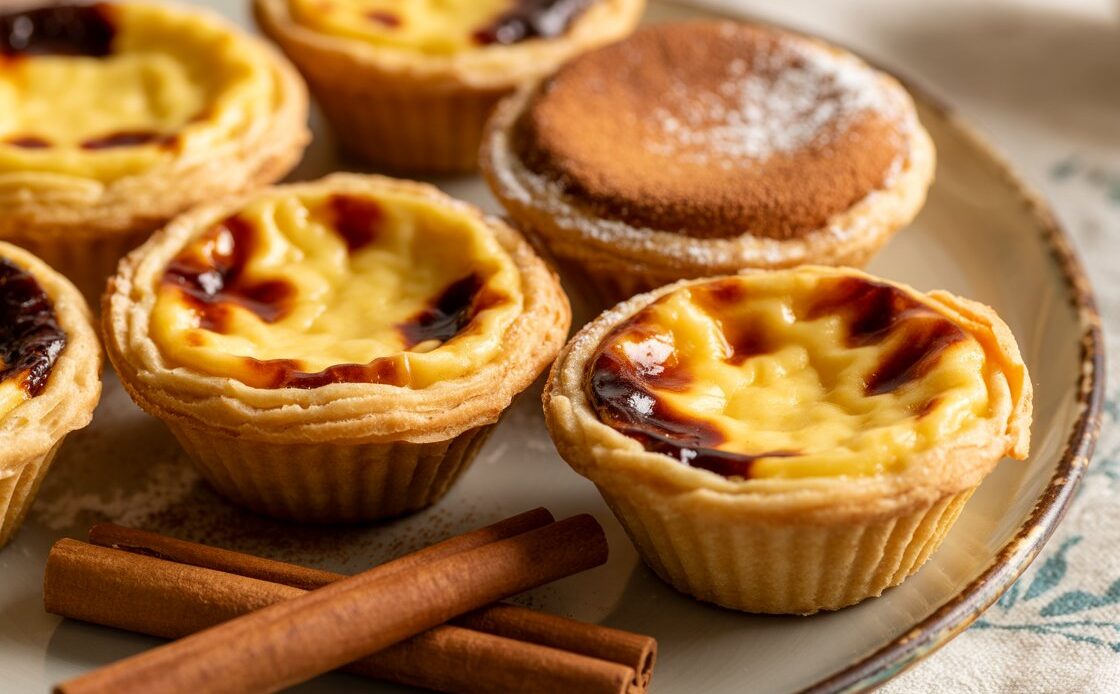
Pastéis de Nata are more than just Portuguese custard tarts—they’re a bite of history, culture, and pure indulgence. Crispy, flaky pastry filled with creamy, sweet custard, these iconic treats have captured hearts far beyond Portugal’s borders. In this guide, you’ll discover not only how to make authentic Pastéis de Nata at home but also the secrets behind their legendary flavor, tips to avoid common mistakes, and fun twists to impress your friends. Whether you’re a pastry novice or a dessert enthusiast, this journey into traditional Portuguese desserts promises to be as delightful as the tarts themselves.
The Sweet History of Pastéis de Nata
Few desserts capture the essence of Portugal like Pastéis de Nata. These iconic Portuguese custard tarts are more than just a sweet treat—they tell a story of tradition, innovation, and cultural pride. Their journey from monastery kitchens to bakeries around the world reflects centuries of culinary history and the devotion of pastry artisans who perfected the balance of flaky pastry and creamy custard. Let’s dive into how these tarts became the global phenomenon they are today.
From Monastery to Global Fame
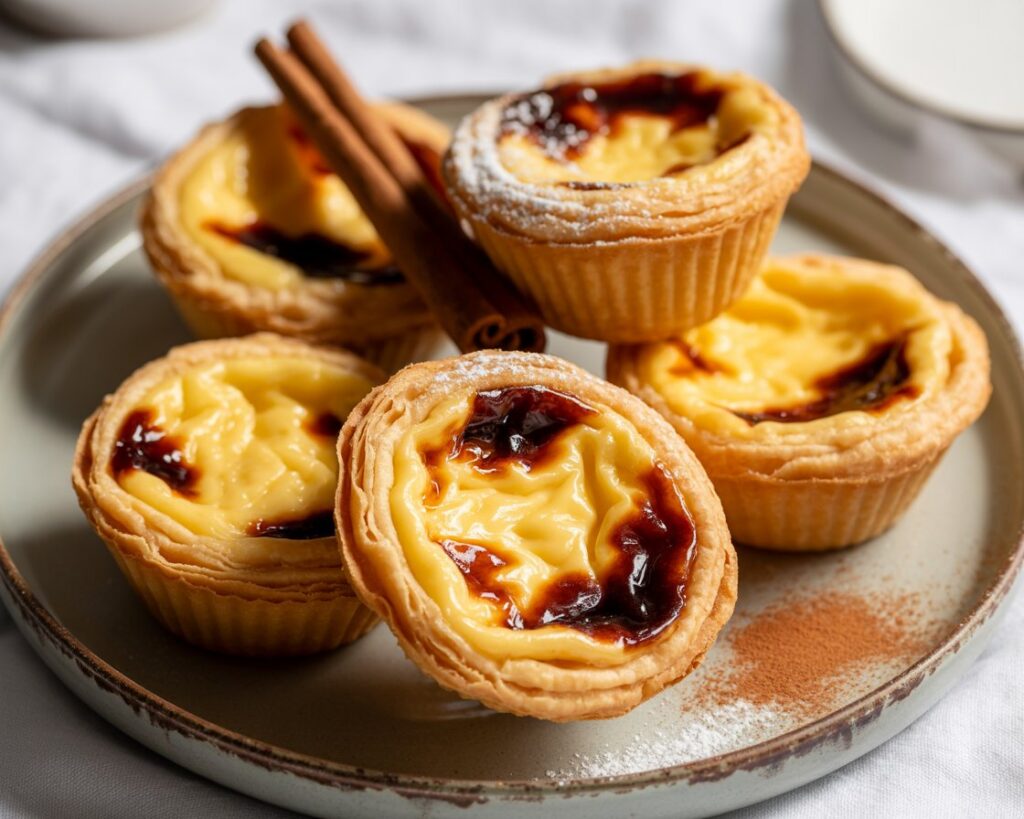
The story of Pastéis de Nata begins in the 18th century at the Jerónimos Monastery in Lisbon, Portugal. Monks and nuns crafted these Portuguese custard tarts using leftover egg yolks, which were abundant due to the widespread use of egg whites in starching clothes and wine clarification. Originally a humble monastery treat, the tarts eventually made their way into local bakeries after the monastery was partially closed during the Liberal Revolution. Today, Pastéis de Nata have become an iconic dessert, enjoyed worldwide for their crisp, flaky pastry and creamy custard filling.
Pastéis de Belém vs Pastéis de Nata
While often used interchangeably, Pastéis de Belém and Pastéis de Nata are not exactly the same. Pastéis de Belém refers specifically to the tarts made in the Belém district of Lisbon following a closely guarded original recipe. In contrast, Pastéis de Nata is the general term for similar custard tarts made elsewhere.
| Feature | Pastéis de Belém | Pastéis de Nata |
|---|---|---|
| Flavor | Rich, slightly caramelized custard | Classic creamy custard |
| Recipe Secrecy | Secret recipe known by few | Widely replicated |
| Location | Belém, Lisbon | Portugal and worldwide |
Fun Facts from Lisbon
- Traditionally, a sprinkle of cinnamon is added just before serving, a practice that started in Lisbon cafés in the early 20th century.
- Some cafés claim to serve over 20,000 tarts daily, making it a true national obsession.
- The custard filling is sometimes lightly torched to create a caramelized top, giving each tart a signature golden-brown finish.
Why Pastéis de Nata Are Portugal’s Most Loved Dessert

Few desserts evoke the warmth of Portuguese culture quite like Pastéis de Nata. Their irresistible combination of crispy, golden pastry and silky custard makes every bite an experience. More than just a treat, they are a symbol of comfort, tradition, and indulgence—a dessert that connects people to Portugal’s cafés, history, and daily rituals. Let’s explore why these iconic Portuguese custard tarts hold such a special place in hearts around the world.
The Perfect Balance of Flaky and Creamy
One of the secrets behind the global love for Pastéis de Nata is the sensory contrast in every bite. The exterior is a delicate, golden-brown puff pastry, crisp enough to crackle under your fork. Inside lies a smooth, velvety custard, lightly sweetened with hints of vanilla and a touch of cinnamon. The interplay between crisp and creamy, warm and tender, makes eating a Pastéis de Nata not just tasting a dessert, but experiencing it—an artful balance that keeps people coming back for more.
Cultural Significance & Rituals
In Portugal, Pastéis de Nata are more than just desserts—they are woven into daily life. Many locals enjoy them with a strong morning coffee, either at home or in bustling cafés. Cafés are social hubs, where friends gather, conversations flow, and Portuguese custard tarts are savored fresh from the oven. Seasonal festivals, family celebrations, or casual afternoon treats all feature these tarts, reinforcing their role as a cultural staple.
Quick Poll: Top 5 Pastéis de Nata Spots in Portugal
| Rank | Bakery/Café | Location | Must-Try Flavor | Instagram Worthy |
|---|---|---|---|---|
| 1 | Pastéis de Belém | Belém, Lisbon | Original | ★★★★★ |
| 2 | Manteigaria | Lisbon | Classic custard | ★★★★☆ |
| 3 | Confeitaria Nacional | Lisbon | Cinnamon-topped | ★★★★☆ |
| 4 | Fábrica da Nata | Lisbon | Extra caramelized | ★★★★☆ |
| 5 | Aloma | Lisbon | Light & creamy | ★★★★☆ |
This table gives readers a practical guide to tasting the best Pastéis de Nata in Portugal while also adding a visual element to break up text.
How to Make Pastéis de Nata at Home
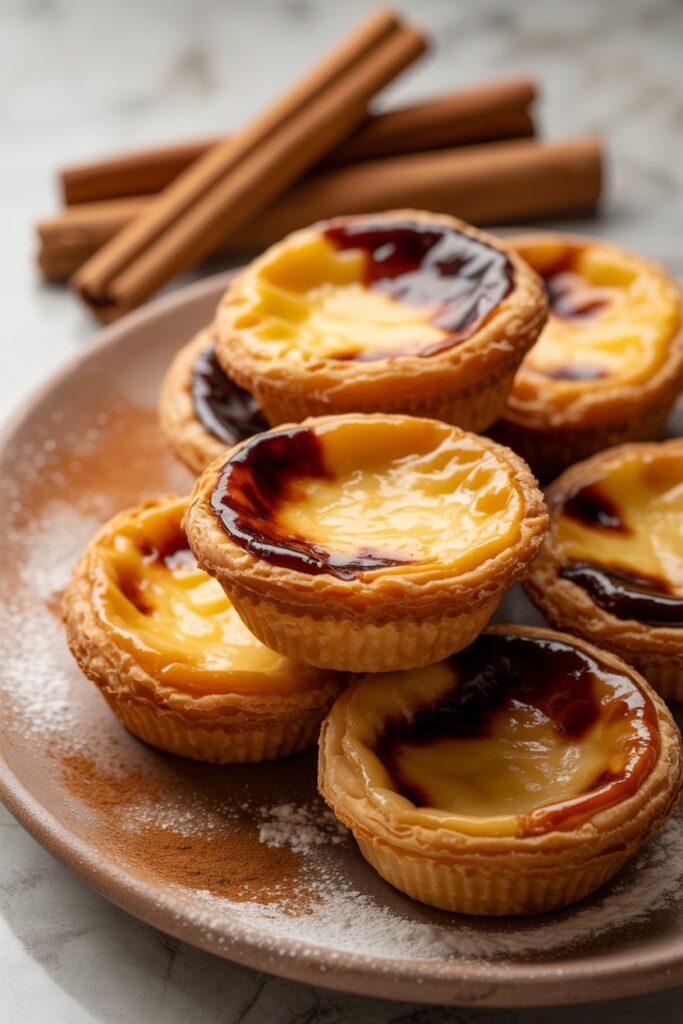
Making Pastéis de Nata at home can seem intimidating, but with a few key tips and attention to detail, anyone can recreate this classic Portuguese custard tart. While the ingredients and step-by-step instructions will be listed separately, it’s important to understand common pitfalls and techniques that elevate your homemade tarts from good to exceptional.
Common Mistakes to Avoid
Even experienced bakers can encounter challenges when making Pastéis de Nata. Here’s a quick checklist of the most common mistakes and how to prevent them:
| Mistake | How to Avoid |
|---|---|
| Burnt custard | Bake at the right temperature and watch closely near the end; caramelization should be light golden, not black. |
| Soggy pastry | Ensure puff pastry is cold before baking; avoid overfilling the custard. |
| Curled pastry edges | Roll pastry evenly and press gently into molds. |
| Lumpy custard | Whisk egg yolks and sugar well; strain custard if necessary. |
Using this mini-guide can save frustration and improve the texture and taste of your Portuguese custard tarts.
Tips for Authentic Flavor
Authenticity is key to enjoying true Pastéis de Nata. A few simple techniques make a world of difference:
- Use real cinnamon for that signature aroma and light dusting before serving.
- Maintain the correct cream-to-egg ratio to achieve the smooth, silky custard inside a crisp shell.
- Work with high-quality puff pastry and keep it chilled to ensure flaky layers that hold the custard perfectly.
- Consider briefly torching the tops for a golden-brown finish, mimicking the classic caramelized look of Lisbon bakeries.
These small but crucial tips help bring the flavor and texture of Portugal’s most beloved dessert right into your own kitchen.
Variations and Modern Twists on the Classic
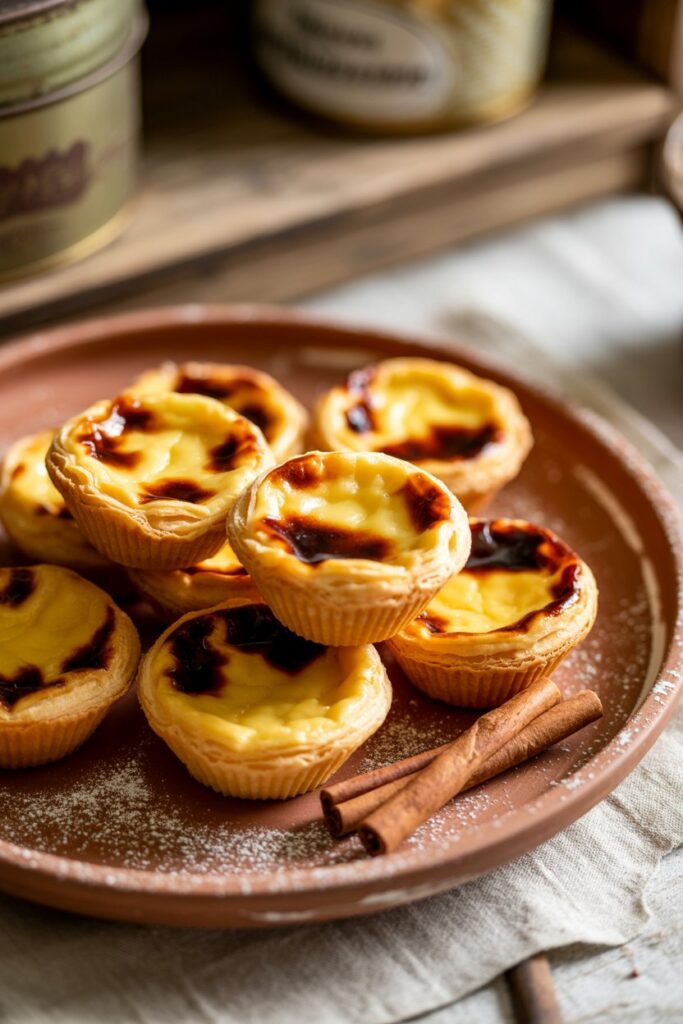
While traditional Pastéis de Nata are beloved worldwide, creative bakers have started experimenting with both sweet and savory variations. These modern twists allow you to enjoy Portuguese custard tarts in exciting new ways, whether you want to add a playful flavor or surprise guests with an unexpected twist.
Sweet Innovations
Bakers have introduced a variety of sweet innovations to the classic dessert. From chocolate and caramelized tops to fruit fillings like berries or passion fruit, each variation offers a new flavor experience. Matcha custard, for example, adds a subtle earthy taste that balances the sweetness while maintaining the creamy texture of the tart. These inventive options let enthusiasts enjoy the classic pastry with a modern flair without losing its essential charm.
Savory Experiments
For adventurous palates, savory Pastéis de Nata are gaining popularity. Think custards infused with herbs, cheeses, or even smoked salmon. These creative adaptations transform the dessert into an appetizer or brunch item while preserving the signature crispiness of the puff pastry. Savory versions provide an unexpected twist that surprises and delights while still honoring the structure of the traditional tart.
Visual Comparison Table: Classic vs. Innovative Pastéis de Nata
| Type | Flavor Profile | Prep Time | Taste Rating | Difficulty |
|---|---|---|---|---|
| Classic | Creamy custard with hint of cinnamon | 30 min | ★★★★★ | Medium |
| Chocolate | Custard with chocolate swirl | 35 min | ★★★★☆ | Medium |
| Fruit-filled | Custard with berries or passion fruit | 40 min | ★★★★☆ | Medium |
| Matcha | Subtle green tea custard | 35 min | ★★★★☆ | Medium |
| Savory | Cheese, herbs, or smoked salmon | 40 min | ★★★★☆ | Medium-High |
This table allows readers to quickly compare different variations while providing practical insights on preparation and flavor profiles.
Pairings, Serving Ideas, and Presentation Tips
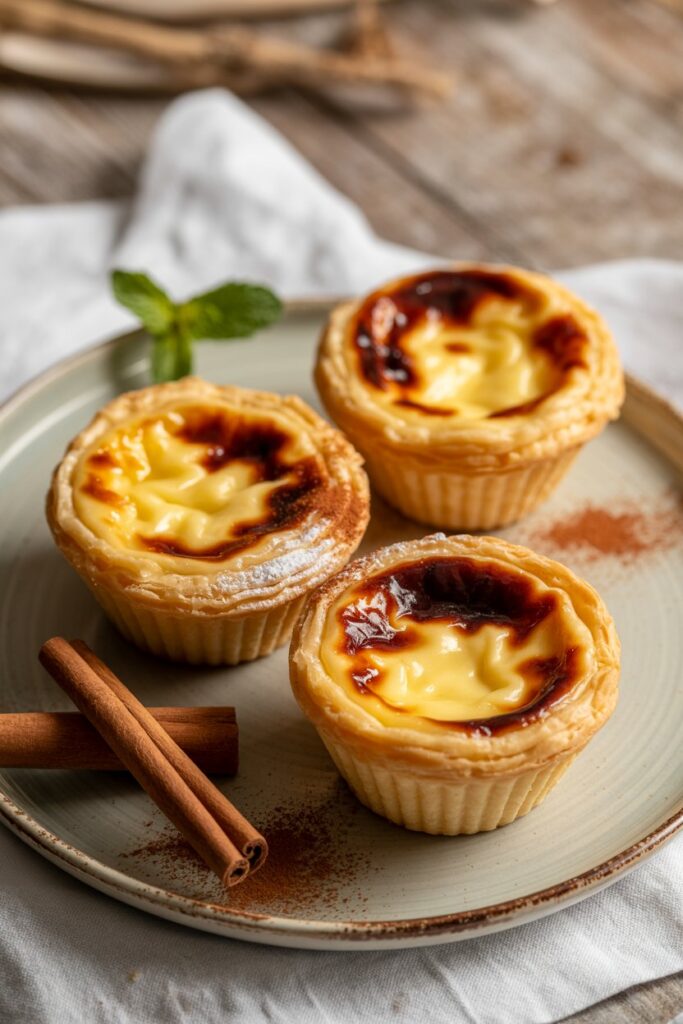
Enjoying this dessert is not just about taste—it’s also about the experience. From carefully chosen beverages to visually appealing plating, these tips help you elevate your Portuguese custard tarts to a memorable dessert moment. Thoughtful pairings and presentation can make your homemade tarts feel like they came straight from a Lisbon café.
Beverages that Complement Pastéis de Nata
Choosing the right drink can enhance the flavor of your Pastéis de Nata. Traditional pairings include:
- Coffee: A strong espresso or cappuccino balances the sweetness and complements the creamy custard.
- Port Wine: A slightly chilled white or tawny Port adds depth and a touch of luxury.
- Tea: Light teas such as Earl Grey or green tea offer subtle contrasts without overpowering the tart.
Instagram-Worthy Plating Ideas
Presentation can transform Portuguese custard tarts into visually stunning desserts. Consider:
| Plating Style | Garnishes | Tips |
|---|---|---|
| Classic Elegance | Light cinnamon dust, powdered sugar | Use a white plate to highlight the golden tarts |
| Modern Minimalist | Drizzle of chocolate or caramel | Keep the arrangement simple; focus on symmetry |
| Colorful & Fun | Fresh berries, edible flowers | Use contrasting colors for a vibrant look |
| Festive Touch | Crushed nuts or gold leaf | Perfect for holidays or special occasions |
Creative Garnishes & Sprinkles
Adding small touches can make your Pastéis de Nata feel luxurious and special. Popular options include:
- Cinnamon or powdered sugar for a classic look
- Edible flowers for color and elegance
- Chocolate shavings or caramel drizzle for a modern twist
- Crushed nuts or zest to add texture and aroma
These simple yet creative additions turn every tart into a feast for both the eyes and the palate, making your homemade Pastéis de Nata Instagram-ready and memorable.
Where to Experience the Best Pastéis de Nata

While making this dessert at home is rewarding, tasting them at their source is an unforgettable experience. Lisbon, the birthplace of these iconic Portuguese custard tarts, is filled with bakeries that have perfected the balance of flaky pastry and creamy custard. Beyond Portugal, cafés around the world are introducing international audiences to this beloved dessert.
Famous Bakeries in Lisbon
Lisbon is home to several bakeries where Pastéis de Nata are elevated to an art form. Here’s a quick guide to some of the most famous spots:
| Bakery/Café | Specialty | Address | Rating |
|---|---|---|---|
| Pastéis de Belém | Original recipe custard tart | Rua de Belém 84-92 | ★★★★★ |
| Manteigaria | Classic Pastéis de Nata | Rua do Loreto 2 | ★★★★☆ |
| Confeitaria Nacional | Cinnamon-topped tarts | Praça da Figueira 18B | ★★★★☆ |
| Fábrica da Nata | Extra caramelized tops | Rua Augusto Rosa 24 | ★★★★☆ |
| Aloma | Light & creamy custard | Rua da Padaria 5 | ★★★★☆ |
These bakeries not only deliver exceptional taste but also provide a cultural experience that transports visitors into the heart of Lisbon’s dessert traditions.
Global Spots Outside Portugal
The love for Pastéis de Nata has spread worldwide. Cities like London, New York, Toronto, and Sydney feature cafés offering faithful renditions of this Portuguese classic. Many international bakeries replicate the custard’s creamy texture and the signature flaky pastry, allowing dessert enthusiasts to enjoy authentic flavors even far from Lisbon.
Travel Tip Box
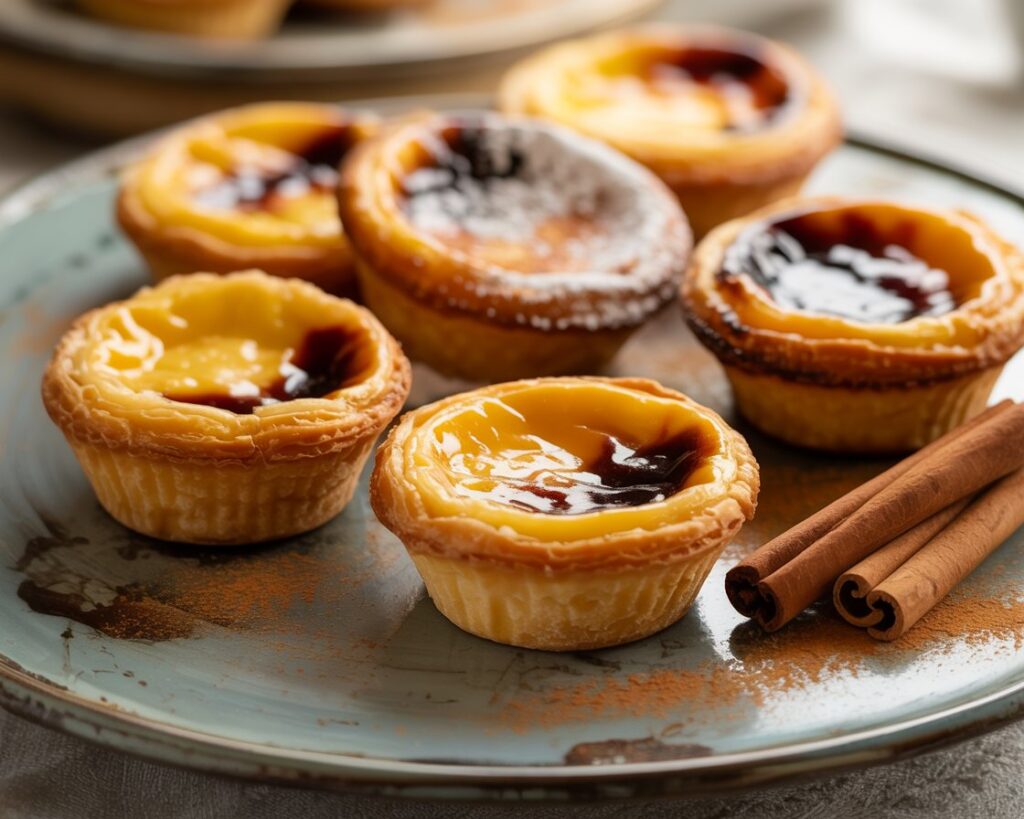
- Best Time to Visit: Morning hours, right after tarts are freshly baked, for peak freshness.
- Avoiding Crowds: Weekdays are less busy than weekends, especially at iconic spots like Pastéis de Belém.
- Tasting Hacks: Pair your tart with a strong espresso for the perfect balance; try a cinnamon sprinkle for an extra layer of flavor.
Experiencing this dessert in person offers a sensory connection to Portuguese culture, combining taste, aroma, and tradition in every bite.
Final Thoughts on Pastéis de Nata
Pastéis de Nata are more than just custard tarts—they’re a delicious symbol of Portuguese culture and history. Whether you bake them at home or taste them in Lisbon’s iconic cafés, each bite captures the perfect balance of flaky pastry and creamy custard. So, next time you crave a sweet treat, remember that these little golden tarts carry centuries of tradition in every swirl of cinnamon-dusted cream.
