

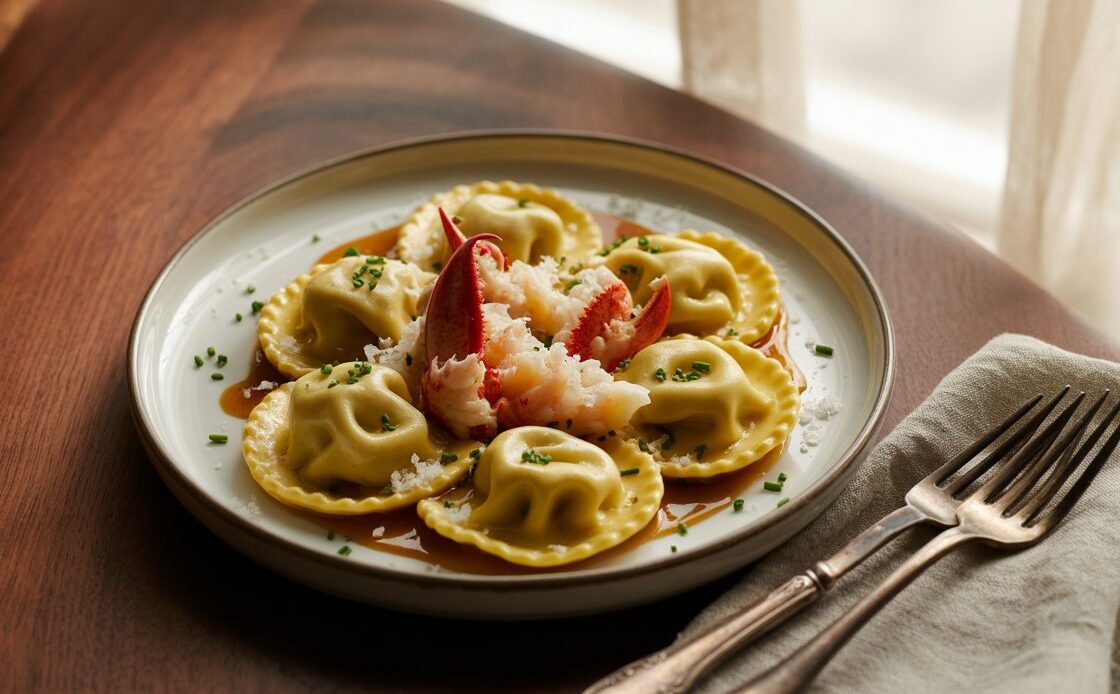
Lobster ravioli recipe lovers, this one’s for you. Forget the rubbery filling and generic sauces of store-bought options—this homemade version delivers tender pasta, rich lobster filling, and sauce combinations that actually highlight the seafood, not drown it. Whether you’re planning a date night, celebrating something special, or just craving elevated comfort food, this guide goes beyond the usual “boil, fill, and serve” advice. You’ll get flavor pairings that make sense, sauce ideas that won’t overpower the dish, and tips to make it all feel effortless—even if it’s your first time making pasta from scratch.
Why Lobster Ravioli Is the Ultimate Showstopper Pasta
When it comes to pasta dishes that impress both the eyes and the palate, lobster ravioli stands in a league of its own. Its delicate balance of rich, buttery lobster filling wrapped in tender pasta makes it a standout choice for special occasions—or anytime you want to treat yourself. But what exactly makes lobster ravioli so beloved, and why does homemade always beat store-bought? Let’s dive into the history, tradition, and unique qualities that have elevated this dish from coastal kitchens to your dining table.
A Rich Tradition from Coastal Italian Kitchens
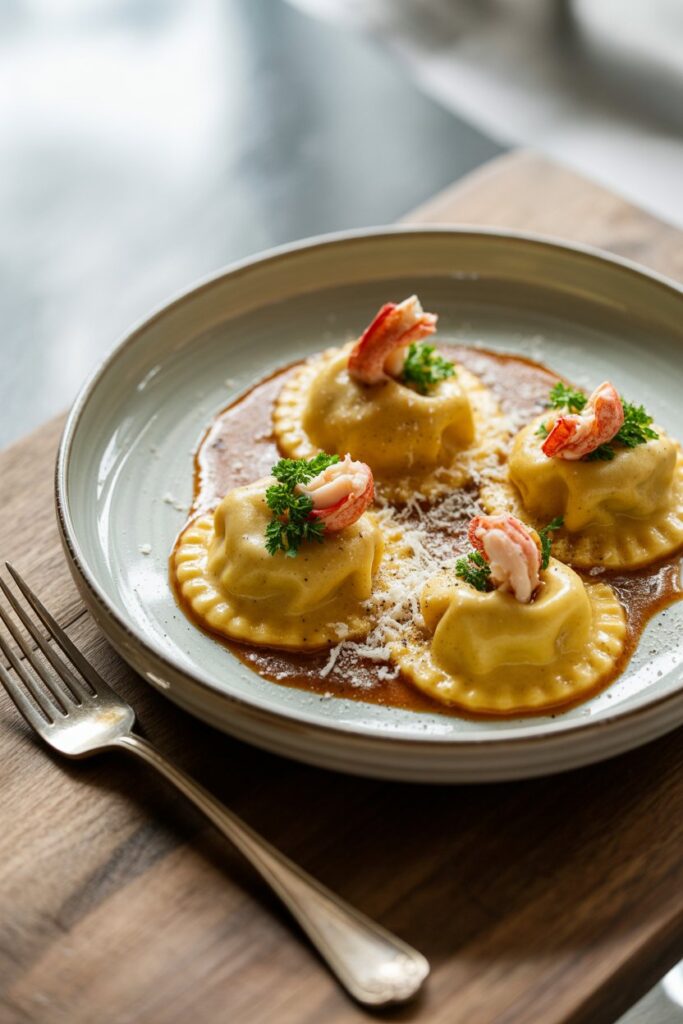
Lobster ravioli has long held a place of prestige in Italian coastal cuisine, particularly in regions like Liguria and southern Tuscany where seafood is central to the diet. These areas have a history of marrying simple, local ingredients—like freshly caught lobster and handmade pasta—into dishes that are refined yet deeply rooted in tradition.
Historically, seafood-stuffed pasta was a dish reserved for celebrations and Sunday feasts. Lobster, being both luxurious and delicate, was used sparingly, often paired with light sauces like brown butter or lemon cream to avoid overwhelming its natural sweetness.
Here’s a fun culinary trivia: In some coastal Italian towns, it’s common for families to hand down pasta-making tools as heirlooms—wooden ravioli stamps and brass cutters passed from nonna to nipoti. That sense of generational craftsmanship is part of what makes homemade lobster ravioli not just a meal, but a ritual.
What Makes It Better Than Store-Bought
Mass-produced lobster ravioli often sacrifices quality for shelf stability and efficiency. From the filling to the dough, shortcuts are taken that lead to a vastly different experience compared to what you can achieve at home.
Below is a quick comparison that breaks down the key differences:
| Feature | Homemade | Store-Bought |
|---|---|---|
| Lobster Quality | Fresh, real meat | Often imitation or blended |
| Pasta Texture | Tender, made to taste | Doughy or overcooked |
| Flavor Control | Fully customizable | Pre-seasoned, limited |
| Price per Serving | Lower (in bulk) | Higher, less value |
Making it from scratch not only guarantees better texture and taste, but also gives you the freedom to experiment—with fillings, sauces, and even plating. It becomes less about just cooking dinner and more about crafting an experience that’s uniquely yours.
Choosing the Right Ingredients (and Why It Matters)
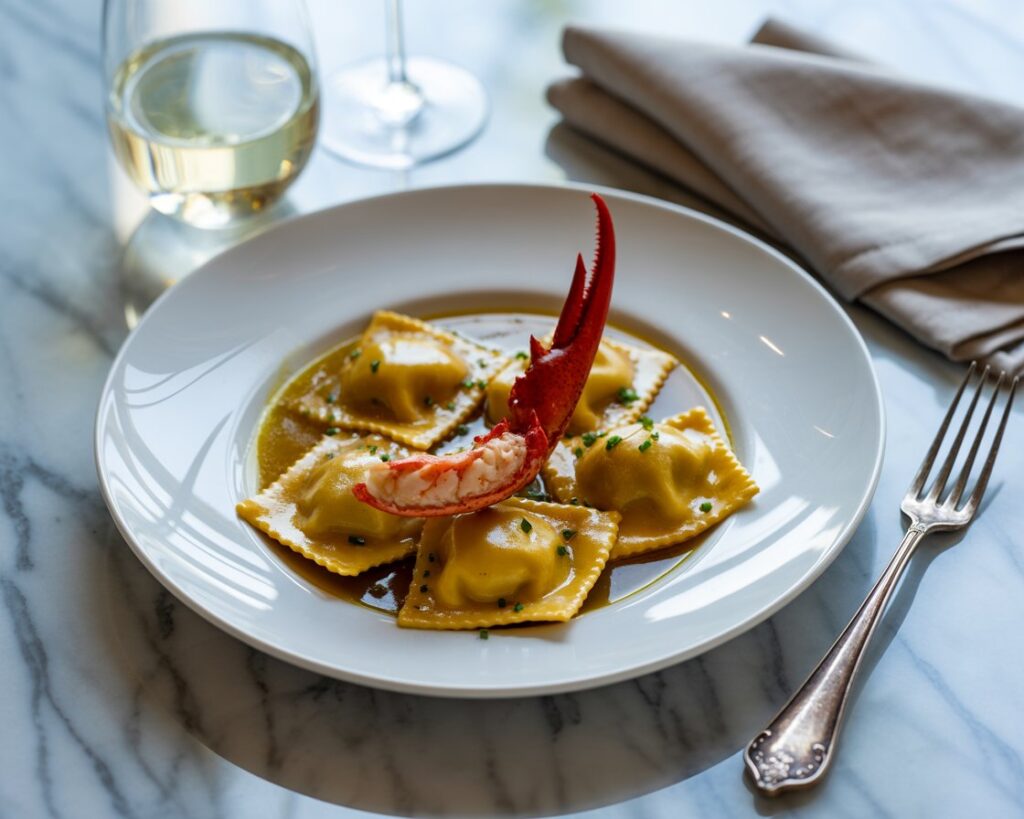
Selecting the best ingredients is the foundation of any great lobster ravioli recipe. Since lobster is the star, everything else—from the filling to the pasta dough and sauce—should enhance, not overpower, its delicate flavor. Let’s start by deciding which lobster to use and explore some unexpected but delicious filling ideas.
Fresh vs Frozen Lobster – Which One Works Best?
Choosing between fresh and frozen lobster often depends on availability, budget, and convenience. Here’s a quick look at the pros and cons of each:
Fresh Lobster
Pros:
- Superior texture and sweetness
- More vibrant flavor
- Ideal for special occasions
Cons:
- Usually more expensive
- Limited availability in some regions
- Requires immediate use for best quality
Frozen Lobster
Pros:
- Convenient and widely available year-round
- More affordable option
- Longer shelf life in the freezer
Cons:
- Slightly softer texture after thawing
- Potentially less sweet flavor
- Requires proper thawing to avoid sogginess
How to Prep Both:
- Fresh lobster: Boil or steam until just cooked, then carefully remove meat from shells. Cut into small, uniform pieces or gently shred for the filling.
- Frozen lobster: Thaw slowly in the refrigerator overnight. Avoid microwaving or hot water thawing to prevent rubbery texture. Drain any excess moisture before using.
Filling Flavors That Actually Compliment Lobster
While ricotta is the classic base for ravioli filling, incorporating other ingredients can elevate the flavor and add depth without overshadowing the lobster’s natural sweetness.
Try blending:
- Mascarpone cheese for creaminess and subtle tang
- Fresh lemon zest to brighten the mix
- Herbs like chives, tarragon, or basil for aromatic layers
Consider a touch of grated Parmigiano-Reggiano for umami richness, but keep it light to avoid overwhelming the seafood.
Here’s a handy Flavor Pairing Chart to inspire your filling and sauce combinations:
| Lobster Ravioli Filling Additions | Best Sauce Pairings | Flavor Notes |
|---|---|---|
| Mascarpone + Lemon Zest + Chives | Garlic Butter | Creamy, fresh, and bright |
| Ricotta + Tarragon + Parmigiano | Brown Butter + Sage | Earthy, nutty, and aromatic |
| Ricotta + Basil + Lemon Zest | Light Cream Sauce | Herbaceous with citrus zing |
A Word on Pasta Dough: Store-Bought Sheets vs Homemade

Making pasta dough from scratch is rewarding but can be time-consuming. If you’re short on time, high-quality store-bought pasta sheets can work well, especially fresh ones found in specialty stores. Just make sure to dry them slightly before filling so they don’t become soggy.
Semolina vs All-Purpose Flour:
- Semolina flour offers a firmer bite and golden color, typical in traditional Italian pasta.
- All-purpose flour produces a softer, more delicate dough that’s easier to roll and shape.
Pro Tip: If you want a pasta dough that’s both tender and resilient, try mixing 50% semolina and 50% all-purpose flour. This balance keeps ravioli sturdy enough to hold the lobster filling without becoming tough.
The Sauce Debate – What Pairs Best with Lobster Ravioli?
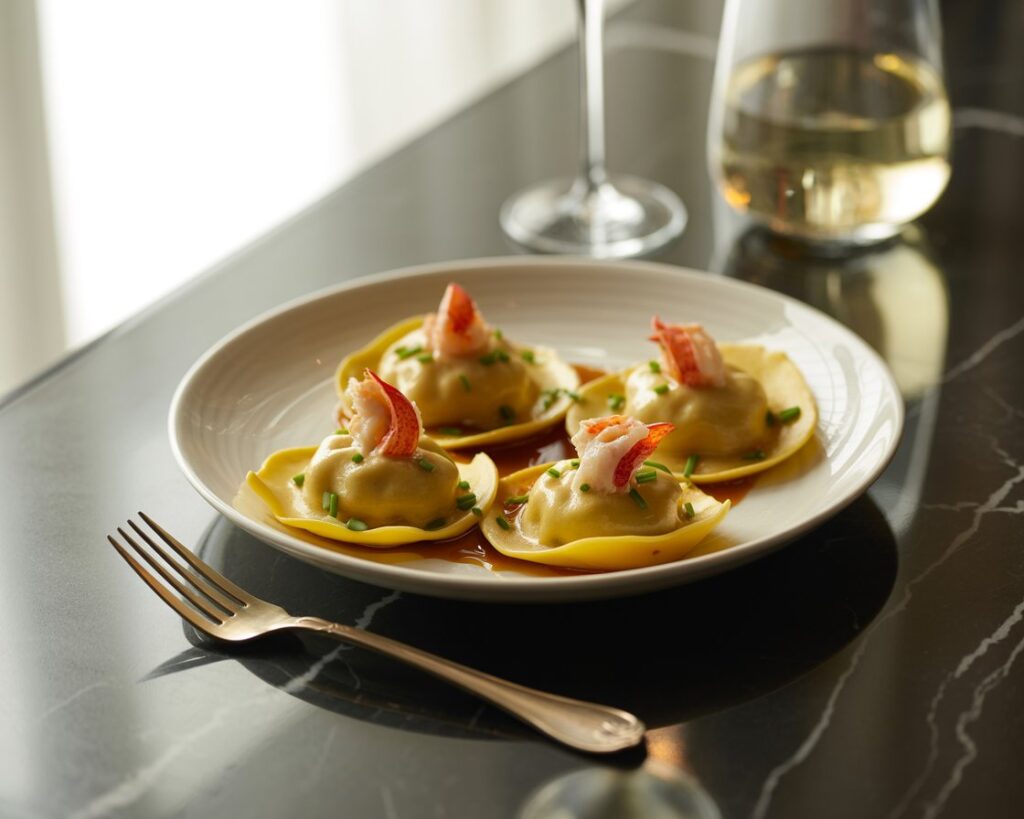
Choosing the right sauce can make or break your lobster ravioli dish. The goal is to enhance the sweet, delicate flavor of the lobster without overpowering it. Let’s explore three sauces that perfectly complement this seafood-filled pasta and discuss what to avoid so you don’t accidentally ruin all your hard work.
Top 3 Sauces That Don’t Overpower Lobster
1. Garlic Butter Sauce
A classic for a reason — this sauce is rich yet simple. Melted butter infused with gently sautéed garlic and a touch of fresh parsley creates a luscious coating that lets the lobster’s flavor shine through. It’s easy to prepare and adds a subtle, savory depth without being heavy.
2. Lemon Cream Sauce
Bright and velvety, lemon cream sauce combines heavy cream, fresh lemon juice, and zest. The acidity cuts through the richness of the filling, balancing the dish beautifully while adding a fresh, citrusy aroma. Perfect for spring and summer dinners.
3. Brown Butter + Sage
Nutty browned butter paired with aromatic sage leaves is a match made in heaven for lobster ravioli. The slightly toasted flavor of the butter contrasts with the sweet lobster, creating a sophisticated, earthy flavor profile that’s surprisingly simple to achieve.
What to Avoid (And Why Your Sauce Might Be Killing the Dish)
Not all sauces play nice with lobster ravioli. Heavy tomato sauces, overly spicy concoctions, or cheese-laden dressings can mask the delicate seafood flavor and make the dish feel unbalanced.
Here’s a quick rundown of common sauce mistakes to avoid:
| Common Mistake | Why It Hurts Your Dish | Better Alternative |
|---|---|---|
| Using heavy tomato sauces | Overwhelms subtle lobster flavor | Use light cream or butter sauces |
| Adding too much spice or heat | Masks sweetness and delicacy | Keep spices mild, focus on herbs |
| Overloading with strong cheeses | Drowns out the seafood taste | Use light sprinklings of cheese |
| Making sauces too thick or heavy | Makes the dish feel greasy and cloying | Opt for silky, lighter textures |
Keeping your sauce light and balanced is the key to elevating your lobster ravioli without overshadowing it. Think of your sauce as a gentle handshake—not a full-on wrestling match—with your pasta.
Make It a Full Meal – What to Serve with Lobster Ravioli

Lobster ravioli is a luxurious dish on its own, but pairing it thoughtfully with wine, sides, and dessert transforms your meal into a full culinary experience. The goal is to choose accompaniments that highlight the delicate flavors without overwhelming them, so your lobster ravioli stays the star.
Wine Pairings That Actually Work
When selecting wine, white varieties with bright acidity and subtle fruit notes tend to pair beautifully with lobster ravioli’s sweet and buttery flavors. Here are some top picks:
| Wine | Flavor Profile | Why It Works |
|---|---|---|
| Chardonnay | Buttery, oaky, hints of citrus | Complements the creamy filling and butter sauce |
| Sauvignon Blanc | Crisp, herbaceous, citrusy | Cuts through richness with refreshing acidity |
| Pinot Grigio | Light, crisp, with green apple notes | Offers a clean, light contrast without overpowering |
Side Dishes That Compliment, Not Compete
Keep your sides light and fresh to balance the richness of lobster ravioli. Here are some easy-to-prepare ideas:
- Light Salad: Mixed greens with a lemon vinaigrette for a zesty, refreshing bite
- Roasted Asparagus: Drizzled with olive oil and a sprinkle of sea salt, roasted until tender
- Lemony Green Beans: Steamed or sautéed with a squeeze of fresh lemon juice and toasted almonds
Plating Tip: Arrange ravioli neatly in the center of the plate, add a small mound of salad or veggies to one side, and drizzle sauce sparingly around for an elegant touch without fuss.
Dessert Pairings for a Coastal Italian Vibe
Finish your meal with something light and refreshing that echoes the coastal inspiration:
- Lemon Sorbet: A palate-cleansing burst of citrus
- Classic Panna Cotta: Silky, creamy, and subtly sweet
- Espresso Affogato: Bold espresso poured over vanilla gelato for a perfect bitter-sweet ending
Pro Tips for Perfect Lobster Ravioli (Even If It’s Your First Time)
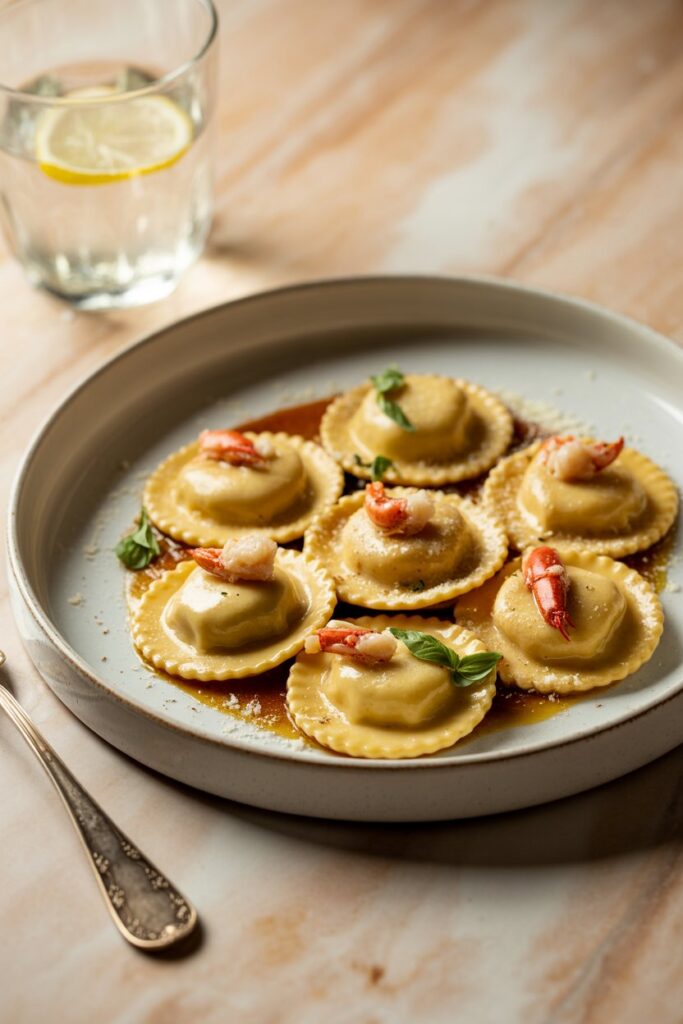
Making lobster ravioli at home might seem intimidating, but with the right tools, storage know-how, and a few beginner-friendly hacks, you’ll be serving restaurant-quality pasta in no time. Let’s break down what will make your cooking experience smoother and tastier.
Tools That Make Life Easier
Investing in a few simple kitchen tools can take the stress out of shaping and filling ravioli:
- Pasta Cutter: Ensures clean, even edges and perfect squares or rounds.
- Ravioli Mold: Speeds up the assembly process and creates uniform pockets.
- Piping Bag: Allows precise filling without messy spills or overfilling.
Tip: If your platform supports icons or small images, including visuals of these tools helps readers quickly identify and consider adding them to their kitchen arsenal.
Storing, Freezing, and Reheating Without Ruining Texture
Proper storage keeps your lobster ravioli fresh and delicious, even if you want to prepare in advance or save leftovers. Here’s a quick guide:
| Storage Method | Duration | Best Practice |
|---|---|---|
| Fridge | 2–3 days | Store in an airtight container |
| Freezer | 1–2 months | Flash freeze ravioli on a tray before bagging to prevent sticking |
| Reheating | Immediate | Boil or steam gently; avoid microwave to maintain texture |
Mistakes Beginners Make (and How to Avoid Them)
Dough Too Thick
If your pasta dough is too thick, the ravioli can become heavy and doughy. Roll your dough thin enough to see your hand through it but still sturdy enough to hold the filling without tearing.
Overfilling Ravioli
Filling too much causes ravioli to burst open during cooking. Use small spoonfuls or a piping bag and leave enough room on the edges to seal properly.
Sauce Breaking Due to Heat
Creamy sauces can separate if overheated. Always add your sauce last, off the direct heat, and gently toss the ravioli just before serving.
Why This Recipe Belongs in Your Rotation
By mastering this lobster ravioli recipe, you’ve unlocked the secret to creating a gourmet, restaurant-quality dish right in your own kitchen. It’s a perfect balance of elegance and comfort, impressively simple once you get the hang of it, and infinitely adaptable to your tastes. Whether you’re cooking for a special occasion or just want to elevate a weeknight dinner, this recipe is a game-changer.
Don’t stop here—try swapping lobster for crab or shrimp to keep things exciting and tailor it to what’s freshest or on sale. And if you loved this guide, be sure to bookmark it, share with friends, or drop a comment letting us know how your ravioli adventure went!
Why This Lobster Ravioli Recipe Should Be Your Go-To Dish
This lobster ravioli recipe isn’t just another pasta dish — it’s your ticket to impressing family and friends with a gourmet meal that’s surprisingly easy to make at home. With fresh ingredients, thoughtful flavor pairings, and tips to avoid common pitfalls, you’re equipped to create tender, flavorful ravioli that rivals any restaurant. Add this recipe to your cooking rotation, experiment with variations, and enjoy the satisfaction of serving a truly special dish whenever the mood strikes.
