

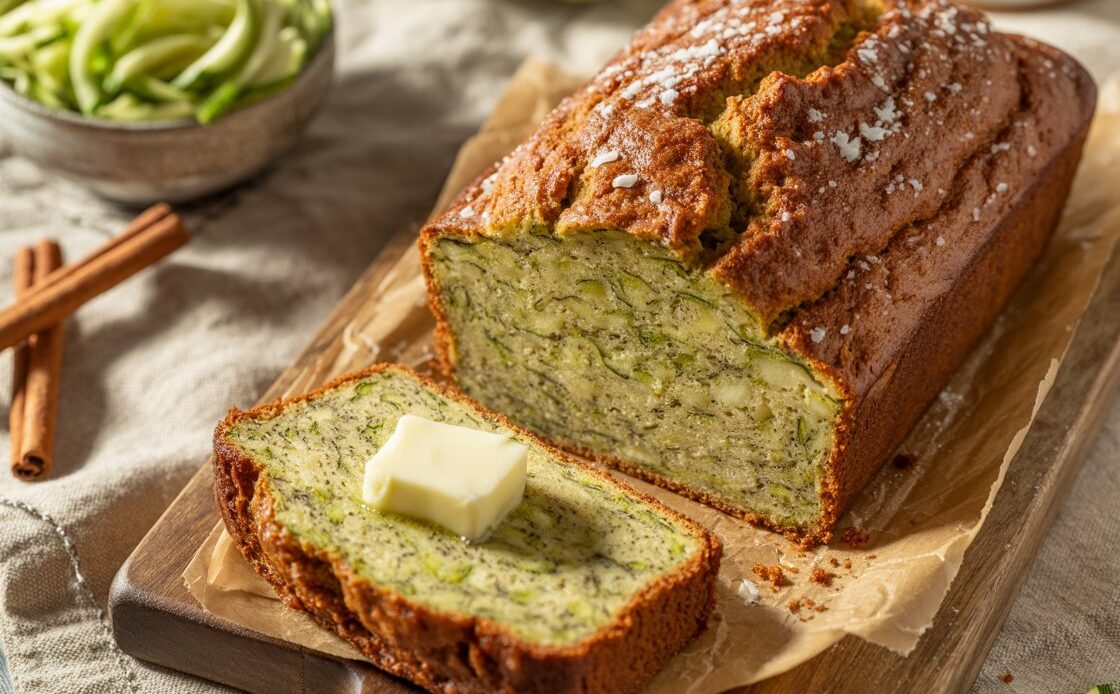
Keto zucchini bread is more than just a low-carb alternative—it’s a flavorful, moist, and satisfying way to enjoy a classic comfort food without the guilt. Whether you’re following a ketogenic diet, managing your blood sugar, or just trying to make smarter snack choices, this healthy low-carb snack fits right into your routine. Made with ingredients like almond flour, zucchini, and keto-friendly sweeteners, it delivers taste and texture without the carbs. In this post, we’ll dive into what makes this bread special, how to get perfect results every time, and fun, creative ways to enjoy it beyond the usual slice.
Why Keto Zucchini Bread Is the Ultimate Low-Carb Snack
The Power of Zucchini in Low-Carb Baking
Zucchini is one of the most underrated heroes in low-carb baking. It’s incredibly versatile, virtually tasteless when baked, and packed with nutrients like vitamin C, potassium, and antioxidants. But what makes it truly perfect for a keto zucchini bread recipe is its moisture content. When grated and folded into the batter, zucchini helps create that soft, moist texture you’d expect from a traditional loaf—without needing extra carbs or sugars. It also adds bulk without calories, making it ideal for anyone looking to enjoy baked goods while keeping their net carbs low.
What Makes Keto Zucchini Bread Different from Traditional Bread
The magic of keto zucchini bread lies in what it doesn’t contain. Unlike traditional zucchini bread, which is loaded with wheat flour and sugar, the keto version uses almond flour or coconut flour, both of which are low in carbohydrates and gluten-free. Instead of refined sugar, it’s sweetened with keto-friendly sweeteners like erythritol or monk fruit. These swaps don’t just make the bread suitable for a low-carb diet, they also help support stable blood sugar levels. The result? A loaf that’s grain-free, sugar-free, and still delicious.
Who Benefits Most from Keto Zucchini Bread?
This isn’t just a snack for keto dieters—it’s a smart choice for a variety of lifestyles. People managing diabetes will appreciate the low glycemic impact, while those avoiding gluten will find relief in the grain-free ingredients. Even those who aren’t strictly keto but are trying to eat fewer processed carbs will love this as a healthy low-carb snack option. And let’s be honest—anyone who wants a guilt-free slice of comfort food that tastes amazing can get behind this bread.
The Science Behind Keto-Friendly Baking
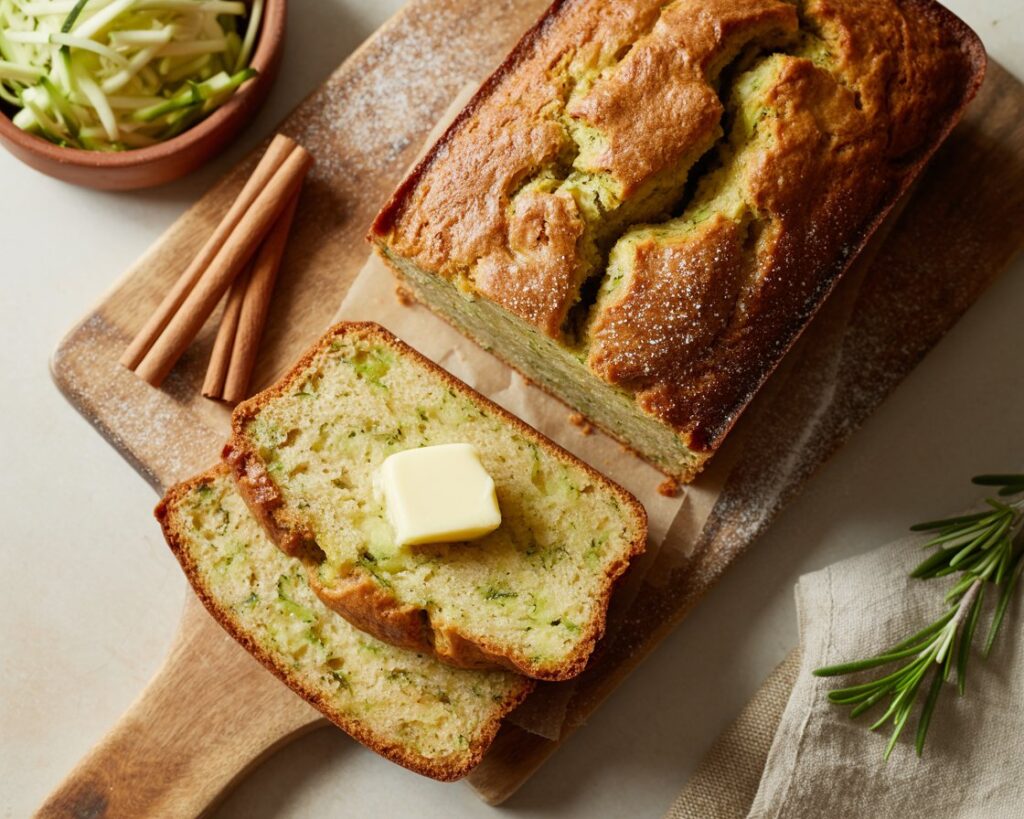
Almond Flour vs. Coconut Flour: Which is Best for Zucchini Bread?
When it comes to keto zucchini bread, the choice between almond flour and coconut flour can significantly impact both taste and texture. Almond flour produces a moist, slightly nutty loaf with a tender crumb. It’s high in healthy fats and lower in carbs—about 2g of net carbs per ¼ cup—making it a keto favorite.
Coconut flour, on the other hand, is much more absorbent. It yields a denser texture and requires more eggs and liquid to avoid dryness. While it has fewer calories per serving than almond flour, it has more fiber, which can help lower the net carb count. However, the flavor is a bit sweeter and more pronounced, which may not appeal to everyone.
From a baking perspective, almond flour is more forgiving and closer to traditional wheat flour in behavior. Coconut flour requires precise ratios to avoid turning your loaf into a brick. That said, some bakers blend the two to balance moisture and structure.
Pro tip: If you’re new to low-carb baking, start with almond flour. It’s easier to work with and pairs beautifully with the moisture from zucchini.
Sweeteners That Keep It Keto and Delicious
Choosing the right keto-friendly sweetener can make or break your bread. Erythritol is a popular choice thanks to its sugar-like texture and ability to caramelize slightly, making it ideal for baking. It’s virtually zero-calorie and doesn’t spike blood sugar, though it can sometimes leave a cooling aftertaste.
Monk fruit sweetener has become a go-to for those seeking a more natural alternative. It’s incredibly sweet, so often it’s blended with erythritol for a 1:1 sugar replacement. It has no impact on blood glucose levels and no bitter aftertaste.
Stevia, while widely available, can be trickier to use in baking. It’s intensely sweet, so even a small amount can overpower the flavor, and it doesn’t offer the same bulk or structure that sugar would provide in a batter. It’s better reserved for drinks or no-bake desserts unless you’re using a baking-specific blend.
Each sweetener has its quirks, so a bit of experimentation may be necessary. Just remember to avoid artificial options like aspartame or saccharin, which aren’t ideal for baking and can leave a chemical aftertaste.
How Keto Baking Powder Works Without Gluten
In traditional baking, gluten provides structure and elasticity that helps trap gas and give bread its rise. In gluten-free baking, we rely on the chemical reaction between keto baking powder (typically made from baking soda and an acid like cream of tartar) and liquid or heat to create lift.
This reaction releases carbon dioxide, forming tiny bubbles that expand the batter and produce a light texture. In the absence of gluten, the structure must come from eggs, fibers, or flours like almond flour that help trap those bubbles just enough for a satisfying crumb. That’s why it’s crucial not to overmix—gentle folding helps preserve air pockets and ensures a fluffier result.
Making Your Keto Zucchini Bread Moist and Flavorful
Secrets to Prevent Dryness in Low-Carb Bread
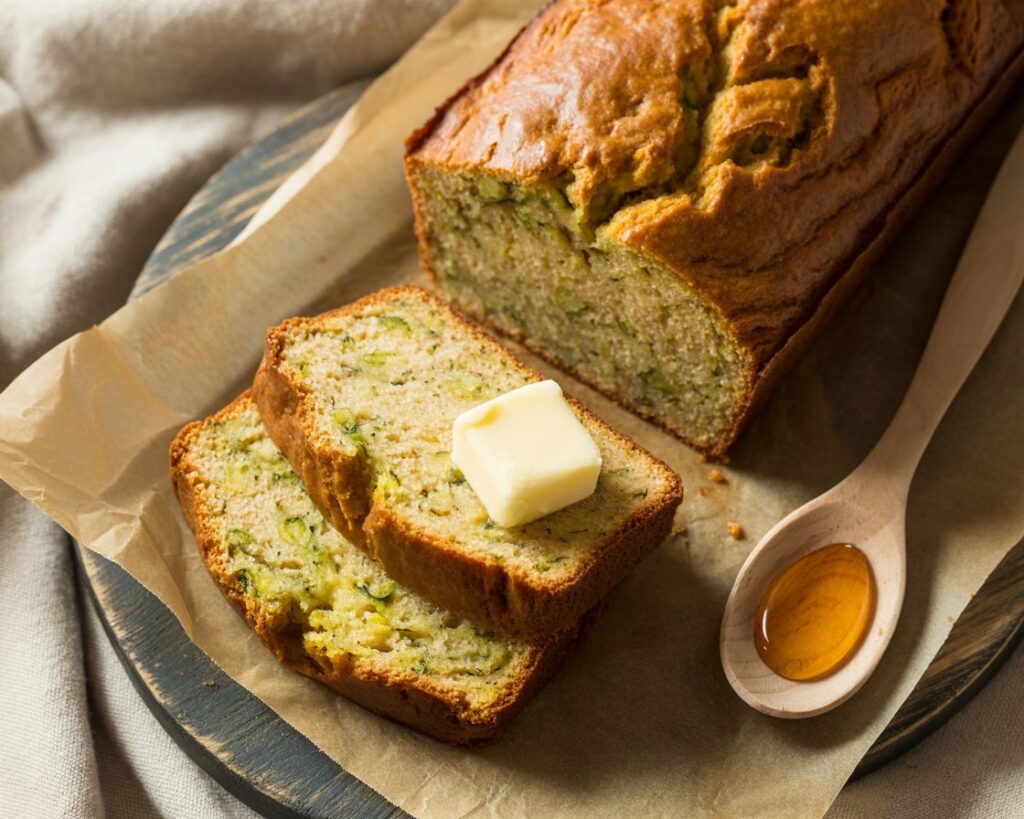
One of the biggest challenges in low-carb baking is avoiding that dreaded dry, crumbly texture. With no gluten and no sugar, it’s easy for your keto zucchini bread to go from moist to mealy if you’re not careful. But the good news? There are a few tricks that can make a world of difference.
First, fat is your friend. Incorporate healthy fats like melted coconut oil, butter, or avocado oil to lock in moisture. Eggs also play a dual role, adding both structure and softness—don’t skimp on them.
Second, how you prep your zucchini matters. After grating, don’t squeeze out all the moisture. A gentle press is enough. Over-draining the zucchini can rob your batter of the water content it needs for that rich, tender crumb.
Finally, watch your baking time like a hawk. Overbaking is a common culprit behind dry keto-friendly breads. Always test doneness with a toothpick a few minutes before the timer goes off. If it comes out with just a few crumbs (not dry), you’re good to go.
Flavor Boosters That Complement Zucchini
Zucchini might be the main character in this bread, but it plays best with a strong supporting cast. Boosting the flavor is where your creativity comes in.
Cinnamon and vanilla extract are classics—they bring warmth and depth that enhance the natural sweetness of the batter. Add a pinch of nutmeg for a subtle spice twist.
Want texture? Toss in a handful of chopped walnuts or pecans. For something more indulgent (while still keto), stir in some sugar-free chocolate chips or coconut flakes.
Optional flavor-enhancers:
- Orange zest – adds brightness and contrast
- Pumpkin spice – perfect for fall vibes
- Unsweetened cocoa powder – for a chocolatey variation
These mix-ins not only keep things interesting but also allow you to tweak the recipe to your mood or the season.
How to Store Your Bread to Maintain Freshness
You’ve nailed the bake—now keep it that way. Proper storage is key to maintaining texture and flavor in your keto zucchini bread over time.
Refrigeration is best for short-term storage. Wrap your loaf in parchment paper and place it in an airtight container; it’ll stay fresh for up to 5 days. If you notice any drying, a quick warm-up in the microwave with a damp paper towel will help revive the softness.
For long-term storage, freezing is your friend. Slice the bread first and wrap individual pieces tightly before placing them in a freezer bag. This way, you can pull out a slice or two as needed—just pop them in the toaster or oven for a few minutes to bring them back to life.
Bonus tip: If you’re meal prepping, freeze half the loaf immediately to preserve peak freshness, especially if you live in a humid or hot climate.
Creative Ways to Enjoy Keto Zucchini Bread Beyond Snacking

Keto Zucchini Bread for Breakfast — Savory vs. Sweet Ideas
Your keto zucchini bread isn’t just a snack—it’s a blank canvas for a variety of low-carb breakfast creations. Whether you’re craving sweet or savory, there’s a delicious way to start your day.
For a sweet kick, top a warm slice with a dollop of keto cream cheese frosting, almond butter, or Greek yogurt and berries. A sprinkle of cinnamon and a drizzle of sugar-free maple syrup turns it into a decadent morning treat that still keeps you within your macros.
Prefer savory? Try topping it with mashed avocado, a soft-boiled egg, or even crumbled feta and cherry tomatoes for a Mediterranean twist. Think of it like low-carb toast—just tastier and more satisfying.
This breakfast versatility makes keto zucchini bread one of the most functional recipes in your meal prep rotation.
Keto-Friendly Sandwiches Using Zucchini Bread
Think you can’t enjoy a sandwich on keto? Think again. A sturdier loaf of keto zucchini bread, especially if made with almond flour, can hold up to fillings just like traditional bread.
Try it:
- Grilled with sliced turkey, cheese, and mustard for a low-carb deli sandwich
- With tuna salad or egg salad for a classic lunchbox upgrade
- As mini sliders with lettuce, tomato, and bacon for a keto BLT
You can even toast the slices and use them as a base for an open-faced melt. The slight sweetness of zucchini bread pairs especially well with salty or tangy proteins.
Tip: Use slightly thicker slices and toast them lightly to enhance durability and texture for sandwiches.
Fun Serving Suggestions for Kids and Adults Alike
Getting kids to enjoy anything with vegetables can be tricky—but not with keto zucchini bread. With the right presentation, it becomes a treat instead of a “health food.”
Cut the loaf into sticks and serve with a keto chocolate dip or peanut butter yogurt dip for a fun snack platter. You can also use cookie cutters to create fun shapes—ideal for lunchboxes or party trays.
For adults, serve mini slices alongside coffee with flavored whipped cream or as a sweet-savory addition to a keto brunch board. Add hard cheeses, olives, and nuts for an elegant touch.
A little creativity turns this humble loaf into a crowd-pleaser.
Insert Table: Quick Keto Topping Ideas for Zucchini Bread
| Topping | Sweet or Savory | Keto-Friendly Extras |
|---|---|---|
| Almond Butter + Chia Seeds | Sweet | Sprinkle of cinnamon |
| Avocado + Sea Salt | Savory | Add sliced cherry tomatoes |
| Whipped Cream Cheese | Sweet | Dash of vanilla or cocoa powder |
| Scrambled Eggs + Spinach | Savory | Add a slice of smoked salmon or turkey |
| Greek Yogurt + Berries | Sweet | Use stevia or monk fruit for extra sweetness |
| Pesto + Grated Parmesan | Savory | Top with fresh basil |
Troubleshooting Common Keto Zucchini Bread Problems
Why Did My Bread Turn Out Too Dense or Crumbly?
One of the most frequent frustrations with keto zucchini bread is ending up with a loaf that’s either too dense or crumbly. The cause often lies in ingredient ratios or mixing techniques unique to low-carb baking.
If your bread is dense, you may have used too much coconut flour without enough liquid or eggs—remember, coconut flour absorbs a lot more moisture than almond flour. Also, overmixing the batter can deflate the air bubbles necessary for a light texture.
Crumbly bread usually signals a lack of binding agents. Eggs or xanthan gum help hold the loaf together; too few or none can cause a fragile crumb. Using fresh baking powder and proper sweeteners also influences texture, so check your ingredients’ freshness.
How to Adjust for Altitude and Oven Variations
Baking isn’t one-size-fits-all. Altitude and oven differences can wreak havoc on your keto zucchini bread. At high altitudes, lower air pressure causes baked goods to rise faster and then collapse, resulting in dense or sunken bread.
To counter this, try:
- Reducing baking powder slightly
- Increasing liquid or fat to retain moisture
- Lowering oven temperature by 15–25°F
Oven calibration matters, too. Use an oven thermometer to check your actual temperature—many ovens run hotter or cooler than their dials indicate. Adjust baking time accordingly, and consider rotating your loaf halfway through baking for even heat distribution.
When to Substitute Ingredients and How It Affects the Bread
Swapping ingredients in a keto zucchini bread recipe can be tempting, but each change affects texture, flavor, and nutritional content.
Flour swaps: Almond flour and coconut flour behave very differently. If you swap almond flour for coconut flour, you’ll need to increase eggs and liquids. Using flaxseed meal or sunflower seed flour requires additional binders to avoid a gritty or crumbly texture.
Sweetener swaps: Erythritol, monk fruit, and stevia all have unique sweetness levels and textural properties. Stevia’s lack of bulk means you may need to add fiber or other fillers to maintain structure. Also, some sweeteners cause aftertastes or cooling effects that change the flavor profile.
Fat swaps: Butter, coconut oil, and avocado oil all add moisture but slightly differ in flavor and mouthfeel. Coconut oil solidifies at room temperature, which can affect bread firmness, while butter adds richness.
If you’re experimenting, start with small adjustments and note the effects to dial in your perfect loaf without sacrificing keto compliance.
Enjoy the Best Keto Zucchini Bread for a Healthy Low-Carb Lifestyle
Keto zucchini bread is more than just a snack—it’s a versatile, flavorful, and nutritious addition to your low-carb diet that satisfies cravings without compromise. Whether you enjoy it for breakfast, a quick lunch, or a wholesome snack, mastering this recipe means you’ll always have a delicious option on hand that fits perfectly into your keto lifestyle.
For a perfect pairing, try serving your keto zucchini bread alongside the refreshing and creamy Keto Avocado Egg Salad. This combination balances the bread’s subtle sweetness with a rich, savory salad that’s equally low in carbs and packed with healthy fats—ideal for a satisfying meal.
Enjoy baking and experimenting, and don’t forget to explore more low-carb recipes on FeastRecipe.com to keep your keto journey exciting and delicious!
