
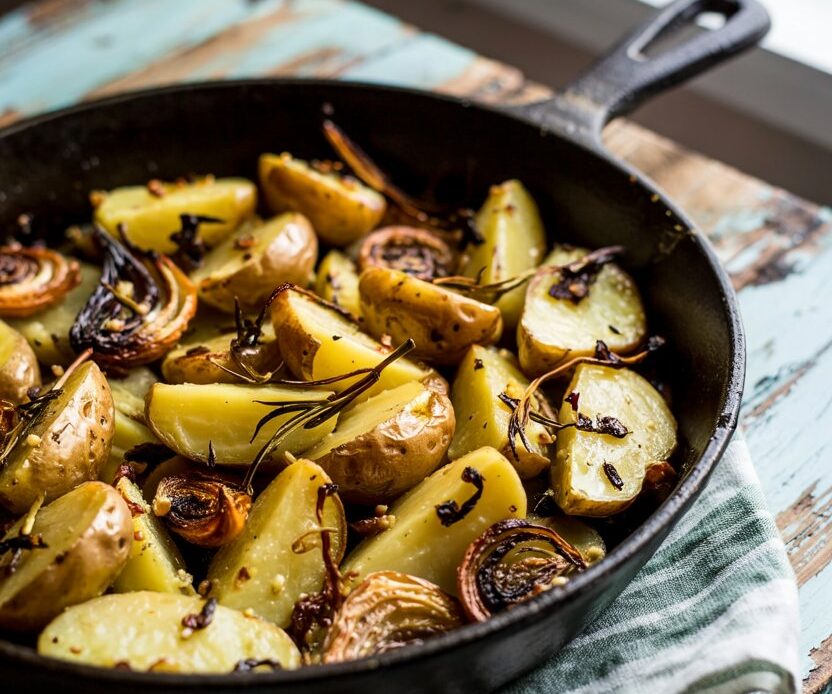
Garlic roasted potatoes and onions are one of those side dishes that effortlessly steal the show. With crispy edges, tender insides, and the irresistible aroma of slow-roasted garlic and caramelized onions, it’s comfort food at its best — yet deceptively simple. But beyond the golden crust and bold flavor, there’s a bit of kitchen magic that makes this dish stand out. In this post, we’re diving into the why, how, and what-if of roasted potatoes and onions — not just the recipe, but the tasty little tricks and flavor upgrades that make them unforgettable.
Why Garlic, Potatoes, and Onions Make a Legendary Trio
The Flavor Chemistry That Makes It Work
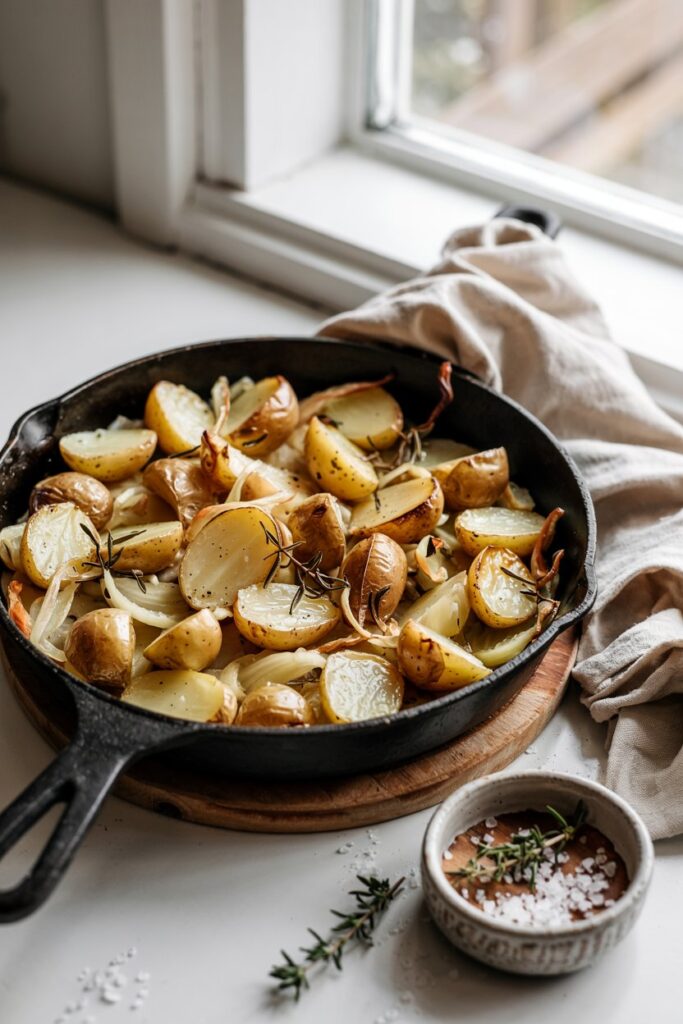
Garlic roasted potatoes and onions deliver more than comfort — they showcase flavor chemistry at its finest. When roasted, potatoes and onions undergo the Maillard reaction, developing a deep, savory crust that adds richness to every bite. Garlic, with its pungent bite, transforms in the oven as its oils mellow and infuse everything around it. Onions release natural sugars that caramelize, bringing a soft sweetness that balances garlic’s warmth and the starch of the potato. The result is a harmony of sweet, savory, and earthy flavors — all created with simple science and a hot oven.
From Farm to Table: A Rustic Love Story
This humble trio has been part of kitchens for generations, from old-world farms to modern family dinners. Garlic, onions, and potatoes were easy to grow, cheap to store, and endlessly versatile. In Mediterranean homes, they flavored stews. In America, they starred in roasts and Sunday meals. Their presence in meals wasn’t fancy — it was reliable, grounding, and full of flavor. Maybe you remember their scent wafting through your childhood kitchen or served at a crowded table during holidays. That’s their magic. These three ingredients don’t just feed people — they connect memories and generations with every roasted bite.
Tips & Tricks for Roasting That Actually Make a Difference
Temperature Truths: 375°F vs 425°F
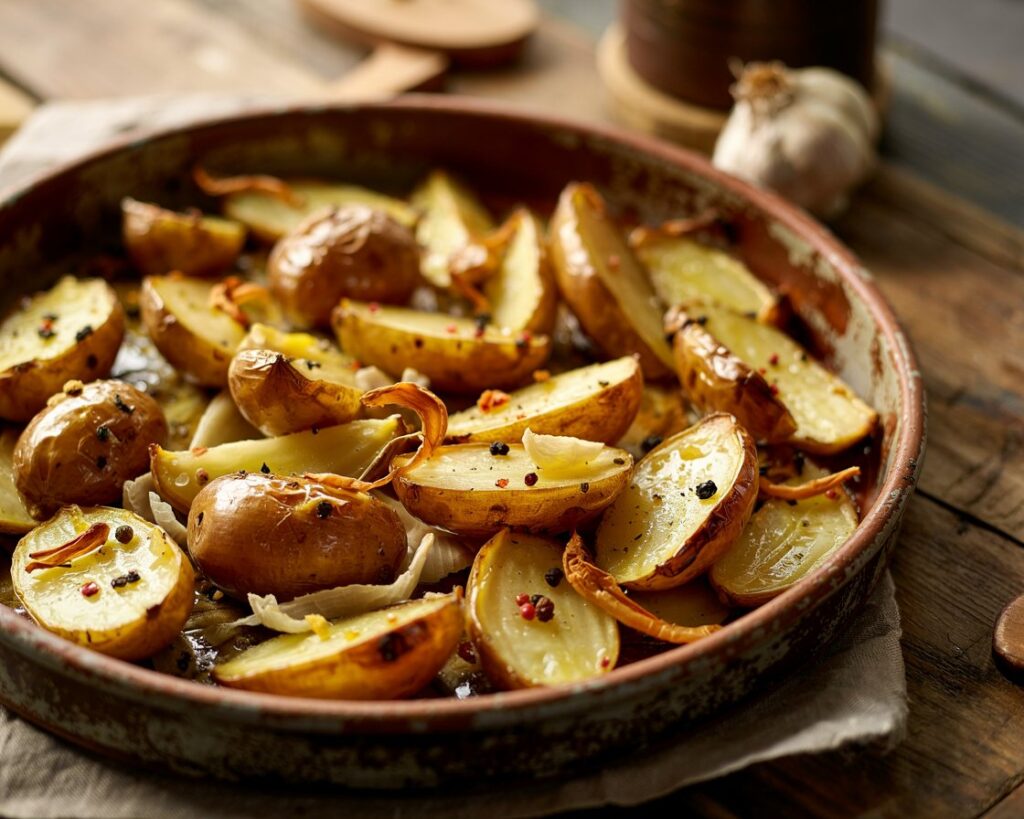
Oven temperature isn’t just a number — it changes everything about how your roasted potatoes and onions turn out. Roasting at 375°F gives you tender centers and more moisture, ideal for soft textures with light browning. At 425°F, you’ll get deep caramelization and a crispier crust, especially if your ingredients are well spaced. The higher the heat, the bolder the texture — but also the quicker it can over-brown. Choose based on your texture goals, and don’t be afraid to experiment.
| Temperature | Texture | Moisture | Crisp Level | Time Needed |
|---|---|---|---|---|
| 375°F | Tender | 💧💧💧 | 🔥🔥 | ⏱ 45–50 min |
| 400°F | Balanced | 💧💧 | 🔥🔥🔥 | ⏱ 40–45 min |
| 425°F | Crispier | 💧 | 🔥🔥🔥🔥 | ⏱ 35–40 min |
Don’t Skip the Toss: Why Oil Distribution Is Everything
Even oil coverage makes the difference between golden perfection and patchy, dry bites. Unevenly coated vegetables roast unevenly — some may stay dry while others burn. The fix is simple: use a large bowl to toss everything thoroughly before roasting. If you’re short on time, a ziplock bag works too. Just seal it, shake it, and you’re good to go. This quick step ensures each potato and onion slice has just enough oil to roast beautifully on every edge.
To Flip or Not to Flip? Timing the Mid-Roast Move
Flipping isn’t always necessary, but it helps if you’re chasing that all-over crisp. About halfway through cooking, check the undersides. If they’re golden, give everything a gentle turn. Use a flat spatula to avoid breaking soft pieces. This simple move adds uniform browning and helps release any vegetables stuck to the pan. Just don’t flip too early — wait until you see those browned bottoms before you touch a thing.
Let’s Talk Texture: Soft, Crispy, or Both?
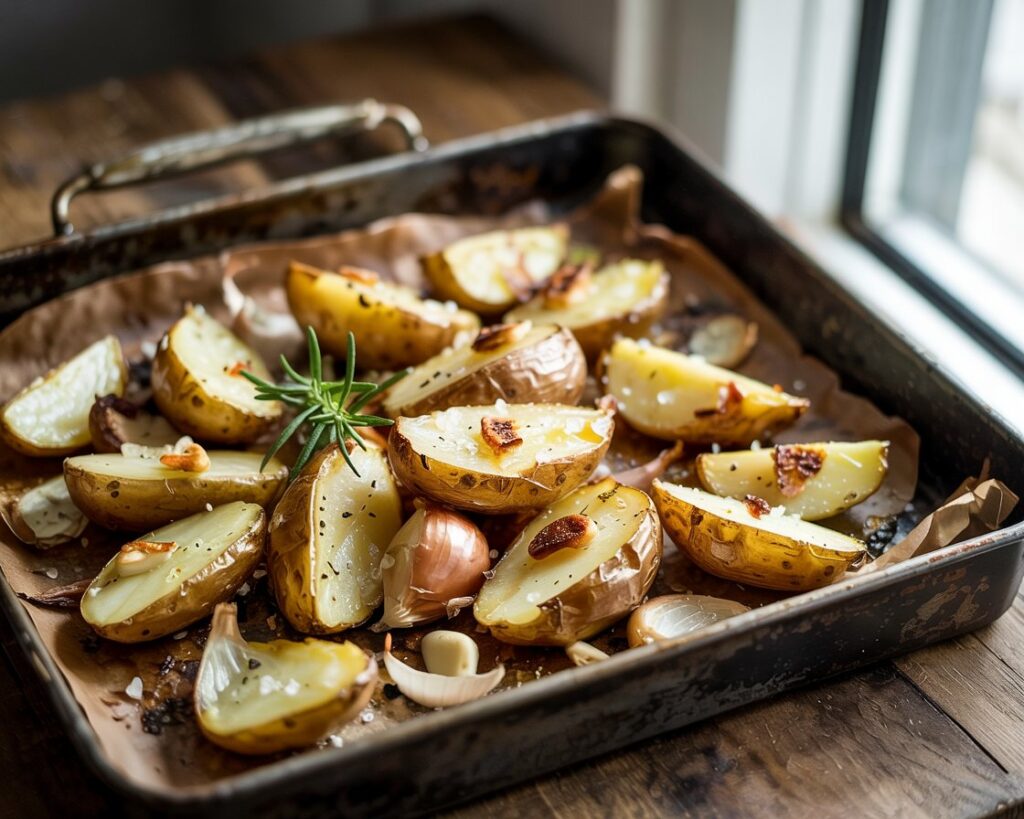
Crunch Factor: The Outer Crisp Debate
Not everyone loves the same kind of crisp. Some crave a crunchy shell. Others want tender, creamy insides with golden edges. Roasted potatoes and onions live on a texture spectrum, and where you land is up to you. That’s the beauty — one base recipe, infinite crunch levels. Want shatteringly crisp edges? Roast at high heat, spaced apart, and leave them untouched longer. Prefer soft bites with subtle browning? Go lower and slower, using parchment for a gentler roast. Below is a texture scale to help you dial in your perfect bite.
Texture Spectrum Scale (1 to 10):
Use an image set that visually shows:
- 1: Soft like boiled mash
- 4: Light browning, mostly tender
- 7: Crispy edges, fluffy center
- 10: Ultra-crunchy, deep caramelized crust
Label each with a note like “Ideal for comfort food” or “Best for crispy lovers.”
The Onion Effect: Caramelized Edges vs Sweet Melt-In-Your-Mouth
The way you slice your onions affects both texture and taste. Thin slices caramelize faster, giving sweet, soft results that blend into the dish. Thick wedges, on the other hand, stay intact longer and give you browned, slightly chewy edges with a rich, roasted bite. Choosing the right cut lets you control the final flavor — from subtle sweetness to bold onion-forward texture.
| Cut Type | Texture Result | Recommended Use |
|---|---|---|
| Thin slices | Soft, caramelized, almost jammy | For melt-in-your-mouth texture |
| Half-moons | Light chew, golden edges | Balanced texture and flavor |
| Thick wedges | Charred tips, sweet bite inside | Bold onion flavor and visible pieces |
Small tweaks in shape create big changes in how everything tastes. Play around until you find your ideal bite.
Beyond the Basics: Bold Twists You Can Try
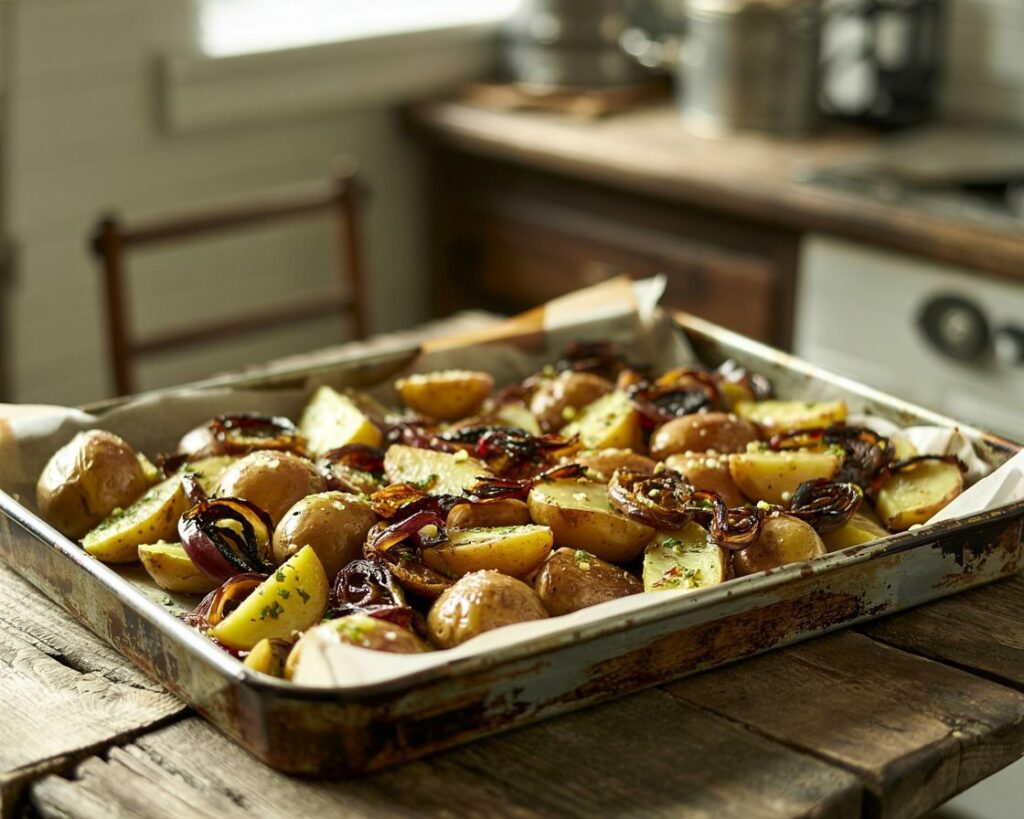
Infused Oils, Zesty Finishes & Other Flavor Bombs
Once your garlic roasted potatoes and onions are out of the oven, it’s time to take them to the next level. Try drizzling them with garlic-chili oil for a spicy kick or a fresh rosemary butter glaze for rich, earthy warmth. Lemon zest adds a bright finish, while a balsamic vinegar drizzle brings tangy complexity. The options are endless — experiment and see what you love best. Check out the pairing ideas below to inspire your next batch.
| Pairing | Flavor Profile | Best For |
|---|---|---|
| Garlic + Lemon | Bright, fresh | A lively finish to balance richness |
| Garlic + Cumin | Earthy, warm | For a cozy, savory twist |
| Rosemary + Balsamic | Herbal, tangy | A robust, sophisticated flavor |
| Chili + Olive Oil | Spicy, aromatic | For a zesty, heat-packed bite |
Sheet Pan Magic: Add-Ons That Pair Like a Dream
One of the best things about roasting potatoes and onions is how easily you can add complementary ingredients. Try tossing in bell peppers, cherry tomatoes, or even sausage for extra flavor. If you’re looking for protein, chickpeas roast beautifully alongside potatoes, absorbing all those delicious flavors. Timing adjustments are key here — vegetables like peppers roast faster, while chickpeas need a little longer to crisp up. Play around with combinations for your own one-pan feast.
Reinventing Leftovers: Next-Day Deliciousness
Leftovers don’t have to be boring. Transform yesterday’s garlic roasted potatoes and onions into a savory breakfast hash or a frittata. Just toss your roasted veggies with some eggs and fresh herbs for an easy brunch. Or, mix in a handful of cheese and maybe some crispy bacon for extra flavor. Don’t just reheat — repurpose into a next-day meal that feels as fresh as the first.
Monday Dinner → Tuesday Brunch
- Step 1: Store leftovers in the fridge.
- Step 2: The next day, toss with eggs, cheese, or protein of choice.
- Step 3: Heat and enjoy a flavorful second act!
Pairing Suggestions: What to Serve with Roasted Potatoes and Onions

Garlic roasted potatoes and onions are incredibly versatile. Whether you’re prepping a cozy weeknight dinner or a full-on holiday spread, this dish pairs beautifully with a variety of mains. For a lighter option, try them alongside grilled or roasted fish like our Grilled Salmon Salad with a Balsamic Vinaigrette. If you’re leaning hearty, serve with a roast chicken or juicy steak. Even plant-based mains like lentil loaf or grilled portobello mushrooms get a major upgrade with this rustic, caramelized side.
| Main Course | Why It Works |
|---|---|
| Grilled Salmon or White Fish | Light, flaky contrast to crispy potatoes |
| Roast Chicken or Turkey | Classic comfort food pairing |
| Steak or Pork Chops | Hearty protein to balance sweet onions |
| Veggie Burgers or Lentil Loaf | Great for plant-based eaters |
Flavor Variations by Region
Travel the world without leaving your kitchen by giving your roasted potatoes and onions a regional twist. Simple changes in herbs and spices can take this humble dish on a culinary adventure.
| Region | Flavor Add-Ins |
|---|---|
| Mediterranean | Oregano, thyme, lemon zest, kalamata olives |
| Indian | Garam masala, cumin, turmeric, fresh cilantro |
| Mexican | Smoked paprika, chili powder, lime juice, cotija cheese |
| French | Herbes de Provence, Dijon mustard glaze, parsley |
| Middle Eastern | Za’atar, sumac, pomegranate molasses drizzle |
Let your pantry guide you — even one added spice can transform the flavor profile of your go-to recipe.
Why Garlic Roasted Potatoes and Onions Will Be Your New Favorite Side Dish
In conclusion, garlic roasted potatoes and onions are a timeless, versatile side that can easily be personalized to suit your taste. Whether you’re craving crispy edges, melt-in-your-mouth caramelized onions, or a unique flavor twist, this dish is a great canvas for experimenting. Don’t be afraid to play with seasonings, oils, and other ingredients to make this classic even better. And if you’re looking for a perfect main course to pair with this dish, try our some of our fresh salads for a well-rounded, flavorful meal.
