

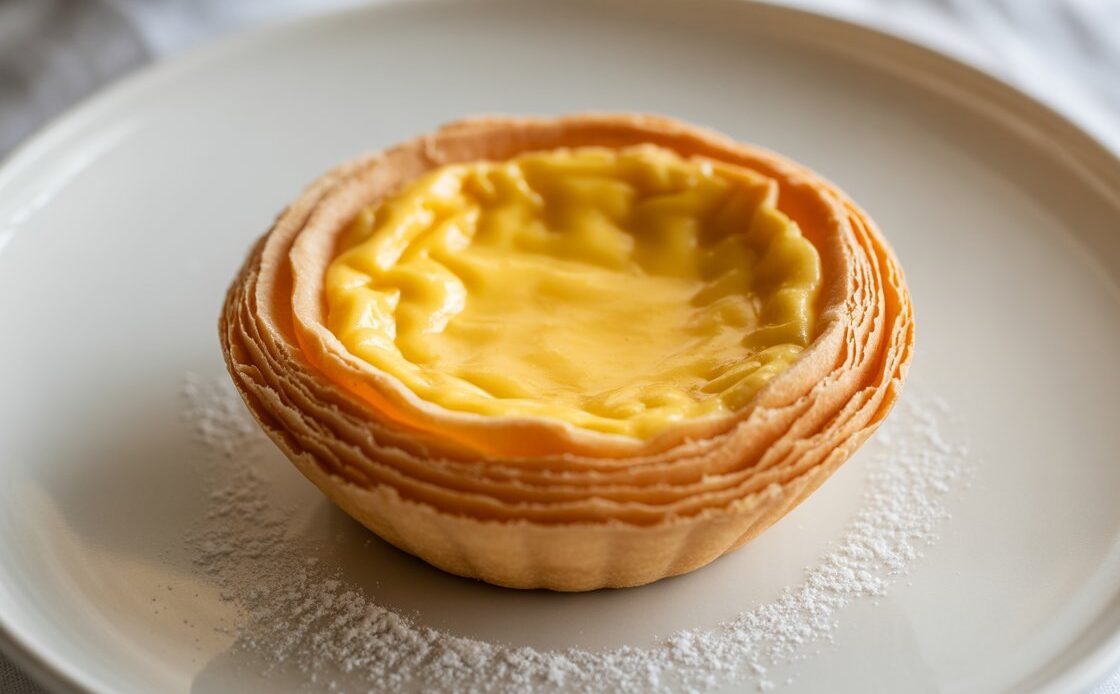
Egg tart recipe is a beloved classic that combines a flaky pastry shell with a smooth, creamy custard filling. This delightful dessert has roots in both Chinese and Portuguese cuisines, making it a perfect example of how flavors from different cultures can blend beautifully. Whether you prefer the delicate Hong Kong-style egg tart or the caramelized top of the Portuguese Pastéis de Nata, understanding what makes the perfect egg tart is key to mastering this treat at home. In this guide, you’ll learn how to create that irresistible balance of a crispy crust and silky custard, using simple ingredients and proven baking techniques.
Introduction to Egg Tarts
Egg tart is a classic dessert cherished by many around the world for its delicate balance of flaky pastry and rich custard filling. This dessert stands out because it combines simple ingredients in a way that creates a comforting yet indulgent treat. In this section, we will explore why egg tarts have such a wide appeal, trace their fascinating cultural origins, and break down the key elements that define a perfect tart.
Why Egg Tarts Are So Irresistible
The appeal of an egg tart lies in its perfect contrast between textures and flavors. The crispy, buttery pastry provides a satisfying crunch, while the smooth, silky custard filling offers a creamy sweetness that melts in your mouth. This harmony makes each bite both comforting and exciting, appealing to people of all ages. The subtle sweetness and the richness of the eggs in the custard also contribute to the tart’s irresistible flavor, making it a popular choice for a light dessert or an afternoon snack.
The Origins of Egg Tarts: East Meets West
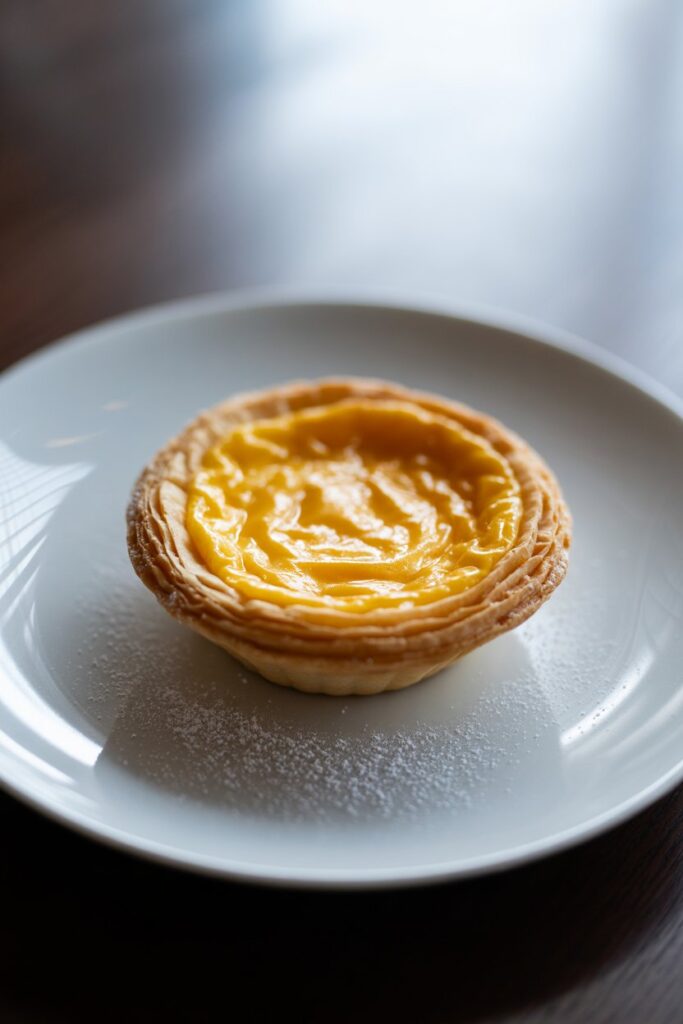
The history of the egg tart reflects a unique fusion of culinary traditions. The dessert as we know it today has roots in both European and Chinese cuisine. The Portuguese Pastéis de Nata, a custard tart with a caramelized top and puff pastry crust, inspired the introduction of egg tarts to Hong Kong during the colonial period. Over time, the Hong Kong-style egg tart adapted this recipe using a smoother custard and often a shortcrust or puff pastry shell, becoming a staple of Cantonese bakeries and dim sum menus. This East-meets-West heritage has made the egg tart a beloved and versatile dessert worldwide.
What Makes a Perfect Egg Tart? Key Elements Explained
Creating the perfect egg tart involves attention to both the pastry and the custard filling. The pastry needs to be flaky and tender, providing a sturdy yet delicate shell that can hold the custard without becoming soggy. The custard itself must be silky smooth, with the right balance of sweetness and egg richness to avoid being too dense or too runny. Baking technique is equally important: the oven temperature and timing affect the texture of both crust and filling. Achieving the ideal combination results in a tart that is crisp on the outside and luxuriously creamy inside.
| Feature | Hong Kong-style Egg Tart | Portuguese Egg Tart (Pastéis de Nata) |
|---|---|---|
| Pastry Type | Shortcrust or Puff | Puff Pastry |
| Custard Texture | Smooth and Silky | Creamy with caramelized top |
| Baking Method | Moderate oven heat | High oven heat |
Essential Ingredients for Flaky Custard Tarts
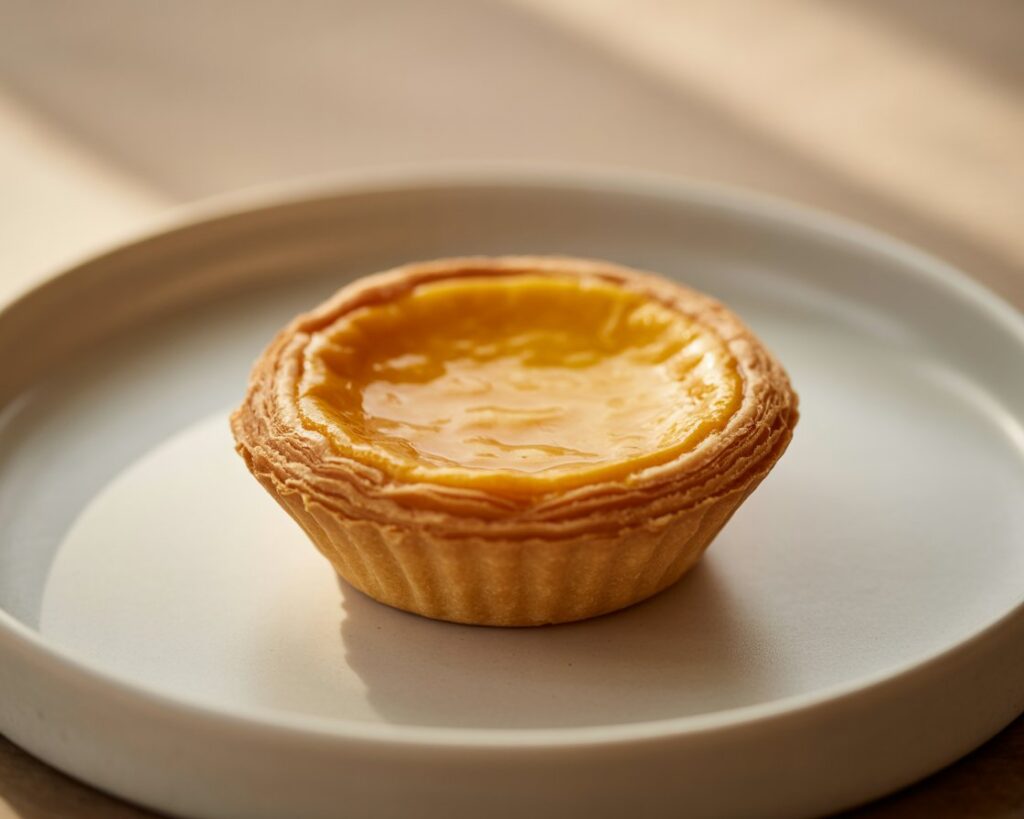
Creating a truly exceptional egg tart begins with selecting the right ingredients. Each component plays a vital role in achieving the desired balance of flavor and texture, especially when aiming for a flaky pastry and silky custard filling. This section will guide you through choosing the best eggs and dairy, understanding pastry options, and mastering the custard’s smoothness.
Choosing the Right Eggs and Dairy
The quality of eggs and dairy directly influences the richness and texture of your egg tart custard. Fresh egg yolks contribute to a deep color and creamy mouthfeel, while the choice between regular milk and evaporated milk can affect the custard’s silkiness. Using evaporated milk tends to produce a smoother, richer custard because of its concentrated nature. Opt for whole milk or a blend if you prefer a lighter custard, but consistency and flavor may vary.
Understanding Pastry Options: Puff vs Shortcrust
The pastry shell is equally important and typically comes in two main varieties: puff pastry and shortcrust pastry. Puff pastry offers multiple flaky layers and a light, crisp texture, making it an excellent choice for those who enjoy a delicate crunch. On the other hand, shortcrust pastry is denser and crumbly, providing a sturdier base that contrasts nicely with the soft custard. Your choice depends on personal preference and the texture balance you want to achieve.
What Makes Your Custard Silky and Smooth?
Achieving a smooth custard filling is about the right ingredient ratios and gentle preparation. Proper mixing ensures the sugar dissolves completely without graininess, while avoiding overwhipping the eggs prevents bubbles that cause a grainy texture. Gently heating the custard mixture, usually through baking at moderate temperatures, allows it to set evenly without curdling.
| Ingredient | Role in Recipe | Tips for Best Results |
|---|---|---|
| Egg Yolks | Custard richness | Use fresh, high-quality yolks |
| Milk or Evaporated Milk | Creaminess and texture | Evaporated milk gives silkiness |
| Sugar | Sweetness | Adjust to taste, avoid graininess |
| Flour | Pastry structure | Use cake flour for tenderness |
Step-by-Step Guide to Making the Perfect Pastry Shell
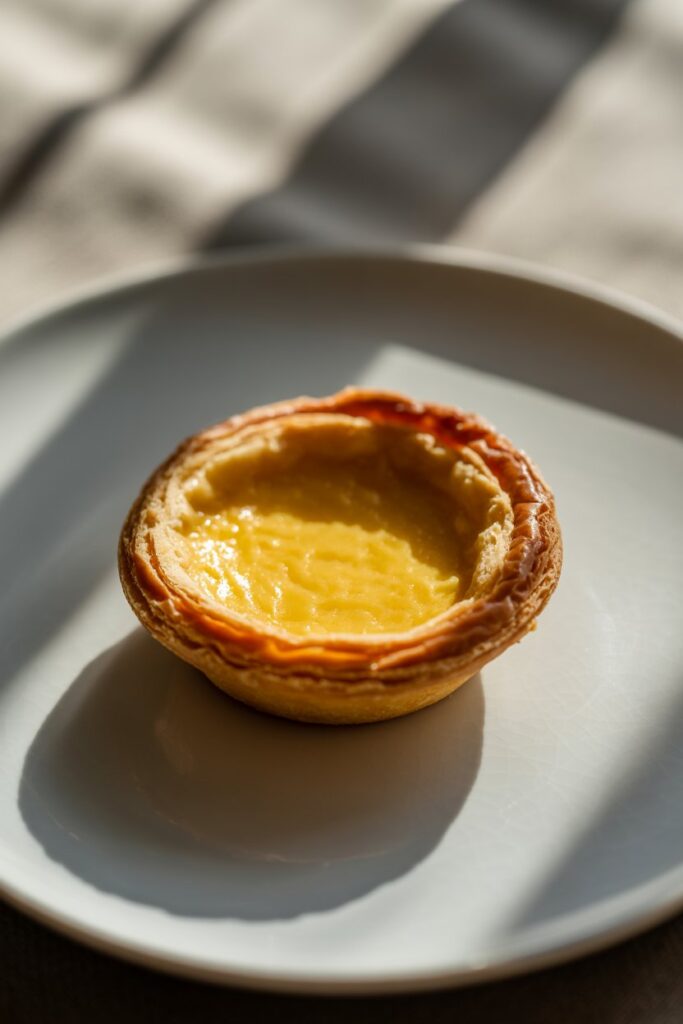
Mastering the pastry shell is essential to creating an ideal egg tart with a flaky crust that complements the creamy custard. Whether you choose puff pastry or shortcrust pastry, the technique and care during preparation make all the difference. This guide will walk you through making your own pastry and share tips to avoid common pitfalls.
Preparing Puff Pastry from Scratch (or Shortcut Tips)
Making puff pastry from scratch involves layering butter and dough to create delicate, flaky layers. While this traditional method delivers exceptional texture, it can be time-consuming and requires precise folding and chilling. For a quicker alternative, high-quality pre-made puff pastry can work well. When using store-bought pastry, ensure it is fully thawed and cold before shaping to maintain flakiness during baking.
How to Achieve the Flakiest Shortcrust Pastry
Shortcrust pastry relies on the right balance of fat and flour, minimal handling, and proper chilling. Use cold butter cut into small pieces and incorporate it quickly into the flour to create a crumbly texture before adding cold water just enough to bind the dough. Letting the dough rest in the refrigerator helps relax gluten and prevents shrinkage during baking. This technique produces a tender yet sturdy shell that holds the custard perfectly.
Common Pastry Mistakes and How to Avoid Them
Baking pastry can be tricky, but many common issues are easy to prevent with proper technique and attention.
| Problem | Cause | Solution |
|---|---|---|
| Pastry Too Tough | Overmixing or too much water | Chill dough, handle gently |
| Shrinking Pastry | Not resting dough | Rest dough in fridge before baking |
| Soggy Bottom | Wet custard or underbaking | Blind bake crust partially |
Crafting the Silky Smooth Egg Custard Filling

The heart of a great egg tart lies in its custard filling. Achieving a silky smooth texture with just the right sweetness and richness requires balancing the core ingredients: eggs, milk, and sugar. This section explains how to perfect that balance, avoid common problems like curdling, and explore optional flavor variations.
Balancing Eggs, Milk, and Sugar for Perfect Texture
The ratio of egg yolks to milk is critical to create a custard that is creamy but not too dense or watery. Too many eggs result in a firm texture, while too few make the custard overly soft. Sugar adds necessary sweetness but must be carefully measured to prevent graininess. Using evaporated milk instead of regular milk often enhances silkiness due to its concentrated consistency.
How to Avoid Curds and Achieve a Silky Custard
To prevent your custard from curdling or developing lumps, it is important to mix ingredients gently and bake at moderate temperatures. Overheating causes the proteins in the eggs to coagulate unevenly, resulting in a grainy texture. Straining the custard mixture before pouring it into the pastry shell can also help eliminate any unwanted solids for a flawless finish.
Optional Flavor Twists (vanilla, citrus zest, spices)
While the classic custard flavor is delicious on its own, subtle additions can elevate your egg tart. Adding a few drops of vanilla extract, a sprinkle of citrus zest, or warm spices like cinnamon or nutmeg can add depth without overpowering the custard’s delicate profile.
| Ingredient | Typical Ratio | Effect on Texture and Taste |
|---|---|---|
| Egg Yolks | 1 per 50 ml milk | Creamy, rich custard |
| Sugar | 15–20% of liquid weight | Sweetness without graininess |
| Milk (or evaporated) | Base liquid | Silky smooth consistency |
Baking Techniques: Oven Temperature & Timing
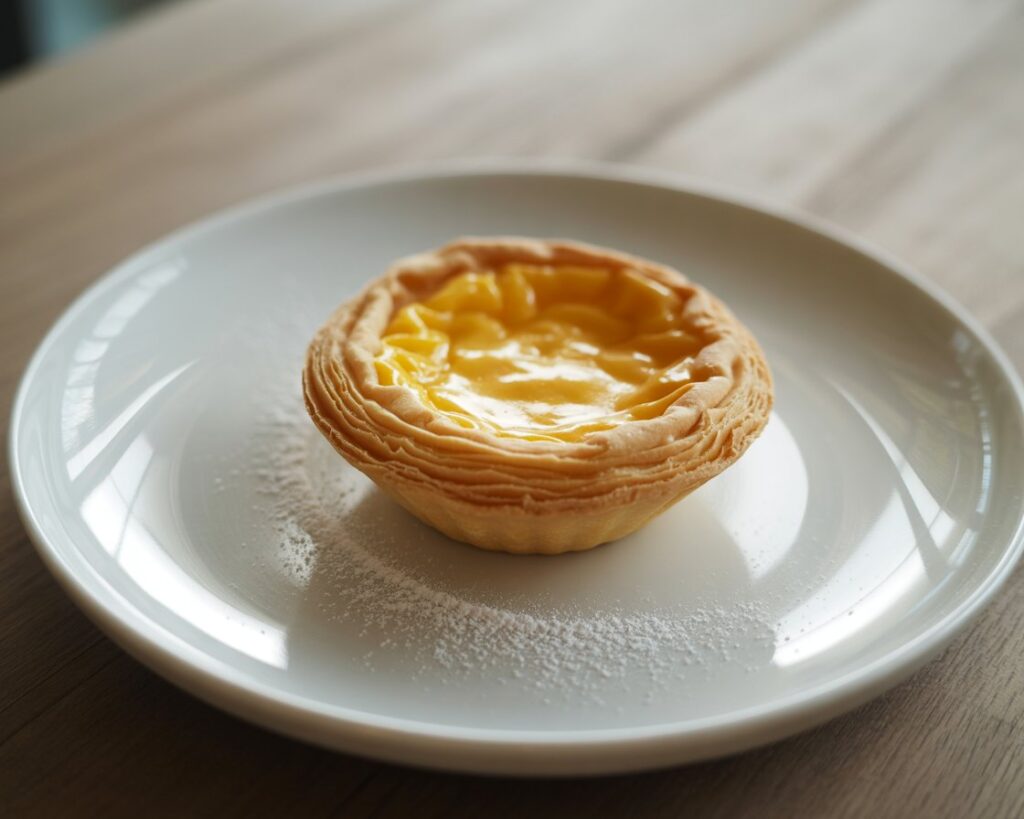
Even with the perfect custard and pastry, the final texture and appearance of your egg tart depend heavily on baking technique. The oven temperature and baking time directly influence how the custard sets and how the crust develops. This section will help you fine-tune your method to get consistently flawless results.
How Oven Heat Affects Your Egg Tart’s Texture
Oven temperature plays a crucial role in determining the consistency of your custard and the crispness of the crust. Baking at a higher temperature can give your egg tart a golden, slightly caramelized surface, especially around the edges. However, excessive heat risks overcooking the custard, leading to cracks or curdling. A moderate, steady heat typically ensures an even bake with a silky custard and properly set center.
Tips for Achieving the Perfect Golden Crust
To get that perfect golden-brown finish without burning the edges, preheat your oven thoroughly and place the tarts on a lower rack. This encourages even bottom browning while preventing the tops from cooking too quickly. A light egg wash on the pastry edges (avoiding the custard) can enhance color. Always keep an eye on the tarts during the final minutes of baking, as slight timing variations can make a big difference.
Using Different Baking Equipment (molds, trays)
The type of bakeware you use also affects your outcome. Metal tart molds conduct heat more efficiently, helping the crust cook evenly and become crisp. Ceramic or silicone trays, while non-stick and easier to manage, may require slightly longer baking times. Avoid deep molds unless you’re adjusting the recipe, as they can cause uneven baking or a runny center.
| Oven Temperature | Baking Time | Result |
|---|---|---|
| 180°C (350°F) | 20–25 minutes | Evenly baked, silky custard |
| 220°C (430°F) | 15–18 minutes | Crispier crust, caramelized top |
| 160°C (320°F) | 25–30 minutes | Softer crust, delicate custard |
Serving Suggestions and Storage Tips
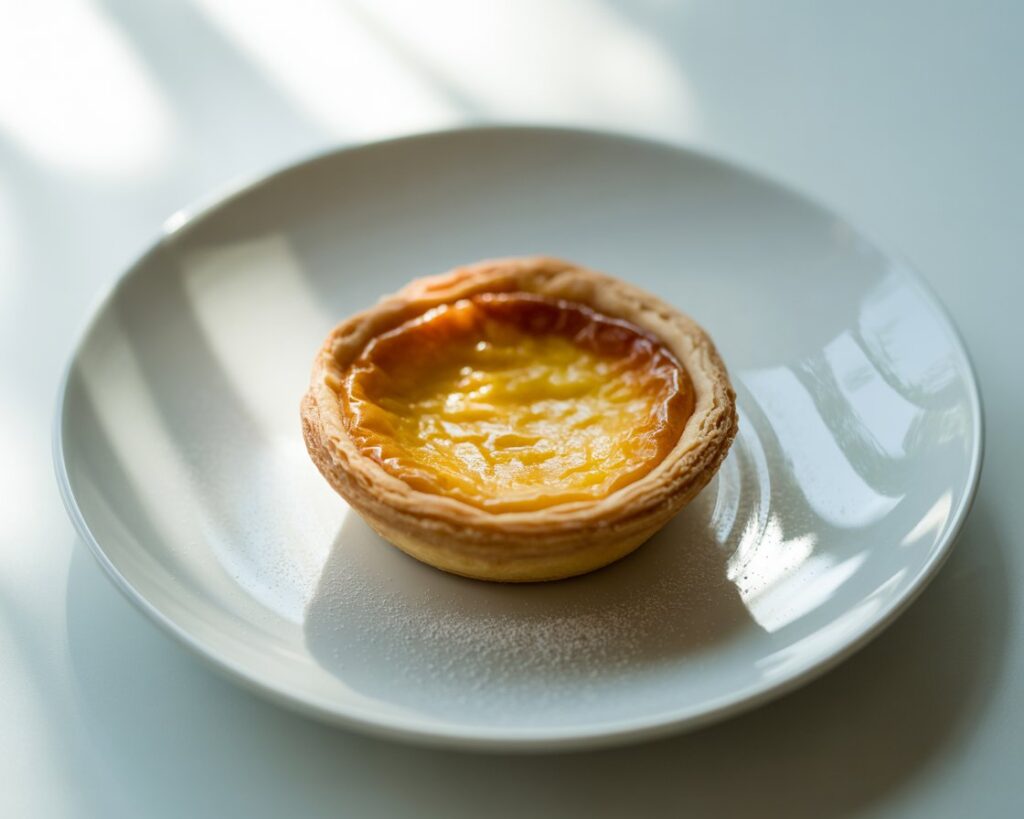
Once your egg tarts are baked to perfection, how you serve and store them can make a big difference in preserving their flaky crust and silky custard. This section offers practical tips to help you enjoy your tarts at their best—whether fresh out of the oven or a few days later.
Best Ways to Serve Egg Tarts for Maximum Enjoyment
Egg tarts are best enjoyed slightly warm or at room temperature when the custard is smooth and the crust maintains its delicate crunch. Serve them on their own as a snack, or pair with tea for a traditional experience. For a touch of elegance, consider a light dusting of powdered sugar or a slice of fresh fruit on the side—but keep it minimal to let the custard shine.
How to Store Egg Tarts Without Losing Freshness
To preserve both flavor and texture, proper storage is key. Egg tarts can be kept at room temperature for a short period, but refrigeration is better if you plan to store them longer. Be sure to let them cool completely before placing in an airtight container to avoid condensation. If freezing, wrap them individually to protect the delicate crust.
Reheating Tips: Keeping Tarts Flaky and Warm
When reheating egg tarts, avoid the microwave—it tends to make the pastry soggy. Instead, use a preheated oven at a low temperature (around 160°C/320°F) for 5–8 minutes. This will help revive the flakiness of the crust and gently warm the custard without overcooking it.
| Storage Method | Duration | Texture Impact |
|---|---|---|
| Room Temperature | Up to 1 day | Best eaten fresh |
| Refrigerator | 3–4 days | Slightly less flaky crust |
| Freezer | Up to 1 month | Use airtight container, thaw gently |
Variations and Creative Twists on Classic Egg Tarts
While the traditional egg tart is a timeless favorite, experimenting with variations can add exciting new dimensions to this classic dessert. Whether you prefer savory options, alternative pastry bases, or inventive custard flavors, there are plenty of ways to make the recipe your own.
Savory Egg Tart Ideas to Try
Savory egg tarts offer a delicious twist on the classic sweet version. You can incorporate ingredients like cheese, herbs, or cooked vegetables into the custard for a rich, flavorful snack or appetizer. Popular additions include spinach and feta, smoked salmon with dill, or caramelized onions with gruyère. These savory versions are perfect for brunch or as part of a party spread.
Alternative Pastry Bases (gluten-free, whole wheat)
For those seeking healthier or dietary-specific options, swapping out the traditional pastry crust is an excellent choice. Using whole wheat flour adds a nutty flavor and more fiber, while gluten-free pastry blends allow those with gluten sensitivities to enjoy egg tarts without compromise. Adjustments to fat content and hydration may be needed to maintain the ideal texture when using these alternatives.
Experimenting with Custard Flavors (matcha, coconut, pumpkin)
Beyond classic vanilla custard, you can elevate your egg tart by infusing the filling with unique flavors. Adding matcha powder creates a vibrant green tart with a subtle bitterness balancing the sweetness. Coconut milk can replace regular milk for a tropical twist with creamy richness. Seasonal flavors like pumpkin spice add warmth and depth, perfect for autumn-inspired versions.
Troubleshooting Common Egg Tart Challenges
Even experienced bakers can face issues when making egg tarts. Understanding common problems and their solutions ensures your tarts come out perfectly every time. This section addresses typical challenges with custard and pastry, offering practical advice to get your recipe back on track.
Why Did My Custard Crack or Weep?
Custard cracks often result from baking at too high a temperature or for too long, causing the proteins in the eggs to tighten excessively. On the other hand, custard weeping (releasing liquid) can happen if the tart cools too quickly or if it was underbaked, leaving excess moisture in the filling. Maintaining steady, moderate oven heat and proper baking time helps prevent these issues.
Fixing Pastry That’s Too Dense or Hard
If your pastry turns out dense or hard rather than flaky and tender, it’s usually due to overworking the dough or using ingredients at the wrong temperature. Keeping your dough cold and handling it gently reduces gluten formation, resulting in a lighter texture. Avoid adding too much water, and always allow the dough to rest before baking.
How to Recover from Overbaked or Undercooked Tarts
Overbaked tarts may have dry, cracked custard and overly browned crust, while undercooked ones have runny filling and a pale crust. If overbaked, try serving with a creamy accompaniment to soften the experience. For underbaked tarts, return them to the oven at a lower temperature and check frequently to avoid further overcooking.
| Issue | Possible Cause | Quick Fix |
|---|---|---|
| Custard cracks | Overbaking or high heat | Lower oven temperature, bake slower |
| Custard too runny | Underbaking | Bake longer, check custard firmness |
| Pastry not flaky | Dough temperature | Keep dough cold, handle gently |
Mastering the Egg Tart Recipe for Perfect Flaky Custard Tarts
Mastering the egg tart recipe is a rewarding experience that combines art and science. By carefully selecting quality ingredients, mastering the pastry techniques, and baking with attention to temperature and timing, you can create flaky custard tarts that delight every time. Whether you stick to the classic recipe or experiment with creative variations, understanding these fundamentals ensures your egg tarts will always have the perfect balance of crispy crust and silky, smooth custard. With practice and patience, you’ll soon impress family and friends with your homemade egg tarts that rival any bakery’s finest.
