

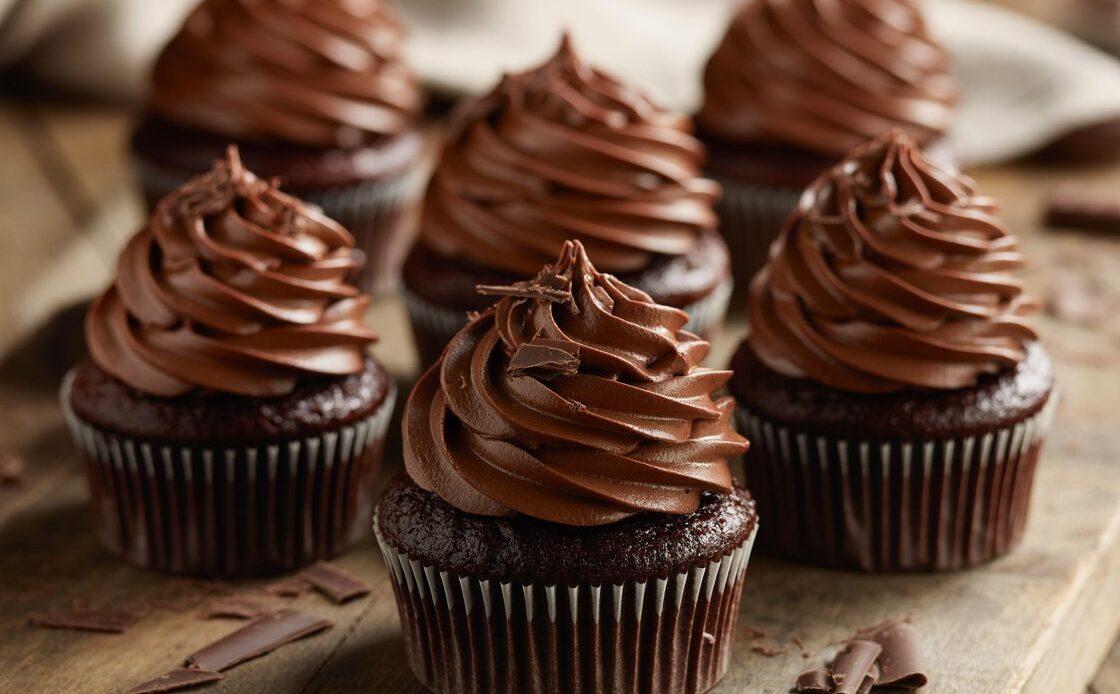
Chocolate cupcakes have a special place in the hearts of dessert lovers everywhere. Whether you’re baking for a celebration or just a sweet treat, knowing how to make the best chocolate cupcakes can turn an ordinary day into something deliciously memorable. In this guide, we’ll walk you through everything—from choosing the right ingredients to mastering the perfect chocolate frosting, ensuring your cupcakes come out moist, rich, and absolutely irresistible every time. Get ready to bake your new favorite recipe!
1. Why These Chocolate Cupcakes Are the Best
When it comes to baking chocolate cupcakes, achieving the perfect balance of moisture and rich flavor is what separates an average treat from an unforgettable one. Many recipes promise great results, but the secret lies in understanding how specific techniques and ingredients work together to create that soft, tender crumb and deep chocolate taste.
Baking these cupcakes with attention to detail ensures you get a consistent, delicious result every time — whether for a casual snack or a special occasion. Let’s dive into what makes these cupcakes stand out.
What Makes a Chocolate Cupcake Truly Moist and Flavorful
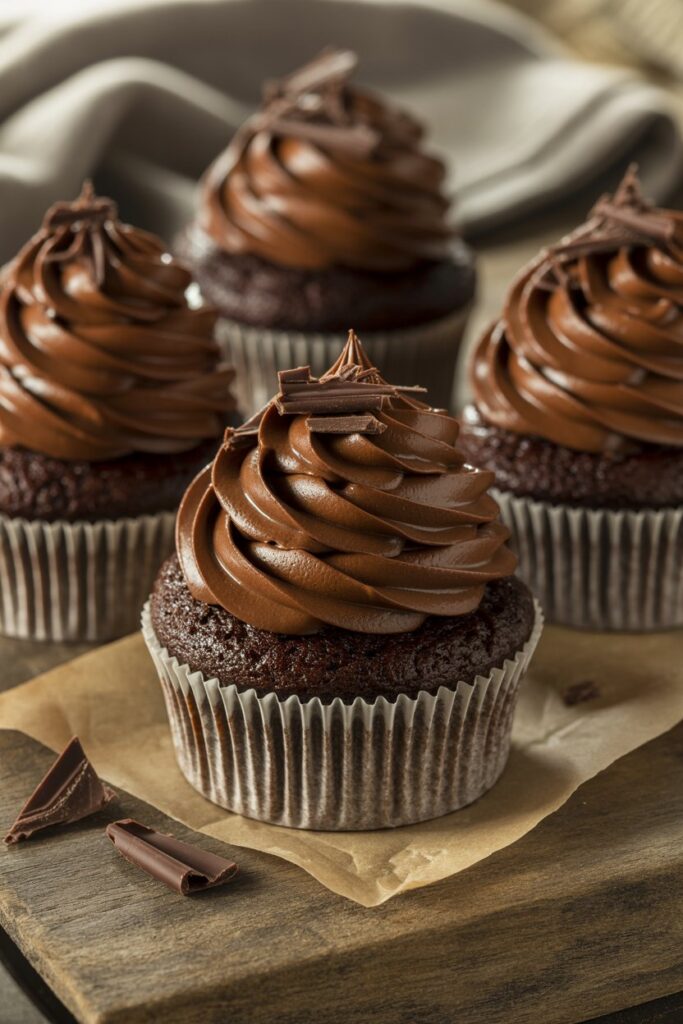
A moist chocolate cupcake depends largely on the right combination of fat, sugar, and liquids. Butter or oil adds tenderness and richness, while sugar not only sweetens but also helps retain moisture during baking. Using quality cocoa powder or unsweetened chocolate intensifies the chocolate flavor without overwhelming sweetness.
Another crucial factor is not overmixing the batter, which can develop gluten and make cupcakes tough rather than soft. Proper baking time and oven temperature are equally important — baking too long dries them out, while underbaking leaves the texture gummy.
Key Ingredients That Elevate Your Cupcakes
Certain ingredients have a major impact on flavor and texture beyond the basics. For example, adding a splash of vanilla extract enhances the overall taste, while a pinch of salt balances sweetness and deepens chocolate notes.
Choosing the right type of sugar — whether granulated or brown sugar — can subtly change moisture and flavor, with brown sugar adding a slight caramel undertone. Finally, incorporating sour cream or yogurt introduces acidity that tenderizes the crumb and adds a pleasant tang.
Table: Ingredient Role and Effect on Cupcake Texture & Flavor
| Ingredient | Role in Cupcake | Effect on Texture & Flavor |
|---|---|---|
| Butter or Oil | Fat source | Adds richness and moistness |
| Granulated Sugar | Sweetener and moisture retainer | Sweetens and helps retain moisture |
| Brown Sugar | Sweetener with molasses content | Adds moisture and subtle caramel flavor |
| Cocoa Powder | Main chocolate flavor | Provides deep chocolate taste |
| Unsweetened Chocolate | Chocolate intensity | Enhances richness and fudginess |
| Eggs | Structure and leavening | Adds stability and helps rise |
| Vanilla Extract | Flavor enhancer | Boosts overall taste |
| Salt | Flavor balancer | Balances sweetness and intensifies flavors |
| Sour Cream/Yogurt | Tenderizer and moisture | Softens crumb and adds subtle tang |
Understanding these elements will help you bake chocolate cupcakes that are consistently moist, flavorful, and truly the best. In the next sections, we’ll explore how to select and combine these ingredients for your perfect cupcake recipe.
2. Essential Ingredients and How to Choose Them

The secret to perfect chocolate cupcakes doesn’t just lie in the method—it starts with the ingredients you choose. Each component plays a unique role in the outcome of your cupcakes, affecting texture, moisture, and depth of flavor. Choosing the right type of chocolate, sweeteners, and fats is key to mastering the balance between rich taste and light, fluffy texture.
Let’s take a closer look at the ingredients that matter most—and how to adapt them for different dietary needs without sacrificing flavor or structure.
Cocoa Powder vs. Unsweetened Chocolate: Which Should You Use?
Both cocoa powder and unsweetened chocolate are excellent sources of chocolate flavor, but they behave quite differently in recipes. Cocoa powder (especially natural or Dutch-processed) gives a more concentrated chocolate taste and also dries out the batter slightly—so it’s usually balanced with extra moisture from milk, oil, or sour cream.
On the other hand, unsweetened chocolate is made from pure chocolate liquor and contains both cocoa solids and cocoa butter. It provides a richer, smoother taste and additional fat, which contributes to a softer crumb. If you want bold, intense chocolate flavor, cocoa powder is ideal. If you prefer a mellow, fudgier profile, unsweetened chocolate may be your go-to.
The best chocolate cupcakes recipes often combine both for depth and balance.
The Role of Butter, Sugar, and Eggs in Your Cupcakes
These three classic ingredients form the foundation of your cupcake batter:
- Butter provides richness and structure. It creates a tender crumb when creamed with sugar, incorporating air into the batter.
- Sugar, whether white or brown, affects sweetness, moisture retention, and even color. Brown sugar, in particular, brings a hint of caramel that pairs beautifully with chocolate.
- Eggs bind everything together, contribute to leavening, and help the cupcakes hold their shape.
Their quality and ratio will influence how your cupcakes rise, how moist they are, and how evenly they bake. For instance, using room-temperature eggs and softened butter ensures a smoother, more stable batter.
Table: Ingredient Substitutions for Dietary Preferences
| Standard Ingredient | Vegan Substitute | Gluten-Free Substitute | Dairy-Free Substitute |
|---|---|---|---|
| Butter | Coconut oil or vegan butter | N/A | Coconut oil, margarine |
| Eggs | Flaxseed meal + water (1:3) | N/A | Applesauce, mashed banana |
| All-purpose flour | N/A | Almond flour, oat flour blend | N/A |
| Milk (in batter) | Nondairy milk (almond, soy) | N/A | Almond, oat, or soy milk |
| Sour cream/yogurt | Coconut yogurt | N/A | Soy or oat-based yogurt |
By understanding your ingredient options and how they interact, you’ll be better equipped to make the best chocolate cupcakes for every occasion—whether you’re baking traditionally or accommodating specific dietary needs.
3. Step-by-Step Chocolate Cupcakes Recipe
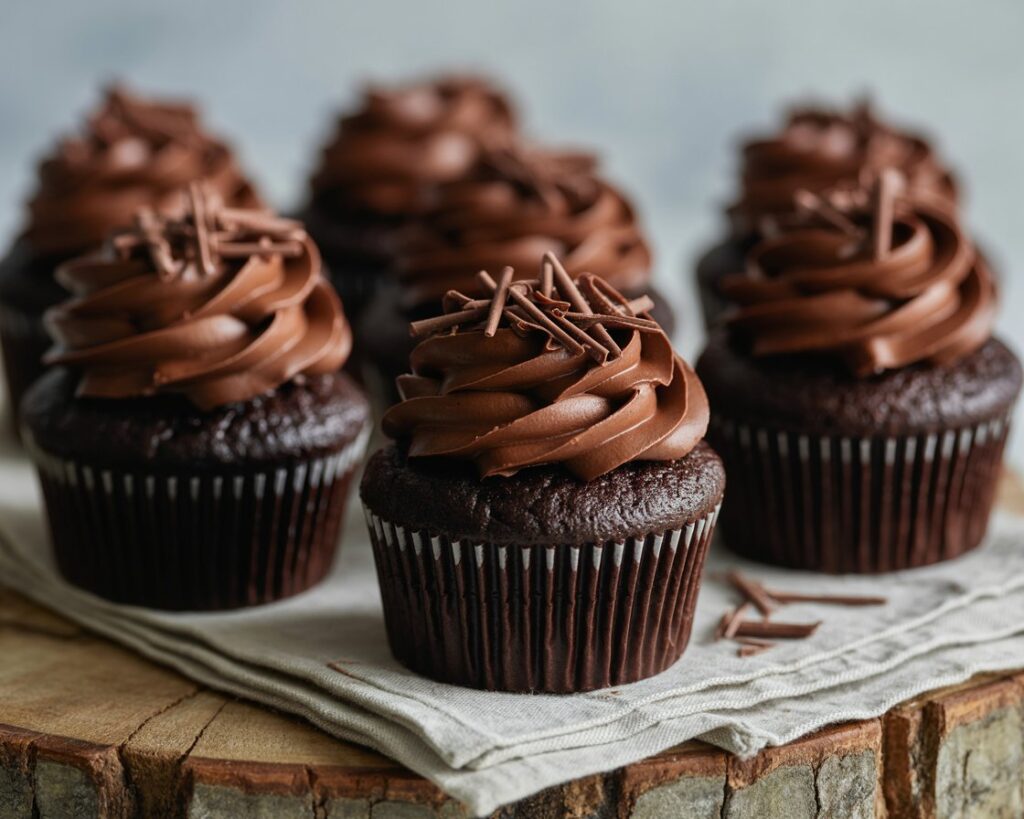
Mastering the art of baking chocolate cupcakes starts with preparing your batter correctly and following precise baking steps. Whether you’re a beginner or an experienced baker, understanding each stage ensures that your cupcakes come out moist, tender, and perfectly risen every time.
This section will guide you through the process, sharing professional tips and insights to help you achieve consistent, bakery-quality results at home.
Preparing Your Batter Like a Pro
The key to a smooth, well-aerated batter is proper mixing and ingredient preparation. Begin by bringing your butter and eggs to room temperature — this helps them blend more evenly.
Start by creaming the butter and sugar until light and fluffy; this step incorporates air, giving your cupcakes lift. Next, add eggs one at a time, mixing well after each addition to maintain a stable batter.
Alternate adding dry ingredients like cocoa powder, flour, and baking powder with wet ingredients such as milk or sour cream. This prevents overmixing and keeps the batter tender. Use a gentle folding motion during the final stages to preserve the incorporated air.
Baking Tips for Perfect Cupcakes Every Time
Oven temperature and timing are crucial. Preheat your oven fully before baking, and avoid opening the door early to prevent your cupcakes from collapsing.
Use a light-colored metal or silicone cupcake pan for even heat distribution. Fill cupcake liners about two-thirds full to allow room for rising without spilling over.
Rotate the pan halfway through baking if your oven has hot spots. Once baked, allow cupcakes to cool completely on a wire rack before frosting to prevent melting or sliding.
Table: Oven Temperatures and Baking Times for Different Pan Sizes
| Pan Size | Oven Temperature | Baking Time | Notes |
|---|---|---|---|
| Standard Muffin Pan (12 cups) | 350°F (175°C) | 18–22 minutes | Most common size, consistent baking |
| Mini Cupcake Pan (24 cups) | 350°F (175°C) | 10–14 minutes | Smaller cupcakes, shorter bake time |
| Jumbo Cupcake Pan (6 cups) | 325°F (163°C) | 25–30 minutes | Larger cupcakes, lower temp to avoid over-browning |
Following these steps and tips will help you bake chocolate cupcakes with perfect texture, appearance, and flavor every time you make them.
4. Mastering Chocolate Frosting and Fillings

No chocolate cupcake is complete without the perfect frosting or filling to complement its rich flavor. The right frosting can elevate your cupcakes from delicious to extraordinary, adding texture, sweetness, and a beautiful finish. In this section, we’ll explore simple homemade frosting options and how to achieve smooth, luscious fillings.
Easy Homemade Chocolate Frosting Variations
Making your own chocolate frosting allows you to customize sweetness and texture. Classic buttercream is a popular choice, made by whipping softened butter with powdered sugar and cocoa powder until fluffy. For a lighter alternative, whipped cream-based frostings can add creaminess without overwhelming sweetness.
You can also experiment by adding espresso powder for a mocha twist or a pinch of cinnamon to warm up the flavor profile. These simple tweaks bring exciting depth to your chocolate cupcakes.
How to Make a Silky Chocolate Ganache or Cream Cheese Frosting
Chocolate ganache is a luxurious option that’s surprisingly easy to make. It’s made by pouring warm cream over chopped dark chocolate, stirring until smooth and glossy. Depending on how long you let it cool, ganache can be poured as a glaze or whipped into a spreadable frosting.
Cream cheese frosting adds a tangy richness that pairs beautifully with chocolate. Combining softened cream cheese with butter, powdered sugar, and cocoa powder results in a silky texture with balanced sweetness. This frosting is especially good if you want a slight contrast to the rich cake base.
Table: Frosting Types, Ingredients, and Ideal Uses
| Frosting Type | Key Ingredients | Texture | Best Use |
|---|---|---|---|
| Buttercream | Butter, powdered sugar, cocoa powder | Light and fluffy | Classic cupcake topping |
| Whipped Cream Frosting | Heavy cream, powdered sugar, cocoa | Light and airy | Light, less sweet option |
| Chocolate Ganache | Dark chocolate, heavy cream | Smooth, glossy | Glaze or thick frosting |
| Cream Cheese Frosting | Cream cheese, butter, powdered sugar, cocoa powder | Silky and tangy | Contrast to rich chocolate cake |
Choosing the right frosting or filling will perfectly complement your chocolate cupcakes and impress anyone lucky enough to taste them.
5. Creative Cupcake Decoration Ideas Without the Fuss
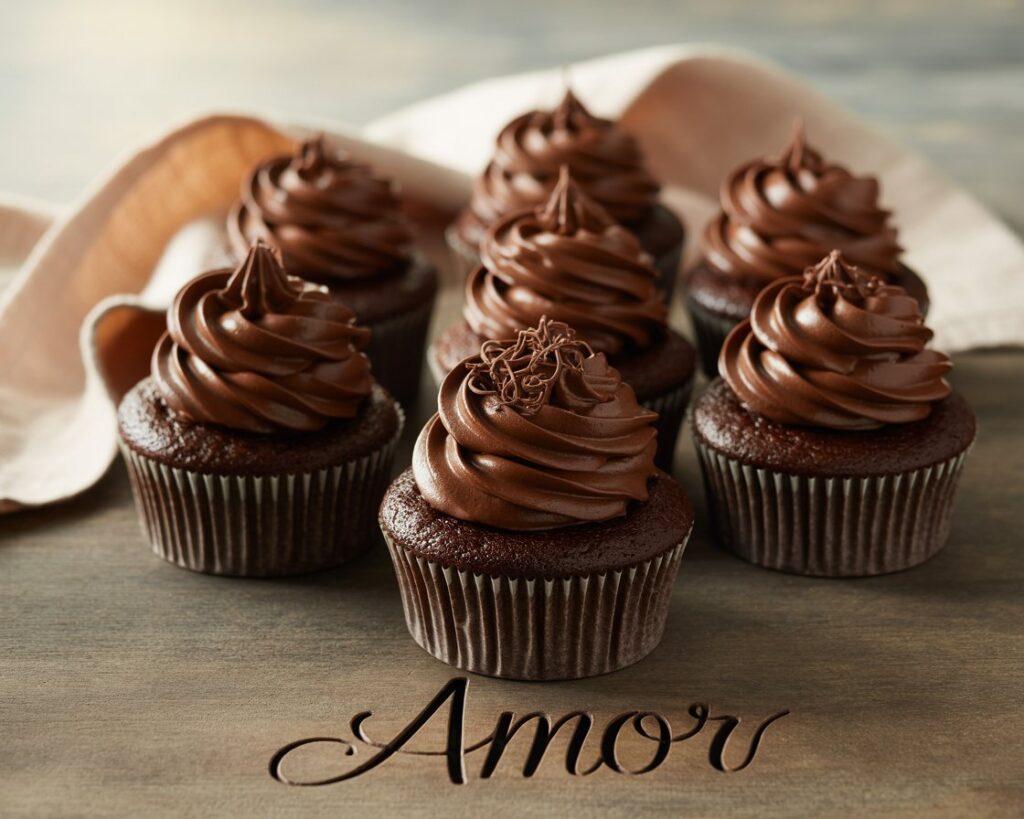
Decorating your chocolate cupcakes doesn’t have to be complicated or time-consuming. Sometimes, simple decorations can create stunning results that impress both the eyes and the palate. This section shares easy yet elegant topping ideas and practical tips to help you decorate like a pro without the stress.
Simple Yet Stunning Toppings You Can Make at Home
You don’t need fancy tools or ingredients to elevate your cupcakes. Fresh fruit like raspberries or sliced strawberries adds color and a burst of flavor that contrasts beautifully with rich chocolate. Toasted nuts or a sprinkle of sea salt can add texture and a sophisticated touch.
Other easy options include dusting cocoa powder or powdered sugar on top, or adding a few chocolate shavings or sprinkles for a festive look. These simple touches transform your cupcakes into eye-catching treats perfect for any occasion.
Tips for Piping Frosting Like a Bakery Pro
Piping frosting can seem intimidating, but with the right technique and tools, anyone can master it. Use a piping bag fitted with a star or round tip for smooth, consistent swirls. Hold the bag at a 90-degree angle above the cupcake and start from the outside edge, spiraling inward.
Practice controlling pressure for even frosting flow, and don’t rush—steady movements produce the best results. If you don’t have a piping bag, a resealable plastic bag with a cut corner works just as well.
Table: Decoration Ideas and Tools Needed
| Decoration Idea | Description | Tools Needed | Difficulty Level |
|---|---|---|---|
| Fresh Berries | Raspberries, strawberries | None | Easy |
| Toasted Nuts | Chopped almonds or walnuts | Oven or toaster, knife | Easy |
| Cocoa Powder Dusting | Light dusting on frosting | Fine sieve or sifter | Very Easy |
| Chocolate Shavings | Thin curls of chocolate | Vegetable peeler or grater | Medium |
| Sprinkles | Colored or chocolate sprinkles | None | Very Easy |
| Simple Piped Swirls | Classic frosting swirls | Piping bag and tip | Medium |
These easy decoration ideas and techniques will help you present your chocolate cupcakes beautifully without overwhelming effort, making them as delightful to look at as they are to eat.
6. Troubleshooting Common Chocolate Cupcake Problems

Even the best bakers encounter issues now and then, especially when it comes to delicate treats like chocolate cupcakes. Knowing how to identify and fix common problems can save your batch and improve your baking skills over time. This section addresses some of the most frequent challenges and offers practical solutions.
Why Are My Cupcakes Dry or Dense?
Dry or dense cupcakes usually result from overbaking, incorrect ingredient ratios, or mixing errors. Overbaking causes moisture to evaporate, leaving a crumbly texture. Using too much flour or not enough fat can also lead to dryness.
Overmixing the batter is another common culprit; it develops gluten that makes cupcakes heavy and tough rather than light and fluffy. To avoid these issues, follow baking times closely, measure ingredients accurately, and mix just until combined.
How to Fix Frosting That’s Too Runny or Too Thick
Frosting consistency is crucial for both appearance and taste. If your frosting is too runny, it may be due to warm ingredients or too much liquid like milk or cream. To thicken runny frosting, chill it in the refrigerator or add more powdered sugar gradually.
If the frosting is too thick, it can be difficult to spread or pipe. Fix this by adding small amounts of liquid—milk, cream, or even water—until it reaches the desired consistency. Always add liquid slowly to avoid over-thinning.
Table: Common Issues and Quick Solutions
| Problem | Cause | Quick Solution |
|---|---|---|
| Dry Cupcakes | Overbaking, too much flour | Reduce baking time; measure flour carefully |
| Dense Cupcakes | Overmixing batter | Mix just until ingredients combine |
| Frosting Too Runny | Warm ingredients, excess liquid | Chill frosting; add powdered sugar |
| Frosting Too Thick | Too much powdered sugar | Add milk or cream gradually |
| Cupcakes Sink in Middle | Underbaking, too much leavening | Bake longer; adjust baking powder amount |
By understanding these common pitfalls and how to resolve them, you can perfect your chocolate cupcakes and frosting, creating treats that look and taste just right every time.
7. Fun Variations to Try With Your Chocolate Cupcake Base
Once you’ve mastered the classic chocolate cupcakes recipe, it’s fun to experiment with variations that add unique flavors and textures. By incorporating different mix-ins and flavor twists, you can customize your cupcakes to suit any occasion or personal preference.
These ideas will inspire you to take your base recipe to new delicious heights.
Adding Mix-ins: Nuts, Chocolate Chips, or Fruit
Incorporating mix-ins is an easy way to add texture and surprise to your cupcakes. Chopped nuts such as walnuts, pecans, or almonds bring a satisfying crunch and complement the chocolate flavor.
Chocolate chips, whether semi-sweet or white, melt slightly during baking, adding pockets of gooey sweetness. For a fresh twist, try folding in dried fruits like cherries or cranberries, or even fresh raspberries for bursts of tartness.
Flavor Twists: Coffee, Orange, or Spices
Enhancing your cupcakes with additional flavors can deepen the complexity of your dessert. Adding a teaspoon of instant coffee or espresso powder to the batter intensifies the chocolate’s richness.
Citrus zest, especially orange, pairs beautifully with chocolate to provide a bright, refreshing note. Spices like cinnamon, chili powder, or cardamom add warmth and an unexpected kick, making your cupcakes truly unique.
Table: Variation Ideas with Ingredient Adjustments
| Variation | Ingredient Additions | Adjustments Needed | Flavor Profile |
|---|---|---|---|
| Nut Crunch | ½ cup chopped walnuts or pecans | Fold in with dry ingredients | Crunchy, nutty |
| Chocolate Chip | ½ cup chocolate chips | Reduce sugar slightly if needed | Extra chocolate sweetness |
| Fruit Burst | ½ cup fresh raspberries or dried cherries | Gently fold in before baking | Tart and sweet contrast |
| Coffee Kick | 1 tsp instant espresso powder | Add with dry ingredients | Rich, deep chocolate flavor |
| Citrus Zest | 1 tbsp orange or lemon zest | Add with wet ingredients | Bright, refreshing |
| Spiced Chocolate | ½ tsp cinnamon or pinch of chili powder | Add with dry ingredients | Warm and slightly spicy |
Trying these variations lets you tailor your chocolate cupcakes to your taste or the theme of your event, adding creativity and flair to a classic favorite.
8. Storing and Serving Your Chocolate Cupcakes
Proper storage and serving techniques are essential to preserve the freshness, flavor, and appearance of your chocolate cupcakes. Whether you’re preparing cupcakes in advance or planning to transport them, knowing how to keep them at their best ensures every bite is as delicious as the first.
Best Practices for Keeping Cupcakes Fresh Longer
To maintain moisture and prevent your cupcakes from drying out, store them in an airtight container at room temperature for up to two days. If you need to keep them longer, refrigerate them in a sealed container for up to a week—but bring them to room temperature before serving to restore softness.
Avoid storing cupcakes in direct sunlight or near heat sources, as this can cause frosting to melt and cupcakes to stale quickly.
Tips for Transporting Cupcakes Without Damage
Transporting cupcakes can be tricky, but with a few simple steps, you can avoid smashed frosting or toppled treats. Use a cupcake carrier or a sturdy box with inserts to hold each cupcake in place.
If you don’t have specialized containers, place cupcakes in individual cupcake liners within a shallow box. Keep the box level and avoid stacking cupcakes. For longer trips, refrigerate cupcakes beforehand to firm up the frosting and reduce shifting.
Table: Storage Methods, Shelf Life, and Serving Suggestions
| Storage Method | Shelf Life | Ideal Conditions | Serving Tips |
|---|---|---|---|
| Room Temperature | Up to 2 days | Airtight container, cool, dry place | Serve fresh; no additional prep |
| Refrigerator | Up to 1 week | Sealed container | Bring to room temperature before serving |
| Freezer (Unfrosted) | Up to 3 months | Wrap tightly in plastic wrap & foil | Thaw overnight at room temperature |
| Freezer (Frosted) | Up to 1 month | Freeze in airtight container | Thaw gently in fridge, then room temp |
Following these storage and transportation tips helps you enjoy your chocolate cupcakes at their best, whether at home or on the go.
Why These Chocolate Cupcakes Are the Best Choice for Every Occasion
In summary, mastering this chocolate cupcakes recipe guarantees moist, flavorful, and visually stunning treats that everyone will love. By carefully selecting ingredients, following proven baking steps, and exploring creative variations and decorations, you can consistently bake cupcakes that stand out. Whether for celebrations or everyday indulgence, these chocolate cupcakes deliver the perfect balance of rich taste and delightful texture every time. Start baking today and enjoy the delicious rewards!
