

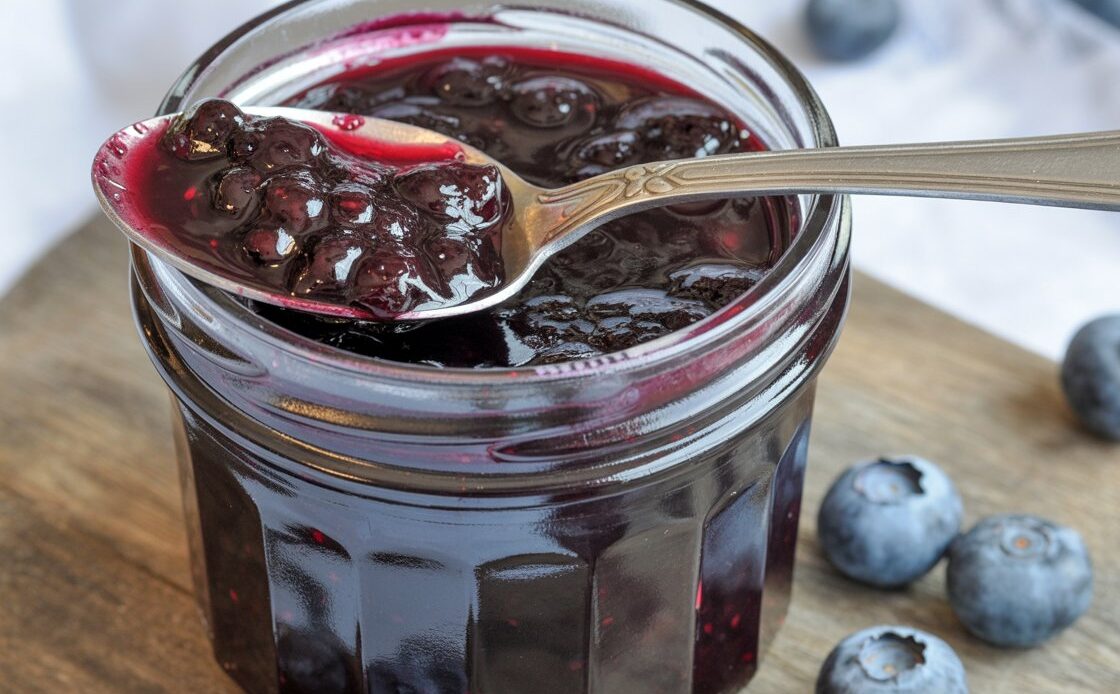
Make homemade blueberry jam recipe and unlock a world of fresh, fruity goodness that store-bought versions simply can’t match. There’s something special about the rich, vibrant flavor of jam made with your own hands—whether you spread it on toast, swirl it into yogurt, or gift it to a loved one. Unlike commercial jams filled with preservatives and artificial ingredients, homemade blueberry jam allows you to control every step, from sweetness to texture. Plus, it’s an easy way to preserve the bright, fresh flavors of summer, making it a year-round treat. Let’s dive into why making your own blueberry jam is a rewarding experience and a must-try for any home cook.
The Science Behind Making the Best Blueberry Jam

Making the perfect blueberry jam goes beyond just following a recipe; it’s about understanding the science behind the ingredients and how they work together to create that perfect spread. The combination of fruit, sugar, pectin, and acidity is what gives homemade jam its signature texture and flavor. Each of these elements plays a critical role in ensuring your jam is thick, sweet, and long-lasting. Let’s break down how each component contributes to making the best blueberry jam.
Understanding Pectin and Its Role in Jam Making
Pectin is a naturally occurring substance found in fruits that is essential for thickening jam. When combined with sugar and acid, pectin helps form a gel-like consistency that transforms your fruit mixture into the spreadable delight we call jam. Without pectin, your blueberry jam would be a runny mess, lacking that firm yet smooth texture that makes it perfect for spreading on toast or using in desserts.
The most common misconception about making jam is that you always need to add commercial pectin. However, many fruits—especially citrus fruits and apples—contain plenty of natural pectin. So, if you’re working with high-pectin fruits, you can skip the store-bought pectin and let the fruit do the work. This method will require a longer cooking time to reach the perfect consistency, but it results in a natural, preservative-free jam that lets the fruit shine.
The Importance of the Right Sugar-to-Berry Ratio
The sugar-to-berry ratio is one of the most important factors in determining the texture and flavor of your blueberry jam. Sugar not only sweetens the fruit but also aids in the gelling process by binding with pectin. The right balance ensures that your jam has that desirable consistency—not too runny, but not too thick either.
If you use too much sugar, your jam may become overly sweet and too firm, leaving little room to taste the natural tartness of the blueberries. On the other hand, using too little sugar can result in a jam that lacks the desired sweetness and fails to gel properly.
Table: Sugar Levels and Their Effects on Jam Consistency and Taste
| Sugar Level | Consistency | Taste | Best For |
|---|---|---|---|
| Low Sugar (40%) | Thinner, less gelled | Tart, more fruity | Health-conscious or tart lovers |
| Medium Sugar (60%) | Standard, slightly thickened | Balanced sweet & tart | Classic jam texture |
| High Sugar (80%) | Thick, almost jelly-like | Very sweet, less fruity | Sweet jam enthusiasts |
The Magic of Lemon in Your Blueberry Jam
Lemon is a secret weapon when making blueberry jam. Its natural acidity not only helps to balance the sweetness of the berries but also enhances their flavor, bringing out the best in your fruit. The bright, tangy note from the lemon adds a refreshing touch that cuts through the richness of the jam, ensuring it’s not too sweet or one-dimensional.
Additionally, lemon plays a vital role in preserving your blueberry jam. The acidity in lemon helps prevent spoilage by lowering the pH of the mixture, which inhibits the growth of bacteria and mold. That’s why you’ll often find lemon juice included in jam recipes—it ensures that your jam lasts longer and stays fresh even after you’ve stored it in jars.
Tools You Need (But Don’t Overcomplicate It)
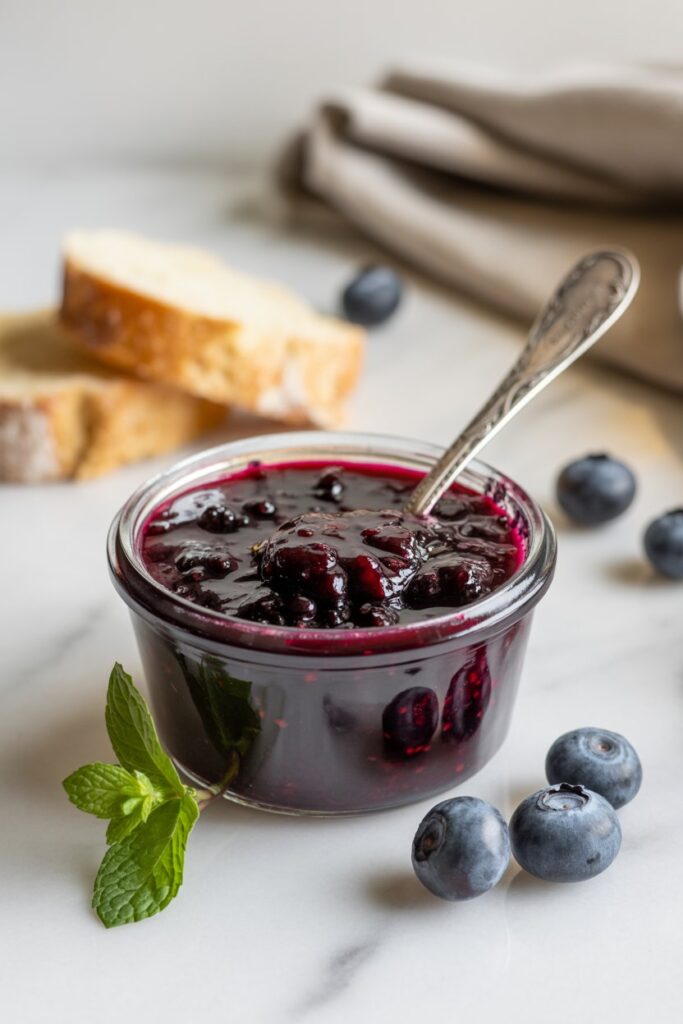
When it comes to making blueberry jam, the good news is—you don’t need a kitchen full of gadgets to get started. In fact, part of the charm of homemade jam is just how simple the process can be. Whether you’re a seasoned cook or a first-timer, you likely already have most of what you need in your kitchen. Let’s go over the tools that truly matter and a few extras that can make the job easier (but aren’t a must).
No Fancy Gear Required – What You Actually Need
Forget the high-end equipment and specialty tools—making jam doesn’t have to be complicated. At its core, the jam-making process requires just a few basics:
- A sturdy pot or saucepan – Preferably with a thick bottom to avoid scorching.
- A long-handled spoon – For stirring and keeping your hands safe from bubbling fruit.
- Glass jars with lids – Mason jars or recycled jam jars work perfectly for storing your homemade jam.
And here’s a fun reminder: who needs a fancy jam pot when your grandma made the best jam in an old soup pot? The tools don’t make the jam—you do.
Optional Tools to Make Life Easier (But Not Essential)
If you’re planning to make jam often, a few optional tools can streamline the process and help avoid mess:
- Jar lifter
Pros: Helps you safely handle hot jars during sterilizing and filling.
Cons: Only useful if you’re water-bath canning; takes up drawer space. - Wide-mouth funnel
Pros: Minimizes spills when ladling jam into jars, keeps rims clean.
Cons: Not absolutely necessary; a steady hand can do the job too. - Canning rack
Pros: Keeps jars from rattling around or cracking in boiling water.
Cons: You can improvise with a kitchen towel or silicone trivet.
All of these can make your jam-making experience smoother, but don’t feel pressured to buy them right away. If you’re making a small batch of blueberry jam, the basics are more than enough to get you started.
The Benefits of Making Blueberry Jam from Scratch
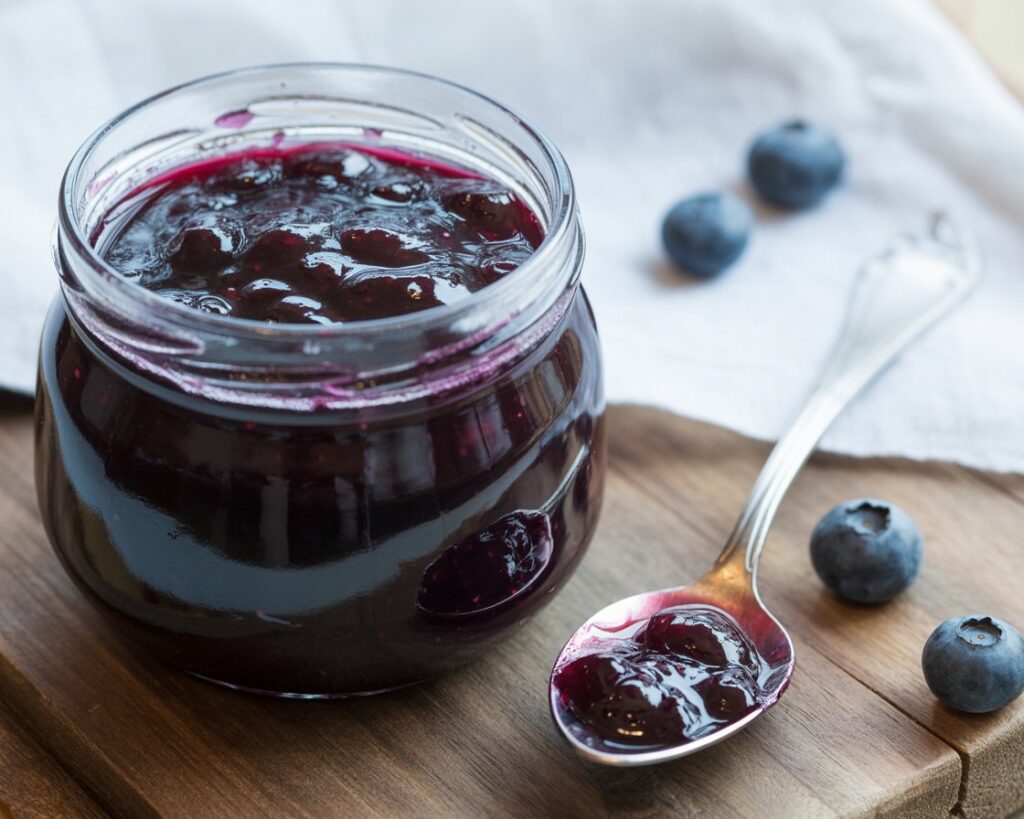
There’s something deeply satisfying about turning a bowl of ripe blueberries into jars of sweet, tangy jam. But the appeal goes far beyond taste. Making blueberry jam from scratch gives you full control over what goes into each jar—and what stays out. It’s healthier, more personal, and lets you create something truly meaningful, whether for your own pantry or as a gift from the heart.
Fresh and Natural: No Hidden Additives
One of the biggest benefits of homemade blueberry jam is knowing exactly what you’re eating. Unlike many store-bought versions, homemade jam skips the artificial preservatives, stabilizers, and high-fructose corn syrup. What you get is real fruit, real sugar (in amounts you control), and that unmistakable homemade taste.
Store-Bought vs. Homemade Blueberry Jam
| Feature | Store-Bought Jam | Homemade Blueberry Jam |
|---|---|---|
| Ingredients | Often includes preservatives, artificial color, and high-fructose corn syrup | Just fruit, sugar, lemon juice, optional spices |
| Sugar Content | High and hard to control | Adjustable to your taste |
| Flavor | Uniform, sometimes overly sweet | Fresh, bright, and customizable |
| Shelf Life | Long (due to additives) | Still long, but naturally preserved |
| Personal Touch | Mass-produced | Made with love |
Control Over Flavors and Sweetness
When you make blueberry jam at home, you’re not limited to a one-size-fits-all flavor. Want it less sweet? Reduce the sugar. Prefer a bit of spice? Add cinnamon, a touch of vanilla, or even a pinch of nutmeg for warmth. You can also mix in other fruits like raspberries or a hint of lavender for something truly unique.
This flexibility lets you create a jam that suits your palate—or that of the lucky person you’re making it for. Whether you’re looking for a traditional flavor or something gourmet, the possibilities are endless when you’re in control of the pot.
A Perfect Gift or Family Tradition
Homemade blueberry jam isn’t just food—it’s a moment in a jar. Whether you’re preserving summer’s best berries or making a holiday batch in cooler months, it’s a thoughtful, handcrafted gift that never fails to impress. Tie a ribbon around a mason jar and voilà—you’ve got a personal, affordable gift for holidays, birthdays, or hostess thank-yous.
Even better? Making jam can be a cozy family activity. Kids can help mash berries or label jars, making it a tradition worth passing down.
Try this: Pick a weekend, grab some blueberries, and make an extra batch to give away. Homemade jam adds a warm, heartfelt touch to everything from gift baskets to brunch tables.
Troubleshooting Common Blueberry Jam Mistakes
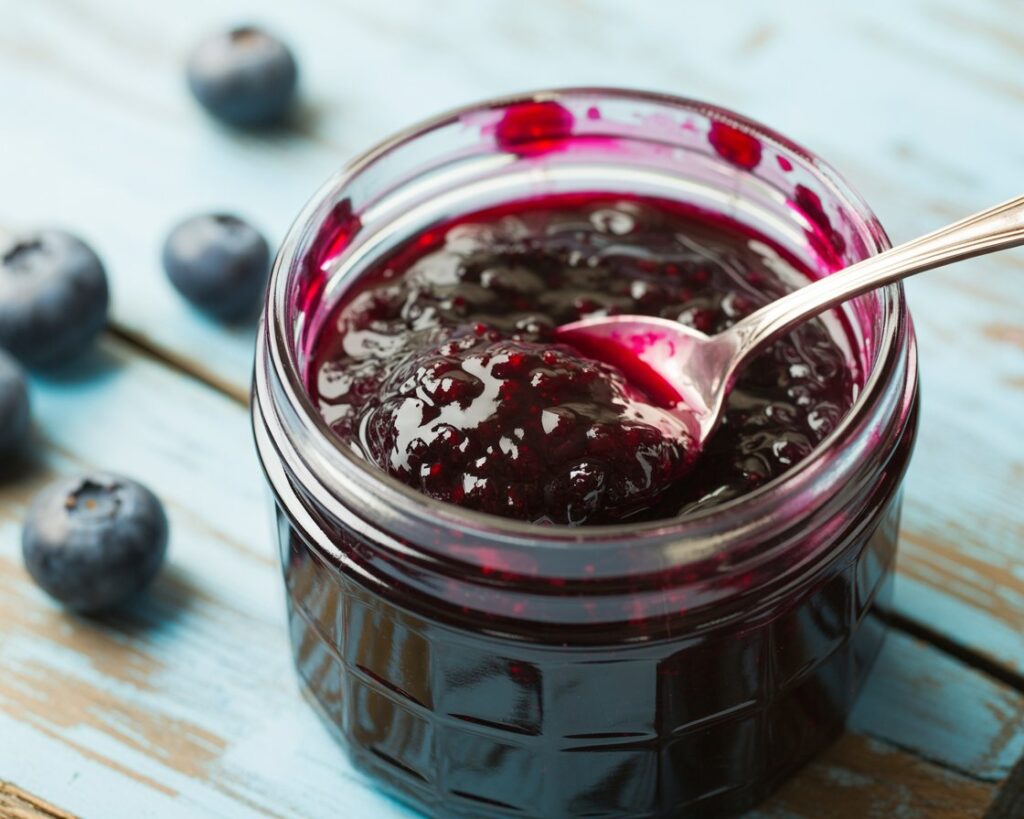
Even experienced home cooks run into hiccups when making blueberry jam—the fruit doesn’t set, the texture feels off, or something just tastes… weird. Don’t worry. These problems are surprisingly common, and thankfully, they’re usually easy to fix. Here’s how to troubleshoot the most frequent jam-making mishaps so you can rescue your batch (or avoid the problem next time).
Runny Jam? Here’s Why That Happens (And How to Fix It)
A jam that refuses to set can feel like a major letdown, especially after all that effort. The usual culprits are not enough pectin, too much liquid, or not boiling the jam long enough to reach the gel point.
What you can do:
- Reboil the jam with added pectin or lemon juice (for extra acid).
- Cook it a bit longer until it passes the “wrinkle test” (place a small amount on a cold plate, wait a minute, and push it with your finger—if it wrinkles, it’s ready).
Quick Tip Box:
💡 If your jam is still too thin, don’t panic! Try this simple fix: return it to the pot, stir in a little extra pectin or lemon juice, and bring it to a rolling boil for 2–3 more minutes. Let it cool and test again.
Jam Too Thick or Gelled? Here’s How to Salvage It
If your blueberry jam sets up like a fruit gummy or has the consistency of paste, it’s likely overcooked or has too much pectin. While it may not be ideal for toast, it’s not a lost cause.
What you can try:
- Stir in a tablespoon or two of warm water or fruit juice at a time until it loosens.
- Repurpose it! Overly thick jam makes an amazing jam glaze for meats, a filling for baked goods, or even a swirl in yogurt or oatmeal.
The key is to make small adjustments and test the texture as you go.
Storing and Preserving Your Blueberry Jam
Once your blueberry jam is perfectly set, make sure it stays that way with proper storage. If you’re making small batches to enjoy right away, refrigeration is perfectly fine. Just make sure the jars are sealed tight and clean.
Storage Methods:
- Short-term: Store in the fridge for up to 3 weeks.
- Long-term: Use a water-bath canning method to seal jars, allowing them to last for up to a year in a cool, dark pantry.
How to spot spoilage:
- Mold on the surface
- Sour or fermented smell
- Unusual bubbling or separation
- Darkened or odd color
When in doubt, throw it out. It’s not worth the risk.
Proper storage and handling keep your homemade jam safe and delicious for months to come—so label those jars, date them, and enjoy every last spoonful.
Enjoying Your Homemade Blueberry Jam: Beyond Toast
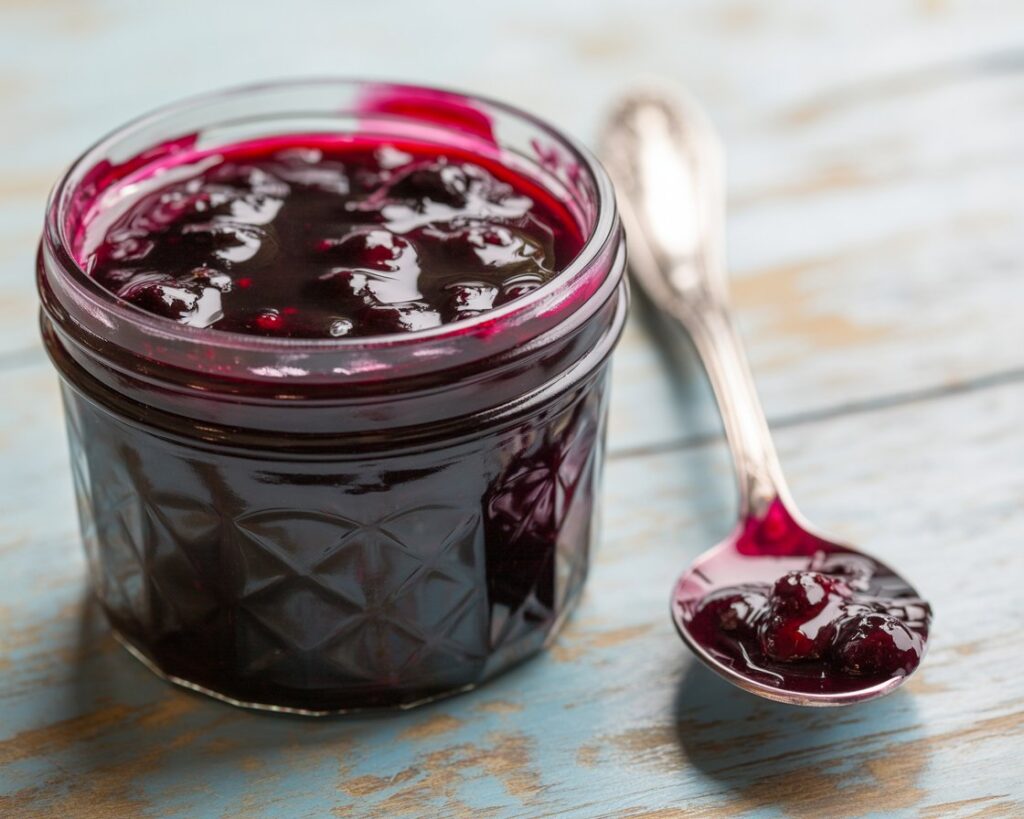
Sure, a warm slice of toast slathered with blueberry jam is a classic—and delicious—choice. But your homemade jam deserves more of a spotlight than the breakfast table alone. With its sweet-tart balance and smooth texture, it’s a versatile ingredient that can enhance both sweet and savory dishes. Let’s explore the unexpected (and totally delightful) ways to put your jam to good use.
Blueberry Jam for Desserts (More Than Just a Spread)
Think beyond toast and elevate your favorite desserts with a spoonful (or swirl) of your vibrant jam. Here are just a few ideas:
- Cheesecake topper – Skip the fruit compote and spoon warm blueberry jam over a slice of creamy cheesecake.
- Yogurt swirl – Add a dollop to plain Greek yogurt for an instant, fruity upgrade.
- Jam-filled cookies – Use it as the filling in thumbprint cookies or sandwich cookies.
- Pancake or waffle topping – Replace maple syrup with jam for a gourmet breakfast twist.
- Jam milkshake – Blend a spoonful into vanilla ice cream and milk for a quick berry-flavored treat.
🗳️ Poll: What’s the Best Dessert to Pair with Blueberry Jam?
- Cheesecake
- Vanilla Ice Cream
- Yogurt Parfait
- Pancakes or Waffles
- Jam Tarts
(Encourage your readers to cast their vote in the comments or via a plugin!)
Savory Dishes that Benefit from a Sweet Twist
Here’s where blueberry jam gets truly surprising: it’s not just for sweets. Its rich flavor makes it an excellent companion for savory dishes—especially meats.
Try it as a glaze for:
- Roast pork tenderloin – Mix jam with balsamic vinegar and garlic for a tangy-sweet glaze.
- Grilled chicken – Combine jam with Dijon mustard and a splash of soy sauce.
- Brie and jam crostini – Top toasted baguette slices with Brie cheese and a bit of jam for a savory appetizer.
Quick Tip: Easy Blueberry Jam Glaze
Whisk together:
- 2 tbsp blueberry jam
- 1 tbsp balsamic vinegar
- 1 tsp Dijon mustard
- Pinch of salt & pepper
Brush over pork or chicken during the last 10 minutes of roasting for a caramelized, flavorful finish.
Your blueberry jam has the power to go far beyond breakfast. With a bit of creativity, you’ll find yourself reaching for it at dinner, dessert, and everything in between.
Why Homemade Blueberry Jam is Worth the Effort
Making blueberry jam recipe from scratch is a rewarding experience that not only gives you complete control over the ingredients but also allows you to enjoy a product that’s free from preservatives and additives. By making your own blueberry jam recipe, you can ensure that each jar is packed with the fresh, natural flavors of blueberries, without the unnecessary chemicals found in many store-bought versions. Whether you choose to spread your blueberry jam recipe on toast for a sweet breakfast, drizzle it over decadent desserts like cheesecake or ice cream, or even use it as a topping for pancakes and waffles, your homemade jam will add a burst of vibrant flavor to any dish. But the versatility of your blueberry jam recipe doesn’t end there! You can also incorporate it into savory dishes by using it as a glaze for roasted meats like chicken and pork, or even mix it into salad dressings for a tangy-sweet twist. There’s no limit to the ways this delightful treat can enhance your meals. So, grab some fresh blueberries, get cooking, and discover all the ways that your homemade blueberry jam recipe can transform your cooking experience! Whether you’re enjoying it in the morning or gifting it to loved ones, this blueberry jam recipe will become a cherished staple in your kitchen.
