

When a long day calls for something warm and reliable, Ang’s Creamy Tortellini Soup steps in as an experience as much as a meal. The appeal begins with a velvety broth that feels soothing and ends with pasta pillows that make each spoonful satisfying and memorable. It’s the kind of bowl that rewards attention without demanding hours, and its comfort-first character makes it a staple for evenings when energy is low but standards are high. Beyond its ease, this soup is intentionally designed to be flexible, so it can welcome different palates and dietary needs without losing the creamy, cozy core that defines it.This article is crafted to be a practical companion to the recipe. It focuses on how to get the most from the dish without repeating the ingredient list or step-by-step instructions, which appear elsewhere. Instead, it offers the why and the how behind the comfort, the tweaks that make it personal, and the strategies to keep texture, balance, and convenience working in harmony. The goal is to deepen the enjoyment of the finished bowl while making the journey feel effortless and creative.
To make everything easy to skim and apply, the guide is organized into sections that explain the flavor architecture, show smart customizations, cover make-ahead and storage plans, offer troubleshooting, suggest pairings, and answer common questions. Tables are included to keep key ideas scannable, and the layout mirrors how real home cooks think while cooking and planning. Consider this a roadmap for achieving consistent, craveable results and a source of ideas to keep the soup fresh and exciting every time it appears on the table.
Why This Ang’s Creamy Tortellini Soup Hits The Spot
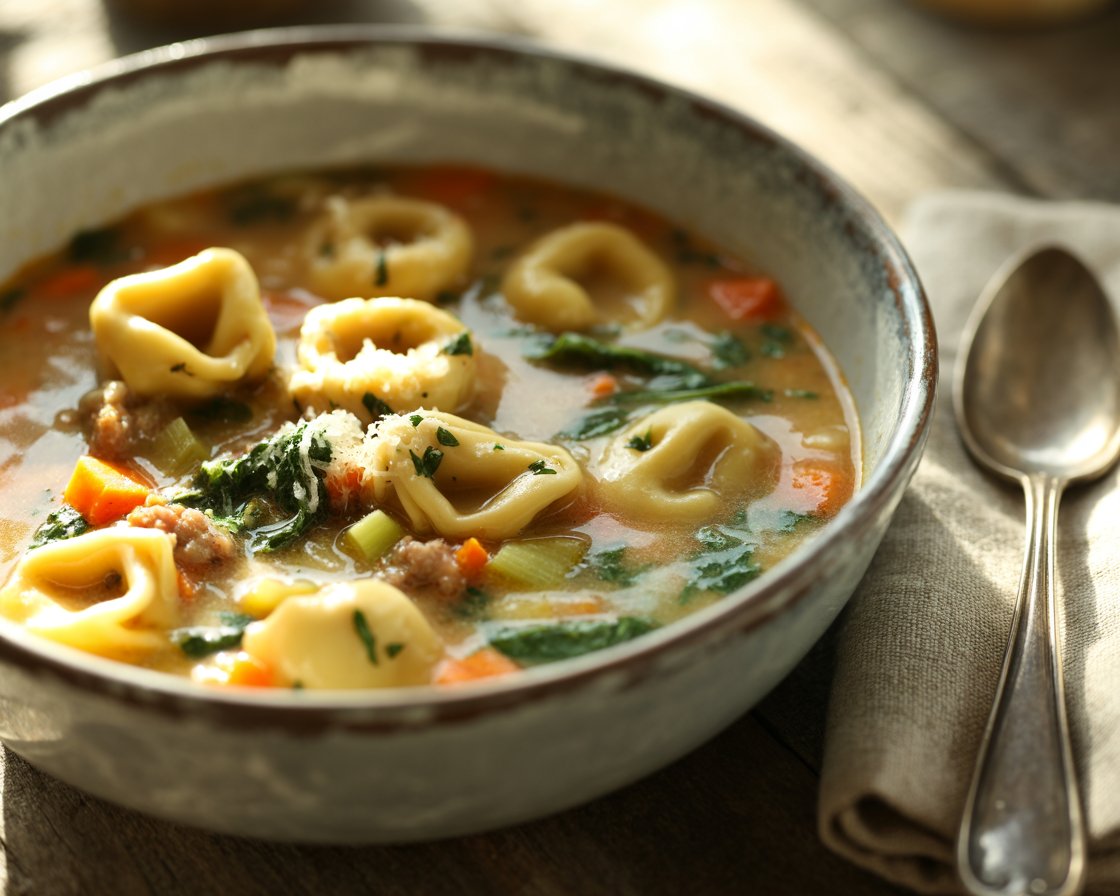
Comfort in a bowl
Comfort food earns the title when it turns routine into ritual, and this soup does exactly that. The creamy base offers soft edges for the palate—rounded, soothing, and steady—while the tortellini add chew and a gentle richness that feels indulgent without excess. It’s the sensory balance that matters: warmth rising with every sip, a savory backbone that feels both homestyle and polished, and a finish that invites a second helping before the bowl is empty. The bowl doesn’t shout; it reassures. That’s why it fits into weeknights as easily as it enhances a casual dinner with friends.
Another part of the comfort promise is predictability. A consistent experience—broth that coats the spoon lightly, pasta that stays tender, greens that taste fresh—creates trust. That trust is what makes the dish a go-to. Even small variations still sit within a comforting frame. The choices presented here help maintain that core experience while allowing personalization. Each time the soup appears, it brings the same restorative effect even when the mood or season changes.
Finally, the soup’s comfort comes from the harmony of its components. Smooth meets structured; savory meets creamy; warmth meets brightness. That interplay keeps the bowl interesting without fatigue, a key reason it satisfies on night one and remains appealing as a leftover. Comfort, in this sense, is clarity: everything in the bowl has a role, and each role is easy to appreciate.
30 minutes, one pot
Speed and simplicity are embedded in the design. One pot means less cleanup and fewer moving parts, which keeps the process focused and stress-free. A well-sequenced approach allows layers of flavor to develop quickly, so the result tastes thoughtful, not rushed. As the pot does the heavy lifting, attention can shift to seasoning, heat control, and timing—small details that transform a quick recipe into something restaurant-quality in feel.
Thirty minutes is more than a gimmick; it’s a practical promise that aligns with busy lives. It’s enough time to set the table, toss a quick salad, or warm bread while the soup moves from base to finish. The economy of steps encourages repetition. When a recipe can be made on a weekday without compromising quality, it naturally enters the rotation. That reliability is what makes the soup a household favorite rather than a special-occasion outlier.
Efficiency also enhances flavor: cooking everything in one pot helps the broth capture subtle aromatic notes and encourages gentle emulsification of creamy elements. The end result is a cohesive bowl that feels greater than the sum of its parts, arriving swiftly without shortcuts that sacrifice satisfaction.
Built for flexibility
Flexibility is the differentiator that keeps this soup fresh. It can lean lighter or richer, more herbaceous or subtly spiced, vegetarian or protein-forward. Each direction respects the soup’s core identity: creamy comfort with savory depth and tender bite. That adaptability makes it a smart option for mixed dietary preferences, changing seasons, and evolving appetites during the week.
A flexible structure also prevents monotony. One week, a version with extra greens and a gentle heat; the next, a heartier approach with added savory notes. Even leftovers can transform with a small tweak in texture or garnish. The soup’s canvas is broad enough to invite creativity while being forgiving enough to deliver pleasure every time.
In practical terms, flexibility makes planning easier. The soup pairs well with a range of sides, adapts to batch-cooking schedules, and remains resilient to substitutions. It’s as comfortable in a cozy solo dinner as it is as the centerpiece of an easy gathering.
| At‑a‑glance benefits | What it means |
|---|---|
| Time | About a half hour from start to finish, ideal for weeknights. |
| Effort | One-pot flow with intuitive sequencing and minimal cleanup. |
| Flavor | Layered savory depth with a velvety finish that feels polished. |
| Texture | Creamy broth that gently coats pasta without heaviness. |
| Flexibility | Easily adapted to lighter, vegetarian, dairy‑free, or extra-hearty styles. |
| Leftovers | Simple strategies keep pasta tender and the broth balanced on day two. |
Flavor Architecture Explained
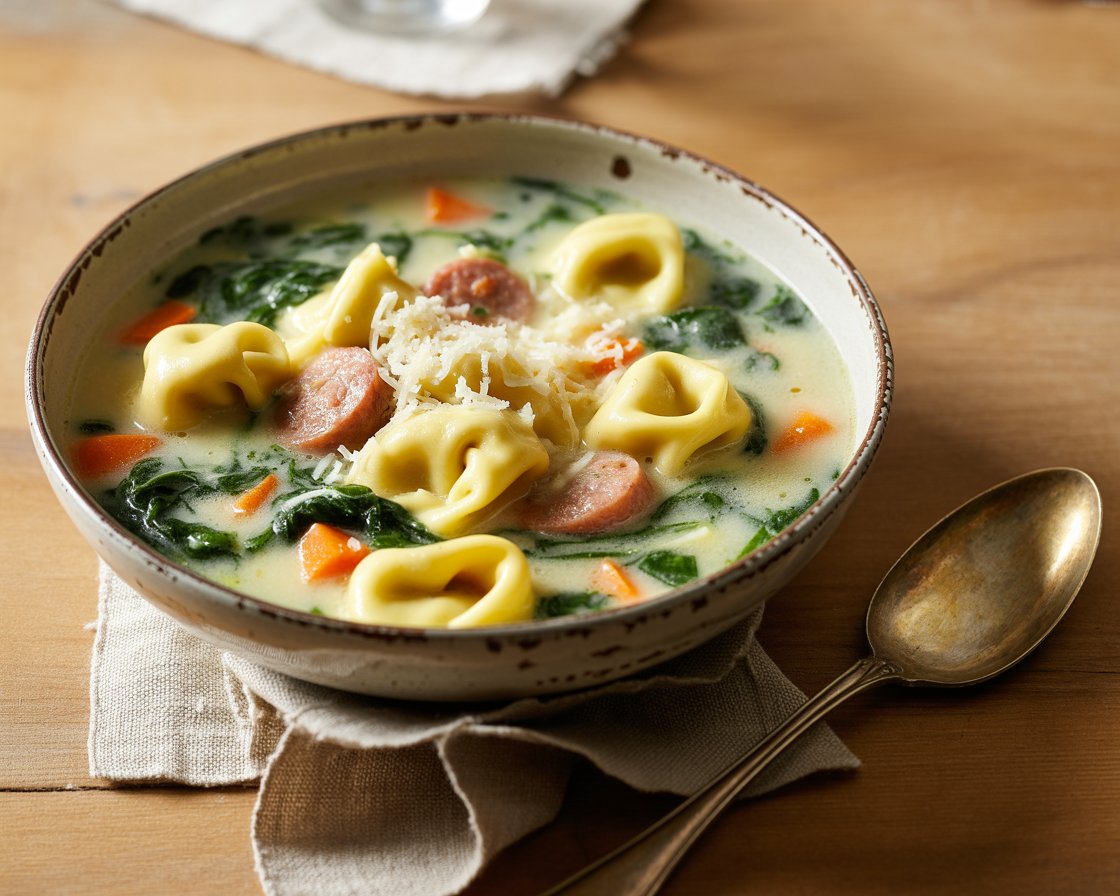
Aromatics and savory depth
Great soup starts with balance, and balance starts with aromatics. An aromatic base creates the backbone that everything else leans on, translating into sweetness, gentle bitterness, and deep savor. As the base softens and lightly caramelizes, it sets the stage for complexity, ensuring that later additions have something to hold onto. This foundation is what makes a quick simmer taste slow and patient.
Concentrated tomato elements play a key role in creating umami without relying on long cooking times. They bring gentle acidity, subtle sweetness, and a nudge of richness that rounds out the broth. When heat and aromatics coax those notes into bloom, the liquid transforms from simple to substantial. That underlying savory wall is where the creamy finish later attaches, creating an integrated bowl rather than distinct layers.
Seasoning is the final thread in the tapestry. The blend of herbs and spices should taste present but not dominant, rising as the pot simmers and relaxing as the creamy finish joins. The goal is cohesion: nothing sharp, nothing flat, just a steady build of flavor that reads as comforting and homey while still feeling thoughtfully composed.
Creamy finish science
Creaminess is about texture and mouthfeel as much as flavor. A velvety finish forms when fat and liquid come together gently, creating a soft, cohesive body that carries aroma and spice. The choice of creamy element influences body and richness, but the method of incorporating it matters just as much. Lower heat and gradual mixing encourage a smooth, stable finish that holds well in the bowl.
Cream’s role isn’t to overwhelm; it’s to soften edges and unify elements. It should round out the savory base and carry the aroma of herbs and spices forward, not muffle them. The right ratio creates a broth that lightly coats a spoon, glides around the pasta, and retains a delicate sheen without becoming heavy. When that balance is achieved, every bite feels lush yet clean.
Because creaminess affects perception, it also changes seasoning needs. Salt reads differently in a creamy environment, and acidity can become a helpful counterbalance. Adjusting these elements after the creamy finish goes in helps maintain clarity and prevents the palate from tiring, preserving the comfort factor throughout the bowl.
The timing advantage
Timing keeps texture intact. Some components are happiest when added late so they retain color, bite, and brightness. Other elements benefit from early heat exposure to release their deepest flavors. Respecting those preferences yields a bowl that feels alive and well-structured, with each part playing to its strengths.
Pasta texture is a prime example: it softens quickly and continues to absorb liquid even off the heat. Late addition preserves tenderness and prevents sogginess. Similarly, delicate greens prefer minimal heat to stay vibrant and sweet. A brief wilt makes them feel integrated while keeping the broth clear and appealing.
Finally, finishing adjustments—seasoning, heat level, and consistency—belong at the end. This is the moment to fine-tune the bowl for balance, ensuring that the creamy body, savory core, and fresh accents align in a way that feels both comforting and bright.
| Broth element | Effect on taste | Effect on texture | Effect on appearance |
|---|---|---|---|
| Concentrated tomato | Boosts umami and gentle acidity | Helps emulsify into a silky body | Warm, inviting color |
| Creamy finish | Rounds edges and adds depth | Velvety, spoon-coating feel | Soft sheen and opacity |
| Aromatic base | Sweet-savory complexity | Foundation for balance | Clear, golden undertone |
| Herbs and spices | Lift, warmth, and nuance | Perceived richness without heaviness | Subtle specks and vibrancy |
Smart Customizations of the Ang’s Creamy Tortellini Soup
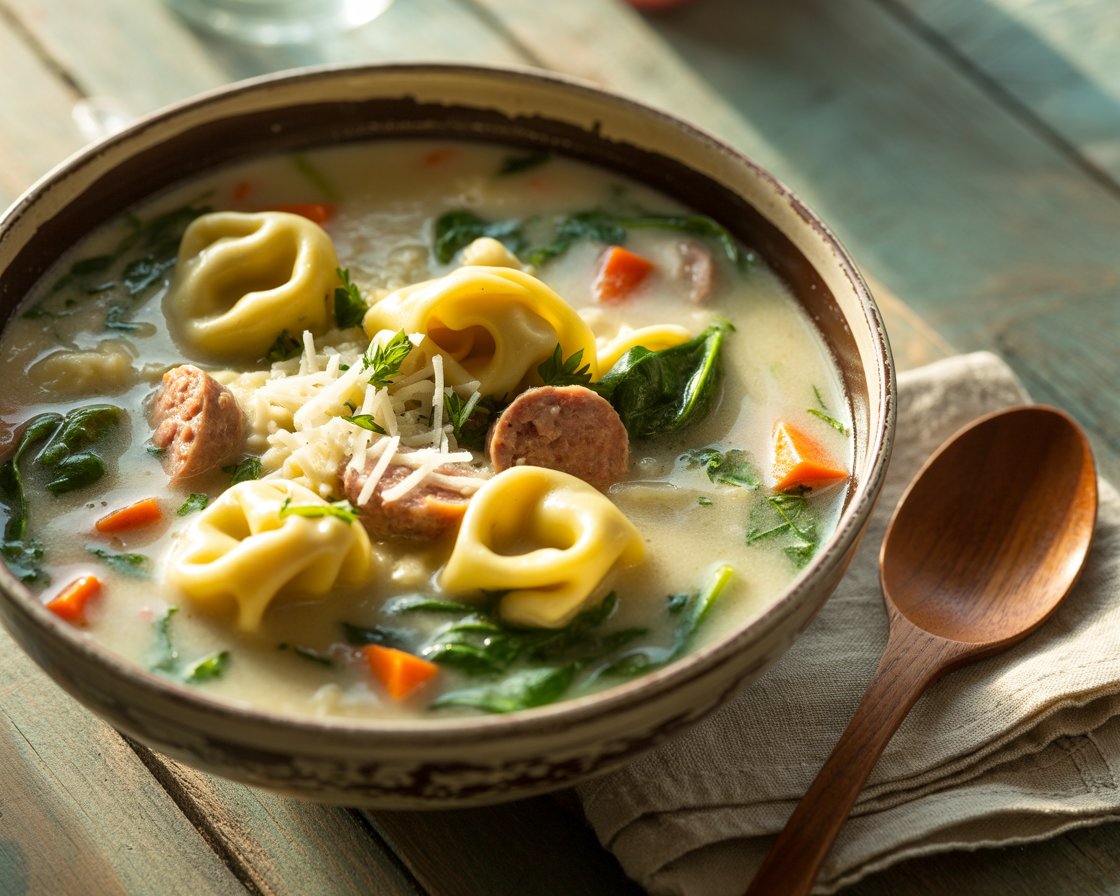
Protein paths
Different proteins shift the bowl’s mood. A richer choice leans into indulgence, adding savory depth and a fuller mouthfeel. A leaner path keeps the experience lighter while still providing substance and contrast. There’s also a thoroughly satisfying vegetarian approach that relies on umami-building techniques rather than meat to achieve roundness and complexity.
These paths are not just about nutrition or preference; they’re about shaping experience. On busy nights, a lighter route can feel energizing and clean. On chilly evenings, a heartier route feels grounding and luxurious. The soup’s framework is designed to honor each path without losing the essence of a creamy, cohesive bowl.
Pair protein choices with the level of heat and herbs that suit the moment. A subtle, aromatic profile complements lighter options; a bolder spice whisper works well with a heartier approach. The goal is harmony: protein should support texture and savor, not upstage the broth’s velvety character.
Dairy decisions
The choice of creamy element translates directly into mouthfeel and perceived richness. A lush option yields a decadent, spoon-clinging experience perfect for celebratory comfort. A lighter choice brings silkiness with a cleaner finish, ideal for weekday balance. A dairy‑free route can mimic body surprisingly well when properly incorporated, ensuring the bowl stays inclusive without sacrificing pleasure.
Beyond mouthfeel, dairy decisions influence seasoning. Richer finishes tend to soften spice and salt perception, inviting a touch more brightness at the end. Lighter finishes keep edges crisper, so seasoning can remain moderate. The key is to taste after the finish is integrated and adjust gently to preserve the soup’s calm, creamy profile.
Think of dairy as the lens through which all other flavors pass. When selected thoughtfully, it enhances clarity and comfort rather than clouding the bowl. That’s why a deliberate choice here can refresh the experience even when all other elements stay the same.
Greens and extras
Greens add life to the bowl—color, slight bitterness, and a fresh finish that balances creaminess. Quick-wilting options bring silkiness and sweetness, while sturdier greens offer a pleasant chew and deeper vegetal notes. The right choice depends on the mood: breezy and delicate for weeknights, textured and robust for cooler days or heartier appetites.
Beyond greens, extra vegetables like mushrooms or zucchini introduce contrast and enhance the broth’s savor. They bring texture without overwhelming the creamy base, ensuring that every spoonful has something interesting to explore. These additions can also stretch servings without diluting the comfort factor, a practical win for households and gatherings.
Because add-ins carry flavor, consider how seasoning interacts with them. Earthy components welcome herbaceous notes and a touch of heat; delicate components thrive with restraint and brightness. Thoughtful choices here ensure that the bowl remains cohesive and attuned to the season or occasion.
| Goal | What to emphasize | Expected outcome |
|---|---|---|
| Lighter | Lean protein, lighter finish, more greens | Clean, bright comfort with silky broth |
| Dairy‑free | Non-dairy creamy element, gentle heat | Surprisingly plush body with balanced savor |
| Vegetarian | Umami-building vegetables and herbs | Rounded savor with vibrant finish |
| Extra hearty | Richer protein, fuller finish, added vegetables | Luxurious, deeply satisfying bowl |
Spice control without overpowering
Spice should add lift, not dominate. A pinch of warmth awakens creamy elements and keeps bites interesting, while restraint preserves the soup’s calming character. Increase gradually and taste in the bowl rather than relying on raw spice levels in the pot; cream will soften perceived heat slightly, and subtlety tends to age better across servings.
Seasoning tweaks for balanced salt and heat
Salt supports clarity; heat provides dimension. Add both thoughtfully after the creamy finish is integrated so corrections align with the final mouthfeel. A gentle nudge at the end often achieves more than larger additions mid-cook, preserving the soup’s serene, cohesive profile.
Make‑Ahead, Storage, Reheating of the Ang’s Creamy Tortellini Soup
Preventing soggy pasta
Pasta’s tenderness is one of the bowl’s great pleasures, so protecting it is a priority when planning ahead. The simplest strategy is careful timing: hold the pasta back until closer to serving and avoid prolonged simmering once it’s tender. If planning for leftovers, consider storing components separately to preserve texture and keep the broth from thickening excessively overnight.
Absorption continues even off the heat, so it helps to keep the pasta in a separate container from the soup base when the dish won’t be eaten immediately. This approach ensures that the next serving delivers the same bite and balance as day one. A splash of broth at reheat time restores fluidity without sacrificing body, and the pasta remains pleasantly tender rather than bloated.
When pasta and broth are stored together out of necessity, plan adjustments accordingly. A small increase in liquid during reheating can rebalance the bowl. Gentle heat is essential; aggressive boiling risks over-softening the pasta and disrupting the creamy finish.
Refrigeration and freezing strategy
Short-term storage in the refrigerator preserves flavor well when managed carefully. Keep the soup base chilled promptly in a shallow container for faster cooling, and avoid extended time at room temperature. For the best texture, keep pasta and delicate elements separate until ready to serve again. This approach lets each component retain its strengths when reunited in the bowl.
For longer-term planning, freezing is most successful when richer finishing elements and pasta are added later. This protects both texture and clarity, ensuring that the broth returns to a smooth, cohesive state upon reheating. Keeping components modular gives the flexibility to build a fresh-feeling bowl even on days when cooking isn’t in the cards.
When thawing, slow and steady wins. Gentle refrigeration thawing followed by low, steady heat on the stove preserves the creamy character of the base. Once the soup base is warm and smooth, finishing elements can be added with confidence for a bowl that tastes newly made.
Reheat like a pro
Reheating is a chance to fine-tune. Use low to medium heat and stir occasionally, watching for signs that the broth is returning to a gentle, velvety state. If thickness increased in the fridge, a modest splash of broth helps restore balance without thinning excessively. The goal is to revive the texture, not to recook the soup.
Seasoning benefits from attention at this stage. As the Ang’s Creamy Tortellini Soup warms, taste for salt, brightness, and gentle heat, making small adjustments to match the day’s cravings. If pasta is being added fresh during reheat, time it just to tender so leftovers feel as composed and satisfying as the original serving.
Finally, remember that a smooth reheat protects the creamy finish. Avoid rolling boils and keep movement in the pot gentle. This preserves sheen and body, ensuring the bowl feels as polished and comforting as it did on day one.
| Component | How to store | How long | Reheat notes | Texture tips |
|---|---|---|---|---|
| Soup base | Chilled promptly in a sealed container | 3–4 days refrigerated | Warm gently; add liquid if thicker | Avoid boiling to keep finish smooth |
| Pasta | Stored separately and lightly coated | 2–3 days refrigerated | Combine at serving; brief warm-through | Add a splash of broth to loosen |
| Greens | Stored dry; add at reheat or serving | 1–2 days refrigerated | Wilt at the end to preserve color | Keep heat low for vibrancy |
| Complete soup | One container if needed | 1–2 days refrigerated | Add broth on reheat; gentle stirring | Expect softer pasta; adjust gently |
| Freezer plan | Freeze base; finish fresh later | Up to 2–3 months | Thaw slowly; reheat low | Add creamy finish and pasta at the end |
Troubleshooting and Pro Tips – Ang’s Creamy Tortellini Soup
Too thin or too thick
Consistency is a signature of this soup, so it’s worth a quick check before serving. If the broth feels too thin, a brief uncovered simmer can help reduce and concentrate flavors without changing the balance of the bowl. If the soup has thickened more than intended—especially after chilling—add small amounts of broth, stirring well between additions until the texture feels silky and spoon-coating again.
A gentle hand preserves silkiness. Avoid the temptation to overcorrect quickly; small adjustments accumulate to the right place. Taste after each change, since thickness affects how salt, herbs, and heat are perceived. The goal is a broth that supports the pasta and carries flavor in a way that feels lush without heaviness.
Remember that consistency changes slightly as the soup cools in the bowl. Aim for a comfortable middle ground on the stove so that the first and last bites feel equally pleasurable. If making ahead, expect to add a touch of liquid on reheat and plan accordingly.
Flat flavor
If the bowl tastes quiet, it usually needs clarity, not volume. Consider three levers: salt, heat, and brightness. Salt sharpens edges and connects parts into a cohesive whole. A gentle heat note adds lift without distracting from the creamy calm. Brightness—often a subtle acidic or aromatic nudge—keeps the palate engaged and helps the soup feel lighter.
Timing matters. Adjust flavor at the end, once the creamy finish is integrated and pasta texture is set. Palates read salt and spice differently with warmth and richness, so small additions at the finish are more accurate than larger moves earlier in the process. The aim is present, balanced flavor that allows the soup’s comforting character to shine.
Finally, let the bowl rest for a minute before final tasting. Flavors settle and align quickly, and that short pause can save unnecessary tweaks. When everything lands, the soup should taste rounded and quietly confident.
Dairy that splits
Splitting happens when creamy elements face high heat or rapid changes. Prevention is simple: lower the flame before finishing and incorporate slowly with gentle movement. Keeping the pot just below a simmer protects texture and maintains the glossy body that defines a polished, creamy soup.
If separation begins, reduce heat immediately and stir steadily until the broth re-emulsifies. Small additions of liquid can help the mixture relax back into a smooth state. A patient minute or two often resolves the issue without further intervention, preserving both mouthfeel and appearance.
Anticipation is the best defense. Once the base is ready, treat the finishing stage as a quiet landing rather than a sprint. That mindset keeps the bowl elegant, stable, and deeply satisfying from first spoon to last.
| Problem | Likely cause | Fast solution |
|---|---|---|
| Broth too thin | Insufficient reduction | Simmer uncovered briefly; taste and adjust |
| Broth too thick | Over-reduction or chill thickening | Add small broth splashes; stir to silky |
| Bland flavor | Under-seasoned finish | Adjust salt, add gentle heat, add brightness |
| Dairy separating | High heat or rapid change | Lower heat; stir steadily; add a bit of liquid |
| Pasta too soft | Overcooked or stored in broth | Add later; store separately; reheat gently |
Timing tweaks for fresh vs. frozen pasta
Fresh pasta softens rapidly and prefers a short, attentive finish to remain tender. Frozen pasta often needs a little more time but rewards patience with excellent texture. In both cases, aim to bring pasta to just‑tender in the pot, knowing it will continue to soften slightly as it rests in the bowl.
Heat control to avoid curdling
Keep the finish below a full simmer and avoid long holds over high heat. If the pot accidentally creeps into a boil, lower the temperature and give the soup a moment to calm before any adjustments. Gentle movement and attention preserve the creamy shine that makes the bowl feel special.
Serving Ideas and Pairings of the Ang’s Creamy Tortellini Soup
Balance and texture
Pairings should complete the bowl, not compete with it. Crisp salads add snap and freshness, bringing contrast to the soup’s smooth body. Roasted or simply dressed vegetables provide warm, earthy counterpoints that echo the soup’s savory depth without overwhelming it. Warm bread or toast adds structure and invites the diner to linger, turning a quick meal into a relaxed, restorative one.
Think about color and crunch as much as flavor. A green salad with a bright, uncluttered dressing offers palate-cleansing relief between bites. Roasted roots or seasonal sides can mirror the soup’s warmth while adding a hint of caramelization. For a satisfying but balanced spread, choose one crisp and one warm accompaniment to sit alongside the soup.
Portion plan based on roles. As the centerpiece, the Ang’s Creamy Tortellini Soup pairs well with a simple side and a garnish bar, while as a first course it benefits from smaller portions and lighter accompaniments. Either way, the goal is to keep the soup’s comfort front and center while elevating the overall dining experience with thoughtful texture contrasts.
Garnish bar at the table
A small garnish setup transforms the Ang’s Creamy Tortellini Soup into a customizable experience. Fragrant herbs add a fresh high note, a pinch of heat wakes up the creamy base, and a drizzle of oil adds sheen and aroma. These touches encourage interaction and make the bowl feel personal without complicating the cooking process.
Offer options across a spectrum: fresh, spicy, and rich. This way, each diner can tune the bowl to preference while keeping the soup’s core identity intact. A modest setup goes a long way, turning a straightforward meal into a satisfying ritual with very little extra effort.
Keep portions modest so garnishes enhance rather than mask the broth’s balance. A light hand preserves the soup’s gentle profile and lets every element remain audible in the final bite.
Portion planning
Right-sizing servings prevents waste and maintains satisfaction. For a main dish, plan on a generous bowl with room for sides; for a starter, lean smaller to leave space for the courses that follow. The richness of the broth and the presence of pasta make even a moderate portion feel complete, so there’s no need to overserve to achieve comfort.
Scaling for gatherings becomes easier with a plan. Consider setting out sides and garnishes family-style so individual bowls can be right-sized at the table. This approach simplifies hosting and ensures that each person can tailor the experience without slowing service.
Finally, consider appetite patterns. Cooler evenings generally invite fuller servings, while warmer days pair well with lighter bowls and a crisp side. An adaptable approach keeps the soup tuned to the moment and the crowd.
| Occasion | Portion | Side ideas | Garnish picks |
|---|---|---|---|
| Weeknight main | Generous bowl | Crisp salad, warm bread | Fresh herbs, pinch of heat |
| Casual guests | Moderate bowl | Roasted vegetables, light salad | Herbs, finishing drizzle |
| Starter course | Smaller bowl | Simple greens | Subtle herb accent |
| Meal prep | Right-sized containers | Pack sides separately | Add garnishes at serving |
FAQs – Ang’s Creamy Tortellini Soup
Can this be slow‑cooked or pressure‑cooked?
Yes, with a few principles in mind. The base can be developed in either appliance, but finishing elements should be added late to protect texture and clarity. Avoid prolonged high heat after the creamy body comes together. The structure of this soup favors a shorter cook for the base and a gentle landing for delicate components, a method that translates well across cooking setups.
What tortellini type works best?
Classic cheese fillings are the hallmark of this bowl and highlight the creamy broth beautifully. Other fillings are welcome but can shift the overall balance, often reading as bolder or saltier. Adjust seasoning accordingly and keep the focus on achieving a tender bite and a cohesive broth. The soup’s charm lies in harmony, so let the filling complement rather than command.
How do leftovers stay delicious?
Think modular. Keeping pasta separate from the base protects texture and gives control when reheating. A modest splash of broth brings the soup back to its velvety best, and gentle heat prevents separation. If everything must be stored together, expect to add a bit more liquid at reheat and take extra care with temperature. Either way, the goal is to restore silkiness and preserve tender bite.
| Question | Short answer | Key tip | Timing/notes |
|---|---|---|---|
| Slow‑cooker friendly? | Yes, with late finishing | Add delicate elements at the end | Keep heat gentle after finishing |
| Pressure‑cooker option? | Yes, base only | Finish on low heat | Avoid boiling after finish |
| Best filling type? | Classic cheese | Adjust seasoning for other fillings | Keep texture just‑tender |
| Leftovers plan? | Store components separately | Splash of broth when reheating | Low, steady heat preserves silkiness |
Nutrition and Swap Levers
Lighter direction
A lighter approach preserves comfort while easing richness. Emphasize leaner elements, add more greens, and select a finishing option that delivers silkiness with a clean finish. The result is a bowl that refreshes rather than weighs down, ideal for days when energy and clarity are top of mind. It also pairs naturally with crisp sides and bright garnishes, enhancing overall balance.
Another advantage of a lighter route is versatility across seasons. In warmer months, a cleaner profile feels appropriate and satisfying, while cooler seasons still benefit from the soup’s warmth and body. The key is to keep seasoning confident yet restrained, allowing the bowl to feel both comforting and composed.
With this approach, leftovers tend to feel fresher on day two, as the cleaner finish stays lively with a quick reheat. Keep adjustments subtle and trust the soup’s architecture to carry flavor gracefully.
Vegetarian path
A vegetarian take draws on umami-rich vegetables and smart seasoning. Layers of savory depth create a rounded profile that partners beautifully with the creamy base. Texture variety keeps each spoonful interesting: a combination of tender pasta, silky broth, and vibrant greens. This path celebrates the soup’s gentle character while adding a distinct vegetal brightness.
The vegetarian approach also excels at flexibility. It invites seasonal produce and simple additions that change the mood from week to week. Herbs, spice warmth, and finishing touches like aromatic drizzles keep the bowl dynamic while honoring its calm, comforting soul.
Because richness reads differently without meat, pay attention to balance. A slightly more pronounced herb note or a whisper of heat can stand in for the savory baseline, keeping the bowl deeply satisfying without tipping into heaviness.
Heat meter
Heat is a precision tool for this Ang’s Creamy Tortellini Soup. A little goes a long way in lifting the creamy profile and animating each bite. Keep the focus on warmth that lingers rather than spikes. This ensures the bowl remains soothing, a hallmark of true comfort, while still delivering complexity.
If dialing up, do it gradually. Taste, adjust, and taste again once the finish is integrated, since richness can muffle raw heat. If dialing down, rely on aromatic herbs and subtle brightness to keep interest high without leaning on spice. Either way, the soup remains welcoming and easily customizable at the table.
Over multiple days, heat perception can mellow. A pinch added during reheat can restore balance without overwhelming the rest of the bowl, keeping leftovers lively and aligned with the original experience.
| Swap | Effect on richness | Effect on calories | Flavor impact |
|---|---|---|---|
| Lighter finish | Reduces overall heft | Moderate reduction | Cleaner, brighter profile |
| Dairy‑free finish | Maintains body with balance | Varies by choice | Neutral to lightly nutty |
| Lean protein | Lightens mouthfeel | Often reduced | Milder savor, ideal with herbs |
| Extra greens | Perceived lighter bowl | Often reduced per serving | Fresh and vibrant |
| Added vegetables | Heartier feel without heaviness | Spreads calories across more volume | Deeper savor and texture |
The Quick‑Scan Card (No Ingredients or Steps)
What to expect
Expect a velvety, savory broth that gently coats tender pasta, layered with aromatic depth and a balanced finish that never overwhelms. The experience is cozy and polished, excellent for weeknights but fully worthy of a slowed-down evening around the table. The flavor leans comforting and rounded, with room to nudge brightness or heat to preference.
Who it’s for
This Ang’s Creamy Tortellini Soup suits busy cooks, comfort seekers, and households with varied preferences. It welcomes lighter, vegetarian, dairy‑free, and extra-hearty paths without losing its identity. It’s also forgiving for new cooks and engaging for experienced ones, a rare combination that keeps it in steady rotation.
When to make it
It shines on cold nights, tight schedules, casual gatherings, and meal prep days. The one-pot flow and modular storage strategy make it easy to fit into a week’s plan, while thoughtful pairing ideas turn it into a centerpiece worthy of sharing. It’s a staple that adapts to the season and the moment.
| Detail | Summary |
|---|---|
| Total time | About a half hour for start‑to‑table comfort |
| Skills needed | Basic stovetop control and seasoning awareness |
| One‑pot friendly | Yes, with minimal cleanup and focused steps |
| Make‑ahead friendly | Yes, with separate storage for best texture |
| Customizable paths | Lighter, vegetarian, dairy‑free, extra hearty |
Comfort, clarity, and endless adaptability
Ang’s Creamy Tortellini Soup delivers comfort without compromise: a velvety broth, tender bites, and layered savory depth that feel both homey and refined. Its structure is deliberately flexible, allowing for lighter, vegetarian, dairy‑free, or extra‑hearty interpretations that keep the experience fresh while preserving the core pleasure of a soothing, cohesive bowl. That adaptability is why the soup remains engaging across seasons, occasions, and appetites.
By focusing on flavor architecture, timing, and gentle finishing, the soup consistently achieves a polished texture and balanced profile in about thirty minutes. Smart storage, careful reheating, and thoughtful pairings extend its appeal beyond night one, turning it into a reliable anchor for meal plans and gatherings alike. Each bowl becomes an invitation to personalize and enjoy without stress.
Most of all, this is a recipe that respects time and rewards attention. When executed with calm, it delivers a quietly luxurious experience that fits the rhythm of daily life. The result is a bowl worth returning to—simple to make, satisfying to eat, and endlessly adaptable to what the day, the season, or the mood calls for.