

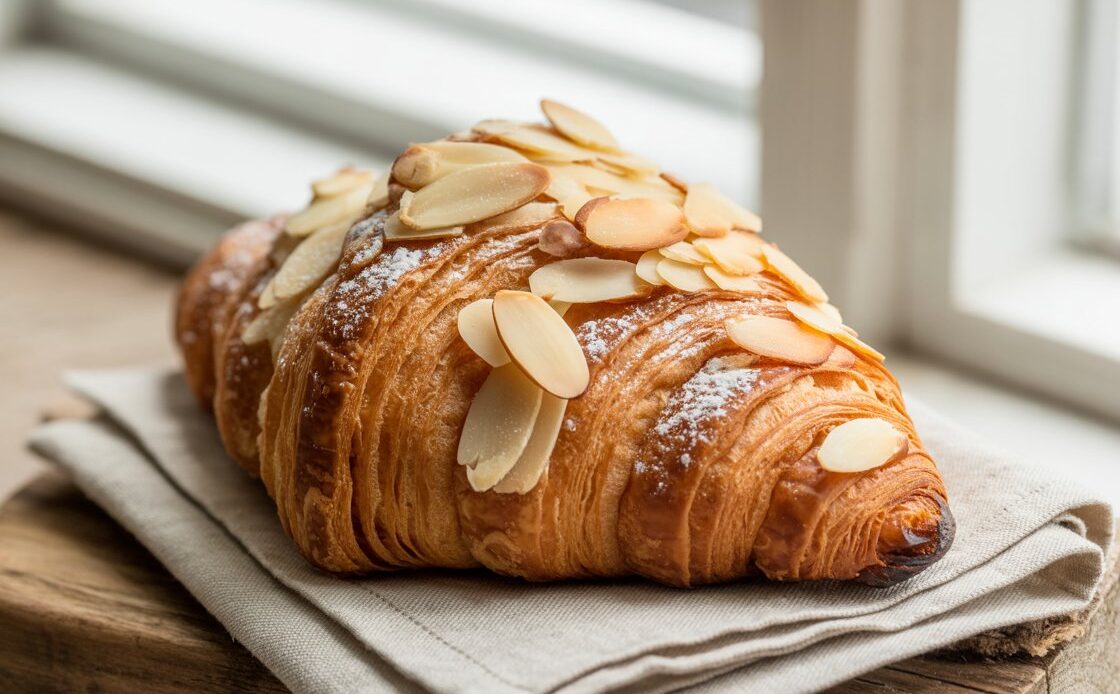
Almond croissant recipe lovers, this one’s for you. If you’ve ever strolled through the streets of Paris, lured by the buttery scent wafting from a local pâtisserie, you know the magic of biting into a warm, flaky almond croissant. This isn’t just a pastry—it’s an experience. In this post, we’ll take you behind the scenes of an authentic almond croissant recipe, the kind that’s crafted from scratch, filled with rich frangipane, and baked to golden perfection. Forget shortcuts—this is about mastering the technique, embracing the tradition, and baking a little piece of French pastry culture right in your kitchen.
What Makes Almond Croissants So Irresistibly French?
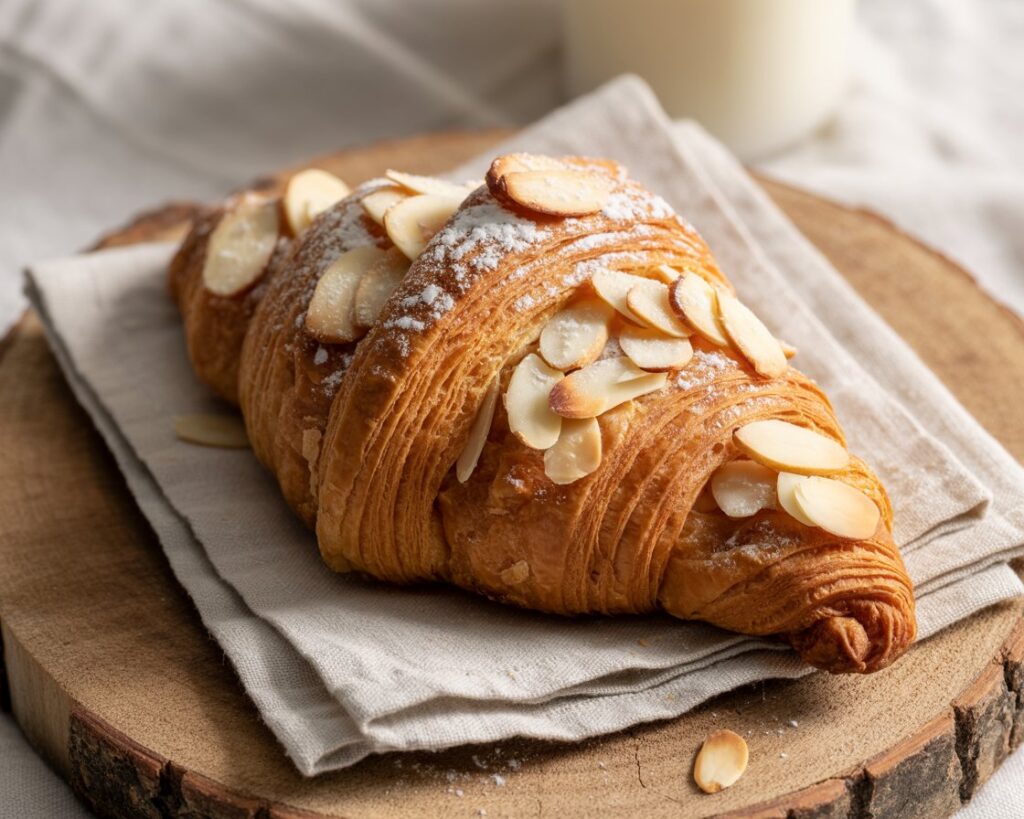
A Quick Bite of History
The almond croissant recipe has roots in the heart of French pastry culture. While croissants themselves trace back to Austria, it was the French who perfected them. The buttery, flaky layers became iconic in Parisian bakeries, where artisans elevated them from simple breads to refined pastries.
The almond croissant wasn’t part of the original lineup. It emerged from a need to repurpose leftover or stale croissants. Bakeries began slicing yesterday’s croissants, filling them with almond cream, then rebaking them to give them new life. This clever reuse became known as the “second bake”.
Over time, the practice evolved into a beloved tradition. Today, almond croissants are seen not as leftovers but as luxurious staples in nearly every French pâtisserie. The balance of soft interior and crisp exterior makes them a favorite among locals and tourists alike.
The Secret Behind the Parisian Flavor
The key to the authentic almond croissant recipe lies in two things: the filling and the dough. Many confuse almond paste with frangipane, but they are different. Frangipane is a light almond cream made from butter, sugar, eggs, and ground almonds. It’s rich, fluffy, and perfectly suited to croissants. Almond paste, on the other hand, is denser and sweeter, and more often used in candies or fillings for sturdier pastries.
Equally important is the laminated dough. This is what gives croissants their signature flakiness. Layers of dough and butter are folded together repeatedly, creating delicate, airy pockets when baked. This process, though time-consuming, is essential for the authentic French texture.
To understand the difference between the key fillings, here’s a quick comparison:
| Frangipane | Almond Paste | |
|---|---|---|
| Ingredients | Almond flour, sugar, butter, egg | Almonds, sugar, sometimes egg white |
| Texture | Soft, spreadable, creamy | Firm, thick, often sticky |
| Flavor | Lightly sweet, nutty | Very sweet, strong almond taste |
| Use Case | Best for croissants, tarts | Candies, cookies, denser pastries |
These elements—the origin story and the clever use of technique—are what make the almond croissant recipe so uniquely French. It’s not just about what you bake, but how you transform each ingredient with intention and care.
Tools and Techniques That Make or Break Your Croissants
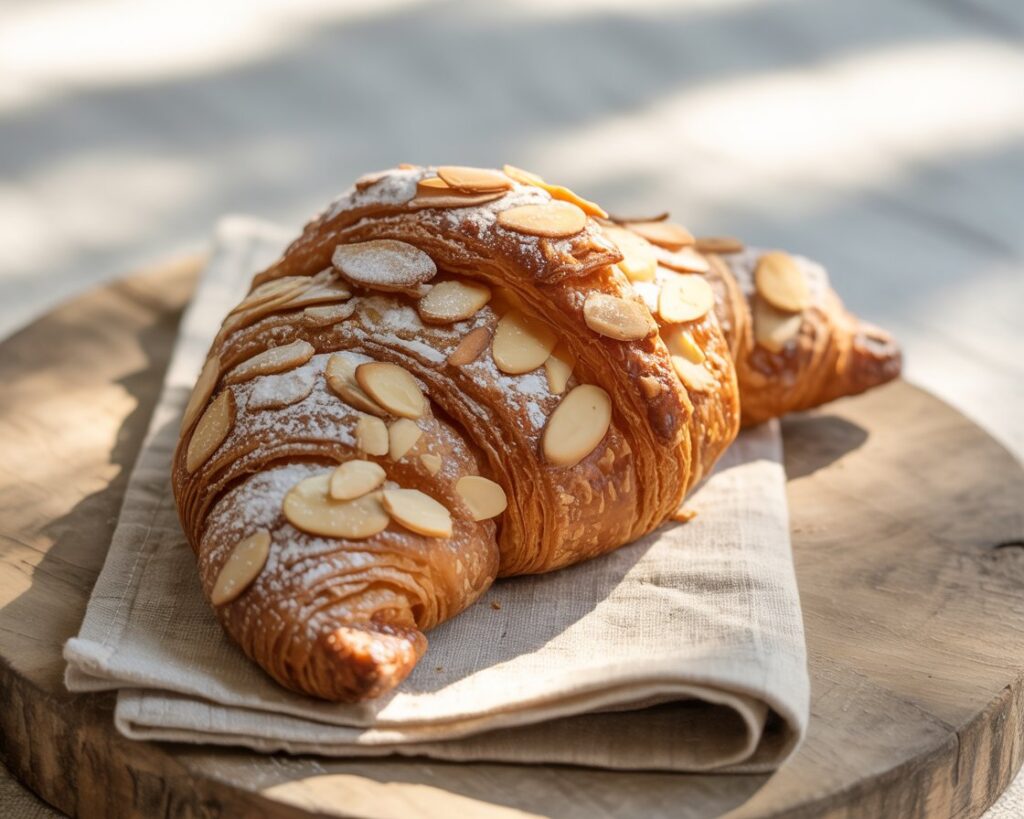
Equipment You Actually Need
When making an almond croissant recipe, having the right tools matters—but you don’t need to overcomplicate things. Essential equipment includes a sturdy rolling pin to evenly roll out your dough. A reliable baking sheet ensures even heat distribution for perfect browning. Don’t forget a pastry brush for applying egg wash, which gives croissants their golden, glossy finish.
Avoid gimmicks or specialized gadgets that only add clutter. These basic tools are enough to produce flaky, buttery croissants that rival those from a Parisian bakery.
Laminating Like a Pro (Even if You’re Not One)
The secret to flaky croissants lies in the lamination process. Laminating means folding cold butter into dough repeatedly, creating multiple layers. It sounds intimidating, but breaking it down helps.
Start with a butter block—butter shaped into a thin, flat rectangle, chilled to the right consistency. Next, you fold the dough around the butter and perform a series of folds, called “turns.” Each turn creates layers of dough separated by butter.
There are different fold types:
- Single fold (also called letter fold): the dough is folded into thirds, like a letter.
- Double fold (book fold): the dough is folded in four parts, like closing a book.
Between each fold, the dough must rest in the fridge. Resting lets the gluten relax and keeps the butter firm, preventing it from melting into the dough.
| Lamination Process Overview | Fold Type | Resting Time | Number of Layers Created |
|---|---|---|---|
| First fold | Single | 30 minutes | 3 |
| Second fold | Double | 30–60 minutes | 12 |
| Third fold | Single or Double | 30–60 minutes | 27 or 48 |
This timeline helps you plan the process efficiently while ensuring your croissants develop the perfect airy, buttery layers.
Mastering this technique is key to achieving that iconic flaky texture in your almond croissants. With patience and the right approach, even beginners can impress with professional results.
From Leftovers to Luxury – The “Second Bake” Secret
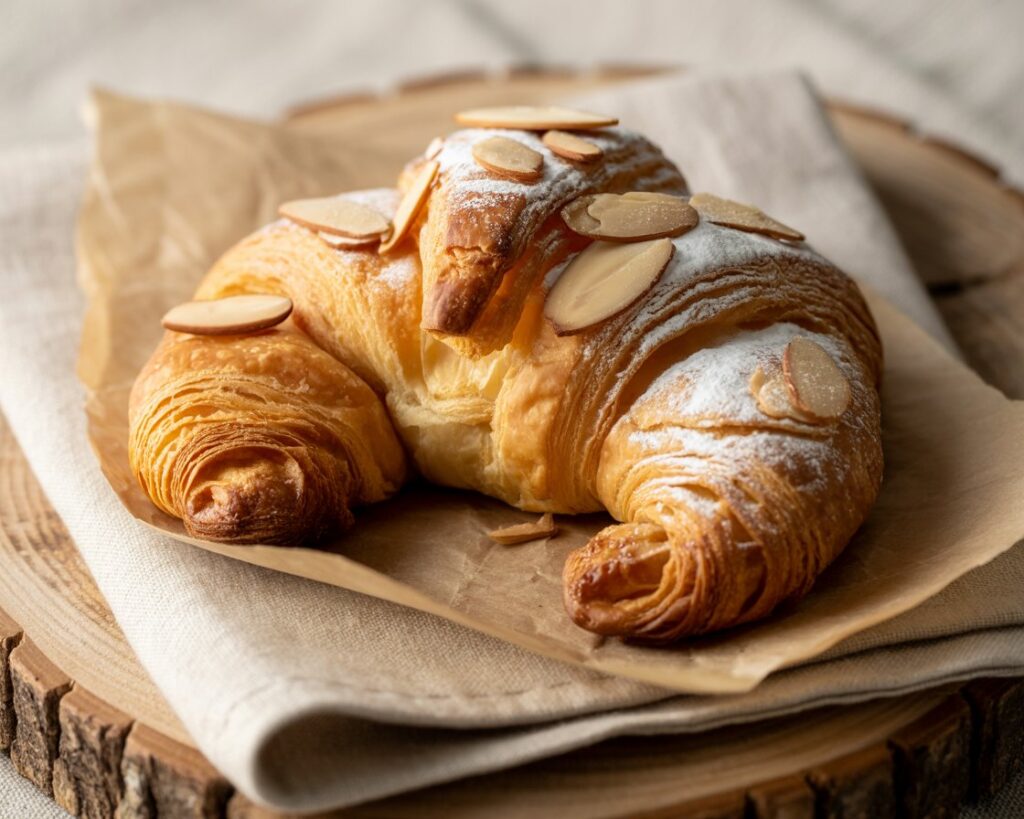
How the French Turned Day-Old Croissants into Gold
The almond croissant recipe owes much of its charm to a clever French tradition. Instead of wasting day-old croissants, bakers transformed them into a new treat. This process, called the “second bake,” involves slicing stale or plain croissants, filling them with rich almond cream or frangipane, and rebaking until golden and fragrant.
This technique not only reduces waste but also intensifies flavors. The reheating caramelizes the sugars in the almond filling, while the croissant crisps up beautifully. Today, the almond croissant is a symbol of French ingenuity and resourcefulness—turning simple leftovers into a bakery luxury.
When to Use Store-Bought vs Homemade Dough
Not everyone has the time or skill to make croissant dough from scratch. Luckily, there are good options for both beginners and pros.
Homemade dough offers unmatched flavor and texture. It allows full control over ingredients and the lamination process. However, it requires skill, patience, and several hours of resting and folding. Perfect for bakers ready to master traditional French pastry techniques.
Store-bought puff pastry is a great shortcut. It saves time and effort, making it ideal for busy cooks. However, it tends to be less flaky and buttery than homemade dough. The flavor might be milder, but it still produces a satisfying treat.
Here’s a quick comparison to help you decide:
| Dough Type | Flavor | Texture | Skill Level | Time |
|---|---|---|---|---|
| Homemade | ⭐⭐⭐⭐⭐ | ⭐⭐⭐⭐⭐ | Advanced | Long |
| Store-Bought Puff | ⭐⭐⭐ | ⭐⭐ | Easy | Short |
If you choose store-bought, look for high-quality brands like Pepperidge Farm (in the U.S.) or local puff pastry from artisanal bakeries for better results.
Almond Cream Filling: Your Ultimate Frangipane Guide
Why Frangipane > Almond Paste for Croissants
In an authentic almond croissant recipe, frangipane is the star of the filling. Unlike almond paste, frangipane offers a lighter texture and a more delicate flavor. Made from butter, sugar, eggs, and ground almonds, it creates a creamy, airy almond cream that melts beautifully inside flaky layers.
The texture of frangipane is smooth and spreadable, allowing it to blend seamlessly with the buttery croissant dough. Its taste is subtly sweet with a rich almond essence, enhancing the pastry without overpowering it. In contrast, almond paste is thicker, denser, and much sweeter, which can make the final croissant feel heavy or overly sugary.
Choosing frangipane ensures a balanced, elegant croissant that tastes like it came straight from a Parisian bakery.
Flavor Twists to Elevate the Classic
Want to add your own signature to this timeless pastry? Try these simple flavor twists in your frangipane to make your almond croissants stand out:
- Orange zest: Adds a fresh, citrus brightness that complements the almond’s nuttiness.
- Vanilla bean: Infuses a warm, fragrant depth to the cream.
- Dark chocolate flakes: Introduce a bittersweet contrast that pairs wonderfully with the buttery dough.
- Cardamom: Offers a subtle spice note, adding exotic complexity.
Here’s a quick overview of flavor add-ins and their effects:
| Flavor Add-In | Effect on Taste | Best Use |
|---|---|---|
| Orange zest | Bright, citrusy | Lightens and freshens the filling |
| Vanilla bean | Warm, aromatic | Deepens almond flavor |
| Dark chocolate | Bitter, rich contrast | For a more indulgent croissant |
| Cardamom | Spicy, fragrant | Adds complexity and warmth |
These variations let you personalize your almond croissant recipe while keeping its classic charm intact.
Serving Almond Croissants Like a Parisian
Pairing Ideas That Feel Like a Café Morning in Montmartre
To truly enjoy your almond croissant recipe, pair it with accompaniments that evoke a classic Parisian café experience. A rich, freshly brewed coffee—like an espresso or café au lait—complements the croissant’s buttery, almond flavors perfectly.
Add some fresh fruit, such as juicy berries or crisp apple slices, to balance the richness with natural sweetness and acidity. For extra indulgence, a small dollop of whipped butter on the side enhances the buttery layers, while a cup of warm milk adds comfort and softness to the overall palate.
These pairings help recreate that leisurely morning feeling in Montmartre, where every bite and sip is savored.
Presentation Tips for That “Pâtisserie Look”
Serving your almond croissants beautifully elevates the experience. Slice them diagonally to showcase the flaky layers and almond filling. Lightly dust with powdered sugar for a delicate, bakery-style finish.
Choose simple yet elegant plates or rustic wooden boards to create visual contrast. Adding a sprig of fresh mint or a few almond slices beside the croissant adds a refined touch.
📸 Tip Box: 5 Quick Ways to Make It Look Bakery-Level at Home
- Slice croissants diagonally for layered visibility
- Dust powdered sugar evenly with a fine sieve
- Use white or neutral-colored plates to highlight the pastry
- Add a small garnish like fresh mint or almond flakes
- Serve with a matching cup of coffee or tea for a complete look
These easy steps bring a professional, Parisian pâtisserie vibe right to your table.
Almond Croissant FAQs You Didn’t Know You Had
Can You Freeze Almond Croissants?
Absolutely! Freezing is a great way to enjoy your almond croissants later. To keep their texture and flavor, wrap them tightly in plastic wrap and place them in an airtight container or freezer bag. When ready, thaw at room temperature, then reheat in a preheated oven at 350°F (175°C) for about 5–7 minutes. This revives their flakiness and buttery aroma almost like fresh-baked.
Why Is My Croissant Not Flaky Enough?
If your croissants aren’t flaky, it usually means the lamination process wasn’t done perfectly. Key reasons include the butter melting into the dough instead of layering, or not enough folds during lamination. Also, skipping proper resting times between folds can cause tough, dense croissants instead of light, flaky layers. Keep the dough and butter cold, be patient with resting, and follow the fold steps carefully for that iconic flaky texture.
How to Avoid Soggy Bottoms?
Soggy bottoms happen when too much moisture accumulates under the croissant during baking. To avoid this, ensure your baking sheet is well-preheated and use parchment paper or a silicone mat for even heat distribution. Avoid overfilling your almond cream, which can leak and create sogginess. Finally, bake on the middle rack where heat circulates best for a crisp bottom crust.
Master the Almond Croissant Recipe for Authentic French Delight
Mastering the almond croissant recipe unlocks the door to a true French bakery experience at home. With patience and the right techniques, you can enjoy flaky, buttery croissants filled with rich almond cream anytime. For a perfect pairing, try a refreshing fresh fruit salad to balance the richness — check out our delicious recipe on Feast Recipe for a bright, healthy complement.
For more tips on French baking, visit the French Pastry School to deepen your skills and knowledge.
