
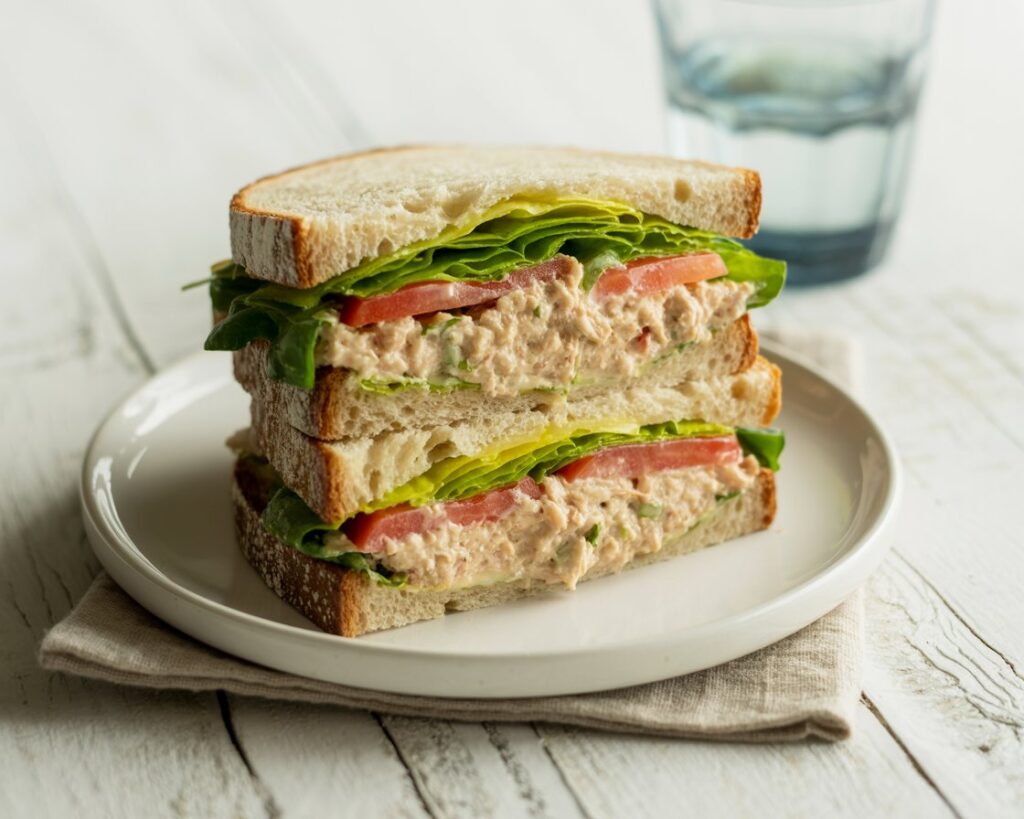
Tuna sandwich recipe lovers, this one’s for you. Forget the soggy, flavorless versions you’ve tolerated for too long—today we’re taking the classic tuna sandwich to a whole new level. Whether you’re in a lunch rush or just craving something simple yet satisfying, the right mix of texture, flavor, and freshness can transform this humble sandwich into your go-to comfort food. Stick around—we’re diving into smart ingredient swaps, pro tips, and unexpected twists that make this recipe unforgettable.
Why the Tuna Sandwich Is Still the King of Quick Lunches
The tuna sandwich remains a staple in kitchens and lunchboxes worldwide, and for good reason. Despite evolving food trends and countless new recipes, this simple yet satisfying meal has endured as a quick, nutritious, and delicious option. Its popularity spans generations, blending convenience with wholesome ingredients that make it a go-to choice for anyone needing a fast and fulfilling lunch.
The Humble Origins of the Tuna Sandwich
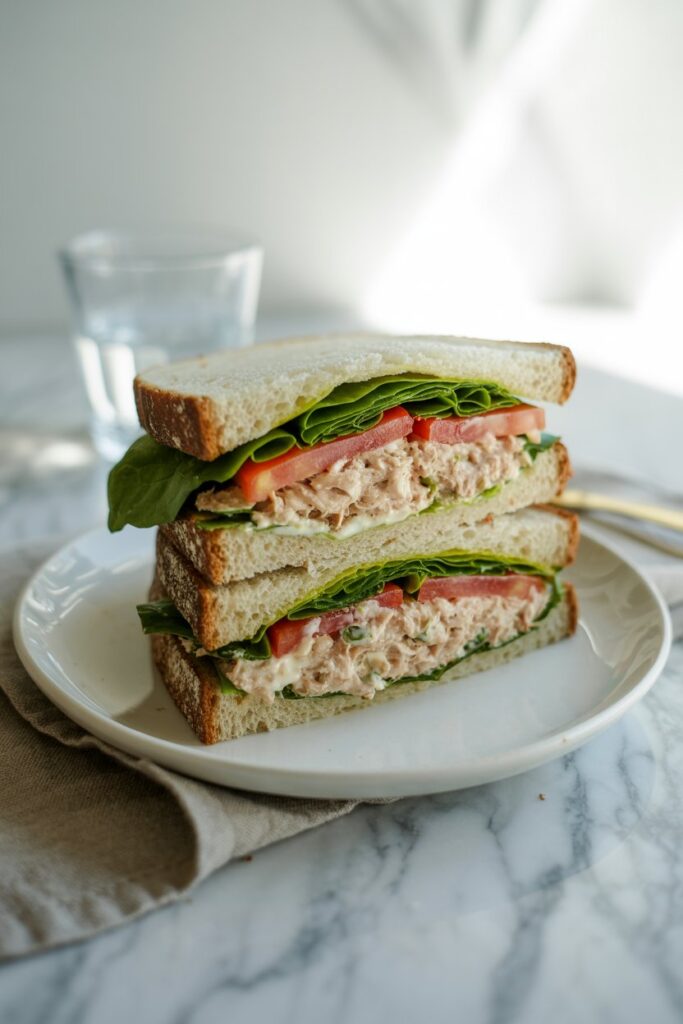
The story of the tuna sandwich dates back to the 1930s and 1940s in the United States, a period when canned tuna first became widely available and affordable. This innovation in food preservation revolutionized home cooking, offering a new protein source that was easy to store and prepare. The sandwich quickly gained popularity as a practical meal for busy families and workers, combining canned tuna with mayonnaise and simple pantry staples. Over time, it earned a reputation as a comforting and versatile dish, perfect for casual lunches or picnics. Its roots in convenience and nutrition helped anchor it as a lasting favorite in American cuisine.
Why We Keep Coming Back to It
What makes the tuna sandwich such a perennial favorite? It’s a combination of factors that appeal to both the palate and lifestyle needs. To break it down, consider this table on What Makes a Sandwich Great?
| Element | Why It Matters | Tuna Sandwich Benefit |
|---|---|---|
| Flavor | Balanced taste keeps it enjoyable | Mild, savory tuna with customizable add-ins |
| Texture | Contrast keeps bites interesting | Creamy tuna paired with crunchy celery or pickles |
| Nutrition | Provides energy and sustenance | Rich in protein and Omega-3 fatty acids |
| Convenience | Easy to make and eat anytime | Requires minimal prep and ingredients |
| Versatility | Adaptable to tastes and diets | Can be made low-fat, dairy-free, or spicy |
Beyond its taste, the tuna sandwich scores high as a meal-prep hero. It provides a good source of lean protein and essential Omega-3 fatty acids, which support heart and brain health. Its simple preparation makes it accessible for quick lunches at home, work, or school. This blend of flavor, nutrition, and convenience is why the tuna sandwich continues to be a top choice for people seeking a reliable and satisfying quick meal.
Choosing the Right Tuna: It Actually Matters
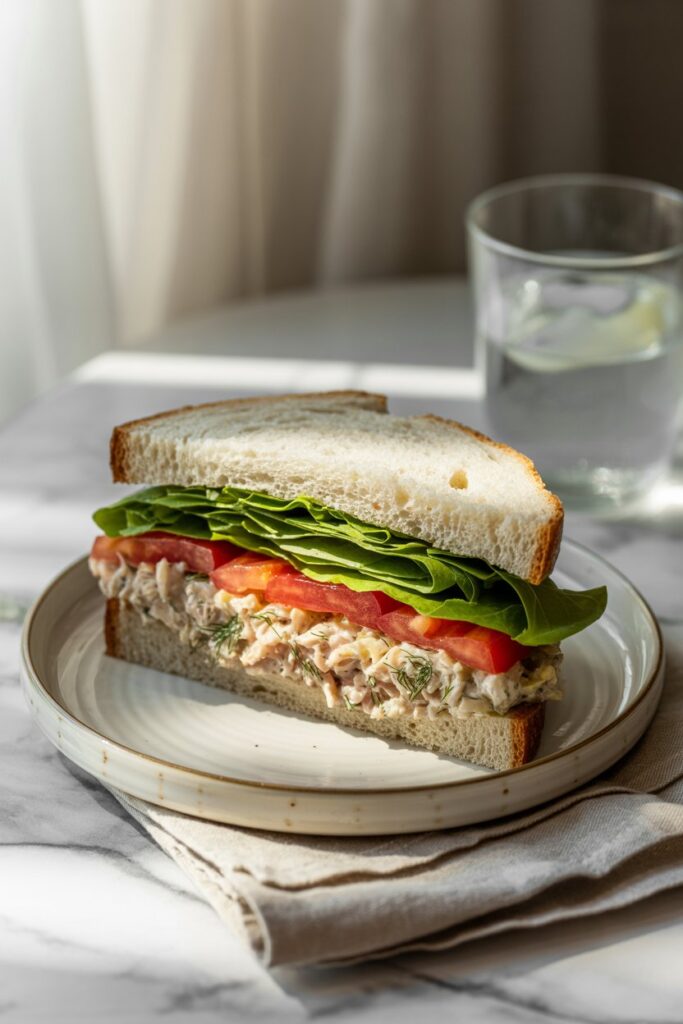
Selecting the right type of tuna is more than just a preference—it directly impacts the flavor, texture, and even the nutritional quality of your tuna sandwich. Not all canned tuna is created equal, and understanding the differences can elevate your sandwich from ordinary to exceptional. Whether you prioritize taste, sustainability, or health benefits, making an informed choice will pay off with every bite.
Albacore vs. Skipjack vs. Yellowfin
When shopping for tuna, you’ll commonly encounter albacore, skipjack, and yellowfin varieties. Each type brings unique characteristics that affect how your tuna sandwich turns out. Here’s a quick comparison to help you decide:
| Type of Tuna | Flavor | Texture | Best For | Sustainability |
|---|---|---|---|---|
| Albacore | Mild | Firm | Classic sandwich | Moderate |
| Skipjack | Bold | Softer | Spicy mixes | Better |
| Yellowfin | Rich | Meaty | Gourmet versions | Varies |
- Albacore tuna is known for its mild flavor and firm texture, making it a popular choice for traditional tuna sandwiches. It blends well with mayonnaise and other classic mix-ins.
- Skipjack offers a bolder taste with a softer texture, which works beautifully in recipes that incorporate stronger flavors, such as spicy sauces or pickled ingredients.
- Yellowfin tuna has a richer, meatier texture and is often reserved for more gourmet or upscale tuna sandwich variations, though its sustainability status can vary depending on the source.
Oil-Packed or Water-Packed Tuna?
Another important consideration is whether to choose oil-packed or water-packed tuna. This choice affects both taste and nutritional content:
- Oil-packed tuna tends to be richer and more flavorful due to the added oils. This makes it ideal for sandwiches where you want a moist, indulgent texture. However, it is higher in calories and fat.
- Water-packed tuna is leaner and lighter, offering a cleaner taste with fewer calories. It’s a great option for those looking for a healthier or lower-fat sandwich without sacrificing protein.
Tip: For a sandwich that feels indulgent and creamy, go with oil-packed tuna. If you prefer a lighter, more protein-focused meal, water-packed tuna will serve you well.
What Takes a Tuna Sandwich from Good to Unforgettable
A great tuna sandwich isn’t just about tuna and bread—it’s about the little extras that add layers of flavor, texture, and personality. These game-changers transform a simple meal into something memorable, making each bite exciting and satisfying. From crunchy additions to carefully chosen condiments, these elements are what truly set your tuna sandwich apart.
Texture: The Crunch Factor
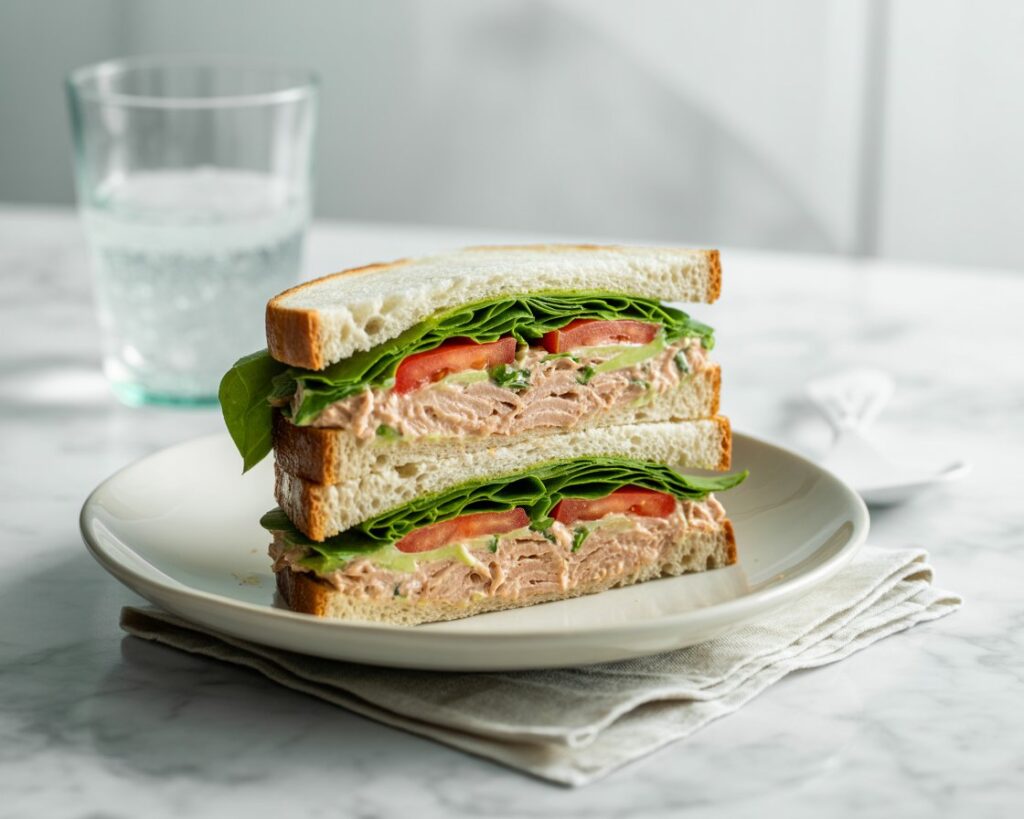
Texture plays a surprisingly big role in the enjoyment of a tuna sandwich. A contrast between creamy tuna and crisp ingredients makes every bite more dynamic and enjoyable. Classic crunchy add-ins like celery and pickles bring freshness and snap, while toasted bread adds warmth and structure. Nuts, such as chopped almonds or walnuts, offer an unexpected crunch that complements the softness of the tuna.
Top 5 Crunchy Add-Ins That Won’t Overwhelm the Tuna:
- Celery (diced finely)
- Dill pickles or cornichons
- Toasted whole grain bread
- Chopped walnuts or almonds
- Red onion slices
Including these not only adds texture but also enhances the overall flavor profile, preventing your sandwich from becoming one-dimensional.
Flavor Layering with Condiments
The right condiment can elevate a tuna sandwich by introducing complementary flavors that balance or highlight the tuna’s natural taste. Layering flavors thoughtfully ensures every bite is well-rounded and exciting.
Here’s a mini-chart to guide your condiment choices and how they pair with common tuna add-ins:
| Condiment | Flavor Profile | Pairs Well With |
|---|---|---|
| Dijon Mustard | Tangy & Sharp | Tuna + Pickles |
| Lemon Juice | Fresh & Bright | Tuna + Celery |
| Greek Yogurt | Creamy + Protein-rich | Tuna + Herbs |
| Hot Sauce | Spicy | Tuna + Cornichons |
For example, a splash of lemon juice brightens the sandwich and balances the richness of the tuna, while Dijon mustard adds a sharp tang that cuts through creamy textures. Greek yogurt is an excellent mayo substitute that boosts protein content while keeping the sandwich creamy. And a dash of hot sauce can awaken the palate, especially when paired with the subtle crunch of cornichons.
By combining texture and flavor with thoughtful add-ins and condiments, your tuna sandwich will move beyond good and become truly unforgettable.
Smart Sandwich Builds: Beyond Bread and Mayo

Building a great tuna sandwich means thinking beyond the basic ingredients. The right bread choice, creative variations, and smart prep strategies can transform your sandwich experience. Whether you’re after texture, nutrition, or kid-friendly convenience, learning these tips will inspire you to get creative without losing simplicity.
Bread Matters More Than You Think
The foundation of any good sandwich is the bread. Different types bring unique textures and flavors that can either enhance or overpower your tuna filling. Here’s a quick guide to some of the best bread options for tuna sandwiches, balancing texture, flavor, and nutrition:
| Bread Type | Texture | Flavor Profile | Nutrition Highlights |
|---|---|---|---|
| Whole Wheat | Hearty, dense | Nutty, slightly sweet | High fiber, more nutrients |
| Sourdough | Chewy, crusty | Tangy, complex | Easier to digest, artisanal |
| Rye | Soft, slightly dense | Earthy, robust | Rich in minerals, low glycemic |
| Wraps | Soft, pliable | Mild, neutral | Lower in carbs (depending on type), portable |
Choosing the right bread helps maintain texture contrast and complements the tuna’s flavor, making every bite satisfying.
Tuna Sandwich Variations You’ve Never Tried
If you think tuna sandwiches are all the same, it’s time to expand your repertoire with some creative and delicious twists:
- Mediterranean-Style Tuna Sandwich: Add olives, arugula, sun-dried tomatoes, and a drizzle of olive oil for a fresh, vibrant take.
- Avocado-Tuna Wrap: Combine mashed avocado with tuna, lime juice, and fresh cilantro, wrapped in a soft whole wheat or spinach tortilla for a creamy, portable option.
- Spicy Sriracha Tuna Melt: Mix sriracha into your tuna salad and top with melted cheddar cheese on toasted sourdough bread for a bold, warming sandwich.
- No-Mayo Dairy-Free Greek Yogurt Mix: Swap mayo for Greek yogurt and add fresh herbs like dill and parsley for a tangy, protein-rich, and lighter alternative.
These variations add exciting flavors and cater to different dietary needs without sacrificing convenience.
Meal-Prep Friendly and Kid-Approved

Preparing tuna sandwiches in advance can be tricky because of sogginess—but with a few smart tips, you can make meal prep stress-free and kid-friendly:
- Use sturdy breads like sourdough or wraps to resist moisture.
- Keep wet ingredients (like tomatoes or pickles) separate until serving.
- Layer leafy greens directly against the bread to act as a moisture barrier.
- Portion tuna salad into airtight containers for freshness.
- Consider packing components separately in bento-style lunchboxes for kids to assemble themselves.
Visual ideas for a bento box layout might include compartments for tuna salad, crackers or bread slices, crunchy veggie sticks, and a small fruit portion—making lunchtime fun and balanced.
What to Serve with Your Tuna Sandwich
A tuna sandwich is satisfying on its own, but pairing it with the right sides and drinks can elevate your entire meal. Instead of defaulting to chips and soda, why not try some unexpected yet complementary options? These pairings bring freshness, texture, and balance to your lunch while keeping things interesting and delicious.
Fresh Pairings for a Balanced Lunch
To complement the rich, savory flavors of a tuna sandwich, fresh and light sides work best. Here are some ideas that break away from the usual, adding crunch, brightness, and nutrition:
- Cucumber Dill Salad — Cool, crisp cucumber slices tossed with fresh dill and a touch of lemon juice create a refreshing contrast to the creamy tuna.
- Baked Veggie Chips — Instead of greasy potato chips, opt for homemade or store-bought baked chips made from kale, sweet potatoes, or beets for a healthier crunch.
- Cold Soup Shooters — Small servings of chilled soups like gazpacho or cucumber mint offer a sophisticated, palate-cleansing starter.
- Chilled Grapes or Citrus Segments — These juicy fruits provide a sweet and tangy burst that refreshes the palate between bites.
Drink Pairings for an Elevated Experience
The right drink can complete your meal, enhancing flavors without overpowering them. Light, refreshing beverages work particularly well with a tuna sandwich:
- Light Iced Tea — Unsweetened or lightly flavored with lemon or herbs, iced tea refreshes without adding extra sugar.
- Lemon-Mint Water — Infusing water with lemon and fresh mint leaves provides a clean, aromatic sip that cleanses the palate.
- Sparkling Juice — For a touch of fizz and sweetness, try sparkling juice made from cranberry, apple, or pomegranate, served chilled.
These thoughtful pairings turn your simple tuna sandwich lunch into a balanced, flavorful experience that feels anything but ordinary.
FAQ – Tuna Sandwich Edition
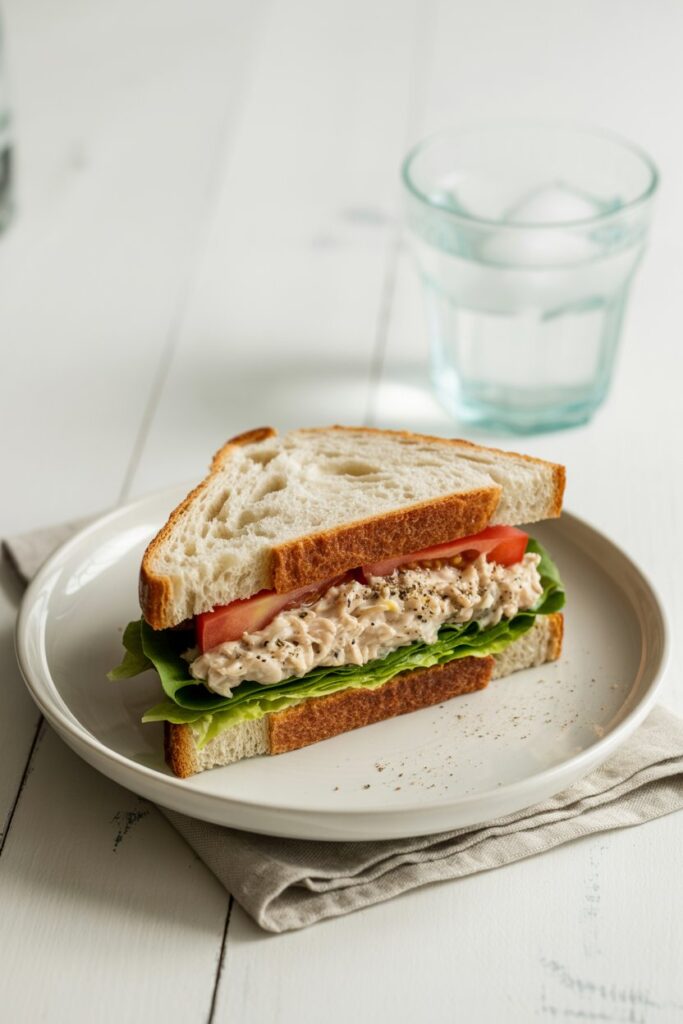
Got questions about making or storing your tuna sandwich? Here are some quick answers to common concerns that’ll help you enjoy your meal with confidence.
How long does tuna salad keep in the fridge?
Tuna salad can safely be stored in an airtight container in the refrigerator for up to 3 to 4 days. Be sure to keep it chilled and avoid leaving it out at room temperature for extended periods to prevent spoilage. If it develops any off smell or discoloration, it’s best to discard it.
Is canned tuna healthy?
Yes, canned tuna is a healthy source of lean protein and provides important nutrients like Omega-3 fatty acids, vitamin D, and selenium. Choosing water-packed tuna can reduce fat and calorie intake. Just be mindful of mercury levels by moderating consumption, especially for pregnant women and young children.
Can I freeze tuna sandwiches?
Freezing tuna sandwiches is not recommended, as the bread and other fresh ingredients tend to become soggy and lose texture upon thawing. Instead, freeze the tuna salad separately and assemble fresh sandwiches when ready to eat.
What if I don’t like mayo?
No worries! You can substitute mayonnaise with alternatives like Greek yogurt, mashed avocado, or even hummus for creaminess and flavor. These options often add extra protein or nutrients and keep your sandwich moist without the traditional mayo taste.
Mastering the Tuna Sandwich Recipe for Your Perfect Quick Lunch
The tuna sandwich recipe is a timeless classic that combines convenience, nutrition, and delicious flavor. By choosing the right tuna, adding thoughtful textures and condiments, and experimenting with creative variations, you can elevate this simple meal into something truly memorable. Whether you’re making it for a quick lunch at home, packing it for work, or preparing a kid-friendly snack, mastering these tips will ensure your tuna sandwich never feels boring again. So go ahead—make it your own and enjoy every bite of this unbeatable quick lunch favorite.