

One dessert that has stood the test of time and continues to seduce taste buds across the globe is the tiramisu recipe. From intimate Italian cafés to high-end patisseries, tiramisu’s alluring combination of coffee-soaked ladyfingers, creamy mascarpone, and cocoa powder leaves a lasting impression on dessert enthusiasts. Yet, beyond its irresistible flavor, tiramisu carries a rich history, science, and culture worth exploring. This article goes far deeper than typical recipes—inviting readers into the fascinating world behind this decadent treat, designed to inform and delight, not just instruct. We’ll journey through the origins of tiramisu, unravel the secrets that make its texture and flavor unique, and share creative ways to enjoy and present your next tiramisu masterpiece.
The Story Behind Tiramisu — More Than Just a Dessert
Every Italian grandmother will assure you that in her region, the tiramisu recipe began, but the true origins are as layered as the dessert itself. Tiramisu, which literally means “pick me up,” has found a special place in culinary folklore and continues to spark debate among aficionados and historians alike.
Origins and Myths: Where Did Tiramisu Really Come From?
The history of the tiramisu recipe is as tangled as espresso shots in a busy Roman café. Some claim that tiramisu was first served in Treviso during the 1960s, concocted at Le Beccherie restaurant by pastry chef Roberto Linguanotto, while others point to older variations tracing back to Siena. Myths abound: some say it was an aphrodisiac offered in brothels; others, a treat for tired workers. What is certain is tiramisu reflected the Italian genius of working with simple ingredients—espresso coffee, mascarpone cheese, and ladyfingers—to create subtle luxury [web:20][web:23].
The Cultural Impact of Tiramisu in Italian Cuisine
Today, the tiramisu recipe occupies a place of honor in Italian cuisine, featured in celebrations and international menus. It symbolizes Italian hospitality and the tradition of ending a meal on a sweet note. Tiramisu is often adapted for family reunions, wedding feasts, and café menus, making it a culinary ambassador for Italy. Regional pride means each cook has their own twist: some add a splash of Marsala wine, others opt for strong coffee or local liqueurs, but the essence remains the same—comfort and satisfaction in every bite.
Fun Facts and Trivia About Tiramisu
Did you know that the word “tiramisu” literally means “cheer me up” in Italian, a nod to its energizing coffee ingredient? There’s also a world record for the largest tiramisu ever made, weighing over 6,000 kilograms. Tiramisu has been referenced in pop culture, television cook-offs, and is a staple on global dessert lists. So next time you make this dessert, remember you’re part of a tradition as comforting as it is creative.
The Science of Tiramisu — Why It Works So Well
The irresistible texture and flavor of a tiramisu recipe arise not just from its ingredients but the delicate chemistry at play. Knowing the science can help you avoid common pitfalls and consistently deliver crowd-pleasing results that are creamy, balanced, and elegantly layered.

The Role of Mascarpone and the Creamy Texture Explained
Smooth, luxurious, and slightly sweet, mascarpone cheese is the undisputed star of any authentic tiramisu recipe. It provides the base for the dessert’s signature cream, adding stability without heaviness. Unlike American cream cheese, mascarpone boasts a rich milkiness that absorbs flavor well and whips to a voluptuous texture. Combined with egg yolks or heavy cream, it creates the silky mouthfeel that makes tiramisu stand apart [web:20][web:23].
Coffee and Cocoa: Balancing Flavors and Aroma
The interplay between robust espresso coffee and bitter cocoa powder brings depth to your tiramisu recipe. Espresso imbues the ladyfingers with rich flavor and a subtle kick, while cocoa powder’s slight bitterness offsets the sweetness and adds aromatic interest. Using freshly brewed espresso (or a strong coffee) enhances the complexity—instant coffee just can’t replicate the flavor profile. Select high-quality cocoa and coffee for an authentic experience.
How Ladyfingers Soak Up Coffee Without Getting Soggy
Ladyfingers, or Savoiardi, are key to a successful tiramisu recipe. Their dry, airy structure allows them to absorb liquids—like espresso and liqueur—without collapsing into mush. The quick dunking technique prevents oversaturation, ensuring a subtle but supportive structure. Try a table comparing different brands or soaking times for optimal results, showcasing firmness, flavor, and absorption rates.
| Brand | Soak Time | Result |
|---|---|---|
| Classic Savoiardi | 2 sec | Firm, bold flavor |
| Store-bought | 3 sec | Softer, sweeter |
| Homemade | 1-2 sec | Customizable structure |
Variations That Elevate Your Classic Tiramisu
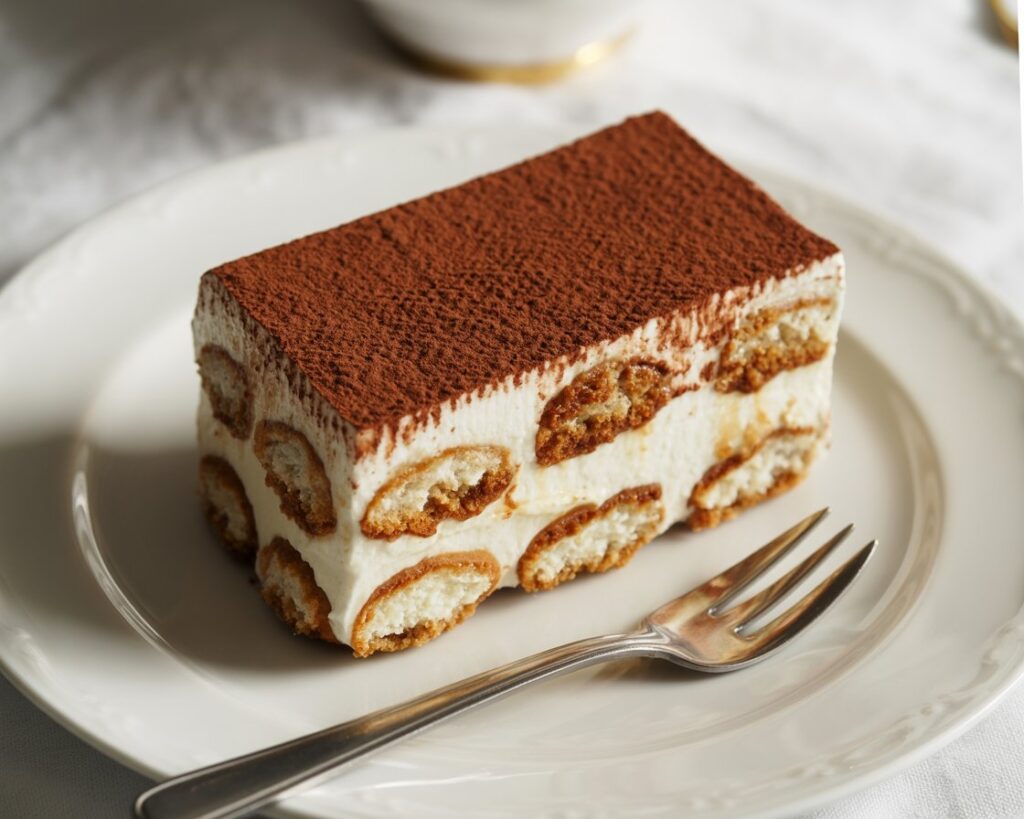
While the classic tiramisu recipe is beloved for its tried-and-true flavor profile, creative cooks have found countless ways to adapt it for dietary, cultural, or seasonal preferences. These imaginative spins maintain the dessert’s core while allowing for exciting new experiences at the table.
Traditional vs Modern Twists: From Alcohol-Free to Vegan
Modern tiramisu recipes embrace dietary needs, opening up the dessert for everyone. Vegan tiramisu swaps dairy and eggs for coconut cream and plant-based mascarpone. Alcohol-free versions forego liqueur, using extra-strong brewed coffee instead, making them kid-friendly and perfect for teetotalers. Even gluten-free ladyfingers are available, proving that the joy of tiramisu is for everyone.
Unique Ingredient Swaps to Try
Why not play with flavor in your next tiramisu recipe? Instead of sugar, try alternatives like maple syrup, honey, or agave. Substitute rum or Marsala with coffee extracts or non-alcoholic syrups. For those with nut allergies, cocoa nibs can replace traditional cocoa powder. The dessert is endlessly adaptable and rewards experimentation.
Presentation Styles: From Classic Tiramisu to Elegant Mini Desserts
One way to make your tiramisu recipe stand out is through creative presentation. Layer the dessert in mason jars for individual servings, or craft parfait-style cups for a stylish finish. Family-sized dishes are perfect for gatherings, but mini tiramisu bites offer elegance at parties. Creating rows of beautifully dusted cocoa topping or swirling chocolate can turn simple tiramisu into an edible work of art.
Tips, Tricks, and Troubleshooting for Your Perfect Tiramisu

Perfecting the tiramisu recipe involves not just following steps but knowing the pitfalls to avoid and secrets to success. Here are expert insights and troubleshooting advice so your tiramisu always delights.
How to Avoid Common Mistakes in Tiramisu Making
Getting the right consistency is crucial. Overmixing mascarpone can make your cream runny. Undermixed egg yolks lead to grainy textures. Don’t oversoak ladyfingers—two seconds is plenty. Layering too soon after whipping can cause separation, so allow the cream to set slightly. Keep tools chilled; hot utensils melt the mixture and spoil the shape.
Storage and Serving Tips to Maintain Freshness and Flavor
A well-prepared tiramisu recipe should be refrigerated for at least four hours, ideally overnight, allowing the flavors to meld and the texture to firm up. Store covered in the refrigerator for up to three days. For best service, cut with a chilled knife and serve in slices. Never freeze tiramisu—the texture suffers greatly. Prep single-serve cups for parties and save leftovers in airtight containers to maintain moisture and flavor.
Sensory Guide: What a Perfect Tiramisu Should Taste and Look Like
Aim for layers that are distinct but harmonious. Mascarpone should be creamy, not runny; ladyfingers, resilient but richly flavored with coffee. The top cocoa layer should add a hint of bitterness without overpowering. Your tiramisu should be aromatic, with coffee and cream scents mingling and a satisfying blend of textures, leaving a memorable finish with each bite.
Pairing and Enjoying Tiramisu
The enjoyment of a tiramisu recipe extends beyond taste—pairings and serving ideas elevate the entire experience. A delicious tiramisu complements good company, beverages, and the joy of sharing something made with care.
Ideal Beverages to Serve with Tiramisu
Pairing the tiramisu recipe with coffee is the go-to choice. Espresso works best, but cappuccino or latte offer milder accompaniment. For a grown-up twist, serve with dessert wines like Vin Santo, or craft cocktails like Irish cream liqueur. Non-alcoholic options include cold brew coffee, chocolate milk, or even spiced chai. Use a pairing chart or table to help guests select their favorite beverage.
| Beverage | Pairing Notes |
|---|---|
| Espresso | Bold, classic choice |
| Dessert wine | Sweet balance to richness |
| Chocolate milk | Kid-friendly, sweet pairing |
Tiramisu-Inspired Desserts and Other Italian Treats to Complement Your Dish
Extend the theme by serving the tiramisu recipe alongside other Italian favorites: panna cotta, cannoli, or affogato. Tiramisu-inspired treats include ice cream, cupcakes, or cookies, each capturing signature flavors, textures, and the joyful spirit of Italy. Themed dessert boards or tasting flights add fun and variety for guests to explore.
Hosting a Tiramisu Tasting Party: Fun Ideas and Setups
Take entertaining to the next level with a tiramisu tasting event. Offer several varieties—classic, vegan, gluten-free—for comparison. Supply small plates, flavor cards, beverage pairings, and even scoring sheets. Create a festive atmosphere with Italian music and themed decor. Guests leave with both full stomachs and new appreciation for your tiramisu talents.
Conclusion: Embracing the Tradition and Joy of Tiramisu
Whether you’re perfecting a classic tiramisu recipe or inventing new twists, the confection’s magic lies in its story, versatility, and power to bring people together. Celebrate not just the dessert, but the culture, science, and creativity behind every layer. Share your love for tiramisu and inspire others to try, adapt, and savor this Italian masterpiece—your journey is part of a global tradition. For more inspiring recipes and dessert ideas, browse feastrecipe.com and discover the world of culinary adventure. For additional expert insights on Italian cuisine, visit Italy Magazine for authentic stories and advice [web:19][web:20][web:23].