
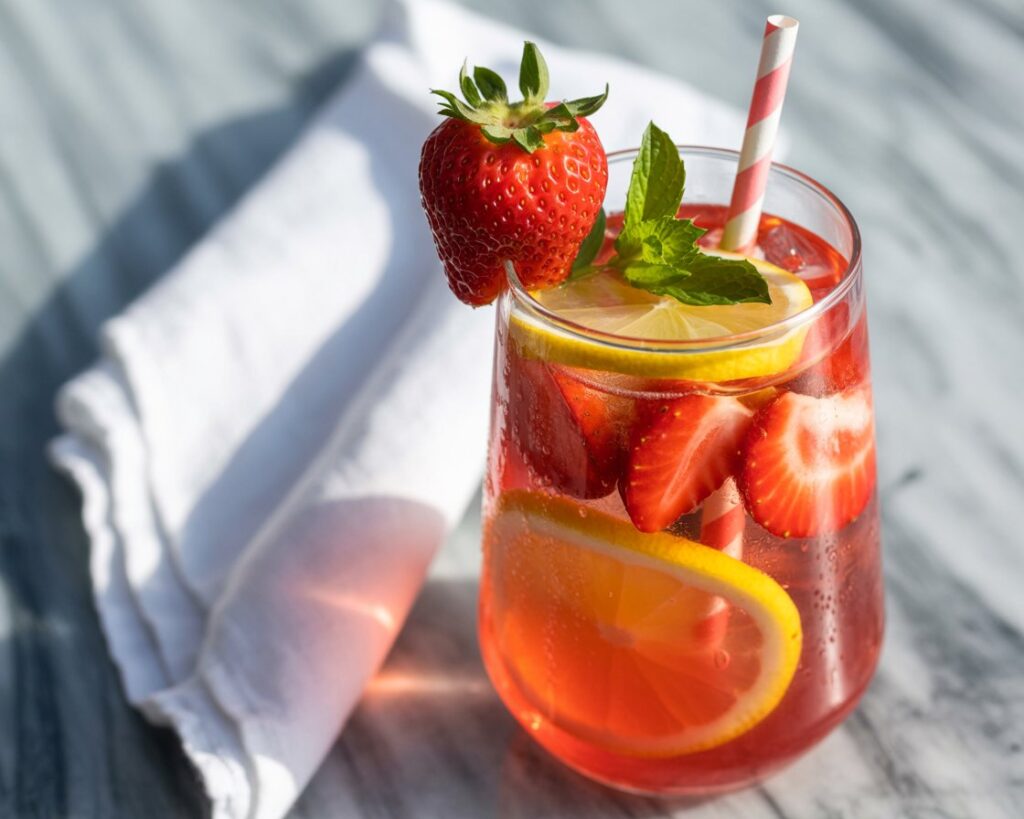
Strawberry Lemonade Without Sugar doesn’t have to taste like a compromise—and it certainly shouldn’t feel like one. Whether you’re cutting back on refined sugars for health reasons or just want a more natural, guilt-free refreshment, this drink hits all the right notes: tart, sweet, fruity, and totally satisfying. But here’s the twist—making it healthy doesn’t mean stripping away the fun. In this post, we’re diving into what makes a sugar-free strawberry lemonade not only better for you, but even more flavorful than the classic version. Spoiler: it’s all about the ingredients, the prep, and a few unexpected flavor hacks.
Why Go Sugar-Free? (And Why It Doesn’t Mean Less Flavor)
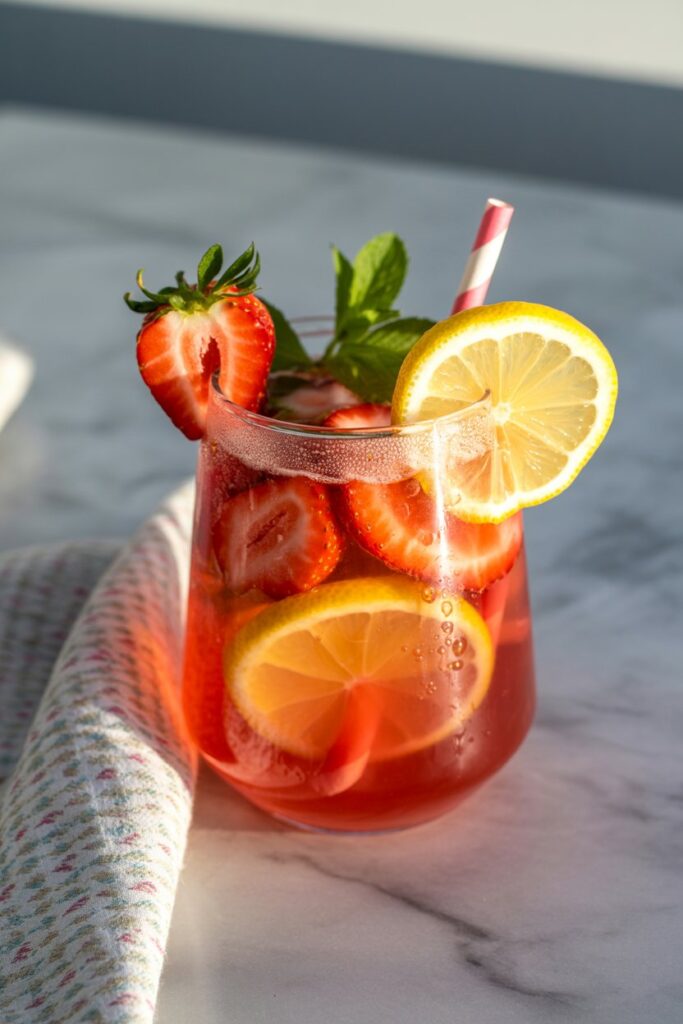
Going sugar-free doesn’t mean you have to settle for dull, watered-down drinks. In fact, strawberry lemonade without sugar can be just as bold, vibrant, and satisfying as its sugary counterpart—if not more. When you eliminate refined sugar, you create space for natural ingredients to shine. The sweetness of ripe strawberries and the zing of freshly squeezed lemons can speak for themselves, especially when paired with the right natural sweeteners. But beyond the flavor, cutting out sugar from your lemonade (and your daily habits) can also deliver real benefits for your health and energy.
Hidden Sugar Bombs in Store-Bought Lemonades
Many people don’t realize how much sugar is lurking in their favorite “refreshing” beverages. Bottled lemonades might seem innocent, but most are loaded with refined sugars or high-fructose corn syrup—turning a seemingly healthy drink into a dessert in disguise. Here’s a look at how much sugar you’re sipping with just one bottle.
| Brand | Serving Size | Sugar Content (per serving) |
|---|---|---|
| Brand A | 355 ml (1 can) | 35g |
| Brand B | 473 ml (1 bottle) | 42g |
| Brand C (organic) | 300 ml (glass) | 28g |
| Brand D (light) | 500 ml (bottle) | 19g |
| Homemade (no sugar) | 355 ml (glass) | 4–6g (natural from fruit) |
Even the “light” or “organic” versions often contain more sugar than a candy bar. That’s why creating your own version at home—with natural ingredients and no added sugar—can be a smart and flavorful move.
What Happens to Your Body When You Ditch Refined Sugar
Removing refined sugar from your drinks (and overall diet) does more than cut calories. It creates a ripple effect of benefits that you’ll feel almost immediately.
- Improved energy stability — no more mid-afternoon crashes
- Better hydration — sugar can actually dehydrate your body
- Reduced inflammation — fewer aches and clearer skin
- Enhanced digestion — especially if you’re pairing it with fiber-rich fruits
- Balanced blood sugar — essential for long-term wellness
- Improved mood and focus — no sugar highs, no sugar crashes
Strawberry lemonade made without sugar becomes more than a summer drink—it’s a small wellness habit that supports a bigger goal.
Taste Without Sacrifice – Is It Possible?
Absolutely. In fact, when you make strawberry lemonade with real ingredients and no refined sugar, the flavors often become more layered and refreshing. The natural sweetness of ripe strawberries, the brightness of freshly squeezed lemons, and the subtle lift from natural sweeteners like monk fruit or honey create a more authentic and satisfying taste. You’re not just drinking something sweet—you’re tasting real fruit, with all its character intact. When done right, strawberry lemonade without sugar isn’t a downgrade; it’s an upgrade in both flavor and nutrition.
Choosing the Right Sweetener: Natural Options Ranked
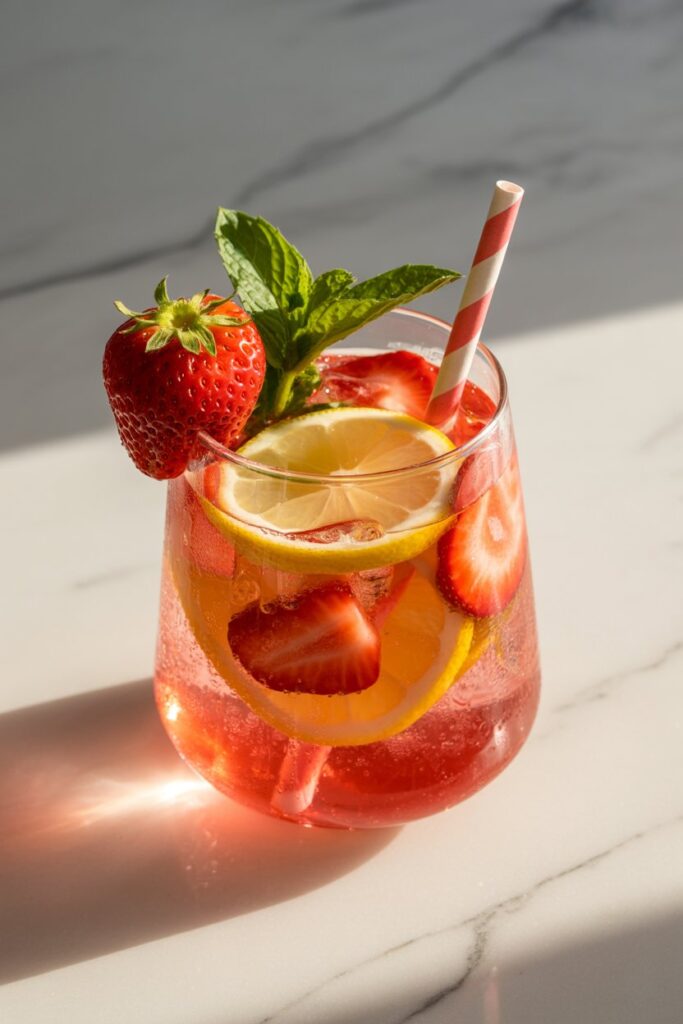
When it comes to sweetening your strawberry lemonade without sugar, there’s no shortage of natural alternatives to choose from. Each sweetener has its unique flavor profile and benefits, but the key is finding the one that suits your taste preferences and health goals. Let’s break down some of the top natural sweeteners on the market and see how they measure up in terms of taste, health impact, and calorie count.
The Lineup – Natural Alternatives to Sugar
Here’s a side-by-side ranking of six popular natural sweeteners, so you can make an informed choice when selecting the right one for your sugar-free strawberry lemonade.
| Sweetener | Taste Profile | Health Impact | Calories per Serving (1 tsp) |
|---|---|---|---|
| Stevia | Sweet, slightly herbal | Zero-calorie, doesn’t affect blood sugar | 0 |
| Monk Fruit | Mild, fruity sweetness | Zero-calorie, antioxidant-rich, no blood sugar spikes | 0 |
| Agave | Sweet, syrup-like, mild | Low glycemic index, high in fructose, can be too sweet | 21 |
| Honey | Floral, rich, with a hint of floral bitterness | Contains vitamins and minerals, supports gut health, but calorie-dense | 21 |
| Maple Syrup | Rich, earthy, slightly woody | Packed with antioxidants, supports heart health, but calorie-dense | 52 |
| Dates | Sweet, caramel-like, slightly chewy | High in fiber, vitamins, and minerals, but calorie-dense | 20 |
Best Sweetener for Strawberry Lemonade (Spoiler: It’s Not Stevia for Everyone)
While stevia might be a go-to for those looking to keep their calorie count at zero, it’s not always the best choice when it comes to flavor—especially in strawberry lemonade. Stevia can sometimes introduce a slightly bitter or herbal aftertaste, which can clash with the bright, tangy notes of lemon and the natural sweetness of strawberries.
For a more balanced flavor, monk fruit is often a better option. Its clean, sweet taste without the aftertaste makes it ideal for lemonade, letting the strawberries and lemons shine. It’s also an excellent choice if you’re watching your blood sugar levels because it doesn’t cause spikes.
On the other hand, if you’re craving something a little richer, honey or maple syrup can bring out a deeper sweetness that adds a complexity to your lemonade. However, these options do add calories, so they’re best used in moderation—especially if you’re trying to keep things light.
Lastly, dates are an interesting choice—especially if you want to keep things more natural and add a bit of fiber. They’re sweet and rich, perfect for those who enjoy a little more substance in their drinks.
Fresh Strawberries vs. Frozen: Does It Really Matter?
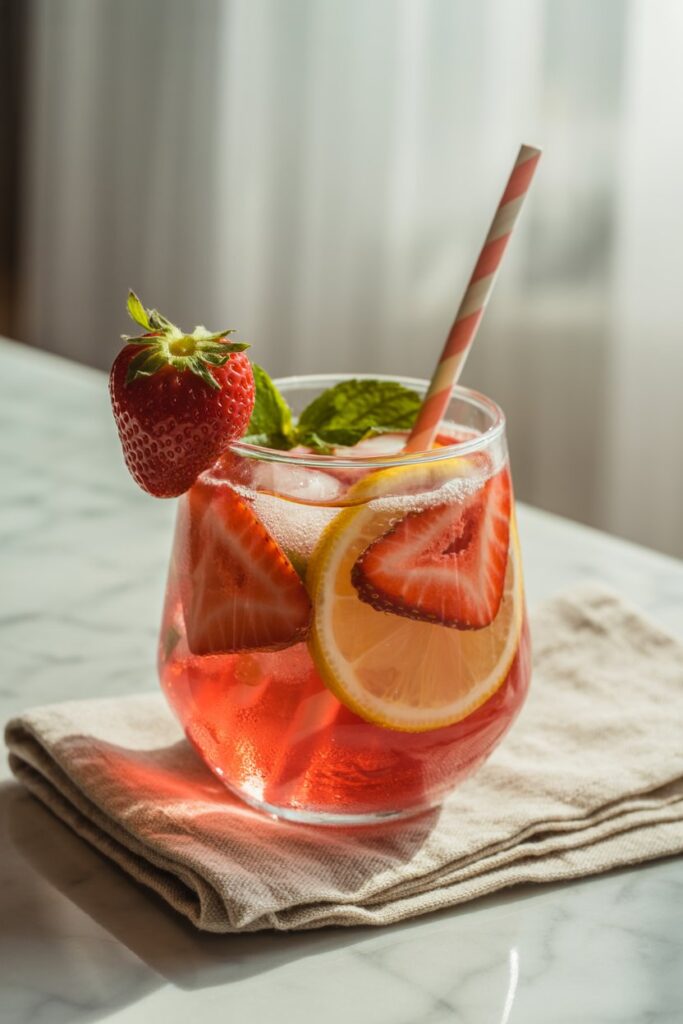
When it comes to strawberry lemonade without sugar, one question that often comes up is whether it’s better to use fresh strawberries or frozen strawberries. The truth is, both options can work great, but they each have their own advantages depending on your goals—whether it’s for taste, nutrition, or convenience.
Nutritional Showdown: Fresh vs. Frozen Strawberries
Though they come from different processing methods, frozen strawberries retain most of their nutrients, and in some cases, they might even have an edge over fresh. Here’s a quick comparison of the nutritional content to help you decide which works best for your strawberry lemonade.
| Nutrient | Fresh Strawberries (100g) | Frozen Strawberries (100g) |
|---|---|---|
| Calories | 32 kcal | 32 kcal |
| Vitamin C | 58.8 mg (98% DV) | 58.8 mg (98% DV) |
| Antioxidants (ORAC) | 1,540 μmol TE/100g | 1,540 μmol TE/100g |
| Sugar Content | 4.9g | 4.9g |
| Fiber | 2g | 2g |
| Potassium | 153 mg | 153 mg |
Key Points:
- Frozen strawberries are usually picked at the peak of ripeness and frozen immediately, locking in most of their nutrients.
- Fresh strawberries can lose some of their nutritional value during transport and storage, especially if they sit in the fridge for too long.
- Both varieties contain similar calorie, sugar, and fiber content, making them both a healthy option for your strawberry lemonade.
Pro Tips for Getting the Most Flavor Out of Your Strawberries
Whether you’re using fresh or frozen strawberries, there are several ways to extract maximum flavor and ensure your strawberry lemonade is vibrant and delicious.
Macerate Your Strawberries
One of the best ways to bring out the natural sweetness and juiciness of strawberries is to macerate them. Simply slice the strawberries and sprinkle a bit of natural sweetener like monk fruit or honey over them. Let them sit for about 15–20 minutes. This process helps draw out their natural juices, enhancing the flavor and making your lemonade extra fresh and flavorful.
When to Blend
Timing is important when blending your strawberries for lemonade. If you want a smooth, consistent texture, blend them right after macerating. However, for a chunky, rustic feel, try adding the strawberries last to maintain some texture in the drink. Don’t over-blend, as this can result in a less vibrant color and a mushier texture.
Flavor Boosters
For an extra layer of flavor, try these simple add-ins:
- Balsamic vinegar: A dash of balsamic vinegar can intensify the strawberry flavor and add a unique depth to your lemonade.
- Lemon zest: Grating a bit of lemon zest into the drink will give it a fresh, citrusy fragrance and a more vibrant lemon flavor.
- Fresh herbs: A sprig of mint or basil can complement the strawberry flavor and add an herbal twist.
- Ginger: For a little zing, add a small slice of fresh ginger—this pairs wonderfully with both the strawberries and the lemon.
By incorporating these pro tips, you’ll have a strawberry lemonade that’s bursting with fresh, natural flavor—whether you’re using fresh or frozen strawberries!
Lemon Juice Talk: Fresh-Squeezed or Bottled?

When it comes to making strawberry lemonade without sugar, the type of lemon juice you use can significantly impact the flavor and nutritional value of your drink. Fresh-squeezed lemon juice is a favorite for many, but bottled lemon juice often seems like a convenient option. Let’s dive into the differences and see why fresh might be your best choice—especially if you want the ultimate lemonade experience.
What You’re Losing With Bottled Lemon Juice
Bottled lemon juice might seem like an easy shortcut, but it comes with some trade-offs in terms of flavor and health benefits. Here are a couple of key downsides:
Vitamin C Degradation
Vitamin C, the hero nutrient in lemon juice, is highly sensitive to air, light, and temperature. In bottled lemon juice, the longer it sits on the shelf, the more vitamin C it loses. Fresh-squeezed lemon juice, on the other hand, is packed with this essential vitamin, which can support your immune system and enhance the flavor profile of your strawberry lemonade.
While bottled lemon juice still contains some vitamin C, its levels are significantly lower than that of fresh-squeezed juice due to the degradation over time. So, if you’re after maximum health benefits, fresh is always the way to go.
Preservatives & Taste Dullness
To prolong shelf life, bottled lemon juice often contains added preservatives such as sodium bisulfite or citric acid. While these preservatives prevent spoilage, they can also affect the taste, leaving the juice with a duller, less vibrant flavor compared to freshly squeezed juice. The fresh juice gives your strawberry lemonade that bright, tangy kick that you can’t quite replicate from a bottle.
How to Make Fresh Lemon Juice in Bulk (Without Getting Wrist Cramps)
If you love the taste of fresh lemon juice but dread squeezing dozens of lemons by hand, there are a few tricks to save time and effort. Here’s how you can make fresh lemon juice in bulk—without those pesky wrist cramps!
Juicers and Citrus Presses
Investing in a manual citrus press or an electric juicer can make quick work of squeezing lemons. Manual presses can provide high juice yield without much effort, while electric juicers can speed up the process if you need to juice a large batch at once. Both options reduce the need for hand squeezing and make the job a lot easier.
Freezer Tips for Batch-Making
If you want to save time and always have fresh lemon juice on hand, try this: juice your lemons in bulk, pour the juice into an ice cube tray, and freeze. Once frozen, you can pop out individual cubes of lemon juice and store them in a freezer bag. When you’re ready to make strawberry lemonade, just throw in a cube or two and you’re good to go! This is especially useful for those times when fresh lemons aren’t in season or when you’re just short on time.
Flavor Boosters & Creative Twists for Your Sugar-Free Strawberry Lemonade
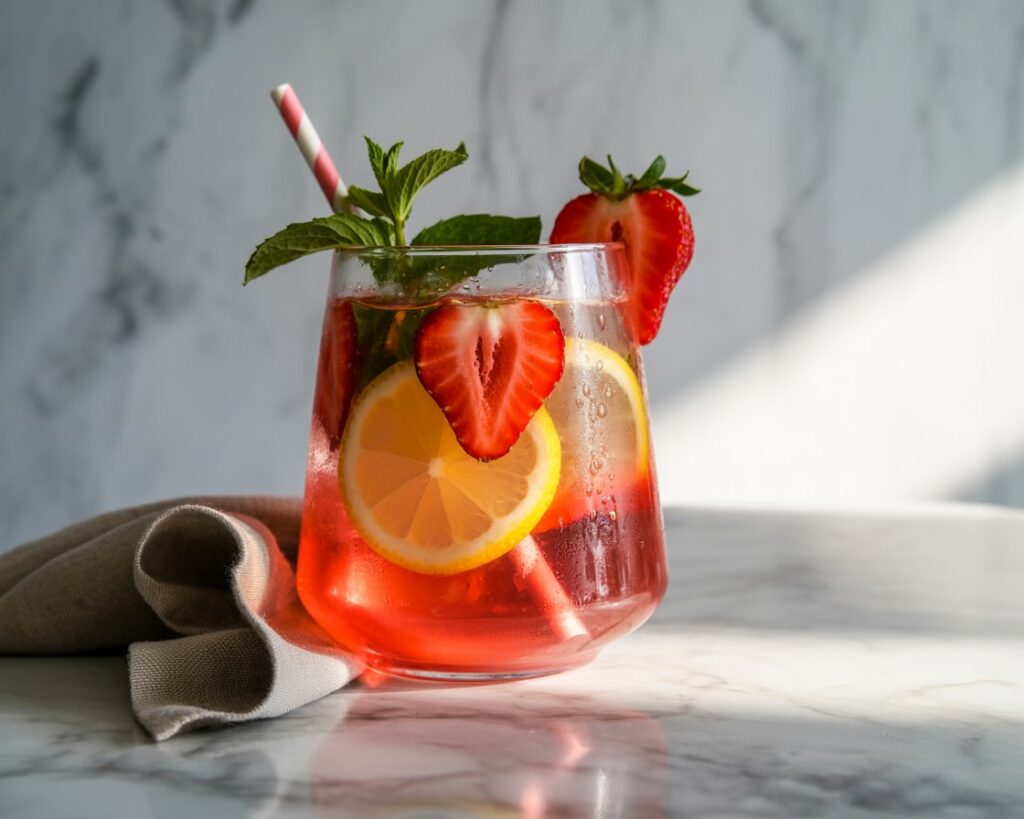
Looking to elevate your sugar-free strawberry lemonade to something extraordinary? Whether you’re hosting a party or simply treating yourself, these flavor boosters and creative twists will take your lemonade to the next level without adding sugar. Get ready to mix things up and experiment with some fun, flavorful options!
Infuse It Like a Pro
Why settle for plain when you can infuse your strawberry lemonade with fresh, aromatic flavors? Here are a few infusion ideas that will take your drink from good to unforgettable.
- Add Herbs: Fresh herbs like mint, basil, or rosemary can infuse your lemonade with refreshing, aromatic notes. Mint pairs beautifully with the sweetness of strawberries and the tang of lemon, while basil adds a subtle peppery kick that complements the citrus. Rosemary adds a woody, earthy flavor for a more sophisticated twist.
- Try Cucumber or Ginger for Spa Vibes: For a light, refreshing twist, add a few slices of cucumber to your lemonade. Cucumber has a cool, crisp flavor that balances the tartness of lemon and the sweetness of strawberries. If you’re looking for a little kick, ginger will add warmth and spice—perfect for a more invigorating drink.
Garnishes That Wow (Because Aesthetics Count Too)
Presenting a drink is half the fun, and with the right garnishes, your sugar-free strawberry lemonade can become a visual masterpiece. Here are some garnish ideas that will impress your guests and make your drink Instagram-worthy:
- Sliced Lemon Wheels: A classic garnish that adds color and a touch of sophistication. You can either float them in your lemonade or rim the glass for a pop of yellow.
- Strawberry Fans: A simple yet elegant way to present strawberries. Slice them in a fan shape and hang them on the rim of the glass for a fun, festive look.
- Edible Flowers: Lavender, violets, or pansies can add a lovely, delicate touch. Not only do they look beautiful, but some edible flowers can also have unique flavors that complement your lemonade.
You can also play around with mini-galleries of these garnishes—either as a list or gallery-style image on your blog or in your social posts. It’s all about making the experience visually delightful!
Mocktail Upgrades for Parties
Hosting a gathering and want to serve something a little more special than just plain lemonade? Mocktails (alcohol-free cocktails) can be the perfect upgrade to your sugar-free strawberry lemonade. Here are a few ways to elevate your drink for the next party:
- Sparkling Water Additions: Add a touch of fizz by incorporating sparkling water or club soda. The bubbles provide a refreshing texture that adds excitement to your drink, especially in the heat of summer. You can also experiment with flavored sparkling waters (like lime or berry) to enhance the overall taste.
- Iced Tea Fusion Ideas: Mix in a bit of iced tea (green, black, or herbal) for a refreshing spin. Green tea pairs wonderfully with lemon and strawberry, adding a bit of earthiness that balances out the sweetness. Black tea creates a bolder, more robust drink, and herbal teas like chamomile or hibiscus can provide a lovely floral undertone.
- Optional Alcohol-Free Bitters for Depth: Add a few drops of alcohol-free bitters to your lemonade for a touch of complexity and depth. The bitters enhance the flavors and balance the sweetness without overwhelming the drink. You can find alcohol-free bitters in a variety of flavors like citrus, aromatic, and herbal.
With these mocktail upgrades, you’ll have your guests raving about your creativity—and the best part is, you won’t need any added sugar to impress them!
FAQs: Everything You Didn’t Know You Wanted to Ask

Is sugar-free lemonade keto-friendly?
Yes! Sugar-free strawberry lemonade is typically keto-friendly, as long as you use a natural sweetener like stevia, monk fruit, or erythritol. These sweeteners don’t spike your blood sugar, making them suitable for those following a keto diet. Just be mindful of the total carb content from the fruit and sweeteners you choose.
Can I use bottled lemon juice in a pinch?
While fresh-squeezed lemon juice is always the best option for flavor and nutrition, you can use bottled lemon juice if you’re in a pinch. However, it’s important to note that bottled lemon juice often has preservatives and less vitamin C. For the freshest taste and maximum health benefits, fresh-squeezed is always ideal.
Is this drink safe for kids or diabetics?
Absolutely! Sugar-free strawberry lemonade is generally safe for kids and diabetics, as it contains no added sugar. For kids, just ensure that the sweetener you use is suitable for them (like stevia or monk fruit). Diabetics can enjoy this drink as well, but always check with a healthcare professional to confirm the suitability of the sweeteners you choose. It’s a great way to enjoy a refreshing beverage without the sugar spikes!
Why Sugar-Free Strawberry Lemonade is Your New Favorite Drink
In conclusion, sugar-free strawberry lemonade isn’t just a refreshing, healthier alternative—it’s a versatile, flavorful beverage that can be enjoyed by everyone. By choosing the right sweeteners and fresh ingredients, you can create a drink that’s both delicious and nourishing, without compromising on taste. Whether you’re infusing it with fresh herbs or serving it up at your next party, this lemonade will quickly become your go-to drink.
Looking for a perfect dish to pair it with? Check out this Savory Chicken Salad Recipe on our site—it’s the ideal match for a light, refreshing drink like our sugar-free strawberry lemonade.