
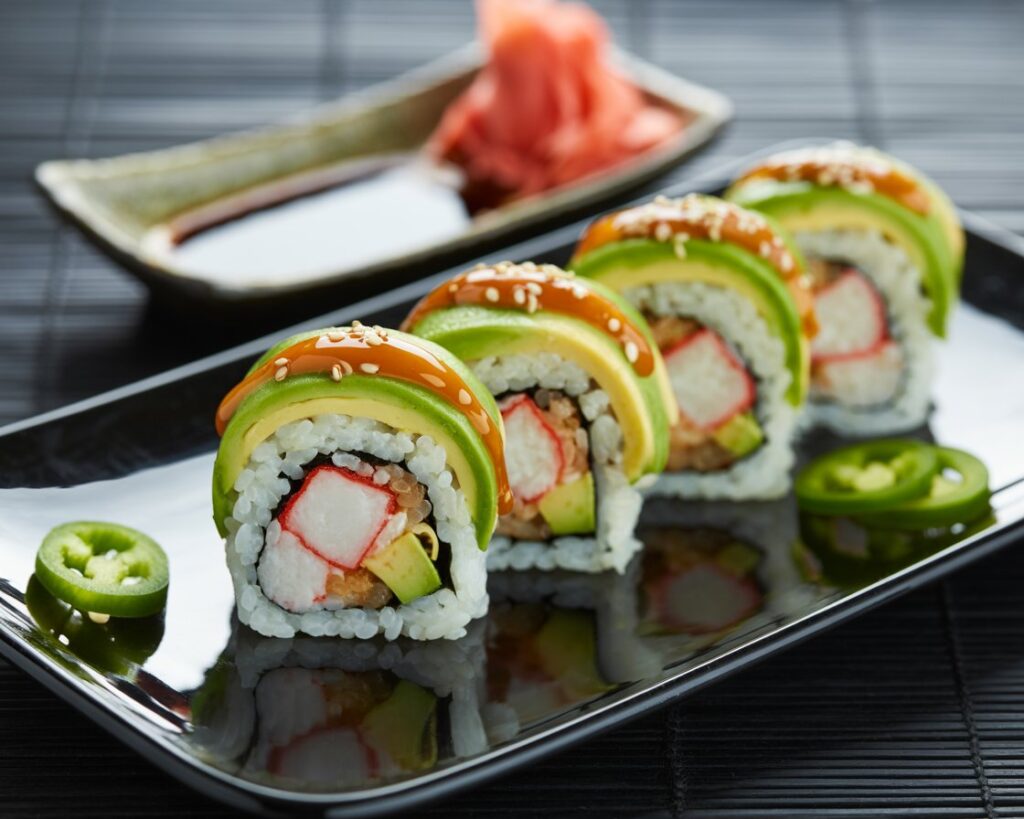
Spicy California roll is quickly becoming a favorite among sushi lovers—especially beginners looking for an easy yet flavorful way to enjoy sushi at home. Unlike traditional sushi rolls that often include raw fish, the spicy California roll offers a delicious combination of crab, avocado, cucumber, and a kick of spicy mayo that’s approachable for anyone new to sushi-making. In this guide, you’ll discover practical tips, clever tricks, and creative variations that will help you master this tasty roll with confidence and have fun along the way. Whether you’re rolling for the first time or just want to spice up your sushi nights, this recipe is the perfect place to start.
Why the Spicy California Roll Is a Must-Try for Sushi Beginners
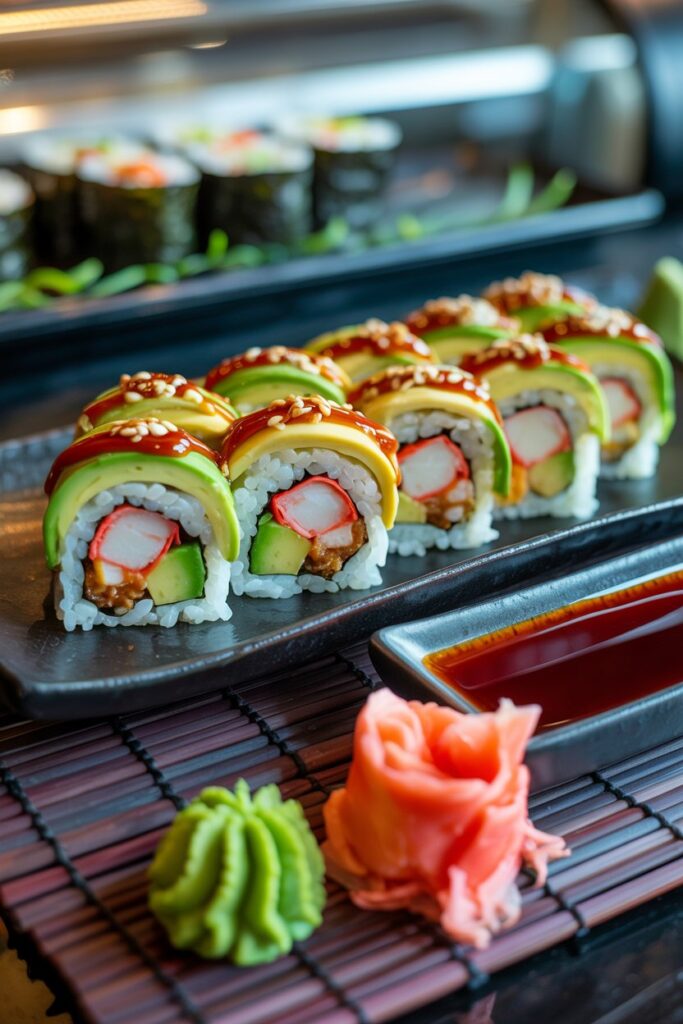
If you’re new to sushi, the spicy California roll is one of the best places to start. It’s a roll that strikes the perfect balance between approachable flavors and exciting taste, making it both beginner-friendly and delicious. Unlike more traditional sushi that often includes raw fish, this roll offers familiar ingredients with a subtle kick, which helps ease newcomers into the world of sushi without overwhelming their palate. Let’s explore what sets this roll apart and why it deserves a spot on your sushi menu.
What Makes It Different from a Classic California Roll?
At its core, the spicy California roll builds on the classic version by introducing a layer of heat and complexity without straying too far from the original. To make this clearer, here’s a quick comparison:
| Feature | Classic California Roll | Spicy California Roll |
|---|---|---|
| Ingredients | Crab (or imitation crab), avocado, cucumber, sushi rice, nori | Same as classic + spicy mayo or chili sauce |
| Taste | Mild, creamy, fresh | Creamy with a noticeable spicy kick |
| Heat Level | None | Mild to medium, depending on spice used |
The addition of spicy mayo is a game-changer because it adds creaminess and heat simultaneously. This sauce is typically made by mixing mayonnaise with sriracha or another chili sauce, which brings a balanced, rich spice to the roll. It transforms a simple sushi roll into a flavor-packed experience without overwhelming beginners who may be new to spicy foods.
The Appeal of Spicy Flavors in Sushi
Spicy sushi rolls have gained widespread popularity in recent years, thanks to their ability to blend traditional Japanese flavors with bold, contemporary twists. The rise of spicy sushi rolls in global cuisine reflects a broader trend of incorporating more adventurous tastes into classic dishes. These rolls appeal to people who enjoy a little heat but still want the freshness and texture that sushi is known for.
What makes spice so effective in sushi, especially for beginners, is its ability to elevate sushi without overwhelming the delicate flavors. Instead of masking the taste of fresh ingredients like crab and avocado, the spice complements them, creating a harmonious balance that keeps every bite interesting and satisfying.
Beginner-Friendly Sushi: Why Start Here?
For those just venturing into sushi-making or eating, the spicy California roll offers several advantages. First, it is a low-risk option since it doesn’t include raw fish, making it less intimidating and safer for home preparation. The ingredients are easy to find and assemble, which means beginners can enjoy the satisfaction of creating sushi without complicated techniques.
Moreover, the spice level can be customized to personal tolerance, allowing each person to adjust how much heat they want. Whether you prefer just a hint of spice or a more pronounced kick, the spicy California roll can be tailored to suit your taste, making it an ideal choice to experiment with flavors and build confidence in sushi preparation.
Sushi Rolling 101: Tips to Nail Your Spicy California Roll Every Time
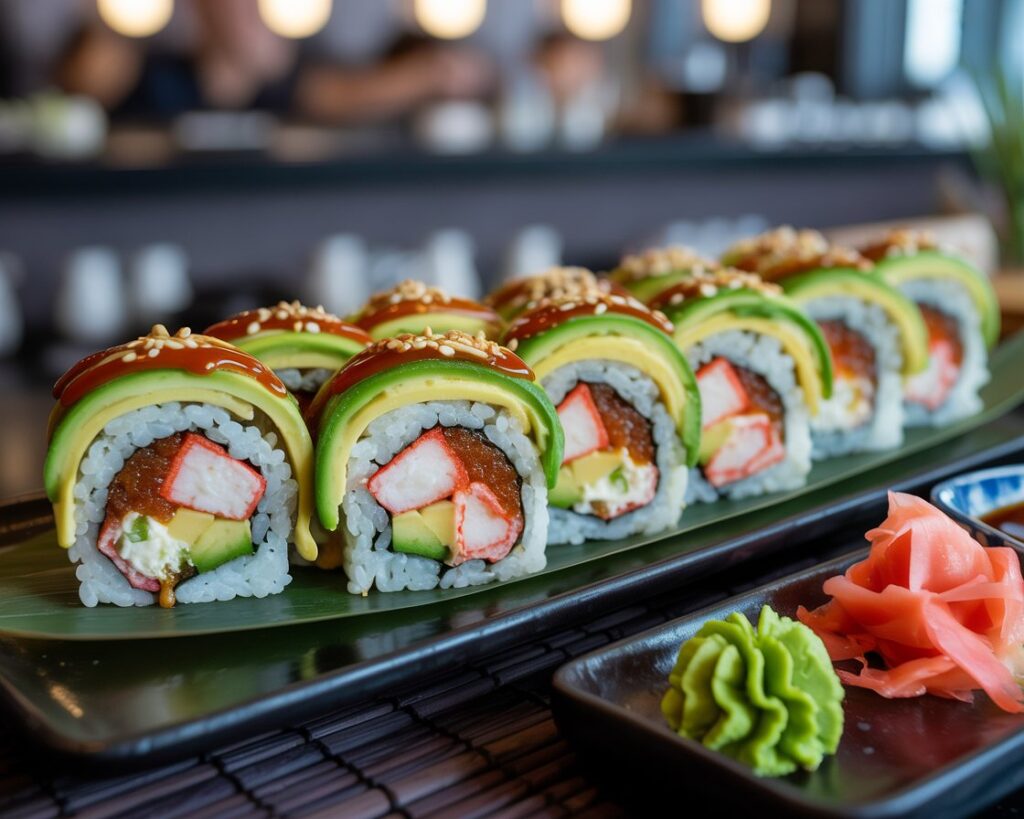
Rolling sushi at home might seem intimidating at first, but with a little practice and the right guidance, it becomes a surprisingly fun and rewarding experience. Whether you’re making your very first spicy California roll or improving your skills, the tips below will help you create rolls that are tight, tasty, and presentation-ready.
The Essential Tools — What You Really Need
You don’t need a professional sushi kitchen to make great rolls. With just a few tools, you can set yourself up for success. Here are the must-haves:
| Tool | Purpose |
|---|---|
| Bamboo Rolling Mat (Makisu) | Helps roll your sushi tightly and evenly |
| Sharp Knife | Ensures clean, smooth cuts without crushing your roll |
| Rice Paddle (Shamoji) | Ideal for handling sticky sushi rice without smashing the grains |
| Bowl of Water + Rice Vinegar | Keeps your fingers and tools wet to prevent sticking |
| Plastic Wrap (optional) | Useful for rolling inside-out rolls and keeping your mat clean |
Having these essentials nearby will make the rolling process smoother and more enjoyable.
How to Prepare Sushi Rice Like a Pro
Great sushi starts with perfectly seasoned rice. Here’s how to get it right:
- Rinse thoroughly: Wash the rice until the water runs clear to remove excess starch, which helps prevent gumminess.
- Use the correct rice-to-water ratio: For most short-grain sushi rice, a 1:1 ratio (plus a little extra) works best.
- Season it properly: Once cooked, mix the rice with a blend of rice vinegar, sugar, and salt while it’s still warm. Use a wooden or plastic spoon and fold gently to avoid smashing the grains.
Common mistakes to avoid:
- Don’t use long-grain rice—it lacks the stickiness needed for rolling.
- Avoid over-mixing, which can turn the rice mushy.
- Never skip rinsing; unwashed rice leads to a heavy, sticky texture.
Mastering the Roll: Step-by-Step Technique Tips
Once your rice and ingredients are ready, the rolling part is where the magic happens. These simple tricks can make a big difference:
- Spread rice evenly: Wet your fingers before handling rice. Gently press a thin, even layer across the nori, leaving about 1 inch uncovered at the top for sealing the roll.
- Roll with intention: Use your thumbs to lift the edge of the bamboo mat closest to you, then roll tightly over the filling. Apply light pressure with your fingers to keep the shape firm without squeezing too hard.
- Apply spicy mayo with control: Use a squeeze bottle or small spoon to add the spicy mayo in a thin line across the crab. Avoid overdoing it—too much sauce can cause the roll to fall apart or overpower the flavor balance.
Once you’ve completed the roll, use a sharp, damp knife to slice cleanly through it. Wipe the blade between cuts for neat, restaurant-style pieces.
Spicy California Roll Variations to Try (Without Getting Overwhelmed)

Once you’ve mastered the basics of the spicy California roll, it’s time to have some fun with it. Customizing your roll doesn’t mean going overboard—you can tweak flavors, textures, and even the presentation to suit your mood, your guests, or your spice tolerance. Here are some stress-free ways to make the spicy California roll your own without turning it into a complicated culinary project.
Spice It Up or Tone It Down: Adjusting the Heat
Not all spicy rolls need to bring the fire. The beauty of the spicy California roll is how easily the heat level can be personalized. The key is in the sauce—specifically, your spicy mayo.
- For a milder experience, use less sriracha or swap it for a more mellow chili sauce like gochujang or sweet chili.
- To turn up the heat, mix in hot sauce, wasabi, or crushed red pepper.
Here’s a quick heat level guide for popular spicy ingredients:
| Ingredient | Heat Level | Notes |
|---|---|---|
| Sweet Chili Sauce | Mild | Slightly tangy, great for spice beginners |
| Spicy Mayo (basic) | Mild-Medium | Balanced and creamy |
| Sriracha | Medium | Classic choice for a moderate kick |
| Gochujang | Medium-Hot | Fermented heat with a slightly sweet edge |
| Chili Oil | Hot | Intense heat, use sparingly |
| Wasabi | Sharp Heat | More sinus-clearing than tongue-burning |
Start mild and build your way up—you can always add more heat, but you can’t take it out!
Creative Ingredient Swaps
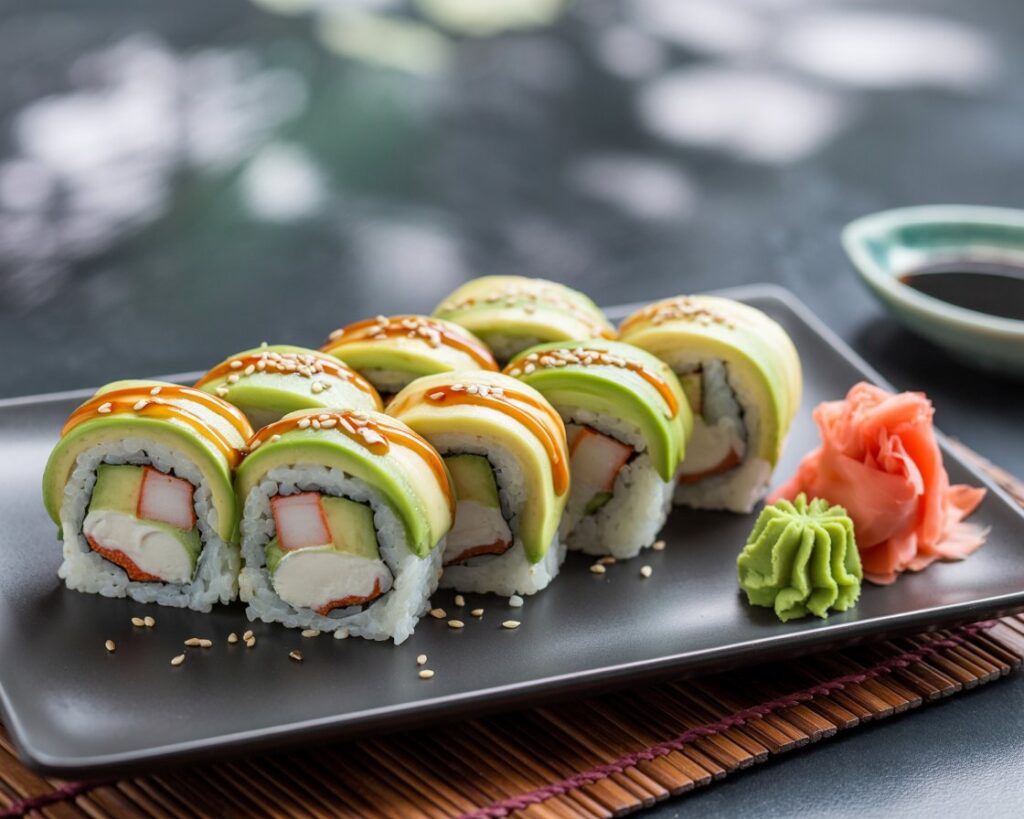
One of the best things about the spicy California roll is how adaptable it is. You can change up ingredients to suit your diet, taste, or pantry situation without losing the core of what makes the roll delicious.
- Real crab vs. imitation crab (kani): Real crab brings a more delicate and sweet seafood flavor, while imitation crab is budget-friendly and still tasty.
- Crunch factor: Add tempura flakes for a light crunch or tobiko (flying fish roe) for texture and a pop of color.
- Vegan-friendly twist: Sub the crab with tofu, marinated carrots, or avocado. A spicy vegan mayo can easily replace the original and still deliver that creamy kick.
These swaps don’t just cater to dietary needs—they can actually enhance your roll and introduce new flavor dynamics.
Serving Suggestions That Wow
You’ve put in the effort—now make it look and taste even better with thoughtful pairings and presentation.
Pairing Ideas:
- Sauces: Serve with soy sauce, ponzu, or a drizzle of unagi sauce for a savory-sweet contrast.
- Sides: Edamame, miso soup, or a light seaweed salad add a refreshing touch.
- Drinks: Try green tea, sake, or a light citrus soda to balance the richness.
Presentation Tips:
- Use bamboo leaves or decorative plates to frame your rolls.
- Sprinkle black or toasted sesame seeds for contrast and nuttiness.
- Alternate slices slightly on the plate for that effortless restaurant-style look.
With just a little imagination, your spicy California roll can be the star of a sushi night that’s anything but ordinary.
Common Sushi Myths Debunked for Beginners
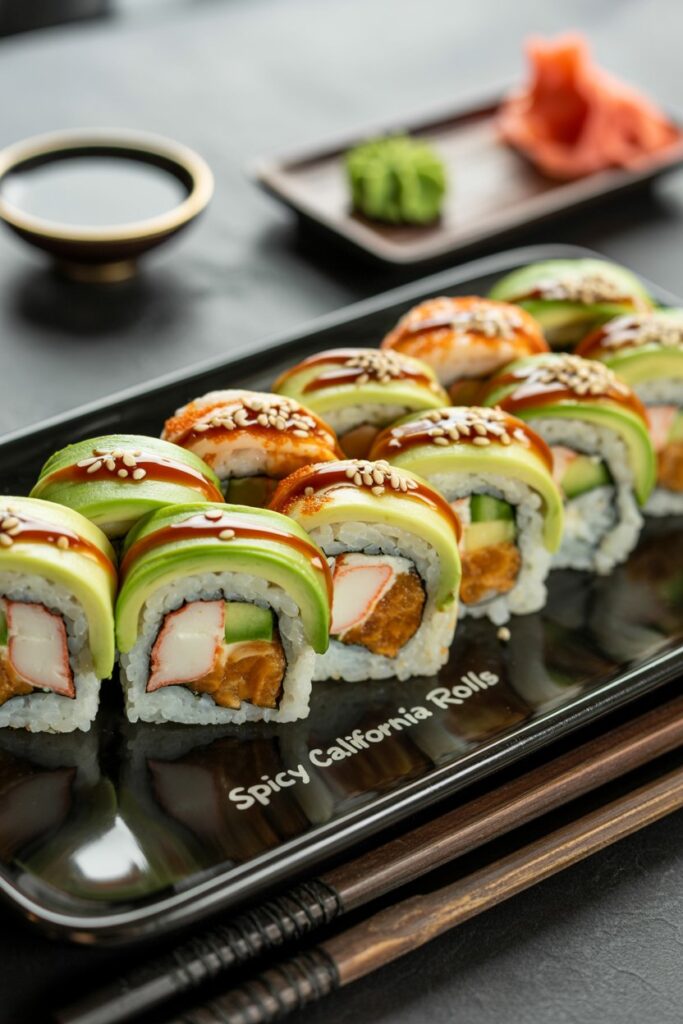
Starting your sushi-making journey can be exciting—until you run into outdated advice or intimidating myths that make it feel out of reach. If you’ve ever thought, “I can’t make sushi at home,” this section is for you. Let’s break down the most common misconceptions that hold people back, especially when it comes to making a spicy California roll.
Myth #1: You Need Raw Fish to Make Great Sushi
Raw fish might be the face of sushi in restaurants, but it’s far from a requirement—especially for beginners. The spicy California roll proves that you can create bold, satisfying sushi without ever opening a sashimi-grade tuna pack.
- It uses imitation crab (kani) or optionally real cooked crab, making it totally safe, affordable, and beginner-friendly.
- The flavors come from the combination of creamy spicy mayo, avocado, and seasoned rice—not raw ingredients.
- This style of sushi lets you ease into the cuisine while building skills and confidence.
So no, sushi doesn’t have to mean raw. In fact, many of the most popular rolls in the U.S. skip it entirely.
Myth #2: Sushi Rolling Is Too Hard for Home Cooks
It might look complex when the pros do it, but rolling sushi is actually a skill most people can pick up in one or two tries. The key is using the right tools (like a bamboo mat and sharp knife) and following a few simple tricks.
- Use plastic wrap on your mat for less mess and easier rolling.
- Keep a bowl of water nearby to prevent rice from sticking to your hands.
- Roll slowly and with intention—don’t rush the process.
Need extra help? There are plenty of video tutorials online that walk through every step. Here are a few beginner-friendly ones to get you started:
With just a bit of practice, you’ll be slicing beautiful rolls in no time.
Myth #3: Sushi Rice Is Complicated and Fussy
Sushi rice gets a reputation for being temperamental, but it doesn’t have to be. You don’t need a rice cooker or any special techniques beyond what you’d use for normal rice prep—just a few smart shortcuts:
- Rinse well: Washing the rice 3–4 times until the water runs mostly clear helps prevent stickiness.
- Use the right seasoning: A simple mix of rice vinegar, sugar, and salt is all it takes. Pre-made sushi seasoning is also a great option.
- Cool it properly: Spread the rice on a tray or wide bowl and fan it as you mix in the vinegar for the perfect texture.
Time-saving tip: If you’re really in a pinch, microwaveable sushi rice packets or pre-cooked short-grain rice from Asian grocery stores can be a good fallback.
The truth? Sushi rice is more forgiving than it seems—and once you get the hang of it, you’ll wonder why you ever worried.
FAQ and Troubleshooting for Your Spicy California Roll
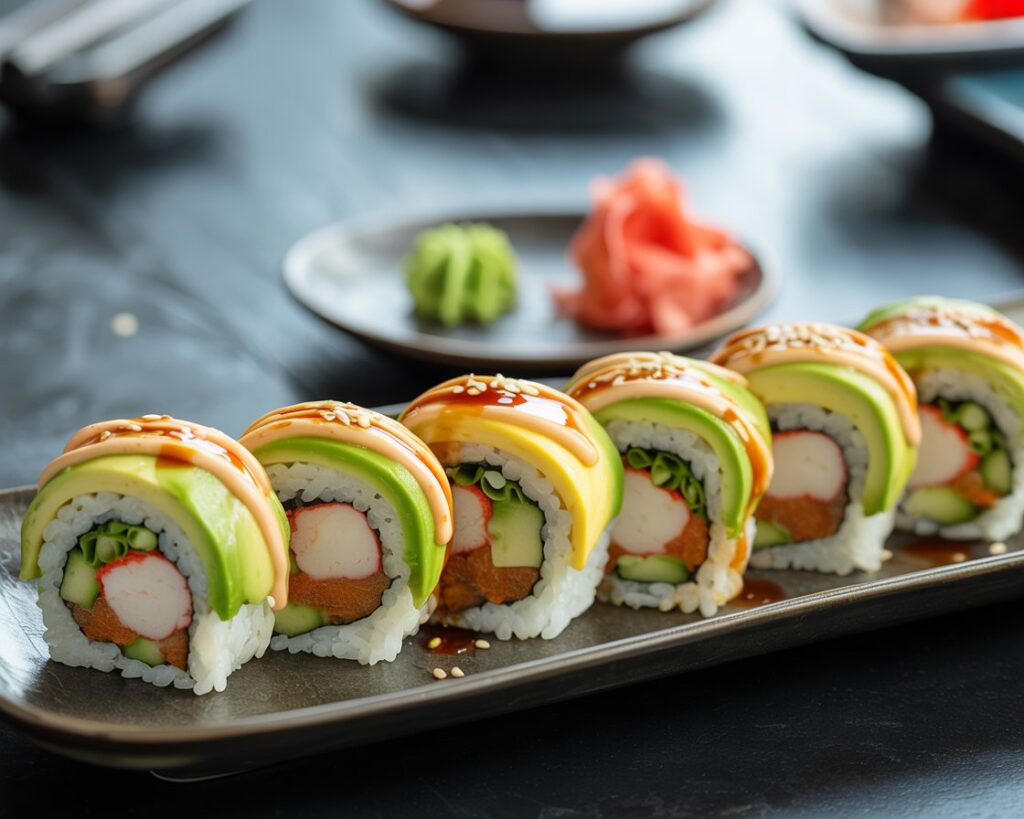
Even the most confident home cooks run into a few bumps when they’re just starting out with sushi. Here’s a handy FAQ section that tackles the most common issues beginners face with the spicy California roll—plus quick solutions that actually work.
How to Fix a Roll That Falls Apart
If your sushi roll keeps unraveling or won’t stay tight, don’t panic—this is one of the most common issues and it’s very fixable.
Tips to rescue your roll:
- Use less rice: Too much rice creates bulk and makes rolling difficult.
- Don’t overfill: Stick to a thin line of filling across the center—less is more here.
- Seal it properly: Use a strip of water-moistened rice near the edge of the nori to “glue” it shut.
- Chill before slicing: Wrap your finished roll in plastic wrap and pop it in the fridge for 5–10 minutes. This firms it up and makes cutting easier.
If the roll still falls apart, serve it “deconstructed” in a bowl—sushi bowls are trendy and delicious, and no one will know it was an accident!
What to Do If Your Roll Is Too Spicy
Went a little heavy-handed with the spicy mayo or sriracha? Here’s how to dial it back without tossing your roll.
Quick fixes:
- Pair each bite with extra avocado or cucumber slices to mellow the heat.
- Add a drizzle of sweet soy glaze or eel sauce on top to balance spice with a bit of sweetness.
- Serve with a side of pickled ginger to cleanse the palate between bites.
And for next time, mix your spicy mayo in a separate bowl and taste-test before spreading—it’s easier to control than adding heat directly to the roll.
How to Store Leftover Rolls Without Losing Freshness
Leftover sushi can be tricky, especially when it involves ingredients like mayo and avocado. Still, you can stretch your spicy California roll into the next day if you do it right.
Storage tips:
- Wrap the roll tightly in plastic wrap to prevent it from drying out.
- Place in an airtight container in the fridge.
- Eat within 24 hours—after that, texture and flavor decline quickly.
Avoid freezing—the rice becomes mushy and the nori turns chewy. If the avocado browns, just remove that portion and refresh it with a new slice before serving.
Pro tip: If you’re making rolls ahead of time, wait to add the spicy mayo topping until just before serving for best texture.
Wrapping Up Your Spicy California Roll Journey
Making the spicy California roll at home is not only delicious but also a fun way to dive into sushi crafting without the intimidation of raw fish. With the tips, variations, and troubleshooting tricks shared here, you’re well on your way to mastering this flavorful favorite.
To elevate your meal even further, try pairing your spicy California roll with a refreshing miso soup recipe from our site — it complements the roll’s flavors perfectly and makes for a balanced dining experience.
For more sushi inspiration, check out this helpful guide on how to make classic California rolls, which is a great step before experimenting with spice.