
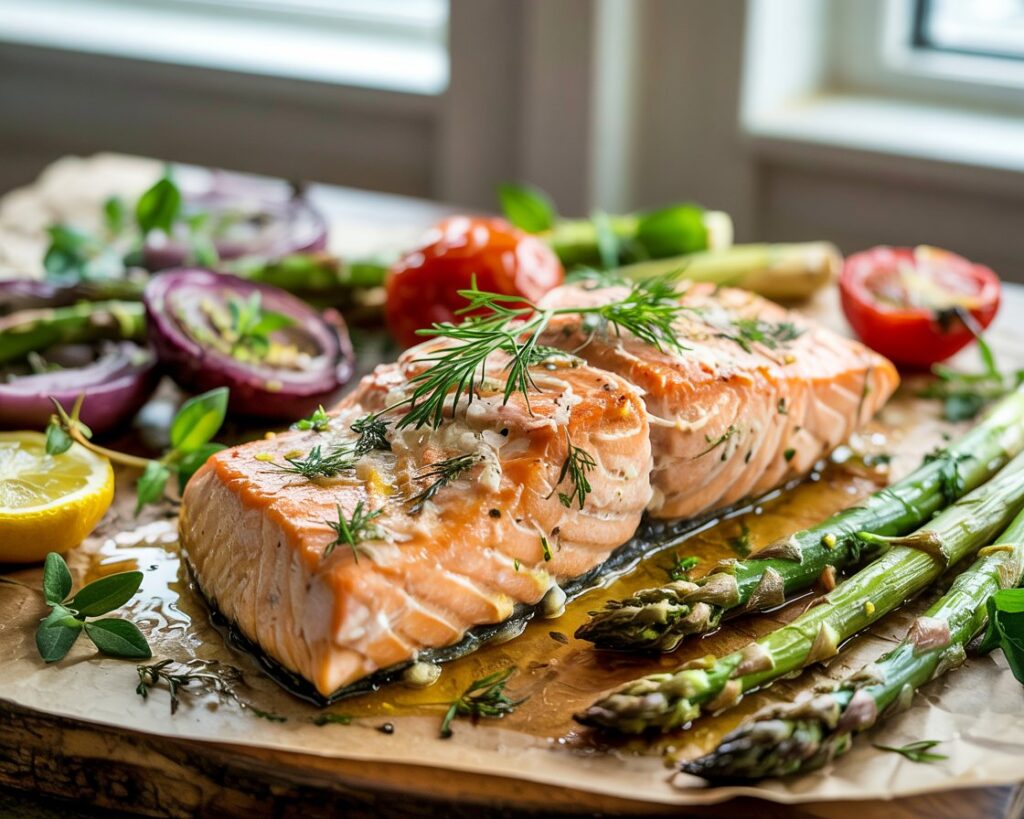
Sheet Pan Salmon is the ultimate answer when you’re craving a quick, healthy, and flavor-packed dinner without spending hours in the kitchen. This easy salmon recipe brings together tender baked salmon, crisp roasted vegetables, and vibrant flavors — all cooked conveniently on a single pan for easy cleanup. Whether you’re a busy parent, a meal-prep enthusiast, or simply someone who loves simple salmon recipes, this dish will quickly become your weeknight favorite. Plus, with endless flavor variations and healthy side dish options, this sheet pan dinner is as versatile as it is delicious. Let’s dive into how you can whip up a restaurant-quality meal in just about 30 minutes!
Why Sheet Pan Salmon Is the Perfect Quick Dinner
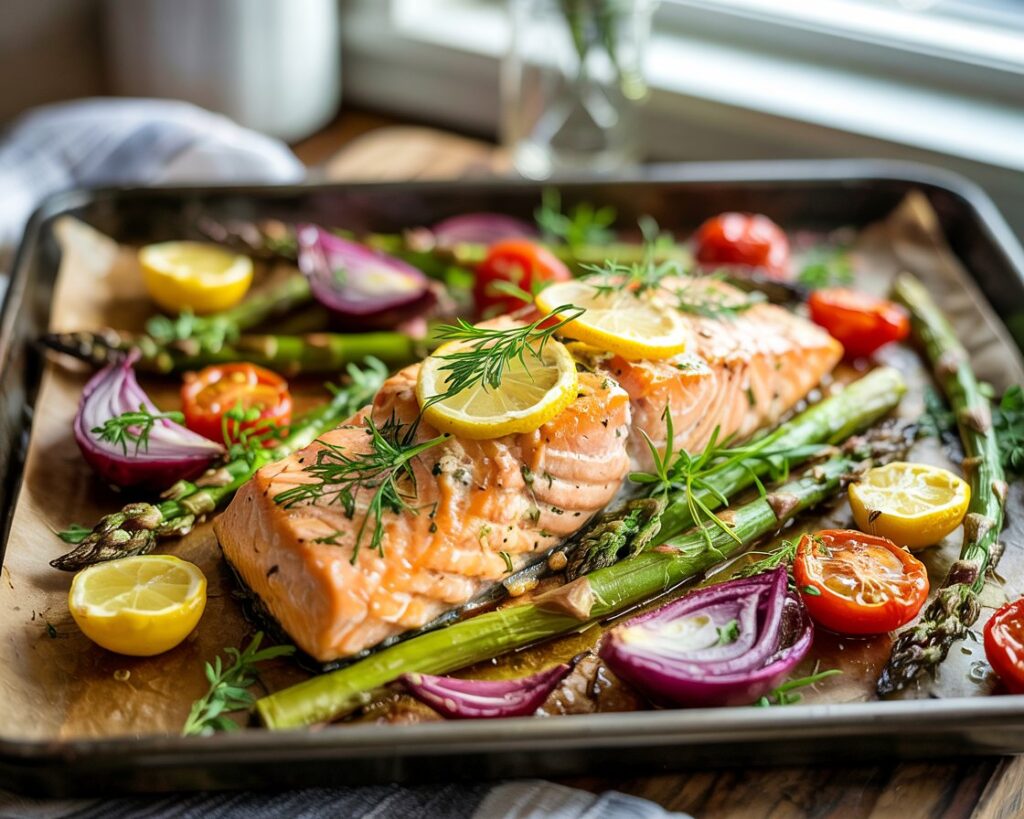
A One-Pan Wonder
One of the biggest reasons sheet pan salmon has become a go-to dinner is its simplicity. Everything — from the salmon fillets to the vegetables — cooks together on one baking sheet, meaning minimal dishes and effortless cleanup. There’s no need for multiple pots, pans, or complicated steps. Just season, arrange, and bake. It’s the perfect choice for anyone who wants a delicious home-cooked meal without a pile of dishes waiting afterward.
Fast Cooking Without Sacrificing Flavor
Salmon’s natural ability to cook quickly makes it ideal for busy weeknights. Unlike tougher proteins that need long marinating or slow roasting, salmon becomes perfectly tender and flaky in just about 12 to 20 minutes in the oven. Even better, its rich, buttery flavor intensifies as it roasts alongside seasoned vegetables, so you never have to compromise taste for speed. With sheet pan salmon, you get a meal that’s both quick and packed with incredible flavor.
Versatile for Any Diet
Whether you’re following a low-carb, keto, Mediterranean, or just a generally healthy eating plan, sheet pan salmon easily fits into your lifestyle. Salmon itself is naturally rich in omega-3 fatty acids, high in protein, and low in carbs, making it a smart choice for a variety of diets. Pair it with non-starchy vegetables like asparagus, broccoli, or Brussels sprouts, and you have a balanced, nutrient-dense dinner that supports your health goals without sacrificing satisfaction.
Essential Ingredients for a Flavorful Sheet Pan Salmon
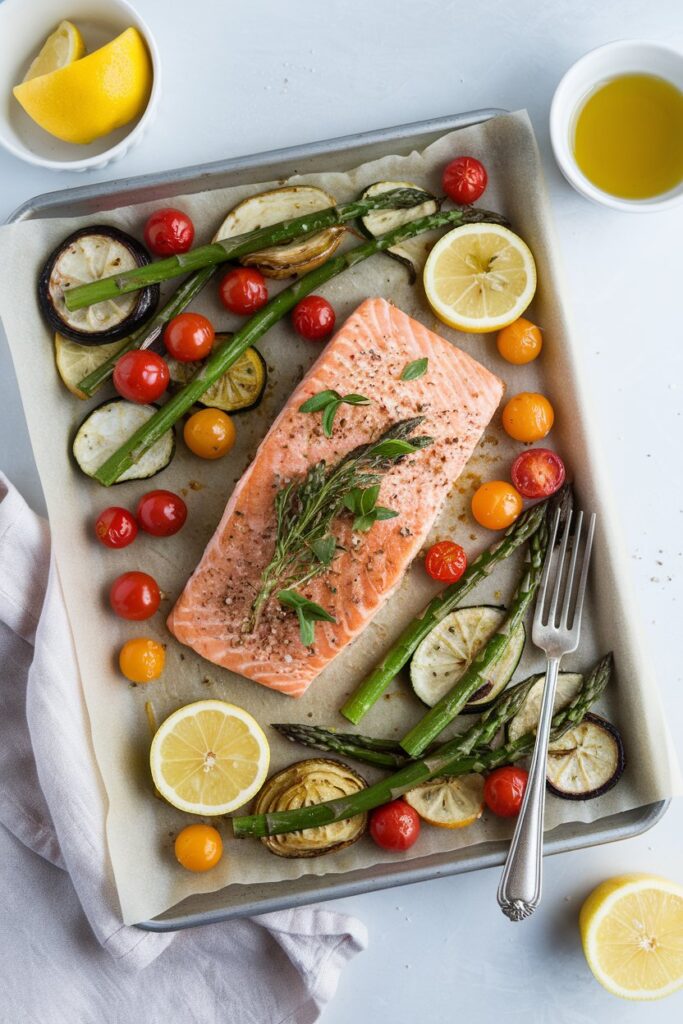
When preparing a delicious sheet pan salmon, using the right combination of ingredients is key to achieving the perfect balance of flavor and texture. Fortunately, the list of ingredients is simple, and most are likely already in your kitchen. Below, we break down the essential ingredients and their purposes, along with some substitution options for customization.
Table: Ingredients List (with Notes for Substitutes or Add-ons)
| Ingredient | Purpose | Substitution Ideas |
|---|---|---|
| Salmon fillets (Atlantic or Pacific) | Main protein – the heart of the dish, rich in omega-3 fatty acids and protein. | Trout, cod, or other white fish can be used if preferred. |
| Olive oil | Adds moisture and enhances flavor, helping the salmon cook evenly. | Avocado oil or coconut oil can work as alternatives. |
| Fresh lemon | Provides acidity and brightness that complements the richness of the salmon. | Lime or even a splash of white wine can be used for a slight variation. |
| Garlic cloves | Deepens flavor and adds a savory touch. | Garlic powder or shallots can provide a different but effective flavor. |
| Fresh herbs (dill, parsley) | Adds aromatic flavors that pair perfectly with salmon. | Thyme, rosemary, or basil are great substitutes. |
| Vegetables (broccoli, asparagus) | Roasted sides that offer a contrast in texture and color. | Zucchini, carrots, or green beans work well and bring different textures and colors. |
| Sea salt & black pepper | Essential for basic seasoning. | Herb blends or garlic salt for an added twist. |
| Dijon mustard & honey (optional glaze) | Creates a sweet-tangy glaze that enhances the salmon’s flavor. | Maple syrup or a mixture of soy sauce and brown sugar can give a different, savory-sweet taste. |
Additional Notes:
- Substitutions: Don’t hesitate to experiment with different oils or herbs depending on what’s available or your flavor preferences. For example, if you’re cooking for a crowd with different dietary needs, try swapping olive oil for a nut oil, or using a different vegetable depending on what’s in season.
- Optional Add-ons: Feel free to add a sprinkle of red pepper flakes for a bit of heat, or a handful of cherry tomatoes for a juicy pop of flavor as the salmon bakes.
Choosing the Best Salmon for Sheet Pan Recipes
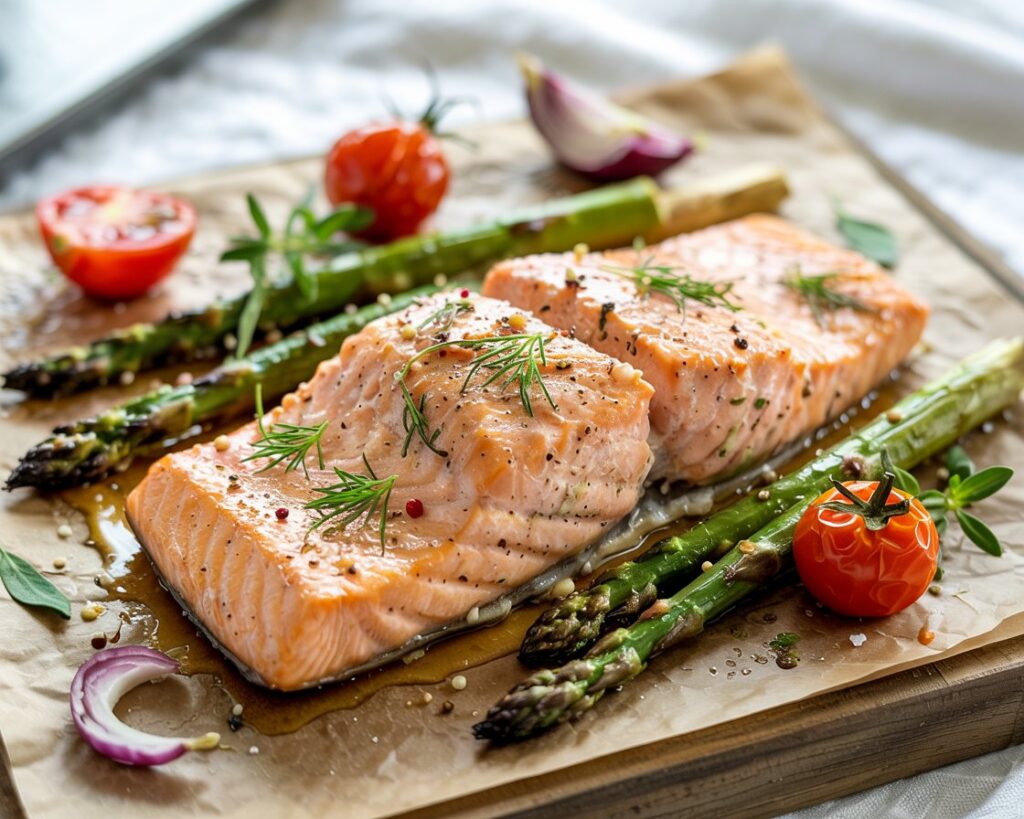
When it comes to making a delicious sheet pan salmon, choosing the right type of salmon is essential. The quality of your salmon will directly affect the taste, texture, and overall enjoyment of the meal. In this section, we’ll explore the differences between farmed and wild salmon, how to select fresh salmon, and whether frozen salmon is a viable option.
Farmed vs. Wild Salmon: What’s Better for Baking?
When selecting salmon, one of the first decisions is whether to go for wild-caught or farmed salmon. Both have their advantages, and the choice often depends on personal preference.
- Wild Salmon: Known for its rich flavor and firm texture, wild salmon is typically leaner with a lower fat content compared to its farmed counterpart. It has a slightly more pronounced fishy taste, which some people prefer. Wild salmon is often considered the healthier option due to its diet of natural food sources like krill and plankton.
- Farmed Salmon: This variety tends to be more widely available and often cheaper than wild salmon. Farmed salmon is fattier, which makes it tender and juicy. The higher fat content can help the fish stay moist during baking, making it a great option for sheet pan recipes where the fish is paired with vegetables. However, some people may find the flavor less intense than wild salmon.
Which is better for baking? Both types of salmon bake well, but if you prefer a richer, juicier fish, farmed salmon may be your choice. For those seeking a leaner, more distinct flavor, wild salmon is ideal.
How to Select Fresh Salmon at the Store
Selecting the freshest salmon is key to achieving the best taste and texture in your sheet pan salmon dish. Here are some tips to help you choose the freshest possible salmon:
- Look for Bright, Vibrant Color: Fresh salmon should have a vibrant, reddish-pink hue. Avoid salmon that looks dull or has an off-color (like brownish or grayish edges).
- Smell: Fresh salmon should have a clean, ocean-like smell, not a strong or fishy odor. A strong fishy smell is often a sign that the fish is past its prime.
- Firmness: Press your finger gently into the flesh of the salmon. It should bounce back immediately. If the flesh remains indented, the salmon is not fresh.
- Check for Clear Eyes (if buying whole salmon): If you’re purchasing a whole fish, the eyes should be clear and slightly bulging. Cloudy or sunken eyes indicate the fish is no longer fresh.
- Packaging: If buying pre-packaged salmon, ensure there is no excess liquid in the packaging, which could be a sign of thawed fish or poor storage.
Can You Use Frozen Salmon? Tips for Thawing Properly
Frozen salmon can be a great alternative if fresh salmon isn’t available, or if you’re looking for a more affordable option. Here’s how to properly thaw frozen salmon to maintain its quality and texture:
- Thaw Slowly in the Refrigerator: The best way to thaw frozen salmon is by placing it in the fridge for several hours or overnight. This slow thawing method helps preserve the texture and flavor of the fish.
- Quick Thawing (If You’re in a Rush): If you don’t have time for overnight thawing, place the salmon in a sealed plastic bag and submerge it in cold water for about 30 minutes. Do not use warm water, as this can begin to cook the salmon and negatively affect its texture.
- Never Thaw at Room Temperature: Thawing frozen salmon at room temperature can allow harmful bacteria to grow, so it’s always best to stick to fridge or water methods.
- Bake Straight from Frozen: In some cases, you can bake frozen salmon directly in the oven without thawing. Just be sure to add a few extra minutes to the cooking time to ensure it cooks through.
Step-by-Step Guide to Making Easy Sheet Pan Salmon

Making a delicious sheet pan salmon is easier than you might think. Follow these simple steps to create a quick, flavorful dinner that’s perfect for busy weeknights or a healthy meal prep. Each step, from prepping your ingredients to cooking the salmon to perfection, will ensure you achieve that perfect balance of flavors and textures. Let’s break it down.
Prepping Your Salmon and Vegetables
Proper preparation is the foundation of a great sheet pan salmon meal. Here’s how to get everything ready:
- Salmon: If you’re using fresh salmon, remove it from the packaging and gently pat it dry with paper towels. This helps to remove excess moisture, ensuring the salmon will bake to a crisp, golden perfection. If you’re using frozen salmon, make sure it’s fully thawed before starting. For an even cooking process, you can cut the fillets into uniform pieces.
- Vegetables: Choose vegetables that roast well and complement the flavor of the salmon. Popular options include broccoli, asparagus, brussels sprouts, or even sweet potatoes. Chop them into uniform pieces to ensure even cooking. Toss them in olive oil, salt, and pepper (or any seasoning you prefer) before placing them on the baking sheet.
Seasoning Secrets: Simple Yet Flavorful
Seasoning is key to enhancing the natural flavors of the salmon and vegetables. For a quick and simple approach, follow these tips:
- Salmon: Drizzle the salmon fillets with olive oil and season with salt and pepper. You can also add a squeeze of fresh lemon for brightness and a sprinkle of fresh herbs like dill or parsley for extra aroma.
- Optional Glaze: If you prefer a little more complexity, mix Dijon mustard and honey to create a sweet-tangy glaze. Brush this mixture on the salmon before roasting to add an irresistible layer of flavor.
- Vegetables: Toss your veggies with olive oil, salt, and pepper, and any other spices you enjoy. Garlic powder, onion powder, and paprika are excellent choices to bring out the flavors.
Perfect Sheet Pan Setup: Foil, Parchment, or Bare?
When preparing your sheet pan salmon, the right setup ensures your meal is cooked evenly and makes cleanup easier. Here’s a quick guide:
- Foil: If you prefer easy cleanup, use aluminum foil to line your baking sheet. The foil will catch any drips from the fish and vegetables, making cleanup a breeze.
- Parchment Paper: This is another great option for non-stick cooking and easy cleanup. It allows for a more even cooking process and prevents sticking, which is especially useful if you’re not using oil.
- Bare: If you don’t mind some extra cleanup, baking directly on the sheet without lining it can give your sheet pan salmon a crispy exterior.
Cooking Time and Temperature
Cooking sheet pan salmon is all about timing and temperature. The key is to roast the salmon at a high temperature to achieve that beautiful, caramelized finish while keeping the fish tender and flaky. Here’s the perfect temperature and how to adjust based on the thickness of your fillet:
How Long to Bake Salmon? (Time vs. Thickness Guide)
| Salmon Thickness | Baking Temperature | Baking Time |
|---|---|---|
| 1/2 inch | 400°F (200°C) | 10-12 mins |
| 1 inch | 400°F (200°C) | 14-16 mins |
| 1.5 inches | 400°F (200°C) | 18-20 mins |
Note: The thinner the salmon, the less time it will need to cook. Keep an eye on it as it bakes, especially for thicker fillets, to avoid overcooking.
How to Tell When Salmon Is Perfectly Cooked
Determining when salmon is cooked perfectly can be tricky, but with the right visual cues and thermometer tips, you’ll know exactly when it’s done:
- Visual Clues: The salmon will begin to flake easily with a fork when it’s cooked. The color should be opaque and slightly pink in the center, which indicates the fish is perfectly cooked.
- Thermometer Tips: The most reliable way to check for doneness is to use a food thermometer. Insert the thermometer into the thickest part of the salmon, and if it reads between 125°F and 130°F (51°C – 54°C), the salmon is ready to serve. For a firmer texture, cook it until the internal temperature reaches 140°F (60°C).
By following these easy steps, you’ll achieve perfectly baked sheet pan salmon with roasted vegetables, all in under 30 minutes. You can now enjoy a quick, healthy, and flavorful meal without the hassle.
Best Vegetables to Roast with Sheet Pan Salmon
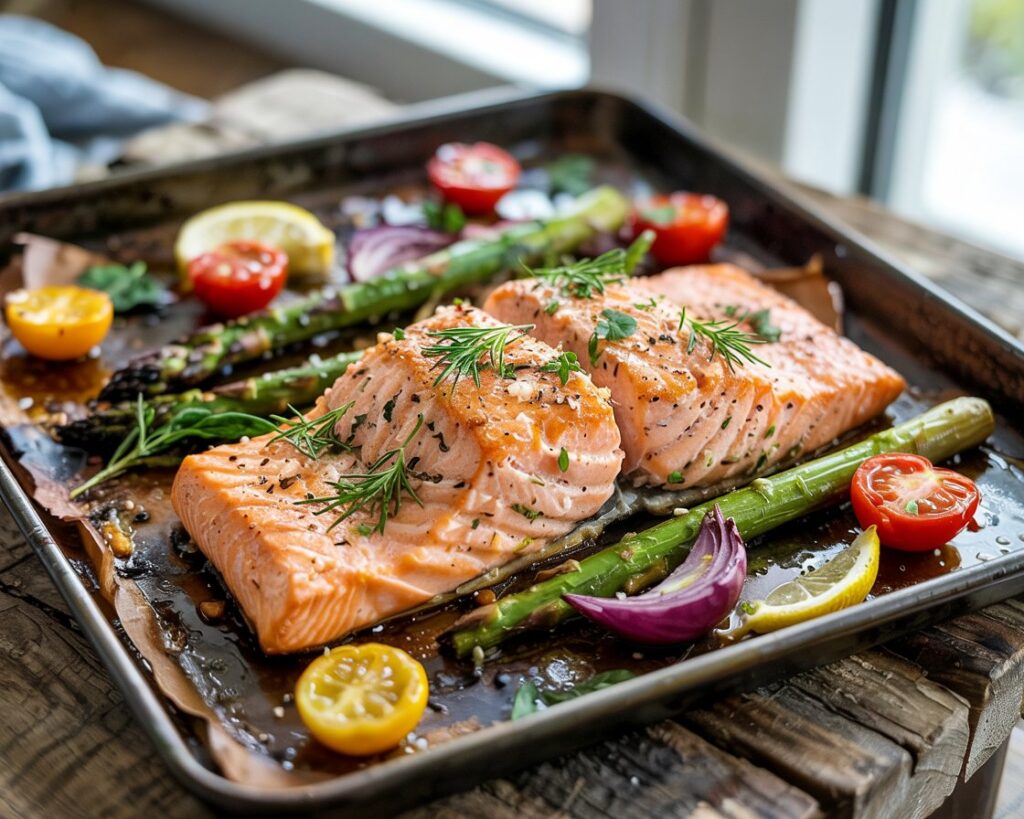
When preparing a sheet pan salmon dinner, the vegetables you choose can elevate the dish and provide a well-rounded meal. The right vegetables not only complement the salmon’s flavor but also add color, texture, and nutrients. Here’s a guide to the best vegetables to roast alongside your salmon, along with tips on preparing them for the perfect bake.
Top Picks for Roasting
Some vegetables are especially well-suited for roasting with sheet pan salmon because they cook at the same rate and absorb the flavors from the fish. These top picks are easy to prep and perfect for your one-pan meal.
- Asparagus: A classic vegetable to pair with salmon, asparagus roasts quickly and adds a fresh, crisp texture. The mild flavor complements the richness of the salmon, making it a go-to choice for sheet pan recipes.
- Broccoli: Broccoli florets are great for roasting as they become tender and slightly caramelized, with a nutty flavor that pairs wonderfully with salmon. They also hold up well to high heat, making them ideal for a sheet pan meal.
- Brussels Sprouts: When roasted, Brussels sprouts develop a crispy exterior and a sweet, caramelized flavor. Their slightly bitter taste balances the richness of the salmon, making them a perfect side for this dish.
- Carrots: Carrots roast beautifully, becoming tender and sweet. Their earthy flavor pairs nicely with the savory salmon, and they add a splash of color to the sheet pan.
Vegetables That Might Need Pre-Cooking
Some denser vegetables require a little more attention before roasting with sheet pan salmon. If you’re planning to use these vegetables, consider pre-cooking them to ensure they cook evenly and don’t become too tough.
- Sweet Potatoes: While sweet potatoes can be roasted with salmon, they often need a little extra time to soften. For best results, cut them into smaller cubes or slices and pre-cook them (either by microwaving or parboiling) before adding them to the sheet pan. This will ensure they cook at the same rate as the salmon.
- Dense Root Veggies (e.g., Beets, Turnips, Parsnips): Root vegetables like beets or parsnips have a dense texture that takes longer to soften when roasted. Pre-cooking these veggies by steaming or boiling them before placing them on the sheet pan with the salmon ensures they don’t remain undercooked.
Flavor Combinations that Work Well Together
Pairing sheet pan salmon with the right flavors can make all the difference. Here are some tried-and-true flavor combinations that work beautifully together:
- Lemon + Asparagus + Dill: The zesty brightness of lemon complements the fresh, green taste of asparagus, while dill enhances the natural flavors of both the salmon and the vegetables. A squeeze of lemon over the dish before serving brings everything together.
- Garlic + Brussels Sprouts + Thyme: The earthy bitterness of Brussels sprouts pairs perfectly with the savory aroma of garlic and the woodsy flavor of thyme. These herbs and spices help balance the rich, oily texture of the salmon.
- Honey + Carrots + Rosemary: The sweetness of honey complements the natural sugars in carrots, while rosemary adds a fragrant, piney note. This combination works especially well when you’re adding a honey glaze to your salmon.
- Balsamic Vinegar + Broccoli + Sage: The tanginess of balsamic vinegar enhances the sweetness of broccoli, and sage adds a slightly peppery, earthy flavor that pairs well with the roasted salmon. A drizzle of balsamic glaze just before serving ties everything together.
Flavor Variations You Can Try
The beauty of sheet pan salmon lies in its versatility. By simply changing the seasoning or adding a glaze, you can create an entirely new flavor profile. Whether you crave something tangy, spicy, or sweet, these flavor variations will elevate your meal to new heights. Here are some exciting options to try.
Lemon Garlic Butter Sheet Pan Salmon
If you love bright, zesty flavors, this lemon garlic butter variation is the perfect choice. The combination of fresh lemon and rich garlic butter enhances the natural flavors of the salmon while keeping it tender and juicy. The butter adds richness, and the lemon provides a refreshing burst of citrus.
- Key Ingredients: Butter, garlic, lemon, parsley, salt, and pepper.
- Flavor Profile: Bright, savory, and buttery.
This flavor combination works exceptionally well when paired with vegetables like asparagus, broccoli, or Brussels sprouts, which all benefit from the tangy lemon and savory garlic.
Maple Dijon Glazed Sheet Pan Salmon
For a sweet-tangy twist, the maple Dijon glaze brings a delightful contrast to the rich salmon. The combination of maple syrup and Dijon mustard creates a sweet, mustardy glaze that caramelizes as it bakes, giving your sheet pan salmon a beautiful golden finish.
- Key Ingredients: Maple syrup, Dijon mustard, garlic, olive oil, salt, and pepper.
- Flavor Profile: Sweet, tangy, and slightly spicy.
This variation pairs perfectly with roasted carrots, sweet potatoes, and Brussels sprouts, as the sweetness of the glaze complements the natural sugars in these vegetables.
Spicy Cajun Sheet Pan Salmon
If you’re a fan of bold, spicy flavors, the Cajun seasoning will add the perfect amount of heat to your sheet pan salmon. This spice blend, which typically includes paprika, garlic powder, cayenne pepper, and thyme, creates a smoky, flavorful crust on the salmon.
- Key Ingredients: Cajun seasoning, paprika, garlic powder, cayenne pepper, olive oil, and lemon.
- Flavor Profile: Smoky, spicy, and savory.
Pair this spicy Cajun salmon with cooling vegetables like zucchini, broccoli, or a simple green salad to balance out the heat.
Asian-Inspired Teriyaki Sheet Pan Salmon
For an Asian-inspired twist, try a teriyaki glaze on your sheet pan salmon. The sweet, savory flavors of teriyaki sauce combined with ginger and garlic create a mouthwatering glaze that will perfectly complement your salmon.
- Key Ingredients: Teriyaki sauce, ginger, garlic, soy sauce, sesame oil, and green onions.
- Flavor Profile: Sweet, savory, and aromatic.
Pair this flavor with broccoli, snap peas, or asparagus to create a complete Asian-inspired meal that’s full of vibrant colors and flavors.
| Flavor | Key Ingredients |
|---|---|
| Lemon Garlic Butter | Butter, garlic, lemon, parsley, salt, and pepper |
| Maple Dijon Glazed | Maple syrup, Dijon mustard, garlic, olive oil |
| Spicy Cajun | Cajun seasoning, paprika, cayenne pepper, lemon |
| Teriyaki | Teriyaki sauce, ginger, garlic, sesame oil, soy sauce |
These flavor variations offer something for everyone, whether you prefer something tangy, spicy, or sweet. Feel free to experiment with different combinations and tailor the flavors to your taste.
Tips for Making Sheet Pan Salmon Perfect Every Time
Achieving the perfect sheet pan salmon requires a few simple tricks. Whether you’re a beginner or an experienced cook, these tips will help you make a delicious, well-balanced meal that’s easy to prepare. Follow these expert guidelines to ensure your salmon is tender, flavorful, and cooked to perfection.
Don’t Overcrowd the Pan
One of the most common mistakes when making sheet pan salmon is overcrowding the pan. When too many ingredients are packed together, they don’t cook evenly, and the salmon may end up steamed rather than roasted. To avoid this, ensure that there’s enough space between the salmon and the vegetables. This allows the heat to circulate around the food and ensures even cooking.
If you’re making a large batch, consider using two sheet pans or roasting in batches. This will help maintain the crispy texture of both the salmon and vegetables.
Start Vegetables that Take Longer to Cook Before Adding Salmon
Certain vegetables, like sweet potatoes and carrots, take longer to cook than others. To make sure everything is cooked properly and evenly, start roasting these vegetables first. After 10-15 minutes, add the salmon and the quicker-cooking vegetables (like broccoli or asparagus) to the pan. This way, everything finishes cooking at the same time, and you avoid overcooking your fish or undercooking your veggies.
This method ensures that the salmon will come out tender and perfectly cooked, while the vegetables are just the right texture.
Use a Thermometer if Unsure About Doneness
If you’re uncertain whether your sheet pan salmon is cooked through, using a food thermometer is the most accurate way to check. Insert the thermometer into the thickest part of the salmon. The ideal internal temperature for cooked salmon is between 125°F and 130°F. If the thermometer reads within this range, your salmon is perfectly done. If it’s below, give it a few more minutes in the oven.
Using a thermometer takes the guesswork out of cooking, ensuring you get perfectly cooked salmon every time.
Add Fresh Herbs After Baking for Max Flavor
While it’s tempting to toss fresh herbs on the salmon before cooking, adding them after baking will maximize their flavor. Herbs like dill, parsley, rosemary, and thyme have delicate flavors that can lose their potency if exposed to high heat for too long. After your salmon comes out of the oven, sprinkle a generous handful of fresh herbs on top to enhance the flavor and add a touch of color to your dish.
Not only will this make your dish more aromatic, but it will also preserve the vibrant flavors of the herbs, adding a fresh, herby finish.
Common Mistakes to Avoid When Cooking Sheet Pan Salmon
While making sheet pan salmon is a straightforward process, there are a few common mistakes that can affect the final result. To help you avoid them, here’s a rundown of what to watch out for, ensuring you get the best possible outcome every time.
Overcooking the Salmon
One of the biggest mistakes when cooking sheet pan salmon is overcooking it. Overcooked salmon becomes dry, tough, and loses its delicate texture. To avoid this, keep a close eye on the cooking time. Remember, salmon continues to cook a little bit even after you take it out of the oven, so it’s best to remove it when the internal temperature is around 125°F to 130°F (or when it flakes easily with a fork).
If you’re unsure about doneness, using a food thermometer is the most reliable way to ensure your salmon is cooked just right. Undercooked salmon is safe to eat, as long as it has reached a safe internal temperature, but overcooked salmon is a different story, resulting in a disappointing meal.
Not Preheating the Oven Properly
Not preheating your oven is a common oversight, especially when you’re trying to rush through dinner. However, starting with an oven at the right temperature is crucial to ensure that the sheet pan salmon cooks evenly. If the oven is too cool, the fish and vegetables might cook too slowly, which can lead to uneven textures and less flavor.
Be sure to preheat your oven to the desired temperature (400°F or 200°C) before you place your sheet pan salmon inside. This ensures that the food roasts quickly and evenly, allowing for a crisp, golden-brown exterior and a tender, flaky interior.
Using Wet Vegetables (Leading to Steaming, Not Roasting)
Vegetables that are wet when added to the sheet pan will release moisture as they cook, which leads to steaming rather than roasting. This results in soggy vegetables and a less appetizing texture. To avoid this, make sure to pat your vegetables dry before placing them on the sheet pan. You can even toss them in a paper towel to remove excess moisture.
Additionally, try to use vegetables that can handle roasting without getting overly soggy. For example, asparagus, brussels sprouts, and broccoli hold up well in the oven, while denser veggies like sweet potatoes and carrots may need to be pre-cooked to ensure they don’t release too much water.
Skipping the Oil (Risk of Dry Salmon)
Another mistake to avoid when making sheet pan salmon is skipping the oil. Olive oil (or your preferred oil) is essential for ensuring that the salmon remains moist during cooking. Without oil, your salmon could become dry and lack the richness it needs.
Before baking, lightly coat the salmon fillets with oil, as well as the vegetables. The oil not only helps prevent the fish from drying out but also encourages caramelization of the vegetables, giving them a deliciously crispy edge. If you’re looking for extra flavor, you can also drizzle a little garlic butter or lemon juice on top for a finishing touch.
Meal Prep with Sheet Pan Salmon: Save Time All Week
One of the best things about sheet pan salmon is how easy it is to prep ahead of time. If you’re looking for ways to save time during the week while still enjoying a healthy and delicious meal, meal prepping with sheet pan salmon is an excellent strategy. Here’s how you can incorporate it into your meal prep routine, plus some tips on storage and freezing.
How to Portion for Lunchboxes
If you’re planning to use sheet pan salmon for lunch throughout the week, portioning it into individual servings is a great way to stay organized. After your salmon has finished cooking, let it cool slightly before dividing it into portions. Here are some tips for proper meal prep portioning:
- Salmon fillets: A standard portion of salmon is about 3-4 ounces per person. For lunchboxes, aim to portion each serving into individual containers with a side of vegetables.
- Vegetables: Pair each salmon portion with roasted vegetables like asparagus, broccoli, or zucchini. Make sure to divide the veggies evenly into the containers to maintain a balanced meal.
- Add-ons: For variety, consider adding a small portion of rice, quinoa, or sweet potato to your meal prep containers.
Tip: To keep the meal fresh, store your salmon and vegetables in separate containers to prevent sogginess. When you’re ready to eat, simply reheat everything together for a quick and nutritious lunch.
How Long Baked Salmon Lasts in the Fridge
When it comes to storing your sheet pan salmon in the fridge, proper storage is key to ensuring it stays fresh. Baked salmon can last in the fridge for 3-4 days when stored in an airtight container. Make sure to let the salmon cool completely before refrigerating it to avoid condensation inside the container.
To keep it tasting its best, consume your leftover salmon within this timeframe. After that, the texture and flavor may start to degrade.
Can You Freeze Sheet Pan Salmon? (Answer: Yes — Tips Included)
Yes, you can freeze sheet pan salmon! Freezing your leftovers is an excellent way to preserve them for a longer period, so you always have a healthy meal on hand. Here’s how to do it:
- Step 1: Let your sheet pan salmon cool completely after cooking.
- Step 2: Wrap the salmon fillets tightly in plastic wrap or place them in freezer-safe bags. Be sure to remove as much air as possible to prevent freezer burn.
- Step 3: Label the bag with the date, so you know when it was frozen.
Frozen salmon can be stored for up to 2-3 months. When you’re ready to eat it, simply defrost the salmon overnight in the fridge, or you can reheat it straight from the freezer by baking it at a lower temperature (around 275°F or 135°C) until heated through.
Tip: To prevent the salmon from becoming dry after freezing, consider reheating it with a little drizzle of oil or butter to retain moisture.
With these meal prep tips, sheet pan salmon can be a great solution for busy weeknights, giving you a healthy, easy-to-make dish that’s just as delicious as it is convenient. Meal prepping with salmon ensures that you have nourishing meals ready to go throughout the week, saving you time while still allowing you to enjoy a fresh, home-cooked meal.
What to Serve with Sheet Pan Salmon
While sheet pan salmon is a flavorful and complete meal on its own, pairing it with the right sides can elevate the dish even further. Whether you’re looking for simple sides or something a little more special, there are plenty of options to complement your salmon. Here are some ideas for sides, sauces, and wine pairings to make your meal even more delicious.
Easy Side Dish Ideas
To make your sheet pan salmon a full, balanced meal, consider pairing it with a side dish that complements its flavors. Here are some simple and tasty options that pair beautifully with salmon:
- Quinoa: This protein-packed grain is a great match for salmon. Its light, fluffy texture soaks up the flavors of the salmon and vegetables, creating a satisfying combination. You can even add some fresh herbs or lemon zest to the quinoa for extra flavor.
- Couscous: Couscous cooks quickly and has a mild flavor that pairs well with roasted salmon. Try adding a drizzle of olive oil and a squeeze of lemon for an extra burst of flavor.
- Garlic Rice: A simple side like garlic rice brings a savory base to your meal. The richness of the garlic complements the delicate flavors of the salmon, making it a classic pairing.
If you want to add more variety, you can also try roasted sweet potatoes, mashed cauliflower, or even a refreshing cucumber salad.
Sauces to Elevate the Dish
A flavorful sauce can take your sheet pan salmon to the next level. Here are a few easy-to-make sauces that work wonderfully with salmon:
- Tzatziki: This creamy, tangy Greek yogurt sauce made with cucumbers, garlic, and fresh dill adds a refreshing, cool contrast to the warm, savory salmon. It’s the perfect way to brighten up the dish and bring a Mediterranean flair.
- Herb Yogurt Sauce: A light, herb-infused yogurt sauce with fresh parsley, dill, and lemon zest can add a zesty, creamy element to your salmon. It’s an easy sauce that brings extra flavor without overpowering the natural taste of the fish.
- Chimichurri: If you’re looking for something bold and tangy, chimichurri is a great choice. This Argentine sauce made with parsley, garlic, red wine vinegar, and olive oil provides a herby, slightly spicy kick that pairs beautifully with salmon.
These sauces add layers of flavor and can turn your sheet pan salmon into a gourmet meal with just a few extra steps.
Wine Pairings for Salmon Dinners
When it comes to pairing salmon with wine, you’ll want to choose something that complements the richness of the fish without overpowering it. Here are some great wine pairing options for your sheet pan salmon dinner:
- Chardonnay: A classic white wine that pairs well with salmon, especially if the dish includes creamy sauces like tzatziki or herb yogurt sauce. A lightly oaked Chardonnay adds a rich, buttery note that enhances the natural flavor of the salmon.
- Pinot Noir: If you prefer red wine, Pinot Noir is an excellent choice for salmon. This red wine is light and fruity, with soft tannins that won’t overwhelm the delicate fish. It pairs especially well with roasted or grilled salmon.
- Sauvignon Blanc: For a crisp and refreshing option, Sauvignon Blanc is ideal. Its bright acidity and citrusy notes work well with salmon dishes that feature fresh herbs, lemon, or tangy sauces like chimichurri.
These wines will enhance the flavors of the salmon and create a delightful dining experience.
Frequently Asked Questions (FAQ)
Can I Use Skin-On Salmon?
<details> <summary>Click to view answer</summary> Yes, you can use **skin-on salmon** when making **sheet pan salmon**. In fact, the skin helps to keep the fish moist while it bakes. Plus, it adds flavor and texture. If you prefer crispy skin, place the salmon skin-side up during baking. If you prefer to remove the skin, it’s easy to do after cooking. </details>
Do I Need to Flip the Salmon While Baking?
<details> <summary>Click to view answer</summary> No, you do not need to flip the **salmon** while baking on a sheet pan. **Salmon** cooks evenly from the top and bottom, especially when you bake it at the right temperature. Flipping is unnecessary and might cause the fish to break apart. However, if you like a crispier crust, you can broil the salmon for a couple of minutes at the end. </details>
What Temperature Should Salmon Be Cooked To?
<details> <summary>Click to view answer</summary> The ideal internal temperature for **salmon** is between **125°F (52°C) and 130°F (54°C)** for medium doneness. You can check this using a kitchen thermometer. If you prefer your salmon to be more well-done, you can cook it to **145°F (63°C)**, but be careful not to overcook it, as it can dry out. </details>
How Do I Store Leftovers?
<details> <summary>Click to view answer</summary> After enjoying your **sheet pan salmon**, let it cool completely before storing it in an **airtight container** in the fridge. **Leftover salmon** will stay fresh for up to **3-4 days**. If you want to keep it longer, you can freeze it for **up to 3 months**. Be sure to wrap it tightly to prevent freezer burn. </details>
What’s the Best Way to Reheat Sheet Pan Salmon?
<details> <summary>Click to view answer</summary> The best way to reheat **sheet pan salmon** is to place it in the oven at a low temperature (about **275°F or 135°C**) to avoid drying it out. Reheat for **10-15 minutes**, depending on the thickness of the fillet. You can also use a microwave, but be sure to cover the salmon with a damp paper towel to prevent it from drying out. </details>
Final Thoughts: Why You’ll Love This Easy Sheet Pan Salmon Recipe
This easy sheet pan salmon recipe is the perfect solution for busy weeknights when you want a healthy, delicious meal without spending hours in the kitchen. With minimal prep, quick cooking, and effortless cleanup, you can enjoy a flavorful dinner that’s as convenient as it is nutritious.
From the versatility of flavor variations like lemon garlic butter to maple Dijon glaze, there’s a variation for every taste. Plus, pairing it with simple sides like quinoa, couscous, or garlic rice ensures a balanced meal that’s both filling and satisfying.
Whether you’re sticking with the classic recipe or experimenting with new combinations, the flexibility of sheet pan salmon makes it an ideal dish for all kinds of dietary preferences and meal planning needs. It’s also a great meal prep option, saving you time while giving you the luxury of enjoying a fresh, healthy meal throughout the week.
So, why not give this sheet pan salmon recipe a try? With its ease, speed, and incredible flavor, you’ll quickly see why it’s a go-to for so many home cooks. Don’t hesitate to explore the different variations and make it your own!