
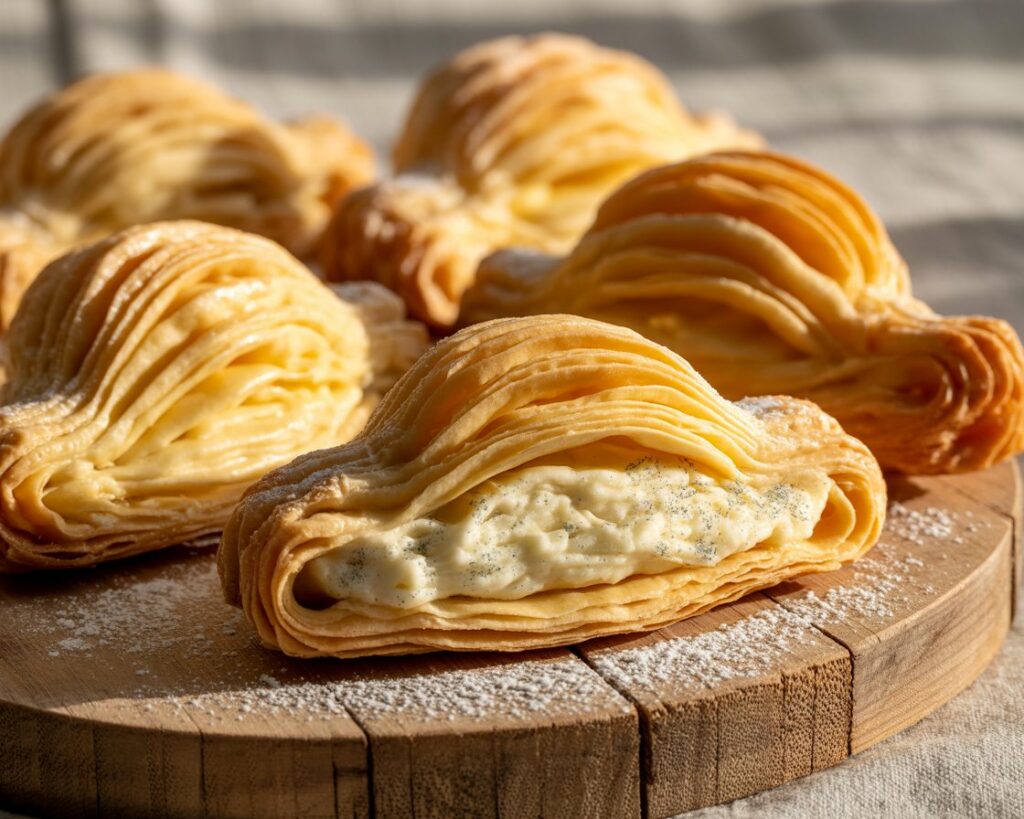
Sfogliatelle Recipe is one of the most iconic Italian pastries you can savor, known for its delicate, crispy layers and rich, flavorful filling. Hailing from Naples, Italy, this beloved dessert comes in two main varieties: Sfogliatelle riccia (curly) and Sfogliatelle frolla (smooth), each with its unique texture and charm. In this guide, we’ll explore the history, secrets, and cultural significance of Sfogliatelle, giving you tips to enjoy it at home or discover the best spots to try it in Naples.
The Fascinating Story of Sfogliatelle
Sfogliatelle is more than just a pastry; it’s a piece of Neapolitan heritage that tells a story of tradition, craftsmanship, and culinary artistry. From its humble beginnings in convent kitchens to its status as a globally admired Italian pastry, the journey of Sfogliatelle reflects the rich history and creativity of Italian cuisine. To truly appreciate this treat, it helps to explore where it comes from and how it has evolved over the centuries.
Origins in Naples, Italy
The story of Sfogliatelle begins in Naples, Italy, in the heart of the Campania region. This pastry has roots that trace back to the 17th century when it was created by nuns in local convents. The name “Sfogliatelle” comes from the Italian word “sfoglia,” meaning “thin layer,” a nod to its signature crispy, layered dough. Initially, it was a treat for special occasions and religious celebrations, but its delicate texture and rich ricotta filling soon made it a favorite across the city. Over time, Sfogliatelle became a staple in Neapolitan bakeries, admired for both its visual appeal and its unique combination of flavors.
Sfogliatelle Through the Ages
Over the centuries, Sfogliatelle evolved into the two main varieties known today: Sfogliatelle riccia and Sfogliatelle frolla. Sfogliatelle riccia features the classic layered, flaky exterior, perfect for those who love a crisp bite. Sfogliatelle frolla, on the other hand, has a smoother, shortcrust-like dough that encases the filling, offering a tender alternative. Each version reflects the pastry’s enduring cultural significance in Italian cuisine, and both continue to be celebrated as symbols of Neapolitan tradition. From local bakeries in Naples to gourmet patisseries worldwide, Sfogliatelle maintains its status as a beloved and iconic Italian pastry.
Understanding the Two Types of Sfogliatelle
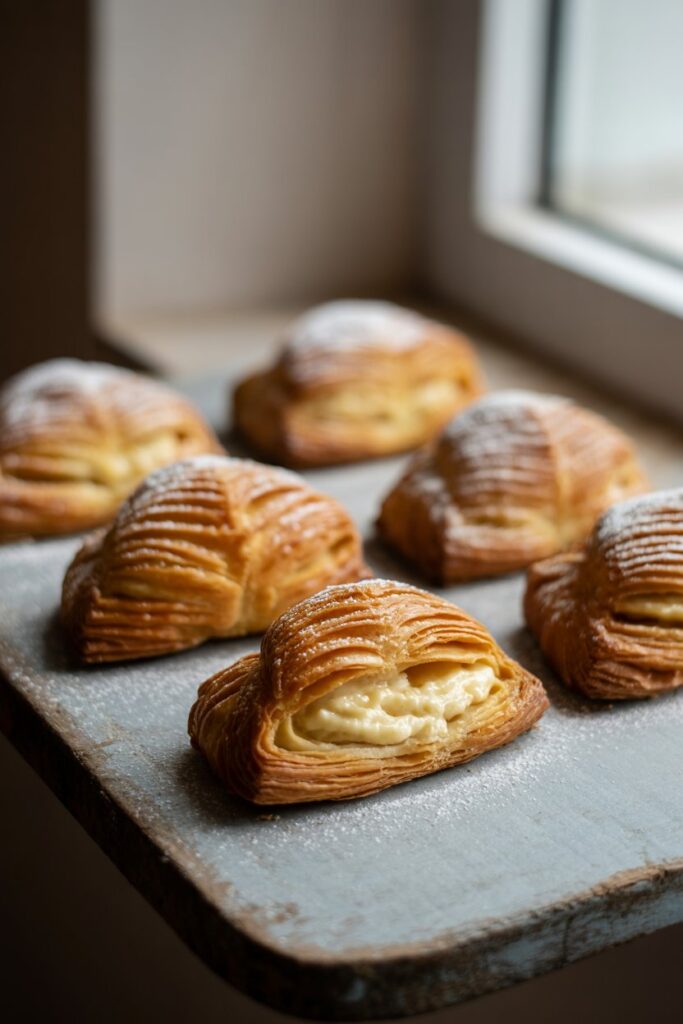
When it comes to Sfogliatelle, there isn’t just one version to enjoy. The pastry has evolved into two distinct types, each offering a unique texture and experience. Understanding the differences between Sfogliatelle riccia and Sfogliatelle frolla will help you appreciate the craftsmanship behind this iconic Italian pastry and guide you in choosing the perfect version for any occasion.
Sfogliatelle Riccia (Curly)
Sfogliatelle riccia is the classic, layered variety that has become synonymous with the name Sfogliatelle. Its signature feature is the delicate, crispy layers of dough, meticulously rolled and folded to create a shell that shatters pleasantly when bitten into. Inside, the pastry is filled with a sweetened ricotta mixture, often accented with candied citrus peel or a hint of vanilla. This version is perfect for special breakfasts, afternoon treats, or impressing guests at a brunch, offering both visual appeal and a satisfying crunch.
Sfogliatelle Frolla (Smooth)
In contrast, Sfogliatelle frolla features a smooth, shortcrust-like dough that encases the filling in a tender, buttery exterior. While it doesn’t have the layered crispiness of riccia, it delivers a soft and delicate bite with the same flavorful ricotta filling. This version pairs beautifully with coffee, tea, or dessert wine, making it ideal for more relaxed occasions or for those who prefer a gentler texture. Both riccia and frolla showcase the versatility of Sfogliatelle while highlighting different aspects of Italian pastry craftsmanship.
Optional Table: Riccia vs Frolla Comparison
| Feature | Sfogliatelle Riccia (Curly) | Sfogliatelle Frolla (Smooth) |
|---|---|---|
| Texture | Crispy, flaky layers | Soft, tender crust |
| Filling | Sweet ricotta with citrus zest | Sweet ricotta, often smoother |
| Baking Technique | Layered, laminated dough | Shortcrust-style dough |
| Origin/History | Traditional Neapolitan style | Later adaptation for smoother pastry |
| Best Occasion | Breakfast, brunch, special treats | Coffee breaks, dessert, casual snack |
Ingredients That Make Sfogliatelle Truly Italian
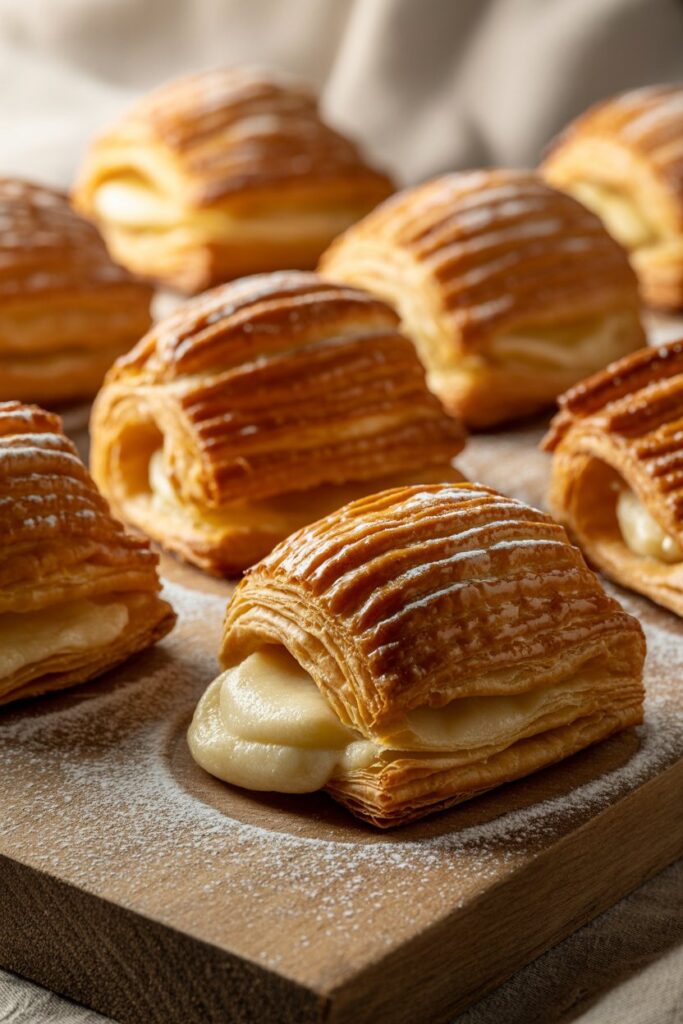
The magic of Sfogliatelle lies not just in its flaky layers but in the ingredients that give it its unmistakable flavor. Using authentic, high-quality ingredients ensures that your Italian pastry captures the essence of Neapolitan tradition. While the dough technique is essential, the filling is what makes each bite a perfect balance of sweetness, creaminess, and subtle citrus aroma.
Secret Ingredients for Authentic Flavor
The key to a truly authentic Sfogliatelle is the ricotta cheese, which provides a creamy, slightly tangy base for the filling. Semolina adds a subtle grainy texture and helps bind the filling. To elevate the taste, many traditional recipes incorporate candied orange peel and a touch of citrus zest, creating the signature bright and aromatic flavor. These simple but carefully chosen ingredients transform the pastry into a delicate dessert that is both rich in flavor and steeped in Italian heritage.
Optional Twists and Variations
While classic ingredients are essential, experimenting with variations can make your Sfogliatelle exciting and adaptable to modern tastes. Consider:
- Vegan adaptations using plant-based ricotta alternatives
- Chocolate fillings or drizzles for a dessert twist
- Seasonal variations like pumpkin, fig, or berry fillings
These creative spins retain the essence of Sfogliatelle while allowing you to cater to different tastes and occasions.
Optional Table: Flavor Combinations and Filling Ratios
| Filling Flavor | Ingredients & Ratios | Notes & Tips |
|---|---|---|
| Classic Ricotta & Citrus | Ricotta 70%, Semolina 20%, Candied orange 10% | Authentic taste, traditional recipe |
| Chocolate Ricotta | Ricotta 60%, Semolina 20%, Cocoa 20% | Rich and indulgent |
| Vegan Citrus | Plant-based ricotta 70%, Semolina 20%, Zest 10% | Dairy-free, keeps aroma and texture |
| Seasonal Berry | Ricotta 60%, Semolina 20%, Mixed berries 20% | Sweet and fruity twist |
The Art and Science of Perfect Flaky Layers
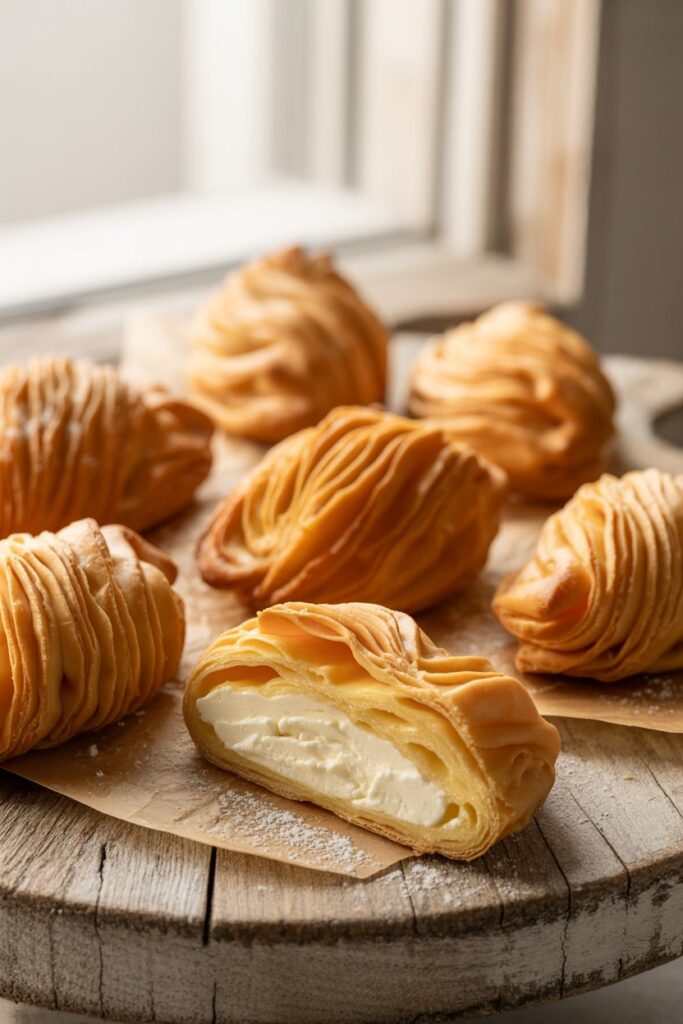
What sets Sfogliatelle apart from other Italian pastries is its signature flaky layers, which give each bite a delicate crunch and a satisfying texture. Achieving this perfect flakiness is both an art and a science, requiring patience, technique, and a few insider tips. Understanding the secrets behind laminated dough and common mistakes can elevate your homemade Sfogliatelle from good to exceptional.
Laminated Dough Secrets
The secret to the crisp, layered texture of Sfogliatelle riccia lies in the laminated dough. Each layer is created by carefully rolling and folding the dough multiple times, allowing butter or fat to separate the sheets. Some tips to master this technique include:
- Ensure the dough is rested and chilled before rolling.
- Use light, even pressure when rolling to avoid tearing.
- Incorporate thin layers of fat evenly to achieve maximum crispiness.
- Roll and fold consistently to maintain uniform layers.
Mastering these steps ensures that your Sfogliatelle achieves the delicate, shattering layers that define this iconic pastry.
Common Mistakes and How to Avoid Them
Even experienced bakers can encounter challenges when making Sfogliatelle. The most common mistakes include:
- Overworking the dough, which can make it tough instead of flaky.
- Uneven folding, resulting in inconsistent layers.
- Incorrect baking temperature, which can cause undercooked or overly browned pastries.
Avoid these pitfalls by following precise rolling, folding, and baking techniques, and always allow the dough to rest properly. Attention to these details preserves the delicate structure and ensures each Sfogliatelle bakes perfectly.
Pairing and Enjoying Your Sfogliatelle
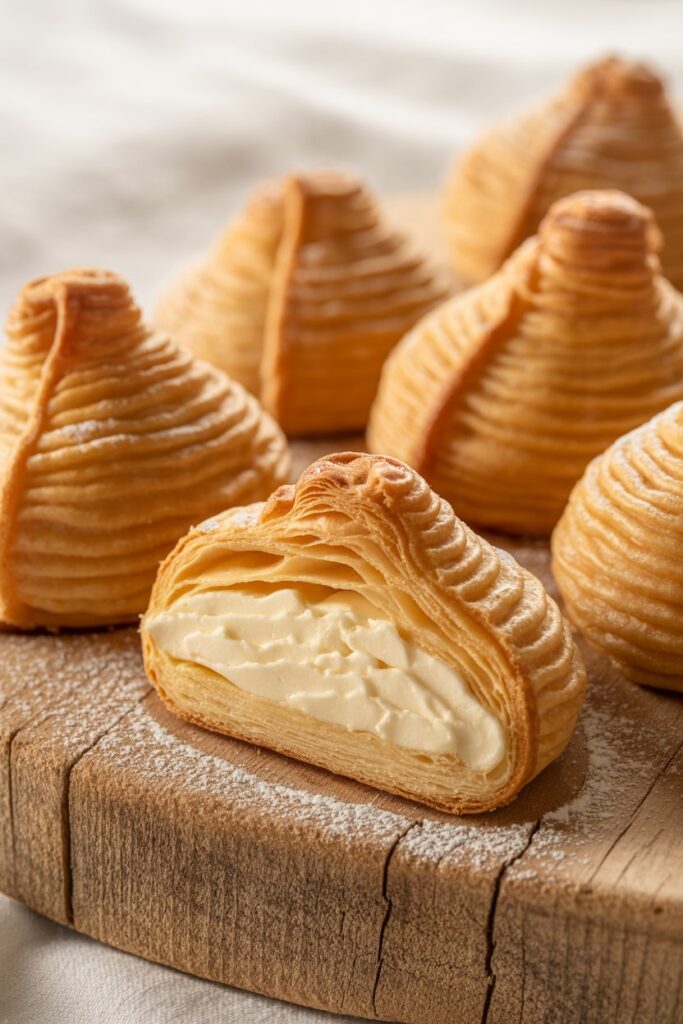
Enjoying Sfogliatelle is not just about tasting the pastry itself—it’s about creating a complete experience that delights all the senses. Pairing it with the right beverages and presenting it beautifully can elevate this classic Italian pastry from a simple treat to a memorable culinary moment.
Best Beverages
The crisp layers and creamy filling of Sfogliatelle pair exceptionally well with several beverages. Traditional choices include:
- Espresso or strong coffee – enhances the sweet ricotta and citrus notes.
- Cappuccino or latte – provides a creamy balance to the flaky texture.
- Dessert wines – like Vin Santo or Moscato d’Asti, which complement the sweetness without overpowering it.
- Tea varieties – such as Earl Grey or herbal blends, offering a lighter, aromatic option.
Selecting the right drink can transform enjoying Sfogliatelle into a more refined and indulgent experience.
Serving Tips & Presentation Ideas
Presentation is key when serving Sfogliatelle, especially if you want to impress guests or create an Instagram-worthy moment. Some creative ideas include:
- Dusting with powdered sugar for a delicate, elegant finish.
- Arranging pastries on a tiered cake stand for brunch or special occasions.
- Pairing with fresh fruit or edible flowers for visual appeal.
- Using small plates or dessert boards to highlight individual servings.
Optional Table: Sfogliatelle Pairings
| Sfogliatelle Type | Hot Drinks | Cold Drinks | Toppings / Accents |
|---|---|---|---|
| Riccia (Curly) | Espresso, Cappuccino | Iced Coffee | Powdered sugar, citrus zest |
| Frolla (Smooth) | Latte, Tea | Sparkling wine | Fresh berries, honey drizzle |
Sfogliatelle Beyond the Kitchen
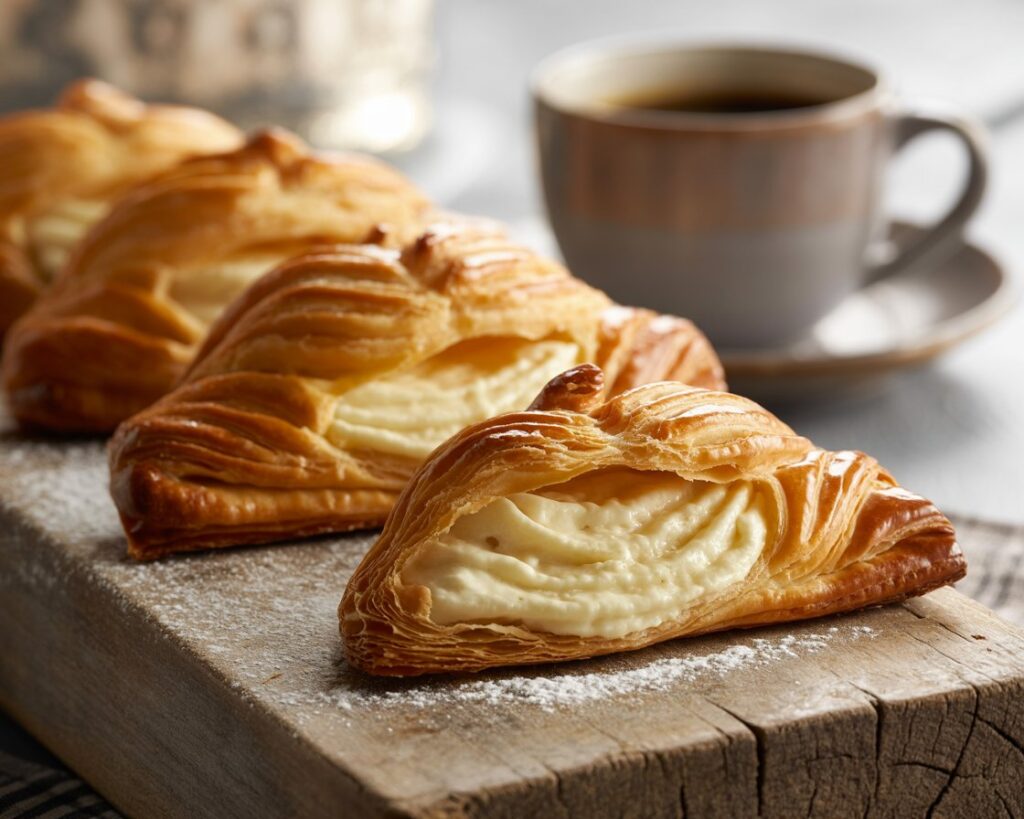
While enjoying Sfogliatelle at home is delightful, experiencing it in its birthplace adds an entirely new dimension. From wandering the streets of Naples, Italy, to seeing how modern chefs reinterpret the pastry, Sfogliatelle extends far beyond the kitchen, offering both cultural and culinary adventures.
Visiting Naples for Authentic Sfogliatelle
To truly taste authentic Sfogliatelle, a visit to Naples is unparalleled. The city’s bakeries have perfected this pastry over centuries, each offering their own subtle variations. Some tips for exploring include:
- Seek out historic bakeries in the Campania region that have been family-run for generations.
- Try both Sfogliatelle riccia and frolla to experience the full range of textures.
- Pair the pastry with a traditional espresso at a local café to embrace the full Neapolitan experience.
Experiencing Sfogliatelle in Naples not only rewards your taste buds but also provides insight into the pastry’s cultural and historical roots.
Sfogliatelle in Modern Cuisine
Around the world, chefs are reinventing Sfogliatelle while honoring its origins. Modern adaptations may include:
- Innovative fillings like chocolate ganache, pistachio cream, or seasonal fruits.
- Miniature or bite-sized versions designed for high-end patisseries.
- Fusion desserts that combine Sfogliatelle with other global pastry techniques.
These creative approaches keep Sfogliatelle relevant and exciting, bridging traditional Italian pastry with contemporary culinary trends.
Optional Feature: Include a mini “Sfogliatelle Bucket List” table or interactive map highlighting top bakeries and patisseries to try both in Naples and internationally.
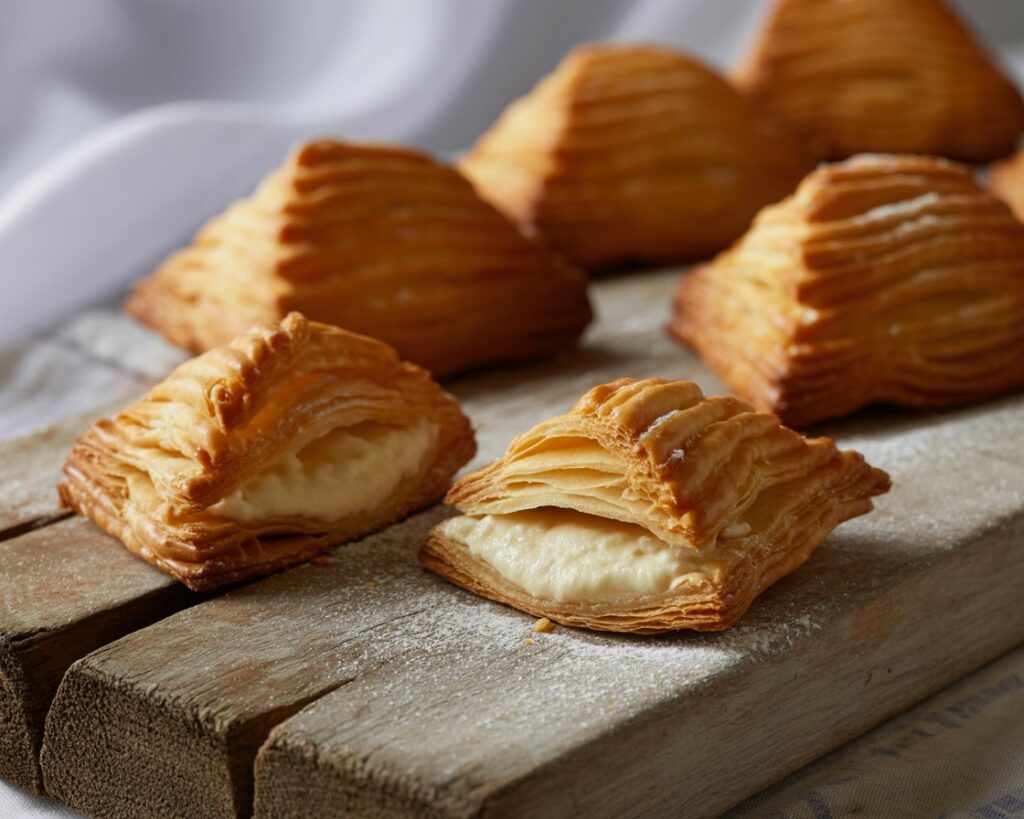
| Location | Notable Bakery / Patisserie | Specialty / Recommendation |
|---|---|---|
| Naples, Italy | Pintauro Bakery | Classic Sfogliatelle Riccia |
| Naples, Italy | Attanasio | Traditional Sfogliatelle Frolla |
| New York, USA | Sfogliatella NYC | Modern chocolate and fruit fillings |
| London, UK | La Pasticceria Italiana | Miniature Sfogliatelle variations |
Final Thoughts on Sfogliatelle
Sfogliatelle is more than just a pastry—it’s a symbol of Italian tradition that combines history, craftsmanship, and flavor in every bite. Whether you try Sfogliatelle riccia with its crisp layers or the tender Sfogliatelle frolla, this pastry captures the essence of Naples and its rich culinary heritage. Making it at home or enjoying it in an Italian bakery is always a memorable experience, reminding us why Sfogliatelle remains one of the most beloved Italian pastries worldwide.