
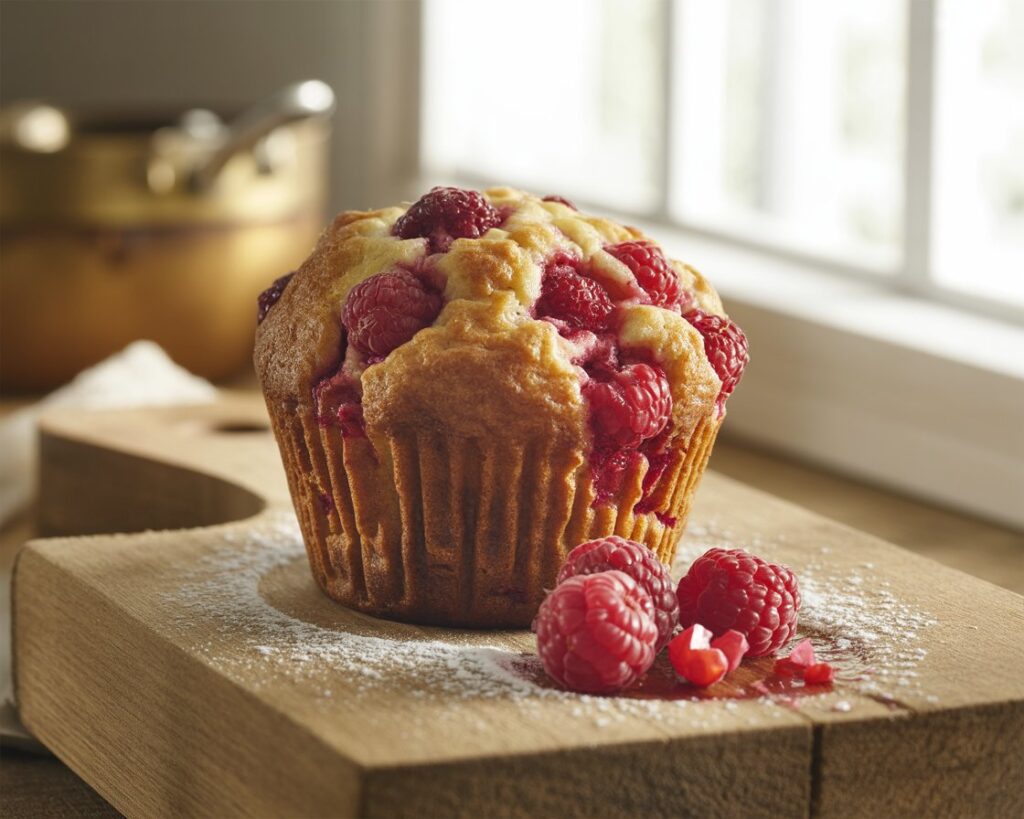
Moist and fluffy raspberry muffin recipe lovers, you’re in the right place! There’s nothing quite like biting into a perfectly tender muffin bursting with juicy raspberries. Whether you’re a seasoned baker or just starting out, this recipe will guide you to create muffins that are soft, airy, and packed with flavor. In this post, we’ll dive into what makes a raspberry muffin truly moist and fluffy, share expert tips to avoid common baking mistakes, and explore delicious ways to elevate your muffins beyond the basics. Get ready to impress your taste buds and your friends with homemade raspberry muffins you’ll love every time!
What Makes a Muffin Moist and Fluffy?
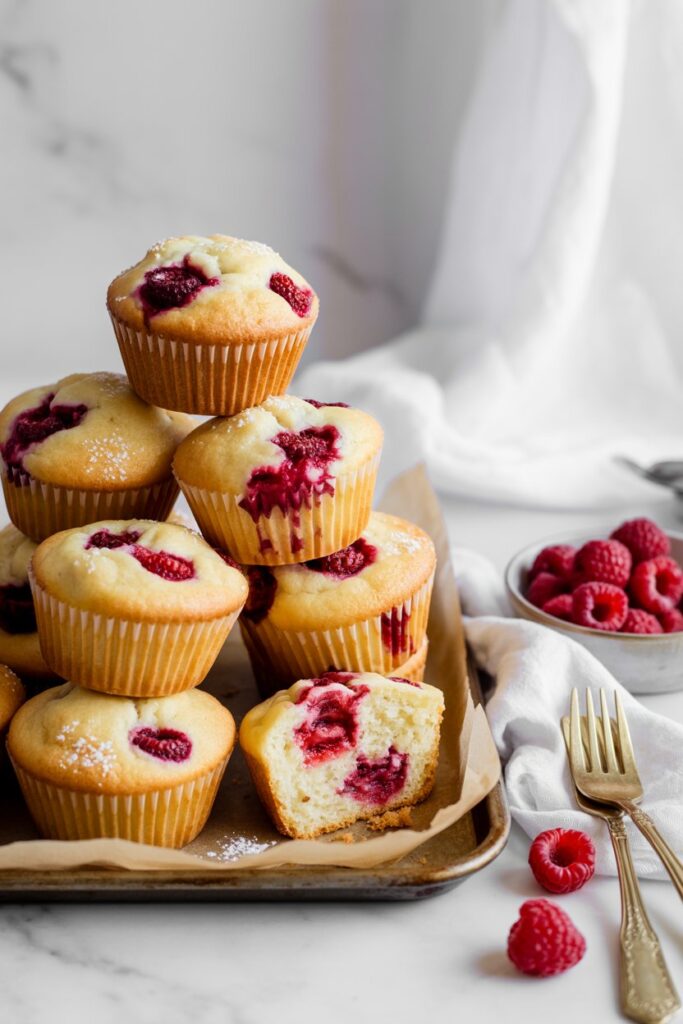
Achieving a moist and fluffy muffin is a balance of the right ingredients, techniques, and baking conditions. Understanding how each element contributes to texture can elevate your raspberry muffins from ordinary to extraordinary.
The Science Behind Muffin Texture
The moisture and fluffiness in muffins largely come from key ingredients like buttermilk, eggs, and butter. Buttermilk adds acidity and liquid, which tenderizes the gluten in the flour, resulting in a softer crumb. It also reacts with baking soda to create carbon dioxide, helping the muffins rise. Eggs act as a binder and provide structure, while their fat content adds richness and moisture. Butter not only contributes to flavor but also coats flour proteins, limiting gluten formation and producing a tender, moist texture.
Leavening agents such as baking powder and baking soda play a crucial role in creating lift and airiness. Baking powder releases carbon dioxide gas when heated, causing the batter to expand and create a light crumb. Baking soda, on the other hand, needs an acid like buttermilk to activate and produce the gas bubbles that make muffins rise. Using the right amount of these ingredients is essential for the perfect rise without bitterness or collapse.
Common Mistakes That Make Muffins Dense or Dry
Despite the right ingredients, mistakes during preparation can lead to dense or dry muffins. One of the most frequent errors is overmixing the batter. When the flour is overworked, too much gluten develops, resulting in a tough texture instead of a tender crumb.
Using the wrong flour or adding too much flour can also negatively affect moisture. All-purpose flour is standard for muffins, but substituting with a higher-protein flour like bread flour can make muffins dense. Additionally, inaccurately measuring flour—especially by scooping directly from the bag—adds excess flour and dries out the batter.
Baking at incorrect temperatures is another common issue. Baking at too high a temperature causes muffins to brown quickly on the outside while remaining raw inside, and baking too low can result in flat, dry muffins. Following recommended oven temperatures ensures even cooking and keeps muffins moist.
Quick Tips Table: Dos & Don’ts for Moist Muffins
| Dos | Don’ts |
|---|---|
| Use room temperature ingredients | Overmix the batter |
| Measure flour correctly | Skip the leavening agents |
| Use buttermilk or yogurt | Bake too long or too hot |
Choosing the Best Raspberries for Your Muffins

Selecting the right type of raspberries is essential for making delicious muffins that burst with flavor and maintain a pleasing texture. Whether you use fresh or frozen raspberries can significantly impact your final result.
Fresh vs. Frozen Raspberries — Which Should You Use?
Both fresh raspberries and frozen raspberries have their advantages and drawbacks. Fresh raspberries offer vibrant flavor and a firm texture that holds up well in baking, providing a pleasant burst of juiciness in every bite. However, they tend to be more delicate and perishable, which means timing is crucial when using them.
Frozen raspberries are convenient and available year-round. They often cost less and retain much of their flavor and nutrients because they are picked and frozen at peak ripeness. The downside is that frozen berries release more moisture during baking, which can sometimes affect the texture of muffins, making them slightly wetter or denser if not managed properly.
How to Prepare Raspberries to Prevent Sinking
One common challenge when adding raspberries to muffin batter is preventing them from sinking to the bottom during baking. A simple yet effective method is tossing the raspberries in a small amount of flour or sugar before folding them into the batter. This coating helps suspend the berries evenly throughout the muffins, ensuring every bite has a delightful raspberry presence.
Storage Tips for Fresh and Frozen Raspberries
Proper storage of fresh raspberries is key to maintaining their quality before baking. Keep them refrigerated in a breathable container lined with paper towels to absorb excess moisture. Avoid washing raspberries until just before use, as moisture accelerates spoilage.
For frozen raspberries, store them in airtight freezer bags or containers to prevent freezer burn. When ready to bake, it’s best to use them directly from frozen or gently thaw them without soaking to avoid excess water in your batter.
Beyond the Basic Raspberry Muffin: Flavor Boosters and Variations
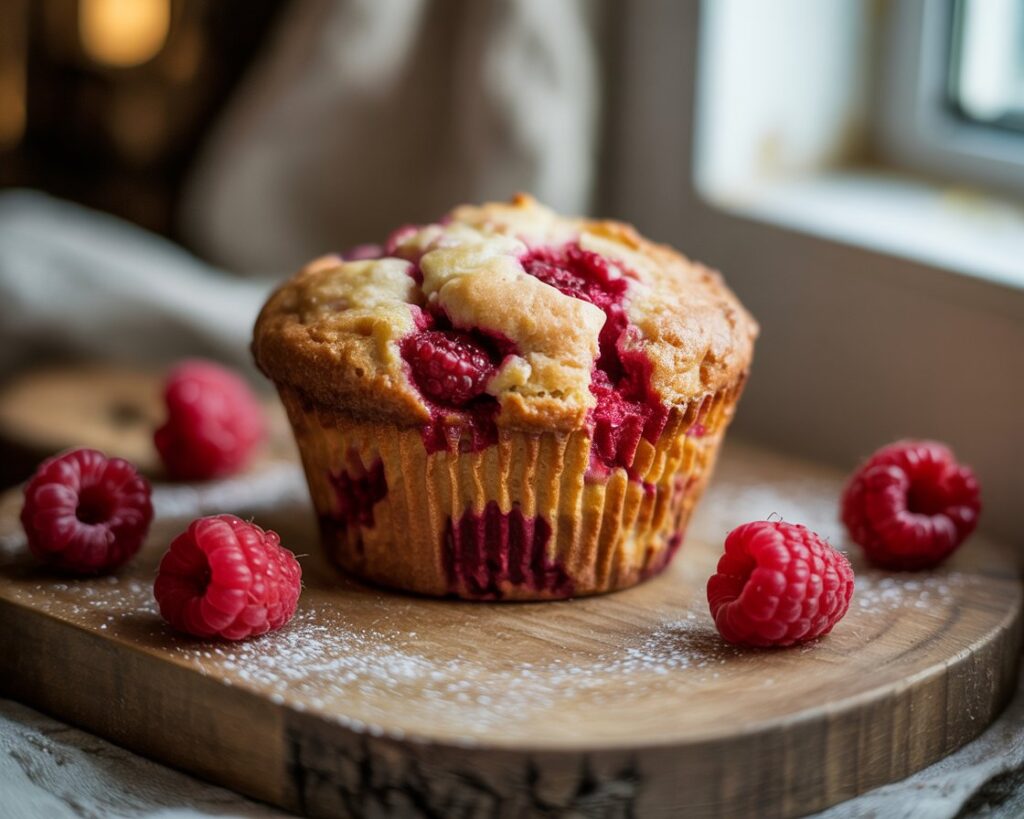
Once you’ve mastered the moist and fluffy raspberry muffin recipe, it’s time to explore creative twists that elevate your muffins from great to unforgettable. By adding zests, spices, mix-ins, and toppings, you can transform a simple batch into bakery-level treats with your own signature flair.
Adding Zests and Spices for Extra Flavor
Citrus zest is one of the easiest ways to brighten up your raspberry muffins. Lemon zest adds a sharp, refreshing citrus note that pairs beautifully with tart raspberries, enhancing their natural flavor. Orange zest offers a slightly sweeter, floral aroma and works especially well in brunch-style muffins.
Spices like cinnamon and cardamom bring warmth and depth to your batter. A dash of cinnamon gives that classic bakery aroma, while cardamom adds an exotic, slightly spicy edge that makes your muffins feel unique and unexpected.
Mix-ins That Pair Perfectly with Raspberries
Raspberries are bold but surprisingly versatile when it comes to flavor pairings. White chocolate chips add creamy sweetness that balances the fruit’s tartness, while almond slices offer a nutty crunch that adds texture and richness. For something more playful, poppy seeds can introduce a delicate crunch and a subtle, nutty undertone that complements citrus zests particularly well.
These mix-ins can be stirred into the batter or added as toppings just before baking—either way, they make each muffin feel a little more special.
Streusel Toppings and Crunchy Extras
A buttery streusel topping is one of the simplest ways to create contrast in texture and flavor. To make a quick streusel, combine flour, sugar (white or brown), and cold butter, and rub the mixture between your fingers until it resembles coarse crumbs. Sprinkle it over the batter before baking for a crisp, golden crown.
If streusel isn’t your thing, there are plenty of alternative toppings to explore. Try chopped nuts like pecans or almonds, a sprinkle of rolled oats for a rustic look, or turbinado sugar crystals for a glittery, crunchy finish. These add not only visual appeal but also delightful texture with every bite.
Flavor Combination Chart
| Flavor Add-on | Taste Profile | Best Use |
|---|---|---|
| Lemon zest | Bright, citrusy | Muffin batter |
| Cinnamon | Warm, sweet | Batter or streusel |
| White chocolate | Sweet, creamy | Mix-in or drizzle |
| Almond slices | Nutty, crunchy | Topping |
Baking Tips for Perfect Raspberry Muffins Every Time
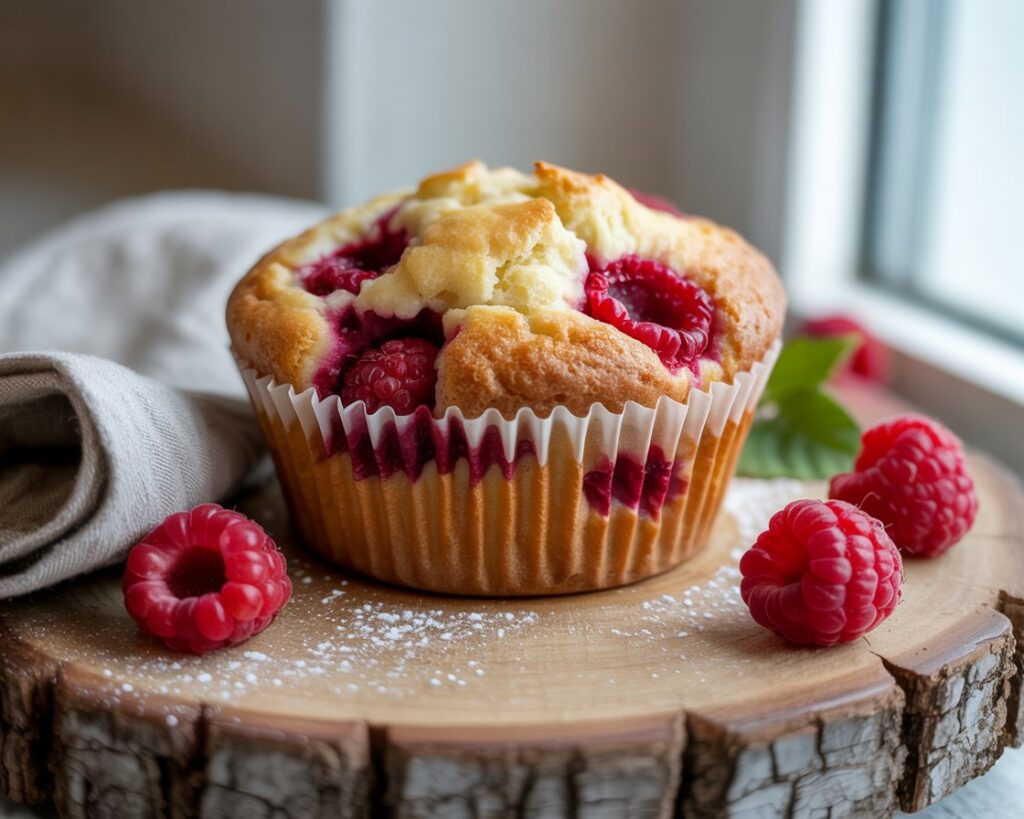
Even the best raspberry muffin recipe can go awry without proper baking techniques. From prepping your pan to cooling and storing your muffins, small details make a big difference in texture, flavor, and freshness.
How to Test Muffins for Doneness Without Drying Them Out
The traditional toothpick test is widely used but can sometimes be misleading with fruit-filled muffins. A toothpick might hit a juicy raspberry and come out wet even if the muffin is done. Instead, gently press the top of a muffin—if it springs back, it’s usually ready. Another trick: look for muffins pulling slightly away from the sides of the tin and a golden-brown dome.
If you want precision, a kitchen thermometer inserted into the center should read around 200°F (93°C) when done. This method helps avoid overbaking, which is the fastest way to lose moisture.
Muffin Pan Prep: Liner vs. Greasing
Choosing between paper liners and greasing the muffin pan depends on your priorities.
Paper liners are convenient, reduce mess, and make muffins easier to store or gift. They’re great for grab-and-go batches. If you’re concerned about waste, consider eco-friendly liners made from unbleached or compostable materials.
Greasing the pan (with butter or nonstick spray) can give your muffins a crispier edge and a more rustic bakery look. However, they can sometimes stick if not cooled properly or removed too early.
Tip: If using liners, let muffins cool slightly before peeling to avoid tearing or sticking. If greasing the pan, let muffins sit for 5 minutes before removing to help them release cleanly.
Cooling and Storage Best Practices
Proper cooling is crucial to avoid soggy bottoms or steam-trapped muffins. Let muffins rest in the pan for about 5 minutes, then transfer them to a wire rack. This allows steam to escape and preserves that light, fluffy interior.
To store muffins, place them in an airtight container lined with a paper towel. Add another paper towel on top to absorb moisture and keep the muffins fresh for 2–3 days at room temperature. Avoid sealing them while hot—this traps steam and leads to sogginess.
For longer storage, freeze the muffins. Once completely cooled, wrap each in plastic or foil and place in a freezer-safe bag. They’ll keep well for up to 3 months. To reheat, warm in a 300°F oven for 10 minutes or microwave for about 30 seconds—your muffins will taste fresh-baked again.
Quick Guide Table: Baking Temperatures and Times for Raspberry Muffins
| Oven Temp | Baking Time | Result |
|---|---|---|
| 350°F | 18–22 mins | Moist, fluffy muffins |
| 375°F | 15–18 mins | Slightly crisp edges |
| 325°F | 25 mins | Very soft, tender crumb |
Frequently Asked Questions About Raspberry Muffins
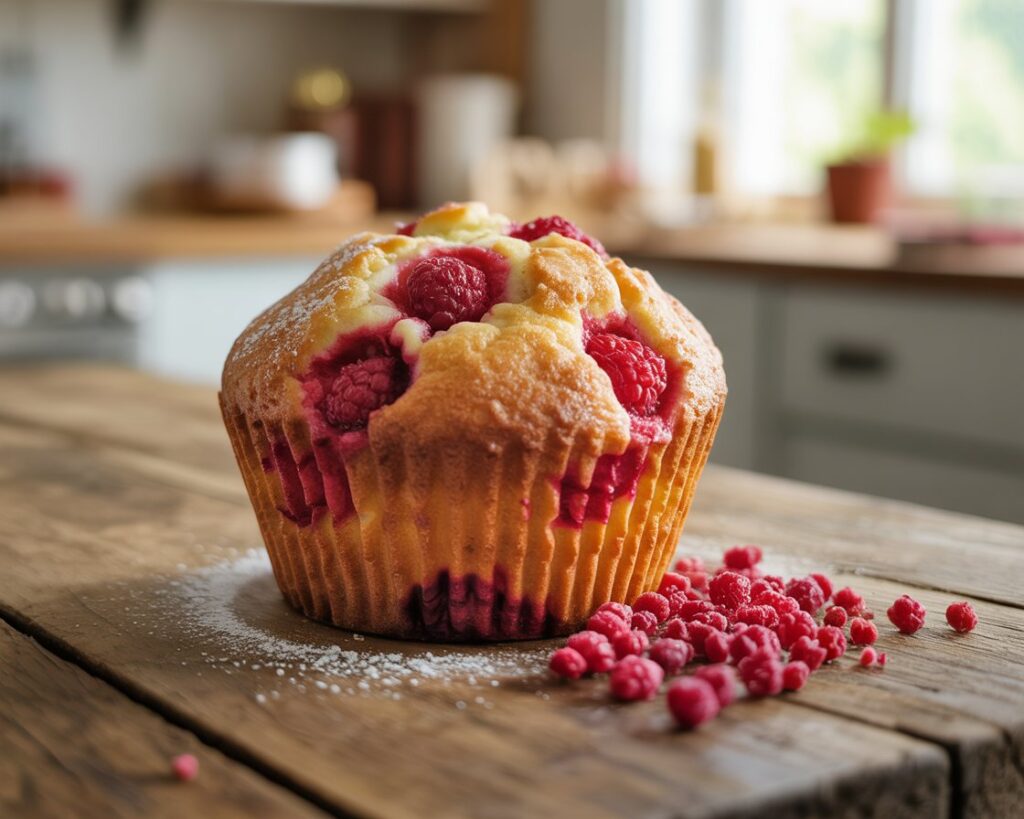
Baking raspberry muffins can raise a lot of questions, especially if you want to tweak the recipe or accommodate dietary needs. Here are some of the most common queries answered with practical tips.
Can I Make Raspberry Muffins Dairy-Free or Vegan?
Yes! Making dairy-free or vegan raspberry muffins is easier than you might think. For butter, try swapping with coconut oil, vegan margarine, or neutral vegetable oils like canola. Instead of regular milk or buttermilk, use unsweetened almond milk, oat milk, or soy milk. For the acidity that buttermilk provides, a tablespoon of lemon juice or apple cider vinegar added to your plant milk works well.
Eggs can be replaced with flax or chia “eggs” (1 tablespoon ground flaxseed or chia seeds mixed with 3 tablespoons water per egg) or commercial egg replacers. These substitutions might slightly alter texture but still yield moist, fluffy muffins packed with raspberry goodness.
How Can I Make Raspberry Muffins Healthier?
If you want a healthier twist on your favorite raspberry muffin recipe, consider these modifications:
- Use whole grain flours like whole wheat or spelt instead of all-purpose flour to add fiber and nutrients.
- Reduce sugar by 20–30% or substitute with natural sweeteners like honey, maple syrup, or coconut sugar.
- Add nutrient-dense mix-ins such as chia seeds, flaxseeds, or rolled oats for extra texture, fiber, and omega-3s.
- Use unsweetened applesauce or mashed banana to replace some of the fat or sugar for a moist texture without added calories.
Can I Use Other Berries Instead of Raspberries?
Absolutely! While raspberries are unique in their balance of tartness and sweetness, many other berries can be substituted:
- Blueberries tend to be sweeter and juicier, which can make muffins moister but may also lead to slight batter discoloration.
- Blackberries have larger seeds and a stronger flavor, so expect a more robust taste and slightly different texture.
- Strawberries chopped into small pieces add sweetness but can add extra moisture, so reduce liquid slightly to compensate.
Keep in mind that different berries have varying water content and acidity, which can affect baking time and texture. Adjust your baking accordingly to maintain that perfect moist and fluffy muffin you love.
Mastering the Moist and Fluffy Raspberry Muffin Recipe
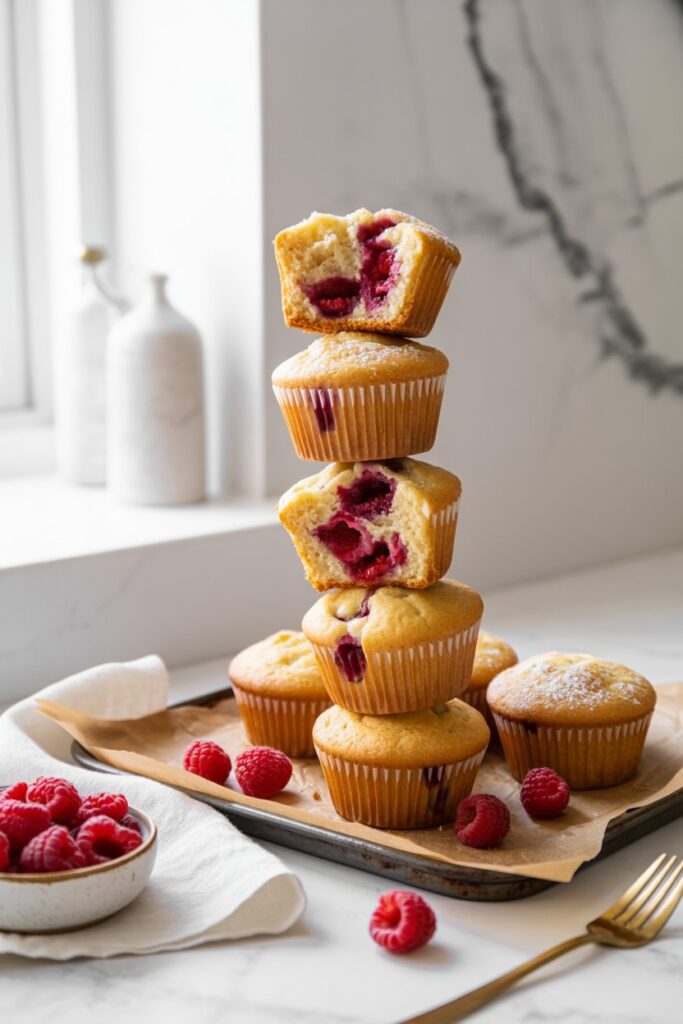
Mastering the moist and fluffy raspberry muffin recipe is all about understanding the science behind the ingredients, choosing the best raspberries, and adding your personal touch with flavors and toppings. With the right baking tips and a few creative twists, you can consistently bake delicious muffins that impress every time. Whether you stick to the classic recipe or experiment with vegan options and flavor boosters, these muffins are sure to become a favorite treat for any occasion. Happy baking!