
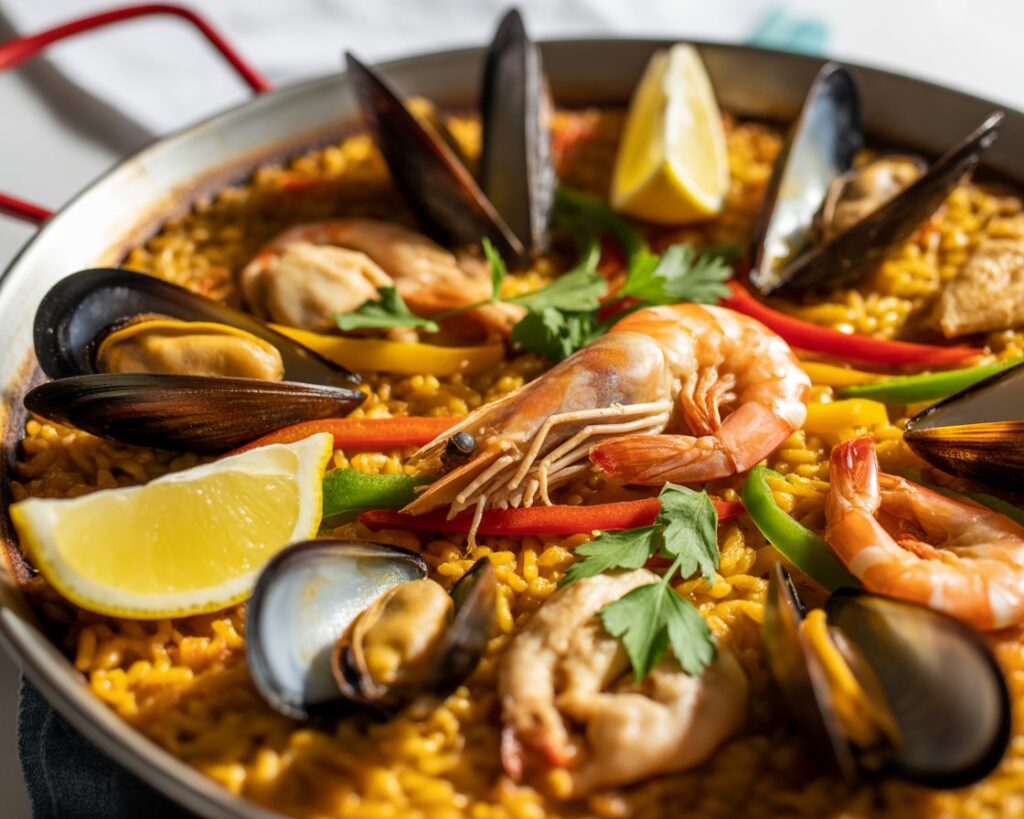
Paella is more than just a dish; it’s a vibrant celebration of Spanish cuisine and culture. This authentic Spanish paella recipe guide will take you step-by-step through creating this iconic Spanish rice dish at home, using the right ingredients, techniques, and tools. Whether you’re drawn to the traditional Valencian paella, a rich seafood paella, or a creative twist, this guide ensures your homemade paella is flavorful, perfectly cooked, and truly unforgettable. Get ready to master the art of paella and bring a taste of Spain to your table.
A Spanish Classic: What Makes Paella So Special?
Paella is much more than just a meal; it embodies the rich traditions and vibrant culture of Spanish cuisine. Known for its bold flavors and colorful presentation, this Spanish rice dish captures the essence of community, celebration, and the Mediterranean way of life. The soul of paella lies in its unique combination of carefully selected ingredients, cooking technique, and the ability to bring people together around the table. Whether enjoyed in a small village in Valencia or at a family gathering anywhere in the world, paella’s timeless appeal continues to inspire chefs and home cooks alike.
A Brief History of Paella
Paella’s roots trace back to the rural lands of Valencia, where it began as a humble dish prepared by farmers and laborers. Originally, it combined locally available ingredients like rabbit, chicken, and fresh beans, cooked over an open fire. This simple, hearty meal provided sustenance after long days of work. Over time, paella evolved from its rustic beginnings into a celebrated Spanish classic, gaining popularity beyond its region of origin. Today, it is a global favorite that represents not only traditional Spanish cooking but also the spirit of sharing and festivity.
Regional Variations Worth Knowing
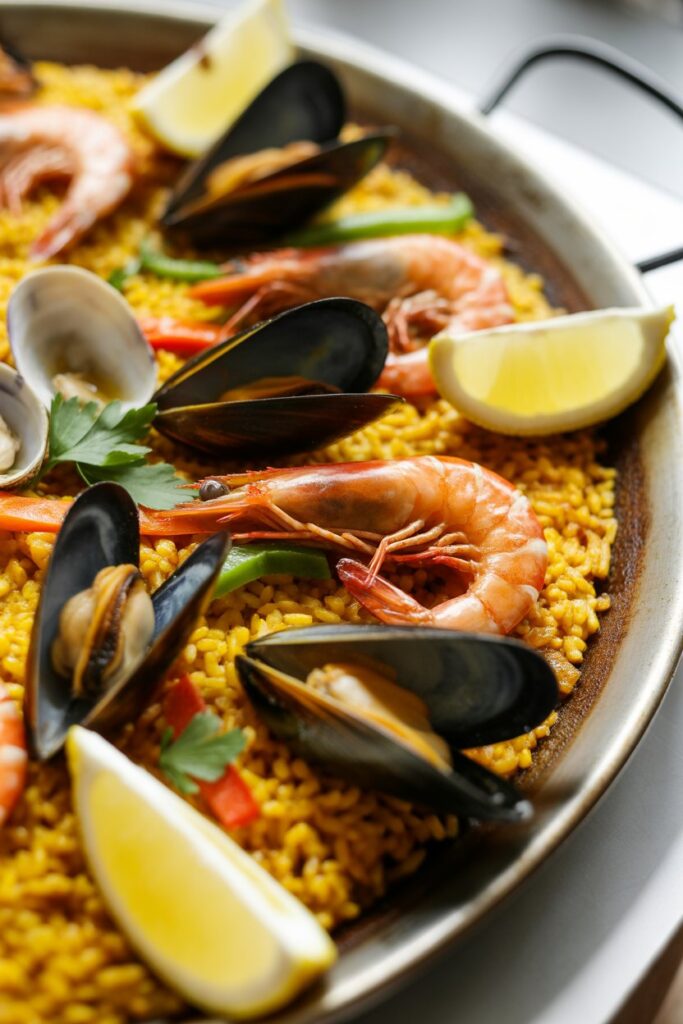
While the essence of paella remains consistent, several regional variations showcase different approaches to the dish. The most authentic style is the Valencian paella, which features a combination of chicken, rabbit, and garrofó beans, reflecting the ingredients typical to the region. Along coastal areas, seafood paella takes center stage, incorporating mussels, prawns, and squid for a fresh ocean flavor. A fusion of both land and sea ingredients creates the popular mixed paella, appealing to a wide range of tastes. For those who prefer plant-based options, vegetarian paella highlights seasonal vegetables and legumes, offering a wholesome alternative without sacrificing flavor.
| Type of Paella | Key Ingredients | Region of Origin |
|---|---|---|
| Valencian | Chicken, rabbit, garrofó beans | Valencia |
| Seafood | Mussels, prawns, squid | Coastal regions |
| Mixed | Meat + seafood | Fusion style |
| Vegetarian | Seasonal vegetables, legumes | Modern adaptation |
Essential Ingredients for Authentic Paella
Creating an authentic Spanish paella depends heavily on using the right ingredients. While many recipes exist, certain components are truly essential to capture the traditional flavors and textures that define this beloved Spanish rice dish. Understanding these core ingredients, as well as suitable alternatives, will help you make a paella that is both genuine and adaptable to what you have on hand.
The Non-Negotiables
At the heart of every authentic paella are a few key elements that set it apart. First and foremost is Bomba rice, a short-grain variety prized for its ability to absorb liquid and flavor without becoming mushy. It creates the ideal texture that distinguishes paella from other rice dishes. Next is saffron, the precious spice responsible for paella’s characteristic golden color and unique aroma. While expensive, saffron’s subtle floral notes are irreplaceable. High-quality olive oil is another must-have, providing a rich base for sautéing ingredients and deepening flavors. Lastly, a well-prepared, flavorful broth—whether chicken, seafood, or vegetable—is critical, as it infuses the rice and other ingredients with depth and richness.
Popular Add-Ins and Substitutes
While sticking to the essentials is important, paella is also a flexible dish that can accommodate some ingredient swaps based on availability or personal taste. For example, Arborio rice can be used as a substitute if Bomba rice is hard to find, although it tends to create a creamier texture more typical of risotto. Seasonal vegetables offer wonderful opportunities to customize paella, especially in vegetarian versions, allowing you to swap ingredients while maintaining a balanced flavor profile. Additionally, paprika is sometimes added to introduce smoky or sweet notes—especially smoked paprika—enhancing the dish without overpowering the saffron’s delicate flavor.
| Ingredient | Authentic Use | Possible Substitute | Notes |
|---|---|---|---|
| Bomba Rice | Yes | Arborio, Calasparra | Absorbs flavor without becoming mushy |
| Saffron | Yes | Turmeric (not ideal) | True saffron gives signature color and taste |
| Garrofó Beans | Yes | Lima beans | Traditional bean in Valencian paella |
By carefully selecting and balancing these ingredients, you’ll be well on your way to preparing a truly authentic and flavorful paella experience.
Tools of the Trade: What You Really Need
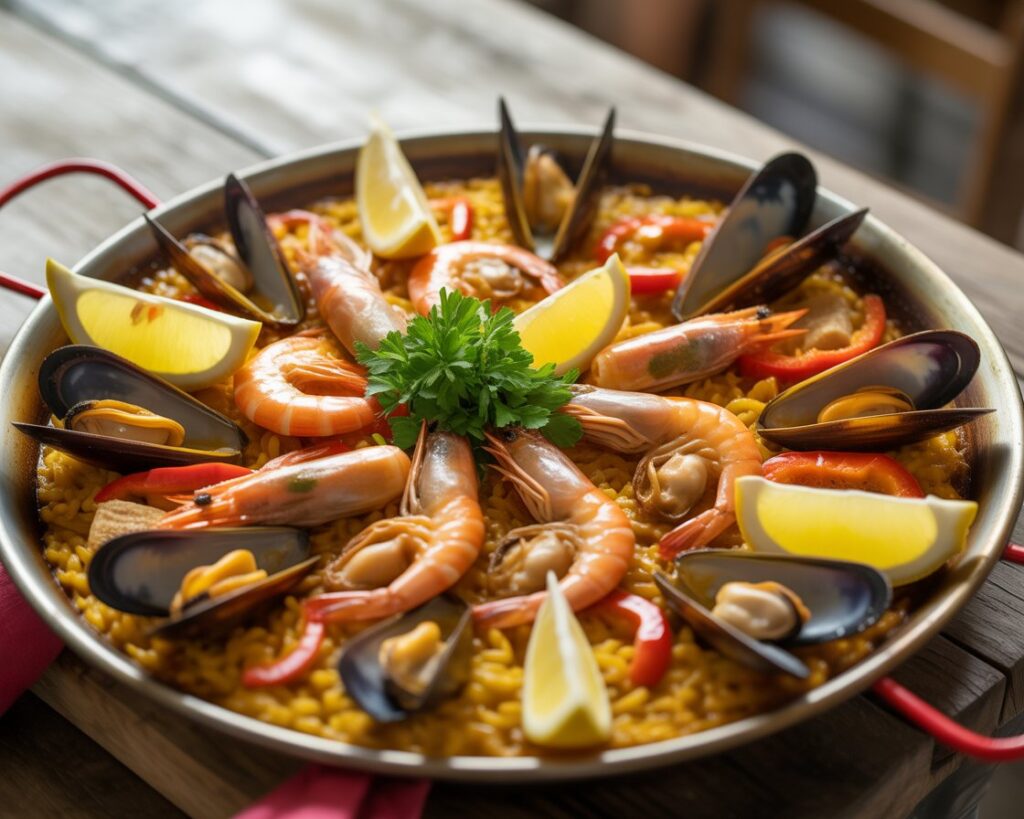
To make an authentic paella, having the right tools is just as important as using the right ingredients. While many may think the process is complicated, understanding the essential cookware and mastering heat control can make the experience both manageable and enjoyable. This section breaks down the basics you need to confidently prepare paella at home without relying on specialized or branded equipment.
The Paella Pan (Paellera)
Size matters – choosing the right pan
Choosing the correct size of your paella pan is key to cooking evenly and achieving the ideal texture. A wider pan allows the rice to spread out in a thin layer, which is critical for the formation of the prized socarrat—the crispy, caramelized crust at the bottom. Too small a pan will crowd the ingredients, while too large might make it difficult to maintain even heat across the surface.
Why shallow and wide is better than deep
Unlike typical deep pots used for stews or risotto, the traditional paellera is shallow and broad. This design ensures that the rice cooks evenly with sufficient evaporation, preventing sogginess. The increased surface area encourages even cooking, helps develop the socarrat, and gives paella its characteristic texture and flavor profile.
Cooking Heat: Stovetop, Grill, or Open Flame?
Cooking paella requires steady and controlled heat, but the ideal heat source depends on your setup and environment. Many traditional recipes call for an open flame, which adds authentic smoky notes and helps create the coveted socarrat. However, this method requires outdoor space and careful fire management.
For home cooks in urban settings, a gas stove with a suitable burner ring can provide even heat and precise control, making it the most practical option. Some also finish paella in the oven to achieve an even cook-through, though this method may result in a less crispy bottom layer.
Managing heat distribution is essential regardless of the heat source. Rotating the pan during cooking can help address any hot spots and ensure uniform rice texture.
| Cooking Surface | Pros | Cons | Best For |
|---|---|---|---|
| Open Flame | Authentic socarrat | Requires outdoor setup | Traditional style |
| Gas Stove | Easy to control | May require burner ring | Urban cooking |
| Oven Finish | Even finish | Less crispy base | Beginners, no mess |
Understanding these tools and heat methods will help you approach paella preparation with confidence and produce a dish that honors tradition without overwhelming your kitchen setup.
Step-by-Step: How to Cook Traditional Paella
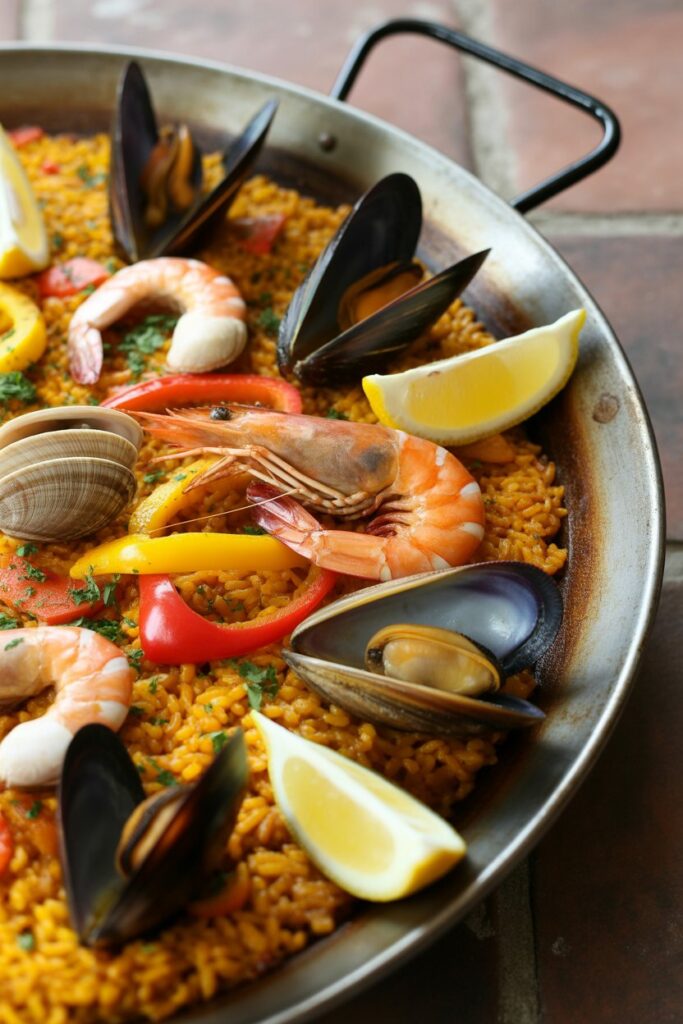
Cooking authentic paella is a rewarding process that requires attention to detail and respect for the method. This step-by-step guide breaks down the essential phases to help you create a flavorful and perfectly textured Spanish rice dish without unnecessary complications.
The Mise en Place (Prepping Like a Pro)
Preparation is key to a smooth cooking process. Begin by chopping all your ingredients—meat, seafood, vegetables—and measuring spices and rice. Soak the saffron threads in a small amount of warm broth to release their full flavor and vibrant color. Having everything ready before you start cooking will keep you organized and allow you to focus on technique rather than scrambling for ingredients.
The Build: Cooking in Layers
Sear the meat/seafood
Start by heating the pan on high to sear your proteins. Browning chicken, rabbit, or seafood adds depth and complexity to the dish. Avoid overcrowding the pan, as this will steam rather than brown your ingredients.
Add aromatics and spices
Once the meat is browned, add aromatics like garlic, onions, and peppers, along with key spices such as paprika and the saffron infusion. This step creates the fragrant base that infuses every grain of rice.
Toast the rice and simmer
Add the Bomba rice to the pan, stirring briefly to coat it in oil and toast slightly. Then pour in the broth, ensuring it covers the rice evenly. Bring to a simmer, but do not stir—this allows the rice to cook properly and encourages the formation of the socarrat.
The final no-stir step
After the initial simmer, avoid disturbing the rice. This no-stir phase is crucial for developing the perfect texture, letting the bottom layer crisp up while the top cooks gently.
Getting the Socarrat Just Right
The socarrat—the thin, crispy crust at the bottom of the paella—is a hallmark of the dish. Listen for a subtle crackling sound as the broth evaporates. When you smell a toasted, nutty aroma and see slight browning on the bottom, it’s ready. Resist the urge to scrape or stir at this point; letting it rest undisturbed will ensure the socarrat forms beautifully without burning.
| Cooking Phase | Key Actions | Time Needed | Tips |
|---|---|---|---|
| Prep | Chop, soak saffron | 15–20 mins | Do it all before heat starts |
| Searing | High heat, brown proteins | 5–10 mins | Don’t overcrowd the pan |
| Simmering | Broth + rice, no stirring | 15–20 mins | Use even, medium heat |
| Socarrat Finish | Slight crisp at bottom | 5 mins | Listen for crackling sound |
Following these phases will guide you to cook a traditional paella that balances rich flavors and textures, creating an impressive and delicious meal.
Common Mistakes (and How to Avoid Them)
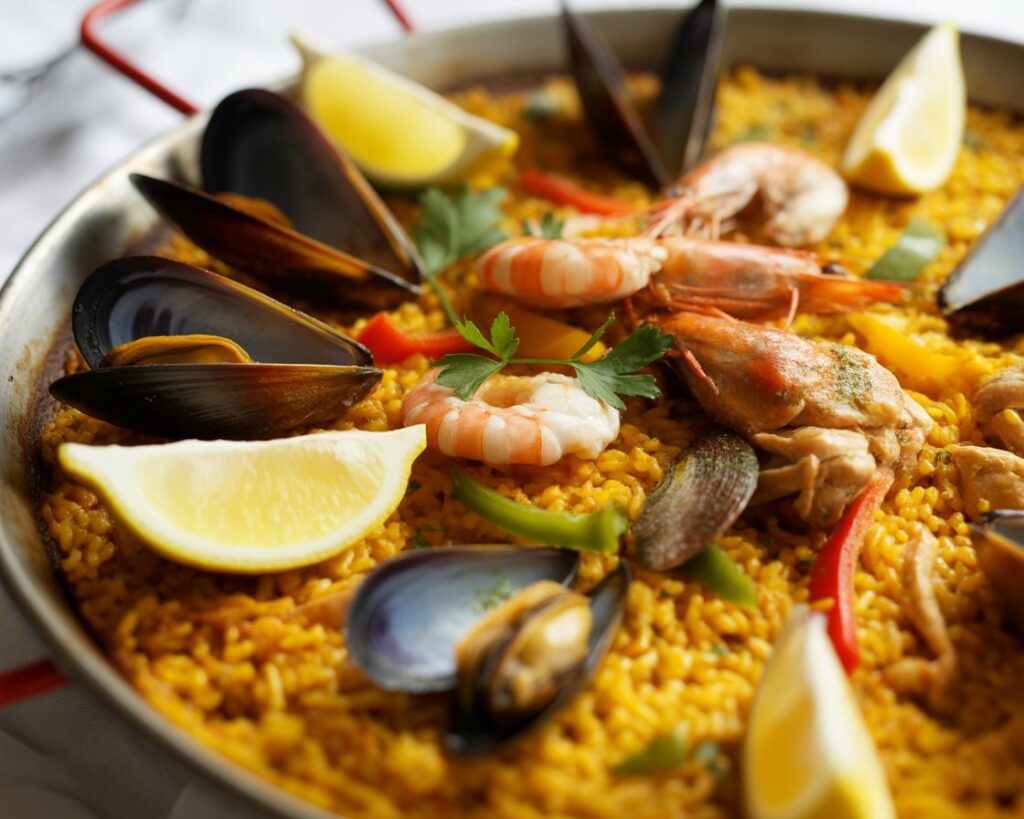
Cooking paella can be a rewarding experience, but even small errors can affect the final result. Understanding the common pitfalls will help you avoid frustration and achieve the perfect balance of texture and flavor every time.
Overcooking or Undercooking Rice
Getting the rice texture right is crucial in authentic paella. Overcooked rice becomes mushy and loses its individual grain structure, while undercooked rice remains hard and unpleasant to eat. The secret lies in controlling the heat and timing so the rice absorbs just the right amount of broth, resulting in a tender yet firm bite.
Too Much Stirring
Unlike risotto, paella requires minimal stirring once the broth is added. Excessive stirring releases starches that create a creamy texture, which is undesirable in paella. The goal is to allow the rice to cook undisturbed so it forms the signature socarrat, the crispy crust at the bottom. Stirring disrupts this process and can make the dish lose its characteristic texture.
Skipping the Resting Step
Allowing paella to rest for about 5 minutes after cooking is essential. During this time, the flavors settle and intensify, and the heat evens out throughout the pan. Skipping this step means missing out on the full depth of taste and texture that makes paella so special.
| Mistake | What Happens | How to Fix It |
|---|---|---|
| Stirring rice | Mushy texture | Let rice sit undisturbed |
| Uneven heat | Burnt or raw spots | Rotate pan if needed |
| Skipping saffron | Bland or inauthentic taste | Infuse saffron properly first |
By keeping these points in mind and practicing patience, you’ll avoid common mistakes and master the art of preparing delicious, traditional paella.
Make It Your Own: Flavor Twists and Add-Ons
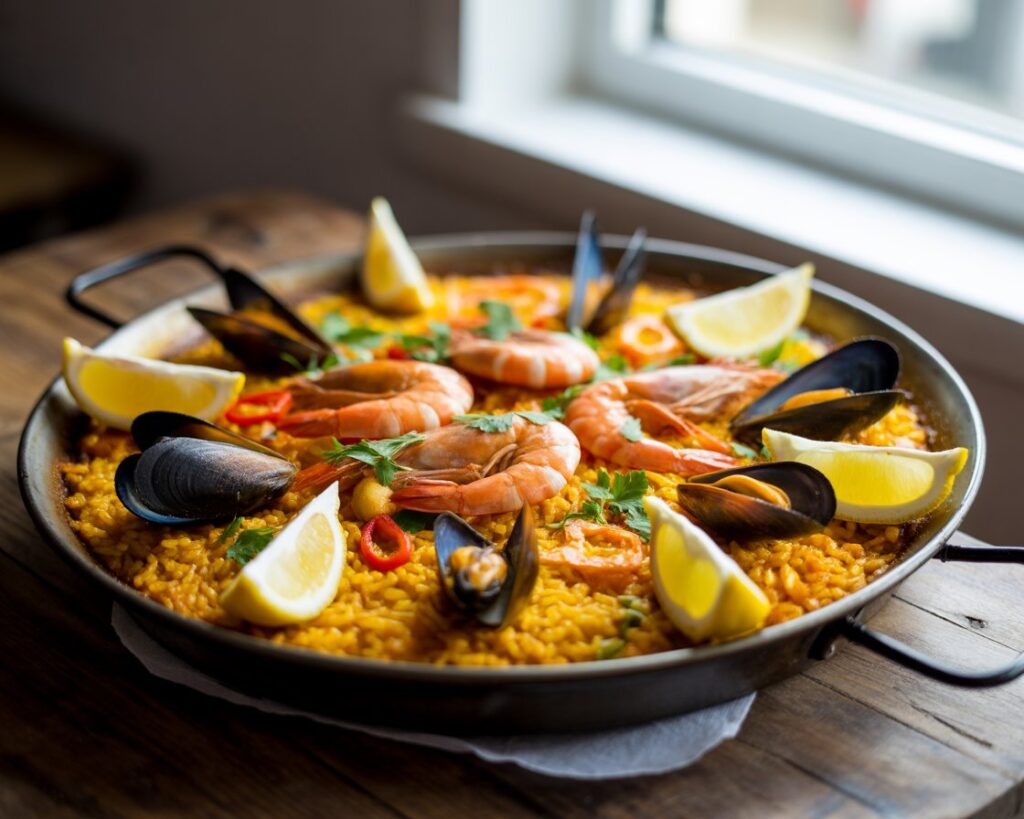
One of the most enjoyable aspects of paella is how versatile it can be while still honoring its authentic Spanish roots. Once you’ve mastered the traditional version, you can start experimenting with seasonal ingredients, regional influences, or personal preferences. These thoughtful variations allow you to adapt the dish without compromising its character.
Seasonal and Local Variations
Paella is deeply tied to the land, and in its origin, it was made using whatever ingredients were available. You can apply the same philosophy by adapting your paella to what’s fresh and local. In colder months, root vegetables like squash and earthy mushrooms pair beautifully with vegetable broth. In summer, lighter greens and fresh herbs can brighten the dish. Adjusting to seasonal produce not only enhances flavor but also keeps the dish exciting and relevant year-round.
Vegetarian and Vegan Paella Ideas
Paella doesn’t need to include meat or seafood to be flavorful. A well-crafted vegetarian paella can be just as satisfying when built on the right base. Use deeply flavored broths made from roasted vegetables or mushrooms, and incorporate ingredients like artichokes, bell peppers, chickpeas, or green beans. Adding smoked paprika or saffron still delivers that classic depth of flavor while staying completely plant-based.
| Custom Twist | Ingredient Changes | Works Best With |
|---|---|---|
| Autumn Veggie Paella | Squash, mushrooms, kale | Vegetable broth |
| Spicy Paella | Add chili flakes or smoked paprika | Chicken or chorizo |
| Coastal Mediterranean | Anchovies, olives, herbs | Seafood base |
These creative yet thoughtful twists allow you to personalize your paella while keeping its integrity intact. Whether you’re using what’s in season or tailoring the dish to dietary needs, there’s always room for innovation on your plate.
How to Serve and Eat Paella (the Right Way)
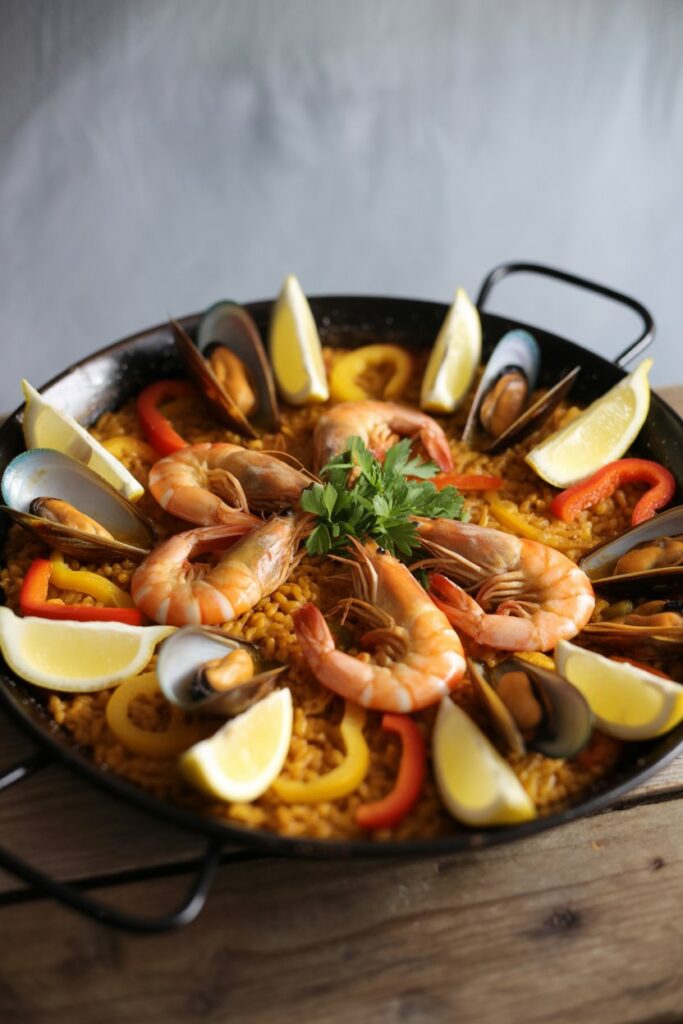
Serving paella is as much about creating an enjoyable experience as it is about the dish itself. The right presentation and accompaniments can elevate your meal, making it a celebration of flavors and tradition. This section guides you through authentic serving tips and pairing ideas that bring out the best in your Spanish rice dish.
Traditional Presentation Tips
Paella is traditionally served straight from the pan, encouraging a communal and casual dining atmosphere. The wide, shallow paella pan makes it easy for everyone to dig in and share the different textures and flavors from the crispy socarrat to the tender rice on top. A classic finishing touch is to serve lemon wedges on the side, allowing diners to add a fresh, citrusy brightness that perfectly balances the dish’s rich and savory notes.
Ideal Side Dishes and Drinks
Pairing your paella with the right sides and drinks enhances the overall meal. Light, refreshing side dishes like a mixed greens salad provide a bright, acidic counterpoint that balances the richness of the paella. Crusty bread is a simple yet effective addition, perfect for soaking up any leftover broth or flavorful bits. For drinks, sparkling water works well to cleanse the palate, especially in warm weather, while a crisp, dry white wine complements seafood-based paellas beautifully.
| Side Dish / Drink | Flavor Profile | Complements |
|---|---|---|
| Mixed greens salad | Bright, acidic | Balances rich paella |
| Crusty bread | Neutral, chewy | Soaks up broth/flavor |
| Sparkling water | Cleanser | Great for hot climates |
| White wine | Crisp, dry | Seafood-based paella |
Following these serving and pairing tips will help you create a memorable paella experience that celebrates the dish’s full range of flavors and textures.
Final Thoughts: The Joy of Making Paella at Home
Making paella at home is more than just preparing a meal — it’s an opportunity to connect with a rich cultural tradition and bring people together around the table. The process, from selecting authentic ingredients to perfecting your technique, rewards patience and creativity with a dish that delights both the palate and the spirit.
A Dish That Brings People Together
Paella has always been a communal experience, rooted in gatherings where friends and family share stories and laughter alongside a hearty, flavorful meal. Its significance in Spanish cuisine goes beyond taste; it represents hospitality, celebration, and the joy of togetherness. When you make paella at home, you’re inviting that spirit into your own kitchen, creating memories that extend far beyond the plate.
Your Turn – Experiment and Enjoy
Now that you’ve learned the essentials and some creative twists, it’s your turn to put your own spin on this classic dish. Don’t be afraid to experiment with local ingredients, flavors, or even cooking techniques—paella is versatile and welcoming to innovation. For more inspiration, explore our other Spanish recipes and rice dishes to expand your culinary journey and keep the flavors of Spain alive in your kitchen.
We’d love to hear about your paella adventures—feel free to share your tips, variations, or questions in the comments below!
Mastering Authentic Spanish Paella at Home
Mastering authentic Spanish paella at home is a fulfilling culinary journey that brings together tradition, flavor, and creativity. With the right ingredients, tools, and techniques, you can create a dish that not only tastes incredible but also celebrates the rich heritage of Spanish cuisine. Whether sticking to classic recipes or experimenting with your own twists, making paella is about sharing good food and great moments with those you care about. Enjoy the process, and let your homemade paella become a centerpiece of many memorable gatherings.