
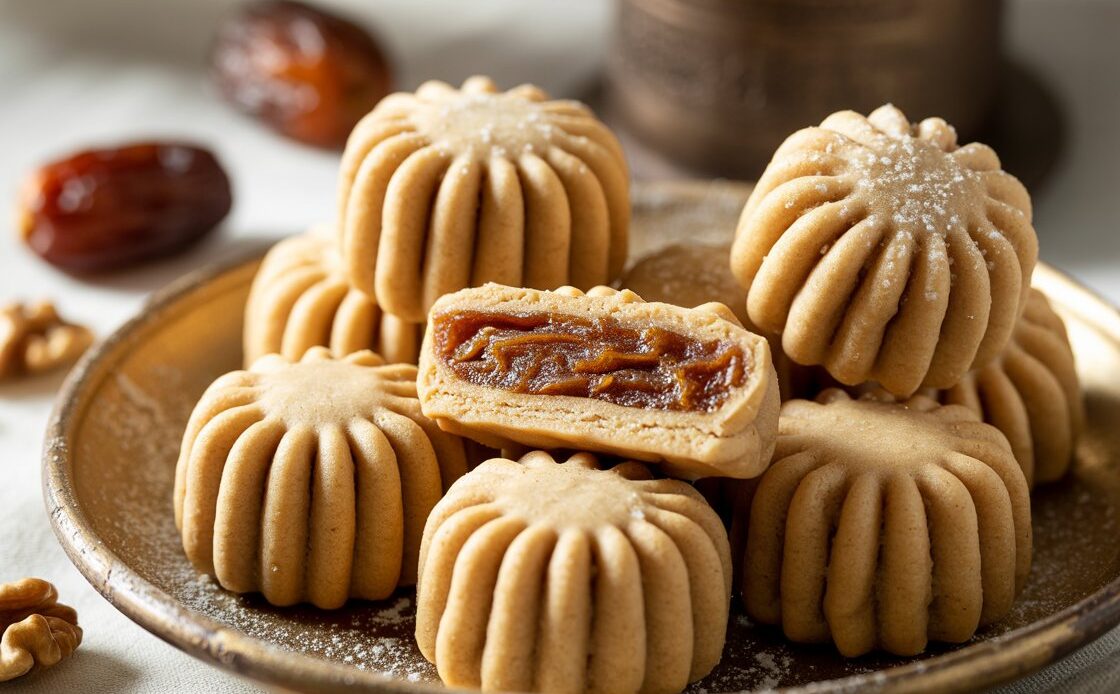
Ma’amoul recipe is a delightful journey into the heart of Middle Eastern desserts. These traditional date cookies, often filled with dates, pistachios, or walnuts, are more than just sweet treats—they carry centuries of culture, celebration, and family traditions. Whether you’re baking for Eid, Ramadan, or a festive gathering, learning how to make Ma’amoul cookies at home allows you to savor authentic flavors while adding your own creative twist. In this guide, we’ll explore the history, variations, and expert tips to make your homemade Ma’amoul truly unforgettable.
The Sweet History of Ma’amoul
Ma’amoul is more than a simple Middle Eastern dessert—it is a pastry that carries centuries of tradition, family stories, and regional pride. Before diving into its origins, it’s important to understand that these delicate date cookies are as much about culture as they are about flavor. Each bite reflects a mix of history, local ingredients, and celebratory customs that have been preserved across generations.
Origins Across the Middle East
The history of Ma’amoul stretches across centuries and countries, making it a beloved Middle Eastern dessert with deep cultural roots. These delicate date cookies are particularly popular in Lebanon, Syria, Jordan, and Palestine, where each region has developed its own unique take on the pastry. While the core ingredients—semolina, butter, and date or nut fillings—remain consistent, regional differences appear in the shapes, molds, and subtle flavor enhancements like rose water or orange blossom water.
Timeline of Regional Variations of Ma’amoul
| Region | Popular Filling | Distinctive Feature | Historical Note |
|---|---|---|---|
| Lebanon | Dates, Pistachios | Decorative molded patterns | Used in festive gatherings for centuries |
| Syria | Walnuts, Dates | Slightly softer texture, varied shapes | Popular during religious holidays |
| Jordan | Dates, Walnuts | Round, flattened molds | Served with Arabic coffee |
| Palestine | Dates, Pistachios, Walnuts | Elaborate floral patterns | Central in family celebrations |
Cultural Significance During Festivals
Ma’amoul cookies are more than just a treat—they are a symbol of celebration and hospitality. They are traditionally prepared for Eid al-Fitr, marking the end of Ramadan, as well as for Eid al-Adha and other special occasions. Families often gather to fill the cookies together, creating a sense of community and passing down recipes from generation to generation.
Did you know?
The intricate patterns of Ma’amoul molds are not just decorative; each design can represent a different filling or a particular family tradition. Some molds are passed down through generations, making them cherished family heirlooms.
Why Ma’amoul Is More Than Just a Cookie
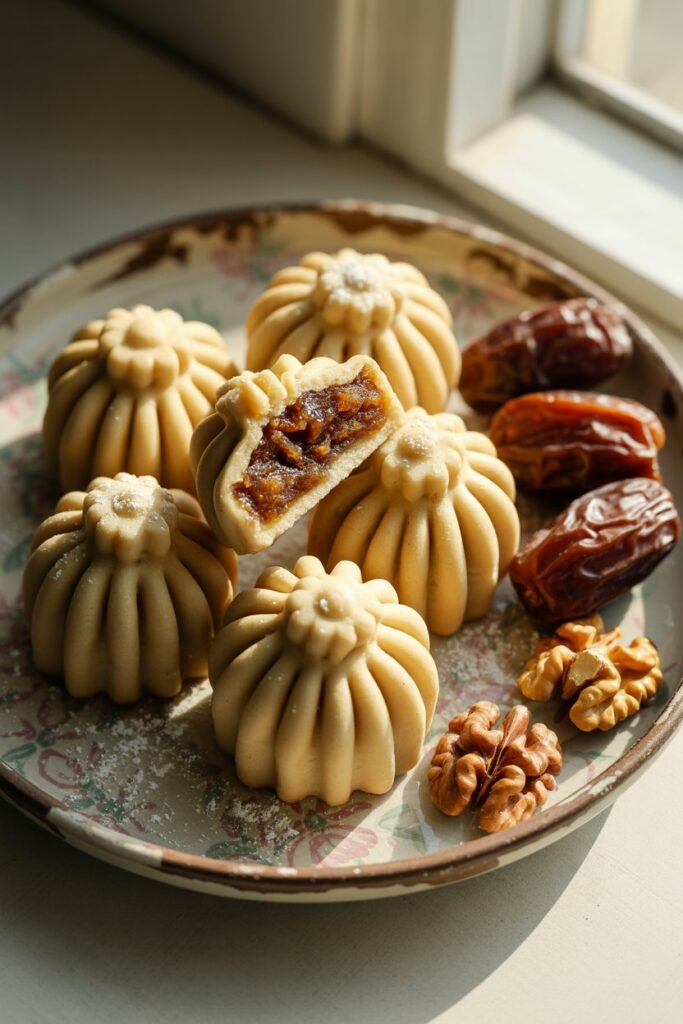
Ma’amoul is more than a simple Middle Eastern dessert; it is a blend of history, artistry, and flavor that makes every bite a celebration. While it may look like an ordinary cookie at first glance, the combination of ingredients, textures, and regional traditions elevates it into something truly special. The magic lies not just in its filling but in the harmony of flavors and the care taken to craft each piece.
A Celebration of Flavors
The unique taste of Ma’amoul cookies comes from the careful balance of ingredients. Nuts like pistachios and walnuts add a rich, earthy crunch, while dates contribute natural sweetness and a chewy texture. The subtle floral notes from rose water or orange blossom water enhance the aroma, and semolina gives the cookie its signature delicate, crumbly texture. Together, these elements create a multi-layered flavor experience that is both traditional and irresistible.
Flavor Profile of Ma’amoul
| Ingredient | Flavor Contribution | Texture Contribution | Aroma Contribution |
|---|---|---|---|
| Dates | Sweet, fruity | Chewy | Mild |
| Walnuts | Nutty, earthy | Crunchy | Rich, warm |
| Pistachios | Sweet, nutty | Crunchy | Aromatic, subtle |
| Rose Water | Floral, fragrant | Smooth | Fragrant |
| Semolina | Mild, nutty | Crumbly | Lightly earthy |
Ma’amoul Variations Around the Region
While the foundation of Ma’amoul is consistent across the Middle East, each country adds its own distinctive touch. In Lebanon, Ma’amoul often features dates or pistachios with intricate molded patterns. Syrian Ma’amoul tends to be softer and slightly sweeter, with walnut or date fillings. Palestinian versions frequently showcase elaborate floral designs and combine dates, pistachios, and walnuts, reflecting a blend of textures and flavors.
Regional Variations of Ma’amoul
| Country | Popular Filling | Typical Shape | Texture/Notes |
|---|---|---|---|
| Lebanon | Dates, Pistachios | Round, floral molds | Crumbly, decorative |
| Syria | Walnuts, Dates | Slightly flattened | Soft, mildly sweet |
| Palestine | Dates, Pistachios, Walnuts | Floral and geometric | Crumbly yet moist, festive |
This regional diversity demonstrates that Ma’amoul is not just a cookie but a reflection of culture, tradition, and local tastes.
Choosing the Perfect Filling
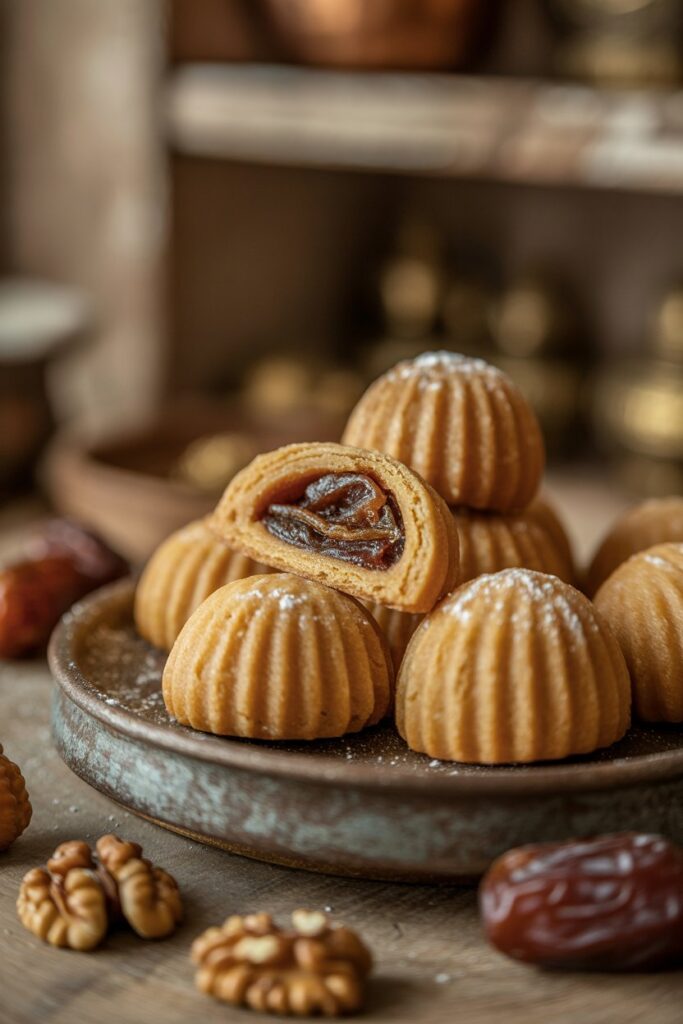
The filling is the heart of Ma’amoul cookies, giving each bite its unique taste and texture. Choosing the right combination of dates, pistachios, or walnuts can elevate your homemade Ma’amoul from good to unforgettable. Understanding the flavor profiles and textures of each filling helps you craft cookies suited for different occasions, from festive celebrations to casual family treats.
Date, Pistachio, or Walnut?
Each traditional Ma’amoul filling brings something special to the cookie. Dates provide natural sweetness and a chewy consistency that balances the crumbly semolina dough. Pistachios contribute a nutty, slightly sweet crunch, and a beautiful green hue that makes cookies visually appealing. Walnuts offer a warm, earthy flavor and a satisfying bite that pairs well with the delicate pastry.
Filling vs Flavor vs Texture vs Occasions
| Filling | Flavor Profile | Texture | Best Occasions |
|---|---|---|---|
| Dates | Sweet, fruity | Chewy | Ramadan, Eid, everyday treats |
| Pistachios | Nutty, subtly sweet | Crunchy | Festive gatherings, gifts |
| Walnuts | Earthy, rich | Crunchy | Family celebrations, holidays |
| Mixed Nuts | Nutty & sweet | Crunchy/chewy | Weddings, special events |
Tips for Flavor Boosting
Enhancing the natural flavors of your Ma’amoul cookies can make a big difference. Lightly toasting nuts before using them brings out their aromatic oils, while softening dates in warm water or a touch of orange blossom water intensifies their sweetness. A pinch of cinnamon or cardamom can add subtle warmth without overpowering the traditional taste.
Expert Tip:
Wrap your freshly baked Ma’amoul in a thin layer of powdered sugar and let them rest for a few hours. This allows the flavors to meld and the pastry to develop a melt-in-the-mouth texture that’s signature to authentic Ma’amoul.
Baking Ma’amoul Like a Pro
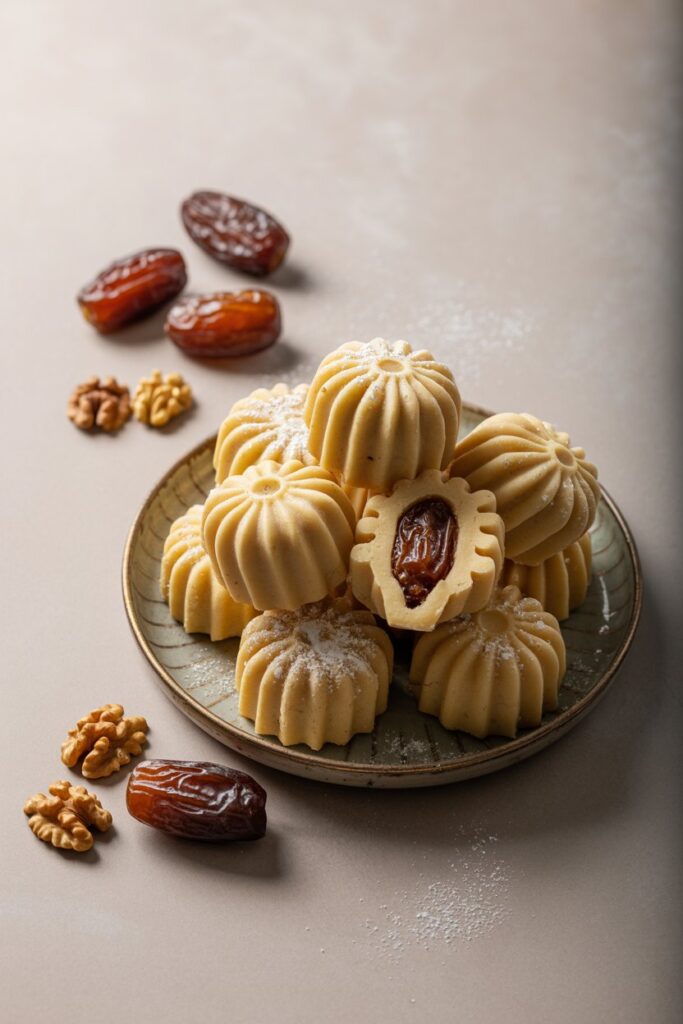
Baking Ma’amoul cookies is both an art and a science. Beyond the ingredients, mastering techniques and tools ensures your homemade Ma’amoul looks beautiful, tastes authentic, and delights anyone who takes a bite. From molds to oven tips, small details make a big difference in achieving perfect results.
The Magic of the Mold
One of the defining features of Ma’amoul is its shape and pattern, which is achieved using a Ma’amoul mold. These molds not only create beautiful designs but also help maintain even baking, giving the cookies their signature texture. Traditionally carved from wood, molds come in various shapes such as floral, geometric, or symbolic patterns. Using the right mold ensures that each cookie is uniform, visually appealing, and true to its cultural heritage.
Diagram of Common Ma’amoul Mold Designs
| Mold Shape | Typical Filling | Regional Use |
|---|---|---|
| Floral pattern | Dates, Pistachios | Lebanon, Palestine |
| Geometric design | Walnuts, Dates | Syria, Jordan |
| Symbolic shapes | Mixed nuts | Special celebrations |
Common Mistakes to Avoid
Even experienced bakers can run into challenges while making Ma’amoul cookies. Here’s a quick checklist to help you avoid the most common issues:
- Dough too dry → causes cracks during shaping
- Dough too wet → cookies lose structure and flatten
- Overfilling → filling leaks and affects baking
- Undercooked centers → soft or doughy inside
- Overbaking → cookies become dry and lose flavor
- Excessive sugar → masks the subtle flavors of nuts and dates
Following these tips and using molds correctly will help you bake perfect Ma’amoul every time, with crisp edges, a soft interior, and beautiful designs that impress both family and guests.
Creative Twists on Traditional Ma’amoul
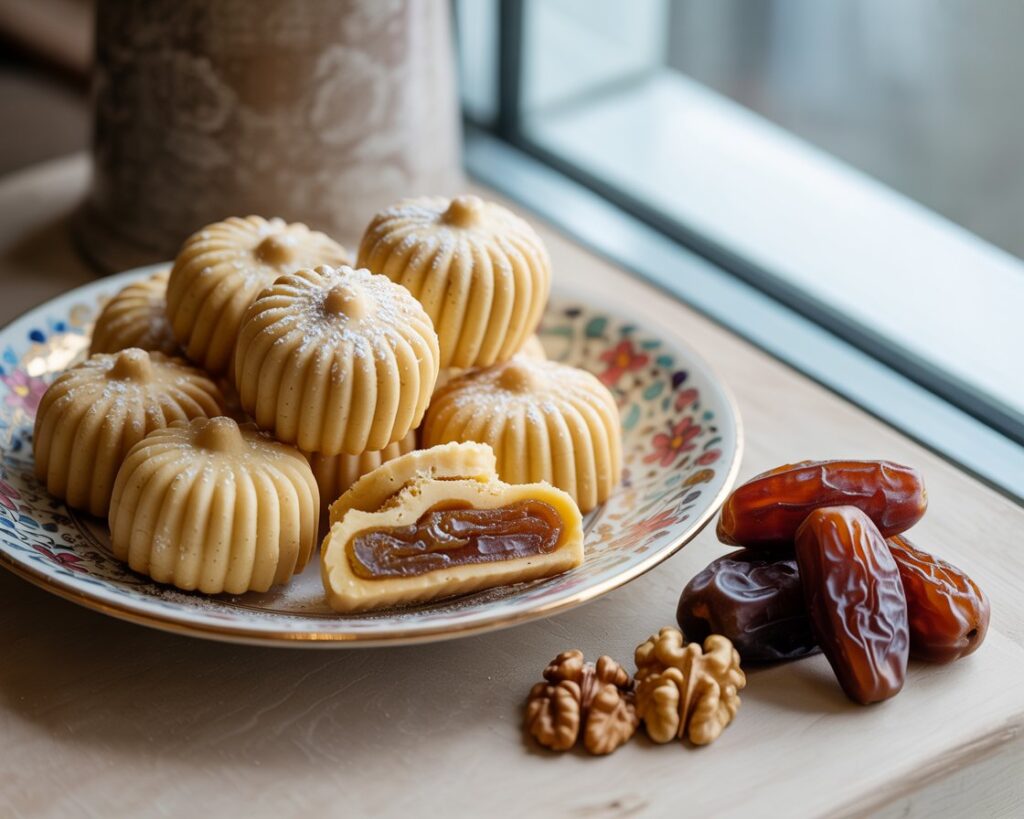
While traditional Ma’amoul cookies are delicious on their own, experimenting with flavors, fillings, and shapes can make baking even more fun. These creative variations allow you to put a personal spin on a beloved Middle Eastern dessert while still honoring its cultural roots.
Beyond Dates and Nuts
Beyond the classic dates, pistachios, and walnuts, there are endless possibilities for innovative Ma’amoul fillings. Consider using:
- Chocolate for a decadent twist
- Dried fruits like figs, apricots, or cranberries for a fruity punch
- Savory options such as spiced cheese or nuts for a unique variation
These variations can be showcased in a mini-gallery or small images to inspire readers visually, making the post more interactive and enjoyable.
Modern Shapes and Decorations
Traditional Ma’amoul molds can be complemented with modern shapes and decorations for special occasions. Heart shapes, stars, or geometric patterns add a festive touch, while a light dusting of powdered sugar enhances both flavor and presentation.
Shape vs Occasion Table
| Shape | Best Occasion | Suggested Filling |
|---|---|---|
| Heart | Weddings, Valentine’s Day | Pistachio, Chocolate |
| Star | Christmas, New Year | Dates, Walnuts |
| Geometric/Floral | Eid, Ramadan, family gatherings | Mixed nuts, Dates |
| Mini rounds | Everyday treats | Dates, Chocolate |
These creative adaptations show that Ma’amoul is a versatile Middle Eastern dessert that can evolve while still respecting its heritage, making it perfect for modern bakers looking to impress friends and family.
Storing and Sharing Your Ma’amoul
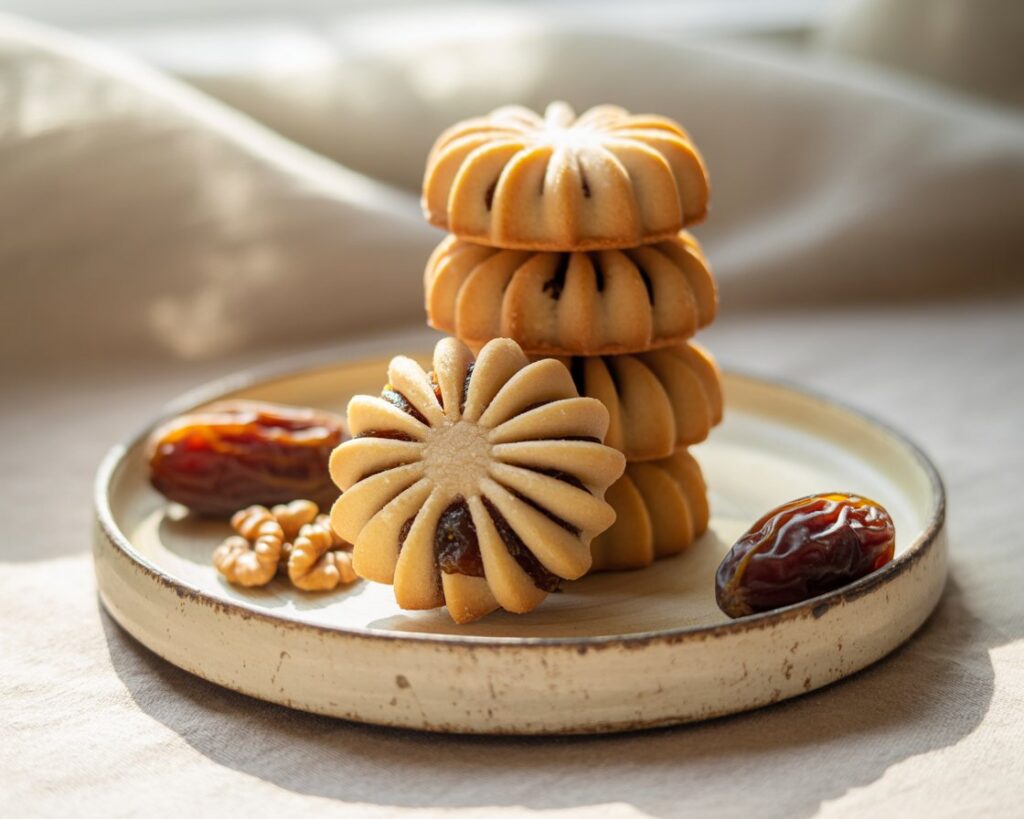
Proper storage and presentation can elevate your Ma’amoul cookies from delicious treats to memorable gifts. Knowing how to store them and package them creatively ensures your homemade Ma’amoul stays fresh, flavorful, and visually appealing for any occasion.
Best Storage Practices
Keeping Ma’amoul at its best requires attention to temperature, moisture, and packaging. The cookies are delicate, so proper storage helps maintain their signature crumbly texture and rich flavors.
Ma’amoul Storage Guide
| Storage Method | Duration | Tips |
|---|---|---|
| Airtight container | 1 week | Store at room temperature, away from direct sunlight |
| Refrigerator | 2-3 weeks | Place in airtight container to prevent drying |
| Freezer | Up to 3 months | Wrap individually or in layers with parchment paper |
Fun Ways to Gift Ma’amoul
Ma’amoul cookies make wonderful gifts for holidays, celebrations, or as thoughtful treats for friends and family. Creative packaging ideas include:
- Small decorative boxes with parchment liners
- Mason jars layered with different flavors
- Gift trays tied with ribbons or festive cloth
- Personalized tins for special occasions
Instagram-Worthy Tip:
Arrange your Ma’amoul in rows or patterns, dust lightly with powdered sugar, and add fresh edible flowers or nuts on top. This makes the cookies look elegant and ready for social media sharing, enhancing both presentation and appeal.
Final Thoughts on Ma’amoul Recipe
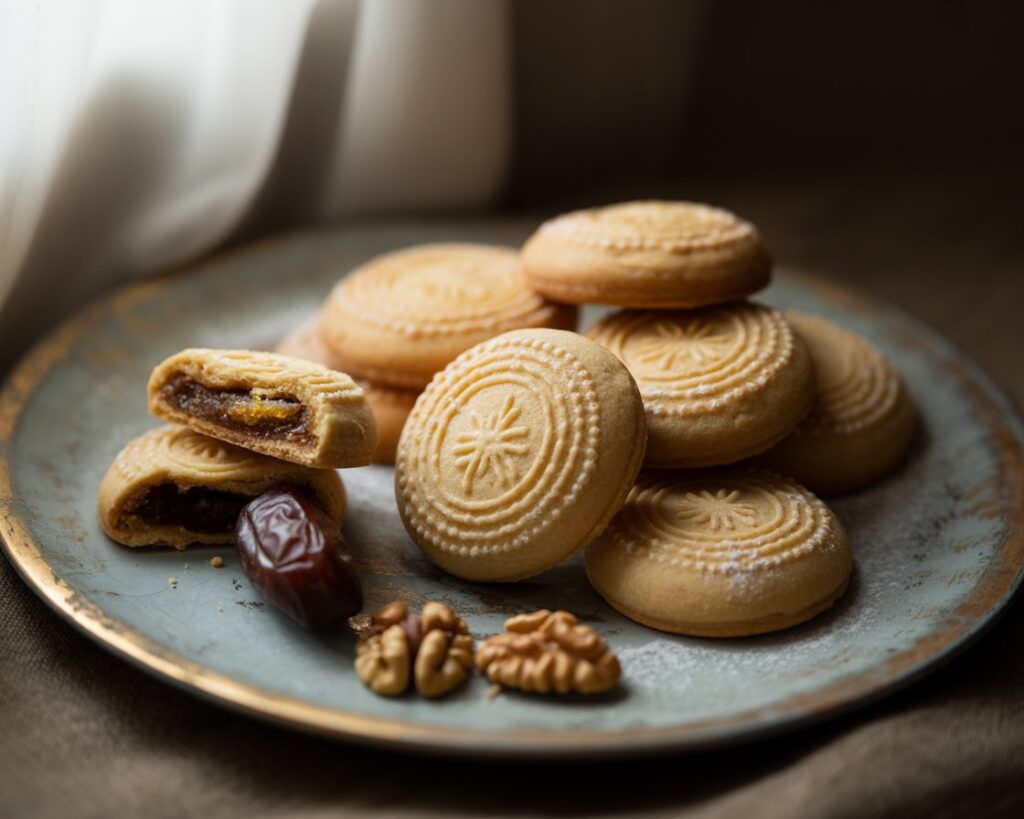
The Ma’amoul recipe is more than a set of ingredients—it’s a tradition that brings families together through flavor and culture. Whether filled with dates, pistachios, or walnuts, these cookies embody the heart of Middle Eastern desserts. By trying this recipe at home, you’ll not only enjoy a delicious treat but also take part in a centuries-old culinary heritage.
