
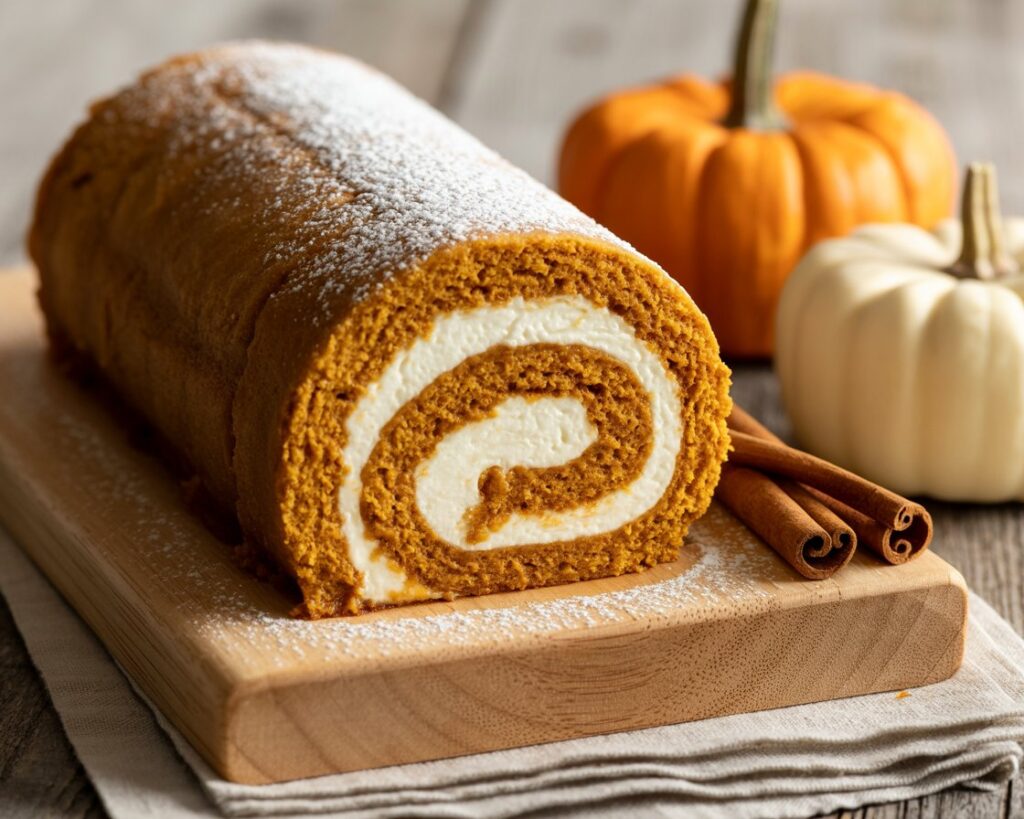
Libby’s pumpkin roll recipe is more than just a classic fall dessert—it’s a nostalgic treat that brings warmth, comfort, and just the right amount of sweetness to your holiday table. With its soft, spiced pumpkin cake and rich cream cheese filling, this iconic pumpkin roll has earned its place as a must-have during Thanksgiving and beyond. In this post, we’re diving into the secrets behind the perfect pumpkin roll, sharing tips to avoid common mistakes, and even offering a few fun twists to keep things interesting. Whether you’re baking for the first time or looking to impress your guests, this is the easy pumpkin roll recipe guide you’ve been waiting for.
Why Libby’s Pumpkin Roll Is a Holiday Icon

For many, Libby’s pumpkin roll recipe is synonymous with the warmth and comfort of the holiday season. This dessert has become a cherished tradition in countless households, evoking memories of family gatherings, festive celebrations, and the unmistakable aroma of pumpkin and spices filling the kitchen. Its popularity goes beyond just taste; it symbolizes a connection to fall’s rich heritage and seasonal flavors. What makes this particular pumpkin roll so beloved is its perfect balance of moist cake and creamy filling, delivering an experience that’s both nostalgic and deeply satisfying.
A Taste of Fall in Every Bite
The magic of Libby’s pumpkin roll lies in its unique combination of flavors that instantly bring autumn to life. The cake itself is infused with pumpkin and a blend of warming spices like cinnamon, nutmeg, and cloves, creating a comforting spice profile that’s characteristic of fall desserts. Paired with a smooth and tangy cream cheese filling, this pumpkin roll captures the essence of the season in every bite. It’s this harmonious pairing that transforms a simple cake into a festive classic, making it a standout choice for Thanksgiving, Halloween, or any cozy autumn occasion.
What Makes Libby’s Pumpkin Roll Stand Out
A key factor that sets Libby’s pumpkin roll recipe apart from other pumpkin desserts is the use of Libby’s canned pumpkin. Unlike homemade pumpkin puree, Libby’s provides a consistent texture and flavor, which is crucial for achieving the perfect cake structure and taste every time. The smooth and thick quality of Libby’s pumpkin ensures the batter maintains the right moisture without becoming too watery, which can often happen with fresh pumpkin puree that varies depending on the type of squash used.
Below is a comparison to highlight why many bakers prefer Libby’s canned pumpkin for their recipes:
| Feature | Libby’s Canned Pumpkin | Homemade Puree |
|---|---|---|
| Texture | Smooth and thick | Can be watery |
| Flavor | Deep, consistent | Varies by squash type |
| Shelf Life | Long | Short |
| Ease of Use | No prep needed | Needs roasting/blending |
Using Libby’s canned pumpkin not only saves time but also guarantees that your pumpkin roll will have a reliable flavor and texture every baking session. This reliability, combined with the nostalgic taste and ease of preparation, is what makes Libby’s pumpkin roll recipe a true holiday icon.
The Science Behind a Perfect Pumpkin Roll
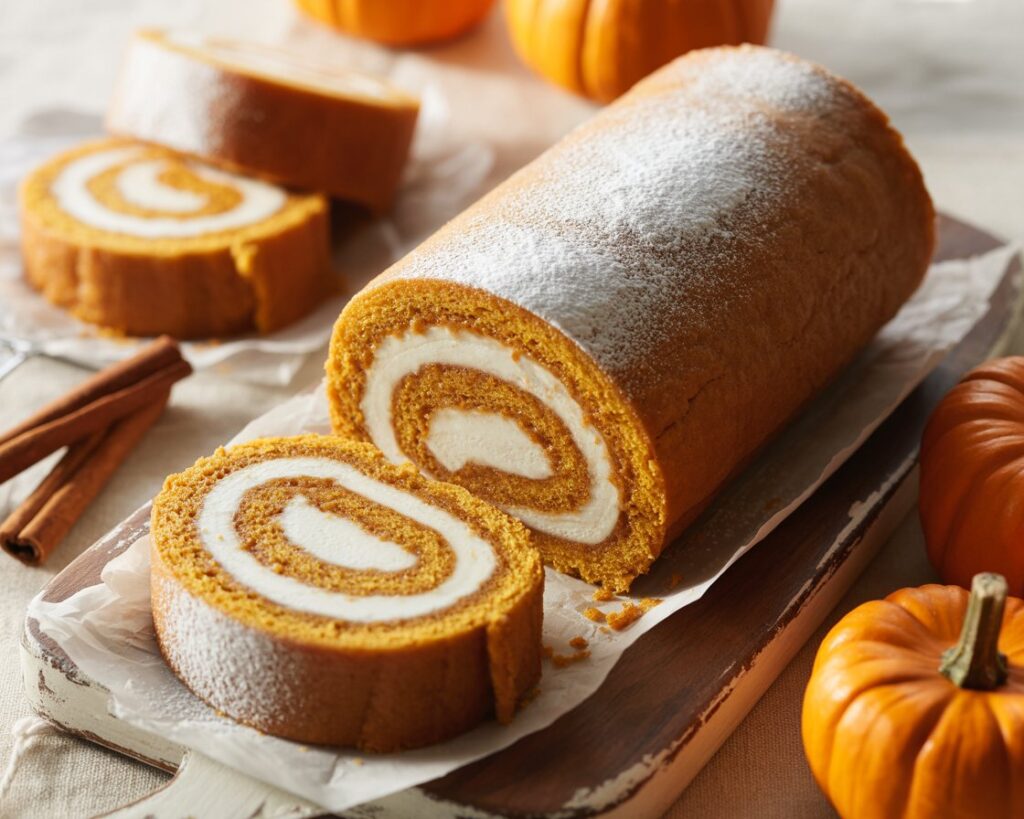
Understanding the baking science behind Libby’s pumpkin roll recipe can take your dessert from good to unforgettable. When you know why certain ingredients and techniques matter, it becomes easier to troubleshoot problems and consistently achieve that moist, tender cake with the perfect roll. Let’s break down some key factors that influence the texture and success of your pumpkin roll.
Why You Need a Jelly Roll Pan (Not Just Any Pan)
The size and shape of your pan are critical when making a pumpkin roll. A jelly roll pan typically measures about 10×15 inches with low sides, allowing the batter to bake into a thin, flexible sheet that can be easily rolled without cracking. Using a deeper or smaller pan will affect baking time and thickness—too thick, and the cake won’t roll properly; too thin, and it might dry out.
The pan’s shallow depth also encourages even heat distribution, which helps the cake cook quickly and stay moist, making rolling much easier. So, for a perfect pumpkin roll, using the right pan is step one.
The Role of Eggs, Sugar, and Pumpkin in Texture
Each major ingredient in your Libby’s pumpkin roll recipe plays a specific role in creating that soft, spiced cake you love. Here’s a quick breakdown:
| Ingredient | Purpose in Pumpkin Roll |
|---|---|
| Eggs | Provide structure and help bind ingredients; add moisture and richness |
| Sugar | Sweetens and helps tenderize the cake by breaking down gluten proteins |
| Pumpkin | Adds moisture, flavor, and a tender crumb; also contributes to density and color |
Understanding these functions helps explain why precise measurements and mixing methods are important for getting the right texture every time.
Tip Box: Don’t Overmix!
Overmixing your batter can develop too much gluten, making the cake tough and prone to cracking when rolled. Mix just until the ingredients are combined for a tender, moist pumpkin roll.
Avoid These Common Pumpkin Roll Mistakes
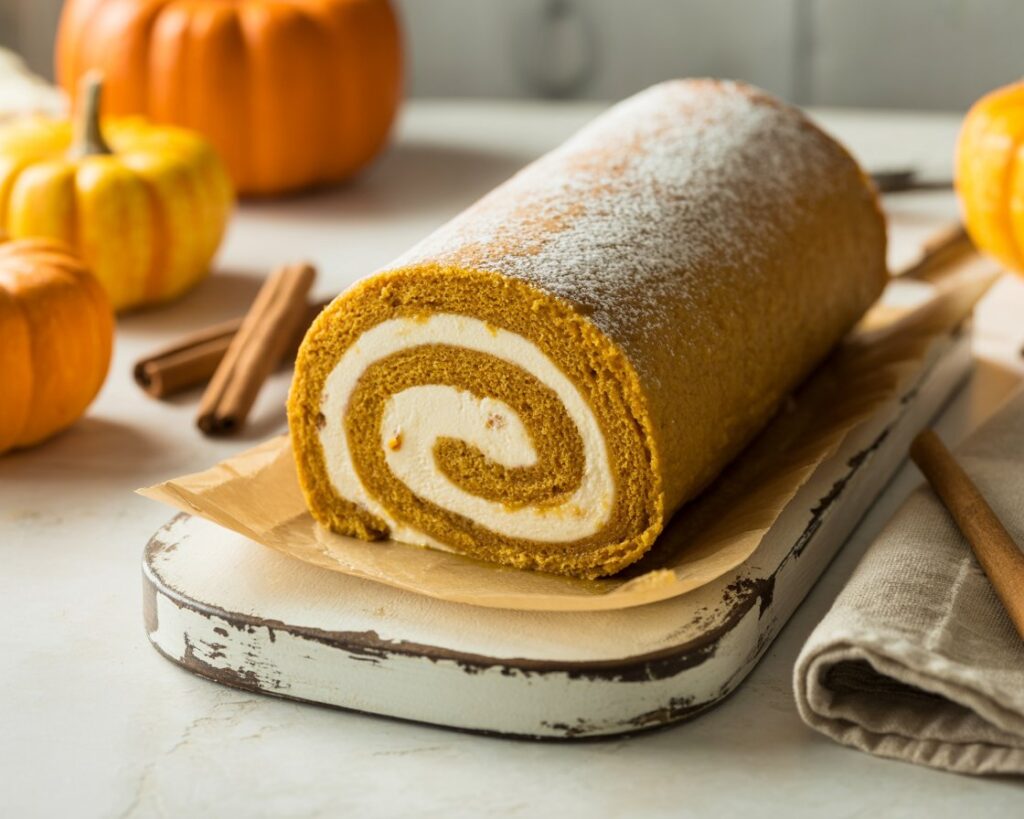
Even the best Libby’s pumpkin roll recipe can run into trouble if certain key steps are missed. To help you bake with confidence, here are some common mistakes and how to avoid them so your pumpkin roll turns out beautifully every time.
Cracked Cake? Here’s Why It Happens
One of the most frustrating issues when making a pumpkin roll is dealing with cracks in the cake. This usually happens because:
- Overbaking: Leaving the cake in the oven too long dries it out, making it brittle and more likely to crack when rolled.
- Not Rolling While Warm: The cake needs to be rolled up while it’s still warm and pliable, typically in a sugared kitchen towel or parchment paper. Waiting until it cools makes the cake stiff and prone to breaking.
- Skipping Parchment Paper: Baking the cake directly on the pan without parchment can cause it to stick, making it difficult to roll without damage.
Lumpy Cream Cheese Filling?
A smooth, creamy filling is just as important as the cake itself. Problems with the cream cheese filling often stem from:
- Using low-fat or cold cream cheese, which doesn’t whip up smoothly.
- Mixing the filling too quickly or unevenly, leaving lumps.
Here’s a quick troubleshooting guide to help you fix common pumpkin roll problems:
| Problem | Likely Cause | How to Fix It |
|---|---|---|
| Cracks in cake | Rolled after cooling | Roll while still warm |
| Filling too runny | Used low-fat cream cheese | Use full-fat, softened cream cheese |
| Cake sticks to towel/pan | Skipped parchment or sugar | Use parchment paper + powdered sugar |
Tips to Get That Perfect Swirl
A beautiful, even swirl is the hallmark of a show-stopping Libby’s pumpkin roll recipe. It’s what makes each slice look as delicious as it tastes! Mastering the swirl is easier than you think — with the right technique and a little patience, you’ll impress your family and friends every time.
Roll, Don’t Fold
The key to that perfect spiral is rolling your cake gently and steadily, not folding it like a crepe or a napkin. Folding creates creases and cracks, while rolling keeps the layers smooth and intact.
Here’s a simple step-by-step to get that flawless roll:
- Once your cake is baked, immediately loosen it from the pan edges.
- Place a clean kitchen towel (lightly dusted with powdered sugar) or a silicone baking mat over the cake.
- Carefully flip the cake onto the towel/mat.
- Peel off the parchment paper.
- Starting at the short end, roll the cake with the towel inside, rolling it snugly but gently.
- Let the rolled cake cool completely before unrolling to spread the filling.
Including a visual diagram here showing each step can really help readers grasp the technique quickly!
The Secret to Even Layers
For a swirl that’s both beautiful and delicious, evenly spreading both the batter and the cream cheese filling is essential. Uneven batter leads to lopsided thickness, making rolling tricky and causing uneven swirls.
- Use an offset spatula to gently spread the batter to the edges in a uniform layer before baking.
- When filling, spread the cream cheese mixture evenly, avoiding clumps or overly thick areas.
How to Roll Without Breaking It
Pro Tip: Using a towel or silicone mat helps prevent sticking and gives you the control you need to roll without cracking.
Rolling Tools Checklist
- Jelly roll pan
- Parchment paper
- Clean kitchen towel (powdered sugar dusted) or silicone baking mat
- Offset spatula
- Cooling rack
Creative Variations You’ll Want to Try
Once you’ve mastered the classic Libby’s pumpkin roll recipe, why not get a little creative? Adding unique twists to the filling or toppings can turn this traditional favorite into a personalized masterpiece that’s all your own. Here are some delicious ideas to inspire your next baking adventure.
Pumpkin Roll with Chocolate Ganache
For chocolate lovers, adding a rich chocolate ganache drizzle over your pumpkin roll takes it to the next level. The smooth, glossy ganache pairs beautifully with the spiced pumpkin and creamy filling, creating an indulgent dessert perfect for special occasions. Serve it with a scoop of vanilla ice cream or fresh berries for an extra treat.
Maple Pecan Cream Cheese Filling
Elevate your cream cheese filling by swirling in maple syrup and chopped pecans. This variation adds a delightful nutty sweetness that complements the pumpkin’s warm spices perfectly. It’s a crowd-pleaser that brings a cozy, autumnal vibe to every bite.
Flavor Variation Matrix
| Twist | Filling Flavor | Optional Topping |
|---|---|---|
| Chocolate Hazelnut Roll | Nutella Cream Cheese | Cocoa Powder + Nuts |
| Chai-Spiced Pumpkin Roll | Chai Cream Cheese | Cinnamon Dust |
| Maple Walnut Roll | Maple Syrup + Walnuts | Toasted Walnuts |
Feel free to mix and match these ideas or invent your own—baking is all about having fun and making flavors that excite you!
Storing, Freezing & Make-Ahead Hacks
Mastering Libby’s pumpkin roll recipe isn’t just about baking — it’s also about knowing how to store and prep it so it stays fresh, moist, and delicious, especially during busy holiday seasons. Here’s how to keep your pumpkin roll at its best, whether you’re making it ahead or saving leftovers.
How Long Does It Last?
Proper storage is key to preserving that tender texture and rich flavor. Here’s a handy table summarizing the shelf life depending on storage method:
| Storage Method | How Long It Lasts | Storage Tips |
|---|---|---|
| Room Temperature | Up to 2 days | Keep tightly wrapped or in airtight container; avoid warm, humid areas |
| Refrigerator | 5 to 7 days | Wrap in plastic wrap + foil or airtight container to prevent drying out |
| Freezer | Up to 3 months | Wrap tightly in plastic wrap and aluminum foil; thaw properly before serving |
Make It Ahead for Thanksgiving
Planning ahead can save you stress on the big day. Pumpkin rolls freeze wonderfully, whether whole or pre-sliced:
- Whole roll: Wrap tightly in plastic wrap and foil. Thaw overnight in the refrigerator for best texture.
- Sliced pieces: Freeze on a baking sheet first, then transfer to a freezer bag. This way, you can thaw just what you need.
When thawing, avoid microwaving—slow thawing in the fridge helps maintain moisture and prevents the filling from becoming runny.
Bonus: Gift-Wrapping Pumpkin Rolls
Pumpkin rolls make charming homemade gifts! Wrap your roll in parchment paper tied with rustic twine or place it in a decorative box with a personalized tag. Adding a sprig of cinnamon sticks or dried orange peel gives a festive touch that’s sure to delight.
Mastering Libby’s Pumpkin Roll Recipe for Perfect Results Every Time
With the right techniques, a little baking science, and some creative twists, Libby’s pumpkin roll recipe can become your go-to dessert for every occasion. Whether you’re aiming for that flawless swirl, avoiding common mistakes, or preparing ahead for the holidays, these tips will help you bake with confidence and impress your family and friends. Now it’s your turn to enjoy the process—and savor every delicious bite!