
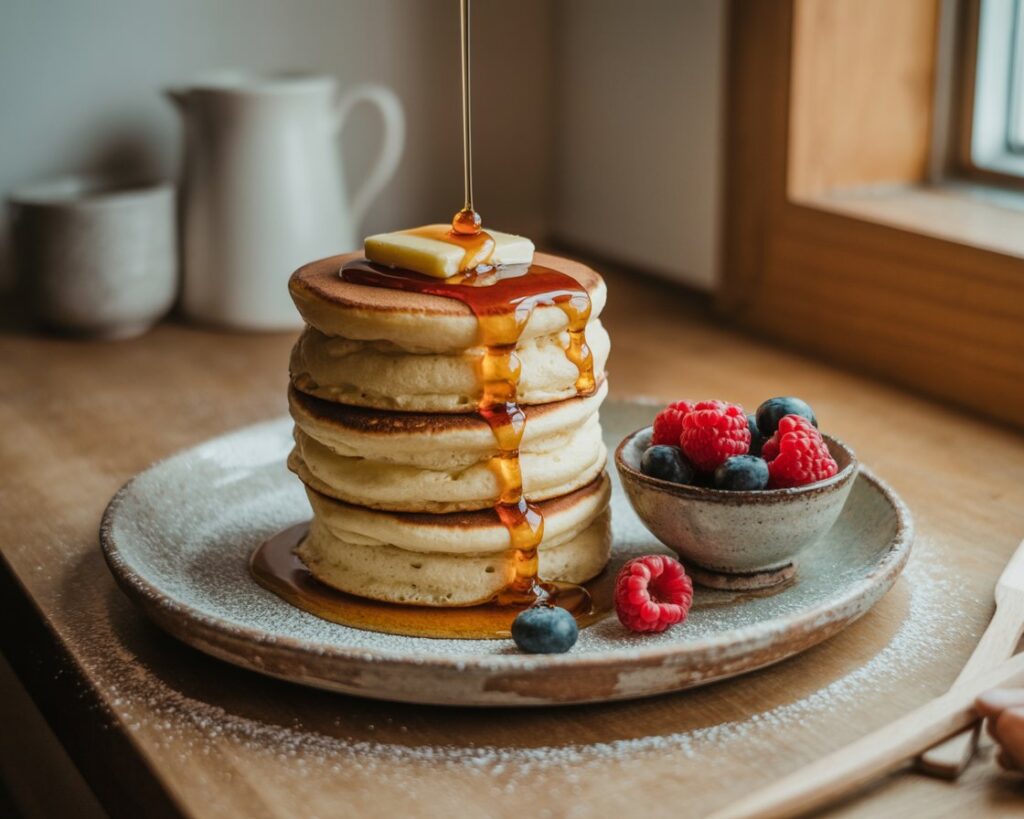
Japanese fluffy pancakes recipe has taken breakfast lovers worldwide by storm — and for good reason. These light, airy, and irresistibly soft pancakes aren’t just any pancakes; they’re a delightful experience that feels like biting into a sweet, warm cloud. But what’s the secret behind their perfect texture? In this post, we’ll uncover the science, techniques, and little-known tips that turn simple ingredients into those iconic jiggly pancakes you see in Japanese cafes. Whether you’re a beginner or a seasoned home cook, get ready to master the art of fluffy pancakes like never before.
What Makes Japanese Fluffy Pancakes So Unique?
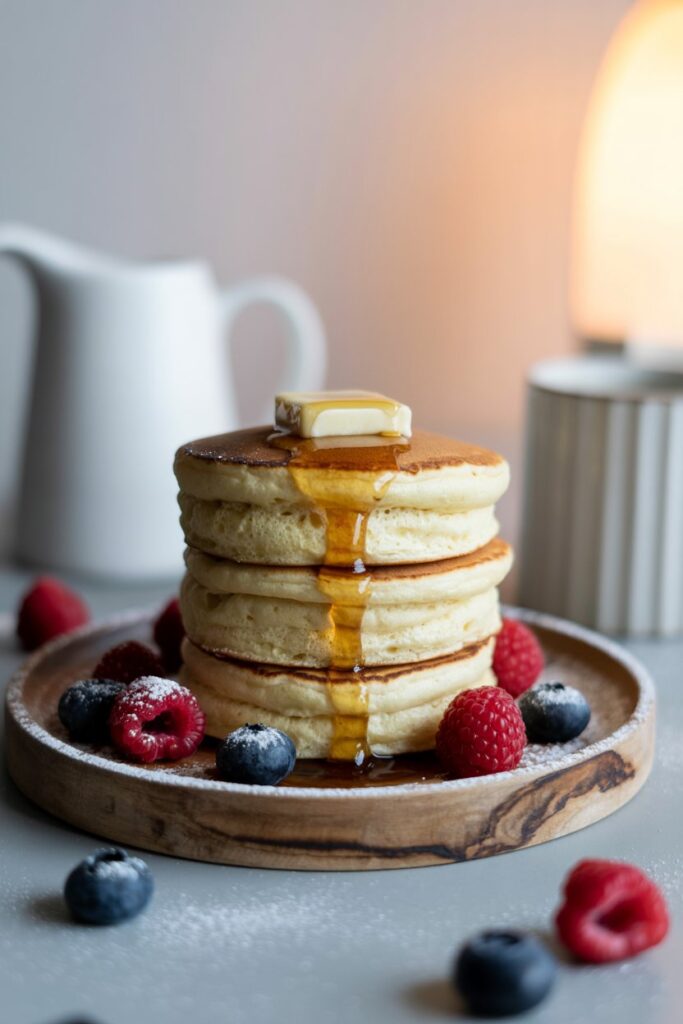
Japanese fluffy pancakes stand apart from traditional pancakes due to their incredibly soft, airy, and delicate texture. This unique quality comes from precise techniques and a deep understanding of the science behind the batter. Unlike regular pancakes, which rely mainly on leavening agents like baking powder, Japanese fluffy pancakes achieve their signature lightness primarily through whipping egg whites to perfection and careful cooking methods that preserve that fluffiness. Let’s explore what makes these pancakes truly special.
The Science of Fluffiness: Whipping Egg Whites to Perfection
The secret behind the iconic airy texture of Japanese fluffy pancakes lies in the technique of whipping egg whites until they reach stiff peaks. When egg whites are beaten, they trap air bubbles within a network of proteins. These air bubbles expand during cooking, causing the pancakes to rise and become incredibly light.
There are different stages of whipped egg whites, each contributing differently to the pancake’s texture:
| Egg White Stage | Texture Outcome | Visual/Feel |
|---|---|---|
| Soft Peaks | Medium fluffiness | Slightly glossy, holds shape |
| Stiff Peaks | Maximum fluffiness | Matte, firm, holds shape perfectly |
Using egg whites at the stiff peak stage is crucial for maximizing fluffiness. Under-whipping results in denser pancakes, while over-whipping can cause the whites to dry out and collapse, affecting the rise. A visual aid or diagram illustrating the stages of egg white peaks can help clarify this process and guide you in achieving the perfect consistency.
Why Pancake Batter Temperature Matters
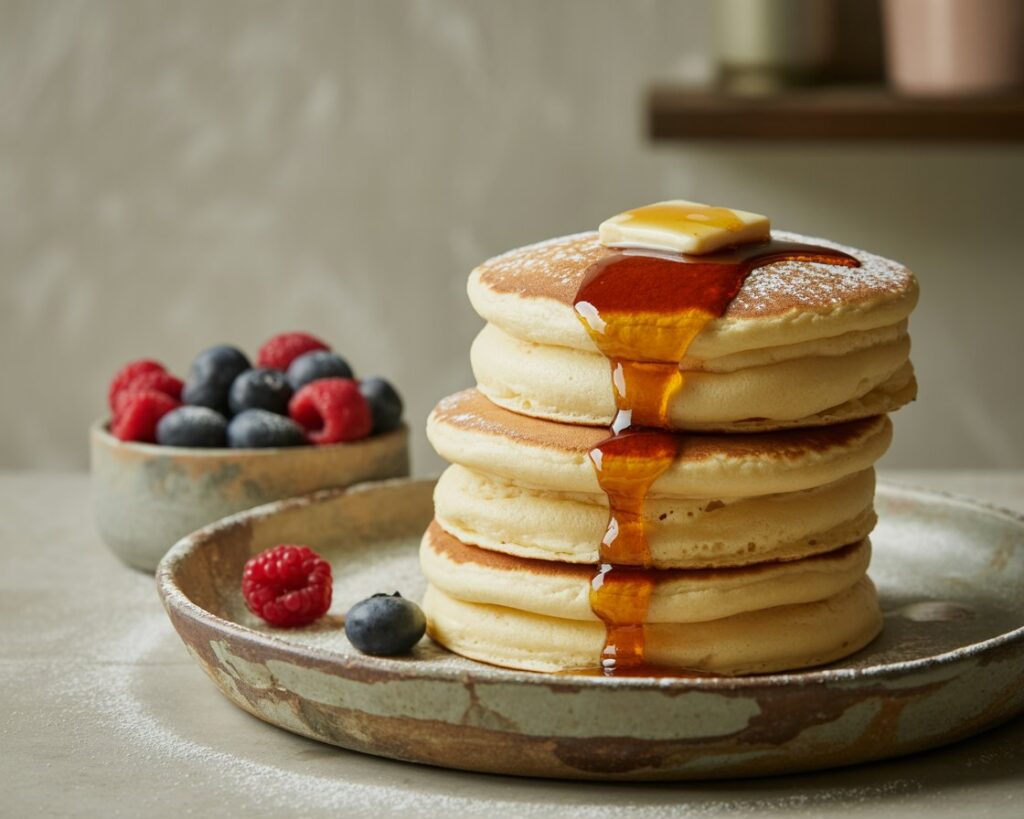
The temperature of your pancake batter plays a surprisingly important role in the final texture. Batter that is too cold slows down the cooking process, resulting in uneven rising and potentially dense pancakes. Conversely, batter that is too warm can cause the air bubbles to break down before cooking, losing the fluffiness.
For the best results, it’s recommended to bring the batter to room temperature before cooking. This ensures that the eggs and other ingredients blend smoothly and that the trapped air remains stable during cooking.
Quick Tip:
Ideal batter temperature for best pancakes: Around 20–25°C (68–77°F).
The Role of Japanese Cooking Techniques
Beyond the batter itself, the cooking method plays a significant role in developing the texture unique to Japanese fluffy pancakes. Three techniques are key:
- Using ring molds: These help pancakes hold their tall, thick shape while cooking slowly.
- Low heat cooking: Cooking on low heat allows the pancakes to cook evenly without burning the outside while the inside sets properly.
- Slow flipping: Carefully flipping the pancakes only once preserves the fluff and avoids deflating the batter.
Including a step-by-step illustration showing these techniques can visually guide readers, highlighting important moments like pouring batter into molds, timing the flips, and checking the pancake’s jiggle to ensure perfect results.
Secret Techniques for Perfect Pancake Texture Every Time

Achieving the iconic pillowy softness of Japanese fluffy pancakes is less about luck and more about mastering some specific techniques. These subtle but crucial steps help keep your pancakes airy, light, and beautifully jiggly every single time.
The Art of Folding Egg Whites Without Deflating
Folding whipped egg whites into your batter is an art form — and the secret to preserving those precious air bubbles that give the pancakes their rise and fluffiness. But it’s easy to accidentally deflate your egg whites if you’re too aggressive.
Creative Tips to Keep Air Bubbles Intact:
- Use a large rubber spatula or whisk.
- Gently cut down through the center of the batter, then sweep around the sides in a folding motion.
- Avoid stirring or mixing; fold just enough to combine the whites with the batter.
- Rotate the bowl as you fold to ensure even incorporation without overworking.
How to Use Cream of Tartar and Buttermilk for Fluffiness
While egg whites provide volume, ingredients like cream of tartar and buttermilk chemically enhance the fluffiness and tenderness of pancakes.
- Cream of Tartar acts as a stabilizer for egg whites. It helps maintain the structure of whipped whites by lowering their pH, which strengthens the protein network that traps air bubbles. This means stiffer, more stable peaks and fluffier pancakes.
- Buttermilk is acidic and reacts with baking soda to produce carbon dioxide gas bubbles, giving the pancakes an extra lift while adding a subtle tangy flavor.
| Ingredient | Role in Pancakes | Effect on Texture |
|---|---|---|
| Baking Powder | Chemical leavening (acid + base) | Moderate rise, soft crumb |
| Baking Soda | Requires acid (like buttermilk) | Quick rise, tender crumb |
| Cream of Tartar | Stabilizes egg whites when whipped | Increased air retention, fluffier pancakes |
Cooking Tools That Make a Difference
The right tools can be game-changers when it comes to perfecting fluffy Japanese pancakes. Here’s what you’ll want in your kitchen arsenal:
- Non-stick frying pan: Essential for even cooking and easy flipping without sticking.
- Silicone spatula: Gentle on the batter and perfect for folding egg whites.
- Heat diffuser or adjustable burner: Helps maintain low, steady heat for slow cooking.
- Ring molds: Shape and support the batter, allowing pancakes to grow tall and fluffy.
Exploring Flavor Variations Beyond Classic
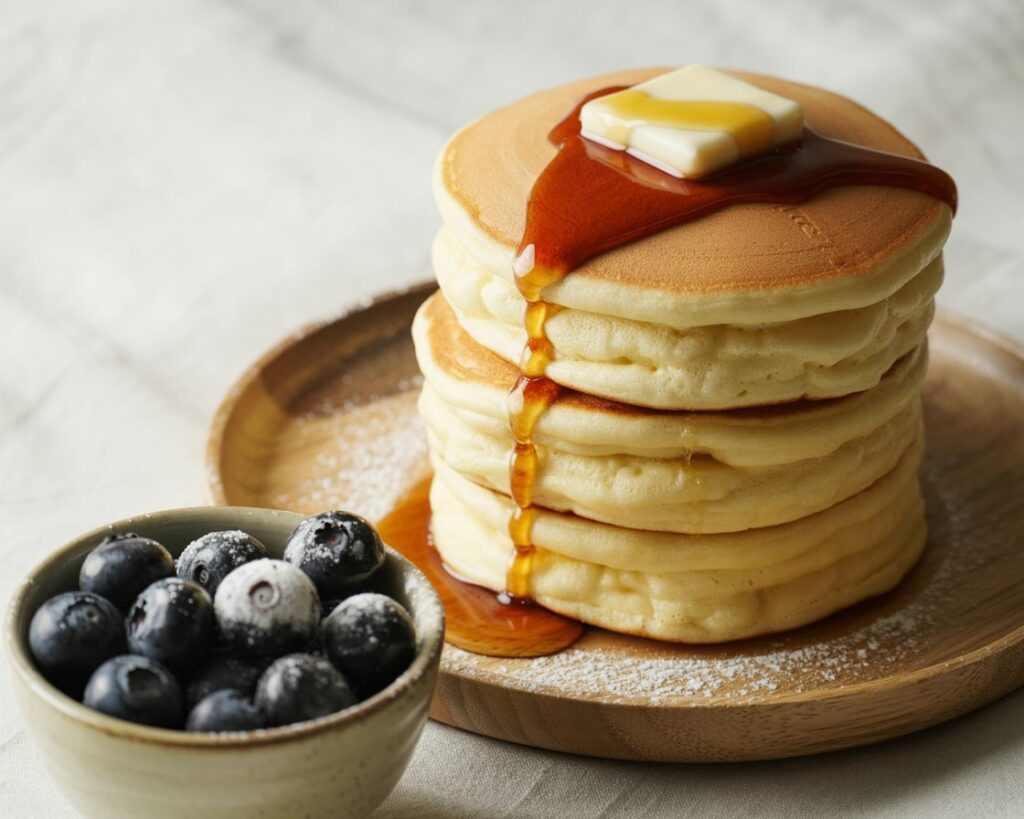
While the classic Japanese fluffy pancake is a treat on its own, experimenting with new flavors and toppings can take this cloud-like creation to exciting new heights. From incorporating uniquely Japanese ingredients to accommodating different dietary needs, here’s how to make your pancakes stand out — while still preserving their signature fluffiness.
Matcha & Chocolate: Adding Japanese Twist Flavors
Want to give your pancakes a little cultural flair? Matcha (green tea powder) and chocolate are two popular flavor twists that add depth without overpowering the delicacy of the pancake.
Tips for Incorporating Flavors Without Losing Fluffiness:
- Sift powders like matcha or cocoa into the dry ingredients to ensure even distribution.
- Use high-quality matcha for a vibrant color and smooth, earthy flavor.
- For chocolate, opt for cocoa powder over melted chocolate to maintain batter consistency.
- Don’t overmix — just lightly fold flavors into the base batter.
| Base Flavor | Best Pairings | Notes |
|---|---|---|
| Matcha | White chocolate chips, azuki beans | Earthy + sweet combo |
| Chocolate | Bananas, sea salt flakes | Rich and balanced |
| Vanilla classic | Berries, maple syrup, whipped cream | Timeless and crowd-pleasing |
| Black sesame | Honey drizzle, crushed peanuts | Nutty, subtly sweet |
| Yuzu (citrus) | Blueberries, powdered sugar | Bright and refreshing |
Creative Toppings and Serving Suggestions
A pancake’s canvas is never truly complete without toppings — and Japanese fluffy pancakes invite creativity beyond your average maple drizzle.
Ideas That Go Beyond the Basic:
- Traditional Japanese style: Sweet red bean paste, matcha cream, kinako (roasted soybean flour).
- Seasonal fruits: Figs, persimmons, strawberries, mango — fresh or lightly macerated.
- Elevated creams: Mascarpone, chantilly, or flavored whipped cream (try yuzu or vanilla bean).
- Unexpected sweet-savory combos: Pancakes with miso caramel or even a touch of sea salt butter.
| Topping Combo | Flavor Profile | Perfect For |
|---|---|---|
| Matcha whipped cream + azuki beans | Earthy & sweet | Traditional twist |
| Strawberries + mascarpone | Fresh & creamy | Brunch indulgence |
| Banana + chocolate drizzle | Classic & rich | Kids and adults alike |
| Yuzu zest + powdered sugar | Citrus & light | Summer mornings |
| Sea salt caramel + pecans | Sweet & savory crunch | Dessert-worthy treat |
Encourage readers to mix & match — or even create a “pancake board” with mini toppings in bowls, charcuterie-style!
Vegan and Gluten-Free Adaptations
Want to keep the fluff but lose the dairy, eggs, or gluten? You can — and still enjoy beautifully tall and bouncy pancakes.
Insightful Substitutions Without Sacrificing Texture:
| Traditional Ingredient | Vegan/Gluten-Free Swap | Texture Tips |
|---|---|---|
| Egg whites | Aquafaba (chickpea water) | Whip until stiff peaks like eggs |
| Milk/buttermilk | Soy milk + lemon juice combo | Recreates the acid-base balance |
| All-purpose flour | GF flour blend (with xanthan gum) | Choose a mix with starches for elasticity |
| Butter | Coconut oil or vegan butter | Use room temp to mimic creaming method |
Bonus Tip: Let GF batters rest for 10–15 minutes to hydrate the flours and improve texture.
Encourage readers with dietary restrictions not to shy away — Japanese fluffy pancakes can be just as magical without traditional ingredients.
Common Challenges and How to Fix Them
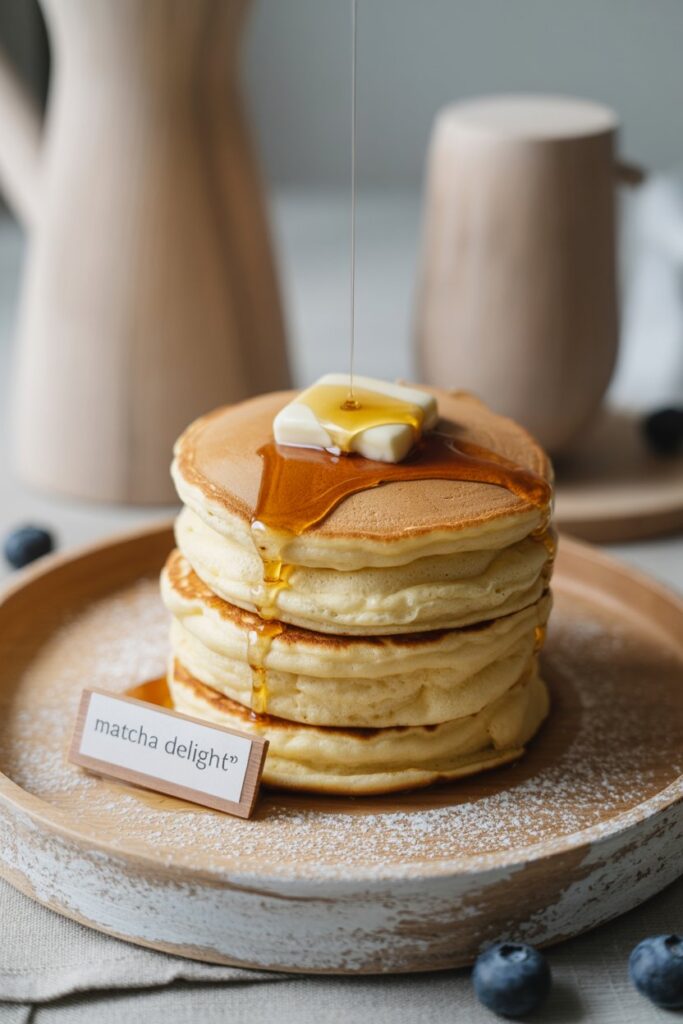
Even with the best ingredients and intentions, Japanese fluffy pancakes can be notoriously tricky. Whether they end up flat, soggy, or overcooked, don’t worry — we’ve all been there. Let’s troubleshoot some of the most common pancake problems so you can enjoy that dreamy rise and cloud-like bite every time.
Pancakes Not Rising? Diagnosing Common Mistakes
This is probably the #1 frustration. You’ve folded carefully, measured precisely, and yet… your pancakes are flatter than your enthusiasm. Here’s a breakdown of why that happens — and how to fix it.
| Problem | Likely Cause | Solution |
|---|---|---|
| Pancakes not rising | Overmixed batter | Fold gently just until combined. Avoid deflating egg whites. |
| Flat and dense texture | Underwhipped egg whites | Whip to stiff peaks that hold their shape. |
| Collapsing after cooking | Too much moisture or undercooked center | Cook longer on low heat; check for doneness before flipping. |
| Sinking in the middle | High heat causing outside to cook too fast | Lower the heat and cook with a lid to steam evenly. |
| Pancakes stick to pan or burn | Poor-quality pan or uneven heat | Use a non-stick pan, medium-low heat, and wipe excess oil. |
This table makes it easy for readers to identify and correct problems without guessing.
Batter Too Runny or Too Thick? Perfect Consistency Tips
The texture of your batter can make or break your pancakes — literally. Too runny, and they’ll spread like crepes. Too thick, and they’ll be dense and undercooked inside.
Quick Tips for Fixing Batter Consistency:
- If it’s too runny: Fold in 1–2 tablespoons of sifted flour.
- If it’s too thick: Add a splash of milk or buttermilk until desired flow is achieved.
- Batter should resemble soft, cloud-like mousse — thick but scoopable.
Avoiding Overcooking and Undercooking
Getting that golden outside and perfectly steamed interior takes practice — but here’s how to get it right, every time.
Timing & Heat Control Tips:
- Cook low and slow: Japanese fluffy pancakes need gentle heat (medium-low) to rise without burning.
- Use a lid: Traps steam and helps cook the insides evenly.
- Check doneness by bounce: Gently tap the pancake. If it jiggles and springs back, it’s done.
- Timing Guide (approximate):
- Cook first side: 4–5 minutes with lid
- Flip gently, then cook second side: 3–4 minutes uncovered
Pro Tip: If using ring molds, lightly oil the insides and preheat them before pouring in batter for even lift.
The Cultural Story Behind Japanese Fluffy Pancakes
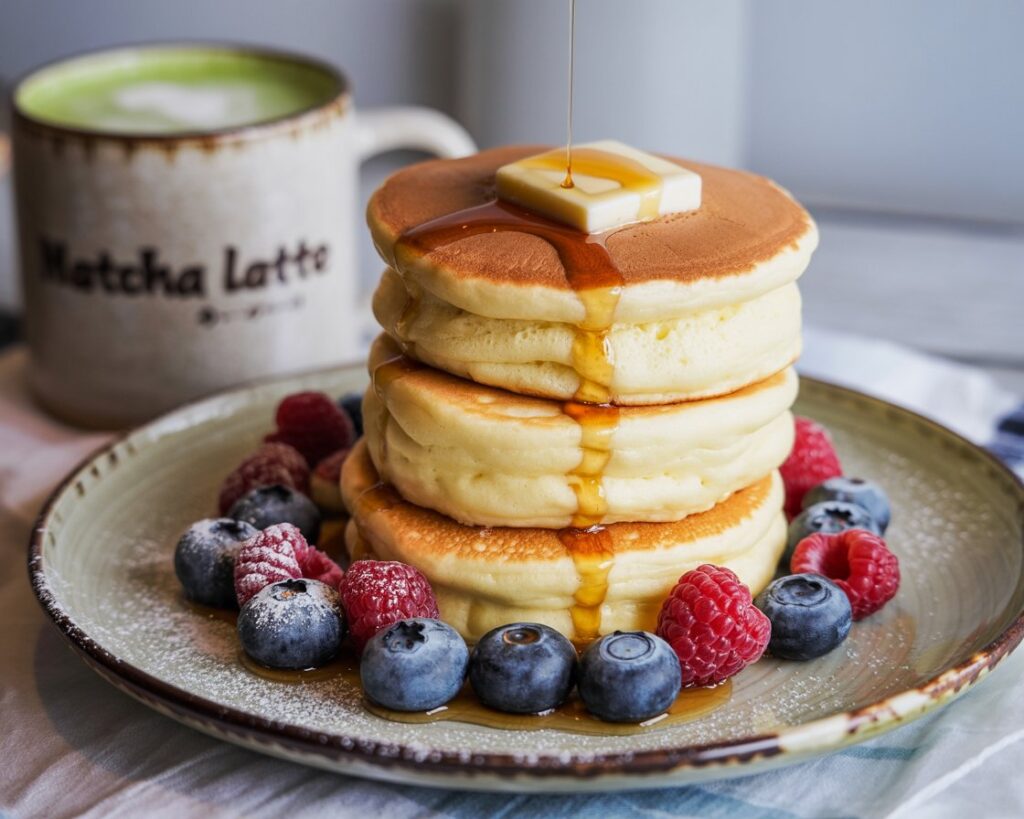
Japanese fluffy pancakes aren’t just a recipe — they’re a cultural phenomenon. What began as a niche café trend in Tokyo quickly grew into a global obsession, thanks to social media and the irresistible charm of pancakes that jiggle. But there’s more to the story than meets the eye. Let’s dive into how this delightful dish found its way from Japan’s bustling cafes to kitchens around the world.
From Japanese Cafes to Your Kitchen: Pancakes with a History
The Japanese fluffy pancake craze began in the early 2010s, popularized by Tokyo cafes like A Happy Pancake and gram café. These spots became known for serving sky-high, soufflé-like pancakes that melted in your mouth — and they didn’t take long to attract foodies, tourists, and Instagrammers alike.
What made them stand out?
- Thick, cloud-like rise thanks to whipped egg whites.
- Delicate jiggly movement when served.
- Made-to-order style, often taking 20–30 minutes per batch.
Soon, videos of wobbly pancakes went viral, and people across the globe began searching for ways to recreate this mesmerizing experience at home.
How Japanese Breakfast Culture Influences This Dish
Unlike many Western breakfasts centered around hearty or savory fare, Japanese breakfasts tend to be lighter, more refined, and often include sweet touches without overwhelming richness. Traditional Japanese cuisine also emphasizes texture — mottainai (mindful eating) and omotenashi (hospitality) play a role in presentation and mouthfeel.
The soufflé pancake fits right into this cultural ethos:
- It’s a hybrid of dessert and breakfast.
- Served in small portions with precise care.
- Celebrated for its aesthetic as much as taste.
Why This Recipe Became a Global Favorite
There’s something about a pancake that jiggles that just feels joyful. But beyond its charm, several key factors contributed to the worldwide obsession:
- Viral Videos: TikTok and Instagram reels showing pancakes wobbling like jelly amassed millions of views.
- Visual Appeal: Their tall, pillowy height and bounce made them a photographer’s dream.
- Interactive Eating Experience: Watching them move on the plate, cutting through the soft sponge — it’s food ASMR.
- Pandemic Influence: With more time at home, home cooks tackled “baking challenges” — and fluffy pancakes were a perfect project.
It’s no wonder these pancakes went from a local treat to a global comfort food sensation — they bring together playfulness, precision, and pure deliciousness.
Final Thoughts on Mastering the Japanese Fluffy Pancakes Recipe
The Japanese fluffy pancakes recipe is more than just a viral trend — it’s a culinary experience that merges texture, taste, and a bit of whimsical charm. With the right techniques and a bit of practice, you can recreate this iconic dish in your own kitchen and impress everyone at the table.
Pair your pancakes with something refreshing like our Iced Mocha Recipe — it’s the perfect balance to the rich, cloud-like texture of the pancakes.