
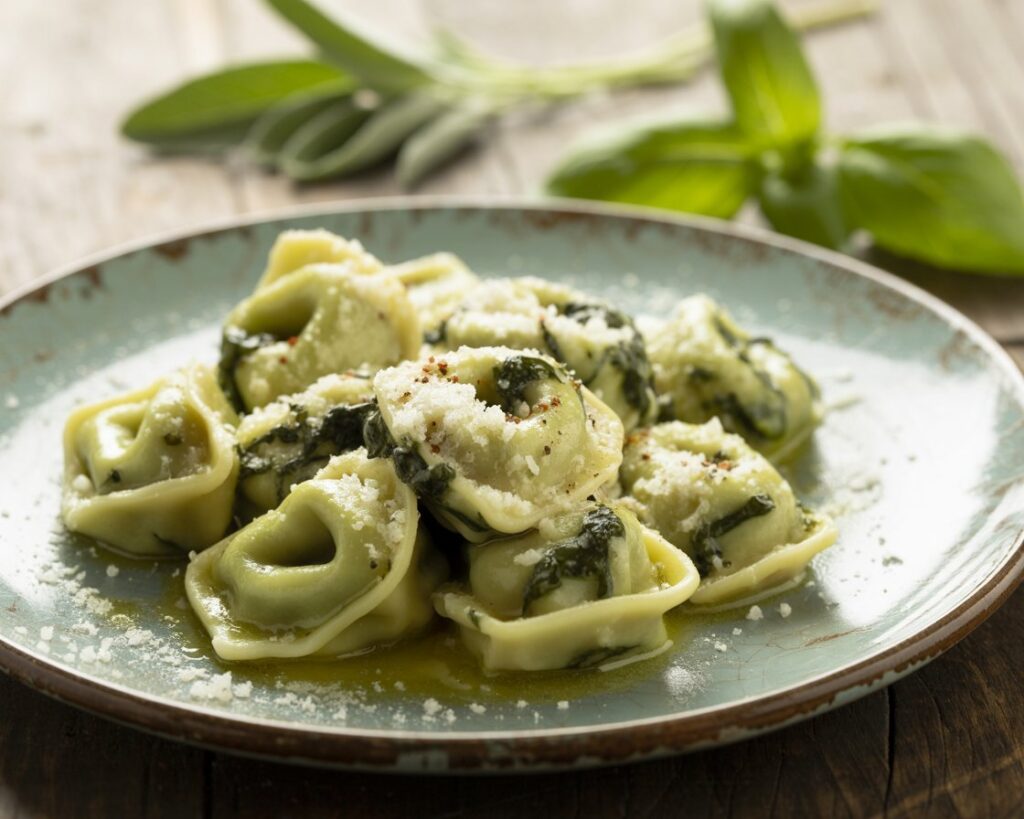
Gluten free tortellini doesn’t have to taste like a compromise. In fact, with the right approach, it can be just as rich, tender, and soul-warming as the traditional kind—minus the gluten, but packed with flavor. Whether you’re navigating celiac disease, cutting back on gluten for health reasons, or just up for a pasta-making adventure, this guide is here to prove that homemade gluten free tortellini can be both easy and delicious. No fluff, no boring repetition—just real tips, smart shortcuts, and a few pasta secrets you’ll wish you knew sooner. Let’s roll.
Why Go Gluten Free Without Giving Up Tortellini?
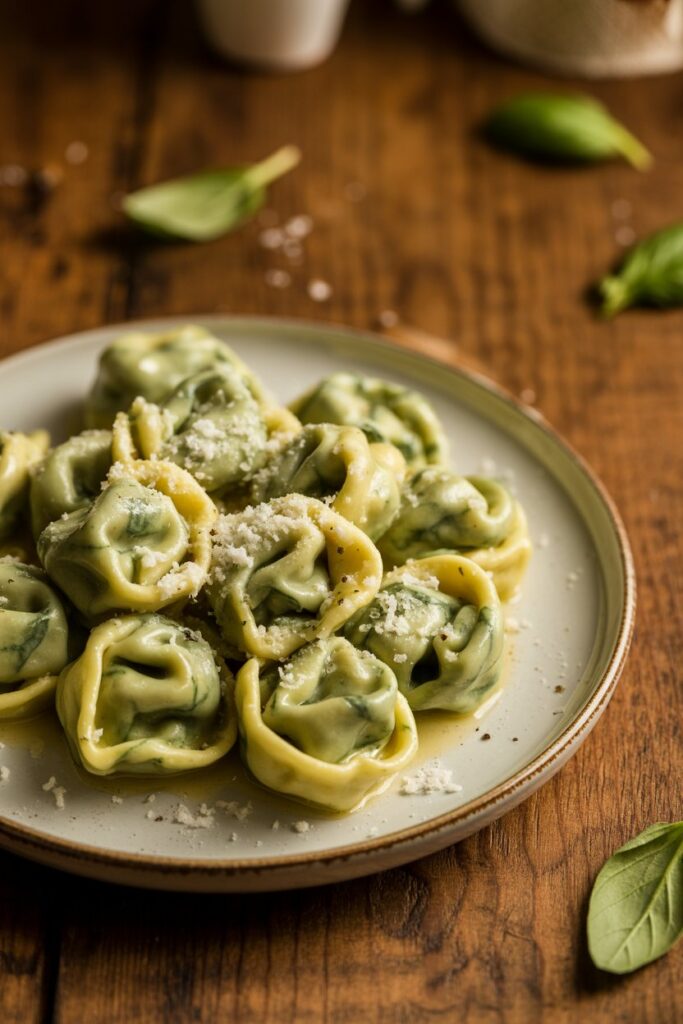
Let’s be honest—gluten free tortellini sounds like an impossible ask at first. Tortellini is one of those foods that’s all about comfort, tradition, and chewy, satisfying pasta wrapped around delicious fillings. So why mess with a classic? Well, for a growing number of people, gluten isn’t just a dietary preference—it’s a health necessity or a conscious lifestyle choice. But here’s the thing: going gluten free shouldn’t mean saying goodbye to your favorite Italian dishes. You just need to understand the “why” behind the change—and the “how” to make it work.
More Than Just a Trend: Who Actually Needs Gluten Free?
Gluten-free eating has surged in popularity over the past decade, but it’s not just a fad or a celebrity-backed cleanse. For people with celiac disease, even a trace of gluten can cause serious health issues. Then there’s non-celiac gluten sensitivity, a condition with symptoms like bloating, fatigue, or brain fog after eating gluten, even if no autoimmune response is present. And finally, some simply feel better cutting gluten out for general wellness, digestion, or performance.
Here’s a quick look at the numbers:
| Group | Percentage of Population (Approx.) |
|---|---|
| Celiac Disease | 1% |
| Non-Celiac Gluten Sensitivity | 6–7% |
| Following Gluten-Free Diet by Choice | 20–25% (in some countries) |
Whether you’re in the medically necessary group or the wellness crowd, the good news is that modern recipes and better ingredients make gluten free living a lot more delicious than it used to be.
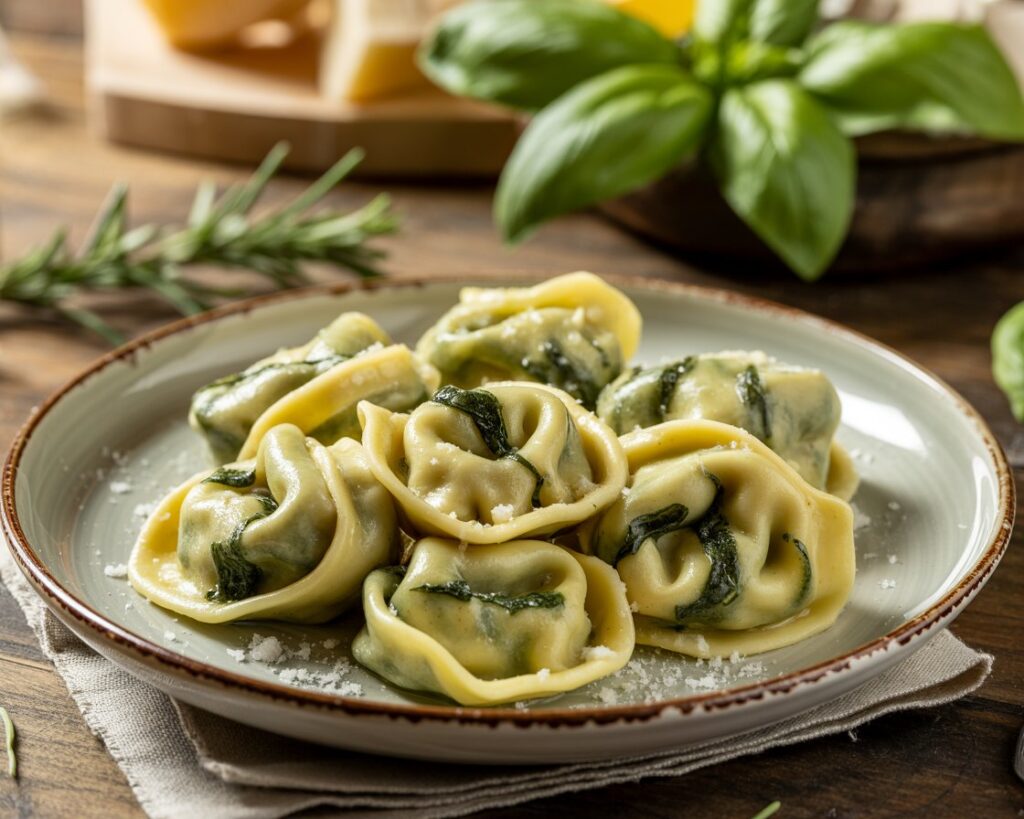
What Makes Tortellini So Tricky Without Gluten?
Traditional tortellini dough gets its signature stretch, chew, and structure from—you guessed it—gluten. Think of gluten as the elastic web that holds everything together. It’s like the yoga teacher of the pasta world: flexible, strong, and centered. Without it, your dough is more likely to crack, crumble, or turn to mush in boiling water.
Making gluten free pasta means working with flours that don’t naturally stick together. They lack the bounce and stretchiness of wheat flour, so the dough can be fragile, overly dry, or frustratingly sticky. That’s why gluten free tortellini often calls for clever tricks—using binding agents like xanthan gum, or blending flours to balance strength with tenderness.
The result? When done right, you get tortellini that holds together beautifully, with a bite that’s surprisingly close to the original. It just takes a little more finesse—and the right expectations. Instead of treating gluten free pasta as a substitute, think of it as its own kind of delicious.
Choosing the Right Ingredients for the Perfect Bite
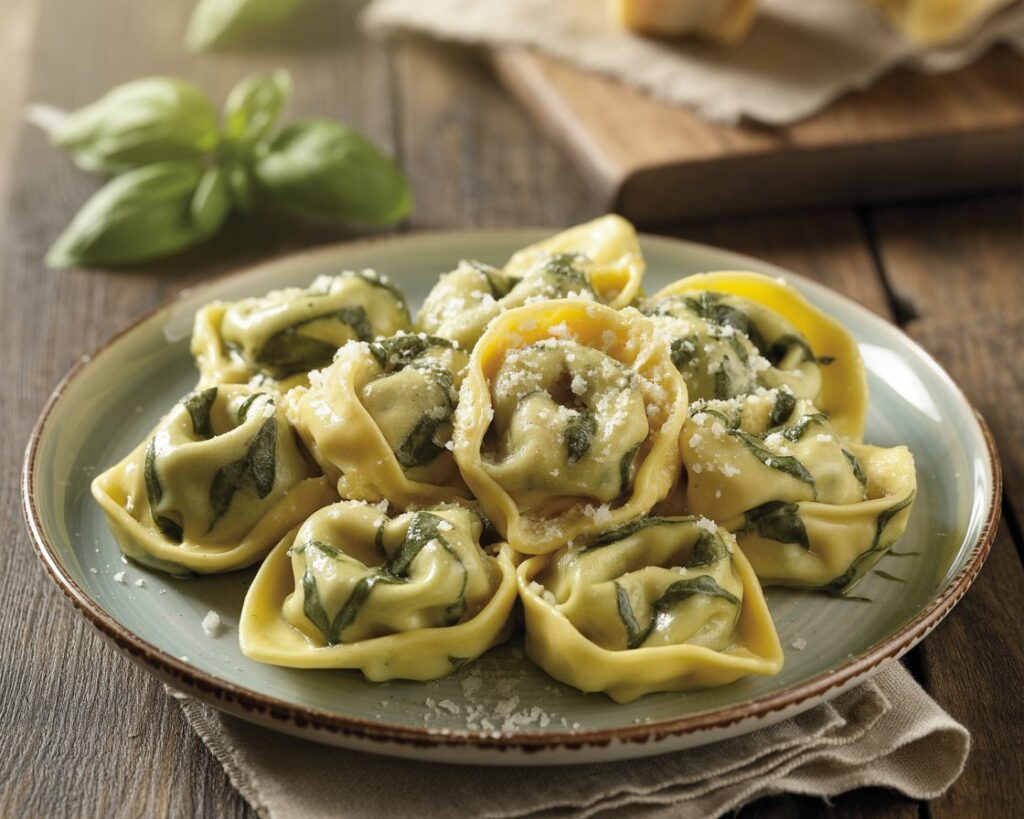
When making gluten free tortellini, the ingredients you choose can make or break the final result. Unlike traditional pasta, gluten free dough requires careful balancing of textures, flavors, and binding agents to ensure your tortellini stays intact while cooking. Choosing the right flour, understanding what makes or breaks your dough, and knowing when to get creative with fillings can elevate your homemade tortellini from “good enough” to perfect.
The Truth About Gluten Free Flours for Pasta
The flour you use for gluten free tortellini plays a pivotal role in determining the texture and flavor of your dough. Unlike wheat flour, which has the benefit of gluten to bind and stretch, gluten free flours vary widely in texture, taste, and their ability to hold everything together. It’s important to know the differences and how each flour will behave when mixed into dough.
| Flour | Texture | Taste | Binding Strength |
|---|---|---|---|
| Rice | Light | Neutral | Medium |
| Almond | Crumbly | Nutty | Low |
| Tapioca | Chewy | Mild | High |
| Chickpea | Dense | Earthy | Medium |
- Rice flour is the lightest and most neutral in taste, making it a great base. However, it doesn’t provide much structure, so you’ll want to mix it with a higher-binding flour.
- Almond flour is known for its rich, nutty flavor, but its crumbliness makes it a challenge in pasta dough unless combined with other flours for balance.
- Tapioca flour is prized for its chewy texture, making it perfect for tortellini. Its binding power is excellent, helping your dough stay together and achieve that authentic pasta bite.
- Chickpea flour adds a bit of earthiness and a denser texture to your dough, but it offers medium binding strength, so it’s great for adding structure without overwhelming the flavor.
Choosing the right blend can be key—most successful recipes use a mix of rice and tapioca flour to balance texture and strength.
Hidden Saboteurs: Ingredients That Might Ruin Your Dough
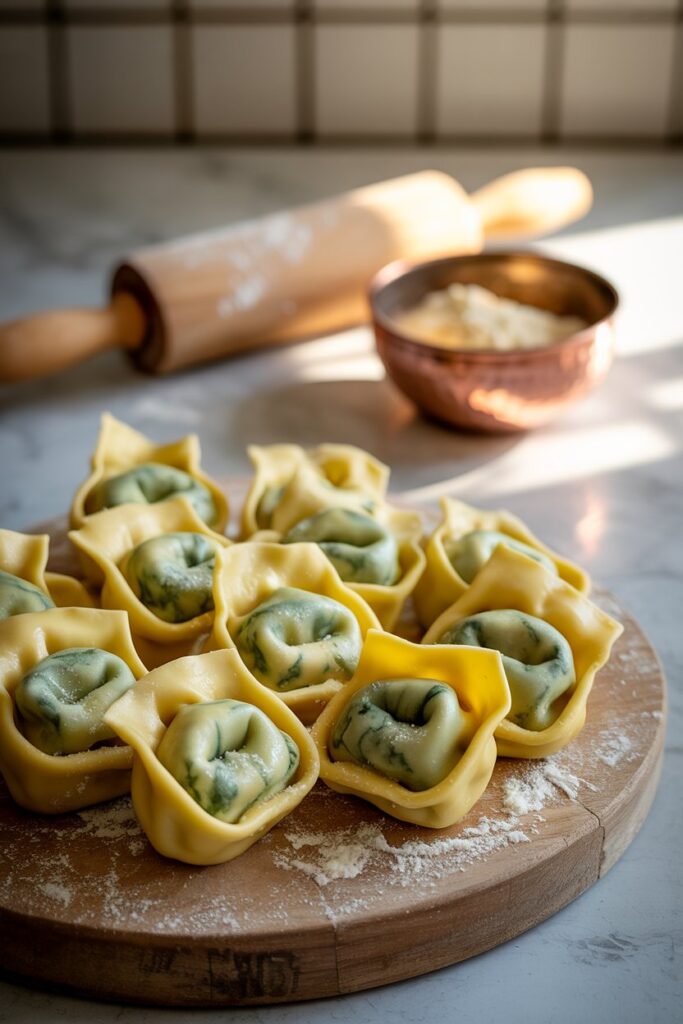
As much as the right flours matter, it’s the other ingredients that can sabotage your tortellini. One of the most common mistakes is using too much starch or the wrong ratio of flours. Starches like cornstarch or potato starch are great for lightening the dough, but too much can cause it to fall apart or get sticky. The key is moderation.
Another big culprit? Skipping the binders—ingredients like xanthan gum or guar gum. These work wonders to replace the elasticity gluten would normally provide. Without them, your dough might lack structure and break apart during boiling. Just a small amount can make all the difference.
For those following a vegan or dairy-free diet, it’s important to remember that you can still make your dough rich and pliable without dairy. Instead of butter or eggs, try substituting with olive oil for richness, and a flax egg (ground flaxseed mixed with water) for binding. Coconut milk or almond milk also work well in place of dairy milk for that added moisture and tenderness.
Quick Tips for Customizing the Filling
When it comes to the filling, you can get as creative as you want! Here are a few ideas to cater to different dietary preferences or add a new twist to your tortellini:
- Low-FODMAP: Use lactose-free cheese or lean meats like turkey, which are easier to digest.
- Dairy-Free: Opt for cashew cheese, vegan ricotta, or sautéed mushrooms to bring a creamy, hearty filling without dairy.
- High-Protein: Add ingredients like quinoa, tofu, or chickpeas to boost the protein content and make your tortellini a filling, nutritious meal.
By playing with these substitutions, you can create a tortellini filling that not only fits dietary needs but also elevates the dish with exciting new flavors.
Common Pitfalls (and How to Dodge Them Like a Pro)
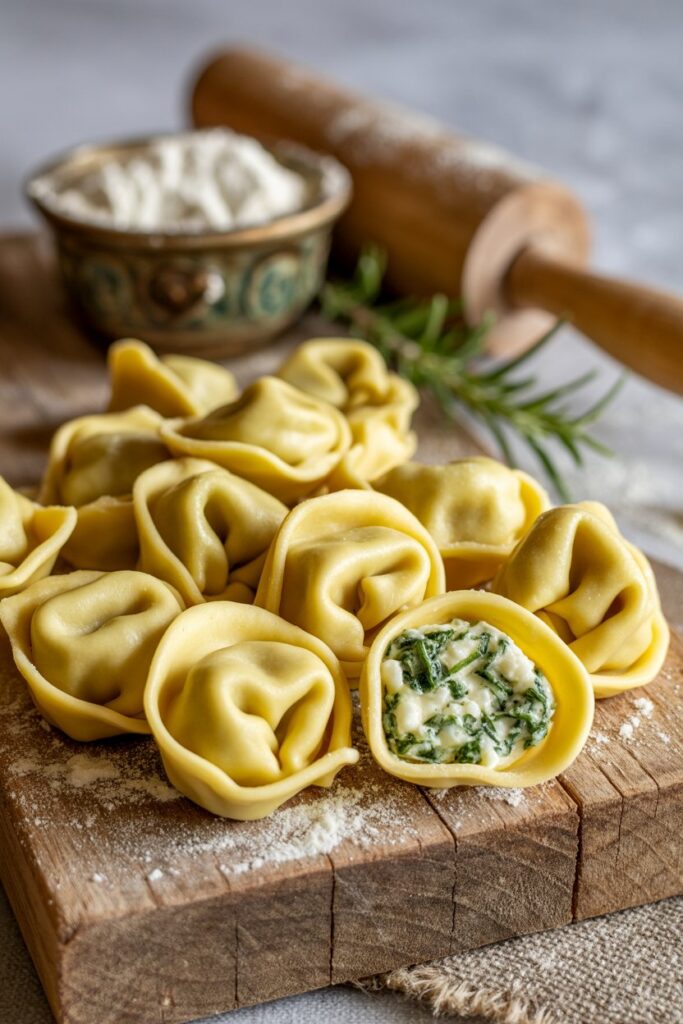
Making gluten free tortellini can feel like trying to perform a high-wire act without a net. But fear not, fellow pasta lover! We’ve all been there with dough that falls apart or tortellini that looks more like little blobs than beautiful pockets of pasta. Let’s tackle some of the most common pitfalls with humor, honesty, and practical tips—so you can spend less time stressing and more time enjoying your delicious creations.
“Why Is My Dough Falling Apart?” and Other Nightmares
Ah, the dreaded dough disaster. It starts with a beautiful dough ball, then bam—your pasta is crumbling or sticking to everything. Here’s a quick guide to some common problems, and how to fix them without crying over your flour.
| Problem | Cause | Solution |
|---|---|---|
| Dough too dry | Too much flour, not enough liquid | Add olive oil or warm water, little by little until dough is smooth and pliable. |
| Dough too sticky | Too much moisture in the dough | Sprinkle rice flour sparingly to help with stickiness. |
| Dough tears while shaping | Not enough binding agents (xanthan gum, etc.) | Add a pinch more xanthan gum or guar gum to hold it together. |
| Filling escapes during boiling | Not sealing properly | Ensure the edges are pinched tight—consider using a fork to reinforce the seal. |
Dough falling apart isn’t a disaster—it’s just a sign you need a little more moisture or a little more binder. Pasta-making is all about adjustments and patience.
Sealing & Shaping Like a Pasta Ninja (Even If You’re a Beginner)
Let’s talk tortellini shaping. It’s like folding dumplings, but with way more elegance (and way less chance of your grandma shaking her head at you). Shaping gluten free tortellini can be tricky, especially when you’re trying to seal those little pockets of filling perfectly.
Here’s the deal: You want a nice, tight seal, but don’t overdo it. Otherwise, your beautiful pasta will burst open in the pot. Imagine trying to fold a little taco but making sure the sides stick like they’ve got a secret bond. The dough isn’t forgiving, so the right technique is key.
Pro Tip: Use a damp finger, not a flood! Dipping your finger in water (or even olive oil) can help you seal the edges without turning your dough into a mushy mess.
Also, remember: practice makes perfect. The first few might look like crumpled napkins, but by the end, you’ll be a tortellini-shaping pro.
Storage Hacks – Freeze Like a Boss
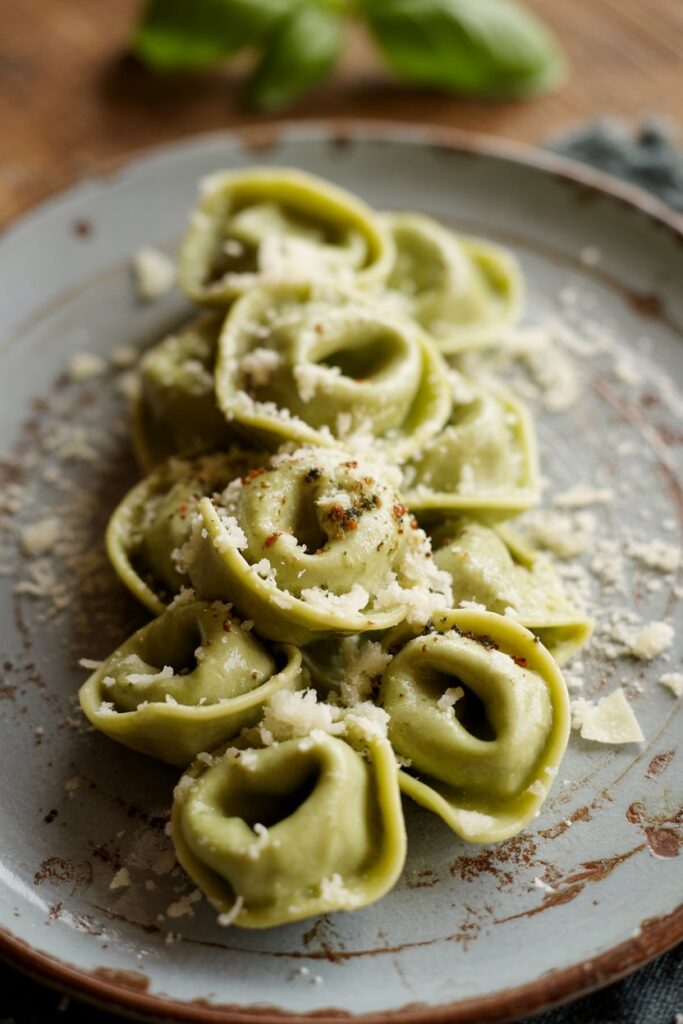
One of the most common questions we get is: Can you freeze gluten free tortellini? Absolutely! In fact, freezing your homemade tortellini is the best way to ensure you always have a little gluten-free goodness ready to go. But—there’s a catch. Freezing and thawing can sometimes turn your pasta into a mushy mess. So, here’s how to avoid that sad situation:
- Flash freeze first: Lay your tortellini out on a baking sheet in a single layer and freeze for 1–2 hours. This helps them freeze individually, so they won’t stick together.
- Store properly: Once frozen, transfer your tortellini into a sealed bag or airtight container. It’s crucial to remove excess air to avoid freezer burn.
- Thaw gently: When you’re ready to cook, don’t defrost your tortellini in the microwave—drop them straight into boiling water from frozen. This helps maintain their structure and keeps them from getting soggy.
With these tips, you can freeze your tortellini with confidence, knowing you won’t sacrifice texture or flavor. Plus, having a stash of homemade gluten free tortellini in the freezer is like having a secret weapon for busy weeknights.
Pairing Perfection – Sauces That Actually Work
Making gluten free tortellini is just the beginning; the real magic happens when you choose the perfect sauce to complement your creation. After all, no pasta is complete without that luscious, flavorful finishing touch. But not all sauces are created equal, and some can actually overwhelm or even ruin your delicate gluten free dough. Let’s dive into the world of sauces and find the ones that’ll elevate your tortellini to culinary perfection.
Sauces That Compliment, Not Overpower
The key to pairing sauces with gluten free tortellini is finding a balance. You don’t want your sauce to overpower the filling but rather enhance the flavors in each bite. Here’s a simple guide to help you pair the right sauce with your tortellini fillings.
| Filling | Sauce Suggestion | Why It Works |
|---|---|---|
| Ricotta & Spinach | Sage Butter | Light, aromatic, enhances the subtle flavors of ricotta and spinach. |
| Cheese Blend | Marinara | Classic, tangy contrast to the creamy cheese filling. |
| Mushroom | White Wine Cream | Earthy and rich; the creaminess complements the mushrooms without masking their flavor. |
| Butternut Squash | Brown Butter & Sage | Nutty sweetness of squash meets rich, herbal butter. |
| Chicken & Pesto | Lemon Garlic Cream | Fresh pesto flavor gets a citrusy kick, balancing the chicken’s richness. |
These sauces bring out the best in your gluten free tortellini without overwhelming them. Remember, tortellini is delicate, so choose sauces that provide just the right amount of support.
Watch Out! Sauces That Break GF Pasta Apart
As great as it is to slather your tortellini in a delicious sauce, not all sauces are friendly to gluten free pasta. The delicate nature of GF dough means that some sauces can cause it to break apart or become mushy. Avoid watery sauces or overly acidic options that could ruin your pasta’s texture.
- Avoid overly watery sauces: Thin sauces, especially tomato-based ones, can cause your gluten free tortellini to disintegrate. Opt for thicker, well-emulsified sauces, like a rich cream sauce or pesto, to ensure your pasta stays intact.
- Be cautious with overly acidic sauces: Highly acidic sauces (think tomato sauces with a lot of vinegar or lemon) can weaken the gluten free dough over time. Stick to balanced tomato sauces or creamy alternatives to preserve your tortellini’s texture.
Pro tip: When serving your tortellini, always serve the sauce on the side or gently toss it with the pasta just before serving to prevent the pasta from sitting too long in the sauce and getting soggy.
Final Tips from a Real-Life (Possibly Flour-Covered) Kitchen
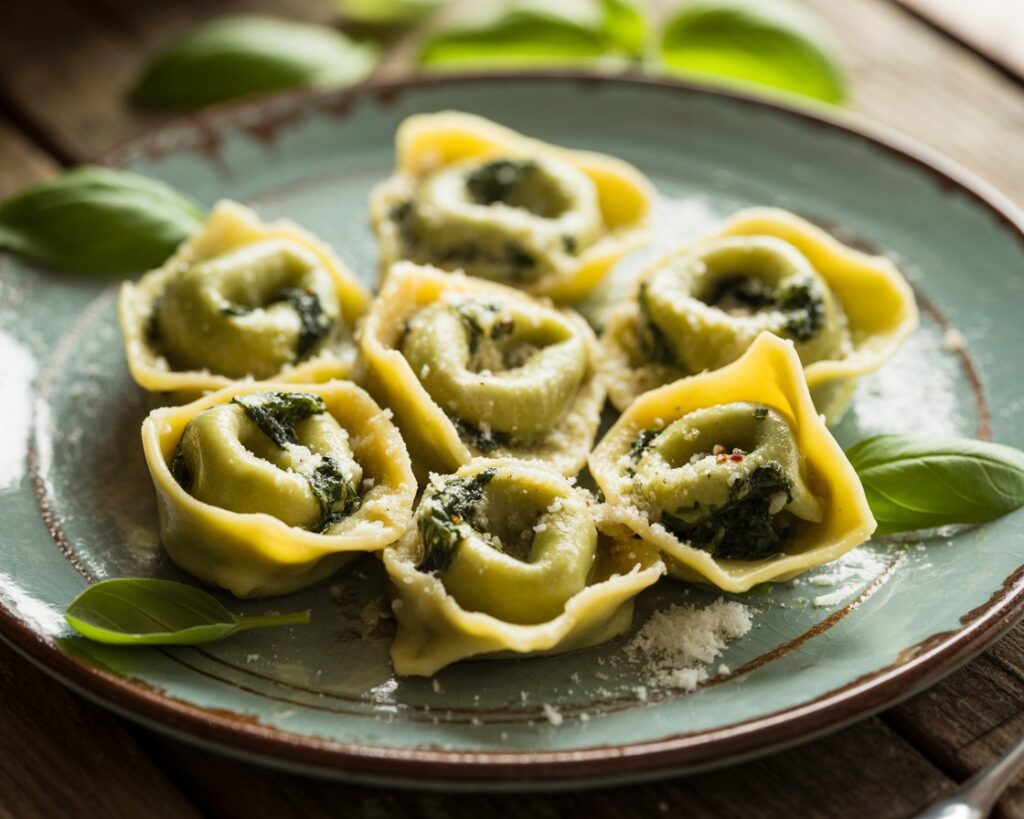
Let’s be honest: making gluten free tortellini is a labor of love, and it’s not always going to look picture-perfect. But that’s part of the fun! At the end of the day, what really matters is that you’re creating something delicious with your own two hands. So, as we wrap things up, here are a few final thoughts to keep in mind as you continue your tortellini journey.
Don’t Chase Perfection, Chase Flavor
Here’s the secret: rustic = real = delicious. When it comes to homemade gluten free tortellini, the charm lies in the imperfections. A little wonkiness in the shape? Totally fine. Maybe your pasta is slightly uneven in size? No problem. What truly matters is the flavor and the experience of creating something special. Don’t stress over making every tortellini identical—embrace the personality of your dish. After all, some of the most memorable meals are the ones that feel homemade, real, and full of love.
Add Your Own Twist (and Make It Yours)
This is your chance to get creative! While we’ve provided some filling and sauce suggestions, your gluten free tortellini should be a reflection of you. Don’t hesitate to play around with different fillings—swap the ricotta for goat cheese, add some roasted garlic to the spinach, or even try a totally new veggie combination. Want to try a new shape? Go for it! Pasta-making is an art, and you’re the artist.
Pro Tip: You can even customize the seasoning of your dough. Adding herbs like basil or oregano to the pasta dough itself can give your tortellini an extra punch of flavor that makes them stand out.
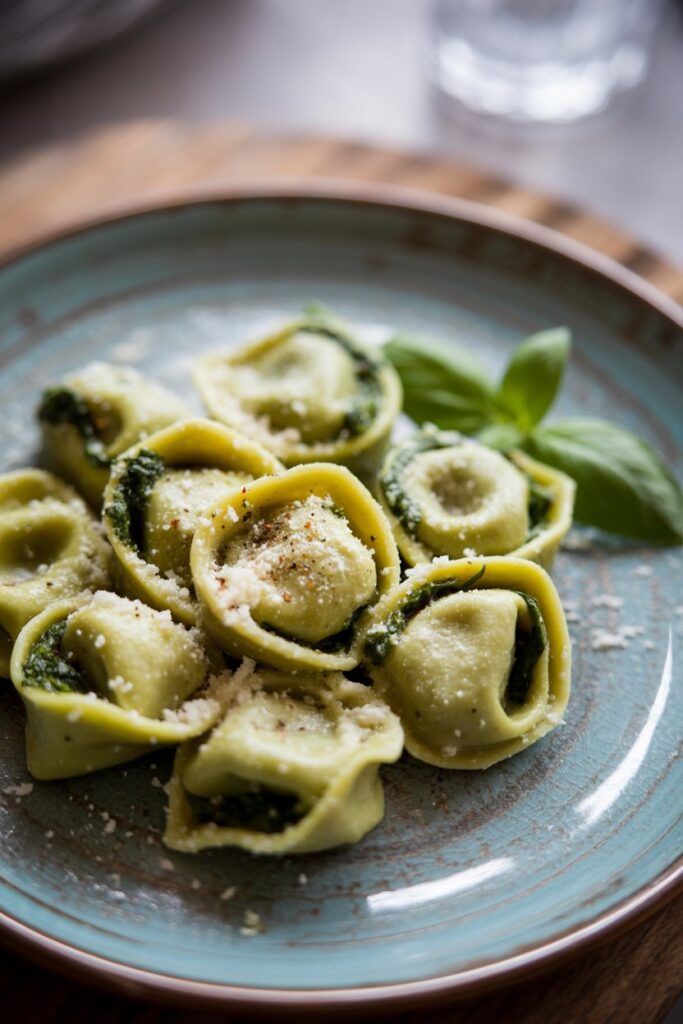
CTA: Share Your Results, Comment Ideas, or Tag Us on Social Media
We’d love to see how your gluten free tortellini turns out! Don’t forget to share your creations with us. Post a photo, share your twist on fillings, or tell us what you’ve learned along the way. Tag us on social media or leave a comment below with your ideas and experiences. Your culinary adventure doesn’t end here—it’s just the beginning!
Ready to roll up your sleeves and get cooking? Let’s make this pasta journey unforgettable—one flour-covered, delicious bite at a time!
Enjoy Homemade Gluten Free Tortellini Like Never Before
Now that you have all the tips, tricks, and inspiration to create your own homemade gluten free tortellini, it’s time to get cooking and enjoy the results! Remember, the beauty of making tortellini at home lies in the process—don’t stress over perfection, just focus on creating something delicious that you can be proud of. Whether you stick to classic fillings or venture into new flavors, your gluten free tortellini will be a hit every time.
If you’re looking for the perfect pairing, why not try making a gluten free garlic bread to go alongside your tortellini? Check out our gluten free garlic bread recipe—it’s the ideal side dish to complete your meal!
We’d love to see your creations, so feel free to share your gluten free tortellini adventures with us on social media or drop a comment below! Happy cooking!