
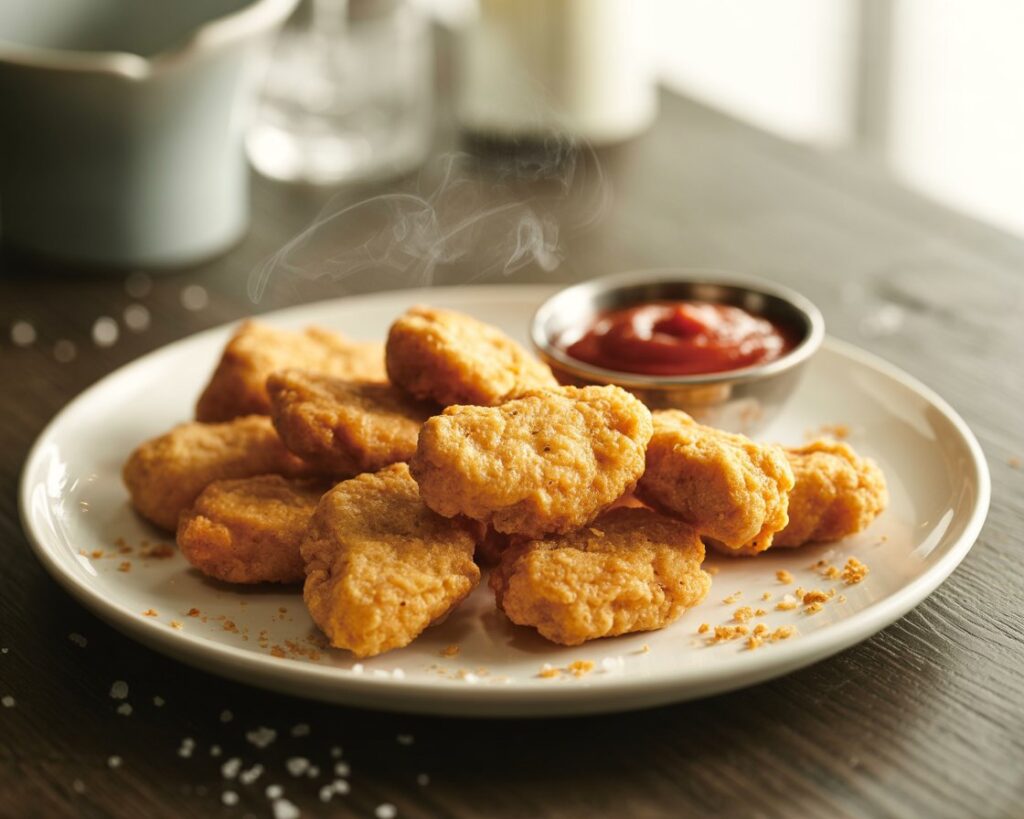
Homemade chicken nuggets are quickly becoming a favorite for food lovers who crave that perfect crispy bite without the guilt of fast food. Making chicken nuggets recipe at home lets you control the quality of ingredients, customize flavors, and enjoy a healthier, tastier alternative. Whether you prefer oven-baked, air-fried, or pan-fried, this guide will show you how to create crispy chicken nuggets that beat anything you’ll find in restaurants — all while keeping things simple and delicious. Let’s dive into the secrets of making the best homemade chicken nuggets you’ll ever taste!
Why Homemade Chicken Nuggets Beat Fast Food Every Time
When it comes to comfort food, few things are as satisfying as a plate of crispy, golden homemade chicken nuggets. But beyond the familiar crunch and flavor, making chicken nuggets at home has some real advantages that go far beyond taste. From ingredient quality to nutritional value, homemade versions consistently outperform their fast-food counterparts. Here’s why choosing to make your own is the smarter, more delicious option.
Fresh Ingredients Make All the Difference
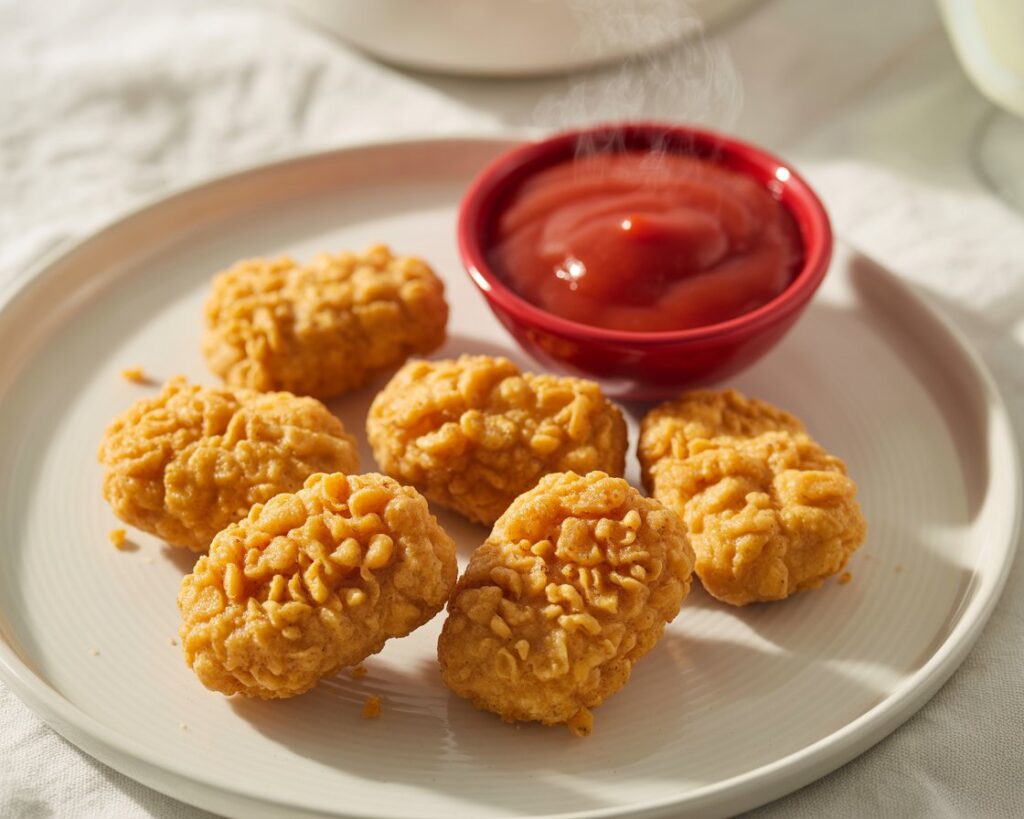
One of the biggest advantages of homemade chicken nuggets is the use of fresh, high-quality ingredients. Instead of relying on processed meat blends, you can use real chicken breast, ensuring better texture, flavor, and nutritional value. This simple switch instantly upgrades the entire meal, giving you full control over what goes into your food.
Control Over Cooking Methods and Seasoning
Fast food nuggets are often deep-fried in highly processed oils and come with fixed, artificial flavor profiles. In contrast, homemade nuggets can be oven-baked, air-fried, or lightly pan-fried — giving you healthier options without sacrificing crispiness. You also have the freedom to experiment with herbs, spices, and coatings to create a flavor that’s truly your own.
Health Benefits of Homemade vs. Store-bought
By skipping preservatives, fillers, and excess sodium commonly found in fast food nuggets, homemade chicken nuggets offer a cleaner, leaner meal. You can reduce fat content, manage portion sizes, and use wholesome ingredients like whole wheat breadcrumbs or buttermilk marinades. It’s a smarter choice for anyone looking to eat better without giving up on flavor.
Table 1: Homemade vs. Fast Food Chicken Nuggets Comparison
| Feature | Homemade Nuggets | Fast Food Nuggets |
|---|---|---|
| Ingredient Quality | Fresh, whole chicken breast | Processed chicken parts |
| Cooking Method | Oven-baked, fried, or air-fried | Deep-fried industrially |
| Additives & Preservatives | None or minimal | Often contains additives |
| Customizable Flavor | Yes | Fixed flavors |
| Nutritional Value | Higher protein, less fat | Often higher fat, additives |
Key Ingredients for Perfect Chicken Nuggets
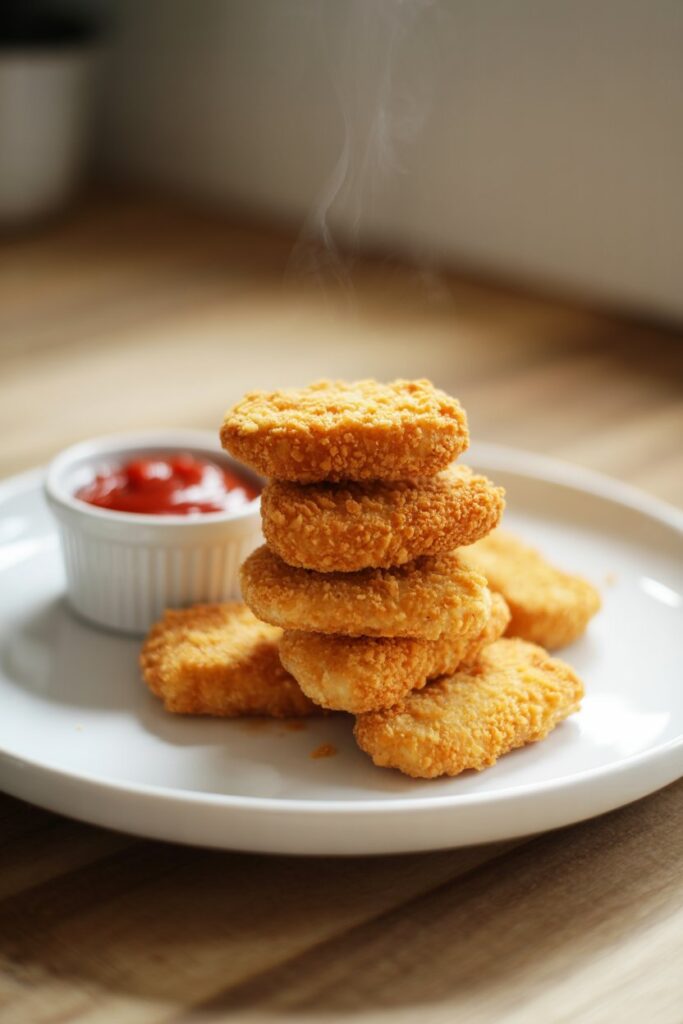
Creating perfect chicken nuggets starts with understanding the essential ingredients that contribute to their flavor, texture, and juiciness. From selecting the right cut of chicken to mastering marinades and coatings, every component plays a crucial role in crafting a satisfying bite.
Choosing the Right Chicken Cut (Why Chicken Breast Rules)
When it comes to making homemade chicken nuggets, the choice of chicken cut significantly impacts the final result. Chicken breast is the preferred option because it is lean, tender, and cooks evenly. Its mild flavor allows seasonings and coatings to shine without being overpowered. While dark meat is juicier, breast meat provides a clean canvas that crisps beautifully without excess fat, making it ideal for nuggets that are both tasty and health-conscious.
The Role of Marinades and Brines
Marinating or brining chicken before coating enhances both flavor and tenderness. A good marinade not only infuses the meat with subtle seasonings but also helps retain moisture during cooking. Brining with saltwater can firm up the chicken while keeping it juicy inside, offering a balance of texture that homemade nuggets often lack.
Buttermilk vs. Yogurt Marinades—Flavor and Tenderness Explained
Both buttermilk and yogurt are popular marinade bases, each bringing unique benefits. Buttermilk offers a tangy, creamy flavor that tenderizes the chicken deeply, making nuggets irresistibly soft and flavorful. Yogurt, on the other hand, provides a milder, slightly tart taste while also tenderizing the meat effectively. It’s often favored in healthier recipes due to its lower fat content and probiotic benefits.
Coating Ingredients: Breadcrumbs, Cornstarch, and Spices
The coating is what gives chicken nuggets their signature crunch and appeal. Breadcrumbs—especially panko—add a light, crispy texture, while cornstarch helps create a thin, crisp outer layer that locks in moisture. Mixing spices such as paprika, garlic powder, and black pepper into the coating not only enhances flavor but also personalizes your nuggets to your taste preferences.
Table 2: Marinade Options and Their Effects on Flavor and Texture
| Marinade Type | Flavor Profile | Tenderness Effect | Best For |
|---|---|---|---|
| Buttermilk | Tangy, creamy | Very tender | Classic crispy nuggets |
| Yogurt | Mild, slightly tart | Tender and juicy | Healthier alternative |
| Saltwater Brine | Light salty seasoning | Juicy, firm | Quick marinade option |
Step-by-Step Guide: Making Chicken Nuggets at Home
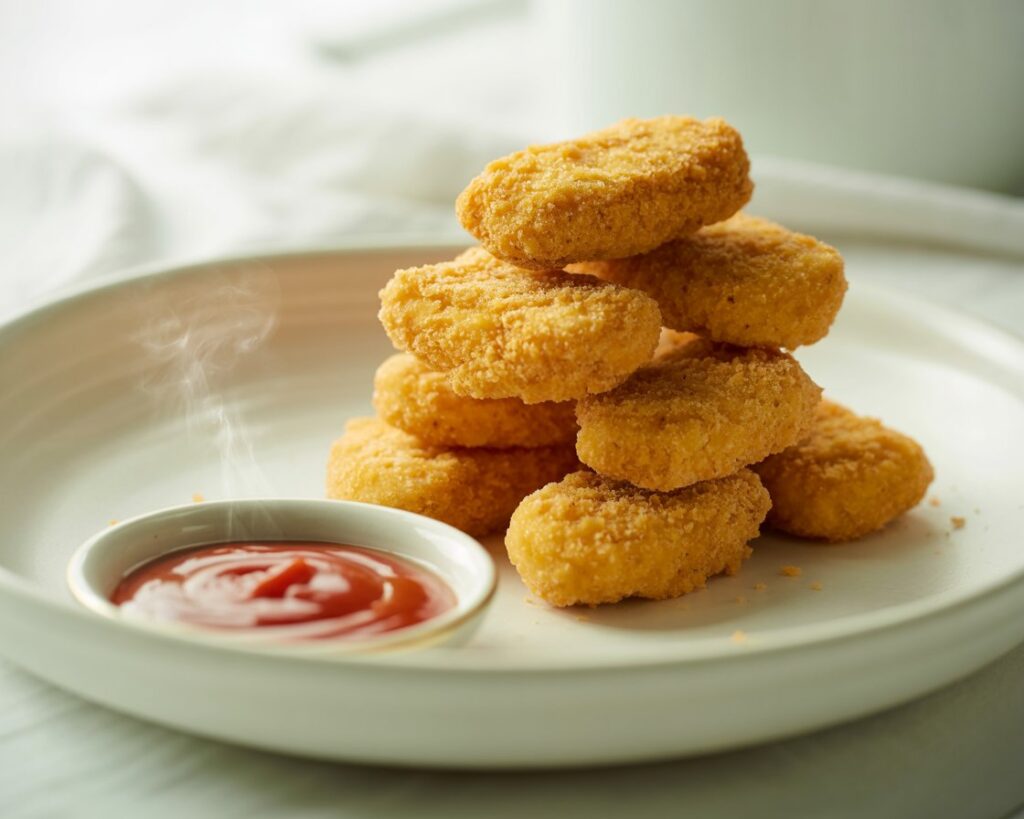
Making homemade chicken nuggets is easier than you might think. By following a few simple steps, you can enjoy crispy, flavorful nuggets that rival those from any restaurant. This guide walks you through preparing the chicken, coating it perfectly, and choosing the best cooking method to suit your preferences and kitchen setup.
Preparing the Chicken
Start with fresh chicken breast and cut it into evenly sized bite-sized pieces. This ensures consistent cooking and a pleasant texture. If you’re using a marinade or brine, now is the time to soak the chicken. Allow the meat to absorb flavors and retain moisture for at least 30 minutes or up to a few hours in the refrigerator. After marinating, pat the pieces dry to help the coating stick better.
Creating the Perfect Coating
A great nugget relies on its crispy coating. The classic approach involves dipping the chicken pieces first in an egg wash, then into a mixture of breadcrumbs, cornstarch, and your choice of spices. The egg wash acts as a binder, ensuring the coating adheres well during cooking. For extra crunch, consider using panko breadcrumbs or adding a small amount of cornmeal to the mix.
Tips for Crispy Coating Without Deep Frying
Achieving crunchiness without deep frying is possible by controlling moisture and temperature. Make sure the chicken pieces are dry before coating. Use a light spray of oil on the coated nuggets before cooking to encourage browning. Avoid overcrowding the cooking surface to allow hot air circulation, especially when using an oven or air fryer.
Cooking Methods: Oven, Air Fryer, and Pan Frying
Depending on your equipment and health goals, you can cook your chicken nuggets using several methods. Each has its own advantages and trade-offs in terms of cooking time, healthiness, and crispiness.
Table 3: Cooking Methods Comparison
| Method | Cooking Time | Health Factor | Crispiness Level | Equipment Needed |
|---|---|---|---|---|
| Oven Baking | 15-20 mins | Healthy | Medium | Oven |
| Air Frying | 12-15 mins | Very Healthy | High | Air fryer |
| Pan Frying | 6-8 mins | Less Healthy | Very High | Frying pan + oil |
Seasoning Secrets: Spices and Flavors That Elevate Your Nuggets
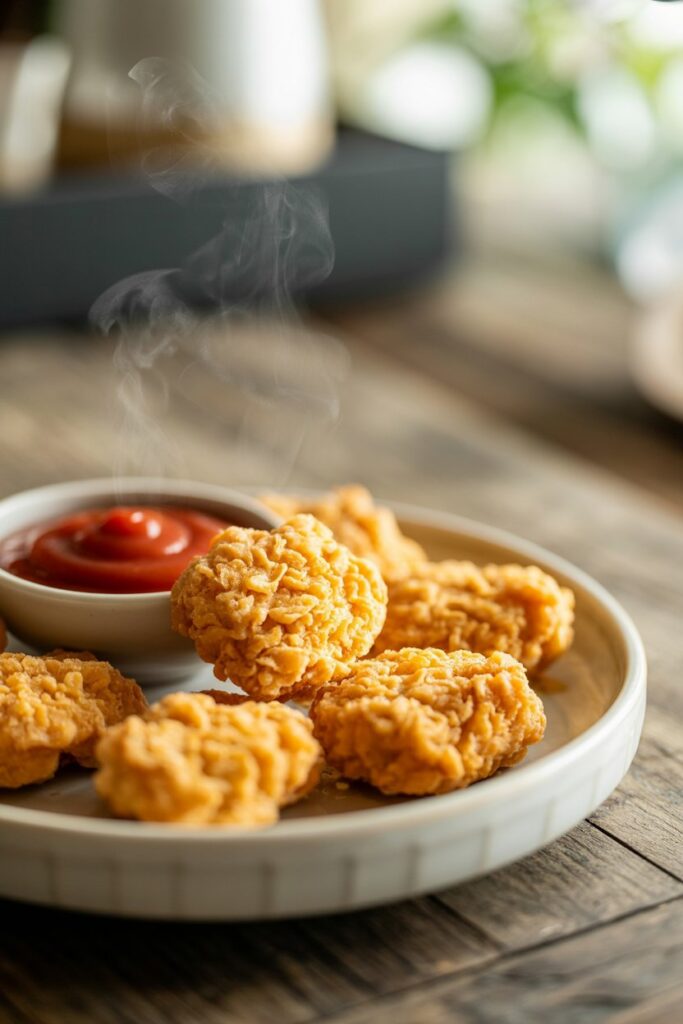
Flavor is what transforms simple chicken nuggets into an irresistible treat. The right blend of spices can enhance the natural taste of the chicken and add exciting layers of complexity to every bite. Understanding essential spices and experimenting with seasoning mixes is key to making your nuggets stand out.
Essential Spices for the Perfect Bite
Some spices are staples when it comes to seasoning chicken nuggets. Paprika adds a smoky warmth, garlic powder gives a subtle pungency, and black pepper provides a gentle kick. Salt is crucial for bringing out the natural flavors of the chicken. These essentials form the foundation for any flavorful coating.
Creative Seasoning Mixes to Try
Beyond the basics, creative seasoning blends can turn your nuggets into a culinary experience. From spicy blends that wake up your taste buds to herb-forward mixes that add freshness, these combinations let you tailor your nuggets to any occasion or preference.
How to Balance Salt, Heat, and Herbs
The key to a great seasoning mix lies in balance. Too much salt can overwhelm the palate, while an excess of heat might mask subtle flavors. Combining herbs with moderate amounts of salt and spice creates harmony, enhancing the nugget’s texture and taste without overpowering the chicken.
Table 4: Popular Seasoning Combinations for Chicken Nuggets
| Seasoning Mix Name | Ingredients | Flavor Profile | Best Paired With |
|---|---|---|---|
| Classic Savory | Paprika, garlic powder, salt, pepper | Warm, comforting | Ranch or BBQ dip |
| Spicy Kick | Cayenne, chili powder, black pepper | Bold, spicy | Honey mustard |
| Herby Delight | Thyme, oregano, parsley | Fresh, aromatic | Garlic aioli |
Homemade Dipping Sauces: The Perfect Partners
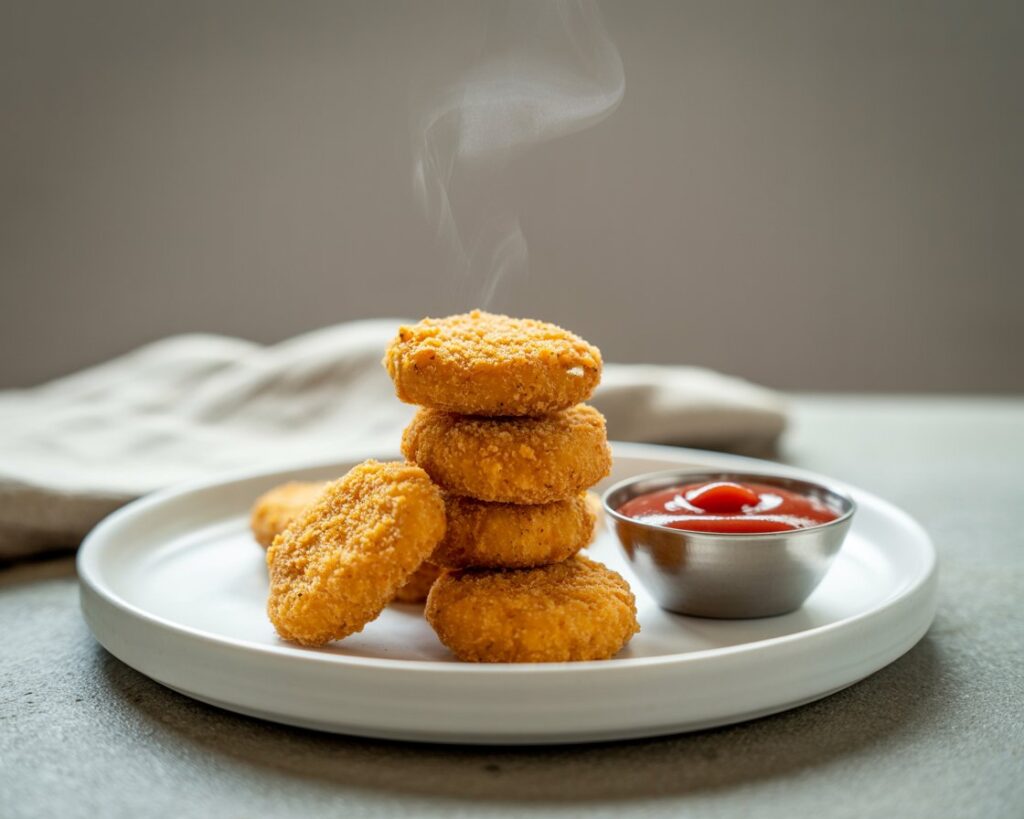
No chicken nugget experience is complete without the right dipping sauce. Whether you prefer something sweet, tangy, or spicy, making your own sauces at home not only enhances flavor but also lets you control ingredients for a healthier option. Let’s explore some quick, delicious dips that perfectly complement your homemade chicken nuggets.
Quick & Easy Dips You Can Whip Up
Many dipping sauces require just a few ingredients and minimal prep time. Whipping up a batch of honey mustard or spicy ketchup can elevate your meal instantly, adding flavor complexity with little effort.
Healthier Alternatives to Store-Bought Sauces
Store-bought sauces often contain added sugars, preservatives, and artificial flavors. Making your own gives you the freedom to use fresh, wholesome ingredients and adjust sweetness, saltiness, or spice levels to suit your preferences and dietary needs.
Sweet, Tangy, or Spicy – Matching Sauces to Your Nuggets
Choosing the right sauce depends on the flavor profile of your nuggets and your mood. Sweet sauces balance spicy coatings, tangy dips enhance herb-infused nuggets, and spicy sauces add a punch to milder flavors. Mixing and matching sauces is a great way to keep your meal exciting.
Table 5: Easy Dipping Sauce Recipes
| Sauce Name | Main Ingredients | Flavor Notes | Preparation Time |
|---|---|---|---|
| Honey Mustard | Honey, mustard, mayo | Sweet & tangy | 5 minutes |
| Garlic Aioli | Garlic, olive oil, egg yolk, lemon | Creamy & garlicky | 10 minutes |
| Spicy Ketchup | Ketchup, hot sauce, smoked paprika | Sweet & spicy | 3 minutes |
Tips & Tricks for Perfect Nuggets Every Time
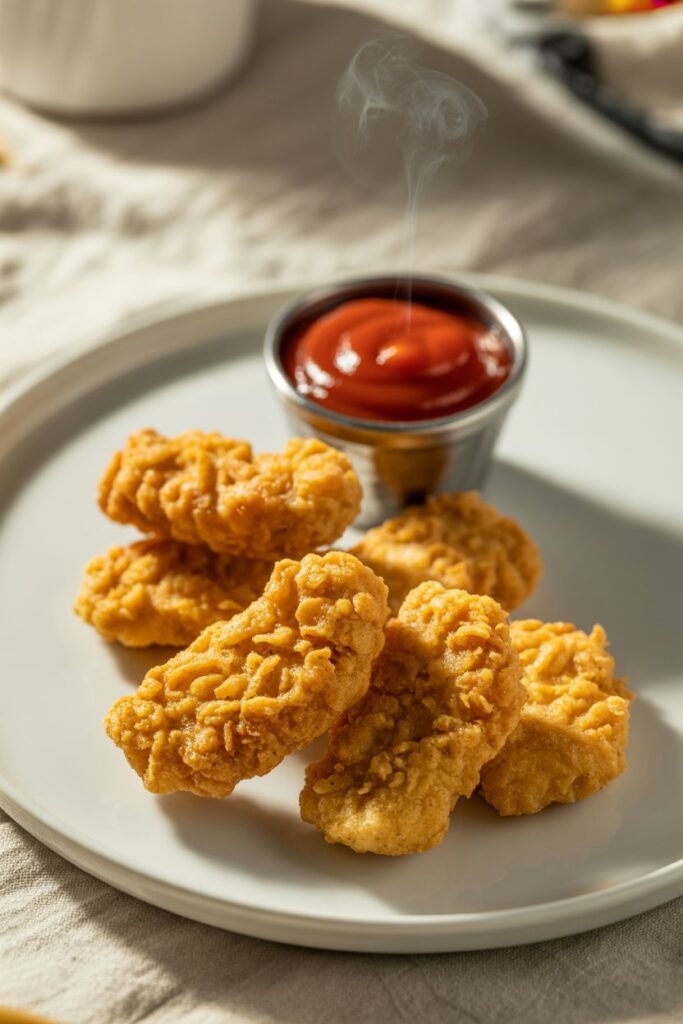
Mastering the art of homemade chicken nuggets means knowing how to keep them juicy on the inside while maintaining a satisfying crunch on the outside. With a few simple techniques, you can consistently create nuggets that impress every time.
How to Keep Nuggets Juicy Inside
Moisture retention is key to juicy nuggets. Marinating the chicken in buttermilk or a yogurt-based marinade helps tenderize the meat and lock in juices. Avoid overcooking by monitoring the internal temperature carefully—chicken breast nuggets are best cooked to 165°F (74°C). Also, letting the nuggets rest for a few minutes after cooking allows juices to redistribute, keeping each bite tender and flavorful.
Achieving Maximum Crispiness Without Excess Oil
To get that perfect crunch without drowning your nuggets in oil, start with a dry chicken surface before coating. Use coatings with a good balance of breadcrumbs and cornstarch for extra crispness. Cooking methods like air frying or oven baking at high temperatures promote crispiness with less oil. A light spray of oil before cooking can enhance browning without adding excess fat.
Storing and Reheating Nuggets Without Losing Texture
Proper storage and reheating help maintain nugget quality. Store leftovers in an airtight container and refrigerate promptly. When reheating, avoid microwaving, which can make nuggets soggy; instead, use an oven or air fryer to re-crisp the coating. Reheat at 350°F (175°C) for about 10 minutes until hot and crispy again.
Common Mistakes to Avoid When Making Chicken Nuggets
Even the best recipes can be derailed by a few common missteps. Knowing what to avoid helps ensure your homemade chicken nuggets come out crispy, juicy, and flavorful every time.
Over or Under Coating Your Nuggets
Applying too much coating can result in a heavy, doughy crust that overshadows the chicken. On the other hand, under-coating leaves nuggets vulnerable to drying out and losing their signature crunch. Aim for an even, moderate layer of coating that sticks well without clumping.
Cooking at Incorrect Temperatures
Cooking nuggets at too low a temperature can cause sogginess and greasy results, while overly high heat risks burning the coating before the inside is cooked through. Use a consistent medium-high heat and monitor carefully—whether baking, air frying, or pan frying—to achieve the perfect balance.
Using the Wrong Chicken Cuts
While chicken breast is ideal for nuggets, using tougher or fattier cuts like dark meat or processed chicken can affect texture and flavor negatively. Avoid pre-processed chicken products and opt for fresh, boneless, skinless chicken breast pieces for the best homemade nugget experience.
Nutritional Breakdown: How Healthy Are Homemade Chicken Nuggets?
Understanding the nutritional content of your homemade chicken nuggets helps you make informed choices about your meals. While they offer the comfort of fast food, homemade versions can be much healthier, especially when prepared with mindful cooking methods.
Macronutrients in a Typical Serving
A typical serving of chicken nuggets provides a balanced mix of macronutrients, with protein as the star. Chicken breast delivers lean protein essential for muscle repair and growth, while the coating adds carbohydrates and some fat depending on preparation. This balance makes nuggets a satisfying and energy-boosting snack or meal component.
How Cooking Method Affects Calories and Fat
The way you cook your nuggets has a significant impact on their calorie and fat content. Deep frying increases fat absorption and calorie density, while oven baking or air frying reduces added fat, resulting in a lighter dish. Choosing healthier cooking methods helps maintain the nutritional value of the chicken while keeping the calorie count in check.
How to Make Nuggets Healthier Without Sacrificing Taste
Use lean chicken breast, whole grain or panko breadcrumbs, and healthy oils or minimal oil sprays. Incorporate herbs and spices for flavor instead of relying on salt. Cooking in an air fryer or oven can create a crispy texture without excess oil. These small adjustments ensure your nuggets remain delicious and nutritious.
Table 6: Nutritional Comparison Based on Cooking Method
| Cooking Method | Calories (per 100g) | Fat (g) | Protein (g) | Carbs (g) |
|---|---|---|---|---|
| Oven Baked | 220 | 8 | 25 | 10 |
| Air Fried | 200 | 7 | 25 | 10 |
| Deep Fried | 300 | 20 | 25 | 10 |
Feel inspired to try making your own homemade chicken nuggets? Experiment with different seasonings, cooking methods, and dipping sauces to find your perfect combination. Share your favorite tips and recipes in the comments below — let’s make nugget nights delicious and healthy together!
Why Homemade Chicken Nuggets Are the Best Choice for Flavor and Health
In summary, homemade chicken nuggets offer a delicious and healthier alternative to fast food favorites. By using fresh ingredients, customizing seasonings, and choosing smart cooking methods, you can enjoy crispy, flavorful nuggets without unnecessary additives or excess fat. Whether baked, air-fried, or pan-fried, making your own nuggets allows you to control quality and nutrition while satisfying your cravings. Give this recipe a try and discover how easy and rewarding it is to create better-than-fast-food chicken nuggets at home!