
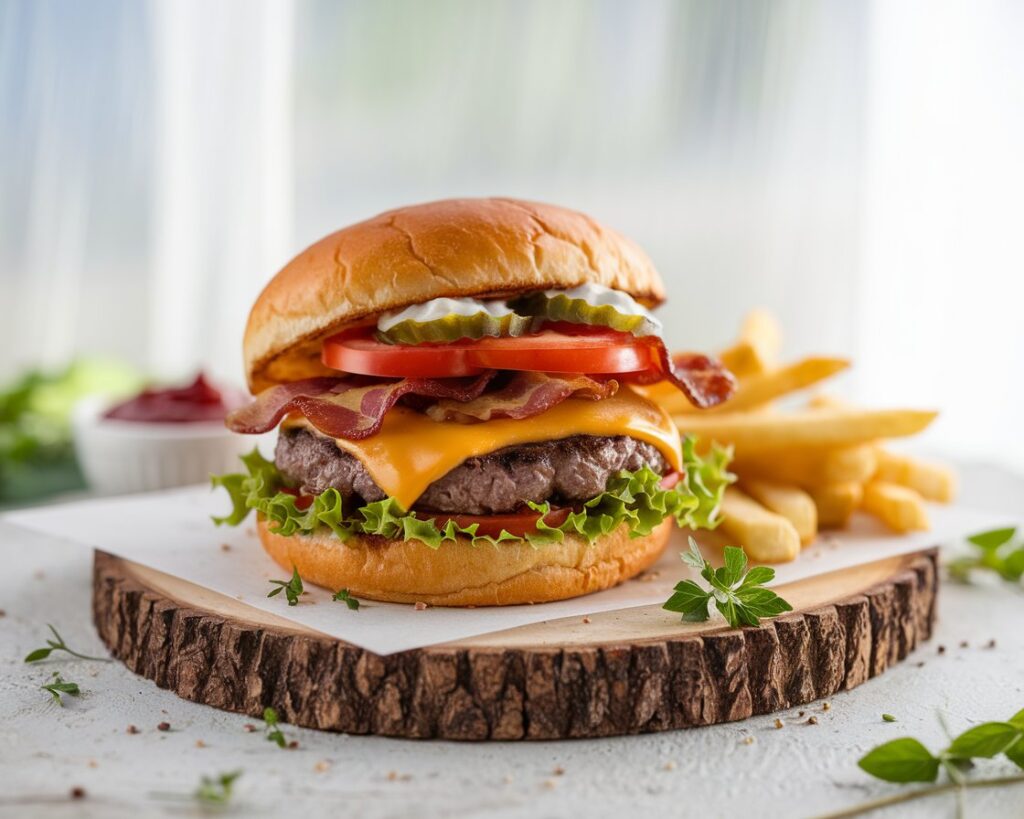
Homemade beef burger recipe — three words that promise pure, juicy satisfaction when done right. But there’s a difference between a good burger and a great one — the kind that’s bursting with flavor, perfectly seared, and juicy with every bite. In this guide, we’re diving beyond the basics to show you how to craft the ultimate homemade beef burger, packed with smart tips, clever tricks, and flavor-boosting ideas you won’t find just anywhere. Get ready to transform your kitchen into your new favorite burger joint!
What Makes a Truly Great Homemade Beef Burger?
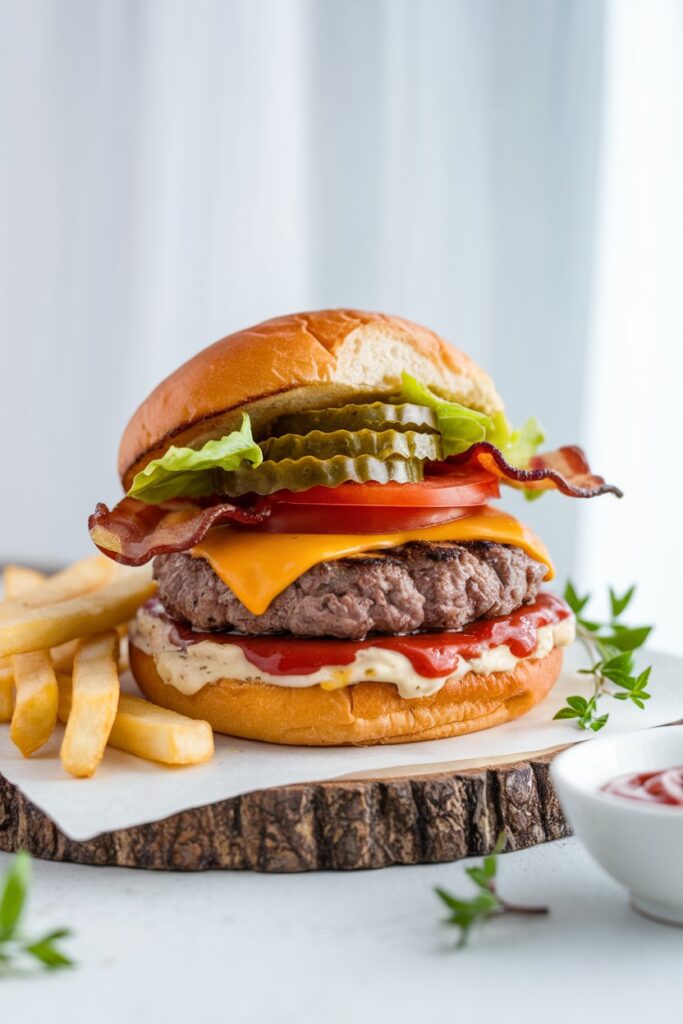
Creating a memorable homemade beef burger goes far beyond simply shaping some ground beef into a patty. The magic begins with understanding the meat itself. The choice of beef—its fat content, how it’s raised, and how you handle it—plays a major role in the flavor, texture, and juiciness of the final burger. Let’s break down the essentials to help you build burgers that leave a lasting impression.
It’s All About the Beef: Choosing the Right Ground Meat
When it comes to making the perfect homemade beef burger, fat is your best friend. A higher fat content results in a juicier, more flavorful burger, while leaner options can leave you with a dry, less satisfying bite.
80/20 beef blend vs lean meat (pros and cons)
The 80/20 ratio, meaning 80% lean meat to 20% fat, is widely considered the gold standard for burgers. This balance gives enough fat to keep the burger moist and rich without being overly greasy. On the other hand, leaner blends like 90/10 ground sirloin are great for those seeking a healthier option but often at the cost of tenderness and flavor. If you go too lean, your burger can easily become dry, especially if overcooked even slightly.
Grass-fed vs grain-fed beef (flavor notes)
The way the cattle are raised also impacts the taste of your burger. Grass-fed beef tends to have a more robust, earthy flavor, and is generally leaner. Grain-fed beef, by contrast, typically offers a sweeter, more buttery taste thanks to higher fat marbling. Both are excellent choices, but your preference will depend on whether you want a cleaner, slightly gamier flavor (grass-fed) or a richer, juicier bite (grain-fed).
Here’s a quick breakdown to help you choose the right beef for your homemade burgers:
| Beef Type | Fat Content | Best For | Flavor Profile |
|---|---|---|---|
| 80/20 Ground Chuck | 20% | Juicy burgers | Rich, beefy |
| 90/10 Ground Sirloin | 10% | Leaner option | Mild, tender |
| Wagyu Ground Beef | 25%+ | Gourmet burger | Extremely rich and buttery |
Choosing the right beef is your first step toward building a truly unforgettable burger. Next, we’ll explore how seasoning and technique elevate that foundation even further.
Essential Burger-Building Tips You Won’t Find Everywhere
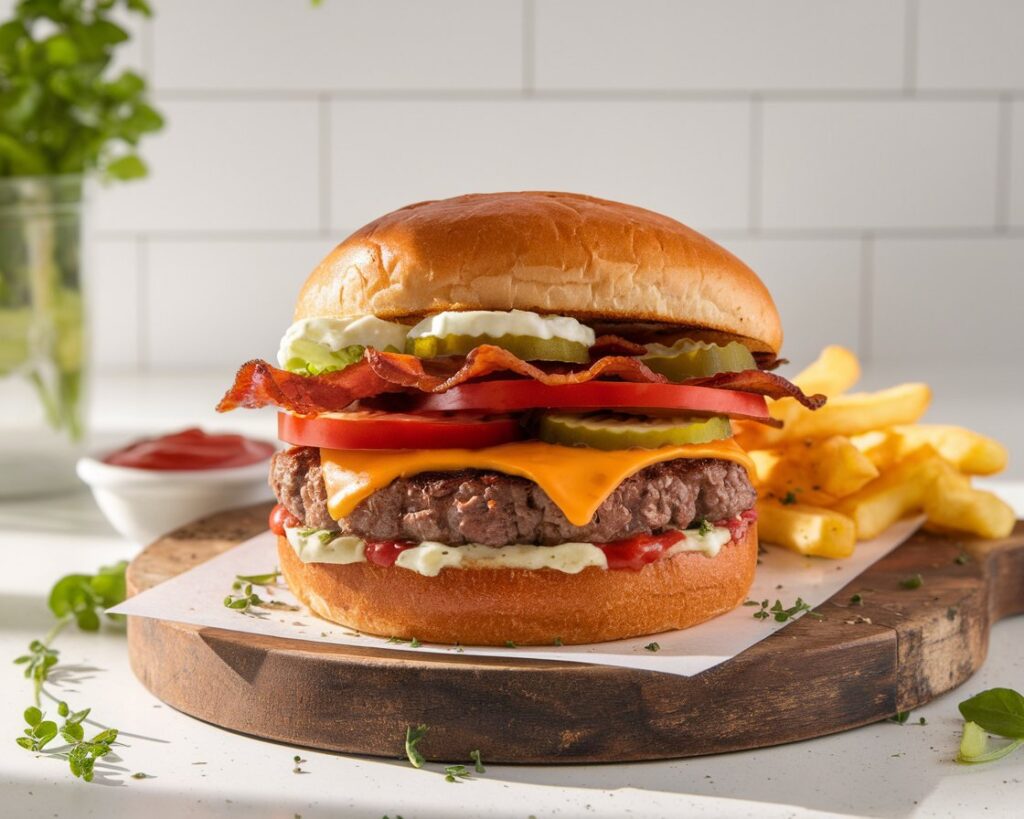
Making a homemade beef burger isn’t just about picking the right meat—it’s about using the right techniques to bring out the best in that beef. These burger-building tips go beyond the basics and dive into the subtle steps that ensure your burger is juicy, flavorful, and perfectly cooked every time.
The Secret to Juicy Burgers: Handling and Seasoning
Creating a burger that’s tender and juicy requires more than just a good beef blend. The way you handle and season your beef plays a critical role in the final texture and flavor.
Why less handling = more juiciness
One of the biggest mistakes people make is overworking the meat when forming the patties. The more you handle ground beef, the more you’re compacting it, which can lead to a tough, dry texture. To keep your homemade beef burger juicy, handle the beef as little as possible. Gently shape the patties using your hands, and avoid squeezing the beef too tightly. The less you compress it, the more air and fat remain within the patty, ensuring a juicy bite every time.
When and how to season (before or after forming patties?)
Seasoning at the right time is crucial. Many people season their beef too early, mixing salt and pepper into the meat before it’s shaped into patties. While it’s fine to mix some spices in before patty formation, you should save the salt until just before cooking. Salt draws moisture out of the meat, which can lead to a drier burger. By salting right before cooking, you help the beef retain moisture and keep the patty juicy during grilling or pan-frying.
The surprising role of Worcestershire sauce and garlic powder
If you’ve ever wondered why some homemade beef burger recipes just taste better, the secret often lies in the use of Worcestershire sauce and garlic powder. These ingredients are game-changers, adding umami depth and an extra layer of flavor that elevates the burger without overwhelming it. A dash of Worcestershire sauce imparts a savory richness, while garlic powder brings out the natural flavors of the beef. Both ingredients enhance the overall taste, helping to create that restaurant-quality burger you crave.
Smash or Not? Different Techniques Explained
Choosing between a smash burger and a thicker, restaurant-style patty comes down to your personal preference. Both techniques have their place, but they create very different textures and flavor profiles.
Pressing (smash burgers) vs. thick patties (restaurant-style)
The smash burger technique involves pressing a ball of meat onto the grill or skillet, creating a crispy, caramelized crust while keeping the interior tender and juicy. This method works best for thin, crispy burgers that cook quickly and develop a delicious sear. On the other hand, thicker patties—like those served in restaurants—retain more moisture and offer a meatier bite. They’re great for those who prefer a substantial, juicy burger, but they require careful temperature control to ensure they cook evenly without drying out.
When to flip, how often to flip, how NOT to ruin the crust
When cooking homemade beef burgers, flipping them too early or too often is a common mistake that can ruin the crust. For a perfect sear, let the patty cook undisturbed on one side for 3–4 minutes (depending on thickness) before flipping. Only flip once, and don’t press down on the patty—this will release juices and result in a dry burger. The key is to let the crust form naturally without interference, so the burger holds its shape and moisture.
Burger Cooking Techniques: From Cast Iron to Grill Mastery
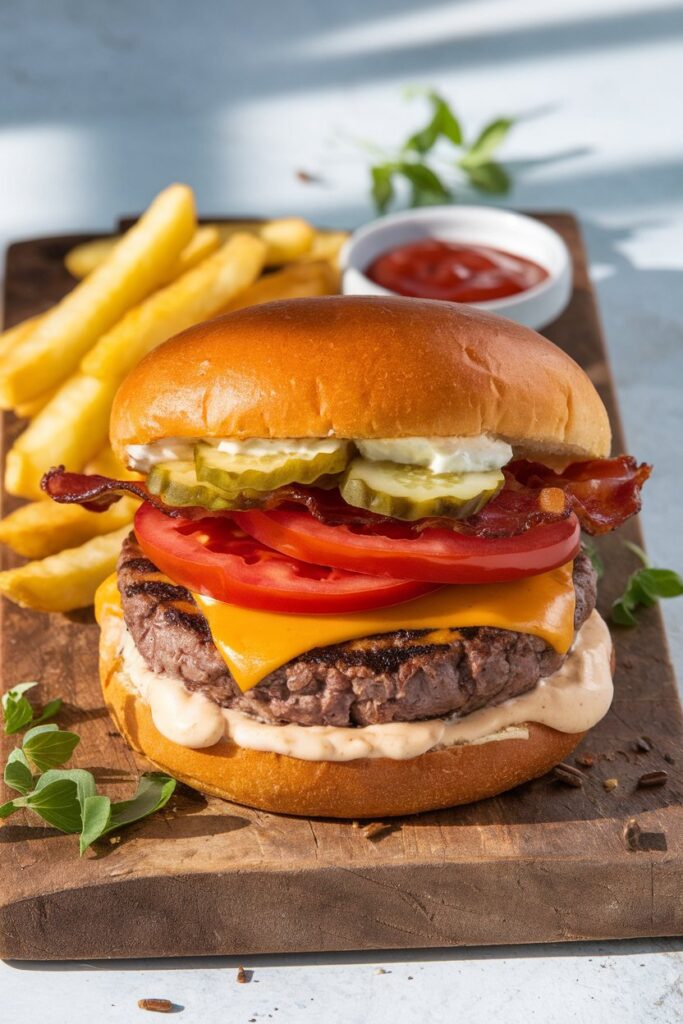
Once you’ve perfected your homemade beef burger recipe, the cooking method can take your burger experience to the next level. Whether you’re working with a cast iron skillet or an outdoor grill, knowing the nuances of each cooking technique will ensure your burger is cooked to perfection every time. Let’s break down the pros and cons of each method, and explore how to cook your burgers to a perfect, juicy finish.
Cast Iron Skillet vs Outdoor Grill: Which is Better for You?
When it comes to cooking your homemade beef burger, the method you choose can significantly impact the flavor, texture, and overall experience of your burger. While both methods can deliver great results, each has its own advantages.
Flavor differences, texture, convenience
A cast iron skillet gives you complete control over the heat, creating a beautifully crispy, caramelized crust on your burger. The skillet retains heat evenly, ensuring that your burger is cooked perfectly on the outside while staying juicy on the inside. While you won’t get the smoky flavor associated with grilling, the cast iron method allows you to cook in an indoor environment, making it perfect for year-round burger-making.
On the other hand, the grill brings an unmistakable smoky flavor and authentic BBQ vibes. Cooking burgers over an open flame can add an element of char and crispiness that’s hard to replicate indoors. However, grilling requires more preparation—such as getting the grill heated up and managing the temperature—which can be more challenging for beginners.
Indoor vs outdoor burger parties
Choosing whether to cook indoors or outdoors can also depend on the occasion. A cast iron skillet is perfect for cozy indoor gatherings or winter months when grilling outside isn’t an option. For a fun summer BBQ or when you have a crowd to feed, the grill shines, offering a larger cooking surface and the ability to cook multiple burgers at once.
Here’s a quick comparison to help you decide which method is best for your needs:
| Method | Pros | Cons |
|---|---|---|
| Cast Iron | Crispy crust, easy control | Indoor smoke, limited space |
| Grill | Smoky flavor, authentic BBQ vibe | Needs prep, outdoor setup |
Cooking Temperatures and Safety: Don’t Guess, Measure!
When it comes to cooking your homemade beef burger, the secret to getting it just right is measuring the internal temperature. Many people make the mistake of guessing when their burger is done, but this can lead to overcooking or undercooking the meat. A meat thermometer is your best friend for achieving the perfect cook every time.
Importance of a meat thermometer (aim for 160°F for beef)
For safety and optimal flavor, cook your beef burgers to an internal temperature of 160°F. This ensures that the beef is fully cooked and safe to eat while keeping it juicy and tender. Invest in a quality meat thermometer to eliminate the guesswork and guarantee a delicious burger every time.
How resting the patty keeps it juicy inside
Once your homemade beef burger has reached the ideal temperature, don’t immediately serve it. Let the burger rest for about 5 minutes. This allows the juices to redistribute throughout the meat, ensuring your burger stays moist and flavorful. Cutting into the burger too soon can cause the juices to escape, leaving you with a dry patty.
Creative Beef Burger Toppings and Combos to Try
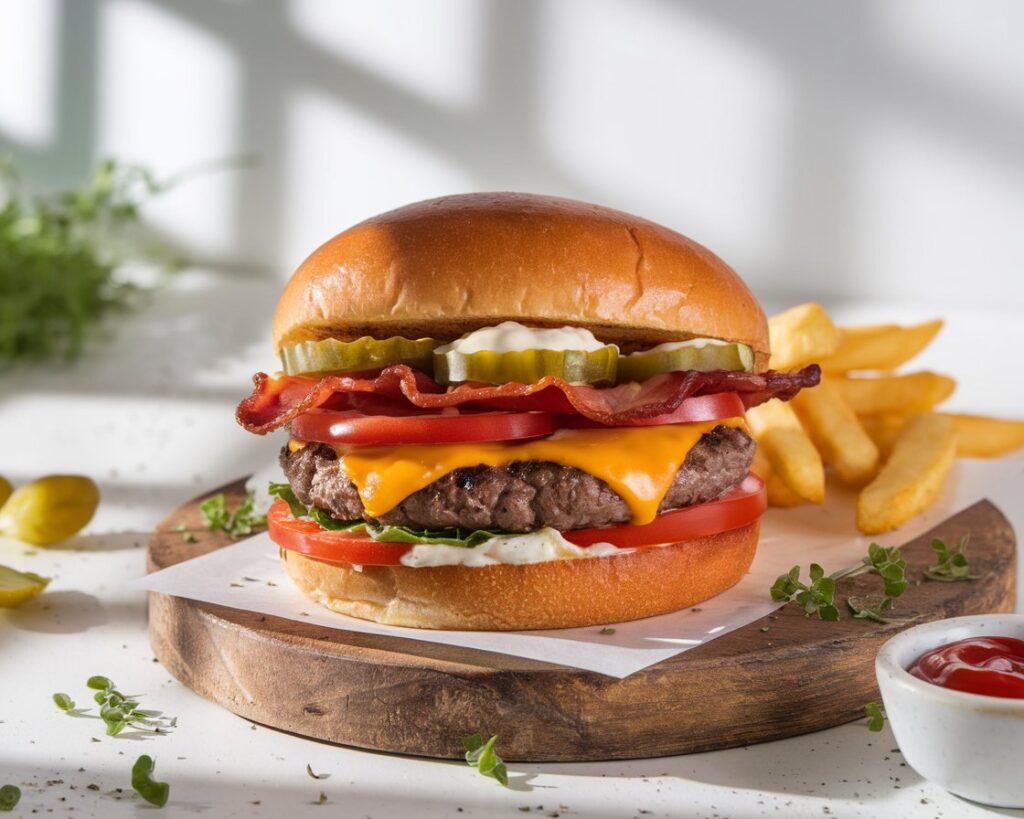
When it comes to homemade beef burgers, it’s time to move beyond the classic lettuce and tomato. The beauty of crafting your own burger is that you have the freedom to experiment with unique, exciting toppings that elevate your creation. Let’s explore some fun flavor combinations that can take your beef burger to a whole new level.
Flavor-Boosting Ideas for Ultimate Burger Stacks
The key to an unforgettable burger is layering in diverse flavors and textures that complement the richness of the beef. Here are some top-notch burger toppings you can mix and match for the ultimate burger stack:
Pickled onions, garlic aioli, pepper jack cheese
Pickled onions add a sharp, tangy contrast to the savory beef patty, while garlic aioli brings a creamy, garlicky kick. Top it all off with a slice of pepper jack cheese for a little heat and melt. This combination creates a balance of sharp, creamy, and spicy notes that will keep your taste buds engaged with every bite.
Sweet and savory combinations (like fig jam + goat cheese)
For a more sophisticated burger, try pairing fig jam with goat cheese. The sweetness of the fig jam balances beautifully with the tangy richness of goat cheese, creating a burger that’s both savory and sweet. This is perfect for those who want to push their burger creations into gourmet territory without sacrificing flavor.
Here’s a handy table for quick reference:
| Topping Combo | Flavor Profile | Best Beef Style |
|---|---|---|
| Bacon + Avocado + Cheddar | Smoky, creamy, savory | Thick patty |
| Jalapeños + Pepper Jack + Hot Sauce | Spicy, bold | Smash burger |
| Mushrooms + Swiss + Caramelized Onions | Earthy, umami | Grilled burger |
Experiment with these fun combos to create a burger that suits your style and flavor preferences. Whether you prefer creamy, smoky, spicy, or earthy elements, the possibilities are endless.
Mistakes to Avoid When Making Homemade Beef Burgers
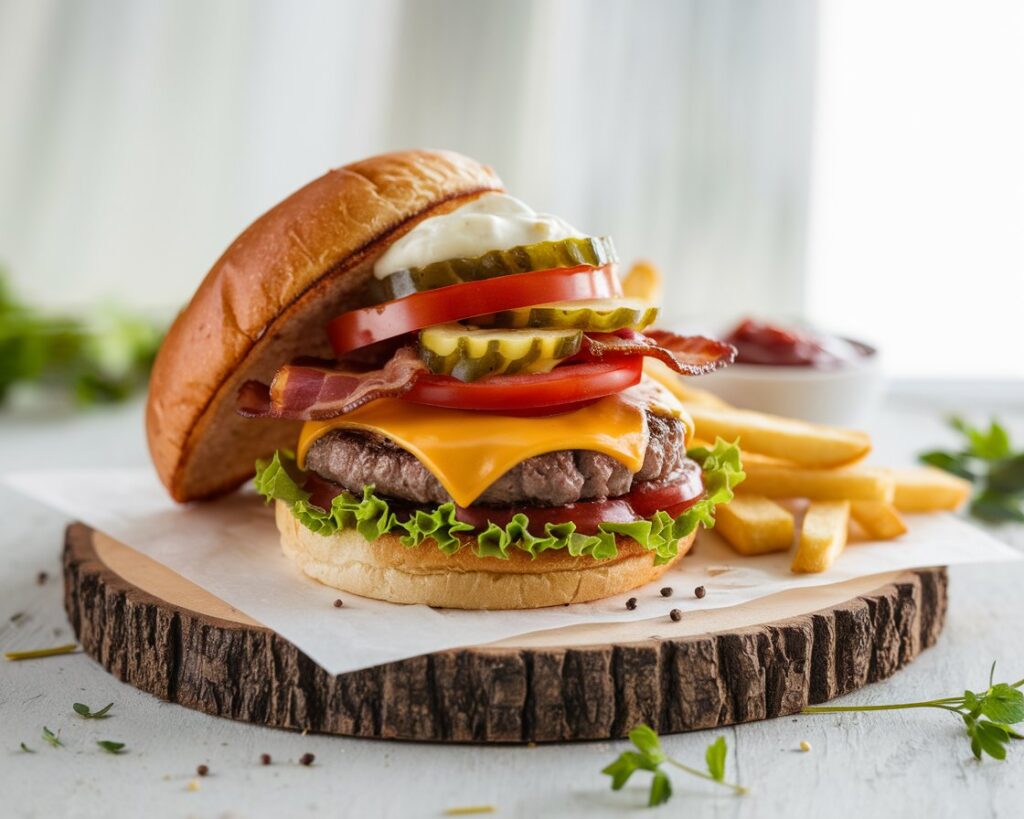
While making the perfect homemade beef burger is a fun and rewarding process, it’s easy to fall into some common traps that can ruin the texture, flavor, or overall experience of your burger. Let’s take a look at some mistakes to avoid to ensure your burger turns out perfectly every time.
Common Pitfalls That Dry Out or Break Apart Your Burger
There are a few key mistakes that many people make when making beef burgers, and they can result in dry, crumbly, or tough patties. Here’s what to look out for:
Overmixing, overseasoning, overcooking
One of the biggest mistakes is overmixing the beef when forming the patties. The more you handle the meat, the denser and drier the burger will be. Keep mixing to a minimum, and shape the patties gently. Similarly, overseasoning can overpower the beef’s natural flavors. A simple combination of salt and pepper is usually enough—don’t feel the need to go overboard with complex seasoning blends unless you’re going for a specific flavor profile.
Skipping the resting phase after cooking
After cooking, resist the temptation to dive straight into your homemade beef burger. Let the patty rest for a few minutes before serving. This allows the juices to redistribute throughout the meat, keeping your burger moist and flavorful. Skipping this step can result in a dry, less flavorful burger.
Burger Myths Busted
There are plenty of burger myths out there that can lead to confusion. Let’s clear a few up:
Pressing down the patty = juicy? (NO!)
You might have heard that pressing down on your burger while it’s cooking will help it cook faster and release juices, but in reality, this is a huge mistake. Pressing down on the patty will squeeze out the precious fat and juices that keep your burger moist. Instead, let the patty cook undisturbed to form a flavorful crust without losing any of its juiciness.
Salt dries out beef? (Only if misused)
Salt is actually essential for bringing out the natural flavors of the beef. However, if you salt your meat too early or too much, it can draw moisture out, leading to a drier burger. To avoid this, salt your burger just before cooking. This will help keep the moisture inside while enhancing the overall flavor of the beef.
Wrapping Up: Perfecting Your Homemade Beef Burger Recipe
In conclusion, mastering the art of the homemade beef burger is all about selecting the right ingredients, using the proper techniques, and avoiding common mistakes that could compromise your burger’s texture and flavor. Whether you’re cooking with a cast iron skillet or grilling outdoors, the key is to experiment with different flavor pairings and topping combinations to make your burger truly stand out.
For more delicious recipes and burger inspiration, check out our Ultimate Burger Toppings Guide for unique ways to elevate your burger game.
And if you’re looking for another easy-to-make recipe for a hearty meal, don’t miss our Quick Cottage Cheese Wrap Recipe for a high-protein option!