
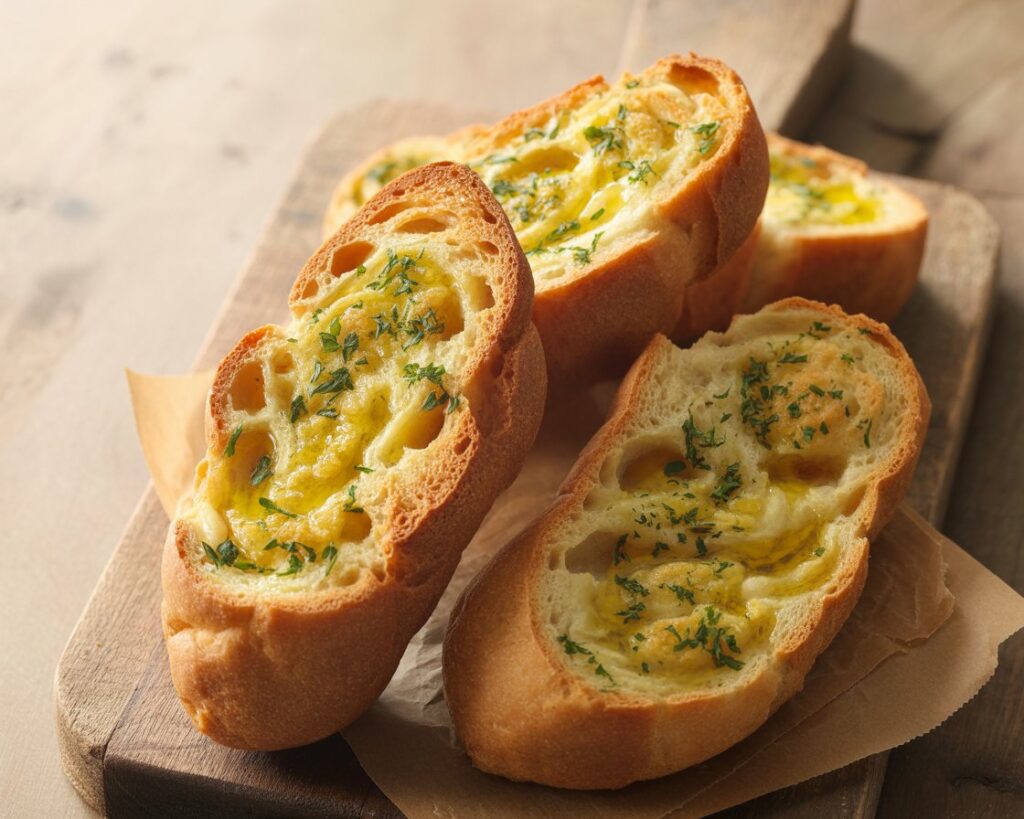
Garlic Bread captivates because it delivers contrast in every bite, merging a shatteringly crisp exterior with a soft, fragrant center that carries savory richness to the palate in balanced waves. The allure lies not just in the flavor of garlic and herbs, but in how heat, fat, and bread structure collaborate to create texture that crackles at the edges and yields gently at the core. When executed thoughtfully, Garlic Bread becomes more than a side; it becomes a textural anchor for pasta, soups, salads, and shared platters, offering comfort and character in equal measure.
The transformation from simple loaf to memorable Garlic Bread is guided by decision points that are small yet important, each one tuning the final result toward crisp, tender, or indulgently melty. Bread choice determines absorption and chew, fat balance shapes browning potential and mouthfeel, and oven sequencing calibrates the finish from matte gold to bronzed bubbles. What follows is a practical, experience-driven exploration of these choices, complete with structured tables to compare breads, plan pairings, explore variations, and troubleshoot with confidence. For additional kitchen pointers and related techniques, see this helpful resource on feastrecipe.com. For a broader food-skills reference, consult respected guides like Food A Fact Of Life.
Choose the Right Loaf
Loaf selection is the foundation of exceptional Garlic Bread because bread architecture dictates absorption, crunch, and chew. Thin-crusted loaves and baguettes offer a higher edge-to-center ratio for crispness, while thicker-crusted rustic loaves support hearty chew and deeper browning. The crumb’s openness affects how the spread travels, whether it clings to the surface or seeps into pockets, and how heat dries or steams the interior. For balanced results on most tables, a medium-crusted French-style loaf provides consistent crisping and a generous, tender middle.
Bread Style Trade-offs
Every bread style brings unique texture dynamics to Garlic Bread, and those differences become obvious once fat and heat enter the equation. An even, soft crumb drinks in just enough richness to flavor the interior without compromising structure, producing a pleasing balance of crunch and softness. A very open crumb can generate glossy, craggy edges that brown beautifully, while a heavy, dense crumb may require careful timing to avoid a dry or overly chewy result. Choosing a style that suits the meal ensures Garlic Bread complements rather than competes with the rest of the plate.
French vs Ciabatta vs Sourdough
French loaves typically achieve a harmonious crisp-to-soft ratio, making them a versatile default for classic, open-faced Garlic Bread slices that stay light on the palate. Ciabatta’s open structure encourages dramatic bubbling and crispy ridges, which is ideal for bold edges and oil-friendly spreads that caramelize into savory lacquer. Sourdough leans rustic and flavorful with a more assertive crust; it excels when paired with robust mains and sauces but benefits from mindful heat management to preserve a tender center and avoid an overly tough shell.
Baguette and Thin Loaves
Baguette-based Garlic Bread thrives when the goal is ultra-crisp slices that deliver clean snaps and minimized sogginess, especially for appetizers and shareable platters. The thin diameter encourages consistent browning and quick top heat finishes, yielding a satisfying crunch that holds up around dips and small plates. Because thin loaves brown quickly, they reward close supervision near the heating elements and benefit from smooth, even spread application to prevent patchy color or dry pockets.
Best Use Cases
Opt for thin, crisp-forward Garlic Bread when building boards with dips or when serving alongside lighter mains that prefer snap and finesse over heft. Choose French loaves for balanced, family-style portions that welcome a wide array of sauces and salads without overwhelming the meal. Turn to rustic or sourdough loaves for hearty menus where chew, tang, and a rugged crust can meet bold flavors head-on without losing presence on the plate.
Fresh vs Day-Old
Fresh bread offers a luxurious crumb that reads as plush, but it can also hold onto moisture in a way that softens crust if not managed with staged heat. Slightly day-old bread often excels at Garlic Bread because it is primed to absorb flavor while drying into a controlled crunch, especially at the edges. If the loaf is very fresh, a structure-setting phase before high-intensity finishing helps lock in the crisp-surface/soft-center contrast that defines great Garlic Bread.
| Bread type | Crust | Crumb | Absorption | Ideal texture goal | Best serving context |
|---|---|---|---|---|---|
| French loaf | Medium, even | Uniform, soft | Moderate | Crisp shell, tender middle | Classic pasta and salads |
| Ciabatta | Rustic, blistered | Open and airy | High | Craggy, bronzed edges | Hearty soups and platters |
| Sourdough | Thicker, assertive | Structured chew | Moderate–High | Deep browning, tang | Robust mains and sauces |
| Baguette | Thin, snappy | Fine, compact | Low–Moderate | Ultra-crisp slices | Appetizers and dips |
Flavor-First Butter Strategy
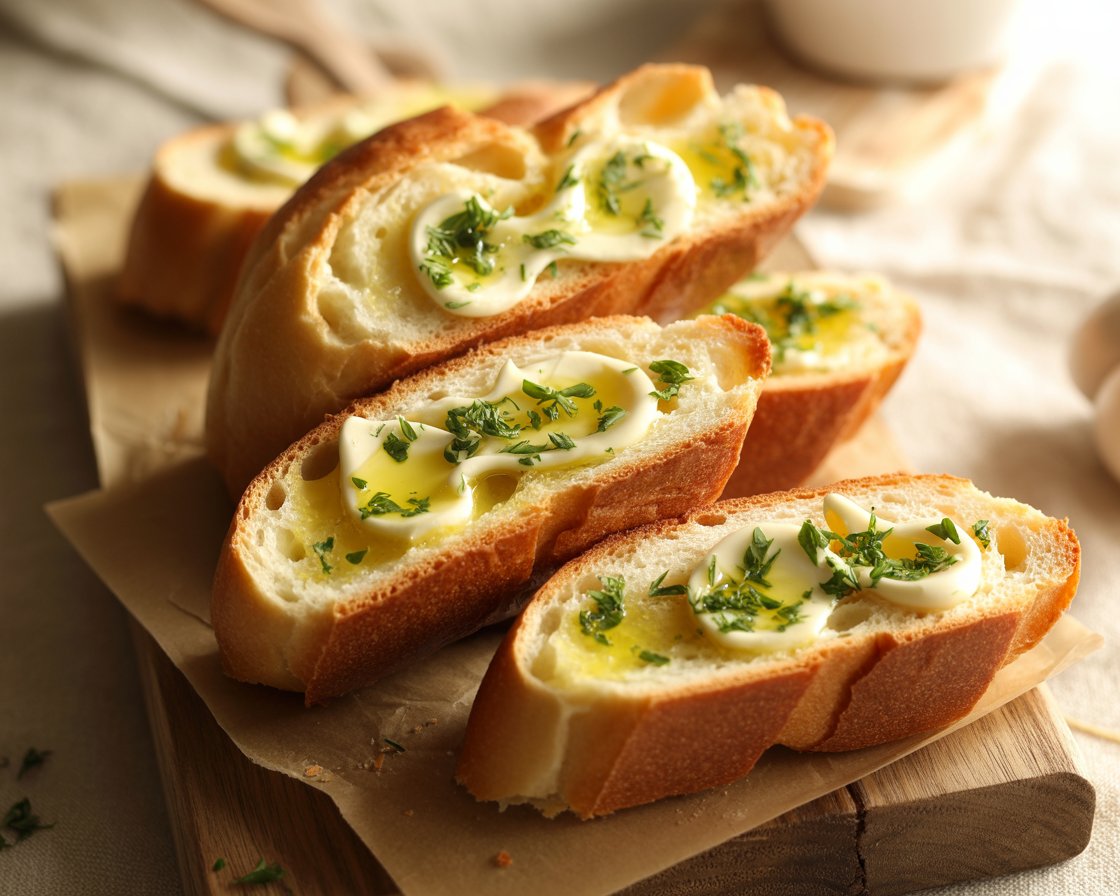
A well-balanced spread is the engine of Garlic Bread flavor and texture, distributing richness across the loaf so each bite delivers a unified profile. Spread texture determines coatability, adherence, and evenness, while the choice of aromatic accent defines the bread’s personality. A cohesive mixture that glides without dripping ensures that the edges brown predictably, the crumb tastes seasoned rather than saturated, and the final result breaks cleanly beneath the teeth.
Balancing Fat and Spreadability
Spreadability influences not just convenience but outcome, because a spread that is too stiff tears the crumb and leaves gaps, while a spread that is too loose can pool and cause sogginess. Aim for a smooth texture that holds soft peaks and moves easily under a spatula, allowing thin, even coverage from edge to edge. This approach helps Garlic Bread brown in unison and avoids mottled patches that taste dull or greasy, leading to a cleaner, more fragrant finish.
Ratios and Cohesion
A spread that leans slightly creamy supports suspended aromatics and predictable browning, especially along the edges where heat concentrates. For Garlic Bread with pronounced crispness, avoid over-enrichment that dampens crunch; for a more indulgent version, adjust toward a richer profile while maintaining application discipline. Cohesion matters because a stable spread allows fine control across different loaves, from compact baguette grain to open ciabatta pockets.
Herb Profiles and When to Use Them
Herbs refine the identity of Garlic Bread, steering it toward bright, green freshness or deeper, savory complexity. Classic soft herbs supply a clean finish and visual vibrancy, while sturdier or warmer accents can support heartier mains and colder evenings. Matching the herb profile to the meal keeps the experience coherent: green and lively with tomatoes and greens, warm and earthy with char and reductions.
Flavor Direction
Choose bright, leafy notes for a familiar, crowd-pleasing Garlic Bread that stays light and fresh from first plate to last. For more resonance, add warm spice or subtle smokiness that emphasizes caramelization without overshadowing garlic’s fragrance. A hint of citrus zest sharpens the aftertaste and keeps richer spreads from feeling heavy, especially when the menu leans creamy.
Cheese Choices for Melt and Depth
Cheese shapes both flavor intensity and surface aesthetics in Garlic Bread, adding savory foundation with aged options and indulgent pull with melting styles. A blend can bridge the two, delivering bronzed spots and glossy bubbling that invite immediate serving. The key is restraint and timing, allowing the bread to crisp before the top reaches its precise golden point.
When to Combine
Combine when the Garlic Bread is intended as a centerpiece side, or when the rest of the menu is lean and benefits from added richness. Favor a single aged option when a bright, crisp-forward slice is the goal or when other components already bring creaminess. For melty-focused presentations, be mindful of finishing intensity to preserve a tender, glossy top rather than a hard, oily crust.
| Herb | Flavor note | Cheese pairing | Texture result | Best occasion |
|---|---|---|---|---|
| Parsley | Fresh, clean | Aged, nutty | Balanced crisp | Weeknight dinners |
| Oregano | Herbaceous, savory | Aged + melty | Bubbly top | Pizza nights |
| Basil | Sweet, aromatic | Melty-forward | Silky pull | Summer menus |
| Chili flakes | Gentle heat | Aged, salty | Extra crunch | Game-day platters |
| Paprika | Warm, smoky | Aged + melty | Bronzed crust | Hearty mains |
| Lemon zest | Bright, zesty | Light melty | Lifted finish | Seafood pairings |
Heat and Timing for Texture

Texture mastery in Garlic Bread comes from sequencing heat to set the crumb before pushing color and crackle on the surface. A staged approach allows moisture to escape in a controlled way, avoiding sogginess while protecting a tender interior. Rack placement, airflow, and vigilant observation guide the process from matte set to golden finish, producing crisp edges that stay lively even after a brief rest.
Bake vs Broil Sequencing
Establishing structure first prevents the spread from soaking the crumb, while a brief top heat finish unlocks the bronzed, aromatic character that defines excellent Garlic Bread. Middle racks promote even drying and prevent early scorching, whereas upper racks concentrate intensity for the final flourish. The precise balance depends on bread style and spread richness, but the principle is steady: set, color, rest.
Rack Position and Airflow
Airflow keeps the bottom crisp and the top glossy by venting steam away from the surface, preventing sponginess and pallor. Wire racks or low-lip trays encourage evaporation, while overly tight fits trap heat and moisture that dull the crust. Garlic Bread benefits from open space on the pan; a little distance between pieces leads to more reliable coloring and cleaner edges.
Visual and Tactile Cues
Color is only part of the signal; look for fine bubbling, bronzed eyebrows along the crust, and a light, appealing sheen. A gentle tap should yield a modest crackle at the margin, with a springy give at the center that suggests tenderness rather than dryness. When using a melty finish, watch for glossy peaks and faint caramel spots—pulling at this moment preserves tenderness that lingers beyond the first bite.
Avoiding Common Pitfalls
Uneven spread creates splotchy browning and textural inconsistency, so smooth thin areas and rotate the pan during the finish. Soggy bottoms often come from pooled fat and trapped steam, which can be countered by spacing, suitable trays, and a brief pre-set phase. Because top heat is unforgiving, it helps to finish Garlic Bread in short intervals, removing it the moment the surface flips from pale to gold.
| Phase | Rack position | Time window | Visual cue | Common mistake | Fix |
|---|---|---|---|---|---|
| Set structure | Middle | Short, monitored | Matte, drier cut face | Pooling fat | Even spread, wire rack |
| Develop color | Upper-middle | Very brief | Golden edges, bubbles | Scorching | Rotate, lower rack |
| Finish and rest | Middle | Minimal | Glossy top | Rubbery top | Stop at sheen |
Smart Variations (No Extra Fuss)
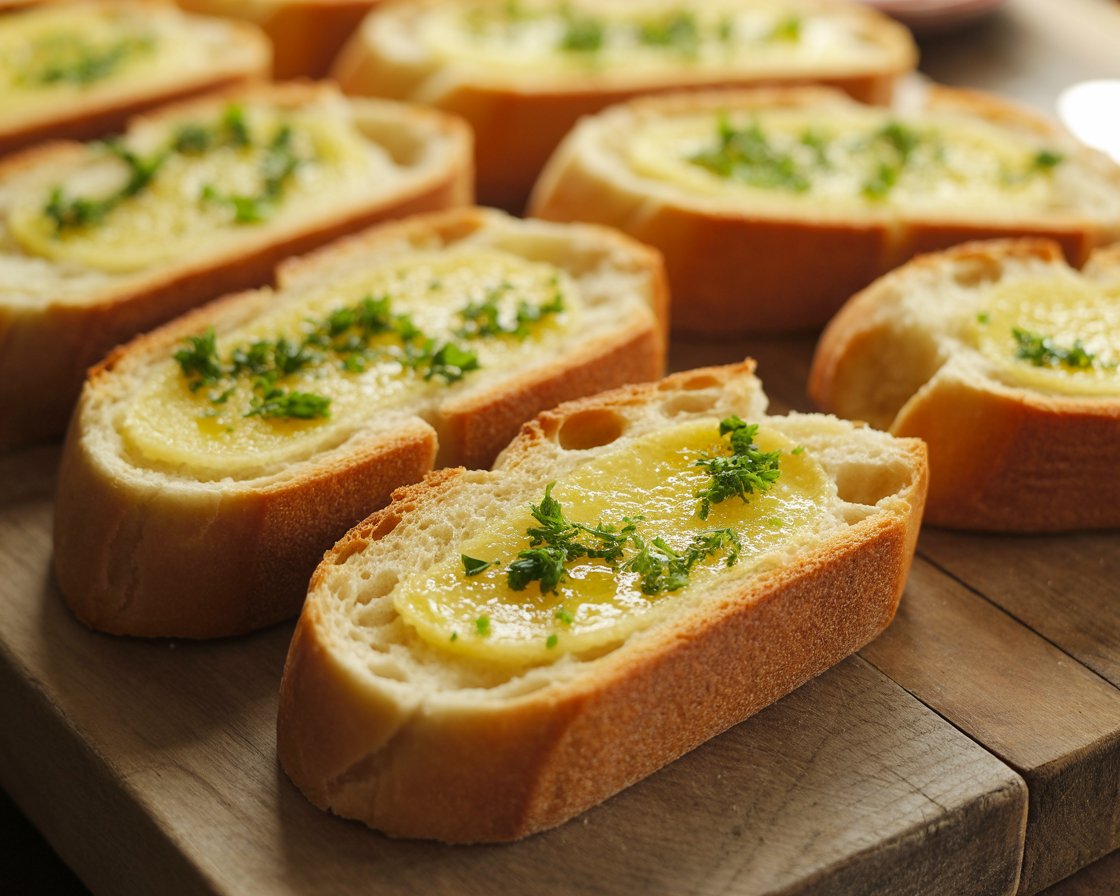
Variations extend Garlic Bread from familiar comfort to playful centerpiece without complexity. Pull-apart patterns invite sharing and trap pockets of flavor, while oil-forward styles deliver a brighter, crisp finish ideal for lighter menus. Gentle heat and citrus accents introduce nuance, turning a dependable side into a conversation piece that adapts effortlessly to the season and the plate.
Pull-Apart and Stuffed Loaf
Crosshatching a substantial loaf creates flavorful seams and ridges that crisp beautifully while insulating a plush interior. The technique expands surface area for browning and distributes richness evenly, so every pull tastes fully seasoned. It’s an ideal format for gatherings when Garlic Bread must be both dramatic and practical, staying texturally interesting from first tear to last.
Why It Works
By exposing more edges, the loaf gains abundant micro-crust that snaps with each bite, while the grid retains aromatics and melty elements in defined pockets. The result is Garlic Bread that satisfies both texture seekers and flavor hunters, with built-in portioning that suits casual, communal eating. Crosshatched loaves are also forgiving on timing because the interior remains cushioned even if the finish extends slightly.
Olive Oil-Forward Vegan Approach
Oil-forward Garlic Bread emphasizes lift, clarity, and clean crunch, making it a natural partner for salads, grilled vegetables, and seafood-focused menus. Strategic use of aromatics and bright accents compensates for cream-based richness, keeping the aftertaste lively rather than heavy. When the goal is a crisp, snackable slice that refreshes between bites of savory mains, this approach shines.
Texture Targets
This style aims for a fine, brittle edge that yields to a soft, fragrant center with minimal residue on the fingers. Because oil travels more freely than creamy spreads, precise application prevents oversaturation and helps avoid soggy sections. A short rest after finishing allows steam to dissipate and preserves the delicate snap that defines great oil-forward Garlic Bread.
Heat and Citrus Accents
Subtle heat and citrus brighten Garlic Bread with minimal effort, creating a layered profile that pops without overshadowing the primary garlic character. Warmth enhances savoriness and brings energy to rich meals, while zest cleans the finish and encourages another bite. These accents are excellent for menus that need momentum or for repeating Garlic Bread across multiple courses without palate fatigue.
Balance and Restraint
A small amount of warmth or citrus transforms the experience more than a heavy hand ever could, so build gently and taste for aftereffects. Add warmth to bolster mild plates and use citrus to lift heavy compositions, ensuring Garlic Bread plays a supporting role that still feels exciting. When accents remain in balance, the bread reads as intentional and nuanced rather than busy.
| Style | Key swaps | Flavor profile | Difficulty | Total time impact |
|---|---|---|---|---|
| Pull-apart stuffed | Crosshatch, flavor pockets | Indulgent, shareable | Easy–Moderate | Moderate |
| Oil-forward vegan | Cream-free, bright | Light, crisp | Easy | Low |
| Heat & citrus | Warm spice, zest | Lifted, savory | Easy | Low |
Pairings, Dips, and Occasions
Garlic Bread anchors diverse menus because it fills the exact gap a plate presents: crunch for soft dishes, richness for lean ones, and aroma that ties courses together. Tomato-based sauces respond well to the bread’s caramelized edges, while brothy soups welcome the chew of rustic slices. For boards and gatherings, Garlic Bread adds both structure and indulgence, inviting guests to graze with variety and momentum.
Simple Dunkers and Drizzles
Acidic tomato sauces cut through richness and reset the palate so Garlic Bread remains exciting across multiple bites. Herbed oils supply a fragrant sheen that complements crisp edges without overwhelming them, and creamy accompaniments add contrast where the bread is lean. Offering two options—one bright, one plush—makes the experience customizable and keeps the table lively.
Contrast and Complements
When Garlic Bread leans melty, pair it with brighter dips that slice through density and emphasize caramelized notes; when it is crisp and lean, choose creamier dips that round out the edges. Matching intensity across components ensures no single element dominates, allowing diners to keep alternating textures and flavors. This interplay preserves appetite and keeps the platter appealing long after the first pass.
Meal Matchmaker
Garlic Bread performs differently depending on the main: for delicate salads, a fine-crumb, crisp-forward slice adds energy; for robust mains, a sturdy loaf provides ballast and absorbs sauces gracefully. Soups that benefit from dunking pair naturally with rustic or sourdough slices that hold together without crumbling. The key is to align texture and weight so each bite supports the rest of the plate rather than competing with it.
Game-Day and Gatherings
For snacking scenarios, thin, crisp Garlic Bread or pull-apart loaves offer effortless portioning and constant interest. Present two textures—one snappy, one melty—to satisfy different preferences and extend enjoyment over longer events. Keep small batches cycling to the table so each round lands with heat, aroma, and the unmistakable call to take one more piece.
| Main dish | Bread style | Cheese choice | Dip | Notes |
|---|---|---|---|---|
| Tomato-based pasta | French or ciabatta | Aged + melty | Red sauce | Acid balances richness |
| Hearty soup | Sourdough | Aged only | Herbed oil | Chew complements broth |
| Fresh salad mains | Baguette | Light melty | Creamy dip | Crisp contrasts greens |
| Grilled proteins | Ciabatta or rustic loaf | Aged + melty | Bright or creamy | Bold crust matches char |
Make-Ahead, Storage, Reheating
Planning ahead expands the versatility of Garlic Bread, allowing trays to land hot with minimal fuss during busy service. Pre-assembled loaves hold well for short periods, frozen portions provide weeknight convenience, and strategic reheating restores sheen and crackle. The goal is to keep texture vivid and aroma pronounced whether serving a crowd or a table for two.
Refrigerate Ready-to-Bake
Assembling in advance and holding chilled preserves workflow efficiency without forfeiting a crisp top and soft interior. Keep wrap strategies in mind: protection from air limits drying, but excessive sealing can encourage steam that softens the crust. A brief, high-intensity finish restores Garlic Bread’s edge and reawakens aromatics right before serving.
What to Prep Now vs Later
Prepare Garlic Bread up to the moment before aggressive browning so the final finish remains under precise control. Reserve toppings that darken quickly until just before the oven, which safeguards color and keeps flavors fresh. Aligning steps this way yields predictable timing, consistent trays, and a calm pace during service.
Freeze Like a Pro
Pre-sliced portions enable fast, targeted reheating so only the needed amount of Garlic Bread is cooked at once. Space pieces on the tray to vent steam and warm evenly from cold, avoiding mushy undersides and pale tops. Labeled packs make matching style to menu effortless, ensuring the right texture arrives at the right time.
Temperature Transitions
Moving from cold or frozen to hot invites condensation, so plan a brief structure-setting phase that drives off surface moisture before finishing. This practice yields consistent color and avoids rubbery tops, especially for melty variations. When the surface turns matte and the edges begin to dry, the bread is primed for the final push to gold.
Reheat Routes
Dry heat reinvigorates crackle better than sealed environments, which tend to re-steam the crust and mute the finish. A moderate reheating phase followed by a short, higher-intensity pass reactivates the surface and restores the Garlic Bread’s signature snap. Avoid stacking after reheating so edges stay crisp until the last piece.
| Method | Prep stage | Max hold time | Reheat path | Texture result | Pro tip |
|---|---|---|---|---|---|
| Refrigerated | Assembled | Same day | Brief hot finish | Fresh-crisp surface | Space pieces for airflow |
| Frozen | Pre-sliced | Several weeks | Set, then finish | Even brown, soft core | Vent steam early |
| Room-temp hold | Par-baked | Short window | Quick top heat | Snappy edges | Serve immediately |
Troubleshooting and Quick Wins
Even experienced cooks encounter the occasional batch of Garlic Bread that skews soggy, flat, or overly crusty. Understanding the underlying cause turns fixes into simple adjustments applied on the fly and prevents repeat issues. Focus attention on airflow, spread consistency, and finishing discipline to reclaim the crisp-soft balance that defines a great tray.
Soggy Bottoms
Trapped steam and pooling fat are the chief enemies of crispness, and both are solvable with surface choice, spacing, and staged heating. Use racks or low-lip trays to vent moisture, and avoid restrictive coverings during the finish unless intentionally targeting a softer texture. If working with very fresh bread, a short structure-setting pass clears the path for a clean, resilient crust.
Surface Strategy
Give Garlic Bread room to breathe on the pan, and rest finished slices briefly on a rack rather than a solid tray to prevent condensation that undoes crispness. Apply spreads evenly from edge to edge so no section gets waterlogged, and rotate during finishing to counter hot spots. These small steps keep the bottom lively and the top luminous.
Flat Flavor
When Garlic Bread tastes muted, balance is usually the culprit: salinity, acidity, and aromatics need calibration, not bolder volume across the board. Introduce gentle heat to energize richness, add brightness to cut heaviness, and elevate herb freshness for a clean finish. Aim for a lingering, pleasant aftertaste that invites another bite without palate fatigue.
Targeted Adjustments
Brighten heavy compositions, fortify thin ones with savory depth, and simplify noisy profiles that feel crowded or unfocused. Taste for the tail end of each bite; if it falls off quickly or turns oily, adjust toward lift or structure rather than intensity. Subtle corrections ripple through the entire loaf, making each slice feel intentional and complete.
Over-Crusty Loaves
When crackle turns into toughness, Garlic Bread likely spent too long under dry heat or too close to concentrated top heat. Shift time into the finishing phase rather than the setting phase, and consider a slightly lower rack for color development with less dehydration. For double-bake methods, favor softer-crusted loaves that protect the interior through longer cycles.
Protecting the Center
Read color and sheen as the primary signals and pull a touch early rather than late, especially on melty variations. Allow a short rest to rehydrate the crumb gently without compromising the top’s delicate snap. If in doubt, under-finish and return for seconds; crispness is recoverable, while dryness is hard to reverse.
| Symptom | Likely cause | Immediate fix | Prevention next time |
|---|---|---|---|
| Soggy underside | Trapped steam | Rack-rest | Increase airflow |
| Muted taste | Imbalance | Add brightness | Tune salt/heat |
| Over-tough crust | Excess dry heat | Shorten finish | Softer loaf |
| Uneven browning | Hot spots, uneven spread | Rotate, smooth | Even application |
FAQ That Matches Reader Intent
These focused explanations answer the most common questions that arise when planning, serving, and refining Garlic Bread for different menus and occasions. The emphasis is on practical reasoning and cues that translate to predictable, enjoyable results. Use these answers to make quick adjustments mid-cook or to plan a stress-free serving strategy.
What bread style is best for a crisp edge and soft center?
Choose a loaf with a moderate crust and even crumb to balance crunch with plushness, such as a well-made French-style bread that colors predictably without drying the interior. For extra crispness and a clean snap, slender baguettes shine because their high surface-area-to-volume ratio encourages uniform browning and low risk of soggy centers. When pairing with robust, saucy mains, rustic or sourdough loaves offer chew and structure that absorb sauces without collapsing, keeping Garlic Bread substantial and satisfying.
How this choice affects serving
Balanced loaves complement a broad range of dishes and make Garlic Bread accessible to varied palates around the table. Crisp-thin slices excel as appetizers and with salads where lightness and texture contrast matter most. Heavier loaves anchor meals with gravitas, allowing bold flavors to shine without the side feeling secondary or overwhelmed.
How can slices stay crisp at the table?
Serve Garlic Bread hot in smaller waves, avoiding stacks that trap steam and soften edges prematurely. Place slices with space between them and keep dips to the side so surfaces stay dry until the moment of dunking. If service stretches, a brief return to dry heat restores the top’s sheen and the edge’s chime without overcooking the center.
Small service adjustments that help
Rotate trays through the oven on a predictable rhythm and rest finished slices briefly on racks rather than sealed platters. Use shallow baskets or boards that allow airflow under and around the bread, and replace cooled pieces instead of piling fresh on stale. These minor tactics uphold the crisp-soft balance from first pour to final toast.
Can it be prepped ahead and finished fast on busy nights?
Yes, Garlic Bread adapts well to make-ahead strategies that build speed without sacrificing texture or aroma. Assemble early, hold chilled, and finish with focused top heat so color and fragrance peak at the moment of serving. For even faster weeknight execution, keep a small inventory of prepped, frozen portions labeled by style so the right texture is only minutes away.
Choosing a method based on context
For gatherings with staggered arrivals, chilled, ready-to-finish loaves provide flexibility and consistent results across multiple trays. For everyday meals, pre-sliced frozen portions reheat efficiently and prevent waste, delivering just enough Garlic Bread for the table. Both approaches protect crispness and keep timing stress-free, especially when paired with rack rest and mindful spacing.
Conclusion
Great Garlic Bread is built from a few smart choices executed with care: select a loaf that matches the meal, apply a cohesive spread with even coverage, and stage heat to set structure before driving color. Read the signals—sheen, bubbles, and bronzed edges—to pull at peak texture, then rest briefly to preserve the crisp-soft contrast that makes each bite compelling. With variations for sharing, pairing guides for different mains, practical make-ahead strategies, and a clear troubleshooting map, Garlic Bread becomes a reliable, joyful staple that elevates weeknights and gatherings alike.