
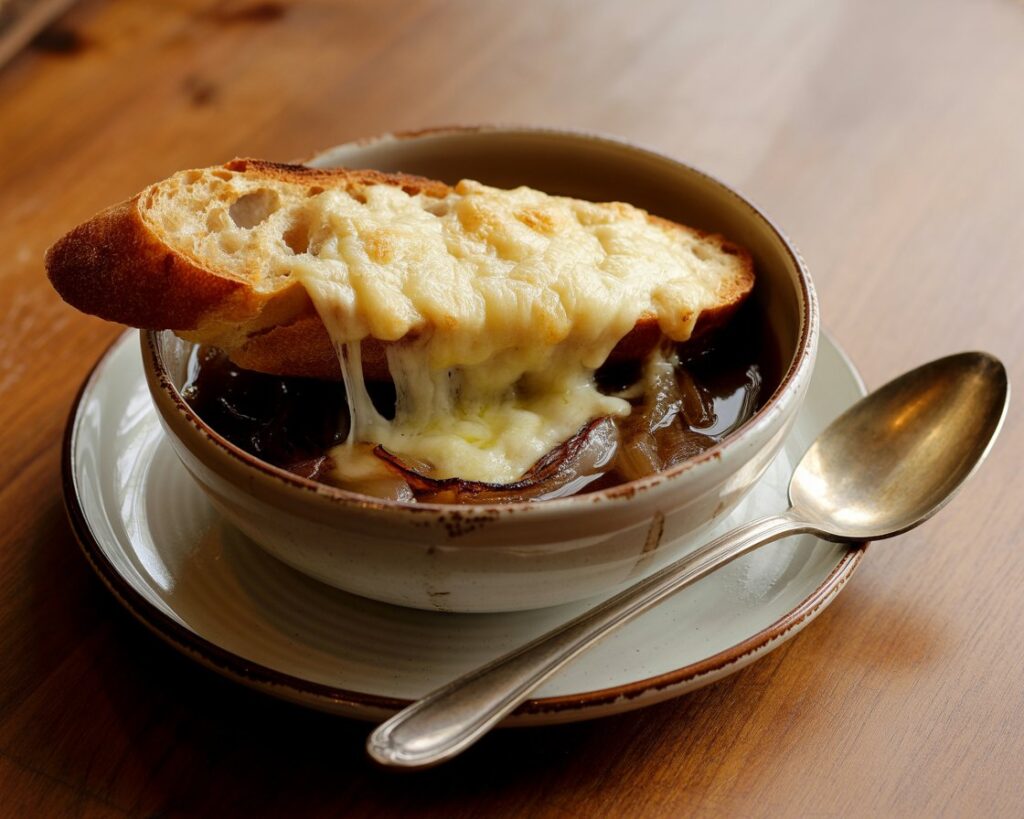
French onion soup recipe is a timeless classic that brings warmth and comfort to any meal. This easy French onion soup recipe anyone can make at home transforms simple ingredients—caramelized onions, rich beef broth, and melted gruyère cheese—into a deliciously savory bowl of goodness. Whether you’re a kitchen newbie or a seasoned cook, this recipe will guide you through crafting a flavorful soup that tastes like it came straight from a French bistro, all without the fuss. Get ready to impress yourself and your loved ones with a cozy, satisfying dish that’s perfect for any occasion.
The Magic Behind French Onion Soup: Why It’s So Beloved
There’s something undeniably comforting about a steaming bowl of French onion soup—its deep, savory aroma, that gooey blanket of melted cheese, and the crunch of toasted bread soaked just enough to hold its form. But what makes this classic so universally loved? The secret lies not just in its ingredients but in its story, its layers of flavor, and the cozy nostalgia it stirs. Before you ladle your first bowl, let’s explore the elements that give this soup its iconic status.
A Rich History in Every Bowl
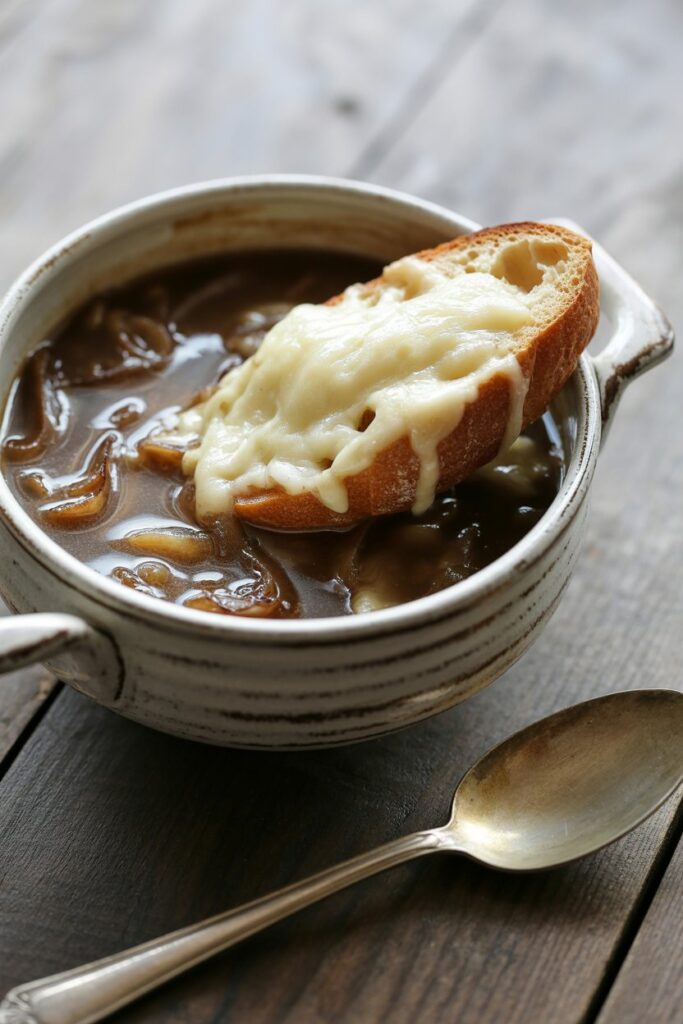
The French onion soup recipe traces its roots back to 18th-century France, where it was known as a humble peasant dish. Onions were inexpensive and available year-round, making them a staple in working-class kitchens. Over time, the dish evolved into a celebrated part of French cuisine, especially in Parisian bistros, where it gained popularity for its rich flavor and comforting qualities. Traditionally served as a late-night snack to warm up after long hours or cold nights, this soup has since become a global comfort food, admired for its depth, simplicity, and rustic charm.
What Makes This Soup So Flavorful?
At the heart of any great french onion soup recipe lies the magic trio: caramelized onions, beef broth, and gruyère cheese. Caramelizing the onions slowly over low heat transforms their sharp bite into a deep, sweet savoriness that forms the base of the soup’s rich flavor. The beef broth adds body and depth, acting as the umami-rich backbone of the dish. Finally, gruyère cheese, known for its nutty, melty quality, creates a creamy cap that perfectly complements the soup’s bold, savory notes. This combination of sweet, salty, and umami flavors is what gives French onion soup its unmistakable richness and comforting appeal.
Quick Science of Caramelization
Caramelization is the slow cooking of natural sugars in onions, which leads to a flavorful browning and softening process. Here’s a simplified look at how it works:
| Stage | Temperature | Color | Flavor Notes |
|---|---|---|---|
| Raw | Room temp | White/Pale yellow | Sharp, pungent |
| Sweating | ~100°C (212°F) | Translucent | Mild, vegetal |
| Caramelizing | 120–180°C (250–350°F) | Deep golden to brown | Sweet, complex, umami |
Patience is essential—rush the process, and you’ll end up with burnt onions instead of that sweet, golden base. The key is low heat, frequent stirring, and time. When done right, caramelized onions can elevate the entire dish from ordinary to extraordinary.
Mastering the Art of Caramelizing Onions Like a Pro

Caramelizing onions is a simple process, but it requires patience and attention to detail to get that perfect deep sweetness without burning. Many home cooks struggle with this step, but mastering it can elevate your French onion soup recipe from good to unforgettable.
Common Mistakes to Avoid
Here’s a quick rundown of what to do and what not to do when caramelizing onions:
| Do’s | Don’ts |
|---|---|
| Use low to medium heat | Don’t rush with high heat |
| Stir frequently but gently | Don’t leave onions unattended |
| Use a wide, heavy-bottomed pan | Don’t overcrowd the pan |
| Add a pinch of salt early on | Don’t add sugar too soon |
| Be patient and let them brown slowly | Don’t stir constantly to the point of cooling |
Tools & Tips for Perfect Onions
Using the right tools and techniques can make a big difference:
- Dutch oven or heavy-bottomed sauté pan: These distribute heat evenly, preventing hot spots that burn onions.
- Wooden spoon or silicone spatula: Ideal for gentle stirring without damaging the onions.
- A pinch of salt: Helps draw out moisture, speeding the caramelization process.
- Optional pinch of sugar: If your onions aren’t sweetening naturally, a small sprinkle can help kickstart the browning.
- Low and slow: Resist the urge to crank the heat—slow cooking is key to deep, rich flavor.
How to Tell When Your Onions Are “Just Right”
Use this checklist of sensory cues to know when your onions have reached perfect caramelization:
- Color: Deep golden brown, but not burnt
- Texture: Soft, silky, and slightly sticky
- Smell: Sweet, almost nutty aroma replacing the initial sharp onion scent
- Taste: Mildly sweet with no bitterness
Once your onions meet these criteria, you’re ready to build your soup’s flavorful base.
Crafting Your Soup Base: Beyond Just Broth and Onions
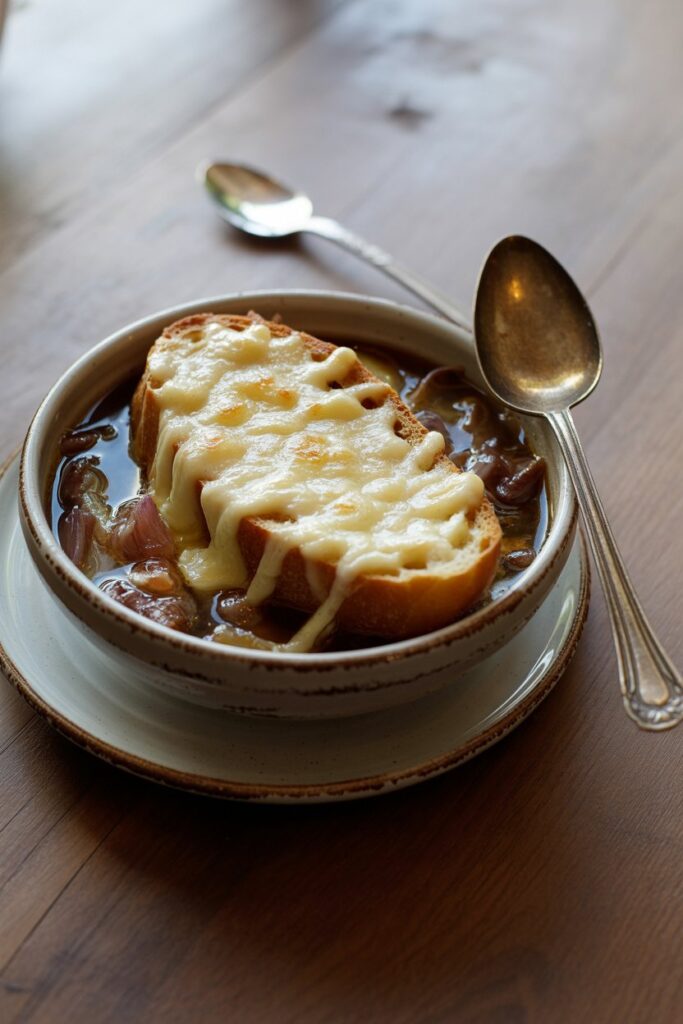
While caramelized onions are the star, the soup base you choose significantly shapes the final flavor. Whether you opt for beef broth, vegetable broth, or homemade stock, each brings its own character to your French onion soup recipe. Understanding these differences can help you tailor the soup to your taste and dietary preferences.
Choosing the Right Broth or Stock
Here’s a quick comparison to guide your choice:
| Broth/Stock | Flavor Profile | Richness Level | Best For |
|---|---|---|---|
| Beef Broth | Deep, savory, umami-rich | High | Classic French onion soup |
| Vegetable Broth | Light, fresh, mild | Medium | Vegetarian or lighter versions |
| Homemade Stock | Customized depth, fresh | Variable | Control over ingredients |
Beef broth remains the traditional choice because its robust flavor complements the sweetness of caramelized onions perfectly. However, vegetable broth works well if you prefer a lighter, meat-free option, while homemade stock lets you customize flavor intensity and freshness.
The Role of Wine and Herbs in Deepening Flavor
Deglazing your pan with white wine or sherry after caramelizing onions lifts the browned bits off the pan, adding layers of complexity and subtle acidity that brighten the soup. Meanwhile, herbs like thyme and bay leaves infuse earthy, aromatic notes that enhance the broth’s richness without overpowering it. These small touches transform the soup from simple to sophisticated.
Vegetarian or Vegan Variations That Don’t Sacrifice Taste
If you’re aiming for a plant-based version, don’t worry—there are excellent alternatives that maintain bold flavors:
- Swap beef broth with a rich, homemade vegetable stock or mushroom broth to mimic umami depth.
- Replace gruyère cheese with vegan cheese varieties that melt well, such as cashew-based cheeses or vegan mozzarella blends.
- Use olive oil or vegan butter instead of traditional butter when caramelizing onions.
With these substitutions, you can enjoy a delicious, fully vegan French onion soup recipe that satisfies all palates.
Perfecting Your Presentation: From Pot to Table
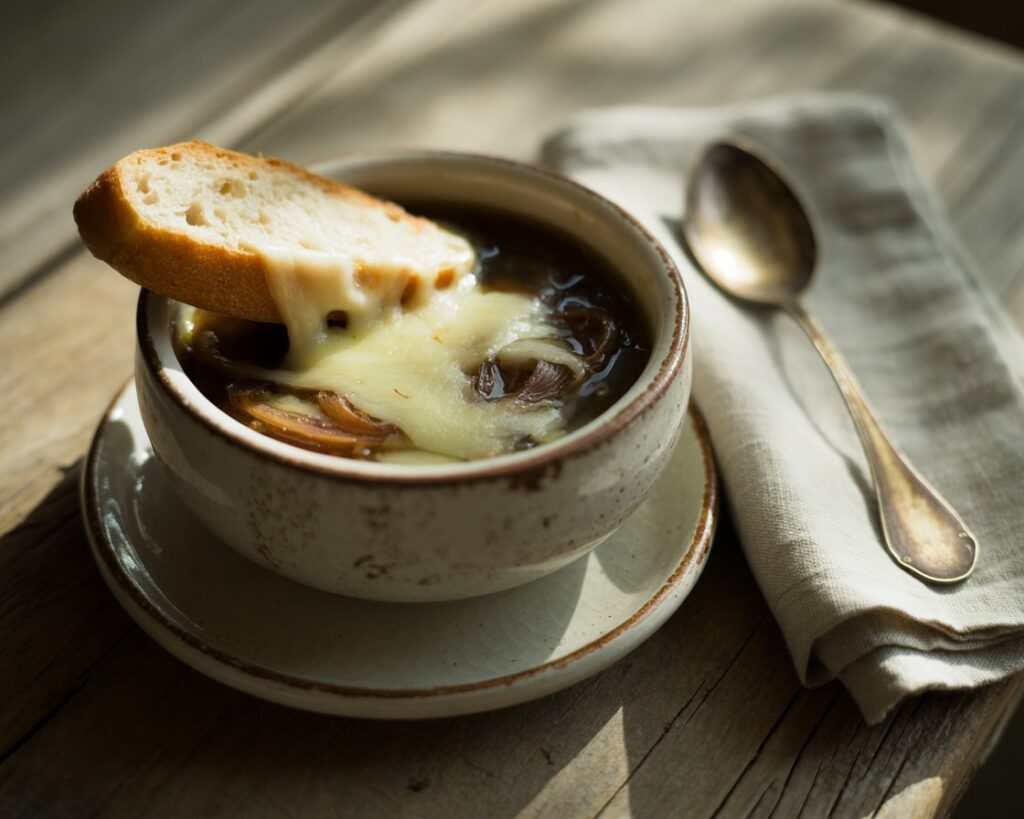
The final look and texture of your French onion soup recipe can elevate the entire dining experience. It’s not just about taste — the way you present it matters too. From toasty bread to perfectly melted cheese and elegant plating, small details make a big impression.
How to Toast Your Baguette for Maximum Crunch
To achieve that ideal crunchy-yet-chewy baguette topping:
- Slice the baguette about ½ inch thick for sturdy yet crisp rounds.
- Brush lightly with olive oil or melted butter for flavor and golden color.
- Sprinkle a pinch of garlic powder, thyme, or sea salt to enhance the taste.
- Toast in a preheated oven at 375°F (190°C) for 10–12 minutes, flipping halfway, until golden and crisp but not burnt.
This method ensures your bread holds up well when soaked in the soup without turning soggy too quickly.
Melting Gruyère Like a Chef
For that irresistible bubbly, golden cheese crust:
- Place the soup bowls on a baking sheet to avoid mess.
- Add a generous layer of grated gruyère over the toasted baguette slice on top of the soup.
- Broil on high for 3–5 minutes, watching carefully until the cheese melts, bubbles, and turns lightly browned.
- For added flair, rotate the baking sheet halfway through broiling for even melting.
Including a short video or GIF here demonstrating these broiling steps can greatly enhance reader understanding and engagement.
Plating and Serving Tips to Impress
Presentation matters — here’s how to serve like a pro:
- Use traditional ceramic crock bowls for a classic, rustic vibe that retains heat well.
- For a modern twist, try mini cast-iron skillets or elegant ramekins.
- Garnish with fresh thyme sprigs or finely chopped parsley for a pop of color.
- Pair your soup with a crisp white wine like Sauvignon Blanc or a light side salad with vinaigrette to balance the richness.
These small touches can turn a simple bowl of soup into a memorable dining experience your guests will love.
FAQs & Troubleshooting: Your French Onion Soup Questions Answered

Even the best cooks run into questions or hiccups when making French onion soup. Here are some common concerns and easy solutions to help you get it just right every time.
Why Is My Soup Too Bitter or Too Sweet?
Bitterness often comes from onions cooked at too high heat or burnt bits stuck to the pan. To fix this, lower the heat during caramelization and stir frequently. If your soup tastes too sweet, it may be from over-caramelized onions or added sugar. Balance the flavor with a splash of vinegar or a pinch of salt to cut sweetness.
How Can I Make This Soup Faster Without Losing Flavor?
Short on time? Try these hacks:
- Use an Instant Pot to caramelize onions quickly using the sauté function, then pressure cook the soup for faster broth infusion.
- A slow cooker lets you caramelize onions first, then simmer the soup low and slow all day, freeing up your hands.
- Pre-made beef or vegetable broth can save hours—just choose a quality brand for better flavor.
Storage & Reheating Tips
Store leftovers in an airtight container in the refrigerator for up to 3 days. When reheating, do it gently on the stovetop over low heat to preserve the soup’s richness and prevent the cheese topping from becoming rubbery. For longer storage, freeze the soup (without bread and cheese) for up to 2 months—thaw overnight in the fridge before reheating.
Final Thoughts on This Easy French Onion Soup Recipe
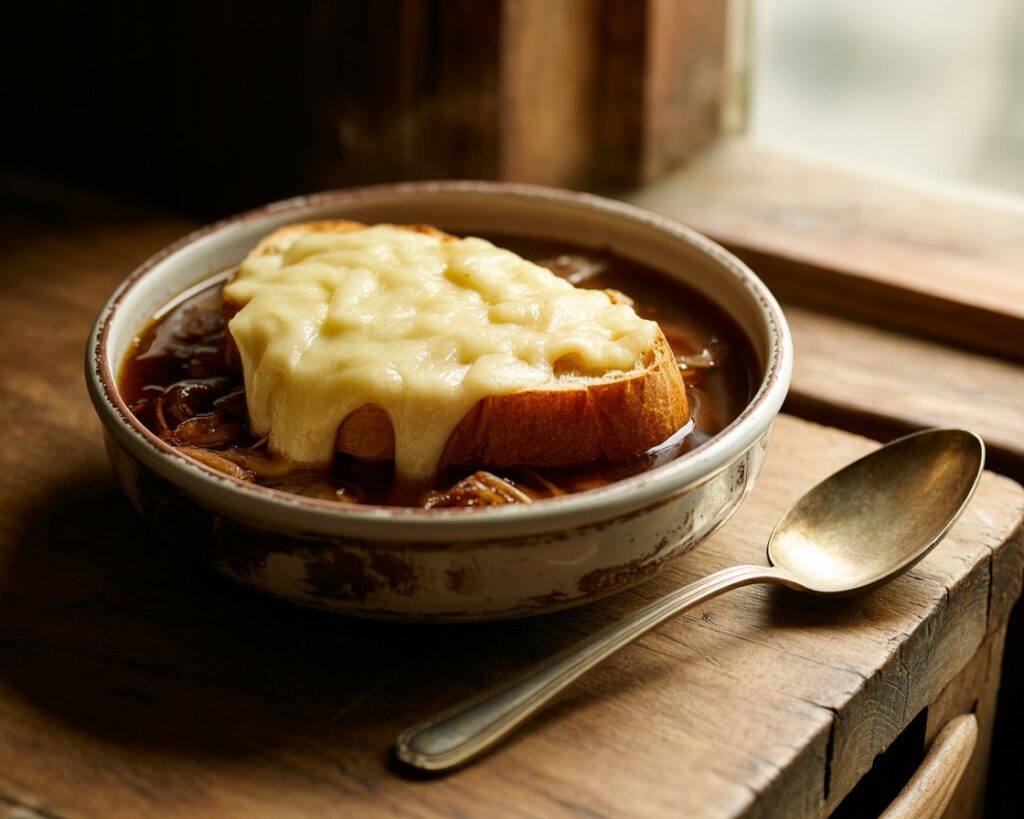
A well-made French onion soup recipe is more than just a dish—it’s an experience. From the deeply caramelized onions to the rich, savory broth and that irresistible crown of melted cheese, every element comes together to create a bowl of pure comfort. Whether you’re serving it for a cozy night in or to impress guests, this recipe proves that even simple ingredients, when treated with care, can deliver extraordinary flavor. Now that you’ve mastered the art, all that’s left is to enjoy it—preferably with a warm baguette and good company.