
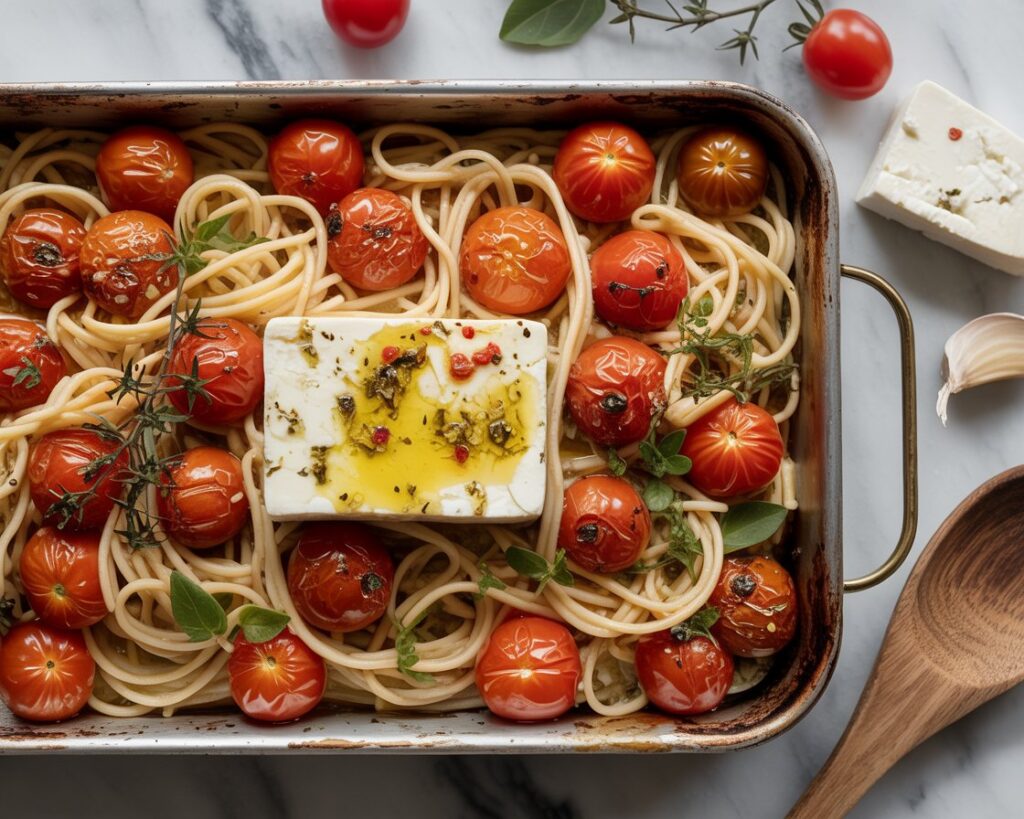
Feta Pasta has taken the culinary world by storm, charming food lovers everywhere with its creamy texture and burst of roasted tomato sweetness. This simple yet irresistible dish combines the tangy richness of feta cheese with perfectly caramelized tomatoes, creating a flavor explosion that’s both comforting and fresh. Whether you’re new to this viral recipe or looking to elevate your version, this guide will walk you through everything you need to know to make the ultimate feta pasta with roasted tomatoes — from choosing the right ingredients to expert tips that bring out the best in every bite.
The Magic Behind Feta Pasta with Roasted Tomatoes
The rise of feta pasta with roasted tomatoes isn’t just a passing trend—it’s a perfect example of how simple ingredients and smart cooking techniques can create something extraordinary. This dish combines bold Mediterranean flavors with an accessible cooking style that anyone can master. Before diving into the how-to, it’s worth understanding why this recipe has become so beloved and what makes the key ingredient, feta cheese, such a star in this creation.
Why This Recipe Took Over the Internet
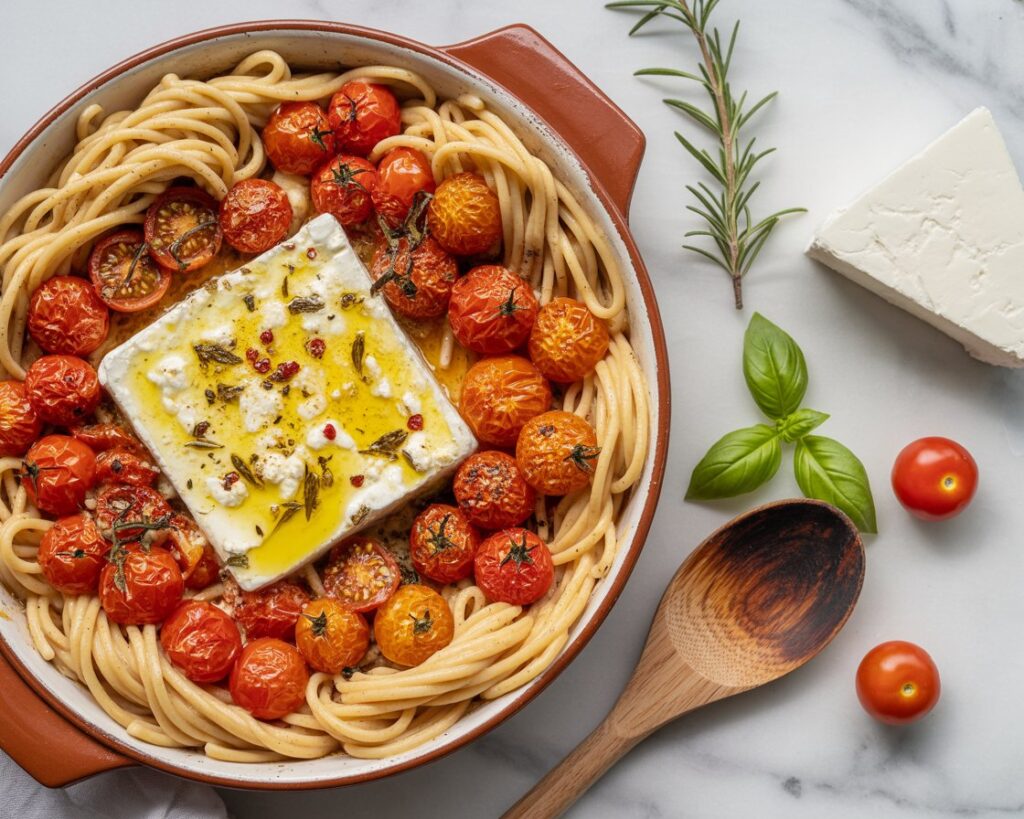
The feta pasta recipe rose to massive popularity through viral TikTok and Instagram videos, captivating millions with its simplicity and incredible flavor. Its appeal lies in the effortless combination of roasting a block of feta cheese alongside ripe tomatoes, which meld into a creamy, flavorful sauce once mixed with pasta. This recipe’s quick preparation and minimal ingredients made it perfect for home cooks looking for a delicious yet fuss-free meal. The visual appeal of the bubbling, golden-baked feta topped with vibrant roasted tomatoes also helped fuel its social media success.
What truly makes baked feta pasta uniquely delicious is the chemical transformation that occurs during roasting. As the tomatoes cook, their natural sugars caramelize, intensifying their sweetness and reducing acidity. Meanwhile, the feta softens and slightly browns, creating a rich, tangy creaminess that perfectly balances the roasted tomato’s depth. The heat also helps release oils and aromas from added garlic and herbs, elevating the overall flavor complexity. This marriage of textures and tastes is the core reason why this dish has captured the hearts and taste buds of so many.
Feta Cheese – More Than Just a Topping
Many consider feta cheese merely as a crumbly topping for salads or Mediterranean dishes, but in this recipe, it takes center stage. Feta’s crumbly yet creamy texture allows it to melt gently when baked, creating a sauce that coats each pasta strand beautifully without becoming overly heavy. Its natural saltiness and tang provide a distinct flavor profile that cuts through the sweetness of the roasted tomatoes, offering a perfect balance.
There are several types of feta cheese, primarily made from sheep’s milk, goat’s milk, or cow’s milk, and each variety influences the dish subtly. Sheep’s milk feta tends to be creamier and tangier, delivering a more robust flavor, while goat’s milk feta offers a slightly sharper and earthier taste. Cow’s milk feta is usually milder and less crumbly, which can result in a softer sauce texture. Choosing the right feta type allows you to tailor the dish’s richness and flavor intensity according to your preference.
| Feta Cheese Type | Origin | Flavor Profile | Texture | Best Use in Feta Pasta |
|---|---|---|---|---|
| Sheep’s Milk | Greece, Balkans | Tangy, creamy, rich | Crumbly & soft | Classic choice for bold, creamy sauce |
| Goat’s Milk | Mediterranean | Earthy, sharp | Crumbly | Adds a distinctive, tangy bite |
| Cow’s Milk | Various | Mild, less tangy | Firmer | Milder flavor, creamier melting |
Besides flavor, feta cheese is a good source of protein, calcium, and essential vitamins, making it a nutritious addition to your pasta meal. Understanding the types of feta and their characteristics can enhance your cooking experience and help you create the perfect balance in your ultimate feta pasta.
Elevating Roasted Tomatoes: Secrets to Perfect Flavor
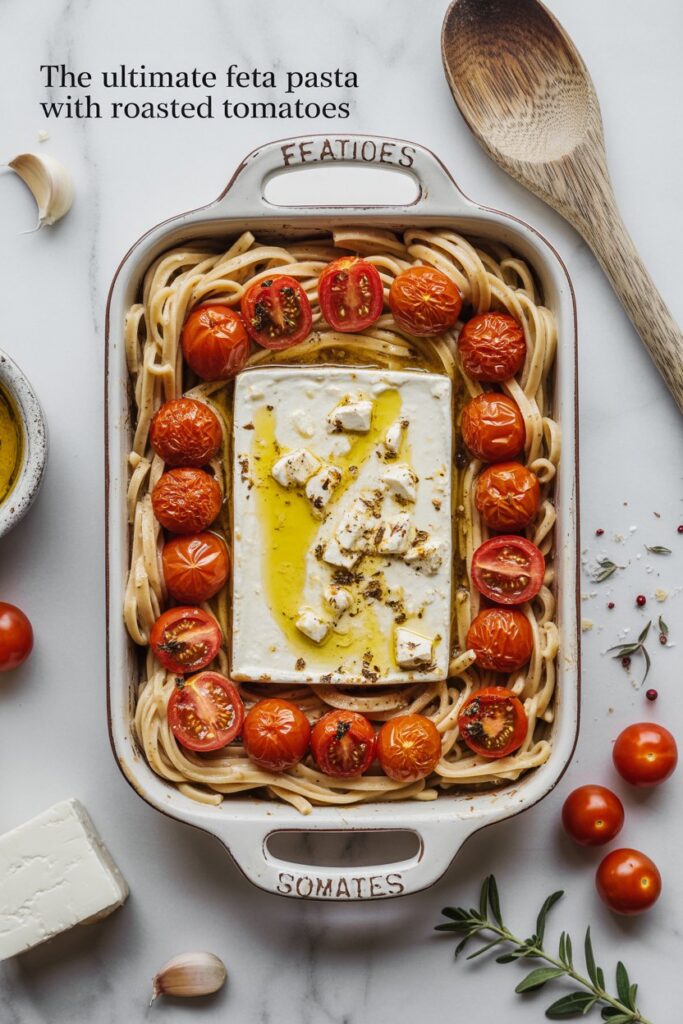
Roasted tomatoes are the heart of this feta pasta recipe, transforming simple ingredients into layers of rich, sweet, and savory flavor. Mastering the art of roasting tomatoes unlocks their full potential, enhancing both their natural sweetness and umami depth. This section will guide you through selecting the best tomatoes and the roasting techniques that ensure every bite bursts with perfectly balanced flavor.
Choosing the Right Tomatoes for Roasting
When it comes to roasting, cherry and grape tomatoes stand out as the ideal choice. Their small size allows for even cooking, and their naturally high sugar content caramelizes beautifully, producing a sweet, juicy burst in every bite. These tomatoes also hold their shape well after roasting, creating a pleasing texture contrast with the creamy feta sauce.
If cherry or grape tomatoes aren’t available, don’t worry. You can use alternatives like heirloom, roma, or vine-ripened tomatoes. Heirloom tomatoes offer complex, earthy flavors and a meaty texture but may require slicing to roast evenly. Roma tomatoes are meatier and less watery, which helps prevent sogginess in your pasta. Vine-ripened tomatoes, while larger, bring fresh brightness and acidity that can complement the richness of the feta when roasted correctly.
Roasting Techniques to Amplify Sweetness and Umami
To get the most out of your tomatoes, controlling temperature and timing is essential. Roast at a high heat (around 400°F or 200°C) for about 20–30 minutes—just long enough to caramelize their natural sugars without drying them out. A quick toss of olive oil and a pinch of salt helps to draw out moisture and concentrate flavors during roasting.
Adding garlic and fresh herbs such as thyme, rosemary, or oregano before roasting introduces aromatic notes that deepen the dish’s complexity. These infuse their oils into the tomatoes as they cook, creating an irresistible aroma and subtle savory undertones.
| Tomato Type | Roasting Time | Ideal Temperature | Flavor Notes |
|---|---|---|---|
| Cherry Tomatoes | 20-25 minutes | 400°F (200°C) | Sweet, juicy, caramelized |
| Grape Tomatoes | 20-25 minutes | 400°F (200°C) | Sweet, firm, burst of flavor |
| Roma Tomatoes | 25-30 minutes | 400°F (200°C) | Meaty, less watery, savory |
| Heirloom Tomatoes | 25-30 minutes | 375°F (190°C) | Earthy, complex, slightly tangy |
This table serves as a quick guide to adjust roasting times and temperatures depending on the tomato variety you use, helping you achieve perfectly roasted tomatoes every time.
Pasta Pairing and Cooking Tips for Creamy Feta Pasta
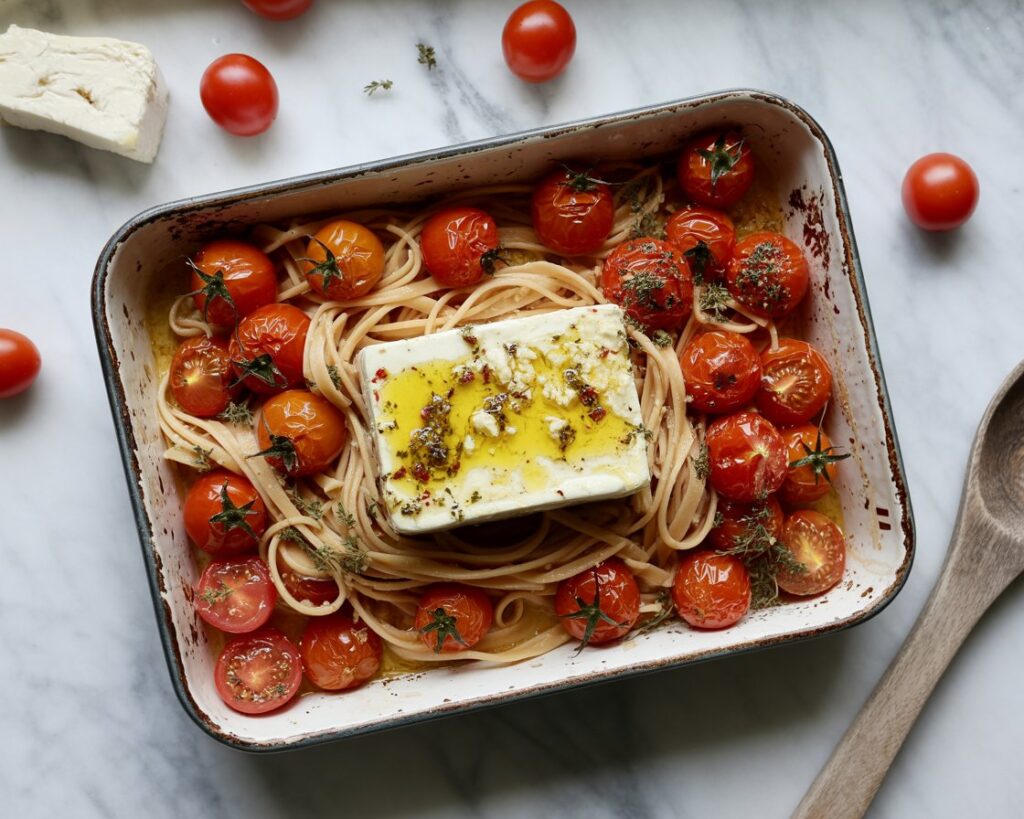
Choosing the right pasta shape and mastering the cooking technique are crucial steps to elevate your feta pasta to the next level. The perfect pasta not only complements the creamy feta-tomato sauce but also holds it well, ensuring every bite is flavorful and satisfying. In this section, we’ll explore which pasta shapes work best and share expert cooking tips to help you achieve the ideal texture and creaminess.
Which Pasta Shapes Work Best and Why
Certain pasta shapes are better suited to cling to the rich, creamy feta and roasted tomato sauce, enhancing every mouthful. Shapes like penne, rigatoni, and fusilli have ridges or grooves that trap the sauce, while their hollow or twisted forms capture bits of tomato and feta, creating a perfect balance of flavors and textures.
Here’s a quick comparison table showing the most popular pasta shapes for feta pasta, how well they hold sauce, and their typical cooking times:
| Pasta Shape | Sauce Adhesion | Texture & Bite | Cooking Time (minutes) |
|---|---|---|---|
| Penne | High | Firm with ridged surface | 11-13 |
| Rigatoni | Very High | Thick tubes, chewy bite | 12-14 |
| Fusilli | High | Twisted shape holds sauce | 10-12 |
| Spaghetti | Medium | Smooth, less sauce grip | 8-10 |
| Farfalle | Medium | Bow-tie shape, smooth | 11-13 |
Selecting a pasta that grips the sauce well means you get a more flavorful bite with every forkful, making your feta pasta experience even better.
Cooking Pasta Like a Pro
Cooking pasta to perfection is about more than just timing. Salting your pasta water generously is key to seasoning the noodles from within — think of the water as the first step in flavoring your dish. The water should taste like the sea, which typically means about 1-2 tablespoons of salt per 4 quarts (or liters) of water.
Whether you prefer your pasta al dente (firm to the bite) or softer, it’s important to watch the cooking closely, as the pasta will continue to cook slightly when mixed with the warm feta sauce.
Don’t forget to save some pasta water before draining. This starchy water is a secret weapon in creamy pasta dishes. Adding a splash of reserved pasta water while mixing the feta and roasted tomatoes helps loosen the sauce, making it silkier and allowing it to cling perfectly to the pasta. The starch also acts as a natural emulsifier, blending the sauce ingredients seamlessly.
Beyond the Basics: Creative Twists on Feta Pasta
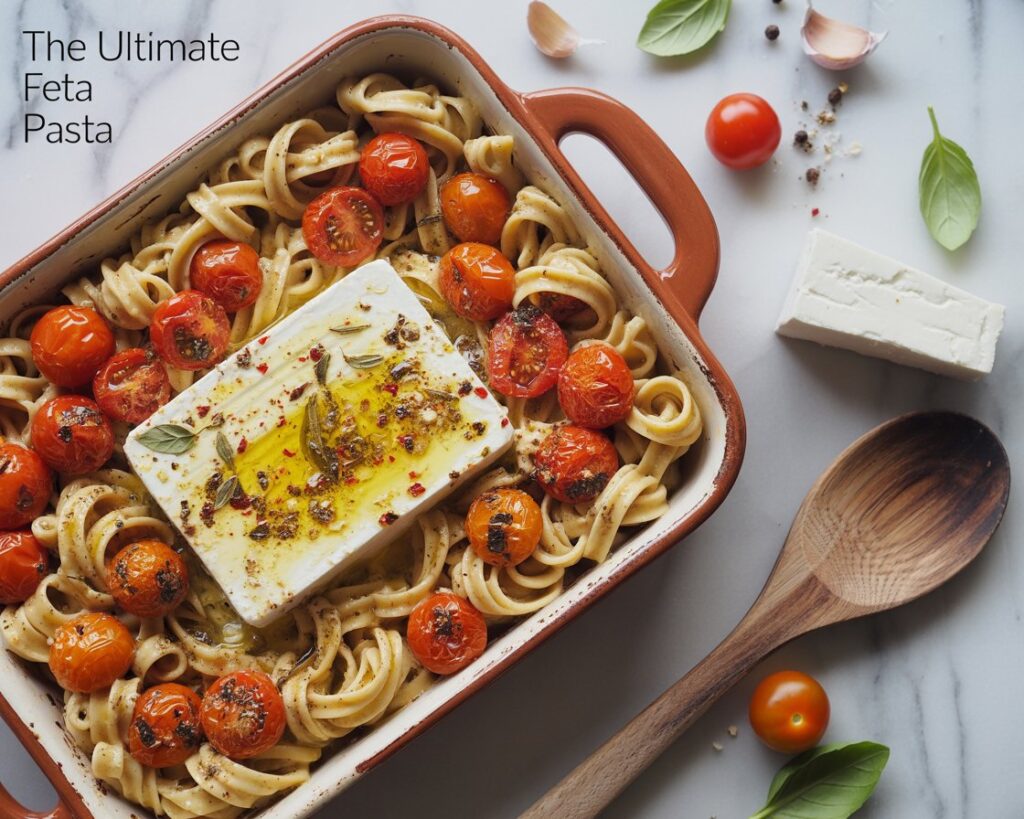
Once you’ve mastered the classic feta pasta with roasted tomatoes, it’s time to experiment and make the dish your own. Adding complementary ingredients not only enhances flavor but also adds new textures and nutritional benefits. Whether you prefer Mediterranean flavors or crave a protein boost, these creative twists will help you take your feta pasta to exciting new levels.
Add-Ins That Elevate Your Dish
Mediterranean-inspired add-ins like olives, sun-dried tomatoes, spinach, or artichokes bring vibrant color and complex flavors to the dish. Olives contribute a salty, briny punch that contrasts beautifully with the creamy feta, while sun-dried tomatoes deepen the tomato flavor with their concentrated sweetness. Fresh or sautéed spinach adds a tender, leafy texture and a mild bitterness that balances the richness. Artichokes introduce a subtle earthiness and pleasant bite, making the dish more dynamic.
For those looking to add more protein, consider grilled chicken, shrimp, or chickpeas for vegetarian options. Grilled chicken brings a smoky, hearty element that pairs well with the creamy sauce. Shrimp adds a delicate sweetness and a touch of luxury, while chickpeas provide a plant-based protein boost along with a satisfying texture that complements the pasta perfectly.
Spice It Up: How to Add Heat Without Overpowering
If you enjoy a bit of spice, there are ways to add heat that enhance rather than overpower the creamy feta and roasted tomatoes. Sprinkle red pepper flakes for a quick, familiar kick that distributes evenly throughout the dish. For a smoky depth, smoked paprika can be stirred into the sauce, lending warmth without excessive heat. Fresh chili peppers, finely chopped and added sparingly, introduce sharp bursts of spice that awaken the palate.
Balancing the spice with the natural creaminess of feta and sweetness of roasted tomatoes is essential. Start with small amounts and taste as you go. Adding a touch of acidity—like a squeeze of lemon juice or a splash of vinegar—can also help balance heat and round out flavors, keeping the dish harmonious.
Serving Suggestions and Storing Leftovers
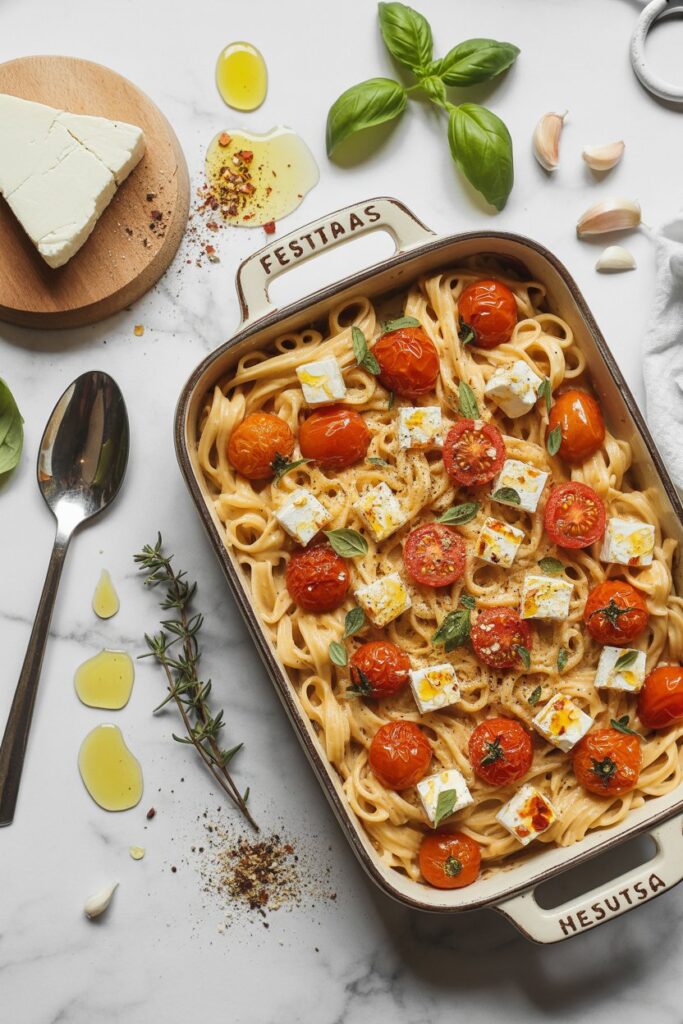
Feta pasta with roasted tomatoes is a rich, flavorful dish that can easily be elevated into a complete meal—or transformed into something just as delicious the next day. This section covers the best pairings to round out your plate and the smartest ways to store and reheat your leftovers without losing that silky, creamy texture.
What to Serve with Feta Pasta
While feta pasta can hold its own as a satisfying main course, adding complementary sides brings balance and contrast to the meal. A crisp fresh salad—think arugula with lemon vinaigrette or a Greek-style cucumber salad—adds brightness and texture. Garlic bread or crusty sourdough is perfect for scooping up any remaining sauce.
If you’re serving feta pasta for a dinner gathering or date night, pairing it with the right beverage can elevate the experience. Here’s a handy reference:
| Wine / Beverage | Flavor Profile | Why It Works |
|---|---|---|
| Sauvignon Blanc | Bright, acidic, citrusy | Cuts through the creaminess of feta |
| Rosé | Fruity, crisp, lightly floral | Complements the sweetness of roasted tomatoes |
| Pinot Noir | Light, earthy, low tannins | Pairs well with the tomato’s umami and acidity |
| Sparkling Water | Neutral, bubbly | Refreshes the palate between bites |
| Lemon-Infused Iced Tea | Sweet-tart, aromatic | Enhances Mediterranean notes, non-alcoholic |
These combinations balance the richness of the dish and make the meal feel more complete and enjoyable.
Storing and Reheating Tips to Keep the Dish Fresh
Feta pasta keeps surprisingly well—if you know how to store it. For best results, let the dish cool completely before transferring it to an airtight container. Store in the refrigerator for up to 3 days. If you want to freeze it, portion it out and store it in freezer-safe containers for up to 2 months, though the texture of the cheese may change slightly upon thawing.
To reheat without sacrificing creaminess, avoid the microwave if possible. Instead, reheat in a pan over medium-low heat, adding a splash of water, milk, or olive oil to loosen the sauce. Stir gently to re-emulsify the feta and tomato mixture. If you’re in a rush, the microwave will work—just be sure to stir halfway and add a bit of liquid before reheating.
Reviving leftovers with a few fresh herbs or an extra crumble of feta before serving can help restore flavor and presentation, making your second-day dish just as delicious as the first.
Why Feta Pasta Deserves a Spot in Your Weekly Rotation
Feta pasta isn’t just a viral trend—it’s a flavorful, versatile, and surprisingly elegant dish that’s easy to make and even easier to customize. With the richness of roasted tomatoes, the creamy tang of feta, and endless ways to add your own twist, it’s a meal that satisfies every time. Whether you’re making it for a quick weeknight dinner or dressing it up for guests, this dish delivers comfort and creativity in one pan. Once you’ve mastered the basics, the real fun begins—experiment, explore, and enjoy every delicious forkful.