

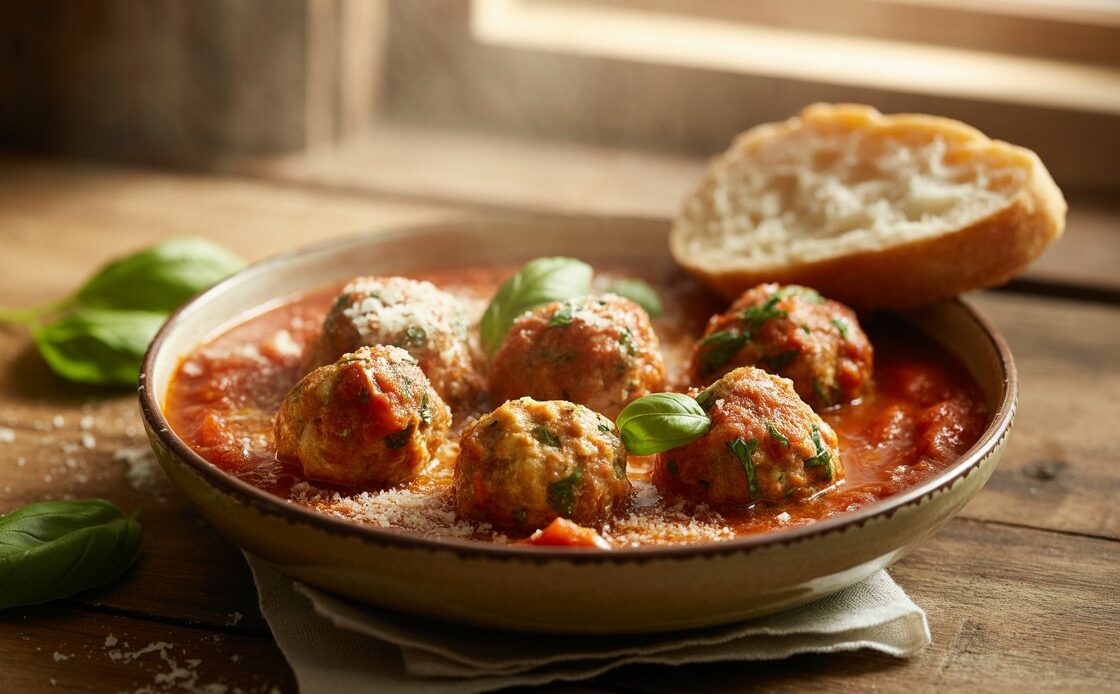
Few weeknight mains deliver as much comfort with so little stress as ricotta meatballs, and that makes them worth mastering beyond simple steps. This guide explores how to create the signature soft bite and rich flavor that easy ricotta meatballs are known for, while keeping the process efficient and adaptable to changing schedules. Instead of focusing on ingredients or instructions, the emphasis is on method choices, texture strategy, pairing ideas, and practical fixes—everything needed to make ricotta meatballs shine on busy evenings and relaxed weekends alike.
Ricotta meatballs reward thoughtful technique. Gentle handling, a smart cooking method, and a calm finish in sauce transform a familiar favorite into a dependable staple. Whether the goal is a hands-off tray bake, a flavor-forward pan-sear and simmer, or an ultra-soft poach, each choice shapes the final texture and taste. The sections ahead offer detailed reasoning, creative variations, and clear tables that simplify decisions and elevate the experience of cooking and serving easy ricotta meatballs any night of the week.
Why Ricotta Meatballs Shine
At their best, ricotta meatballs offer a plush, almost buoyant texture that stays tender even after resting, with flavors that feel layered rather than loud. Easy ricotta meatballs deliver a delicate interior that still holds together, which is why they excel for both weeknight dinners and planned leftovers. When handled carefully and finished thoughtfully, the sauce becomes a unifying element, turning separate components into a cohesive, comforting meal.
Tenderness without trying
The first time ricotta meatballs win someone over, it’s usually the tenderness that does it—the pleasing softness, not crumbly but cushiony, with a clean finish that invites another bite. That quality takes shape long before heat is applied, beginning with how the mixture is handled. Easy ricotta meatballs thrive under gentle folding, light shaping, and heat that respects moisture, and the reward is consistency: batch after batch of pillowy meatballs that please both casual diners and true enthusiasts.
What makes them soft
Softness springs from balanced structure and controlled moisture. The interior of ricotta meatballs should feel tender without falling apart, a harmony achieved by minimizing compaction during mixing and shaping, and by using calm, even heat. Easy ricotta meatballs do especially well when finished in sauce, allowing edges to soften and flavors to meld while preserving the delicate interior that defines the style.
How to avoid dense texture
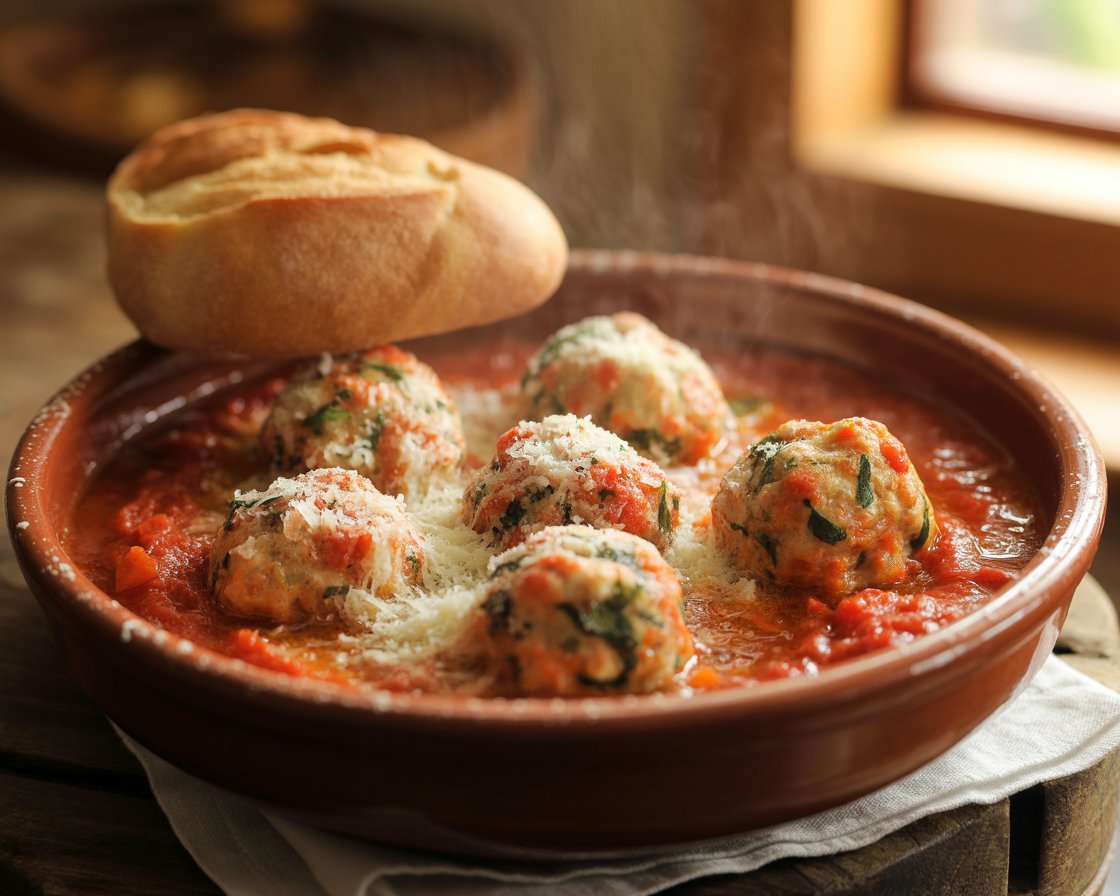
Density often sneaks in before cooking begins, typically through overmixing or firm shaping that tightens the structure. The more the mixture is compressed, the more resistance it develops later, and that can trade tenderness for toughness. Treat the mixture as something to fold rather than knead, shape with a light touch, and transfer calmly to the chosen method. A short, gentle finish in sauce rounds off any roughness and keeps easy ricotta meatballs luxuriously soft.
Flavor in a weeknight window
Weeknight flavor is about smart choices rather than extra steps. Easy ricotta meatballs shine when aromatics are focused, seasoning is well-judged, and the sauce complements rather than competes. A brief finishing simmer becomes the bridge between speed and depth, delivering cohesion without complication. This approach turns a quick cook into a confident plate that tastes more complex than the clock suggests.
Fast aromatics that matter
Choose aromatics that bloom quickly and contribute clear character. In the context of ricotta meatballs, a focused blend of savory and herbaceous notes stays bright through short cooking times and remains present after the finish in sauce. These choices keep easy ricotta meatballs lively, layered, and satisfying without demanding extra attention or time.
Balancing richness and acidity
Ricotta introduces natural richness that benefits from a counterweight. A tomato-forward sauce or a bright side offers the lift that prevents heaviness and keeps each bite engaging. When the sauce has enough body to coat without smothering, easy ricotta meatballs feel elegant and complete, and the plate reads as balanced from start to finish.
The ratio that actually works
Perfectly tender ricotta meatballs come from balance and responsiveness rather than rigid numbers, because protein choices, kitchen conditions, and cooking methods vary. Focus on how the mixture feels: if it seems loose, allow a brief rest; if it feels tight, fold more lightly and choose a gentler method. Easy ricotta meatballs reward this intuitive approach, and the final rest in sauce brings texture and flavor into alignment for a refined, comfortable result.
When to dial moisture up/down
Adjustments are normal. Leaner proteins appreciate protective methods and calm finishing, while richer blends tolerate a touch more direct heat. Allow moisture to serve tenderness rather than overwhelm structure, and aim for a final texture that’s plush, not mushy. A brief post-heat rest helps everything settle into harmony, ensuring ricotta meatballs are soft and cohesive at the table.
| Lever | What it does | Use when | Risk to watch |
|---|---|---|---|
| Mixing gentleness | Preserves air for tenderness | Mixture feels tight or heavy | Uneven seasoning if under-mixed |
| Resting the mix | Hydrates and stabilizes texture | Mixture seems loose or sticky | Over-resting can reduce cohesion |
| Shaping pressure | Controls density and bite | Meatballs taste tough | Too light may affect structure |
| Finish in sauce | Softens edges, melds flavor | Crust feels firm or dry | Over-simmering risks breakage |
Choose Your Method (Bake, Pan, Poach)
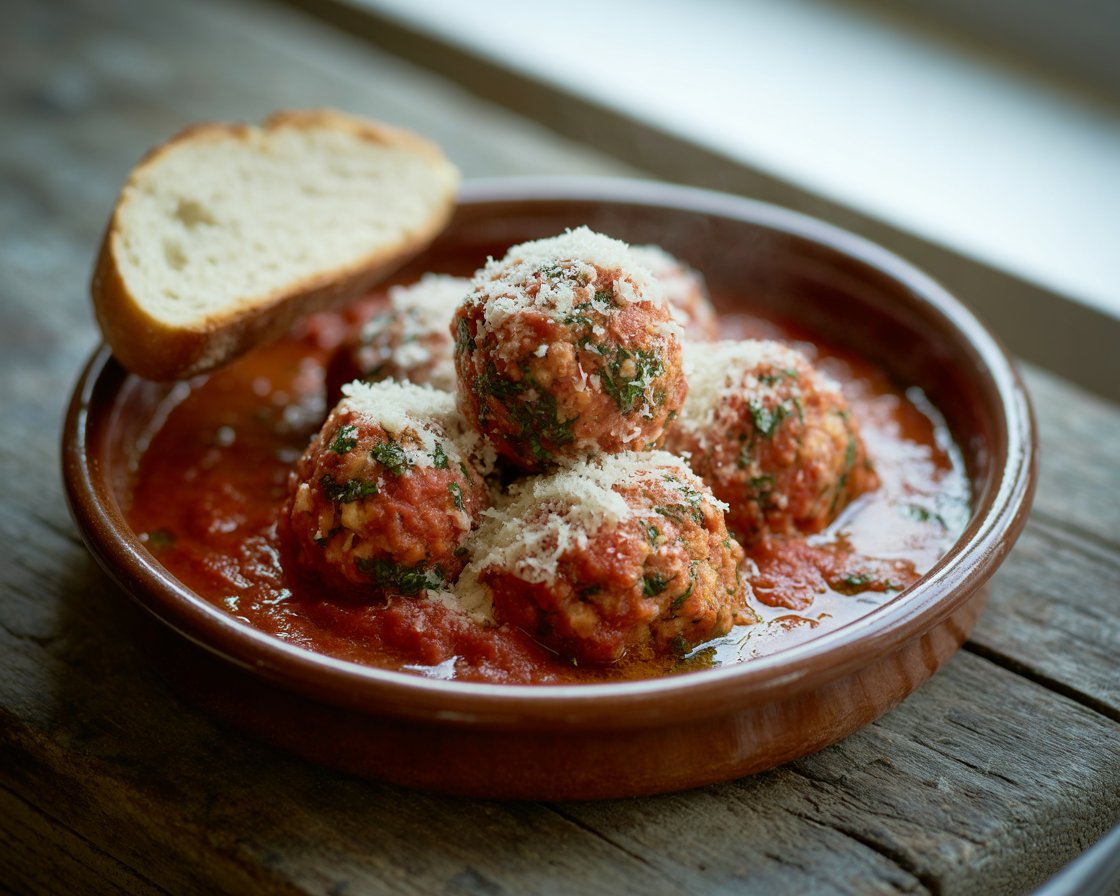
The cooking method defines the texture and effort level of easy ricotta meatballs. Baking offers steady, hands-off consistency and scales gracefully; pan-searing followed by a gentle simmer introduces a delicate crust and deeper savor; and sauce-only poaching prioritizes ultra-soft tenderness with minimal cleanup. Each path works beautifully when heat is calm and the finishing step in sauce is handled with care.
Oven-baked, hands-off
Baking is the reliable baseline for easy ricotta meatballs—consistent, tidy, and perfect for multitasking. With moderate heat and minimal handling, the meatballs set evenly while retaining a soft interior. Once baked, a brief finish in sauce delivers integration and gloss without requiring constant attention, making this method ideal for group dinners, meal prep, and anyone seeking a tranquil kitchen rhythm.
Best use-cases
The oven excels when cooking for a crowd, preparing multiple meals at once, or protecting the cook’s bandwidth on a busy evening. Because the heat is steady, it avoids sudden spikes that can toughen the exterior and lock in density. When calm workflow matters more than dramatic browning, baked ricotta meatballs deliver tenderness with almost effortless consistency and pair beautifully with pasta, polenta, or lighter bases.
How to finish in sauce
The finishing simmer is where baked meatballs find their voice in the dish. Keep the heat low and the bubbles lazy; the aim is flavor exchange, not further cooking. A few minutes usually suffice to soften edges and create a velvety coating. Stop as soon as the sauce clings; easy ricotta meatballs should stay intact and plush, not simmered into submission.
Pan-sear, then simmer
For a slightly more involved but richly rewarding approach, pan-searing adds a delicate crust that contrasts with the soft interior. The fond left behind anchors the sauce, giving it depth with minimal additions. A short, gentle simmer unifies everything and prevents overcooking. This method suits cooks who enjoy a touch of active time and a bolder flavor profile without compromising the hallmark tenderness of ricotta meatballs.
Browning for flavor
Browning is a tool, not a contest. Aim for a light golden crust that amplifies aroma without sealing the surface too tightly. Deglazing the pan with a bit of sauce pulls those caramelized notes straight into the final simmer. The outcome is layered and satisfying, the kind of easy ricotta meatballs that feel restaurant-worthy while remaining weeknight-practical.
Gentle simmer principles
After searing, maintain a truly low simmer—occasional, lazy bubbles rather than a rolling boil. This protects the delicate structure and allows the sauce to embrace the meatballs instead of jostling them apart. Finish as soon as cohesion and cling are achieved. Restraint preserves the softness that defines high-quality ricotta meatballs.
Sauce-only poach
For maximum tenderness with minimal effort, poach the meatballs directly in sauce. This approach streamlines cleanup, keeps handling gentle, and produces a spoon-tender interior that’s especially comforting. Because the sauce serves as both the cooking medium and final coat, the entire dish tastes unified. The result is peak coziness and pure expression of easy ricotta meatballs’ soft character.
Ultra-soft results
Sauce-poached meatballs offer a luxurious mouthfeel and an integrated flavor profile that reads as soulful rather than showy. Maintain a barely-there simmer, avoid stirring in the early minutes, and let the meatballs set at their own pace. Once stabilized, finishing adjustments to the sauce complete the picture. The first bite melts; the last bite satisfies.
Managing sauce thickness
Begin with a slightly looser sauce to ensure fluid circulation around the meatballs. As they poach, the sauce will naturally tighten; if it thickens too quickly, add a small splash of water to restore balance. The ideal finish is glossy and clingy, coating ricotta meatballs without burying them. This protects clarity of flavor and that signature tender bite.
| Method | Time | Texture | Browning | Effort | Ideal scenarios |
|---|---|---|---|---|---|
| Bake | Moderate | Even, very tender | Low | Low | Hands-off dinners, meal prep |
| Pan-sear + simmer | Moderate | Tender with contrast | High | Medium | Flavor-forward nights |
| Sauce-only poach | Moderate | Ultra-soft | None | Low | Minimal cleanup, cozy cravings |
Quick Weeknight Flow (At-a-Glance)
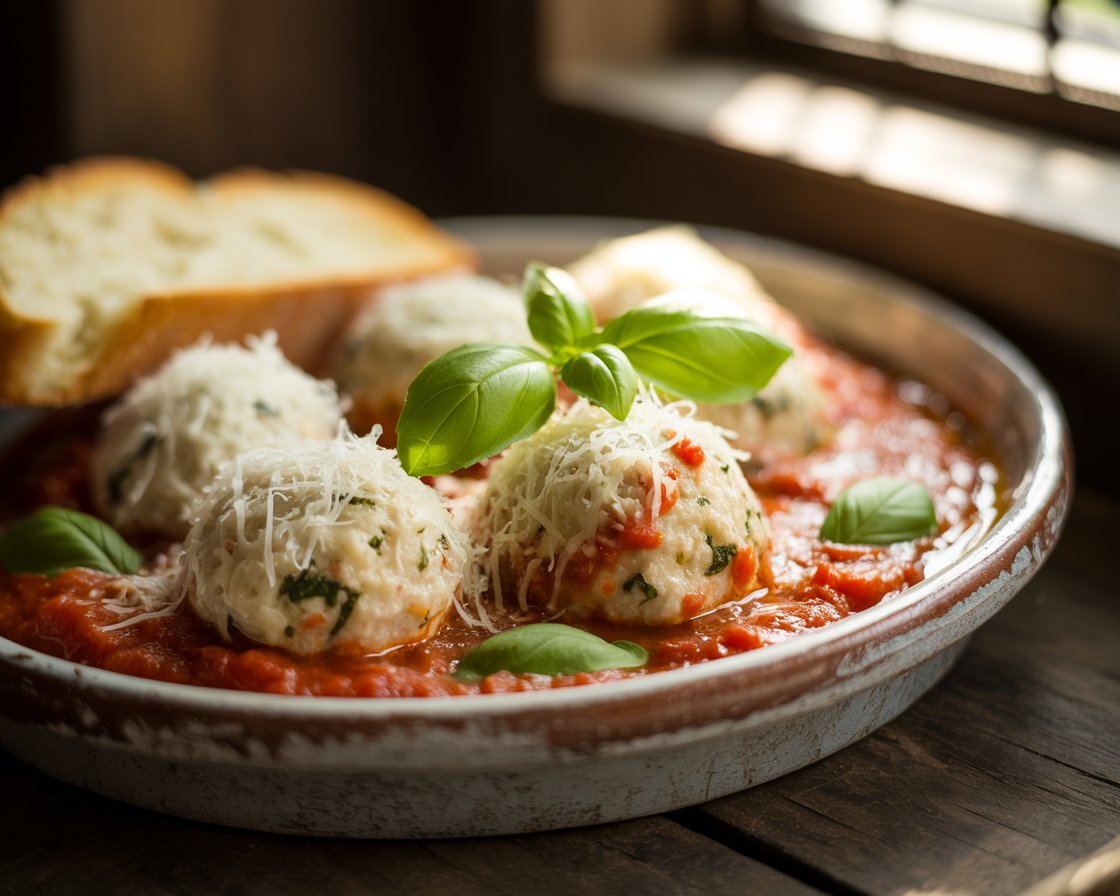
Even excellent recipes feel smoother with a dependable rhythm. Think of easy ricotta meatballs as a calm sequence: a focused setup window, an uninterrupted primary cook, a short finish in sauce, and a brief rest before serving. This cadence makes space for sides, salads, or bread without scrambling, and it helps dinner arrive feeling composed and relaxed.
Prep flow in minutes
Build a workspace that supports a steady pace. Place tools where they’ll be needed, line trays, warm the serving base, and set timers for each phase to remove guesswork. Small decisions—where the sauce pot sits, how the resting area is staged—add up to a smoother evening. With thoughtful prep, easy ricotta meatballs become a predictable pleasure rather than a midweek gamble.
What to do while the oven heats
Use preheat time to set the table for success. Clear the counter, prepare the resting area, and start warming the sauce vessel so finishing happens the moment the meatballs are ready. These early moves save minutes later and keep the kitchen calm. The payoff is less mess and a dinner that feels intentionally paced.
Set-and-forget touchpoints
Identify the autopilot moments—preheating, the primary cook, the finishing simmer, and the brief rest—and leverage them. Each is a natural pause to tidy, prep sides, or plate the base. Dividing the process into these chapters lowers mental overhead and makes easy ricotta meatballs reliably repeatable, even on busy nights.
Doneness, timing, and carryover
A confident finish protects tenderness and flavor. The exterior should be set and lightly springy, the interior juicy and pale without raw translucency, and the juices trending clear. With gentle methods, carryover warmth completes the final fraction of cooking, especially during the sauce rest. Stop at just-done to keep easy ricotta meatballs soft and succulent.
Visual cues vs. temperature
While tools can confirm doneness, trained eyes and fingertips serve well. Look for evenly set surfaces, minimal translucency inside, and a cohesive shape that resists crumbling when gently nudged. For ricotta meatballs, the goal is a plush interior and a satiny exterior—indicators that align with tender, well-timed results.
Resting in sauce for flavor
The quiet rest in warm sauce lets fibers relax and flavors merge, delivering gloss and cohesion. It’s brief but meaningful, and it turns components into a unified dish that plates beautifully. The result is a harmonious bite from start to finish, a hallmark of well-finished easy ricotta meatballs.
| Stage | Minutes | Goal | Pro tip |
|---|---|---|---|
| Preheat/setup | 10 | Organized station | Set all timers upfront |
| Primary cook | 20–30 | Even, gentle heat | Avoid overcrowding |
| Finish in sauce | 5–10 | Flavor integration | Keep to a low simmer |
| Rest and serve | 3–5 | Juices settle | Plate warm bases first |
Variations by Diet and Mood
One of the greatest strengths of easy ricotta meatballs is adaptability. Leaner proteins produce a lighter profile that still feels indulgent with gentle cooking, gluten-free approaches benefit from calm handling and even heat, and seasonal herb and sauce choices can nudge the dish from winter-cozy to spring-bright. With a few guiding principles, the core technique becomes a welcoming canvas.
Lighter and lean options
Lean takes shine with protective methods and a restrained approach to browning. Baking or poaching preserves moisture, and finishing in sauce restores gloss and cohesion. Paired with crisp sides or a tomato-forward sauce, these easy ricotta meatballs offer a balanced plate that satisfies without heaviness—ideal for weeknights that call for freshness and comfort in equal measure.
Keeping tenderness with lean meat
Lean choices respond best to moderate heat, minimal disturbance, and a gentle finish. Allow the sauce to carry some of the texture work, turning set meatballs into a silky, integrated dish. The technique asks for patience, not complexity, and it preserves the qualities that make ricotta meatballs so appealing.
Moisture-balancing tricks
When the mixture trends lean, guide outcomes through process rather than additions: light shaping, smart spacing to avoid steaming, and avoidance of harsh searing. A calm simmer or gentle bake followed by a brief rest in sauce coaxes tenderness from modest means. The result is soft, flavorful easy ricotta meatballs that feel thoughtfully made.
Gluten-free and low-carb
Ricotta meatballs lend themselves well to gluten-free and low-carb approaches because the technique already emphasizes delicate handling and controlled heat. Baking often provides the tidiest structure; poaching offers the softest texture. Either way, the finish in sauce unifies flavor and enhances tenderness, keeping outcomes consistent and delicious.
Structure without classic binders
Structure emerges from the combination of gentle mixing, measured shaping pressure, and steady heat more than from any single component. Treat the mixture respectfully, and ricotta meatballs will hold together while retaining a tender interior. This perspective keeps attention on texture and flavor rather than on substitutions alone.
When to chill before shaping
A short chill is an elegant way to increase control during shaping and early cooking, especially in warm kitchens or with looser mixtures. It firms the exterior just enough to ease transfer and prevent early breakage. For easy ricotta meatballs, that small pause can be the difference between fussy handling and peaceful cooking.
Heat, herb, and seasonal spins
Once the base technique is comfortable, small variations refresh the experience. Cooler months invite deeper, woodsy herbs and slightly thicker sauces, while warmer months reward bright herbs and a looser finish. Gentle heat or citrus notes can add spark without overshadowing the meatballs’ tenderness. The dish remains familiar yet new with each shift.
Classic herb profile
A balanced, familiar herb approach pairs naturally with tomato-forward sauces and cozy sides, keeping easy ricotta meatballs anchored while still lively. Because the technique is gentle, the herbal notes remain distinct through serving. This profile forms a reliable base for future experimentation.
Cozy winter vs. bright spring notes
Seasonal tuning hinges on intention: warmth and depth when it’s cold, light and lift when it’s warm. Adjust sauce body, finishing touches, and herb emphasis to match the moment. The same core process yields ricotta meatballs suited to any time of year, avoiding fatigue and maintaining excitement.
| Variation | Protein | Binder style | Herb profile | Best method |
|---|---|---|---|---|
| Classic comfort | Richer blend | Standard | Balanced and familiar | Pan-sear + simmer |
| Light and lean | Lean option | Minimal | Fresh and bright | Bake, finish in sauce |
| Gluten-free | Any | Alternative | Clean and aromatic | Bake for structure |
| Spicy lift | Any | Standard | Herb plus gentle heat | Sauce-only poach |
| Winter cozy | Any | Standard | Warm and robust | Pan-sear + simmer |
Sauce Pairings That Sing
Ricotta meatballs reach their potential when the sauce complements rather than overwhelms. Tomato-forward sauces provide lift and clarity that counterbalance the plush interior, while creamy or mellow finishes bring a soothing quality ideal for quieter evenings. Choose based on mood and season, and let the pairing highlight the tenderness that defines easy ricotta meatballs.
Tomato-forward classics
Tomato-focused sauces are the timeless partner for ricotta meatballs because they deliver acidity that enlivens every bite. The texture should be glossy and clingy, supportive rather than dominant. When balanced, each forkful delivers both brightness and savory depth. This is the pairing that satisfies a crowd and remains appealing week after week.
Bright acidity for balance
Acidity frames the richness of easy ricotta meatballs, ensuring the plate tastes lively from first bite to last. It also opens space for sides—peppery greens, crisp salads, or roasted vegetables—that add contrast and keep the meal dynamic. The key is clarity without sharpness, a clean line through a comforting dish.
Reducing without bitterness
Reduction builds body and sweetness, but it must be patient. Moderate heat and occasional stirring prevent harsh notes and keep the sauce supple. The goal is a satiny texture that coats ricotta meatballs rather than burying them. With that finish, the dish reads as polished and complete.
Creamy and mellow finishes
When a gentler experience is desired, creamy or mellow sauces soften the edges of easy ricotta meatballs. This style pairs beautifully with simple bases and invites a slower pace at the table. Restraint keeps the dish elegant; the meatballs remain the anchor while the sauce provides the cushion. The effect is soothing without dullness.
When richness helps
Rich finishes shine when the rest of the plate leans fresh or crisp, creating a balanced whole. A bright side or aromatic garnish keeps the composition lively. Easy ricotta meatballs thrive in this context, where tenderness meets gloss and the palate stays interested throughout the meal.
Gentle emulsification tips
Emulsified sauces prefer low heat and steady motion. If signs of separation appear, reduce the flame and introduce a splash of starchy liquid to bring the sauce back together. Aim for a stable, light gloss that clings without greasiness. That texture flatters ricotta meatballs and elevates the entire plate.
Weeknight shortcuts that taste good
Shortcuts succeed when they’re deliberate. Select one or two high-impact moves—a short finishing simmer for integration, a fresh accent at the end—and let the rest remain simple. Easy ricotta meatballs absorb flavor quickly and reward restraint, producing a result that tastes careful, not hurried.
Layering flavor fast
Stack flavor through thoughtful sequencing. Bring meatballs and sauce together briefly so aromatics bloom and textures align, then finish with a small, fresh note. The dish reads as layered without becoming busy. It’s a practical way to keep easy ricotta meatballs exciting on time-pressed nights.
Simple tweaks for depth
When a sauce needs help, think small: measured additions that add clarity rather than volume. The goal is for ricotta meatballs to remain center stage while the sauce supports and harmonizes. Quiet adjustments produce food that feels intentional and calm, which is precisely what most evenings need.
| Sauce style | Why it works | When to choose | Finishing touch |
|---|---|---|---|
| Tomato-forward | Acid balances richness | Classic comfort craving | Fresh herbs to finish |
| Light creamy | Silky, mellow texture | Milder palates | Low simmer, gentle heat |
| Herb-scented | Aromatic brightness | Spring and summer | Late-add fresh leaves |
| Spicy tomato | Warmth plus tang | Cozy, hearty nights | Balance with subtle sweetness |
What to Serve With Them
Pairings turn ricotta meatballs into a complete meal by adding contrast, balance, and seasonal personality. Pasta and polenta cradle sauce and emphasize comfort, rice provides an easy neutral base with make-ahead advantages, and crisp greens or roasted vegetables keep the plate lively. Family-style platters and customizable bowls invite everyone to find a personal perfect ratio of meatball to sauce to base.
Carbs that complement
Pasta remains the classic companion for easy ricotta meatballs, thanks to shapes that catch and hold sauce so every bite feels complete. Polenta and rice offer gentler canvases that let the meatballs shine while adding soothing textures. These choices anchor the plate with familiarity and satisfaction, ideal for gatherings and weeknights alike.
Pasta shapes that catch sauce
Choose shapes with curves, cups, or ridges that trap sauce and align textures. Keep the base slightly shy of fully tender and marry it with the sauce for a glossy, cohesive finish. Ricotta meatballs nestle into this environment beautifully, with each forkful delivering balance and comfort.
Polenta and rice pairings
Where pasta energizes, polenta and rice soothe. Serve warm and supple so sauce and meatballs mingle, creating a luxurious, spoon-friendly experience. The interplay of creamy or gently chewy bases with soft interiors makes easy ricotta meatballs feel indulgent without effort.
Lighter sides for balance
Bright sides prevent heaviness and keep the plate dynamic. Peppery greens, crisp salads, or simply seasoned roasted vegetables provide snap and freshness that flatter the tender texture of ricotta meatballs. The idea is harmony: each element offers something distinct while supporting the whole.
Greens and salads that cut richness
Crisp leaves with clean, tangy dressings offer lift and contrast, allowing the meatballs’ plush interior to stand out. Toss at the last moment to preserve crunch and aroma. This pairing provides a modern counterpoint to the comfort at the plate’s center.
Roast veg for texture contrast
Roasting develops caramelization and gentle char that add depth without cluttering the main event. Nestle vegetables alongside easy ricotta meatballs so juices and sauce mingle. The mix of edges and softness adds visual appeal and rewarding variety in each bite.
Family-style plating
Family-style service adds warmth and ease to any night. Bowls of bases, sauce, and garnishes allow everyone to customize, easing pressure on the cook and inviting a relaxed pace. Leftovers portion cleanly into lunches, extending the pleasure without extra effort.
Make-it-a-bowl ideas
Bowls are a calm, practical format. Layer a base, add saucy ricotta meatballs, and finish with a fresh accent for brightness. It looks composed with minimal work and adapts instantly from cozy to light by changing the base and garnish.
Portioning for next-day lunches
Before serving, set aside a few meatballs and sauce in lidded containers so tomorrow benefits from today’s momentum. Include enough sauce to reheat gently, preserving tenderness and gloss. This small ritual turns easy ricotta meatballs into a two-day gift.
| Base/Side | Texture contrast | Flavor balance | Best for |
|---|---|---|---|
| Pasta | Al dente bite | Classic pairing | Traditional comfort |
| Polenta | Creamy cushion | Soft, cozy finish | Cold nights |
| Rice | Gentle chew | Neutral carrier | Make-ahead ease |
| Greens | Crisp, light | Tangy lift | Lighter plates |
| Roast veg | Caramelized edges | Sweet-savory | Texture variety |
Troubleshooting Texture and Structure
Small issues happen in every kitchen, and easy ricotta meatballs are wonderfully forgiving when given thoughtful adjustments. If density or dryness appears, lean on gentle mixing, moderate heat, and a finishing rest in sauce. If cohesion slips, focus on calm transfers, low simmering, and a brief chill before shaping. These moves return ricotta meatballs to their signature softness and cohesive flavor quickly and reliably.
Too dense or dry
Density and dryness usually trace back to overmixing and aggressive heat. The fix blends restraint and recovery: mix and shape lightly, choose calmer methods, and rely on a short finish in sauce to restore juiciness. With these steps, easy ricotta meatballs return to the plush texture that defines them.
Overmixing and heat exposure
Treat the mixture as something to fold, not knead. High heat expels moisture faster than it can be replaced, so favor moderate ovens or low simmers. Pair that with a sauce finish and a brief rest to smooth edges. The combined effect is a tender, satiny bite.
Moisture and binder tuning
Balance moisture through process rather than drastic changes. If stiff, handle less and finish in sauce; if loose, rest briefly and use a gentler method initially. Easy ricotta meatballs thrive when the sauce serves as a partner, adding gloss and cohesion without weight.
Falling apart in the pan/sauce
Breakage points to early-phase handling and heat intensity more than anything else. Move gently, give space, and keep bubbles lazy to allow structure to set. Once stabilized, a short finishing simmer brings everything together. The result is intact ricotta meatballs with an ultra-soft interior.
Binding strength and chilling
A brief chill can bridge shaping and cooking, especially with looser mixtures or warm rooms. It firms the surface just enough to survive transfers and early heat. Combine with spacious arrangement and a no-rush mindset to safeguard cohesion.
Transfer and simmer technique
Handle deliberately, arrange with space, and avoid stirring in the first minutes. When finishing in sauce, keep movement minimal and heat low. Stop as soon as cling and cohesion are achieved. These quiet habits protect easy ricotta meatballs from avoidable stress.
Sauce issues (watery, split, bland)
Ideal sauces for ricotta meatballs are balanced, silky, and supportive. Reduce patiently to coat when thin, season in stages for clarity, and lower heat with a touch of starchy liquid if separation threatens. With these moves, the sauce enhances rather than distracts, and easy ricotta meatballs become the confident center of the plate.
Reducing and seasoning in stages
Patience prevents bitterness and preserves gloss. Keep heat moderate, stir occasionally, and taste often, adjusting salt and acidity gradually. The finish should cling without pooling, a sign that flavor and texture have aligned.
Finishing fats and freshness
Sometimes a subtle final gesture brings everything into focus. Add freshness or richness at the end to keep the sauce lively and complete. Paired with the tenderness of ricotta meatballs, these touches read as finesse rather than fuss.
| Issue | Likely cause | Immediate fix | Preventive tweak |
|---|---|---|---|
| Dense texture | Overmixing, high heat | Finish gently in sauce | Mix lightly, moderate heat |
| Dry interior | Overcooked or harsh sear | Short rest in sauce | Gentler method, less browning |
| Falling apart | Rough transfer, turbulence | Chill briefly, handle gently | Space well, maintain low simmer |
| Watery sauce | Under-reduced | Reduce to coat | Simmer uncovered briefly |
| Bland sauce | Flat seasoning | Season in stages | Balance acidity and richness |
Make-Ahead, Freeze, Reheat Like a Pro
Ricotta meatballs are ideal for make-ahead cooking because they reheat gently and often taste even more cohesive the next day. Organize portions, package thoughtfully, and reheat under low heat with sauce leading the way. This turns one night’s effort into multiple effortless meals without sacrificing quality. For broader batch-cooking strategies and weekly planning that pair well with this approach, visit feastrecipe.com.
Batch-cooking smartly
Batching protects quality and saves time. Cool completely before packing, label clearly, and portion in practical sizes to avoid awkward leftovers. Whenever possible, store sauce separately so reheating can follow a sauce-first strategy that preserves tenderness and shine.
When to cool and how to store
Rapid cooling preserves texture, while tight seals prevent odor transfer and moisture loss. Stackable, space-efficient containers encourage rotation so the best batches stay within reach. Treated with care, easy ricotta meatballs reheat like a fresh cook instead of a compromise.
Avoiding freezer burn and sogginess
Eliminate excess air in packaging to guard against icy flavors and surface drying. Avoid harsh reheating that can weaken the exterior or dilute the sauce’s body. Lead with sauce warmth and let the meatballs reheat gently within it for a revived, freshly finished feel.
Reheat without drying out
Sauce-led reheating at low heat is the gold standard. Bring sauce to a gentle simmer, nestle the meatballs in, and stop as soon as the center is warm. Avoid direct high heat, which drains moisture and toughens the surface. A brief rest afterward restores the signature plush texture.
Sauce-first strategy
Leading with sauce shields the meatballs from harsh heat while restoring gloss to the surface. This respects the structure of easy ricotta meatballs and keeps the bite succulent. Once warmed through, they feel newly finished and ready to serve.
Gentle heat windows
Reheating should feel unhurried. Stick to low or medium-low heat and let carryover warmth complete the job off the flame. As with the original cook, a short rest finalizes texture and makes plating smooth and satisfying.
Weeknight meal prep map
Turn easy ricotta meatballs into a midweek asset with small, consistent habits: portion in advance, label, and pair with compatible bases stored nearby. When parts are staged, dinner becomes assembly rather than effort, and the table feels welcoming even on hectic days.
What to do on Sunday
Use a quiet window to organize the week: rotate older portions forward, plan sauces and sides, and group bases within reach. This clarity reduces decision fatigue and keeps quality high. Labels and tidy shelves make the difference tangible.
15-minute dinner on Thursday
On the busiest evenings, rely on a reheat-and-finish routine that glides straight to the plate. Warm sauce, add meatballs, pair with a ready base or spoon over a soft canvas, and garnish with something fresh. Dinner reads as newly cooked, and the mood shifts from rushed to relaxed.
| State | Short-term plan | Long-term plan | Reheat method | Notes |
|---|---|---|---|---|
| Cooked, sauced | Refrigerate a few days | Freeze in portions | Warm sauce, add meatballs | Low simmer, brief rest |
| Cooked, unsauced | Refrigerate a few days | Freeze on tray then pack | Heat gently in sauce | Avoid direct high heat |
| Par-cooked | Refrigerate overnight | Freeze for later finish | Finish in simmering sauce | Great for meal prep |
| Leftovers portioned | Grab-and-go lunches | Weekly rotation | Microwave with sauce cover | Stir halfway for even heat |
Quick Reference: Ratios, Times, Temps
While intuition guides the best results, a few benchmarks help with planning. Consider the flow in phases: an organized setup window, a moderate primary cook, a short finishing simmer that integrates texture and flavor, and a brief rest that seals in tenderness. Adjust for protein choice, kitchen temperature, and the day’s energy level, and the outcomes remain steady and satisfying.
Ratios that work
Balance is the aim: enough moisture for a plush interior, enough structure to hold shape with minimal handling, and a method that respects tenderness. Watch the mixture and respond rather than chasing fixed numbers. If loose, rest and choose a gentler early method; if tight, fold lightly and let the finish in sauce restore softness. Easy ricotta meatballs reward this touch-forward mindset.
Practical balance principles
Keep the core habits simple: mix gently, shape lightly, cook with moderation, and finish in sauce. These principles shield against common pitfalls and make results predictable across kitchens and schedules. When the sauce clings and the bite feels cloud-soft, the balance is right.
Doneness and safety
The sweet spot lies where assurance meets tenderness. Stop at just-done, trust carryover warmth—especially during the sauce rest—and plate promptly over a warm base. Ricotta meatballs should feel supple, cohesive, and juicy, never tight or dry. Ending with confidence preserves their signature appeal.
Finishing with confidence
Signal the finish by watching texture and cling: when surfaces look satiny and the sauce coats without sliding off, it’s time. Rest briefly and serve. The first bite should be as soft and flavorful as the last, a hallmark of well-managed heat and timing.
Weeknight timing map
A reliable cadence often totals around forty minutes end to end, with natural pauses for sides and table tasks. As the steps become muscle memory—setup, primary cook, finish in sauce, rest—the process feels calmer and more enjoyable. The rhythm adapts to hands-on or hands-off preferences, making easy ricotta meatballs a flexible anchor for the week.
Plan the 40-minute arc
Begin with ten orderly minutes to organize and warm the sauce vessel, proceed to a twenty-to-thirty-minute primary cook depending on method and size, and finish with a five-to-ten-minute integration in sauce plus a short rest. This arc yields ricotta meatballs that feel luxurious with minimal stress and keeps dinner on schedule without hurry.
| Step | Minutes | Temp/Goal | Notes |
|---|---|---|---|
| Prep & setup | 10 | Organized station | Line pans, set timers |
| Primary cook | 20–30 | Even, moderate heat | Avoid crowding |
| Finish in sauce | 5–10 | Coating consistency | Low simmer only |
| Rest | 3–5 | Juices settle | Plate warm bases |
Conclusion
Easy ricotta meatballs prove that weeknight cooking can be calm, comforting, and consistently delicious. By choosing a method suited to the moment, handling the mixture with care, finishing gently in sauce, and pairing with sides that add balance and contrast, it’s possible to serve a plate that feels both generous and effortless. Keep ingredients and instructions in their own place, return to these techniques and reference tables whenever needed, and let this approach turn ordinary evenings into quietly memorable meals. For additional planning and kitchen strategy that complements this style of cooking, explore more ideas at feastrecipe.com, and for general best practices in responsible food information online, see authoritative guidance on safe food handling.
