

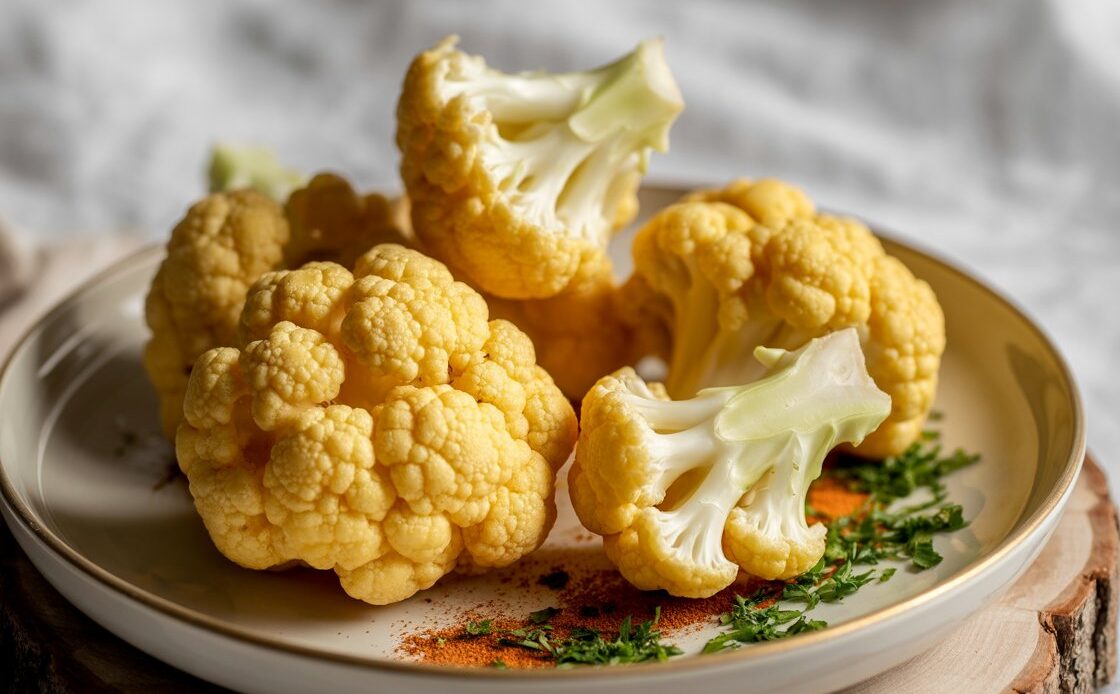
Deep fried cauliflower recipe lovers, get ready—this isn’t your average veggie side. This golden, crispy snack is proof that cauliflower deserves a top spot in your comfort food lineup. Whether you’re hosting friends, meal-prepping with flair, or just craving something crunchy and satisfying, deep fried cauliflower delivers on all fronts. In this post, we’re skipping the bland blog filler and diving into pro tips, flavor twists, and smart serving ideas that’ll make you fall in love with this humble vegetable all over again. Let’s turn your kitchen into a crispy cauliflower haven.
Why Deep Fried Cauliflower Is the Ultimate Snack
Let’s be honest—when you think of a deep fried cauliflower recipe, you might imagine something healthy trying too hard to be indulgent. But that’s far from the truth. This humble vegetable, when battered and fried to perfection, becomes a golden, crispy, crave-worthy snack that can hold its own against traditional comfort foods. It’s a surprising crowd-pleaser—bold in flavor, playful in texture, and endlessly customizable. Whether you’re serving it as an appetizer, a side dish, or the star of a snack board, deep fried cauliflower proves that vegetables can, in fact, steal the show.
The Rise of Cauliflower in Modern Cooking
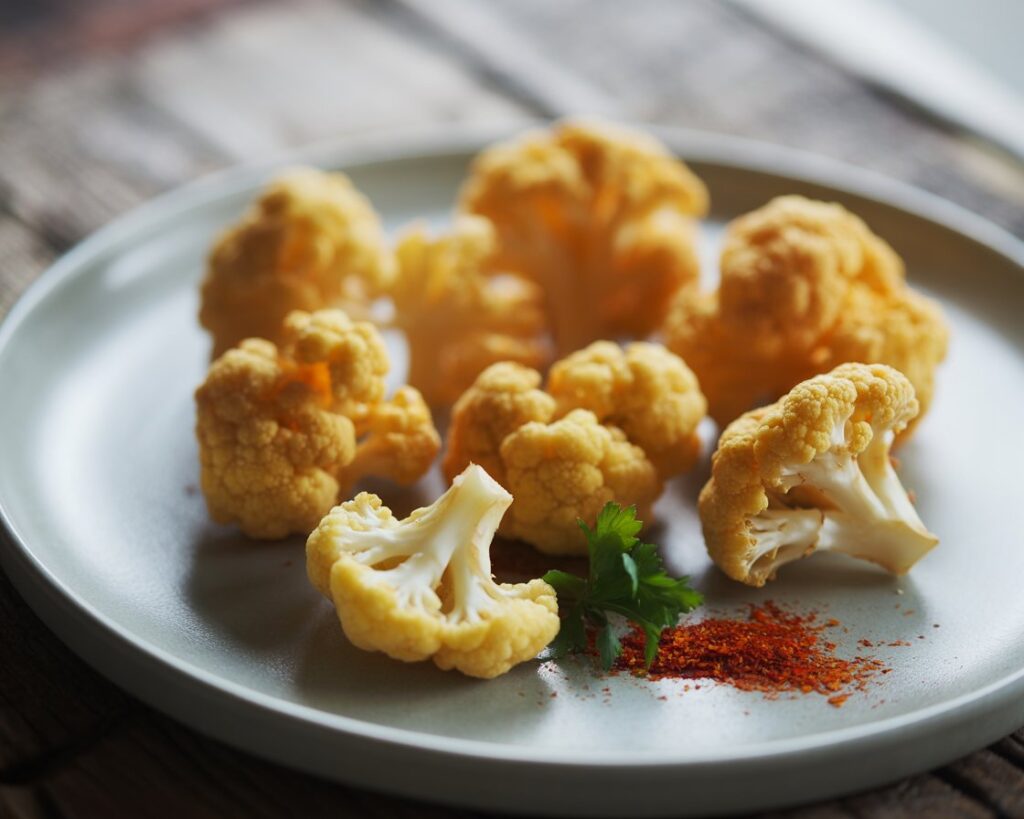
Cauliflower has experienced a glow-up. Once overlooked in favor of flashier vegetables, it now headlines dishes like cauliflower pizza crust, rice, mashed cauliflower, and of course—buffalo cauliflower wings. Its mild flavor and adaptability have made it a go-to for home cooks, chefs, and food bloggers alike. But beyond trendiness, cauliflower has carved out a real place in modern kitchens because it balances nutrition with texture and versatility.
And it’s not just for vegetarians. Even the most loyal meat-eaters are reaching for cauliflower-based dishes when they’re deep fried and served with bold sauces. The deep fried cauliflower recipe isn’t just a healthy swap—it’s a legit culinary experience.
What Makes It So Addictive?
It all comes down to texture and contrast. When cauliflower is deep fried, its naturally soft interior turns perfectly tender while the batter locks in heat and forms a shatteringly crisp shell. This contrast—crunchy outside, juicy inside—is what makes every bite satisfying.
From a food science angle, cauliflower has just enough moisture to steam slightly inside the batter as it fries, helping the florets cook through without becoming mushy. Meanwhile, the outside crisps up quickly, creating a structure that holds up to dips and sauces.
Compared to other vegetables, cauliflower stands out for its perfect crunch-to-structure ratio:
| Vegetable | Fry Texture | Crowd-Pleaser Score |
|---|---|---|
| Cauliflower | Crispy Outside, Tender Inside | ⭐⭐⭐⭐⭐ |
| Broccoli | Can get soggy | ⭐⭐ |
| Zucchini | Often greasy, loses shape when fried | ⭐⭐⭐ |
Deep fried cauliflower doesn’t just belong on the plate—it demands attention.
Choosing the Right Tools & Oil for Perfect Frying
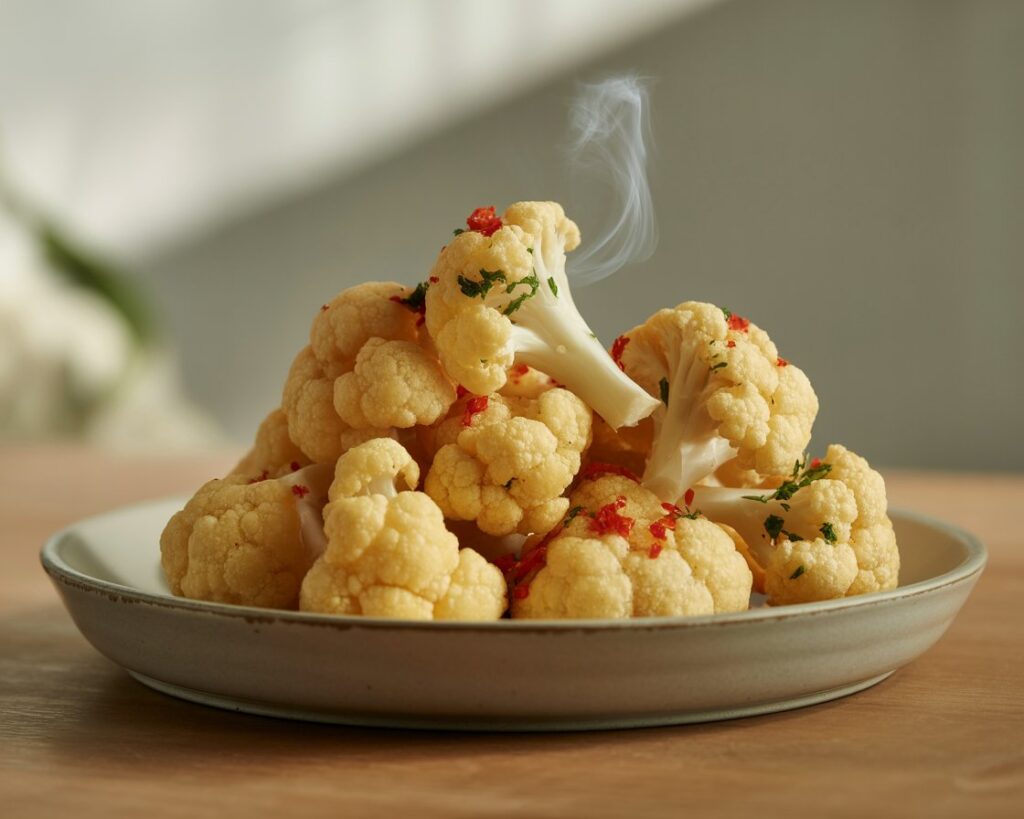
Getting your tools and oil right is key to making deep fried cauliflower that’s crispy, not soggy. With the right equipment and oil, you’ll avoid common frying pitfalls and nail that perfect golden crunch every time.
Tools That Make a Difference
When it comes to frying, your choice of equipment really matters. Here’s a quick look at your options:
- Deep fryer: Best for temperature control and consistent results, but not everyone has one.
- Saucepan or heavy pot: Works well if you keep a close eye on oil temperature with a thermometer.
- Air fryer: A healthier alternative that delivers crunch without oil immersion, though it won’t be quite the same as deep frying.
Other helpful tools include slotted spoons for safely removing cauliflower, cooling racks to drain excess oil and keep your bites crisp, and paper towels to blot off any lingering grease.
Minimal kitchen setup tip: If you don’t have fancy gear, a heavy-bottomed pot and a candy thermometer are enough to get started.
What’s the Best Oil for Deep Frying Cauliflower?
Choosing the right oil is just as important as the tools. Look for oils with a high smoke point and neutral flavor so your cauliflower shines:
- Canola oil
- Vegetable oil
- Sunflower oil
These oils handle the high heat needed for frying without smoking or imparting unwanted flavors.
Pro Tip – Avoiding Greasy Cauliflower
To keep your fried cauliflower from turning greasy, maintain the oil temperature between 350°F and 375°F (175°C–190°C). Too low and the cauliflower will absorb oil; too high and it will burn.
Also, make sure to drain the cauliflower well on a cooling rack or paper towels immediately after frying. This simple step helps keep your bites crisp and light.
Choosing the Right Tools & Oil for Perfect Frying
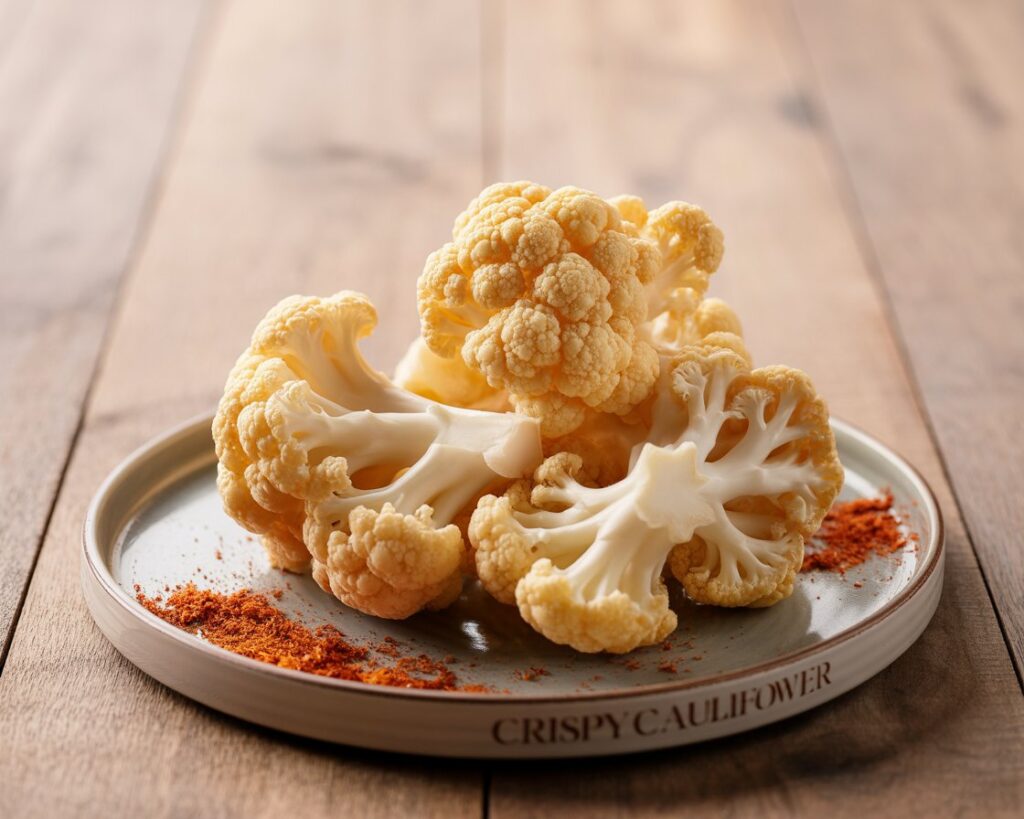
Mastering deep fried cauliflower isn’t just about the recipe — the tools and oil you use play a huge role in achieving that irresistible crispy texture without sogginess or excess grease. Setting yourself up with the right equipment and frying medium will make the difference between a so-so snack and a crowd-pleasing masterpiece.
Tools That Make a Difference
When it comes to frying, the right tools ensure consistent heat and safe, easy handling. Here are your main options:
- Deep fryer: This appliance is the gold standard for frying. It keeps the oil at a steady temperature and has a basket to lower and raise your cauliflower safely. If you plan to fry regularly or in larger batches, investing in a good deep fryer is worth it.
- Heavy-bottomed saucepan or pot: For many home cooks, this is the most accessible option. Choose a pot with high sides to avoid oil splatters. Use a kitchen thermometer to monitor and maintain the oil temperature closely. Never leave it unattended during frying.
- Air fryer: If you want a lower-fat alternative, air frying cauliflower is a great option. It circulates hot air to crisp the batter. While it won’t create the exact same deep fried texture, it delivers a satisfying crunch with less oil.
Other handy tools that improve your frying experience:
- Slotted spoon or spider strainer: Perfect for safely lifting cauliflower out of hot oil while letting excess oil drip back into the pot.
- Cooling rack: Placing fried cauliflower on a wire rack instead of paper towels prevents the bottom from steaming and getting soggy.
- Paper towels: Good for quick blotting to soak up surface oil without crushing your crispy coating.
Minimal kitchen setup tip: Even if you don’t have a deep fryer, a sturdy pot and a candy or deep-fry thermometer will allow you to control the oil temperature perfectly, avoiding greasy or burnt results.
What’s the Best Oil for Deep Frying Cauliflower?
Oil choice is critical because it affects both flavor and frying performance. You want an oil that:
- Has a high smoke point (the temperature at which the oil starts to break down and smoke)
- Has a neutral or mild flavor so it doesn’t overpower your cauliflower
Great options include:
- Canola oil: Smoke point around 400°F (204°C), affordable and neutral-tasting.
- Vegetable oil: Typically a blend with a smoke point near 400°F (204°C), widely available and versatile.
- Sunflower oil: Smoke point around 440°F (227°C), light flavor, excellent for frying.
Avoid oils with low smoke points like extra virgin olive oil or butter, as they burn easily and can leave unpleasant flavors.
Pro Tip – Avoiding Greasy Cauliflower
One of the biggest pitfalls when frying vegetables is ending up with oily, soggy bites. Here are professional tips to keep your cauliflower light and crisp:
- Maintain the oil temperature: Ideally between 350°F and 375°F (175°C–190°C). Too low and your batter will soak up oil; too high and it can burn the coating before the cauliflower cooks inside. Use a reliable thermometer and adjust heat as needed.
- Don’t overcrowd the pot: Fry in small batches to keep the oil temperature stable. Overcrowding drops the heat and leads to greasy results.
- Drain properly: After frying, place cauliflower on a wire cooling rack instead of paper towels when possible. This allows excess oil to drip away and air to circulate, preventing sogginess. Quickly blot with paper towels if needed, but avoid piling them up.
- Let it rest briefly: Allowing fried cauliflower to rest for a minute or two helps the batter set and crisp up even more before serving.
By investing a little time in selecting your tools and mastering frying basics, you’ll elevate your deep fried cauliflower recipe from good to unforgettable.
Flavor Variations That Go Beyond the Basic
Deep fried cauliflower is a fantastic blank canvas waiting for you to get creative. From bold spices to unexpected toppings, experimenting with flavors can turn your basic recipe into an exciting culinary adventure. Whether you love spicy heat, cheesy richness, or fresh herbs, these flavor variations will inspire you to take your cauliflower to the next level.
Global Takes on Fried Cauliflower
Travel the world through your taste buds with these international flavor twists that transform your deep fried cauliflower into authentic, mouthwatering snacks:
- Indian Style: Use a spiced gram flour (besan) batter loaded with turmeric, cumin, coriander, and chili powder to mimic classic pakora. This batter crisps up beautifully and delivers a warming, savory punch.
- Middle Eastern Flair: Incorporate za’atar or ground cumin into your batter or sprinkle over the finished cauliflower for a fragrant, earthy taste. Serve with tahini or garlic yogurt sauce to complete the experience.
- Korean-Inspired: Toss your fried cauliflower in a sticky gochujang glaze—a sweet, spicy, and umami-packed chili paste that’s irresistible. This twist adds a vibrant color and kick that will wow your guests.
Addictive Toppings & Breading Variations
Switch up the texture and flavor by playing with coatings and toppings that make each bite unique:
- Parmesan Crust: Mix grated Parmesan cheese into your breading for a savory, cheesy crunch that melts slightly when fried.
- Panko Crunch: Replace regular breadcrumbs with panko for an extra-light, crispy shell that stays crunchy longer.
- Chili Flakes: Sprinkle crushed chili flakes on top right after frying for a burst of heat.
Pair these with dips to elevate every bite:
- Classic ranch
- Garlic aioli
- Buffalo sauce
- Sweet and spicy sriracha-honey glaze
Flavor Pairing Matrix
| Flavor Style | Coating/Batter Idea | Dipping Sauce Suggestion |
|---|---|---|
| Spicy | Paprika & chili powder mix | Garlic aioli or buffalo sauce |
| Cheesy | Parmesan & panko blend | Ranch or blue cheese dip |
| Herby | Italian herbs in batter | Marinara or tzatziki |
This matrix can help you quickly mix and match coatings and dips to find your favorite combos. Feel free to experiment with your own twists!
Smart Tips for Frying Cauliflower Like a Pro
Frying cauliflower to perfection is more than just dipping and dropping it in hot oil. With a few pro tips and practical hacks, you’ll avoid common mistakes and get crispy, delicious results every time. These insider tricks will help you save time, reduce waste, and keep your cauliflower crunch-worthy—whether fresh or reheated.
Timing Is Everything
The size and shape of your cauliflower pieces affect how long they need to fry:
- Florets: Smaller florets cook quickly—usually about 3 to 5 minutes. Watch closely to get a golden crust without burning.
- Whole steaks: Larger cauliflower “steaks” take longer—closer to 8 to 10 minutes—because they need time to cook through without the batter burning.
A helpful trick is to start with a few test pieces to dial in the perfect timing for your setup. Keep the oil temperature steady around 350°F to 375°F (175°C–190°C) and adjust the cooking time based on color and texture.
How to Avoid Overcooking or Burning the Coating
- Use a thermometer to keep oil temperature steady. Fluctuations cause uneven cooking.
- Don’t overcrowd the pan; it cools the oil and leads to soggy, greasy cauliflower. Fry in batches instead.
- Remove cauliflower as soon as the coating is golden brown and crisp. It will continue to cook slightly off the heat.
How to Store & Reheat Without Losing Crunch
Storing and reheating fried cauliflower can be tricky if you want to keep that crispy texture:
- Storage: Place fried cauliflower on a paper towel–lined container to absorb excess oil. Avoid airtight containers without ventilation, which trap moisture and cause sogginess.
- Reheating: The oven and air fryer are your best friends here. Preheat the oven to 375°F (190°C) and spread cauliflower on a baking sheet for 5–10 minutes. For an even quicker option, the air fryer at 350°F (175°C) crisps it up in about 3–5 minutes.
- Microwave: Use only as a last resort since it makes the coating soft and chewy, not crisp.
Can You Freeze Fried Cauliflower?
Yes! Freezing fried cauliflower is possible and convenient, but it takes a little care:
- Freeze in a single layer on a parchment-lined tray before transferring to a sealed container or bag.
- To reheat, avoid microwaving. Instead, use an oven or air fryer to revive the crunch. Bake at 375°F (190°C) for about 10–12 minutes or air fry at 350°F (175°C) for 5–7 minutes.
- Avoid thawing before reheating to prevent sogginess.
With these tips, your deep fried cauliflower will taste fresh and crispy, even days after frying.
How to Serve It — From Casual Snacking to Party Platters
Deep fried cauliflower isn’t just a recipe; it’s a versatile dish that can elevate any occasion, from laid-back snacking to festive entertaining. With creative serving ideas, you can turn this simple vegetable snack into an experience your guests won’t forget.
Serving Ideas That Make It a Star
- Loaded Fries Upgrade: Top your crispy cauliflower with melted cheese, green onions, and a drizzle of ranch or spicy aioli to create irresistible loaded fries — but healthier and vegetarian-friendly.
- Party Skewers: Thread fried cauliflower florets on skewers with cherry tomatoes, olives, and mozzarella balls for easy-to-eat party bites that look as good as they taste.
- Wraps or Bowls: Add fried cauliflower to wraps or grain bowls with fresh veggies, creamy sauces, and crunchy nuts for a satisfying, flavor-packed meal.
What to Pair It With (Drinks, Mains & More)
Great food deserves great pairings. Here are some ideas to complement your deep fried cauliflower:
- Drinks: Crisp IPA beer or a refreshing sparkling lemonade cuts through the richness and adds a bright contrast. For non-alcoholic options, ginger soda or mint lemonade works wonders.
- Mains: Pair cauliflower with burgers or grilled meats to balance hearty dishes with a crunchy veggie side.
- Make It Meatless: Serve cauliflower as the main event with sides like quinoa salad, roasted vegetables, or hummus for a satisfying meat-free meal.
Build Your Snack Board — Quick Reference Table
| Element | Ideas |
|---|---|
| Base | Deep fried cauliflower |
| Sides | Pickles, mini pita, spicy hummus |
| Drinks | IPA beer, ginger soda, mint lemonade |
This simple board idea is perfect for casual get-togethers or game day snacks, encouraging everyone to mix and match flavors.
Mastering the Deep Fried Cauliflower Recipe for Crispy, Delicious Results
Deep fried cauliflower is more than just a tasty snack—it’s a versatile dish that you can easily customize and perfect at home. With the right tools, oil, and creative flavor twists, you’ll enjoy crispy, flavorful bites every time. Whether served as a casual treat or a show-stopping party platter, this deep fried cauliflower recipe will quickly become a favorite in your kitchen. So grab your batter, heat the oil, and get ready to impress with this irresistible crunchy delight!
Final Thoughts on the Deep Fried Cauliflower Recipe: Crispy, Flavorful, and Easy to Make
This deep fried cauliflower recipe offers a perfect balance of crunch and flavor that’s sure to satisfy any craving. By using the right techniques and experimenting with seasonings, you can easily create a snack or meal that feels both comforting and exciting. Whether you’re cooking for yourself, family, or guests, mastering this recipe will bring a deliciously crispy touch to your kitchen repertoire.
