
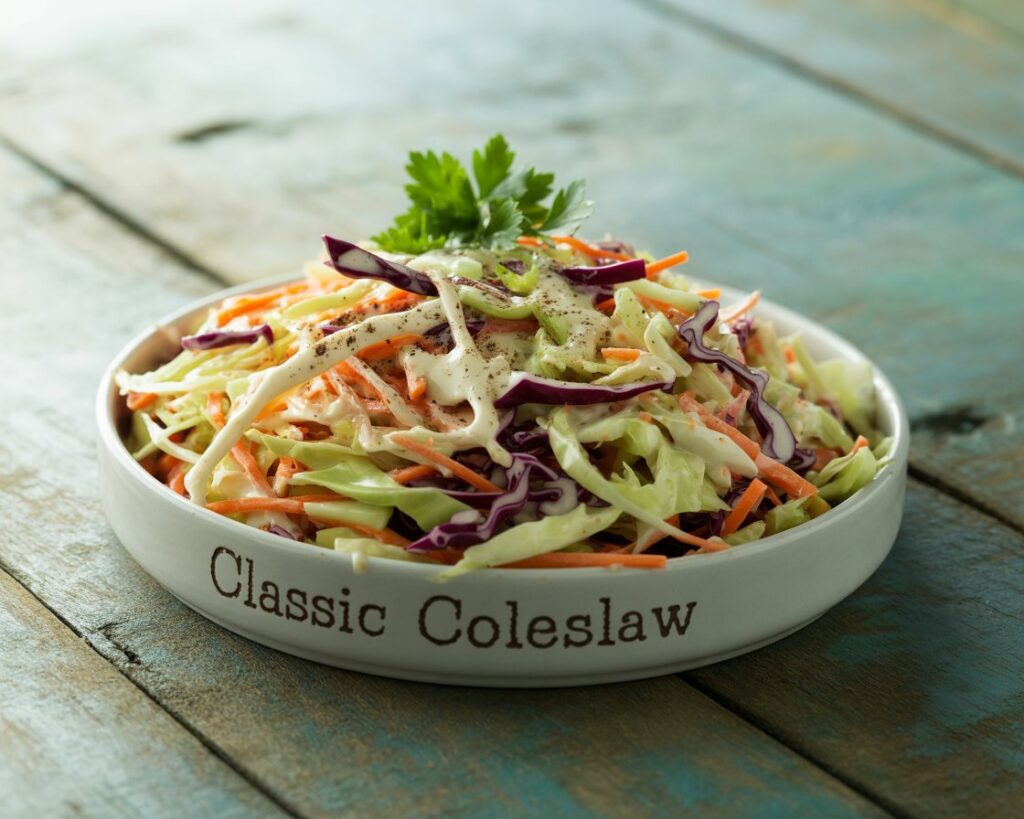
Classic Coleslaw is more than just a side dish — it’s a timeless favorite that adds a creamy, crunchy, and refreshing touch to any meal. Whether you’re serving it alongside BBQ, burgers, or fried chicken, this easy coleslaw recipe combines the perfect balance of flavors and textures that keeps everyone coming back for more. In this guide, we’ll explore what makes a truly classic coleslaw, creative serving ideas, and tips for making it homemade and unforgettable.
The History and Evolution of Coleslaw
Coleslaw may seem like a simple side dish, but its story stretches back centuries, reflecting a rich evolution across cultures and continents. From its early beginnings in Europe to its status as a beloved American BBQ staple, coleslaw has continually adapted to local tastes while maintaining its signature crunchy texture and creamy or tangy flavor. Understanding its history gives you a deeper appreciation for why this salad is still a favorite at cookouts, family dinners, and holiday feasts today.
From Dutch ‘Koolsla’ to Modern BBQ Staple
The roots of coleslaw can be traced back to the Dutch settlers of the 18th century, who brought with them a dish called “koolsla” — literally meaning “cabbage salad.” Traditionally made with finely shredded cabbage dressed with vinegar, oil, and simple seasonings, it was a practical way to enjoy a vegetable that stored well through the winter months. Over time, this humble cabbage salad evolved into the creamy coleslaw we recognize today, thanks largely to the introduction of mayonnaise in American kitchens during the early 20th century.
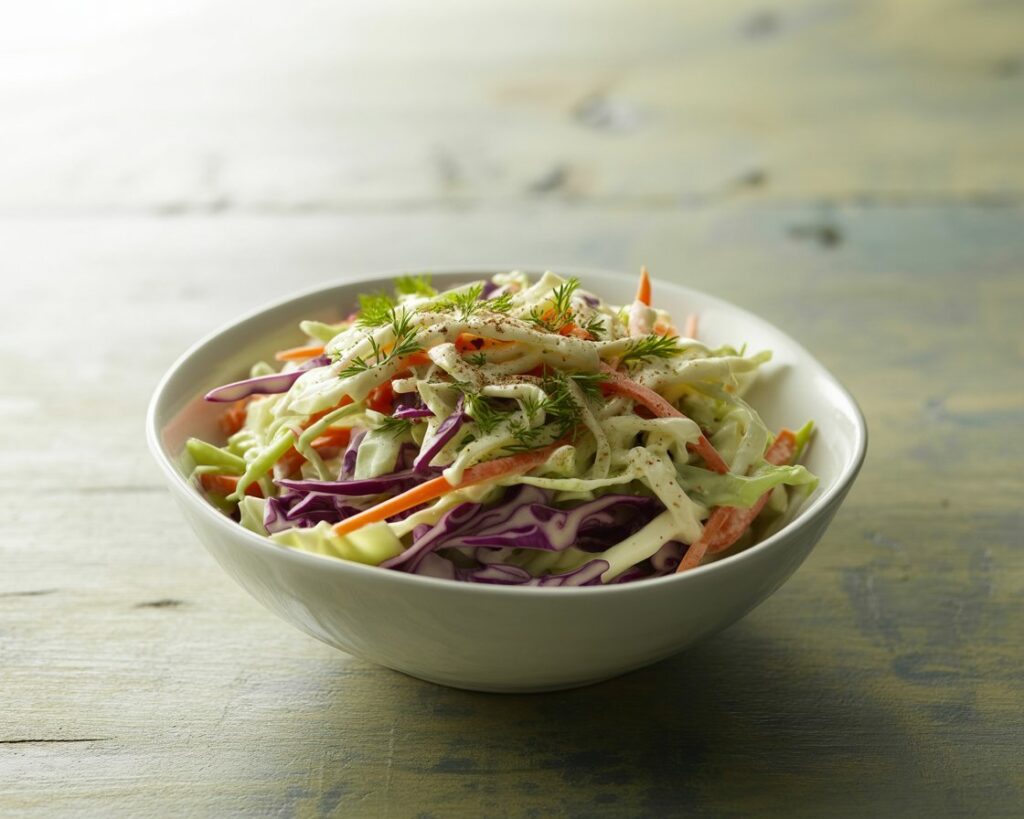
By the mid-1900s, coleslaw had become a summer staple in the United States, showing up at backyard cookouts, diners, and fast-food chains. Its crisp texture and tangy dressing provided the perfect balance to rich, smoky meats, solidifying its role as the go-to BBQ side dish. Fun fact: in many Southern households, a plate of fried chicken just doesn’t feel complete without a side of homemade coleslaw.
Coleslaw Around the World
While classic American coleslaw is best known for its creamy mayonnaise dressing, other regions have developed their own unique takes. Here’s a quick comparison of how different cultures enjoy this versatile dish:
| Style | Key Ingredients | Dressing Type | Typical Pairings |
|---|---|---|---|
| American | Green cabbage, carrots | Mayonnaise-based, sometimes sugar | BBQ meats, fried chicken, burgers |
| Southern | Cabbage, carrots, onion, celery seed | Creamy mayo with tangy vinegar | Pulled pork, fried fish, hush puppies |
| Asian | Napa cabbage, carrots, sesame seeds, scallions | Rice vinegar, soy sauce, sesame oil | Tacos, grilled fish, noodle bowls |
| European (German Krautsalat) | White cabbage, onions, caraway seeds | Oil and vinegar, no mayo | Sausages, schnitzel, roasted meats |
This global variety shows that coleslaw is more than just a side dish—it’s a canvas for creativity, shaped by local ingredients and culinary traditions.
What Makes the Perfect Coleslaw
A bowl of coleslaw might look simple, but achieving that perfect balance of crunch, creaminess, and tang takes a little thought. The best versions aren’t just tossed together; they are carefully built with the right textures, flavors, and dressings that work in harmony. Here’s what makes a truly unforgettable classic coleslaw.
Texture Matters – Crunchy vs. Soft
One of the defining qualities of great coleslaw is its texture. A good slaw should have that satisfying crunch that comes from fresh, crisp cabbage and properly shredded carrots. To achieve this:
- Use a sharp knife, mandoline, or food processor to cut cabbage into thin, even slices.
- Choose firm carrots and shred them finely so they complement the cabbage rather than overpower it.
- Chill the vegetables before mixing—they stay crisp longer and won’t wilt as quickly once the dressing is added.
Getting the texture right means your coleslaw holds up well whether it’s served fresh at the table or packed away for a picnic.
Creamy vs. Tangy Dressings
The dressing is what transforms shredded cabbage into coleslaw, and here’s where personal preference comes into play. Some prefer a rich, creamy base, while others lean toward a lighter, vinegar-forward mix. Each has its own charm:
| Dressing Type | Pros | Flavor Profile | Best Pairings |
|---|---|---|---|
| Creamy (Mayo-Based) | Smooth, indulgent, coats vegetables well | Rich, slightly sweet, comforting | Fried chicken, burgers, Southern BBQ |
| Tangy (Vinegar-Based) | Lighter, dairy-free, keeps crunch longer | Zesty, sharp, refreshing | Pulled pork, fish tacos, grilled meats |
Both styles deliver delicious results, and the choice often comes down to the occasion. A creamy coleslaw feels hearty and nostalgic, while a tangy version cuts through heavier dishes with a refreshing bite.
Balancing Flavors
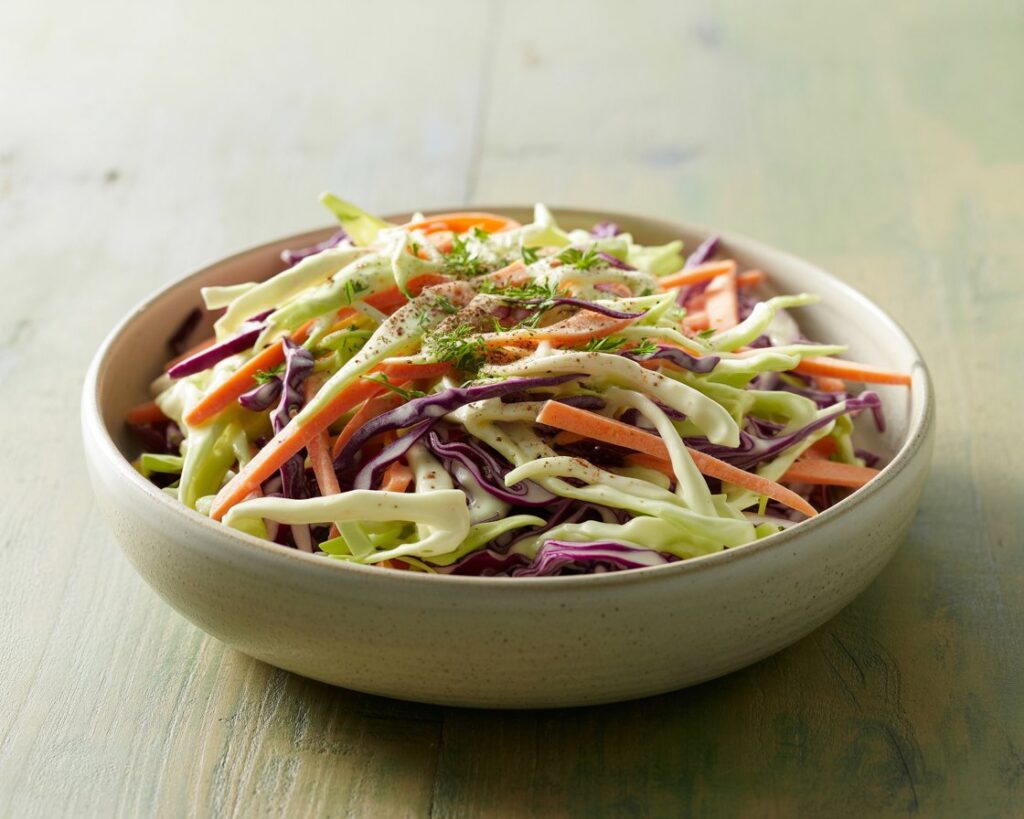
A perfect coleslaw isn’t just about texture or dressing—it’s also about balance. Too much sweetness can make it cloying, while excess vinegar risks overpowering the dish. Keep these tips in mind:
- Add sugar or honey sparingly, just enough to round out acidity.
- Use vinegar or lemon juice for brightness, but taste-test to avoid harshness.
- Don’t forget salt—it enhances the natural flavors of the cabbage and carrots.
- Experiment with extras like celery seed, mustard, or fresh herbs to give your slaw more character.
When done right, these small adjustments ensure that every bite of your coleslaw is crisp, flavorful, and perfectly balanced.
Fun Ways to Serve Coleslaw
Part of what makes coleslaw such a timeless dish is its versatility. It can play the role of a refreshing side, a flavorful topping, or even a seasonal twist that complements different occasions. Beyond its creamy crunch, coleslaw is a canvas for creativity in the kitchen.
Coleslaw as a Classic Side Dish
The most traditional way to enjoy coleslaw is as a cool, crunchy side that balances out rich and hearty main dishes. Its freshness cuts through fried or smoky flavors, making it a reliable companion at picnics, barbecues, and family dinners.
| Main Dish | Why Coleslaw Works | Flavor Contrast |
|---|---|---|
| Burgers | Adds freshness and crunch | Creamy slaw balances juicy beef |
| Fried Chicken | Lightens up a heavy, crispy meal | Tangy bite offsets the richness |
| Pulled Pork | Classic BBQ pairing | Creamy or vinegar-based slaw cuts through smoky sweetness |
Whether it’s sitting next to a burger or heaped on a BBQ plate, coleslaw has earned its spot as a classic side dish.
Unexpected Twists
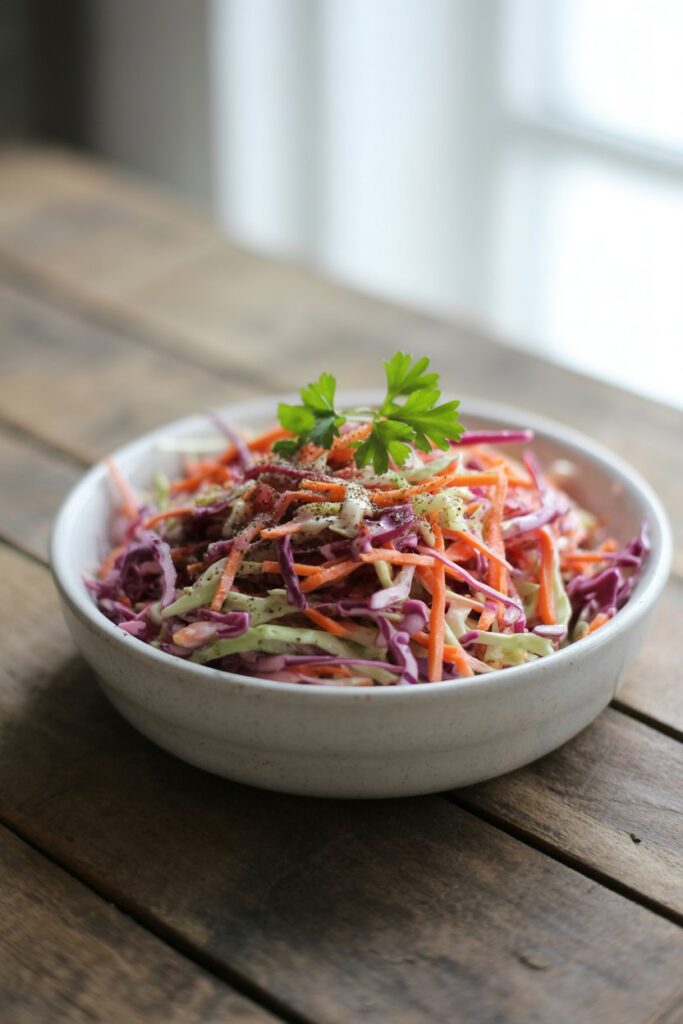
Beyond being just a side, coleslaw shines as a versatile topping or filling. Try layering it inside a taco for crunch, stuffing it into a wrap for freshness, or using it as a surprise addition to hot dogs. The contrast of creamy or tangy slaw against warm proteins creates a flavor and texture explosion. These small twists turn everyday meals into something more exciting without much extra effort.
Seasonal Variations
Coleslaw doesn’t have to be limited to summertime cookouts—it can easily adapt to the seasons. In the summer, a bright, vinegar-based slaw with fresh herbs is perfect for BBQs and outdoor meals. In the colder months, heartier variations with apples, cranberries, or even roasted vegetables bring a comforting note to the table. Seasonal adaptations keep this dish fresh year-round and make it a dependable addition to any menu.
Healthier Takes on Classic Coleslaw
While traditional coleslaw is undeniably delicious, there are plenty of ways to enjoy this creamy, crunchy salad without the extra calories or allergens. With simple swaps and thoughtful ingredient choices, you can make coleslaw lighter, healthier, and suitable for a variety of dietary preferences—all without sacrificing flavor.
Low-Calorie & Lighter Versions
For a lighter take on classic coleslaw, consider replacing full-fat mayonnaise with Greek yogurt, low-fat mayo, or a tangy vinaigrette. These swaps maintain creaminess while reducing calories and fat. Other tips include:
- Using more cabbage and carrots to bulk up the salad naturally.
- Limiting added sugar or using natural sweeteners like honey or maple syrup.
- Adding fresh herbs, mustard, or citrus zest to enhance flavor without extra calories.
Vegan or Allergy-Friendly Options
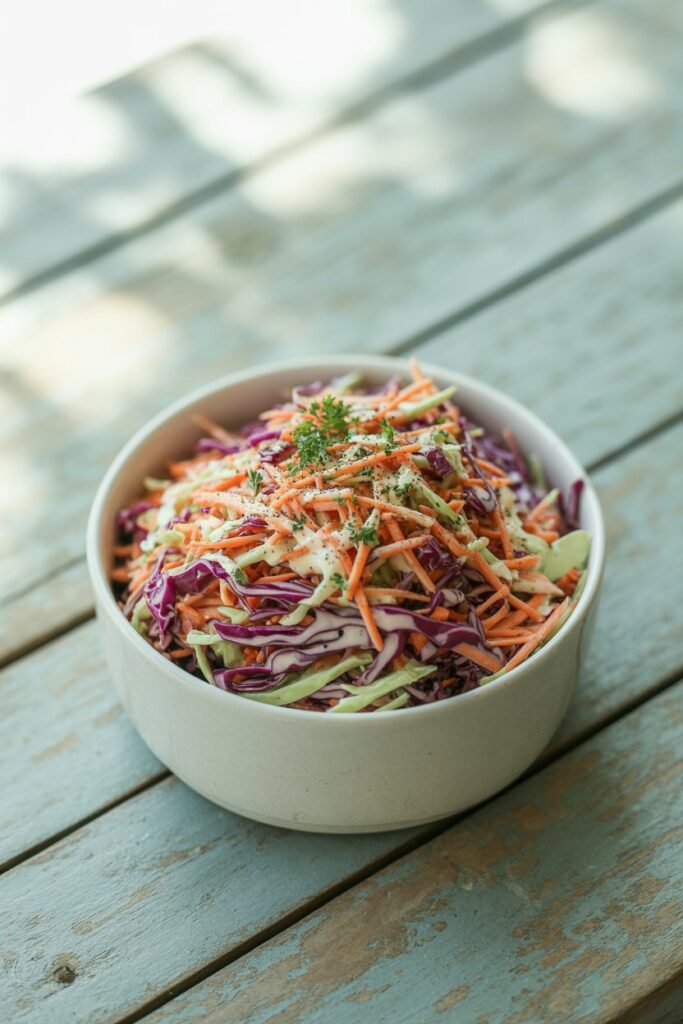
Coleslaw can easily accommodate vegan or allergy-friendly diets. To create a plant-based or dairy-free version:
- Replace mayonnaise with vegan mayo, avocado, or a tahini-based dressing.
- Use apple cider vinegar or lemon juice as a tangy base.
- Opt for maple syrup or agave instead of sugar to keep it low-glycemic.
These alternatives allow everyone to enjoy a delicious, allergy-conscious coleslaw that retains the signature crunch and flavor.
Nutritional Table
To help readers understand the impact of these swaps, here’s a comparison of classic vs. healthier coleslaw per 1-cup serving:
| Version | Calories | Fat | Protein | Fiber |
|---|---|---|---|---|
| Classic Coleslaw (Mayo-Based) | 200 | 18g | 1g | 2g |
| Low-Calorie Yogurt-Based Coleslaw | 120 | 6g | 3g | 2g |
| Vegan / Allergy-Friendly Coleslaw | 140 | 8g | 2g | 2g |
This table makes it easy for readers to see how small ingredient changes can make a big nutritional difference without compromising taste.
Common Mistakes and How to Avoid Them
Even with the best intentions, making coleslaw can sometimes lead to disappointing results. Understanding common pitfalls and how to prevent them ensures your classic coleslaw stays crisp, creamy, and perfectly balanced every time.
Watery or Soggy Coleslaw
A soggy or watery coleslaw is usually caused by excess moisture from cabbage or carrots. To prevent this:
- Drain or lightly salt shredded cabbage and let it sit for 10–15 minutes, then pat dry before adding dressing.
- Shred carrots and other vegetables evenly to avoid uneven water release.
- Add dressing just before serving to maintain crunch.
These simple steps keep your coleslaw crisp, even after chilling.
Dressing Separation or Overpowering Flavor
Separation or overly strong flavors can ruin a batch of coleslaw. To avoid this:
- Mix dressing ingredients thoroughly before combining with vegetables.
- Start with small amounts of vinegar, sugar, or mustard, then adjust to taste.
- Chill the salad after mixing to help flavors meld and prevent separation.
Properly balanced dressing ensures that every bite of coleslaw is consistent and flavorful.
Storage & Make-Ahead Tips
Coleslaw can be made ahead, but proper storage is key to maintaining freshness. Here’s a quick guide:
| Storage Method | Shelf Life | Tips |
|---|---|---|
| Refrigerator | 3–5 days | Keep in airtight container; add dressing just before serving if possible |
| Freezer | Not recommended | Freezing can break down the cabbage and make it soggy; best to freeze dressing separately if needed |
By following these tips, you can enjoy homemade coleslaw without worrying about soggy texture, overpowering flavors, or short shelf life.
Fun Facts, Tips & Hacks for Coleslaw Lovers
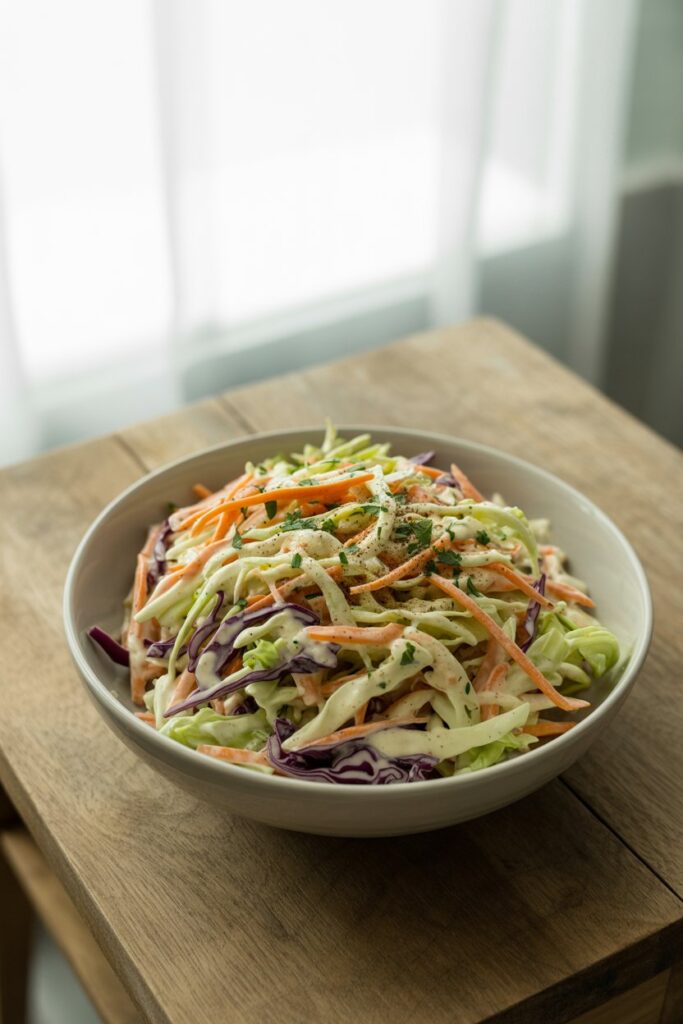
Even after perfecting the recipe, there’s always room for fun, creativity, and little tricks that make coleslaw even more enjoyable. From quirky trivia to practical kitchen hacks, this section celebrates everything that makes this classic salad so beloved.
Fun Facts
Did you know that coleslaw has a surprisingly fascinating history and some surprising records? Here are a few tidbits:
- KFC’s signature coleslaw uses exactly 8 ingredients.
- The world’s largest coleslaw weighed over 2,500 pounds.
- In the U.S., coleslaw became a popular summer picnic dish during the early 20th century.
These facts make you appreciate coleslaw beyond its role on the plate—it’s a dish with history, fun, and quirky stories.
Quick Hacks
Making coleslaw easier, faster, and more flavorful is simple with a few kitchen tricks:
- Use a mandoline slicer for evenly shredded cabbage and carrots.
- Prepare the dressing ahead to save time and let flavors develop.
- Add flavor boosters like fresh herbs, roasted seeds, or spices to elevate a basic coleslaw.
These small hacks can transform your salad from ordinary to memorable with minimal effort.
Reader Challenge or Poll
Encourage your readers to get interactive by asking them to vote on their favorite coleslaw twist. Here’s an example table you could use in a blog poll or survey:
| Coleslaw Variation | Flavor Profile | Recommended Pairing |
|---|---|---|
| Classic Creamy | Rich, smooth, slightly sweet | Burgers, fried chicken |
| Vinegar-Based Tangy | Zesty, bright, refreshing | Pulled pork, fish tacos |
| Apple & Cranberry | Sweet-tart, seasonal | Holiday meals, roasted meats |
| Spicy Slaw | Peppery, bold | BBQ ribs, tacos, sandwiches |
This section not only provides value but also invites readers to engage and share their favorite ways to enjoy coleslaw, making your blog more interactive and memorable.
Why This Classic Coleslaw Recipe Will Always Be a Favorite
Whether you’re a seasoned cook or a beginner in the kitchen, this classic salad recipe proves that simple ingredients can create something truly memorable. With its creamy, crunchy texture, perfectly balanced flavors, and endless versatility, this salad complements a wide range of dishes and occasions. From traditional BBQ sides to creative twists and healthier alternatives, this salad is more than just a side dish—it’s a timeless favorite that brings freshness, flavor, and fun to every meal.
This classic salad is more than just a simple side—it brings a perfect balance of freshness, crunch, and creaminess to any meal. Its versatility allows it to complement everything from smoky BBQ dishes and juicy burgers to delicate fish tacos and roasted meats. By experimenting with different dressings, seasonal ingredients, and flavor boosters like fresh herbs, seeds, or a hint of spice, it can easily be adapted to suit a variety of tastes and occasions.
Preparing it ahead of time is simple, making it ideal for busy weeknights, potlucks, or large gatherings, while its vibrant colors and textures make it as appealing to the eyes as it is to the palate. With its ability to elevate a meal, satisfy a crowd, and offer endless creative possibilities, this salad has earned its place as a timeless favorite in kitchens everywhere.