
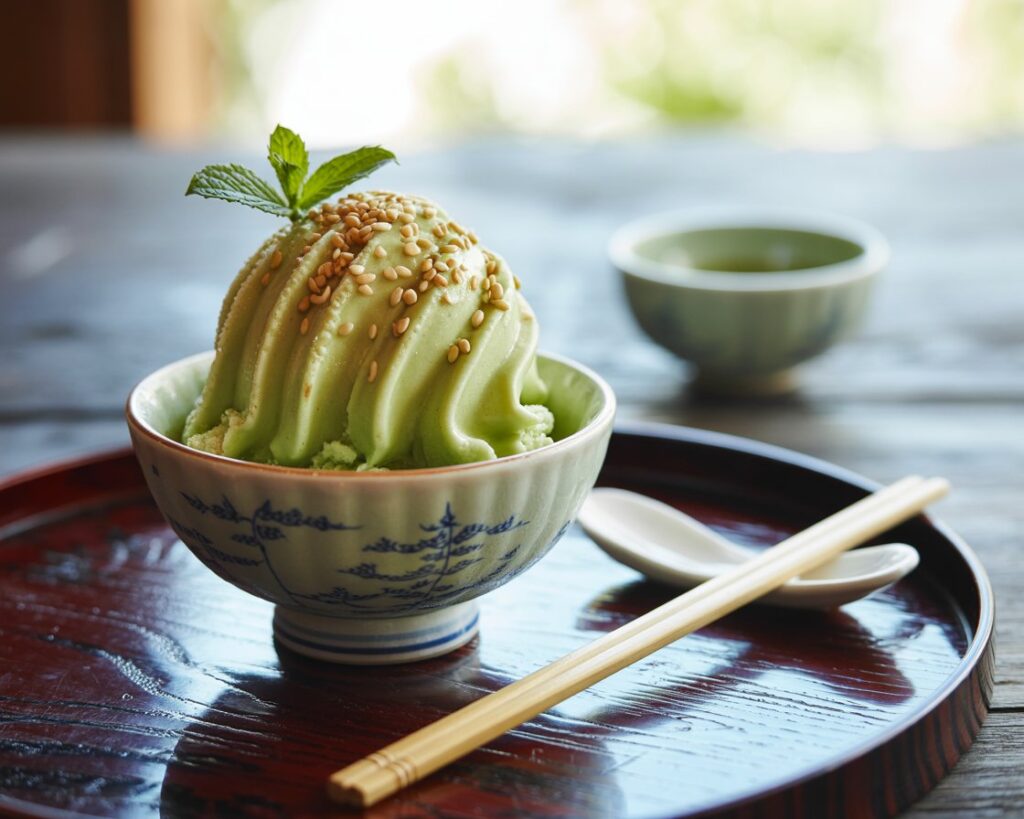
Vegan Chinese ice cream is quickly becoming a beloved treat for dessert lovers around the world. Combining traditional Chinese flavors with plant-based, dairy-free ingredients, this unique frozen delight offers something fresh and exciting beyond typical ice cream options. Whether you’re curious about the exotic tastes, the creamy textures, or where to find authentic vegan Chinese ice cream, this article will guide you through everything you need to know — with plenty of surprises along the way.
The Rising Popularity of Vegan and Dairy-Free Chinese Ice Cream
In recent years, the landscape of desserts in China and across Asia has been evolving rapidly. More consumers are seeking healthier, ethical, and environmentally friendly alternatives to traditional dairy-based treats. Vegan and dairy-free Chinese ice cream has emerged at this intersection of tradition and innovation, offering flavors deeply rooted in Chinese culture while meeting the demands of a modern, health-conscious audience. This rise in popularity goes beyond simple dietary preference—it reflects broader cultural shifts and a growing awareness of sustainable living.
Why Vegan Chinese Ice Cream Is More Than Just a Trend
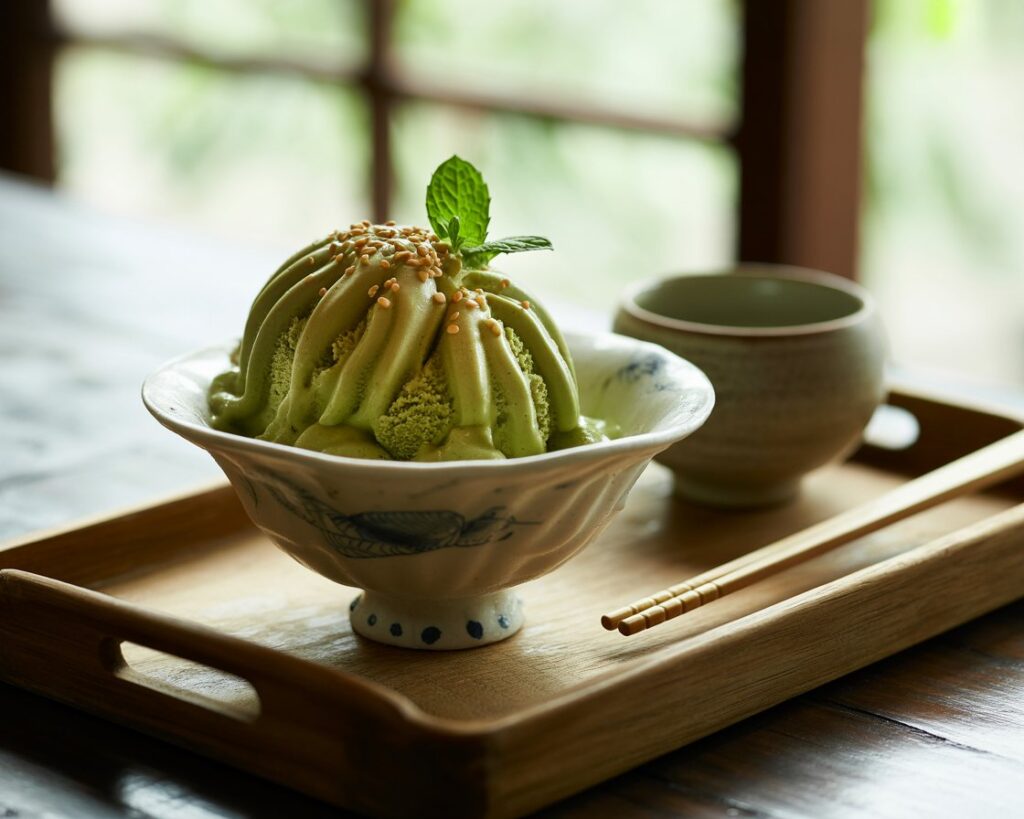
Vegan Chinese ice cream is gaining momentum not only because of changing dietary preferences but also due to deeper cultural and environmental factors. In Asia, especially China, a growing number of people are adopting plant-based diets for health reasons, ethical concerns, and ecological sustainability. This shift is reflected in the increasing availability of dairy-free desserts that maintain traditional Chinese flavors. Beyond individual health benefits like lower cholesterol and reduced lactose intolerance symptoms, the environmental advantages of choosing plant-based options—such as reduced greenhouse gas emissions and water usage—are fueling wider acceptance. This combination of personal and planetary benefits positions vegan Chinese ice cream as a meaningful movement, not just a passing fad.
How Traditional Chinese Desserts Naturally Lend Themselves to Vegan Adaptations
Traditional Chinese desserts often rely on ingredients that are inherently vegan or easily replaced with plant-based alternatives. Staples like tofu, coconut milk, and various types of beans (especially red bean or azuki) have long been used in Chinese sweets, making the transition to vegan ice cream smoother. For example, tofu’s smooth, creamy texture is ideal for creating dairy-free frozen desserts. Coconut milk provides a rich, naturally sweet base, while beans add both flavor and nutrition. This foundation allows vegan versions of Chinese ice cream to stay authentic to their cultural roots while appealing to modern dietary preferences.
Quick Snapshot: Vegan Ice Cream Growth in China & Asia (Table)
To illustrate the surge in popularity, a quick snapshot table below highlights key data on the growth of vegan ice cream in Asia. This includes emerging markets, top cities driving demand, and notable vegan ice cream shops that are setting trends across the region.
| Region | Market Growth (%) | Leading Cities | Popular Vegan Ice Cream Shops |
|---|---|---|---|
| China | 25% annual growth | Shanghai, Beijing | Green Common, HappyCow Cafes |
| Taiwan | 18% annual growth | Taipei | Moooon Vegan Ice Cream |
| Hong Kong | 22% annual growth | Hong Kong Island | VeggieSF, Mana! Organic |
| Southeast Asia | 15% annual growth | Bangkok, Kuala Lumpur | Veganerie, The Vegan Dinosaur |
This data underscores how vegan and dairy-free Chinese ice cream is not only a culinary trend but also a growing industry responding to changing consumer demands across Asia.
Unique Vegan Flavors & Textures You Can Only Find in Chinese Ice Cream
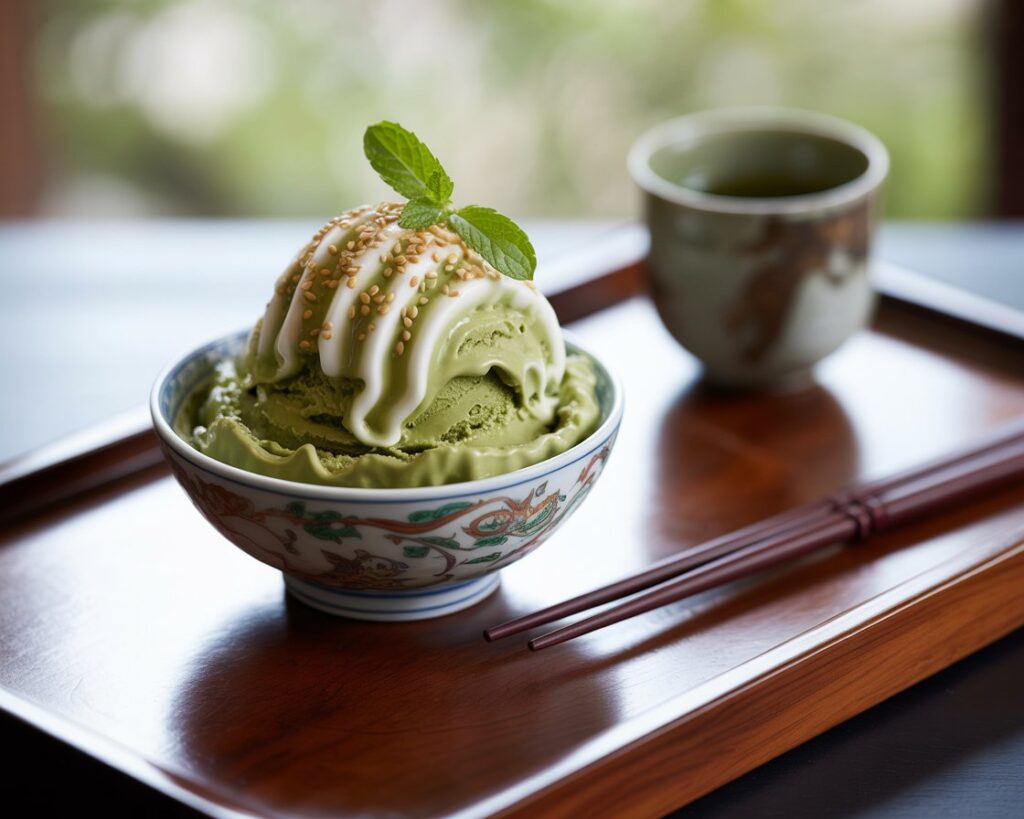
One of the most exciting aspects of vegan Chinese ice cream is how it breaks away from the familiar and invites you into a world of bold, unexpected flavor and texture. While Western ice creams tend to revolve around milk-based richness and flavors like chocolate or vanilla, Chinese varieties explore a more diverse flavor palette rooted in centuries of culinary tradition. These unique combinations are not just delicious—they’re often healthier and naturally vegan-friendly, making them a perfect match for modern plant-based lifestyles.
Beyond Vanilla and Chocolate — Flavors That Surprise
When you dip a spoon into a bowl of vegan Chinese ice cream, don’t expect the usual suspects. Instead, you’re more likely to encounter flavors such as red bean, black sesame, durian, taro, and matcha—each offering a different cultural and sensory experience.
- Red bean (azuki) has a subtly sweet, earthy flavor that’s often pureed into a smooth paste for ice cream.
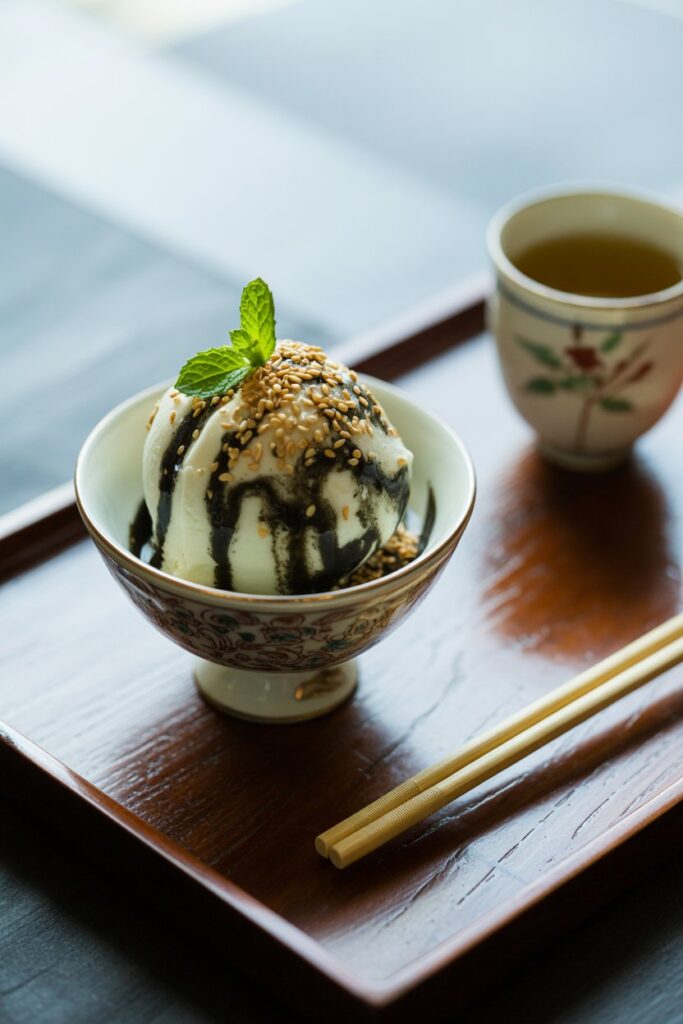
- Black sesame brings a deep, nutty richness, similar to peanut butter but more intense and slightly smoky.
- Durian, known as the “king of fruits,” has a polarizing flavor—creamy, sweet, and savory all at once.
- Taro, a root vegetable, offers a mild, vanilla-like taste with a hint of nuttiness and a beautiful lavender hue.
- Matcha (green tea powder) adds a touch of bitterness and grassy depth that balances perfectly with coconut or soy-based creams.
These flavors aren’t novelty—they’re rooted in everyday desserts throughout China and Taiwan. Their popularity continues to grow among both local consumers and adventurous foodies worldwide.
Texture Matters: Why Chinese Vegan Ice Cream Feels Different
Flavor is only half the story. What really sets Chinese vegan ice cream apart is its texture. While many Western dairy-free ice creams strive for a silky, creamy consistency using coconut or almond milk, Chinese varieties explore a broader spectrum of mouthfeel.
Some are creamy and smooth, like tofu-based taro ice cream. Others have a more chewy bite, especially when combined with ingredients like glutinous rice, tapioca pearls, or even mochi. Then there’s the icy type, which resembles a sorbet or traditional Chinese-style shaved ice but is infused with naturally vegan ingredients and flavors.
These textural differences aren’t just technical—they’re part of the experience. Chinese desserts often play with the balance of soft, chewy, and cool elements in one bite, which turns eating vegan ice cream into something more interactive and satisfying.
Flavor Pairings & Serving Ideas to Try at Home or in Restaurants
Pairing plays a big role in how vegan Chinese ice cream is enjoyed. It’s rarely served solo—instead, it often comes with complementary textures and flavors that elevate the experience.
Here are a few combinations to try or look for:
| Ice Cream Flavor | Best Pairing | Why It Works |
|---|---|---|
| Red Bean | Mochi | Chewy mochi balances the smooth sweetness of red bean. |
| Black Sesame | Toasted Coconut Flakes | Adds crunch and amplifies the nutty depth. |
| Matcha | Glutinous Rice Balls | Neutral, chewy rice balls absorb the bold green tea flavor. |
| Taro | Fresh Mango or Lychee | Bright fruit adds sweetness and tropical contrast. |
| Durian | Sticky Rice & Coconut Milk | A creamy base that tones down durian’s intensity. |
These pairings can be found in traditional Chinese dessert shops or recreated at home with simple plant-based ingredients. They’re more than just toppings—they’re part of a longstanding dessert tradition where texture, temperature, and taste all work in harmony.
Where to Find Authentic Vegan and Dairy-Free Chinese Ice Cream
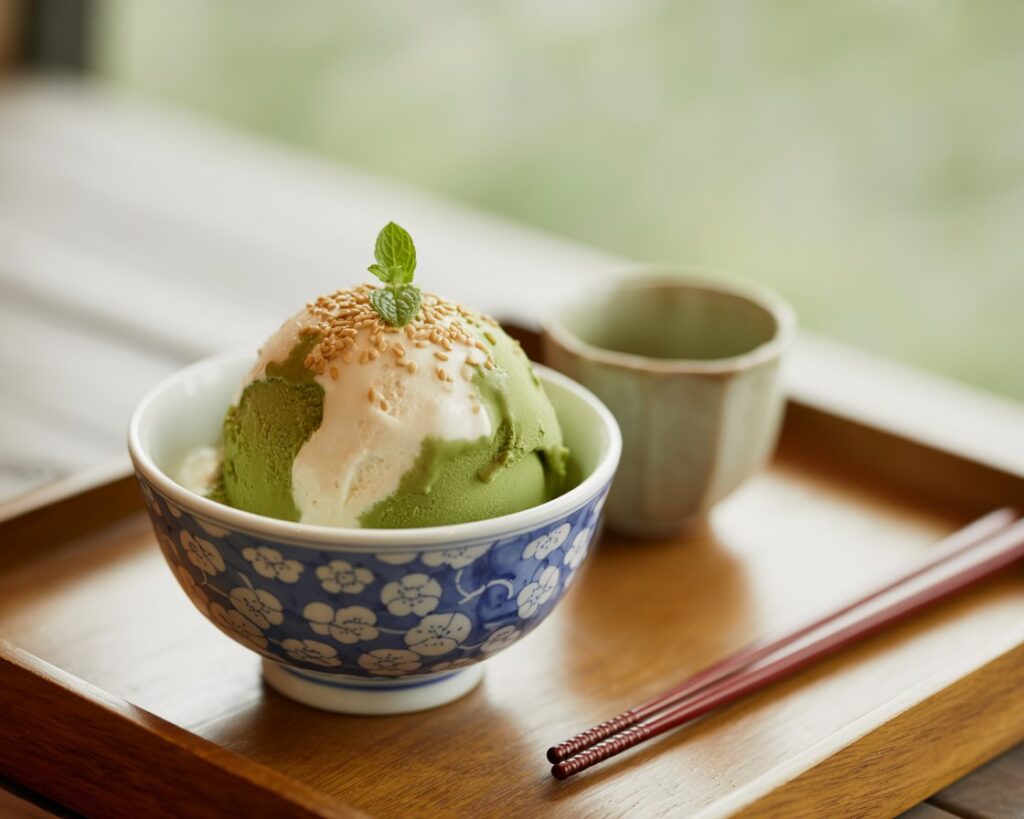
Finding authentic vegan Chinese ice cream isn’t always as simple as walking into your local grocery store—yet. But thanks to growing demand and innovation in plant-based desserts, it’s becoming increasingly accessible across China, Asia, and even globally. Whether you’re exploring bustling Asian cities or shopping online, there are more ways than ever to discover high-quality, dairy-free Chinese ice cream that stays true to its cultural roots.
Best Cities and Spots in China and Beyond
If you’re lucky enough to visit some of Asia’s most vibrant food destinations, you’ll find no shortage of exciting places to try vegan Chinese ice cream. Some cities have become hotspots for plant-based innovation, blending traditional ingredients with modern dessert concepts.
- Shanghai – Known for its forward-thinking vegan cafes and experimental food scene. Shops like Zao Zi Shu and Herbivore offer seasonal vegan desserts including frozen red bean or sesame treats.
- Beijing – While rooted in tradition, Beijing is also home to vegan-friendly bakeries and dessert shops, especially in the Sanlitun and Wudaoying neighborhoods.
- Hong Kong – With its international influence, Hong Kong is a leader in plant-based food. You’ll find black sesame and matcha ice creams at places like Green Common and Happy Cow.
- Taipei, Taiwan – Known for night markets and progressive vegan cuisine. Look for taro, mango, and tofu-based ice cream at places like Vegan Heaven or Moooon Ice Cream.
Beyond Asia, Chinatowns and Asian supermarkets in cities like Los Angeles, London, and Sydney often carry imported vegan brands or handmade options from local vendors.
Popular Vegan-Friendly Chinese Ice Cream Brands (Table)
If you’re not traveling anytime soon, don’t worry—you can still experience vegan Chinese ice cream through brands offering plant-based options either online or in Asian supermarkets.
| Brand Name | Origin | Popular Flavors | Where to Buy |
|---|---|---|---|
| Green Common | Hong Kong | Black sesame, coconut matcha | Green Common stores, online shop |
| Moooon Ice Cream | Taiwan | Taro, red bean, durian | Local stores in Taipei, Shopee TW |
| Happy Cow | Hong Kong | Lychee sorbet, mango coconut | Local outlets, delivery apps |
| Better Ice Cream | China (Shanghai) | Soy milk chocolate, sesame tofu | Shanghai-based cafés and markets |
| Oatly* (Asia line) | Sweden/Asia | Matcha oat, vanilla red bean | Supermarkets across Asia |
*Not a Chinese brand, but popular in Asia with flavors tailored to local tastes.
These brands prove that authentic, plant-based Chinese-style ice cream is now more widely available than ever—often made with natural, recognizable ingredients and rooted in local traditions.
How to Spot Truly Vegan Ice Cream in Asian Markets
Shopping in Asian markets can be tricky if you’re unfamiliar with local labels. Some desserts may appear vegan but still contain hidden animal products, so it’s important to know what to look for.
Here are some quick tips:
- Scan the ingredient list carefully. Watch for animal-derived items like casein, gelatin, milk powder, egg yolk, or whey—even in items labeled as “non-dairy.”
- Look for certifications. Vegan symbols (like the green leaf or “V” label), Halal (which often excludes dairy in desserts), or even Buddhist vegetarian certifications in China can be reliable indicators.
- Avoid ambiguous terms. Words like “cream base,” “natural flavor,” or “emulsifier” can sometimes mask non-vegan ingredients unless clarified.
- Ask shopkeepers or check QR codes. Many modern Asian packaging includes scannable codes that lead to full ingredient breakdowns online.
Being informed helps ensure you get the real deal—vegan and dairy-free Chinese ice cream that’s both satisfying and ethical.
Cultural Stories & Fun Facts About Vegan Chinese Frozen Treats
Chinese desserts have a rich history that intertwines with culture, tradition, and celebration. Many of these sweets, including vegan frozen treats, carry stories and symbolism that go beyond taste. Exploring the cultural significance of these desserts not only deepens appreciation but also shows how vegan Chinese ice cream fits naturally into centuries-old customs while inspiring new traditions today.
The Role of Vegan Desserts in Traditional Chinese Festivals
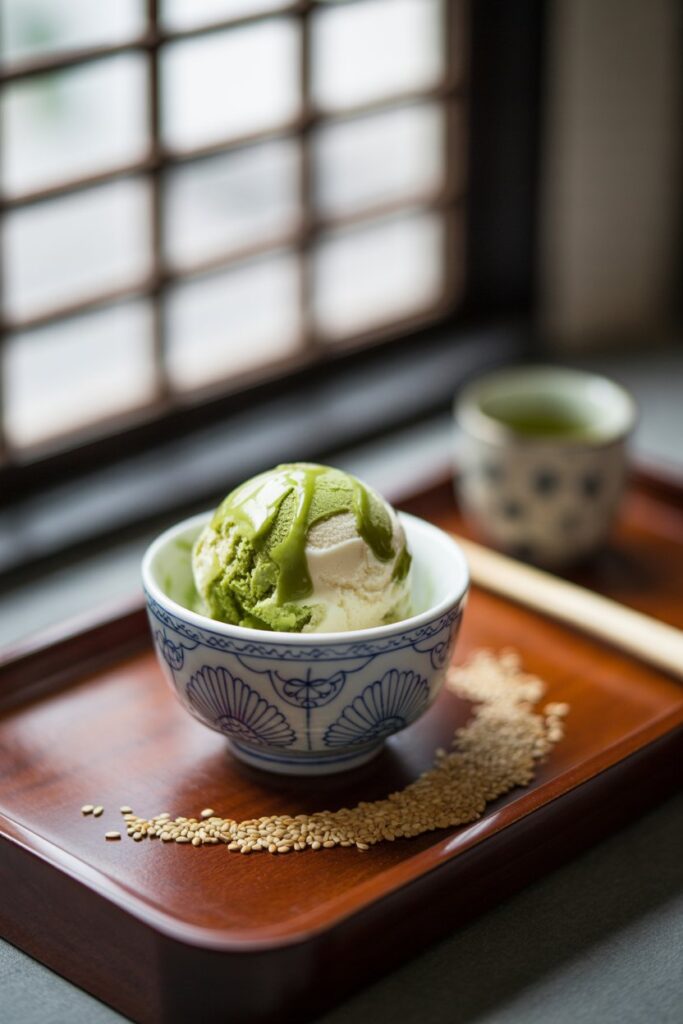
In traditional Chinese festivals such as the Lunar New Year and the Mid-Autumn Festival, food plays a central role in symbolizing luck, prosperity, and family unity. Vegan-friendly frozen desserts—like those made from tofu, red bean, and sweet taro—often appear as refreshing treats during these celebrations, especially in warmer months.
For instance, red bean ice cream or tofu-based frozen desserts are enjoyed as light, sweet endings after lavish festival meals. They symbolize purity and renewal, aligning well with the themes of cleansing and fresh starts that define many Chinese festivals. As more people embrace veganism, these traditional desserts gain new popularity, helping maintain cultural continuity while supporting ethical and health-conscious choices.
Weird & Wonderful Vegan Chinese Ice Cream Variations You Didn’t Know Existed
While classic flavors like black sesame and matcha remain favorites, modern chefs and home cooks are experimenting with unexpected vegan ice cream creations that blend tradition with innovation.
Imagine ice creams infused with floral essences such as osmanthus or chrysanthemum, popular in herbal teas and desserts for their delicate aroma. Or try vegan ice cream incorporating seaweed for a subtle umami twist, a flavor profile rarely seen in Western sweets. There are even versions inspired by savory dishes—think soy sauce caramel or fermented bean paste blends—that challenge the boundaries of what ice cream can be.
These creative flavors showcase how vegan Chinese ice cream is an evolving art, where cultural heritage meets contemporary culinary curiosity.
Reader Poll / Quiz Idea: “What Vegan Chinese Ice Cream Flavor Are You?”
To make the reading experience more interactive, consider including a fun quiz or poll inviting readers to discover their perfect vegan Chinese ice cream match. This not only engages visitors but also encourages sharing and repeat visits.
Example questions could explore flavor preferences (sweet vs. savory), texture likes (creamy vs. chewy), or cultural connections (favorite festival or ingredient). After answering, readers receive a personalized flavor recommendation like “You’re a bold black sesame!” or “You’re a refreshing lychee sorbet!” This type of interactive content helps deepen the connection between your audience and the topic, making the blog memorable and enjoyable.
How to Incorporate Vegan Chinese Ice Cream Into Your Lifestyle
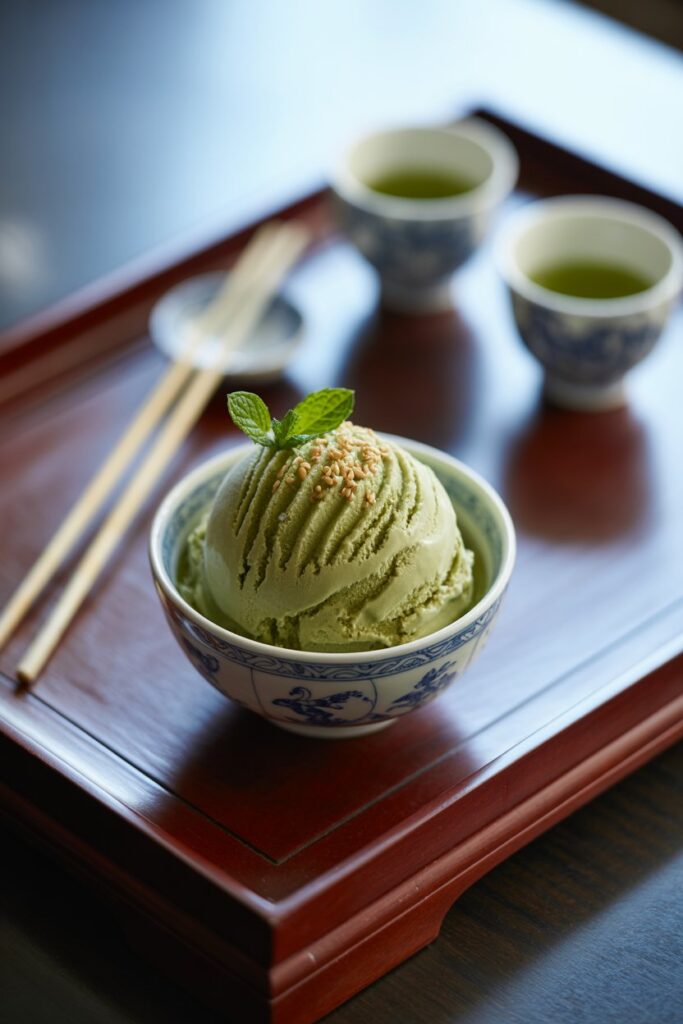
While vegan Chinese ice cream is a standout dessert on its own, it can also be part of a broader, balanced plant-based lifestyle. From pairing it with full-course vegan meals to exploring its wellness benefits and connecting with like-minded food lovers, this frozen treat has more to offer than just a sweet finish.
Pairing Vegan Chinese Ice Cream with Other Vegan Asian Dishes
A well-rounded vegan dining experience doesn’t stop at dessert. Chinese cuisine is rich with naturally vegan dishes that pair beautifully with frozen treats. Here’s a sample meal flow that highlights harmony in both flavor and tradition:
- Starter: Cold sesame noodles or cucumber salad with vinegar and garlic
- Main Course: Braised tofu with shiitake mushrooms, stir-fried bok choy, or mapo tofu (vegan-style)
- Drink Pairing: Chrysanthemum tea, soy milk, or plum juice for a cooling contrast
- Dessert: Black sesame ice cream with warm red bean paste or taro ice cream alongside steamed glutinous rice cakes
These combinations balance warm and cold, savory and sweet, soft and chewy—staying true to the texture-conscious traditions of Chinese cuisine.
Vegan Chinese Ice Cream for Health and Wellness
For those who see dessert as more than indulgence, vegan Chinese ice cream can also be a wellness-friendly option. Many varieties are made with low-calorie, whole food ingredients like red beans, coconut milk, and soy. Unlike dairy-based ice creams, these versions are typically cholesterol-free and suitable for people with lactose intolerance, a common condition in many Asian populations.
Some artisan makers are even adding probiotic cultures to their non-dairy bases, especially those made from soy or oat milk, to support gut health. Additionally, flavors like matcha and black sesame are not only tasty but rich in antioxidants and minerals.
For allergy-conscious eaters, many vegan brands now clearly label products that are nut-free, gluten-free, or soy-free, making it easier than ever to indulge mindfully.
Community & Resources: Where to Learn More and Connect
If you’re excited to keep exploring the world of vegan Chinese ice cream and plant-based Asian cuisine, you don’t have to go it alone. There’s a growing online and offline community where you can discover new recipes, restaurants, and even join conversations around sustainable eating.
Here are a few places to start:
Vegan Food Blogs with an Asian Focus
- The Woks of Life (plant-forward Chinese recipes)
- East Meets Vegan (veganized Asian classics)
- Mary’s Test Kitchen (vegan dim sum, street food, and desserts)
Social Media Communities
- r/VeganAsian on Reddit
- Facebook groups like “Asian Vegan Recipes” and “Plant-Based Chinese Cooking”
- Instagram hashtags: #VeganAsian, #ChineseVeganFood, #DairyFreeDesserts
Events & Festivals
- VeggieWorld Asia (plant-based expo in Hong Kong and Shenzhen)
- Taipei Vegan Festival
- Local vegan night markets in cities like Shanghai, Beijing, and Los Angeles
By connecting with these resources, you’ll find inspiration, support, and maybe even your next favorite ice cream flavor.
Why Vegan Chinese Ice Cream Deserves a Spot in Your Freezer
Vegan Chinese ice cream isn’t just a plant-based alternative—it’s a rich, culturally rooted dessert experience that blends tradition, innovation, and wellness in every bite. From unexpected flavors like black sesame and taro to chewy textures and festival-worthy pairings, it offers something refreshingly different from Western-style frozen treats. Whether you’re exploring it for health reasons, ethical choices, or pure curiosity, adding this unique dessert to your lifestyle opens up a new world of flavor, culture, and community—one scoop at a time.