


Chicken Francese is a golden, lemon-kissed chicken dish that bridges the elegance of Italian flavors with the heartiness of American home cooking. Lightly coated in a delicate flour-and-egg batter, then bathed in a velvety lemon butter sauce, it’s the kind of recipe that feels restaurant-worthy yet is surprisingly easy to make in your own kitchen. With its crisp exterior, tender interior, and bright citrus aroma, Chicken Francese has earned a spot as a timeless Italian-American classic that never fails to impress.
What Makes Chicken Francese a Standout Italian-American Classic

With its golden, delicate coating and bright lemon butter sauce, Chicken Francese is more than just another chicken dinner — it’s a dish that has earned its place as a hallmark of Italian-American cuisine. Its appeal lies in the perfect balance of rich, comforting flavors and a light, citrusy freshness that works for both casual family meals and elegant dinner parties. Over the decades, it has become a favorite in Italian restaurants across the United States, particularly in New York, where it first gained popularity.
A Brief Origin Story
Although Chicken Francese sounds like it might have come directly from Italy, it is actually a creation of Italian-American cuisine. The dish is believed to have been popularized in New York by Italian immigrants who adapted a classic veal preparation, replacing veal with chicken to suit local tastes and budgets. This clever adjustment transformed it into a dish that was not only more affordable but also easier to prepare at home, which helped it become a favorite in both family kitchens and Italian-American restaurants. Over the years, it gained a reputation for its tender chicken cutlets coated in a delicate batter and finished with a bright, lemon-infused butter sauce. The name is sometimes written as Chicken Francaise, a variation often seen on menus and in online searches, but both refer to the same flavorful classic.
Chicken Francese vs Chicken Piccata — What’s the Difference?
While both dishes share Italian-American roots and a tangy lemon butter sauce, their preparation techniques and flavor profiles differ. Chicken Francese is dredged in flour, dipped in an egg wash, and then pan-fried, creating a smooth and tender coating. Chicken Piccata skips the egg dip, uses only flour for the crust, and incorporates capers into the sauce for a briny, slightly sharper flavor.
| Feature | Chicken Francese | Chicken Piccata |
|---|---|---|
| Coating | Flour + Egg Batter | Flour Only |
| Sauce | Lemon Butter (no capers) | Lemon Butter + Capers |
| Origin | Italian-American | Italian-American |
The Key Elements of Perfect Chicken Francese
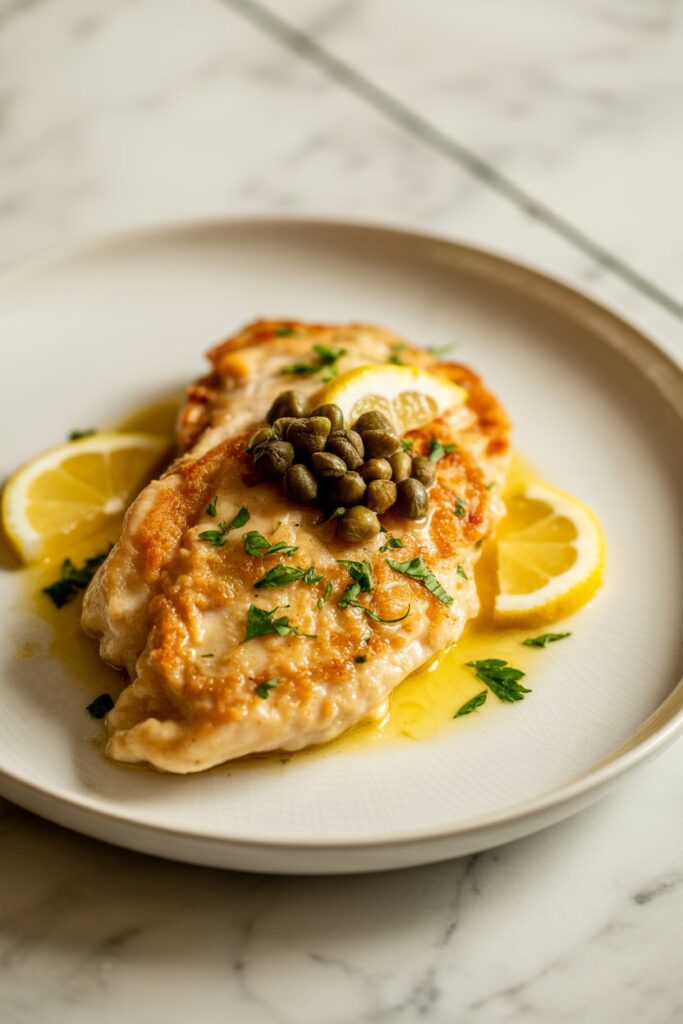
Creating an exceptional Chicken Francese relies on mastering a few essential components that work together to deliver its signature flavor and texture. From selecting the right chicken cut to perfecting the lemon butter sauce and coating technique, each element plays a vital role in making this dish truly stand out.
Choosing the Right Cut of Chicken
For the best results, thinly pounded chicken breast is the ideal choice. Its even thickness ensures quick, uniform cooking and helps achieve the tender, juicy texture that defines great Chicken Francese. However, for those looking to experiment or add variety, boneless, skinless chicken thighs can offer a richer flavor and slightly more forgiving texture. Turkey cutlets also make a delicious alternative, providing a lean option that still crisps beautifully when prepared with the traditional batter.
The Signature Lemon Butter Sauce
The bright, tangy lemon butter sauce is the heart of Chicken Francese’s flavor profile. Fresh lemon juice is essential here, providing a vibrant citrus note that balances the richness of the butter and complements the savory chicken. While the classic sauce typically features just lemon, butter, and a touch of white wine, some variations include a splash of wine for depth or a creamy version that adds a smooth, velvety texture. Each variation offers a unique twist while maintaining the dish’s characteristic brightness.
The Coating Technique that Makes It Unique
What sets Chicken Francese apart is its distinctive coating, created by dipping the chicken first in flour and then in an egg batter before pan-frying. This two-step process results in a delicate, golden crust that is both tender and slightly crisp. To avoid soggy coating, it’s important not to overcrowd the pan and to cook the chicken over medium heat, allowing the batter to set properly. If the crust is not crisping as desired, lightly patting the chicken dry before dredging and using a bit more oil can help achieve that perfect texture.
Flavor Twists and Creative Variations
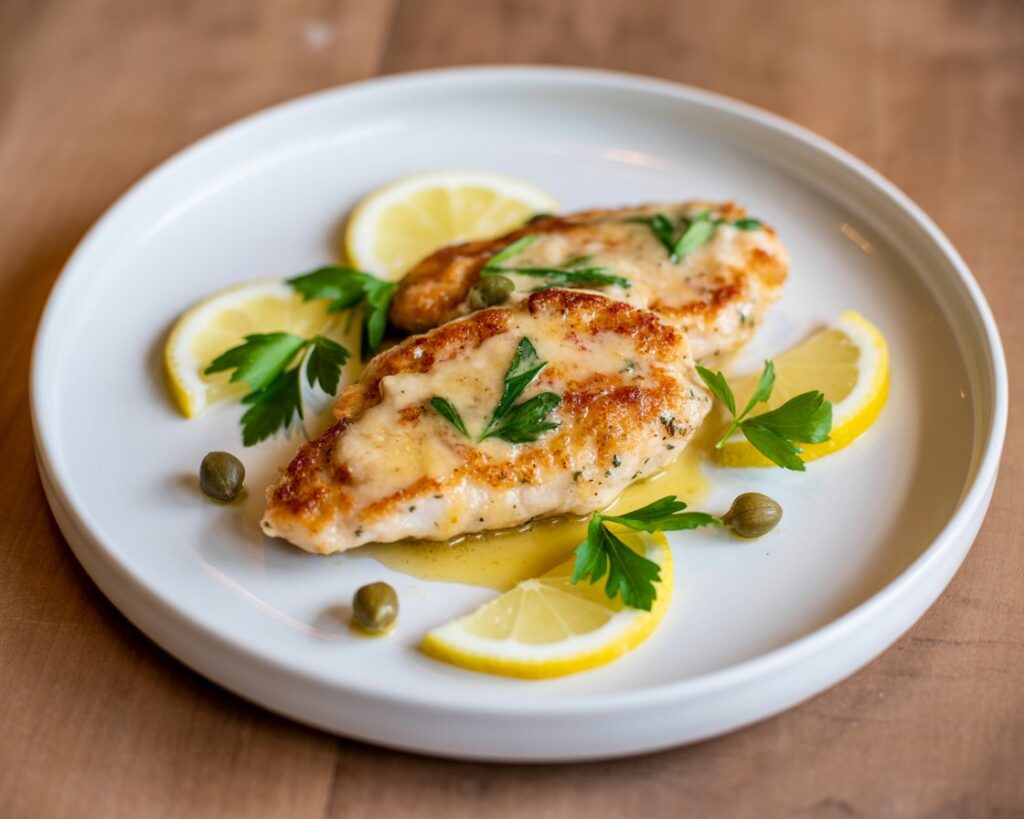
While the classic Chicken Francese recipe is beloved for its simplicity and bright flavors, there are plenty of ways to adapt and elevate this dish to suit different tastes and dietary needs. Whether you’re aiming for a healthier version or looking to impress with restaurant-style flair, creative twists can keep this Italian-American favorite exciting and fresh.
Health-Conscious Tweaks
For those following gluten-free or low-carb diets, simple substitutions can make Chicken Francese more accommodating without sacrificing flavor. Swapping traditional all-purpose flour with almond flour or a gluten-free flour blend allows for a crisp coating that’s safe for gluten-sensitive eaters. Additionally, using heart-healthy oils like avocado or olive oil instead of butter or vegetable oil can reduce saturated fat, keeping the dish lighter while maintaining its delicious texture.
Restaurant-Style Upgrades
Elevate your Chicken Francese by incorporating fresh herbs such as thyme, rosemary, or parsley into the egg batter for a fragrant twist. Adding finely grated Parmesan cheese to the batter can introduce a subtle umami richness that complements the lemon butter sauce perfectly. Another way to boost flavor is by using garlic-infused oil for frying, imparting a gentle aromatic depth that makes the dish feel more gourmet without extra effort.
Serving Chicken Francese Beyond Pasta
While pairing Chicken Francese with pasta is traditional, exploring alternative sides can refresh the experience. Creamy risotto offers a luxurious texture that complements the crisp chicken, while light zucchini noodles provide a low-carb, vegetable-packed option. Fluffy couscous is another excellent choice, absorbing the lemon butter sauce beautifully and adding a pleasant texture contrast.
Pairing Ideas Table
| Side Dish | Why It Works |
|---|---|
| Risotto | Creamy texture balances the crisp chicken |
| Zucchini Noodles | Light, fresh alternative to pasta |
| Couscous | Absorbs sauce well, adds a subtle nuttiness |
| Roasted Asparagus | Earthy flavor pairs with bright lemon notes |
| Garlic Mashed Potatoes | Comforting base that complements buttery sauce |
Pairing Chicken Francese with Sides, Wine, and More
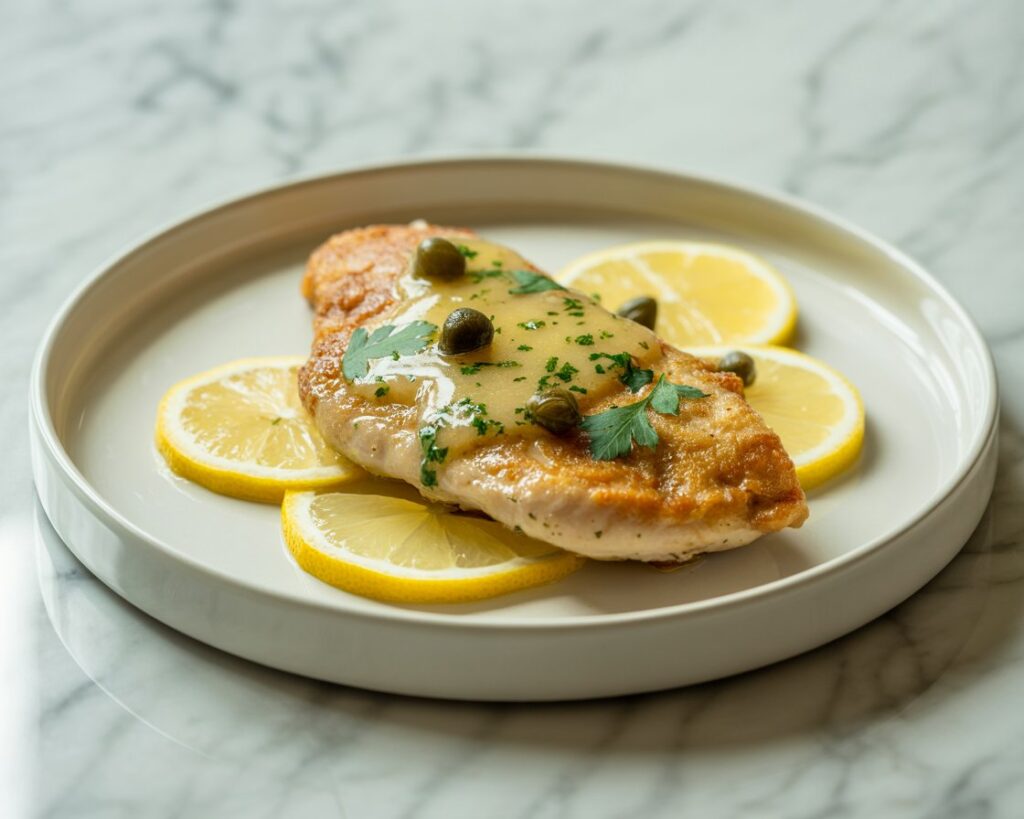
The right accompaniments can elevate Chicken Francese from a delicious main dish to a well-rounded, memorable meal. Balancing flavors and textures on the plate and in the glass enhances the overall dining experience and highlights the dish’s bright lemon butter sauce.
Perfect Side Dishes for Balance
To complement the richness of the chicken and its tangy sauce, fresh and simple sides work best. Steamed or sautéed green beans add a crisp, slightly earthy note that contrasts nicely with the buttery flavors. Roasted potatoes bring a comforting, hearty element with their crispy edges and soft centers. For a lighter, refreshing option, a classic Caprese salad—ripe tomatoes, fresh mozzarella, basil, and a drizzle of olive oil—offers a bright, herbaceous counterpoint that pairs beautifully with the lemon sauce.
Wine Pairing Guide
The citrusy lemon butter sauce of Chicken Francese calls for wines with good acidity to match its brightness without overpowering the flavors. Pinot Grigio is a classic pairing, with its crisp, light profile and subtle fruitiness that complements the dish’s freshness. Sauvignon Blanc offers zesty citrus and herbal notes that echo the lemon and herbs in the recipe. Chardonnay, especially unoaked or lightly oaked styles, brings a richer mouthfeel and buttery undertones that harmonize well with the sauce.
Wine Acidity vs. Lemon Sauce Flavor Chart
| Wine Variety | Acidity Level | How It Complements Lemon Sauce |
|---|---|---|
| Pinot Grigio | Medium-High | Brightens and refreshes the palate |
| Sauvignon Blanc | High | Enhances citrus notes and herbal flavors |
| Chardonnay | Medium | Adds richness without overpowering |
Tips for Getting Chicken Francese Right Every Time

Mastering Chicken Francese requires attention to a few key details that ensure the dish turns out tender, flavorful, and perfectly sauced every time. Avoiding common pitfalls and knowing how to handle leftovers can make your cooking experience more enjoyable and your meals more delicious.
Common Mistakes to Avoid
One of the most frequent errors is overcooking the chicken, which results in dryness and a tough texture. Since the cutlets are thin, they cook quickly, so monitoring heat and cooking time is essential. Another common issue is ending up with a watery sauce—this usually happens when the pan isn’t hot enough to reduce the sauce properly or if too much liquid is added at once. Finally, an incorrect coating method, such as skipping the egg dip or not drying the chicken beforehand, can lead to soggy or uneven crusts instead of the signature golden, tender coating.
Make-Ahead and Reheating Advice
If you need to prepare Chicken Francese in advance, store the cooked chicken and sauce separately in airtight containers to maintain crispiness. When reheating, use a skillet over medium heat rather than a microwave to help restore the coating’s texture. Reheat the sauce gently on the stove to avoid breaking or curdling.
Turning Leftovers into a New Dish
Leftover Chicken Francese can be transformed into several tasty meals. Slice the chicken and layer it in a sandwich with fresh greens and a smear of aioli for a quick lunch. Wrap it with vegetables and cheese in a tortilla for a flavorful wrap. Alternatively, chop the chicken and toss it into a creamy pasta sauce for an indulgent dinner that feels completely new.
Mastering the Perfect Chicken Francese for Your Kitchen
Chicken Francese is a timeless Italian-American classic that combines simple ingredients with elegant flavors. By focusing on key elements like choosing the right cut of chicken, mastering the lemon butter sauce, and perfecting the coating technique, you can easily recreate this restaurant favorite at home. Whether you stick to the traditional recipe or explore creative variations and pairings, Chicken Francese offers versatility and deliciousness that suits any occasion. With these tips and insights, you’re well-equipped to make perfect Chicken Francese every time and impress your family and guests.
