

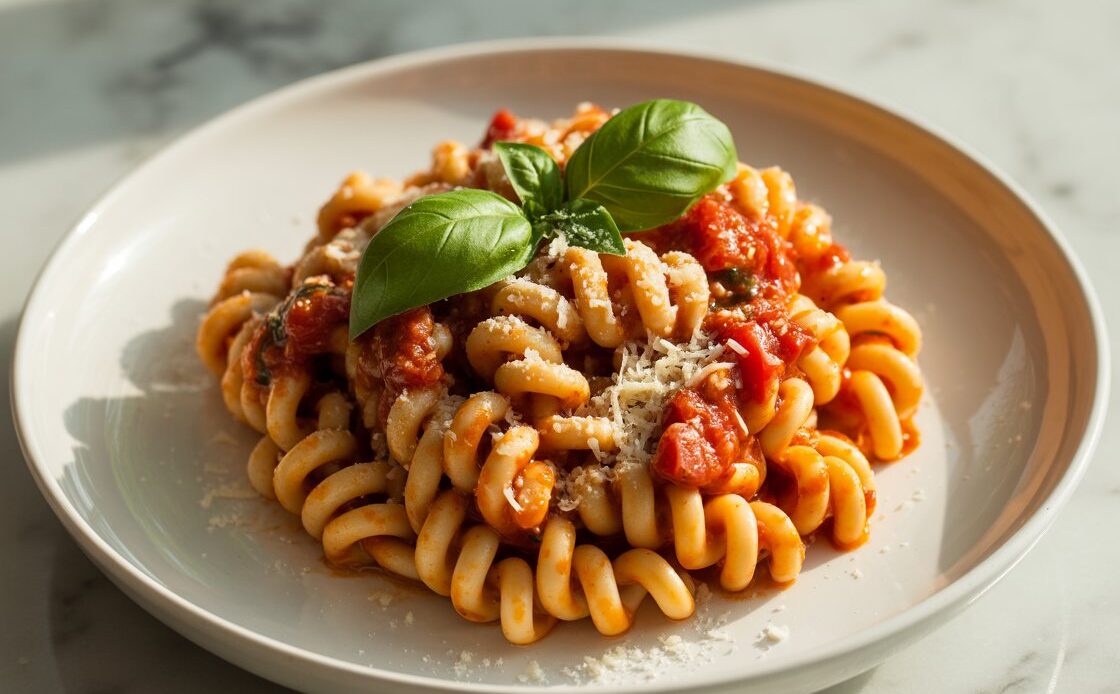
Cavatappi pasta recipe lovers, you’re in for a treat. This isn’t just another pasta dish—it’s a flavorful journey built around the perfect marriage of spiral-shaped noodles and a rich, homemade tomato basil sauce. Whether you’re craving a cozy weeknight dinner or a showstopper meatless meal, this recipe hits the sweet spot between comfort and sophistication. In this post, we’ll explore what makes cavatappi such a sauce-loving superstar, dive into the flavor science behind the tomato-basil duo, and offer up creative twists and serving ideas that go beyond the usual. Let’s stir up something truly special.
Why Cavatappi Pasta Works So Well with Tomato Basil Sauce
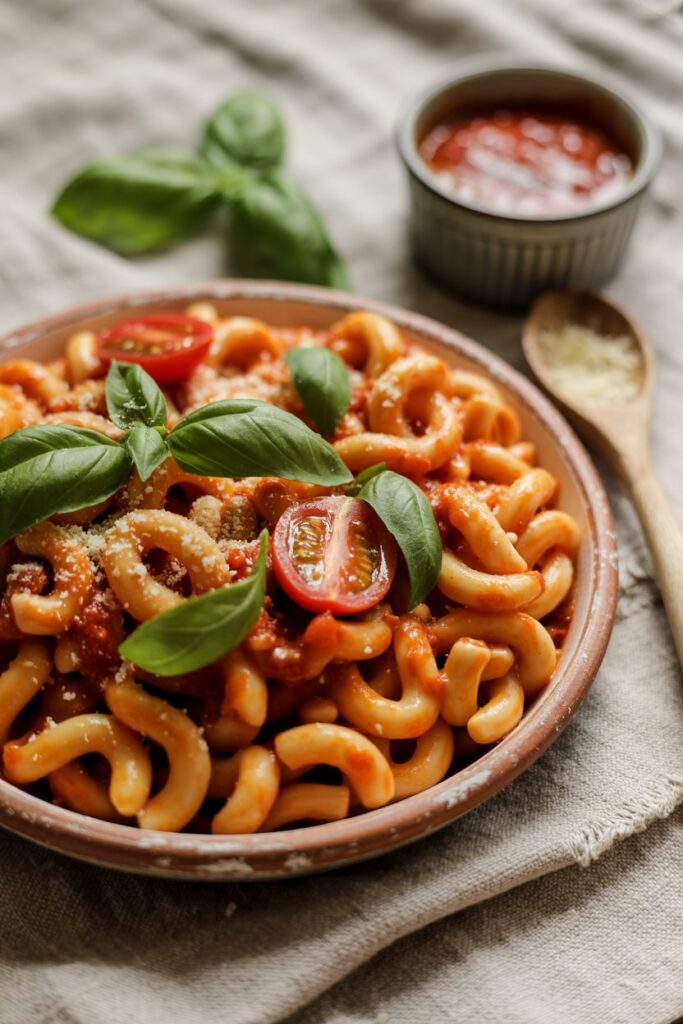
The beauty of a cavatappi pasta recipe lies not just in its ingredients, but in how those elements interact. One of the most important—and often overlooked—factors in a great pasta dish is the shape of the pasta itself. Cavatappi, with its ridged, spiral form, is uniquely suited to thick, flavorful sauces like tomato basil. But there’s more to this pairing than just looks—let’s break down why these two belong together on your plate.
The Magic of Cavatappi’s Shape
Cavatappi’s signature corkscrew shape isn’t just for fun—it serves a real culinary purpose. The spirals trap thick sauces in every twist, while the ridges hold onto texture-rich ingredients like bits of garlic, tomato pulp, or grated cheese. This makes every bite consistently saucy and flavorful.
Its hollow center, similar to that of macaroni, allows sauce to flow through, offering a multidimensional taste experience. Unlike smoother shapes like spaghetti or rigatoni, cavatappi gives you the best of both bite and cling, especially when paired with a slightly chunky tomato basil sauce.
Here’s a quick comparison to show how cavatappi pasta stacks up against other popular shapes:
| Pasta Shape | Sauce Retention | Texture | Ideal Pairings |
|---|---|---|---|
| Cavatappi | Excellent | Springy, chewy | Thick sauces, creamy or tomato-based |
| Penne | Good | Firm, smooth | Meat sauces, baked dishes |
| Fusilli | Very good | Twisty, soft | Pesto, light tomato, creamy sauces |
Flavor Chemistry – Tomato, Basil & Pasta
Pairing cavatappi pasta with a tomato basil sauce is more than a classic—it’s a flavor strategy. The slight acidity of tomato sauce balances the natural starchiness of pasta, cutting through any heaviness while highlighting the pasta’s hearty bite. Add in the fragrant brightness of fresh basil, and you’ve got a balanced trifecta that excites the palate.
Tomatoes bring umami and brightness. Basil, especially when torn fresh just before serving, adds a cooling herbal note that lifts the richness of the sauce. The pasta—firm and slightly chewy—anchors it all with substance.
In flavor pairing terms, this dish works because it blends acid, herbaceous notes, and savory depth in a way that each component amplifies the next. Think of it like music—tomato is the rhythm, basil the melody, and pasta the bass line tying everything together.
An infographic here would help visualize how each ingredient contributes to the overall taste harmony—perfect for food lovers who want to understand why something tastes so good, not just that it does.
Choosing the Right Ingredients for Maximum Flavor
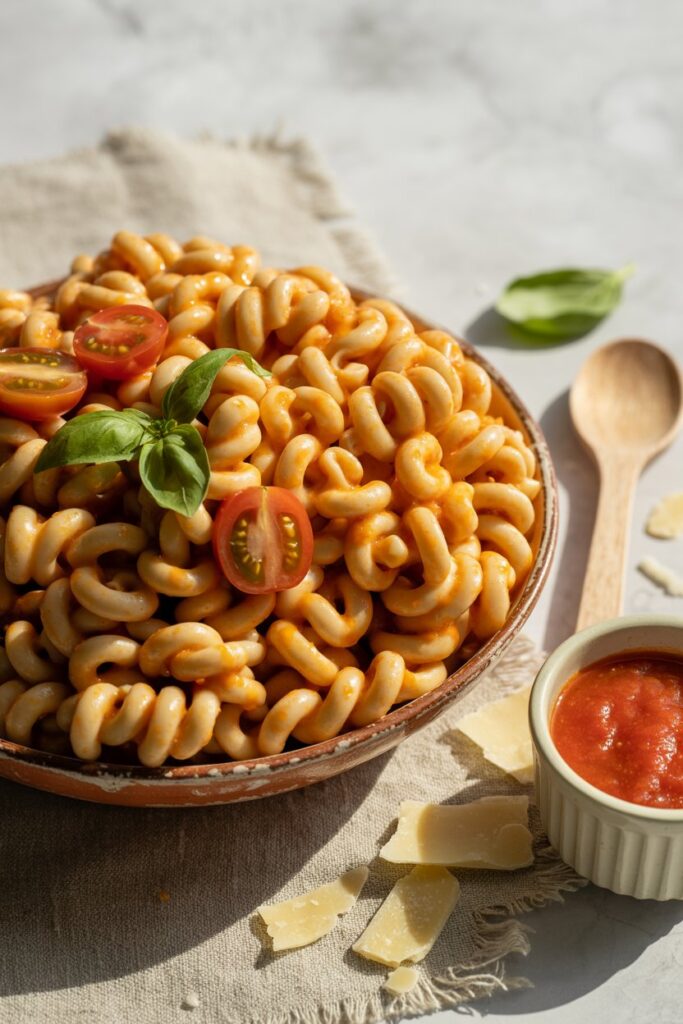
When it comes to creating a cavatappi pasta recipe that stands out, the quality of your ingredients plays a significant role in achieving the perfect balance of flavors. A dish as simple as pasta with tomato basil sauce can easily be elevated with the right choice of tomatoes, basil, oils, and cheeses. Let’s break down the key ingredients and why they matter.
Tomatoes That Make a Difference
The foundation of a great tomato basil sauce begins with the tomatoes themselves. Not all tomatoes are created equal, and the type you choose will directly impact the depth and richness of your sauce. Here’s a comparison of the most common types used in sauces:
| Tomato Type | Taste Profile | Pros | Cons | Best For |
|---|---|---|---|---|
| Fresh Tomatoes | Bright, tangy flavor | Great for lighter sauces | May need to be peeled and deseeded | Salads, raw dishes |
| Canned Tomatoes | Sweet, rich, and concentrated | Convenient, no peeling necessary | Can be acidic or watery | Sauces, stews |
| San Marzano Tomatoes | Sweet, less acidic, robust | Ideal for sauces, known for low acidity and rich flavor | More expensive | Pasta sauces, pizzas |
Why San Marzano = Sauce Gold
When it comes to tomato basil sauce, San Marzano tomatoes are considered the gold standard. These tomatoes, grown in the volcanic soil of Italy, are known for their naturally sweet flavor and low acidity. They provide a velvety texture and a deep, rich taste, making them the ideal base for tomato-based sauces. If you’re looking to make a truly exceptional cavatappi pasta dish, investing in San Marzano tomatoes will elevate your recipe to restaurant-quality levels.
Not All Basil Is Equal – What to Look For
While tomato provides the rich foundation for the sauce, basil adds a fresh, aromatic lift that completes the flavor profile. However, not all basil varieties are the same, and choosing the right one can make a noticeable difference in your dish.
| Basil Type | Flavor Profile | Best Uses |
|---|---|---|
| Sweet Basil | Sweet, slightly peppery | Ideal for tomato sauces, pesto, salads |
| Thai Basil | Spicy, anise-like | Great for Asian dishes, stir-fries, curries |
Tip Box: How to Store Fresh Basil Longer
To extend the life of your fresh basil, follow these simple storage tips:
- Trim the stems and place basil in a glass of water like a bouquet.
- Cover loosely with a plastic bag and store at room temperature for up to 3 days.
- For longer storage, freeze whole leaves or pesto in ice cube trays for easy future use.
Oils, Cheese & Add-Ons That Elevate
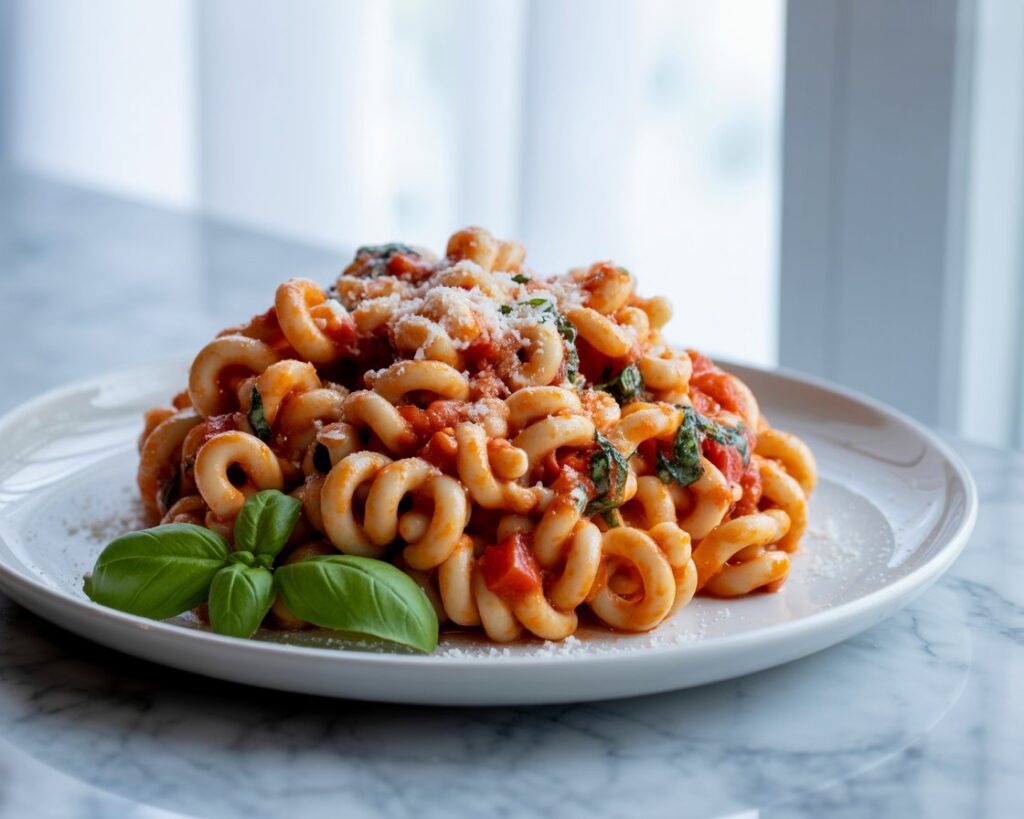
While tomato and basil are the stars of the show, the olive oil and cheese you use will further enhance the flavor profile and texture of your dish.
Best Olive Oil Types for Pasta
Not all olive oils are made equal, and the right one can make a huge difference. Look for extra virgin olive oil (EVOO) for its full-bodied flavor and natural aroma. It works beautifully in pasta sauces, as it adds richness and depth. For a more delicate flavor, try a light olive oil, especially if you’re using other strong ingredients like garlic or herbs.
Parmesan vs Pecorino Romano
When it comes to cheese, two types stand out in cavatappi pasta recipes: Parmesan and Pecorino Romano.
- Parmesan (Parmigiano Reggiano) offers a nutty, creamy, and slightly fruity flavor that complements the acidity of tomato sauce.
- Pecorino Romano, made from sheep’s milk, has a sharper, saltier taste that cuts through the richness of the sauce.
Both cheeses can be used in your pasta, but the choice depends on your personal taste—whether you want something smooth and nutty or bold and tangy.
By carefully selecting the right tomatoes, basil, oils, and cheeses, you’ll ensure that your cavatappi pasta with tomato basil sauce is bursting with vibrant flavors and incredible depth.
How to Cook Cavatappi Pasta Perfectly Every Time
Cooking cavatappi pasta perfectly may seem like a simple task, but getting it just right can elevate your dish to a whole new level. Whether you’re aiming for the ideal al dente bite or ensuring the pasta absorbs every bit of flavor from your tomato basil sauce, knowing the right ratios and techniques is key. Let’s walk through how to achieve pasta perfection every time.
The Golden Ratio for Al Dente
Getting the right texture is essential to making the best cavatappi pasta recipe. Al dente, which means “to the tooth” in Italian, refers to pasta that is tender but still firm to the bite. Cooking pasta perfectly requires paying attention to water-to-pasta ratios, the right amount of salt, and precise cooking times.
Here’s a table that breaks down the most important elements for cooking cavatappi pasta to perfection:
| Water-to-Pasta Ratio | Salt Amount | Cooking Time (for Al Dente) |
|---|---|---|
| 4-6 quarts of water per 1 pound of pasta | 1 tablespoon per 4 quarts of water | 9-11 minutes (for cavatappi) |
Fun Visual: Al Dente vs Overcooked Pasta Textures
An infographic or a side-by-side image comparing al dente pasta (firm and slightly chewy) to overcooked pasta (soft and mushy) will visually highlight why the right cooking time matters. The key to perfect cavatappi pasta is timing—anything beyond al dente and you risk losing that satisfying bite, which is essential for holding up to the sauce.
Pro Tips for Draining Without Losing Flavor
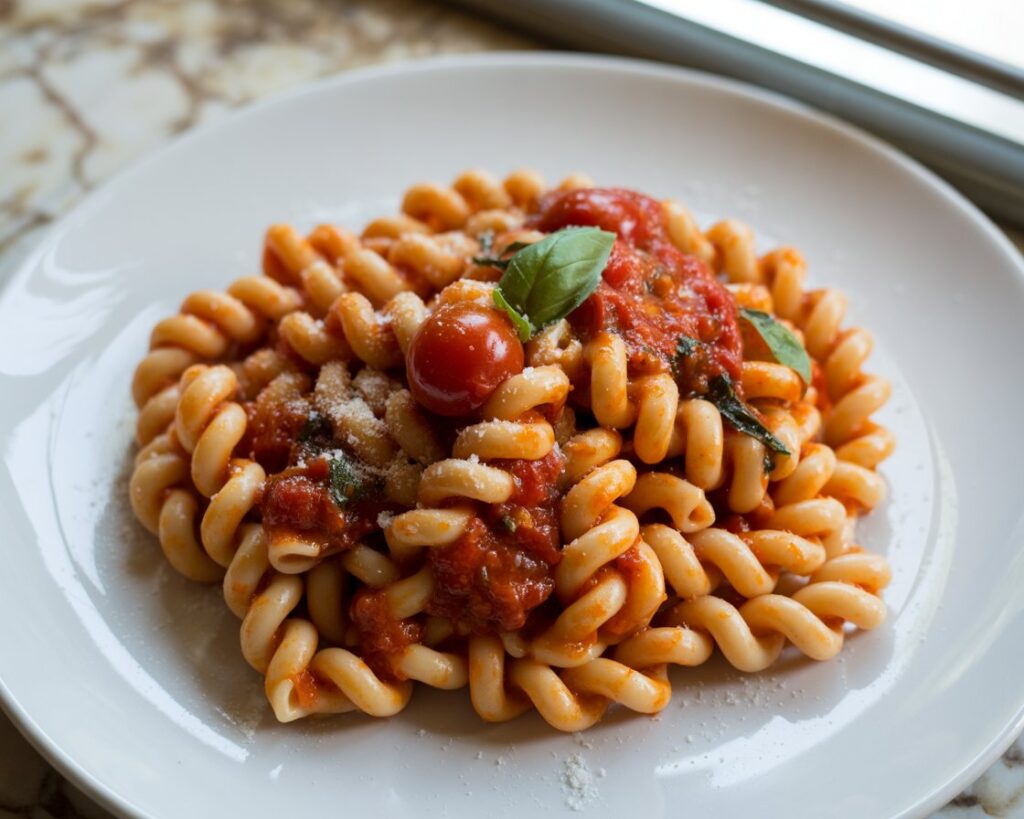
Once your cavatappi pasta is cooked to perfection, it’s important to drain it the right way to retain the maximum flavor. Don’t just toss your pasta into a colander and be done with it—there’s a method to keep the pasta from losing its taste and texture.
Why Pasta Water is Liquid Gold
The starchy water that remains after boiling pasta is a secret weapon for making your sauce even better. Save a cup or two of pasta water before draining—this water helps thicken your tomato basil sauce and creates a silkier texture when mixed with the sauce.
Tip: How to Finish Cooking Pasta in the Sauce
One pro tip to take your dish to the next level is to finish cooking the pasta directly in the sauce. After draining your cavatappi pasta, add it to the simmering tomato basil sauce along with a bit of reserved pasta water. This allows the pasta to soak up the sauce and absorb more flavor. Stir occasionally and cook for an additional 1-2 minutes to achieve the perfect blend of flavors.
By following these steps, you can ensure your cavatappi pasta always has the right texture and is perfectly coated in your delicious tomato basil sauce.
Pairing and Serving Ideas to Complete the Meal
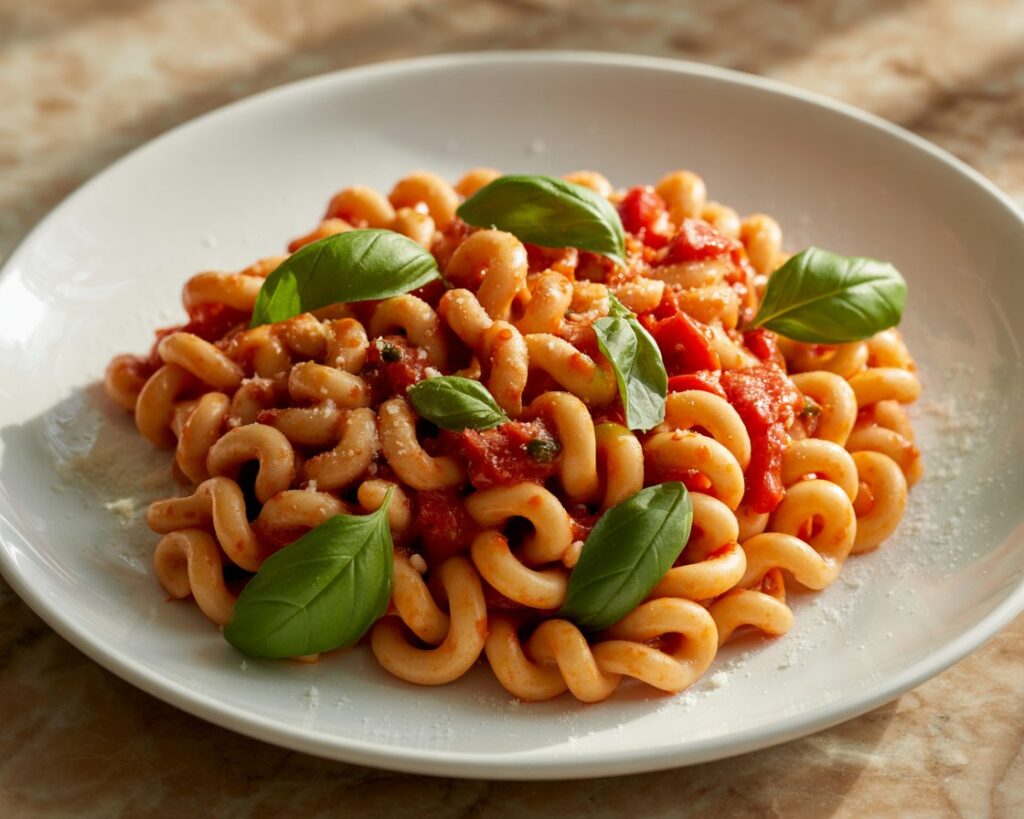
A delicious cavatappi pasta dish deserves a well-rounded meal, and that means pairing it with sides that complement its rich flavors. Whether you’re hosting a dinner party or preparing a cozy weeknight meal, here are some fun and creative ideas to elevate your pasta experience. Let’s explore simple, yet impressive, side dishes and serving tips to make your tomato basil sauce pasta truly shine.
Simple Side Dishes That Make It a Meal
While cavatappi pasta with tomato basil sauce is already a hearty dish, adding a few simple sides can create a complete meal that will impress your guests (or just make your family’s weeknight dinner feel special). Here are a few side dish ideas that pair perfectly with the richness of the pasta:
| Side Dish | Flavor Profile | Best Paired With |
|---|---|---|
| Light Salad | Fresh, crisp, tangy | Balances the richness of the pasta sauce |
| Garlic Bread | Buttery, garlicky, crispy | Complements the hearty pasta sauce |
| Roasted Vegetables | Earthy, sweet, caramelized | Adds texture and flavor depth to the meal |
Wine Pairings: Red for Richness, White for Contrast
Wine can elevate any meal, and pairing it with your cavatappi pasta is no exception. For a dish with tomato basil sauce, you’ll want wines that complement both the acidity of the tomatoes and the richness of the pasta.
- Red Wine: A bold red like Chianti or Sangiovese will enhance the savory flavors and work with the tomato acidity. A Cabernet Sauvignon can also pair well with the richness of the cheese and sauce.
- White Wine: A Pinot Grigio or Chardonnay will offer a refreshing contrast, balancing the heaviness of the pasta with their crisp, light notes.
Making It a Crowd-Pleaser or Weeknight Winner
Whether you’re cooking for a family dinner or a group of friends, making your cavatappi pasta the star of the meal can be easy and stress-free. Here are some simple adjustments to ensure everyone enjoys the dish.
Adjusting for Kids (Less Spice, More Cheese)
If you’re serving cavatappi pasta to kids, consider making a few adjustments to keep it kid-friendly. A mild tomato basil sauce (skip the red pepper flakes or any spicy additions) will ensure the dish is tasty without being too bold for younger palates. Additionally, don’t be afraid to add extra cheese! A generous sprinkle of Parmesan or mozzarella can make the dish more indulgent and appealing to kids.
Double Batch and Freezer Tips
Cavatappi pasta with tomato basil sauce makes for a fantastic meal prep option. Prepare a double batch, then freeze half for a future meal. When you freeze it, ensure that the pasta is slightly undercooked before storing it—this way, it won’t become too mushy when reheated. Simply reheat the pasta and sauce together, adding a little reserved pasta water to bring everything back to life. It’s a perfect solution for those busy weeknights when you want a homemade meal in minutes.
With these side dish ideas and meal prep tips, you’ll never run out of ways to enjoy your cavatappi pasta with tomato basil sauce, whether you’re impressing guests or feeding the family.
FAQs and Pro Tips from the Test Kitchen
We’ve tested and perfected this cavatappi pasta with tomato basil sauce to make sure every bite is packed with flavor. But we know that when it comes to cooking, you might have a few more questions. Here are some frequently asked questions and expert tips to help you get the most out of your pasta dish and to make your cooking experience even smoother.
Can I Make This Ahead of Time?
Absolutely! One of the best things about cavatappi pasta with tomato basil sauce is that it holds up beautifully when made ahead of time. In fact, the flavors of the sauce tend to deepen and meld together if you let it sit for a few hours or even overnight.
To make this ahead of time:
- Prepare the tomato basil sauce and cook the cavatappi pasta separately.
- Store the pasta and sauce in airtight containers and keep them in the fridge.
- When ready to serve, reheat the sauce and toss the pasta with the sauce. If the pasta has absorbed too much sauce while sitting, you can add a little pasta water to loosen it up.
What’s the Best Way to Reheat Cavatappi Pasta Without Drying It Out?
The key to reheating cavatappi pasta without losing its texture and flavor is to be gentle and to add moisture back into the dish. Here are a couple of methods for reheating:
- Stovetop: Add your pasta and sauce to a skillet. Pour a small amount of reserved pasta water into the pan and heat over medium heat. Stir occasionally until the pasta is heated through. The pasta water will help restore its silky texture.
- Microwave: Place your pasta and sauce in a microwave-safe container. Add a splash of pasta water or a bit of extra olive oil to prevent it from drying out. Cover loosely with a microwave-safe lid or paper towel and heat in 30-second intervals, stirring in between.
Is This Recipe Vegetarian-Friendly? Can I Add Protein?
Yes, this cavatappi pasta recipe is naturally vegetarian-friendly! The tomato basil sauce is made with simple plant-based ingredients, and the pasta is a perfect base for a vegetarian meal.
However, if you’re looking to add protein to make it more filling or if you’re feeding meat-eaters, there are several great options:
Suggestions:
- Grilled Chicken: Lightly seasoned grilled chicken can add a lean protein option without overpowering the pasta’s delicate flavors.
- Shrimp: For a seafood twist, sauté shrimp in a bit of garlic and olive oil and serve them atop the pasta. Shrimp pairs perfectly with the fresh basil and tomato sauce.
- Chickpeas: For a plant-based protein option, toss in roasted chickpeas for added texture and nutrition.
No matter which protein you choose, your cavatappi pasta will remain delicious, satisfying, and adaptable to any dietary preference.
Why This Cavatappi Pasta with Tomato Basil Sauce is a Must-Try
There’s no doubt that this cavatappi pasta with tomato basil sauce will become a staple in your kitchen. From its perfectly cooked pasta to the rich, vibrant sauce, every element of this dish is designed to please your taste buds and make mealtime feel special. Whether you’re making it for a weeknight dinner or a gathering with friends, it’s a dish that never disappoints.
To make it even easier, you can prep this dish ahead of time and store it for later, ensuring that you always have a delicious meal on hand. And if you’re looking for more pasta inspiration, check out our guide on the best pasta shapes for any occasion to further explore the world of pasta.
Don’t forget to pair this dish with the perfect wine, side dishes, or protein options to create a complete and memorable meal. Ready to get started? Grab your cavatappi pasta and make a dish your whole family will love!
