


Basbousa recipe is a beloved Middle Eastern dessert known for its sweet, syrup-soaked goodness and soft, moist texture. This traditional semolina cake has been a favorite in kitchens from Egypt to the Levant for generations, often enjoyed during Ramadan, Eid, and family gatherings. Whether you’re a seasoned baker or trying it for the first time, this easy basbousa recipe will guide you to create a perfectly sweet and authentic treat that everyone will love.
The History and Origin of Basbousa
Basbousa is more than just a sweet treat; it is a dessert that carries centuries of tradition and cultural heritage. Its simple ingredients—semolina, sugar, and syrup—have made it a versatile and enduring Middle Eastern dessert. Over time, basbousa has evolved, reflecting the flavors and preferences of different regions, while maintaining its signature moist texture and rich sweetness. Understanding its history not only adds depth to the recipe but also enhances the appreciation of this iconic dessert.
From Ancient Egypt to Modern Middle Eastern Kitchens
Basbousa is believed to have originated in Ancient Egypt, where semolina cakes were commonly prepared as sweet treats for special occasions. Over time, this simple yet flavorful dessert spread across the Middle East, adapting to local tastes and ingredients. Today, basbousa can be found in kitchens from Egypt to the Levant, reflecting centuries of culinary tradition. Its enduring popularity lies in its moist texture, sweet syrup, and versatility, making it a classic Middle Eastern dessert that has stood the test of time.
Cultural Significance – Ramadan, Eid, and Family Gatherings
Beyond its delicious taste, basbousa carries cultural and social importance. In many Middle Eastern countries, it is a staple during Ramadan and Eid, symbolizing celebration, hospitality, and togetherness. Families often prepare basbousa for festive gatherings, sharing it with friends and neighbors as a gesture of warmth and tradition. This dessert is more than a sweet treat; it represents a connection to heritage and shared moments, making it an integral part of Middle Eastern culinary culture.
Quick Fact Table: Basbousa Around the Middle East
| Country | Local Name / Variation | Key Ingredients / Twist | Typical Occasion |
|---|---|---|---|
| Egypt | Basbousa | Semolina, syrup, coconut | Everyday & Festive |
| Lebanon | Namoura | Semolina, syrup, rose water | Ramadan, Weddings |
| Syria | Basbousa | Semolina, yogurt, syrup | Eid, Family Gatherings |
| Turkey | Revani | Semolina, syrup, lemon zest | Celebrations & Tea Time |
Why Basbousa is the Ultimate Semolina Cake
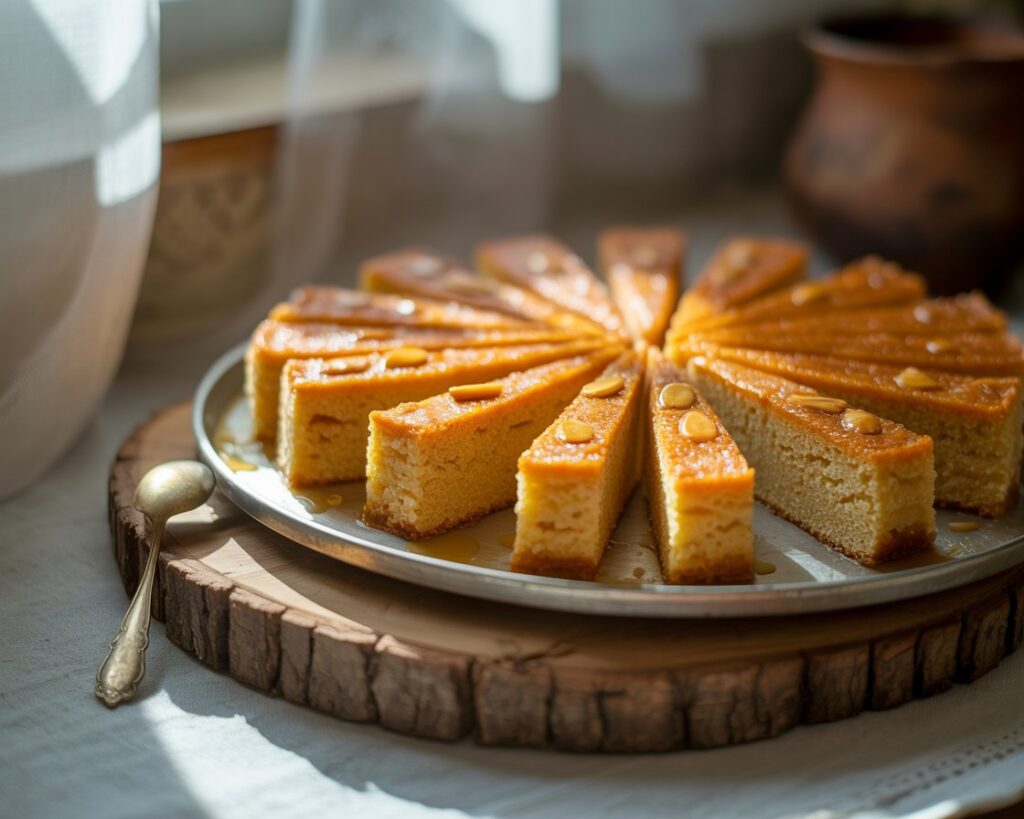
Basbousa stands out among Middle Eastern desserts for its perfect balance of sweetness, texture, and versatility. While many semolina cakes exist across the region, basbousa has earned its reputation as a timeless favorite due to its moistness, rich flavor, and adaptability to different tastes and occasions. Understanding what makes it truly unique helps both home bakers and dessert enthusiasts appreciate why it remains a staple in Middle Eastern kitchens.
What Makes It Moist and Sweet
The key to a perfect basbousa lies in the ingredients and technique. Soaking the baked cake in a sugar syrup immediately after it comes out of the oven ensures every piece absorbs just the right amount of sweetness. Ingredients like coconut, yogurt, and ghee add richness and enhance the soft, tender texture. Coconut provides a subtle nutty flavor, yogurt contributes a delicate tang and moistness, and ghee adds a luxurious, buttery depth that makes the dessert irresistible.
Comparing Basbousa to Similar Desserts
| Dessert | Texture | Sweetness Level | Syrup Type | Region |
|---|---|---|---|---|
| Basbousa | Soft & Moist | Medium-High | Sugar syrup, sometimes rose or orange blossom water | Egypt, Levant |
| Hareeseh | Dense & Chewy | High | Simple sugar syrup | Lebanon, Syria |
| Namoura | Slightly Crumbly | Medium | Sugar syrup, rose water | Lebanon |
| Revani | Light & Spongy | Medium | Lemon-scented sugar syrup | Turkey |
This comparison highlights how basbousa achieves the perfect harmony of sweetness and texture, setting it apart from other semolina cakes in the region. Its adaptability—whether you prefer a coconut twist, yogurt-enhanced softness, or classic syrup-soaked richness—makes it the ultimate choice for dessert lovers.
Tips and Tricks for the Perfect Basbousa Recipe

Even though basbousa is a simple Middle Eastern dessert, small details can make a big difference in achieving the perfect texture, flavor, and appearance. From ingredient choices to cooking techniques, these tips will help you bake a moist and irresistible semolina cake every time.
Common Mistakes and How to Avoid Them
Many bakers struggle with basbousa turning out dry, overly sweet, or unevenly cooked. Common mistakes include overbaking, adding syrup too late, or using low-quality semolina. To avoid these pitfalls:
- Bake until the cake is lightly golden, not deep brown.
- Pour the sugar syrup immediately after baking to lock in moisture.
- Use fresh, fine semolina for a soft, uniform texture.
Enhancing Flavor and Texture
While the classic basbousa is delicious on its own, adding subtle ingredients can elevate it to a gourmet dessert. Incorporating coconut, yogurt, or ghee improves softness and richness. Additionally, aromatic enhancements like rose water, orange blossom water, or a sprinkle of cardamom can make your semolina cake truly memorable.
Flavor Boosters for Basbousa
| Flavor Enhancer | Purpose / Effect | Usage Tip |
|---|---|---|
| Rose Water | Adds floral aroma | 1–2 tsp in syrup or batter |
| Orange Blossom Water | Bright, citrusy fragrance | 1 tsp in syrup |
| Cardamom | Warm, slightly spicy flavor | ½ tsp in batter |
| Nuts (almonds, pistachios) | Crunch and garnish | Press lightly on top before baking |
Baking vs. Stovetop: Which Method Works Best?
Basbousa is traditionally baked, but some variations can be cooked on the stovetop. Baking ensures even cooking and a golden crust, while stovetop methods can be useful when an oven isn’t available. For the best results:
- Oven baking is recommended for a consistent, moist texture.
- Stovetop basbousa works best in a non-stick pan over low heat with a lid, ensuring the cake cooks through without burning.
Creative Variations of Basbousa Recipe

While the classic basbousa is a beloved Middle Eastern dessert, experimenting with flavors and textures can turn this traditional semolina cake into an exciting treat for every occasion. Whether you want a simple twist or a modern fusion, there are endless possibilities to delight your taste buds.
Coconut, Nutty, and Chocolate Twists
Adding ingredients like coconut, almonds, pistachios, or even chocolate chips can create a rich, flavorful basbousa that stands out. Coconut adds a subtle nutty sweetness, nuts provide crunch, and chocolate gives a decadent touch. These variations maintain the classic syrup-soaked softness while introducing exciting textures and flavors.
Modern Fusion Ideas
For a more contemporary twist, chefs and home bakers are experimenting with modern basbousa fusion recipes. Popular ideas include:
- Basbousa cheesecake – layers of creamy cheesecake with basbousa base
- Mini basbousa bites – perfect for parties or gifting
- Basbousa with fruit toppings – fresh berries or citrus slices for a refreshing balance
Serving and Storing Basbousa

Serving and storing basbousa properly ensures that this classic Middle Eastern dessert retains its moist texture and delicious flavor. Whether you’re enjoying it immediately or saving it for later, a few simple tips make all the difference.
Best Ways to Serve Basbousa
Basbousa pairs beautifully with a variety of beverages and desserts. Enjoy it alongside a cup of tea or coffee for a traditional Middle Eastern experience. It can also be served with fresh fruit, yogurt, or even a scoop of ice cream for a modern twist. Small garnishes like nuts or a drizzle of syrup elevate both presentation and taste.
Storage Tips for Moist and Fresh Cake
To keep basbousa soft and flavorful, proper storage is essential. Whether you plan to eat it over a few days or freeze it for later, understanding the best storage methods prevents drying or losing flavor.
Basbousa Shelf Life
| Storage Method | Duration | Tips for Best Results |
|---|---|---|
| Room Temperature | 2–3 days | Keep in airtight container; avoid heat |
| Refrigerator | Up to 1 week | Cover tightly to maintain moisture |
| Freezer | 1–2 months | Wrap in plastic and foil; thaw before serving |
By following these simple serving and storage tips, your basbousa will stay moist, flavorful, and ready to impress family and guests.
Fun Facts and Trivia About Basbousa Recipe
Beyond being a delicious Middle Eastern dessert, basbousa carries fascinating history and cultural significance. Sharing these fun facts can make your serving experience more engaging and memorable for guests.
Interesting Facts Your Guests Will Love
Basbousa is one of the oldest semolina cakes, with origins tracing back to Ancient Egypt. It has been mentioned in historic cookbooks and manuscripts, showcasing its long-standing popularity across the Middle East. Cultural traditions often link basbousa to celebrations like Ramadan and Eid, where families gather to prepare and enjoy this syrup-soaked cake together. Its enduring appeal lies not only in its taste but also in the stories and heritage it represents.
Quick DIY Fun Section
Make your basbousa experience interactive and educational with a mini quiz or table. Challenge your guests to match variations with their country of origin or spot differences in ingredients and textures.
Guess the Country of This Basbousa Recipe Variation
| Variation | Key Ingredient / Twist | Country |
|---|---|---|
| Classic Basbousa | Coconut, sugar syrup | Egypt |
| Namoura | Rose water, syrup | Lebanon |
| Hareeseh | Dense, syrup-soaked | Lebanon/Syria |
| Revani | Lemon-scented syrup | Turkey |
This fun activity not only entertains but also educates about the diverse basbousa traditions across the region, making your blog post interactive and memorable.
Final Thoughts on Basbousa Recipe
The basbousa recipe is more than just a dessert—it’s a piece of Middle Eastern tradition that combines simplicity with rich, syrupy flavor. Whether enjoyed during festive occasions or as an everyday treat, this semolina cake is sure to impress with its moist texture and authentic taste. Try it once, and it might just become a family favorite for years to come.
