
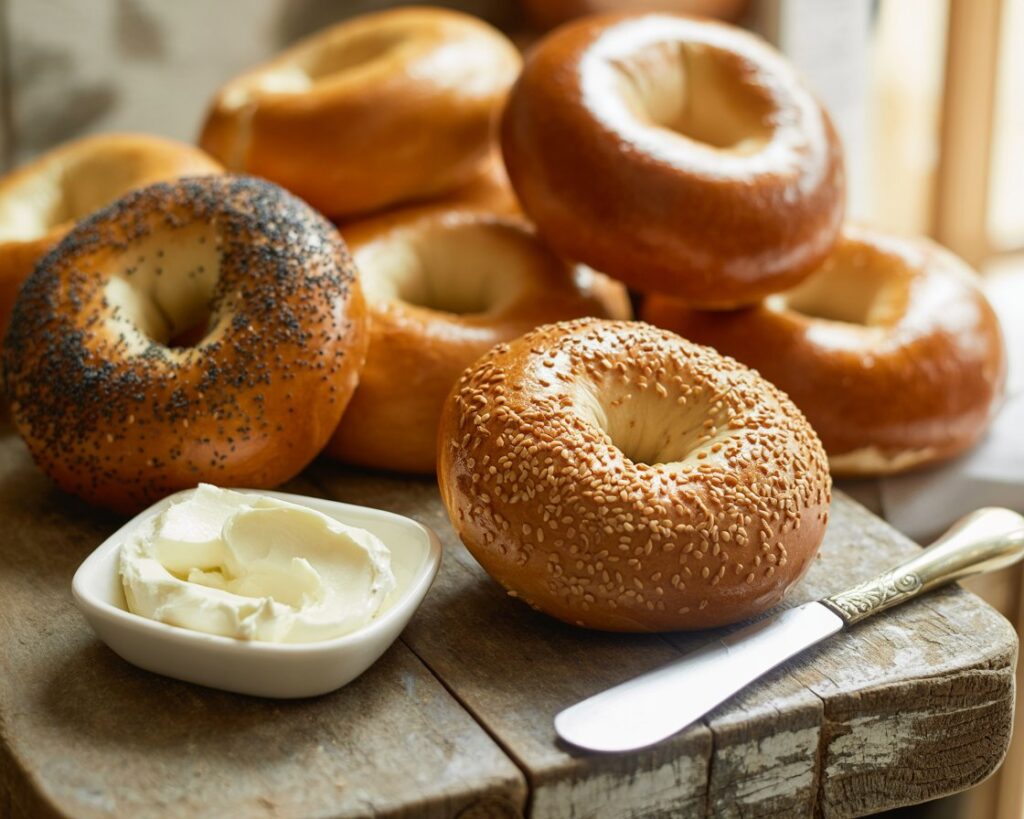
How to make bagels at home is easier than you might think, and the results are incredibly rewarding. There’s nothing quite like the smell of freshly baked, chewy homemade bagels wafting through your kitchen. Whether you’re aiming for a classic New York-style bagel, experimenting with creative bagel toppings, or simply mastering the perfect step-by-step bagel recipe, this guide has you covered. By understanding a few key techniques—like proper dough proofing, boiling before baking, and choosing the right ingredients—you’ll be able to craft easy bagels that rival your favorite bakery.
The Science Behind the Perfect Bagel
Understanding how to make bagels at home is not just about following a recipe—it’s about grasping the science behind what makes a bagel truly exceptional. The chewy texture, shiny crust, and balanced flavor all stem from proper dough handling, boiling, and baking. Let’s break down the key factors that affect your bagels so you can achieve bakery-quality results at home.
Why Bagels Are Chewy (and How to Achieve It)
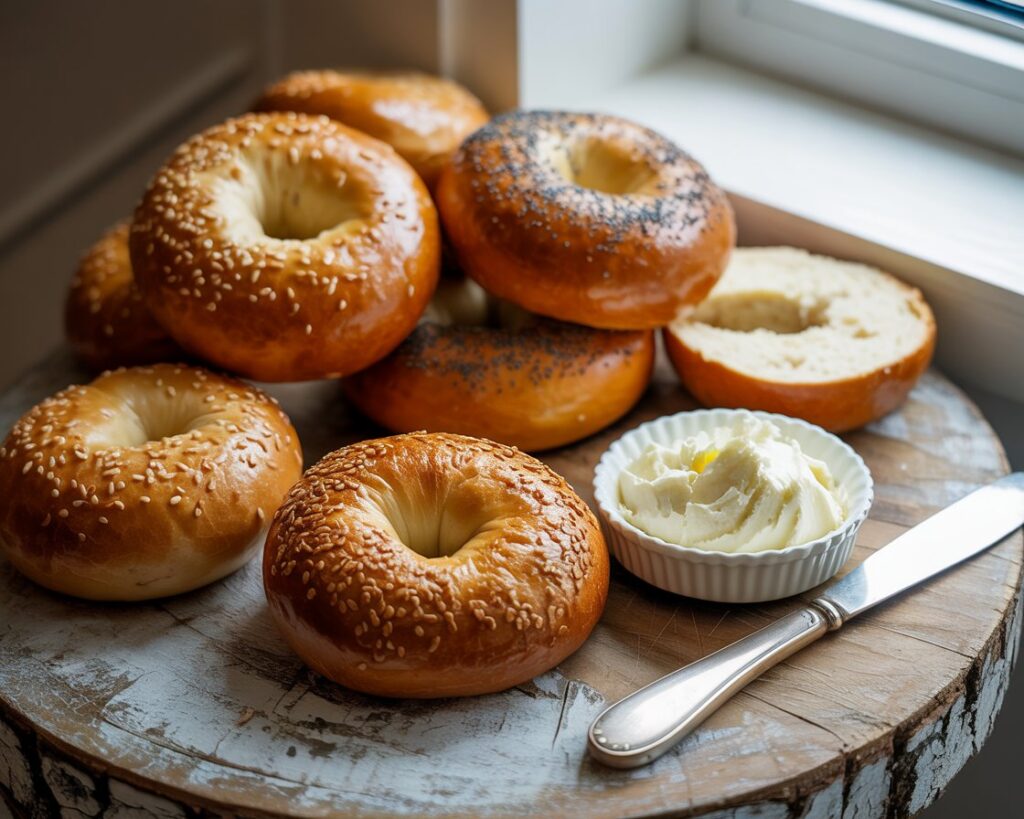
The signature chewiness of a bagel comes primarily from gluten development, dough hydration, and the boiling process. When you knead the dough, gluten strands form, creating a network that traps gas produced by yeast. This network is what gives bagels their dense yet elastic structure.
Dough hydration is another crucial factor. Slightly lower hydration than typical bread dough helps create a firm, chewy interior. Overly wet dough will yield a softer, less structured bagel.
The boiling process is the final step that locks in chewiness. Briefly boiling the shaped bagels gelatinizes the starches on the surface, creating a barrier that keeps the interior moist while allowing the crust to bake crisp and glossy.
Mini diagram/flowchart suggestion:
- Raw dough → Gluten formation and kneading → Proofed dough → Boiled bagel → Baked bagel → Chewy, glossy finished product
This visual can help readers quickly understand the transformation from raw ingredients to the perfect homemade bagel.
Yeast, Proofing, and Rising Times
Fermentation and proofing are central to homemade bagel recipes. Yeast consumes sugars in the dough, producing carbon dioxide and alcohol, which help the dough rise and develop flavor. The duration and temperature of proofing affect the bagel’s texture and taste. Short proofing can result in a denser bagel, while over-proofing may create a flatter, less structured loaf.
Proofing stages:
- Bulk fermentation: dough rises after mixing and kneading
- Shaping and rest: dough relaxes before boiling
- Final proof: optional brief rise after shaping to adjust texture
Table suggestion: Proofing Times vs. Dough Characteristics
| Proofing Time | Dough Texture | Bagel Outcome |
|---|---|---|
| Short (30-45 min) | Tight, less airy | Dense, chewy |
| Moderate (1-2 hrs) | Balanced | Ideal chew and light interior |
| Long (3+ hrs / overnight) | Soft, airy | Lighter, less chewy, risk of over-proofing |
This table will give readers a practical reference to adjust their bagel dough according to desired texture, ensuring every batch comes out as intended.
Bagel Styles Around the World
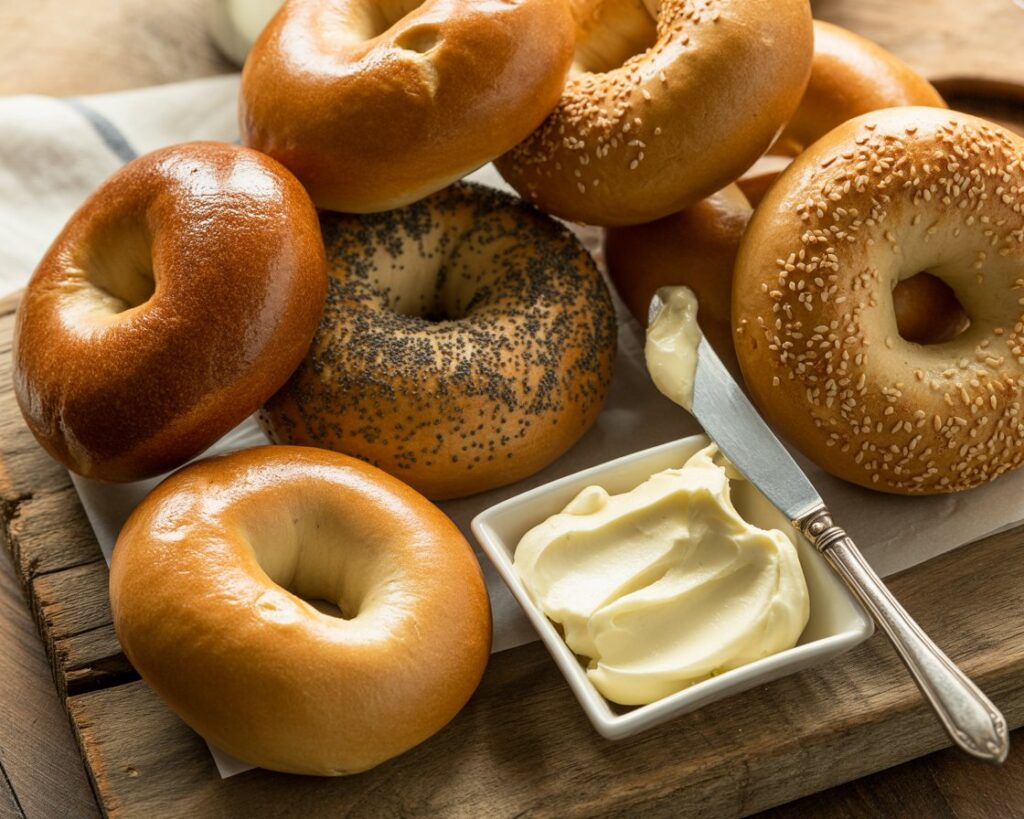
Bagels may have originated in Eastern Europe, but today they are baked, boiled, and enjoyed in countless styles across the globe. When exploring how to make bagels at home, it’s helpful to understand these regional variations so you can experiment with flavors, textures, and techniques that go beyond the basics.
New York vs. Montreal Bagels
The two most famous bagel traditions are undoubtedly New York bagels and Montreal bagels. While they share the same foundation of boiled dough, their differences make them distinct culinary icons.
Comparison Table: New York vs. Montreal Bagels
| Feature | New York Bagels | Montreal Bagels |
|---|---|---|
| Crust | Shiny, slightly crisp | Thinner, more blistered |
| Texture | Chewy, dense interior | Lighter, slightly sweeter |
| Size | Larger, more filling | Smaller, hand-sized |
| Flavor | Neutral, versatile | Sweetened with honey or malt |
| Boiling Method | Boiled in salted water | Boiled in honey-sweetened water |
| Baking | Often baked on stone or wood-fired oven | Traditionally baked in wood-fired oven |
This side-by-side view makes it easy for readers to see which style suits their taste and decide which technique to try at home.
Unique Global Variations
While North America dominates the bagel spotlight, many regions have put their own spin on this classic. From subtle flavor shifts to bold topping traditions, bagels have evolved into an international favorite.
- Sesame vs. Everything Bagels: Sesame bagels remain a Middle Eastern-inspired staple, while the everything bagel—coated with sesame seeds, poppy seeds, onion, garlic, and salt—is a New York invention that has become globally popular.
- Polish Obwarzanek: A close relative of the bagel, obwarzanek is twisted, sprinkled with seeds, and sold as street food in Kraków.
- Jerusalem Bagels: These long, oval-shaped breads are softer and lighter than traditional bagels, often topped with sesame seeds and served with olive oil or za’atar.
- Modern Fusion Bagels: From matcha-glazed bagels in Japan to pizza bagels in the U.S., contemporary variations continue to push boundaries.
Did You Know?
- The word “bagel” comes from the Yiddish beygel, derived from the German beigen meaning “to bend.”
- Montreal bagels are the only food product officially sent into space by Canadian astronauts.
- The first bagels were reportedly given as gifts to women in childbirth in 17th-century Poland.
These unique touches give readers something beyond the standard food blog content—stories, cultural trivia, and inspiration to experiment in their own kitchens.
Flavor Adventures: Beyond Plain Bagels
One of the best parts of learning how to make bagels at home is experimenting with flavors. Once you’ve mastered the basic recipe, you can transform your bagels into gourmet creations by exploring both sweet and savory options. Whether you love a classic cream cheese bagel or want to try adventurous fillings, there’s a topping or stuffing to suit every mood.
Sweet vs. Savory Toppings
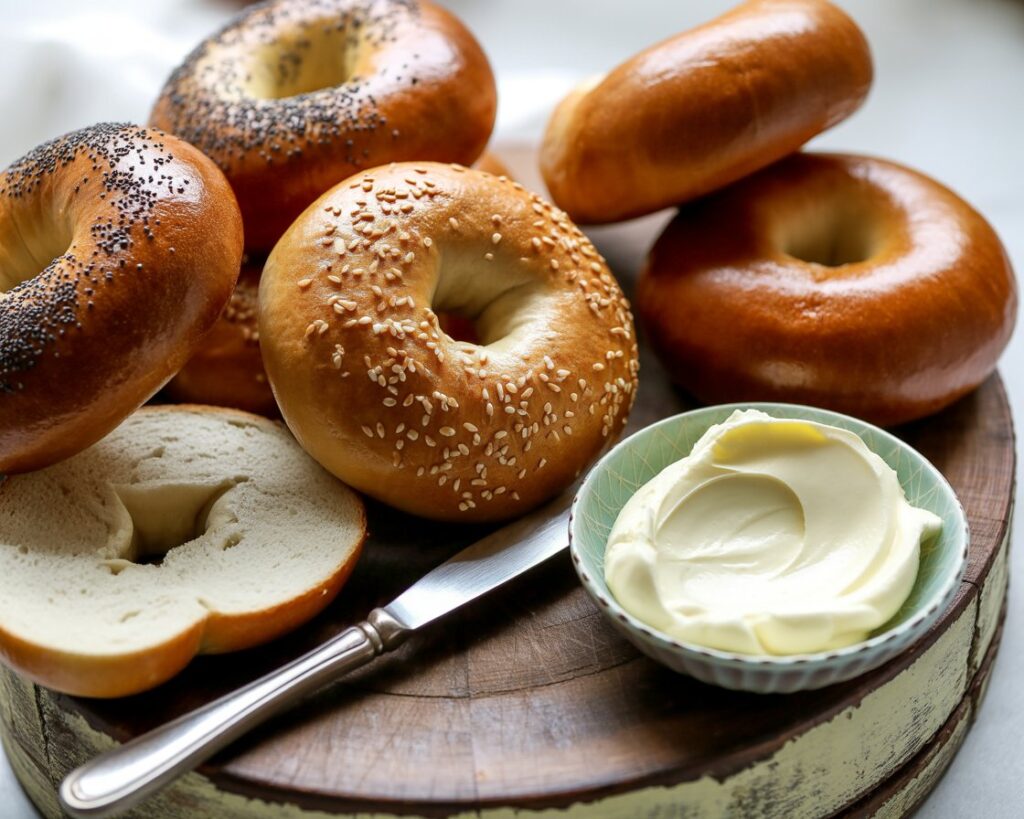
A bagel is essentially a blank canvas waiting to be dressed up. Sweet toppings bring out the soft, nutty flavors of the dough, while savory spreads and add-ons highlight its chewy, hearty texture.
Top 10 Bagel Topping Ideas (with Pairing Tips)
| Style | Topping | Perfect Pairing |
|---|---|---|
| Classic Savory | Cream cheese | Add smoked salmon and capers |
| Healthy Savory | Avocado mash | Sprinkle with chili flakes and lemon |
| Protein-Packed | Hummus | Pair with roasted red peppers |
| Gourmet Touch | Smoked salmon | Finish with dill and cucumber |
| Mediterranean | Olive tapenade | Works well on sesame bagels |
| Sweet Classic | Strawberry jam | Layer over plain cream cheese |
| Dessert-Style | Nutella | Top with banana slices |
| Seasonal Treat | Pumpkin butter | Sprinkle with cinnamon |
| Fruity Twist | Fresh berries | Pair with honey cream cheese |
| Indulgent | Peanut butter | Add a drizzle of chocolate syrup |
This mix of ideas gives readers quick inspiration without overwhelming them with repetitive lists.
Creative Stuffed Bagels
If toppings aren’t enough, take your bagels to the next level with stuffed fillings. Imagine biting into a warm bagel and finding gooey cheese, melted chocolate, or even spiced apple inside. Stuffed bagels are an exciting way to surprise guests—or treat yourself.
Popular stuffing ideas include:
- Cheese Bagels: mozzarella, cheddar, or cream cheese baked inside
- Sweet Bagels: chocolate chips, Nutella swirls, or cinnamon sugar
- Seasonal Bagels: pumpkin cream cheese in fall, berry jam in summer
Tips & Tricks (Callout Box Idea):
- Chill fillings like cream cheese or chocolate chips before stuffing to prevent melting during shaping.
- Seal the dough tightly around the filling to avoid leaks.
- Bake on parchment paper to catch any overflow.
This approach makes bagels not just a breakfast staple but a versatile snack or dessert, keeping your readers inspired to experiment beyond the ordinary.
Common Mistakes and How to Fix Them
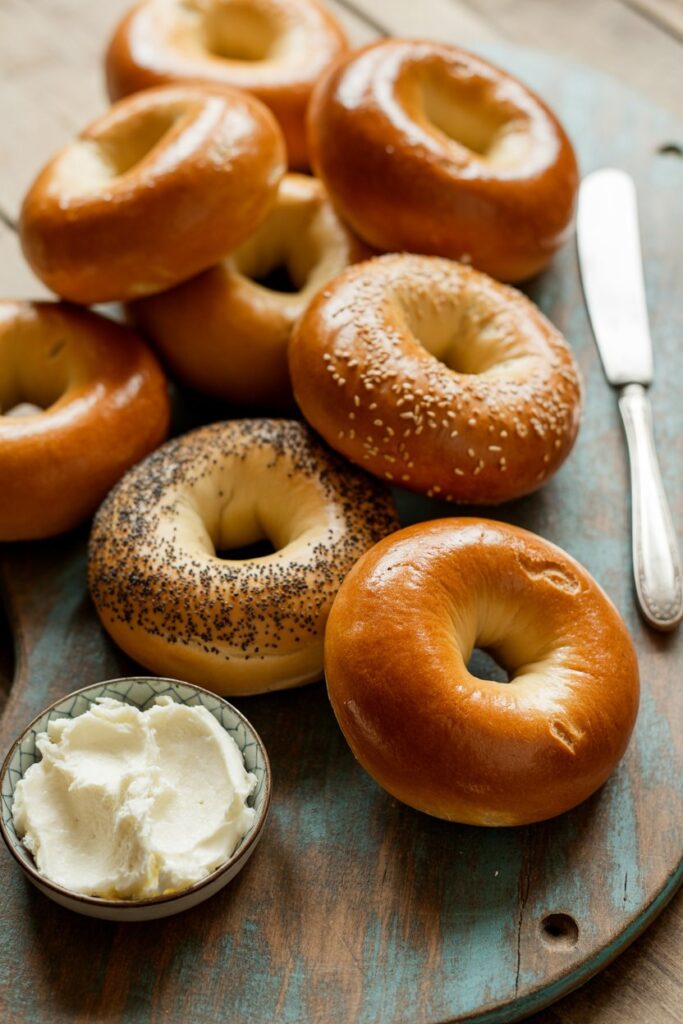
Even seasoned bakers can encounter challenges when making homemade bagels. Understanding common mistakes and knowing how to correct them is key to achieving consistently chewy, perfectly shaped bagels. This section will help you troubleshoot issues and refine your technique.
Bagels Too Dense or Flat
A dense or flat bagel is usually the result of over-proofing, under-kneading, or using the wrong type of flour.
- Over-proofing: When dough rises too long, the gluten network weakens, causing bagels to collapse.
- Under-kneading: Inadequate kneading prevents proper gluten development, resulting in a tight, heavy interior.
- Flour types: Using low-protein flour reduces chewiness; bagels require bread flour or high-gluten flour for structure.
Troubleshooting Table: Bagel Texture Issues
| Problem | Cause | Solution |
|---|---|---|
| Bagels dense or heavy | Under-kneading | Knead until dough is smooth and elastic |
| Bagels flat | Over-proofing | Reduce first rise; keep dough slightly firm |
| Bagels not chewy | Low-protein flour | Use bread or high-gluten flour |
Crust and Boiling Issues
The exterior of a bagel is just as important as the interior. Issues with crust can arise from incorrect boiling or baking techniques.
- Water temperature: Boiling too vigorously or for too long can create a thick, gummy crust, while insufficient boiling may prevent the glossy, chewy exterior.
- Baking temperature: Under-baking yields a pale, soft crust; over-baking produces a hard, overly crispy crust.
Mini Infographic Idea: Boiling vs. Baking Effects on Bagel Crust
- Boiling: gelatinizes starch, creates chewy exterior
- Baking: browns the crust, develops flavor, and gives crispness
- Combined: results in classic chewy interior with a glossy, golden exterior
By understanding these common pitfalls, readers can adjust their technique, ensuring each batch of bagels comes out perfectly every time.
Tools and Ingredients That Make a Difference
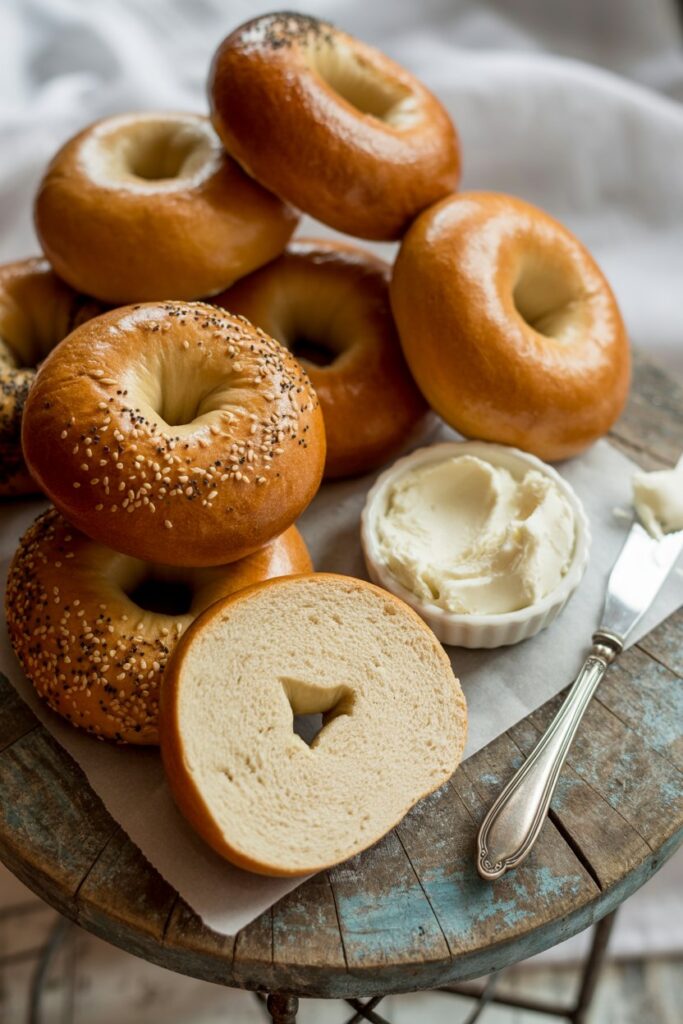
The right ingredients and kitchen tools can elevate your homemade bagels from good to bakery-quality. Understanding how each component affects texture and flavor—and knowing which tools simplify the process—makes bagel-making more approachable and enjoyable.
Flour, Yeast, and Sweeteners
Choosing the correct flour, yeast, and sweetener is crucial for achieving the ideal chewy texture and rich flavor.
- Flour: Bread flour has a higher protein content than all-purpose flour, which promotes gluten development for a chewy, structured bagel. All-purpose flour can be used but may produce a softer, less elastic interior.
- Yeast: Active dry yeast requires dissolving in water before mixing, while instant yeast can be added directly to dry ingredients, saving time. Both produce excellent results if measured correctly.
- Sweeteners: Malt syrup or honey enhances browning, adds subtle sweetness, and contributes to that classic bagel flavor. Honey can be substituted for malt syrup in small amounts, though the flavor profile will be slightly different.
Ingredient Power Chart: Effect on Bagel Texture and Flavor
| Ingredient | Impact on Texture | Impact on Flavor |
|---|---|---|
| Bread Flour | Chewy, structured | Neutral, classic |
| All-Purpose Flour | Softer, less chewy | Neutral |
| Active Dry Yeast | Steady rise, pronounced fermentation flavor | Slightly richer taste |
| Instant Yeast | Quick rise, reliable | Mild flavor |
| Malt Syrup | Enhances chewiness and crust color | Slightly sweet, traditional bagel taste |
| Honey | Slightly softer texture | Sweet, subtle flavor variation |
Kitchen Tools That Simplify Bagel Making
While it’s possible to make bagels with minimal tools, certain items streamline the process, improve consistency, and reduce stress.
Essential Tools vs. Optional Tools Table
| Tool | Essential | Optional |
|---|---|---|
| Stand mixer | ✓ (makes kneading easier) | – |
| Dough scraper | ✓ (helps shape and divide dough) | – |
| Baking stone | ✓ (creates even, crisp crust) | – |
| Slotted spoon | ✓ (for boiling bagels) | – |
| Kitchen scale | – | ✓ (for precise measurements) |
| Pastry brush | – | ✓ (for egg wash/glaze) |
| Cooling rack | – | ✓ (prevents soggy bottoms) |
Using the right combination of ingredients and tools allows both beginners and experienced bakers to make consistent, delicious bagels without frustration.
Tips, Tricks, and Fun Hacks
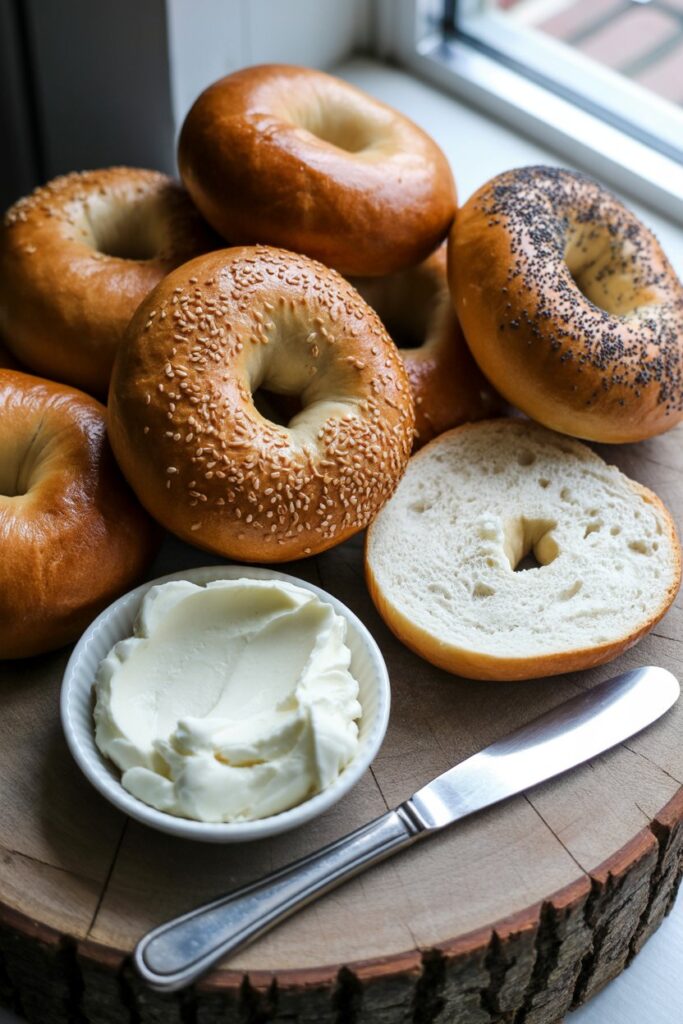
Once you’ve mastered the basics of how to make bagels at home, these practical tips and creative hacks will help you maximize flavor, reduce waste, and enjoy bagels in new ways.
Save Leftover Bagels
Even the best homemade bagels may not be eaten in one sitting. Proper storage ensures they stay fresh and delicious.
- Freezing: Slice bagels before freezing so you can toast them straight from the freezer. Wrap tightly in plastic wrap and store in a resealable freezer bag.
- Toasting: Day-old bagels regain their crunch and warmth when toasted. A light butter or cream cheese spread enhances the texture.
- Creative Recipes: Use leftover bagels in breakfast sandwiches, bread puddings, or bagel croutons for salads.
Chef Secrets (Callout Box Idea):
- For extra freshness, sprinkle a few drops of water on bagels before reheating in the oven to restore softness inside while keeping the crust crisp.
- Toasting frozen bagels directly in a toaster oven gives a near-fresh taste without thawing.
Quick Flavor Boosts
Small touches can transform a basic bagel into a gourmet treat.
- Sprinkling Seeds: Sesame, poppy, sunflower, or pumpkin seeds add texture and flavor. Toast them lightly for enhanced aroma.
- Glazing Techniques: Brush bagels with egg wash, milk, or honey-water before baking for a shiny, golden finish.
- Seasoning the Crust: Everything bagel seasoning or a pinch of sea salt can elevate even plain bagels.
Chef Secrets (Sidebar Idea):
- Mix coarse salt, garlic powder, and dried onion into the egg wash for a savory crust with a flavor punch.
- For a sweet glaze, combine maple syrup with a few drops of water and brush on warm bagels immediately after baking.
By using these storage and flavor-enhancing hacks, readers can enjoy homemade bagels that taste fresh and exciting every time, while also experimenting with new flavor combinations.
FAQs About Homemade Bagels
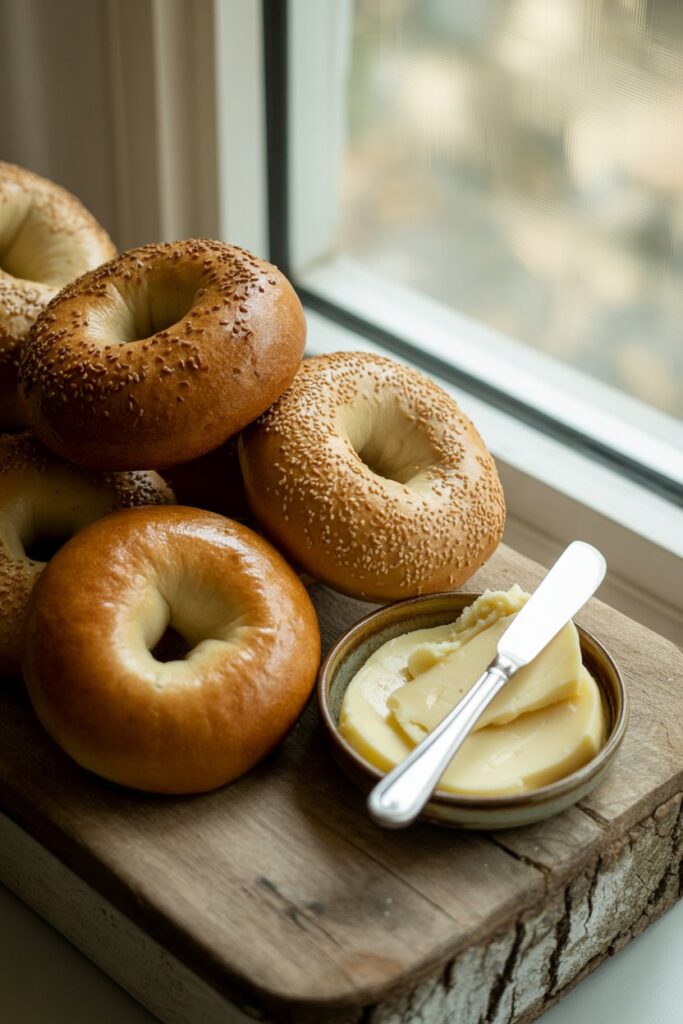
Can I use all-purpose flour instead of bread flour?
Yes, you can, but the texture will be slightly softer and less chewy. Bread flour or high-gluten flour is recommended for a classic chewy bagel.
Why did my bagels crack during baking?
Cracks often occur due to over-proofing, uneven shaping, or insufficient boiling. Make sure the dough is properly rested, shaped evenly, and boiled before baking.
How long should I boil bagels?
Typically, 30–60 seconds per side is sufficient. Longer boiling produces a chewier exterior, while shorter times result in a lighter crust.
Can I freeze homemade bagels?
Absolutely. Slice them first, wrap tightly in plastic wrap, and store in a resealable freezer bag. Toast directly from frozen for best results.
What toppings work best on bagels?
Classic options include cream cheese, smoked salmon, avocado, and jam. You can also get creative with seeds, spices, and seasonal spreads.
How can I make my bagels more flavorful?
Use malt syrup or honey in the dough or water bath, experiment with fillings, and try glazing or sprinkling seeds before baking. Proper fermentation also enhances depth of flavor.
Mastering How to Make Bagels at Home: Final Thoughts
Making bagels at home is both an art and a science. From understanding gluten development and proofing to experimenting with toppings and flavors, every step contributes to a perfect, chewy bagel. By following these tips, using the right ingredients, and embracing creative variations, you can enjoy bakery-quality bagels anytime. Remember, practice makes perfect, and each batch is an opportunity to explore new flavors and techniques in your own kitchen.
Homemade bread rings are a versatile treat that can be enjoyed for breakfast, lunch, or a snack. Soft on the inside with a slightly crisp crust, they pair perfectly with sweet spreads, savory toppings, or even as a base for creative sandwiches. Experimenting with flavors and fillings makes each batch unique, turning a simple recipe into a fun and rewarding culinary adventure.