

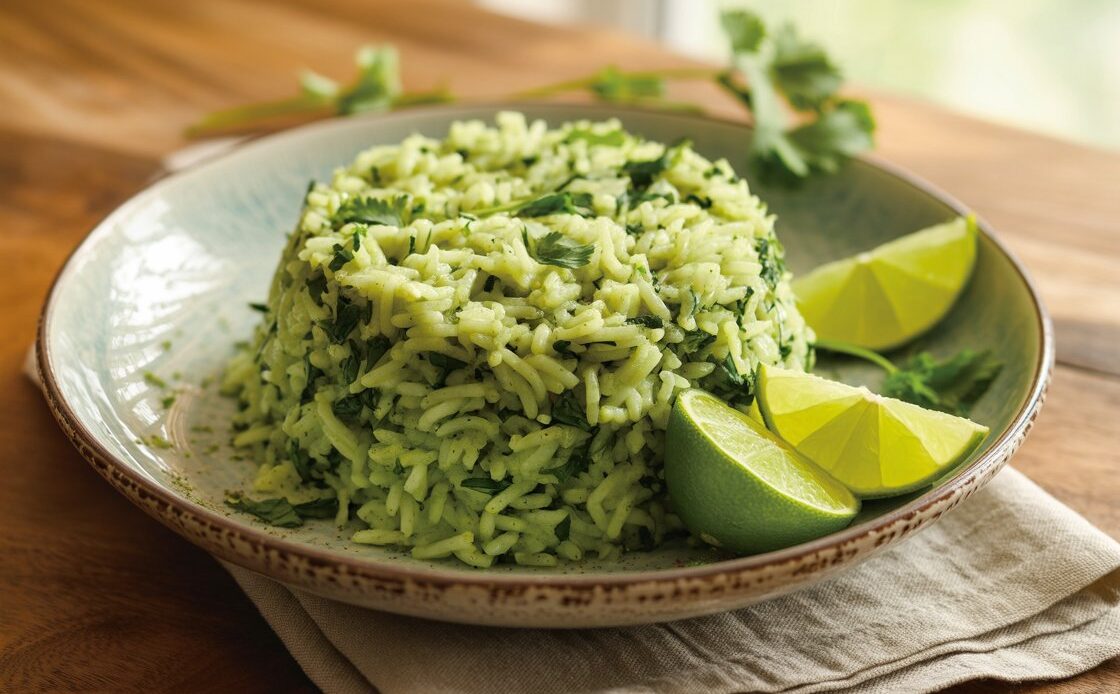
Green Rice is the kind of side that transforms an everyday meal into something memorable. With its vivid hue and herbaceous aroma, it brings a refreshing lift that complements tacos, burrito bowls, grilled mains, roasted vegetables, and composed salads. The appeal lies in balance: Green Rice tastes bright yet comforting, layered yet clean, lively yet effortless. This comprehensive guide explores how to make Green Rice consistently fluffy, how to tune flavor with precision, how to pair it intelligently, and how to scale, store, and reheat it for busy schedules. The details below focus on results: better texture, more vibrant color, and a finish that carries aromatic top notes all the way to the table.
Consider this a companion to the recipe card. Instead of listing measurements or cooking steps, the following sections dive into the small choices that deliver big improvements—rice selection, flavor dials, plating decisions, batch planning, and make-ahead strategies. Each part is written to be used immediately, whether serving Green Rice for a weeknight dinner or weaving it into a larger spread for guests. Along the way, concise tables help with quick decisions so it is always clear how to customize Green Rice to match the menu and the moment.
Why Green Rice Wins
Green Rice earns its place on the table by playing multiple roles at once: it refreshes the palate, supports bolder flavors, and adds visual excitement without demanding attention for itself. The herb-forward character offers a clean counterpoint to richness, while gentle heat and a final glimmer of citrus keep each bite energetic. It sits comfortably across cuisines and occasions, making it a flexible staple that fits weekly rotations and special gatherings alike. The result is a side dish that quietly elevates a plate and makes the rest of the meal taste better.
A side that elevates every plate
When a meal needs cohesion, Green Rice steps in with balance and clarity. Its fresh aroma and bright finish lighten heavy sauces and smoky grill notes, while the soothing grain texture rounds out spicier profiles. This dual nature means Green Rice adapts fluidly to tacos and burritos on one day, and to roasted vegetables and grilled mains on another. The dish’s green vibrancy also signals freshness, making each plate feel intentional and thoughtfully composed. Over time, the reliability of Green Rice becomes invaluable: it offers harmony without complication and consistency without monotony.
Nutrient-forward and flexible
Green Rice embodies a fresh-first mindset. The herbaceous base creates a clean, lively profile that tastes satisfying without heaviness, and the flavor can be tuned to suit the moment. Want a softer, plush mouthfeel for comfort? Choose a more tender grain and a slightly gentler finish. Prefer a lighter, lifted texture that emphasizes separation? Opt for a drier long-grain and a bright citrus accent. Because Green Rice is structurally simple yet expressive, it serves as a canvas for subtle variations that keep meals exciting. That flexibility makes it especially useful when cooking for mixed preferences.
Consistency without complexity
What sets Green Rice apart is the ease of repeatable excellence. Results improve dramatically with small habits: allow a covered rest so steam redistributes, protect color by avoiding unnecessary stirring, and finish lightly with citrus and tender herbs to lift aroma. None of this requires specialized tools or advanced techniques. It is a low-effort, high-reward approach that holds up over time and across batch sizes, ensuring Green Rice tastes like a signature side rather than a placeholder on the plate.
What Is Green Rice?
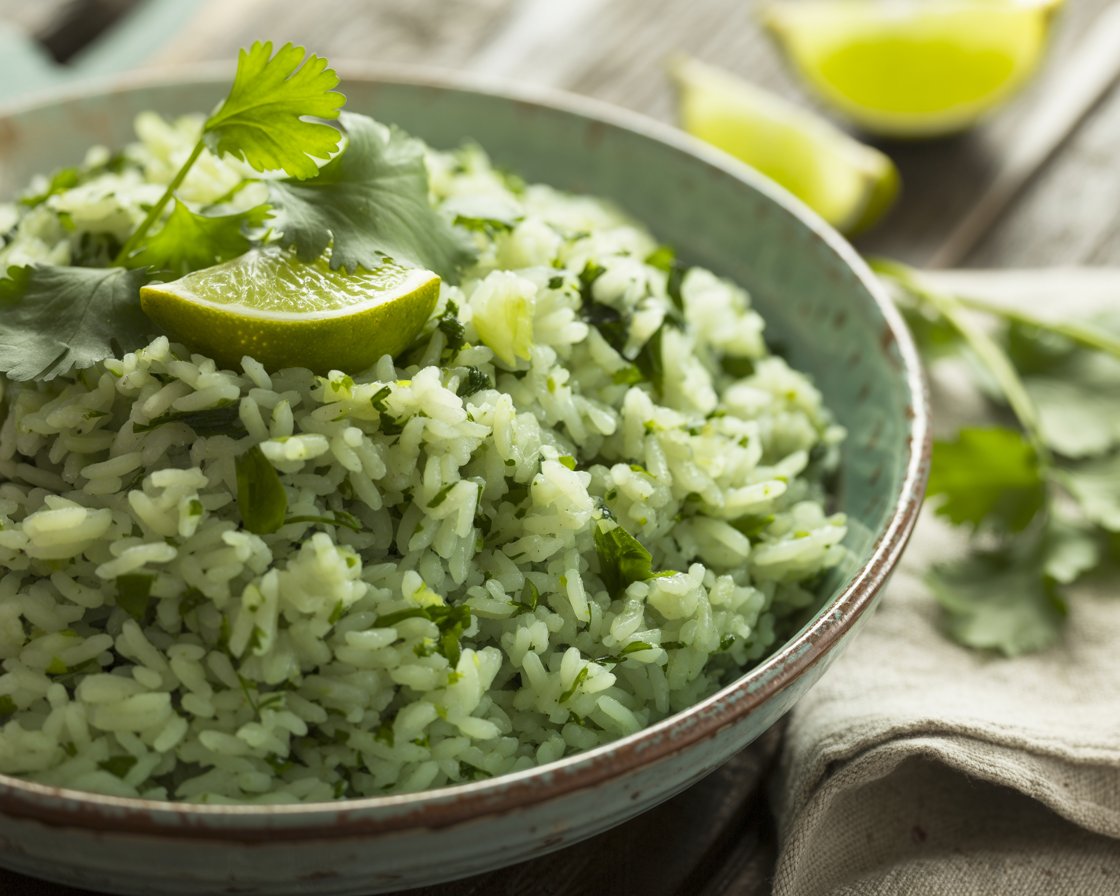
Green Rice is a Latin-inspired preparation defined by its emerald color and lively herb-driven aroma. The green base infuses the grains with freshness rather than drowning them, preserving a clean texture that makes the dish feel buoyant and bright. It is approachable yet distinctive, casual enough for everyday meals yet striking enough for a celebratory table. The combination of color, aroma, and gentle citrus lift creates an eating experience that feels complete even before garnishes are added.
Latin-inspired, herb-driven character
The personality of Green Rice comes from its herbs and greens. This is not a heavy sauce; it is an aromatic infusion that perfumes the grains and invites other flavors to shine. Because the profile is clean, Green Rice pairs beautifully with spicy, tangy, smoky, and rich elements. It settles into the background when needed and comes forward in a refreshing way when the plate needs brightness. As a result, it adapts seamlessly to different cuisines and seasons, playing the role of either an anchor or an accent depending on the menu.
Versatility by design
Versatility is baked into the structure of Green Rice. It welcomes adjustments to heat, acidity, and final texture without losing its identity. The dish can be tailored for family-friendly dinners by keeping the warmth gentle and the citrus soft, or tuned for punchier menus by dialing up spice and brightness. Because the framework stays consistent, it becomes easy to create variations from the same base approach throughout the week—no reinvention required. The result is dependable variety that keeps the table interesting.
Names vs. styles
| Name | Greens focus | Heat profile | Citrus finish | Typical vibe |
|---|---|---|---|---|
| Green Rice | Cilantro + spinach | Mild–medium | Optional | Weeknight-friendly and versatile |
| Arroz Verde | Cilantro-forward | Mild–medium | Often | Traditional with bright herb notes |
| Cilantro Rice | Cilantro | Mild | Optional | Clean, herbaceous |
| Cilantro Lime Rice | Cilantro | Mild | Yes | Zesty-modern, citrus-forward |
Choose the Right Rice
Grain selection shapes the experience of Green Rice. Long-grain white varieties tend to be the most forgiving, producing distinct kernels that hold the green infusion without getting sticky. Aroma, starch composition, and grain length all influence mouthfeel and appearance. The decision often comes down to the desired texture: ultra-distinct and buoyant, or slightly plush and comforting. Because Green Rice is a study in balance, the goal is to match the grain to the rest of the plate so the dish feels integrated rather than isolated.
Why long-grain wins
Long-grain rice excels because it naturally supports separation, helping each kernel catch the green color evenly and maintain a clean bite. That separation emphasizes the herbaceous character and preserves the sense of lightness that makes Green Rice so refreshing. Proper rinsing and a disciplined rest after cooking further improve texture, leading to grains that are tender without clumping. For cooks who value predictability across batch sizes, long-grain rice offers a reliable baseline.
Basmati vs. jasmine
Basmati and jasmine both make beautiful Green Rice, but they lean into different moods. Note that Basmati cooks drier and fluffier, highlighting separation and giving the dish a lifted feel that pairs well with saucy mains. Jasmine is slightly softer and floral, bringing a plush texture that reads as comforting and luxurious. Either can be an excellent choice—select basmati for maximum definition or jasmine for a gentler, more cushioned mouthfeel. Swapping between the two is a simple way to keep Green Rice feeling fresh across the week.
Brown and other whole grains
Whole-grain options introduce nuttiness, chew, and a heartier profile. They carry the green aroma differently—deeper and more grounded—while offering a satisfying contrast to tender mains and soft sides. Because whole grains need more liquid and time, they benefit from an unhurried rest so moisture redistributes evenly. Although the darker color can slightly mute the green, a light finishing touch restores vibrancy. For diners who want a sturdier side that still tastes bright, whole-grain Green Rice is a compelling option.
Rice comparison guide
| Rice type | Texture | Aroma | Typical ratio | Cook time | Notes |
|---|---|---|---|---|---|
| Basmati (white) | Fluffy, distinct | Subtle | 1 : 1.5–1.75 (rice : liquid) | Short | Emphasizes brightness and definition |
| Jasmine (white) | Tender, plush | Floral | 1 : 1.5–1.75 | Short | Comforting, aromatic mouthfeel |
| Long-grain (generic) | Balanced | Neutral | 1 : 1.5–1.75 | Short | Dependable, versatile baseline |
| Brown long-grain | Chewy | Nutty | 1 : 1.75–2 | Longer | Heftier flavor; longer rest helps |
Flavor Architecture

Green Rice thrives when its core elements—herbs, heat, acid, and salt—are tuned toward clarity. Herbs drive freshness and color, heat adds energy, acid provides lift, and salt binds the elements into a coherent whole. The best versions taste vivid but not sharp, rounded but not heavy. Because adjustments are small yet impactful, this section focuses on precise levers that can be moved individually without knocking the dish off balance. Think of it as a control board for crafting the perfect bowl of Green Rice every time.
The pillars: herbs, heat, acid, salt
Herbs should read as bright and green rather than muddy, and their aroma should remain distinct through the last bite. Heat is supportive rather than dominant, designed to animate the dish without overshadowing other elements. Acid, added thoughtfully, creates definition and keeps the color lively. Salt should be layered so it feels integrated, with a final adjustment at the end to account for variation. Balance among these pillars is what turns Green Rice from a side into a signature.
Heat control with intention
Intentional heat is the difference between excitement and distraction. If the menu already leans spicy, keep the warmth gentle so Green Rice serves as a soft landing. If the plate is mellow, a brighter spark delivers welcome contrast. Removing seeds and ribs reduces intensity while retaining pepper aroma, and finishing with a fresh herb lift softens the perception of heat. With this approach, Green Rice remains versatile across audiences and occasions without losing its green identity.
Acid and aroma that finish the dish
Acid is the finesse tool for Green Rice. A measured squeeze of citrus and a light dusting of zest at the end sharpen flavors and revive color. Zest contributes fragrance without adding liquid, preserving texture and keeping grains distinct. If the dish tastes a bit flat, a tiny bump of acid often resolves it instantly, especially when pairing with rich or smoky mains. This finishing attention ensures Green Rice arrives at the table bright-eyed and ready to balance the plate.
Freshness lifts that matter
Finishing touches transform Green Rice into something quietly extraordinary. Gentle fluffing with a fork protects grain integrity while distributing delicate accents. A handful of chopped tender herbs, a breath of zest, or a light squeeze of citrus adds present-tense aroma and a green sparkle. These subtle lifts communicate care without drawing attention away from the main dish, allowing Green Rice to do its work as a supportive star.
Flavor dials per 1 cup dry rice
| Element | Mild | Balanced | Bold |
|---|---|---|---|
| Heat | ~1/4 small pepper equivalent | ~1/2 small pepper equivalent | ~1 small pepper equivalent |
| Citrus juice | ~1 tsp | ~2 tsp | ~1 tbsp |
| Citrus zest | Pinch | ~1/4 tsp | ~1/2 tsp |
| Salt (finish to taste) | Light | Moderate | Higher—balance with savory liquid |
Method Variations (No Steps Here)
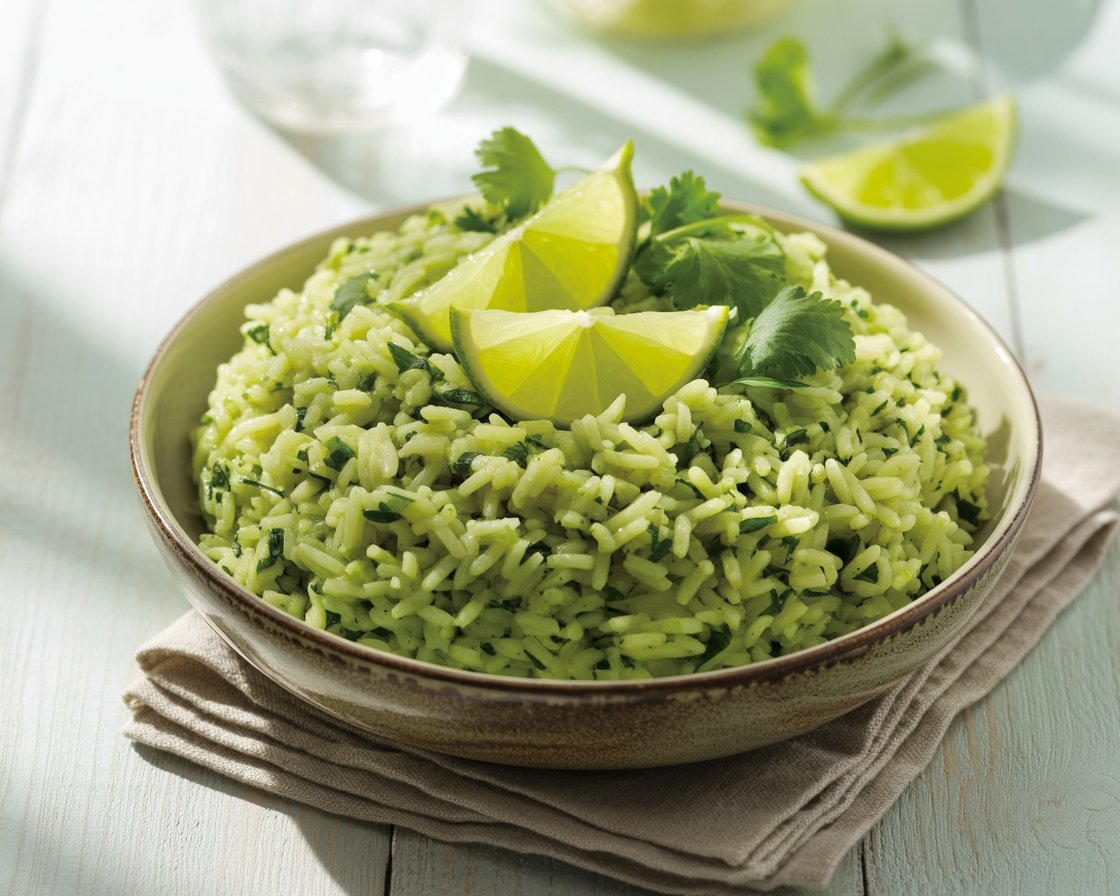
Green Rice adapts gracefully to different cooking methods, each offering distinct benefits. Stovetop cooking rewards attention with precise control over evaporation and texture. A rice cooker trades micromanagement for reliable, hands-off consistency. A streamlined one-pot variation adds an aromatic edge with minimal cleanup. None of these paths alters the identity of Green Rice; rather, they make it easier to fit the dish into real kitchens and real schedules without compromise.
Stovetop highlights
The stovetop method gives feedback at every stage, allowing adjustments to heat and timing that preserve color and texture. When cared for with a gentle simmer and a disciplined rest, the result is Green Rice with distinct grains, lively aroma, and a clean finish. This method is excellent when cooking for guests or when the meal demands tighter control, and it scales well as long as the pot width and steam retention are considered carefully.
Rice cooker notes
For many kitchens, a rice cooker is the most practical route to consistent Green Rice. It delivers even results with minimal oversight and distributes the green base uniformly. The main best practice is simple: keep the lid closed to maintain steam and protect color. This approach is ideal for meal prep, family-style serving, and nights when focus is needed elsewhere in the kitchen. The payoff is reliability without sacrificing the signature brightness of Green Rice.
One-pot aroma boost
The one-pot variation is the streamlined choice for busy days. A brief aromatic phase adds depth before the simmer, and the consolidated process reduces cleanup without flattening flavor. It is a subtle but effective way to coax more aroma from Green Rice while keeping the workflow simple. For casual entertaining or weeknights with limited bandwidth, this balance of convenience and character is hard to beat.
Pairings and Plating
Green Rice succeeds across menus because it invites thoughtful pairing and plating. With tacos and burritos, it adds freshness and context; with roasted vegetables, it contributes color contrast and gentle richness; with grilled mains, it offers citrusy lift. Plating is an opportunity to integrate texture and brightness through simple garnishes. The goal is not decoration but intention: a few well-chosen accents elevate both flavor and presentation without complicating service.
Build balanced plates
Start by choosing the role Green Rice will play. For rich or spicy mains, steer the rice toward a brighter finish so it refreshes the palate. For lighter dishes, consider a slightly plusher grain to add comfort. Green Rice acts as a negotiator among textures and flavors—its herbaceous profile bridges crisp elements, soft components, and smoky or tangy notes. This flexibility encourages creativity without risk, making it a dependable foundation for composed plates and build-your-own bowls alike.
Garnishes for texture and color
Garnishes should focus on contrast and clarity. Chopped tender herbs amplify the green theme, a sprinkle of toasted nuts or seeds provides crunch, and a citrus wedge invites last-second brightness. Layer these accents lightly over or beside Green Rice so they read as enhancements rather than coverings. When assembling bowls, alternate soft and crunchy elements around a generous mound of Green Rice so each bite carries rhythm and dimension.
Pairing matrix
| Main | Why it works | Suggested garnish |
|---|---|---|
| Tacos | Herb brightness balances richness and spice | Lime wedges, chopped tender herbs |
| Grilled chicken | Citrus-herb lift complements savory, smoky notes | Zest, toasted nuts or seeds |
| Salmon | Acid and herbs refine fatty richness | Lime, delicate herbs |
| Roasted seasonal veg | Color contrast and aromatic lift refresh the plate | Fresh herbs, crunchy sprinkle |
| Burrito bowl | Layered flavors without heaviness | Citrus, chopped greens |
Scaling, Portions, and Cookware
Scaling Green Rice for different occasions is straightforward when portion planning, vessel width, and steam retention are considered together. As volume increases, a wider pot promotes even heating and consistent texture, while a tight-fitting lid preserves steam that keeps grains tender and the color vivid. The following guidance and table simplify decisions from weeknight meals to larger gatherings, ensuring Green Rice tastes as good in quantity as it does in a small batch.
Portion planning
Plan about 1/2 cup cooked Green Rice per person for side portions and 3/4 to 1 cup for bowls or mains. This range covers mixed appetites and reduces waste, especially when the menu includes multiple sides. When in doubt, prepare a modest buffer; Green Rice stores and reheats gracefully with a splash of liquid. Serving family-style in a wide dish with garnishes on the side invites customization while preserving texture and color.
Pot and pan choices
Cookware subtly shapes the outcome. For larger batches, select a pot with a broad base to support even heating and prevent compacting, and make sure the lid seals well to protect steam. Consider burner coverage as well; a vessel that matches the burner promotes steadier heat and fewer hot spots. These details keep Green Rice fluffy and vibrant across serving sizes, allowing it to scale up without sacrificing quality.
Batch size guide
| Dry rice | Liquid range | Pot diameter | Servings (side) |
|---|---|---|---|
| 1 cup | 1.5–1.75 cups | 18–20 cm | ~4 |
| 2 cups | 3–3.5 cups | 22–24 cm | ~8 |
| 3 cups | 4.5–5.25 cups | 26–28 cm | ~12 |
Make-Ahead, Storage, and Reheating
Green Rice fits smoothly into busy weeks and entertaining schedules. When cooled promptly and stored well, it holds texture and flavor for days and returns to the table with minimal effort. The key is gentle handling—protect the grains from drying out during storage and revive them with steam during reheating. Because the dish relies on freshness, a light finishing touch restores brightness and aroma so it tastes nearly as vivid as a fresh batch.
Time-saving strategy
To weave Green Rice into a weekly rhythm, prepare it earlier in the day and portion it into shallow containers for faster cooling. This helps maintain quality and makes it easy to reheat only what is needed. In meal prep, Green Rice is a chameleon: it can anchor bowls, sit alongside tacos, complement grilled mains, or pair with hearty salads. By rotating accompaniments and garnishes, it stays interesting while streamlining planning and shopping.
Fridge and freezer
In the refrigerator, Green Rice maintains quality for several days when stored airtight. For longer storage, freeze flat to speed chilling and encourage even reheating. Label portions to simplify planning. When taking Green Rice from freezer to table, introduce moisture and use gentle heat so the grains relax rather than dry out. A covered skillet or pot on low heat usually does the job well without turning the rice heavy.
Reheating without compromise
Reheat Green Rice with a small splash of water or savory liquid, covered to trap steam. Once warmed through, fluff gently to preserve grain structure and distribute moisture evenly. If the color seems slightly muted after storage, a touch of zest or a few torn leaves of tender herbs restores liveliness and aroma. These small habits maintain the defining qualities of Green Rice even when time has passed since cooking.
Color-savvy refresh
Color signals freshness, so protect it at every stage. After reheating, add a modest burst of citrus or fold through a small handful of chopped herbs to revive both look and flavor. Handle the rice with a fork rather than stirring aggressively, which can compact grains and bruise the greens. The aim is lightness—Green Rice should read as buoyant and aromatic, not dense or dull.
Quick FAQ
This section gathers concise answers to the questions that most often arise when making and serving Green Rice. Use it to troubleshoot texture, preserve color, plan portions, and decide on pairings that make sense for the moment. For additional practical kitchen guidance that pairs well with this dish, an internal resource is included below.
Can different rice types be used?
Yes. Long-grain white varieties such as basmati and jasmine deliver a clear path to distinct grains and a lively, aromatic profile in Green Rice. Basmati emphasizes separation and lift; jasmine provides a plush, floral softness. Whole-grain options add chew and nutty depth but benefit from additional liquid and a patient rest. Choose based on the menu: saucy or rich mains often pair best with a slightly plusher grain, while crisp or dry mains shine with extra separation.
How can the green color stay vibrant?
Color thrives with gentle heat, steam discipline, and thoughtful finishing. Keep lids closed to preserve moisture, avoid over-stirring that dulls the hue, and finish with citrus and a hint of zest to restore brightness. After storage, add a quick freshness lift—small touches go a long way toward making Green Rice look and taste newly made.
Is it kid-friendly?
Absolutely. For Green Rice that suits mild palates, reduce heat by limiting pepper intensity or removing seeds and ribs. Lean into the herbaceous profile and let citrus bring brightness. When serving groups with varied preferences, offer spicy condiments or toppings on the side so everyone can customize without changing the base batch.
What does this pair with best?
Green Rice pairs effortlessly with tacos, grilled chicken, salmon, roasted vegetables, and burrito bowls. Its herbaceous brightness balances richness and supports layers of flavor without weighing down the plate. For more meal-building ideas and complementary sides that fit into weekly planning, explore feastrecipe.com for resources that align with this approach.
How should portions be planned for groups?
Estimate 1/2 cup cooked Green Rice per person for side portions and 3/4 to 1 cup for bowls or mains. Scale using the batch size table, choose wider cookware as the volume grows to maintain even heating, and protect steam with a well-fitting lid. Slightly overpreparing is useful because leftovers reheat well and adapt easily to new meals.
Conclusion
Green Rice succeeds because it is balanced, adaptable, and quietly captivating. By choosing the right grain, tuning the pillars of herbs, heat, acid, and salt, and selecting a method that fits the kitchen and the moment, it becomes simple to deliver vivid color, distinct grains, and a lifted finish. Use the tables above to make quick, confident decisions—selecting rice, calibrating flavor, pairing smartly, and scaling for guests—then lean on gentle storage and reheating practices to keep quality high throughout the week. For additional practical ideas that integrate well with this dish, visit feastrecipe.com, and for an accessible, trustworthy overview of general blogging best practices that often support recipe content, see Yoast’s guidance. With attention to small details, Green Rice can anchor plates with freshness and lift again and again—an evergreen side that never wears out its welcome.
