

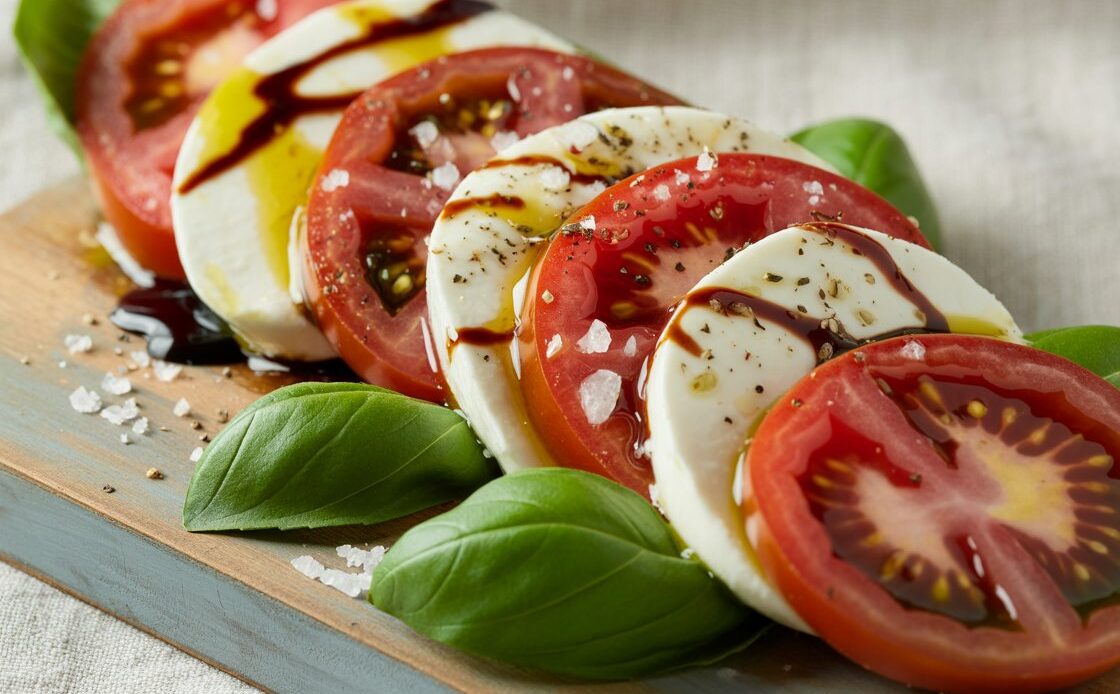
Caprese Salad is a celebration of fresh, vibrant ingredients that come together in perfect harmony. With juicy tomatoes, creamy mozzarella, fragrant basil, and a drizzle of balsamic glaze, this classic Italian dish is as visually appealing as it is delicious. Whether you’re serving it as a light appetizer, a summer side, or a colorful addition to your table, learning how to make the perfect Caprese Salad at home allows you to enjoy an authentic taste of Italy anytime.
The History and Origins of Caprese Salad
Caprese Salad is more than just a simple appetizer—it’s a reflection of Italian culture, where food celebrates freshness, color, and balance. This iconic dish tells a story of its homeland, Capri, and how a few quality ingredients can create something timeless and universally loved. Understanding its history adds a layer of appreciation when you prepare and serve it at home.
From Italy to the World
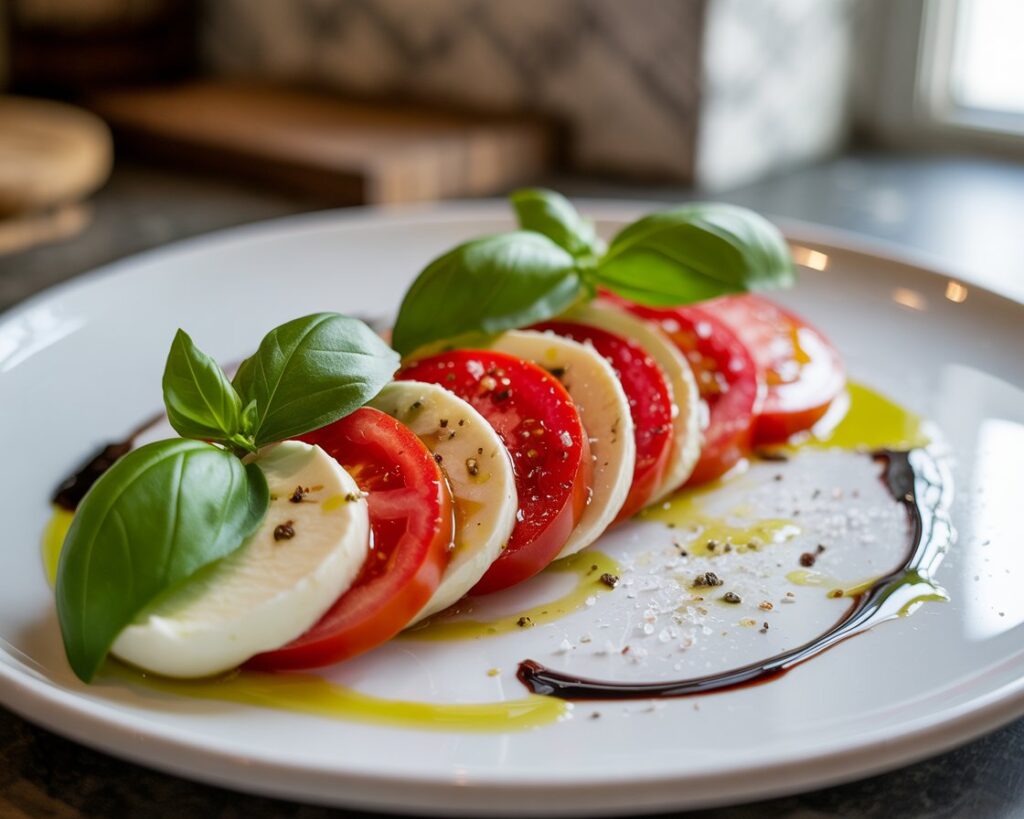
Caprese Salad has its roots on the picturesque island of Capri in southern Italy. This simple yet elegant dish was created to highlight the quality of fresh, local ingredients. Traditionally, it features ripe tomatoes, fresh mozzarella, and basil leaves, representing the colors of the Italian flag. Its origin is deeply connected to Italian cuisine’s emphasis on seasonal produce, minimal preparation, and natural flavors. Over time, the salad gained recognition beyond Italy, becoming a symbol of authentic Mediterranean cooking worldwide.
Why It Became a Global Favorite
The appeal of Caprese Salad lies in its simplicity and freshness. Using just a handful of high-quality ingredients, it delivers a rich combination of flavors and textures that is hard to resist. Its light, healthy profile has made it popular in Mediterranean diets, which are celebrated for their health benefits. In addition, the salad’s visual appeal—with vibrant red tomatoes, creamy white mozzarella, and bright green basil—makes it a favorite at gatherings, restaurants, and home kitchens across the globe.
Optional Table: Caprese Salad Around the World
| Country | Unique Twist | Typical Ingredients | Serving Style |
|---|---|---|---|
| Italy | Classic Caprese | Tomatoes, Mozzarella, Basil, Olive Oil | Plated as a starter or side |
| USA | Caprese Skewers | Cherry Tomatoes, Mozzarella Balls, Basil, Balsamic Glaze | Appetizer on skewers |
| Japan | Caprese with Shiso | Tomatoes, Mozzarella, Shiso Leaves, Ponzu | Modern fusion salad |
| France | Caprese with Herbs | Tomatoes, Mozzarella, Basil, Thyme, Olive Oil | Light lunch or appetizer |
Understanding the Core Ingredients

Creating the perfect Caprese Salad starts with choosing high-quality ingredients. Each component plays a crucial role in delivering authentic flavor, texture, and visual appeal. By understanding the characteristics of the main ingredients—tomatoes, mozzarella, basil, and olive oil—you can elevate a simple salad into a dish that looks and tastes extraordinary.
Tomatoes – Choosing the Right Type
Selecting the right tomatoes is essential for a flavorful Caprese Salad. Heirloom tomatoes offer rich, complex flavors and a variety of colors that make the dish visually striking. Cherry tomatoes are sweet and juicy, perfect for skewers or bite-sized presentations. Roma tomatoes are meatier with fewer seeds, providing a firmer texture that holds up well when sliced. Choosing ripe, in-season tomatoes ensures a balance of sweetness and acidity, which is key to a truly delicious Caprese Salad.
Mozzarella – Cow vs. Buffalo
Mozzarella is the creamy centerpiece of a Caprese Salad. Cow’s milk mozzarella is mild, smooth, and widely available, while buffalo mozzarella (Mozzarella di Bufala) offers a richer flavor and creamier texture. Buffalo mozzarella is slightly tangier and melts beautifully when used in warm variations, while cow’s milk mozzarella is versatile and lighter. Both types provide protein and calcium, making them a healthy addition to your salad.
Basil and Olive Oil – The Flavor Boosters
Fresh basil leaves add aroma and a peppery, slightly sweet flavor that balances the richness of mozzarella and the acidity of tomatoes. Opt for Genovese basil for its classic fragrance, or try purple basil for a unique visual twist. High-quality extra virgin olive oil enhances all the flavors without overpowering them. Choose oils with a fruity, grassy note to complement the fresh ingredients in your Caprese Salad.
Optional Table: Ingredient Pairings for Caprese Salad
| Ingredient | Recommended Pairing | Flavor Note | Serving Suggestion |
|---|---|---|---|
| Heirloom Tomatoes | Buffalo Mozzarella | Sweet, rich | Sliced, drizzled with olive oil |
| Cherry Tomatoes | Cow’s Milk Mozzarella | Juicy, mild | Skewers or mini salad cups |
| Roma Tomatoes | Burrata | Firm, slightly tangy | Layered on a platter |
| Fresh Basil | White Balsamic | Aromatic, peppery | Garnish or folded into salad |
This table provides a quick reference for readers who want to experiment with Caprese Salad variations while maintaining harmony of flavors and textures.
Creative Twists on the Classic Caprese Salad

While the traditional Caprese Salad is a timeless favorite, experimenting with variations can add new flavors, textures, and visual appeal. From seasonal produce to modern adaptations and healthier alternatives, these twists let you enjoy the salad in exciting ways without losing its authentic essence.
Seasonal Variations
Adding seasonal fruits and vegetables can transform your Caprese Salad while keeping it fresh and vibrant. In summer, peaches, strawberries, or heirloom tomatoes can add sweetness and color. During colder months, roasted vegetables such as red peppers, beets, or grilled zucchini introduce warmth and depth of flavor. Seasonal variations not only enhance taste but also make the salad visually appealing and suitable for every time of year.
Modern Twists
Creative presentations can make Caprese Salad more fun and convenient. Caprese skewers are perfect for parties or appetizers, while Caprese sandwiches bring the flavors into a handheld meal. Grilled Caprese with lightly charred vegetables and melted mozzarella adds a smoky dimension. These modern adaptations maintain the salad’s core ingredients while introducing new textures and serving styles.
Healthier Alternatives
For those mindful of nutrition, Caprese Salad can easily be adapted to healthier options. Use lower-sodium cheeses or plant-based mozzarella for a lighter profile. Swap traditional olive oil for flavored oils like avocado or walnut oil for variety. Vegan versions can replace cheese with cashew-based or tofu alternatives, keeping the salad fresh, vibrant, and diet-friendly without sacrificing taste.
Optional Quick Comparison Chart
| Version | Key Ingredients | Flavor Focus | Serving Idea |
|---|---|---|---|
| Classic | Tomatoes, Mozzarella, Basil, Olive Oil | Fresh, balanced | Plated as appetizer |
| Seasonal Twist | Seasonal fruits/vegetables, Mozzarella, Basil | Sweet or roasted flavors | Party platter or side dish |
| Modern Twist | Skewers, sandwiches, grilled vegetables | Fun, convenient | Appetizers, handheld meals |
| Health-Focused | Lower-sodium or vegan cheese, alternative oils | Light, nutritious | Lunch or healthy snack |
This chart allows readers to quickly compare options and choose the variation that fits their taste, occasion, or dietary preference.
Serving, Storing, and Pairing Tips
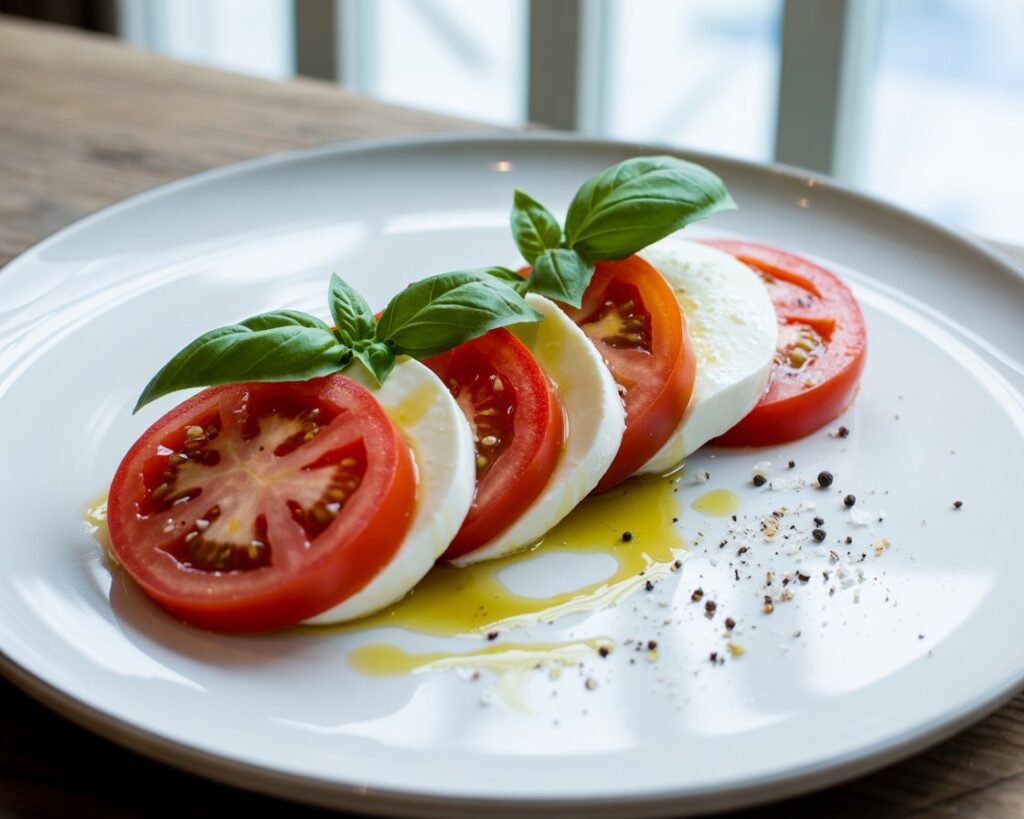
Knowing how to serve, store, and pair Caprese Salad can elevate the overall dining experience. Proper presentation makes the salad visually appealing, while pairing it with complementary drinks or sides enhances the flavor. Additionally, storing ingredients correctly ensures freshness and maintains the quality of this simple yet elegant dish.
How to Present Caprese Salad Like a Pro
Presentation can turn a basic Caprese Salad into a restaurant-quality dish. Arrange tomato slices and mozzarella in a fan or circular pattern, layering basil leaves evenly for a balanced look. Drizzle extra virgin olive oil or a touch of balsamic glaze in a thin, artistic line. Garnish with microgreens or edible flowers for added color and sophistication. Using a clean, white plate or a wooden board can create a striking contrast that highlights the salad’s vibrant colors.
Pairing Drinks and Sides
The flavors of Caprese Salad pair well with a variety of beverages and complementary dishes. Light, crisp white wines such as Pinot Grigio or Sauvignon Blanc enhance the freshness of the tomatoes and basil. For non-alcoholic options, sparkling water with a hint of citrus works beautifully. Pair the salad with antipasto platters, crusty bread, or grilled vegetables to create a balanced and elegant meal.
Storing Fresh Ingredients
Maintaining the freshness of your ingredients is crucial for the best Caprese Salad experience. Store tomatoes at room temperature away from direct sunlight to preserve flavor. Keep mozzarella in its original liquid and refrigerate until ready to use, and only slice just before serving. Basil can be kept in a glass of water at room temperature, loosely covered with a plastic bag, to prevent wilting. Avoid pre-assembling the salad for extended periods, as the tomatoes and cheese release moisture that can affect texture and taste.
Optional Table: Pairing Guide for Caprese Salad
| Component | Pairing Idea | Occasion |
|---|---|---|
| Caprese Salad | Pinot Grigio or Sauvignon Blanc | Dinner party or light lunch |
| Caprese Skewers | Sparkling water with lemon | Appetizer for gatherings |
| Classic Platter | Antipasto board, crusty bread | Casual meals or brunch |
| Grilled Caprese | Light pasta or risotto | Summer outdoor dining |
This table provides readers with quick, practical suggestions for pairing Caprese Salad to create memorable meals and enhance its natural flavors.
Fun Facts and Caprese Salad Trivia
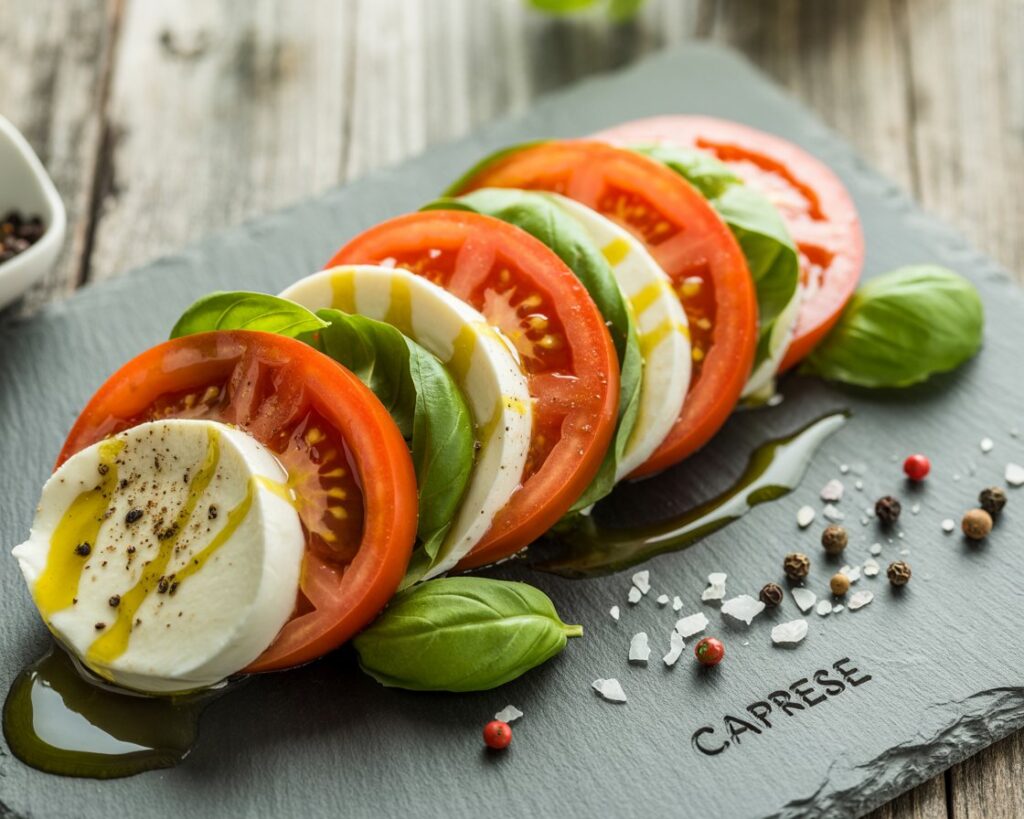
Exploring the trivia behind Caprese Salad not only adds depth to your knowledge but also makes enjoying the dish more engaging. From cultural tidbits to practical tips, these insights can help you impress guests and elevate your salad-making skills.
Did You Know?
Caprese Salad is named after the island of Capri, where it was created to showcase fresh, local ingredients. It reflects the Italian philosophy of simplicity in cooking, letting the natural flavors shine. Interestingly, the salad’s colors—red, white, and green—represent the Italian flag, making it a patriotic favorite in Italy. Another fun fact: in many Italian restaurants, Caprese Salad is traditionally served as an appetizer, not a side, highlighting its importance as a standalone dish that celebrates freshness and quality.
Common Mistakes to Avoid
Even simple dishes like Caprese Salad have common pitfalls. Avoid soggy tomatoes by slicing them just before serving. Don’t overpower the salad with too much dressing; a light drizzle of olive oil or balsamic glaze is enough to enhance the flavors. When handling mozzarella, slice gently and avoid using a serrated knife, which can tear the cheese and disrupt the presentation. Paying attention to these small details ensures a crisp, fresh, and visually appealing salad every time.
Optional Infographic: Dos & Don’ts of Caprese Salad
- Do use ripe, in-season tomatoes.
- Do layer ingredients neatly for presentation.
- Do use high-quality olive oil and fresh basil.
- Don’t over-dress the salad.
- Don’t pre-slice ingredients too early.
- Don’t let mozzarella sit in liquid for too long.
This infographic can be a quick visual guide, making it easy for readers to follow and avoid common mistakes while enjoying the process of preparing Caprese Salad.
Caprese Salad: A Timeless Delight to Savor
Caprese Salad proves that simplicity can be extraordinary. With just a few fresh, high-quality ingredients, it delivers vibrant flavors, visual appeal, and a touch of Italian tradition. Whether you enjoy the classic version, experiment with seasonal twists, or explore healthier alternatives, this salad remains a versatile and elegant choice for any occasion. By understanding its ingredients, history, and serving tips, you can create a Caprese Salad that delights both the eyes and the palate every time.
