

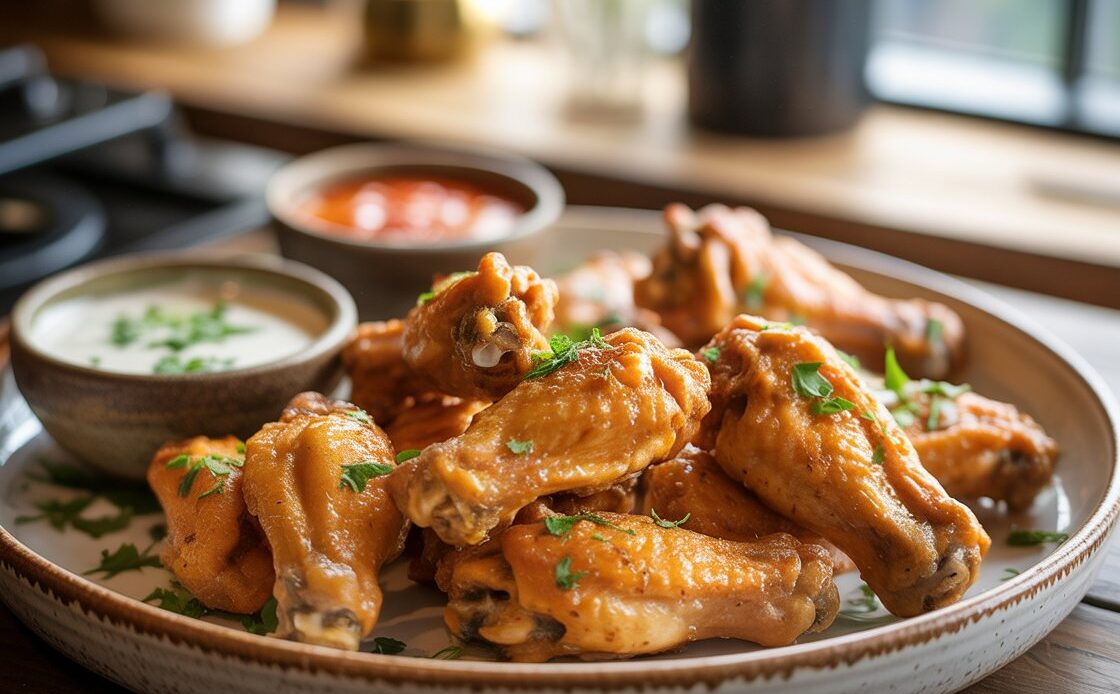
Air fryer chicken wings have taken the culinary world by storm, and for good reason. They offer a quick, healthier, and unbelievably crispy alternative to traditional frying—without sacrificing flavor or texture. Whether you’re a seasoned wing lover or just starting out, mastering the art of air frying wings means enjoying that perfect crunch every time, right from your own kitchen. In this guide, we’ll explore the secrets to making the best air fryer chicken wings that are juicy inside and crispy outside, plus insider tips and tricks to elevate your wing game like a pro.
Why Air Fryer Chicken Wings Are a Game Changer
If you’ve ever struggled to get the perfect balance of crispy skin and juicy meat, you’re not alone. Traditional methods like deep frying or oven baking each have their downsides—whether it’s dealing with greasy messes or ending up with unevenly cooked wings. This is where air fryer chicken wings truly shine. With the right technique, they deliver crunch, flavor, and convenience in one compact countertop appliance. But what really makes them stand out goes beyond just less oil—it’s the way they cook.
The Science Behind That Perfect Crispy Skin
How Air Frying Works Differently Than Deep Frying and Oven Baking
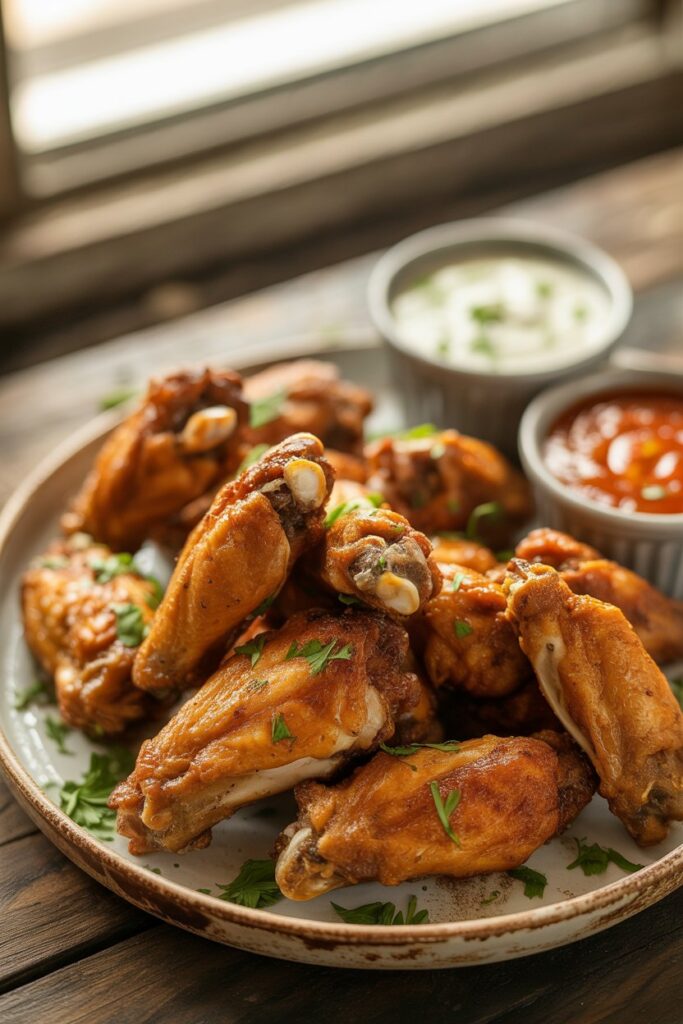
The secret to crispy air fryer chicken wings lies in how an air fryer cooks. Unlike deep frying, which submerges food in hot oil, air frying uses rapid air circulation to mimic the effect—without the excess grease. Oven baking relies on slower, more diffused heat, which often struggles to deliver the same crisp texture unless baked for longer or under a broiler.
In an air fryer, hot air is blown around the wings at high speed, cooking them quickly and evenly while creating that irresistible, golden crust on the outside. It’s this convection effect that separates air frying from the other methods and gives it the edge when it comes to crispiness and convenience.
Heat Circulation and Why It Matters for Wings
The key difference in an air fryer’s design is the fan. This fan circulates hot air around the wings, hitting every surface and eliminating moisture, which is essential for crispy skin. When wings are spaced out properly, the air surrounds each piece, forming a crust through the Maillard reaction—a chemical process that occurs when proteins and sugars are exposed to high heat.
Without this proper airflow, you end up with soggy spots or unevenly cooked wings. That’s why air fryer chicken wings aren’t just faster—they’re engineered for crisp perfection.
Health Benefits of Air Fryer Wings Compared to Traditional Frying
One of the biggest reasons people switch to air fryer chicken wings is the health benefit. Air frying dramatically reduces the amount of oil needed—sometimes by 70–80%—compared to deep frying. That means fewer calories and significantly less fat per serving, without compromising flavor.
Air-fried wings also produce fewer harmful compounds like acrylamide, which can form in foods cooked at high temperatures in oil. Plus, with no need for heavy breading or batter, it’s easier to keep things gluten-free or low-carb if that’s your preference.
For those who love wings but want a smarter, cleaner alternative, air frying is a win-win.
Quick Comparison Table: Air Fryer vs Oven vs Deep Fryer Wings
| Method | Cooking Time | Avg. Calories* | Fat Content | Crispiness | Ease of Use | Cleanup |
|---|---|---|---|---|---|---|
| Air Fryer | 20–25 mins | ~250 per 6 pcs | Low | High | Very Easy | Quick & Easy |
| Oven Baked | 35–45 mins | ~280 per 6 pcs | Medium | Medium | Moderate | Moderate |
| Deep Fried | 10–12 mins | ~430 per 6 pcs | High | High | Moderate | Messy |
*Approximate values for unbreaded chicken wings with seasoning only.
This comparison shows why air fryer chicken wings strike the perfect balance between flavor, texture, and health. Fast, crispy, and cleaner—it’s easy to see why they’ve become a go-to favorite for wing lovers everywhere.
Choosing the Right Chicken Wings for Air Frying
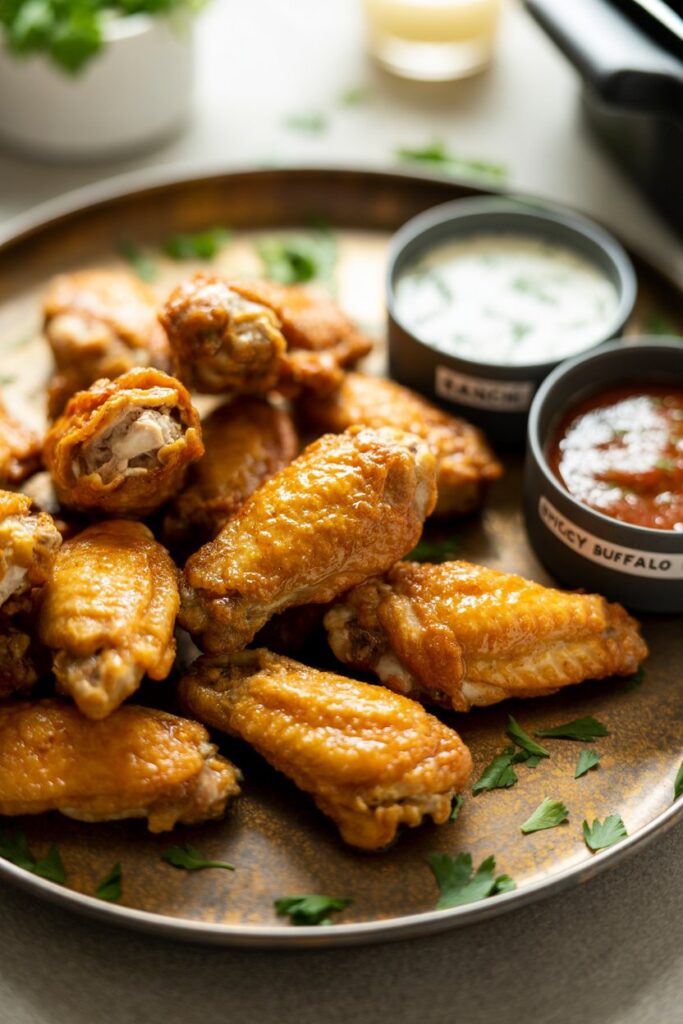
Not all chicken wings are created equal when it comes to air frying. The type of wing you select and how you prepare it can dramatically impact your final results. From the cut of the wing to whether it’s fresh or frozen, understanding these nuances will help you unlock the crispiest, most flavorful bites possible.
Types of Wings: Drumettes vs Flats — Which Crisp Better?
Chicken wings typically come in two shapes: drumettes and flats. Drumettes resemble miniature chicken legs, with one large bone running through the center, while flats have two thinner bones and more skin surface area.
Drumettes generally have more meat and a bit more fat, which helps keep them juicy. Flats, on the other hand, have thinner skin and more exposed surface area, which can crisp up faster in an air fryer. However, flats can sometimes dry out if overcooked.
For air frying, many enthusiasts prefer drumettes for their balance of meatiness and crispness, but a mix of both ensures texture variety on your plate. Experiment with both to find your favorite!
Fresh vs Frozen Wings: Tips for Best Texture and Flavor
Using fresh wings usually guarantees the best texture and flavor, but frozen wings can be just as good with the right approach. If you’re air frying frozen wings, avoid thawing them completely to prevent sogginess—cooking from partially frozen can help retain moisture and improve crispiness.
Before cooking, make sure to pat wings dry thoroughly—this is essential, especially for frozen wings that tend to release excess water. Avoid overcrowding your air fryer basket, which can trap steam and reduce crispiness.
How to Prep Your Wings for Maximum Crispness (Beyond Just Seasoning)
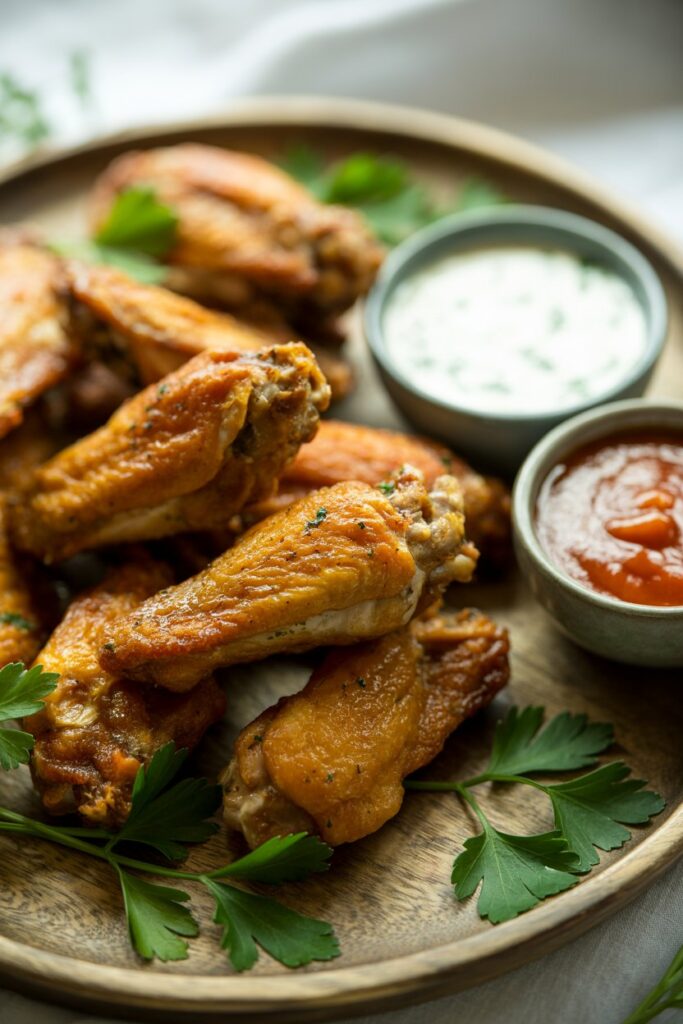
Getting crispy wings isn’t just about seasoning; it’s about preparing the skin and meat properly before they hit the air fryer.
The Role of Dry Brining and Patting Dry
Dry brining involves sprinkling salt (and sometimes other seasonings) on the wings and letting them rest uncovered in the fridge for a few hours or overnight. This process draws out moisture initially but then allows the meat to reabsorb it, resulting in juicier wings with skin that crisps beautifully.
Always pat your wings completely dry before air frying. Excess moisture creates steam, which works against crispiness.
Using Cornstarch or Baking Powder for Crispy Skin: Myth or Must?
Many recipes swear by adding cornstarch or baking powder to wings before cooking to boost crispiness. Baking powder (not baking soda) changes the skin’s pH level, helping it brown and crisp better during cooking.
Cornstarch acts as a drying agent, soaking up surface moisture and encouraging crunch. Both can work, but baking powder has a slight edge in texture enhancement.
If you try this method, use just a light dusting combined with your seasoning for best results—too much can create a powdery coating or odd flavor.
Mastering Air Fryer Techniques for Crispy Chicken Wings
Perfecting your air fryer chicken wings isn’t just about the recipe—it’s also about the technique. Getting the temperature, timing, and handling just right will make the difference between soggy wings and golden, crispy perfection every time.
Temperature and Timing Secrets to Avoid Soggy Wings
Temperature control is critical. Most air fryer wing recipes recommend cooking at around 375°F to 400°F (190°C to 205°C) to achieve that crispy skin without drying out the meat. Cooking at too low a temperature will cause the wings to steam rather than crisp, while too high may burn the outside before the inside cooks fully.
Timing varies depending on wing size and whether they are fresh or frozen, but generally, 20 to 25 minutes is ideal. The trick is to cook them long enough to render the fat and dry out the skin surface but not so long that they become tough.
The Art of Flipping and Spacing: Avoiding Crowding for Even Cooking
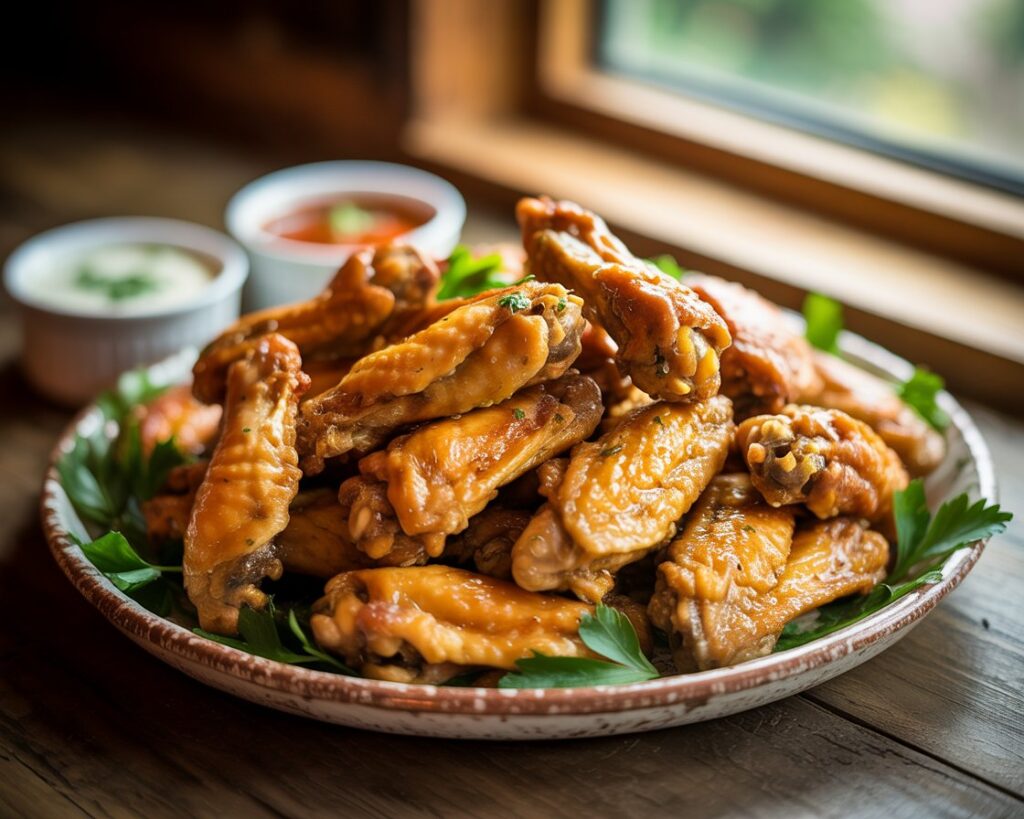
Crowding the air fryer basket is one of the most common mistakes that lead to unevenly cooked or soggy wings. For air frying to work effectively, hot air must circulate freely around each wing. This means leaving enough space between pieces—usually a single layer with a little room to spare.
Flipping your wings halfway through the cooking process is essential. This simple step exposes all sides to the hot air, ensuring even browning and crispiness. Use tongs or a spatula to gently turn the wings without piercing the skin, which can cause juices to escape.
Oil Spraying: Necessary or Overrated?
Many home cooks wonder whether spraying wings with oil before air frying is necessary. While air fryers use little to no oil, a light mist of cooking spray or brushing with a small amount of oil can enhance browning and crispness, especially if your wings are skinless or very lean.
However, too much oil can lead to soggy spots or excessive smoke during cooking. For most skin-on wings, you can often skip this step altogether or use just a very light spray.
Bonus Table: Optimal Air Fryer Settings by Brand
| Air Fryer Brand | Recommended Temp | Cooking Time | Basket Size Tips | Special Features to Use |
|---|---|---|---|---|
| Philips | 375°F (190°C) | 20–22 mins | Don’t overcrowd; single layer | Use “Air Crisp” mode |
| Ninja | 400°F (205°C) | 22–25 mins | Leave 1-inch gaps between wings | Shake basket halfway through |
| Instant Pot Air Fryer | 375°F (190°C) | 20–23 mins | Avoid stacking wings | Use “Air Fry” function |
| Cosori | 380°F (193°C) | 21–24 mins | Single layer recommended | Shake basket halfway |
Adjust times slightly based on wing size and model.
This table helps you quickly adapt your wing cooking to your specific air fryer, ensuring you get crispy, delicious results every time, no matter the appliance.
Flavor Explosion: Sauces, Rubs, and Dips to Elevate Your Wings
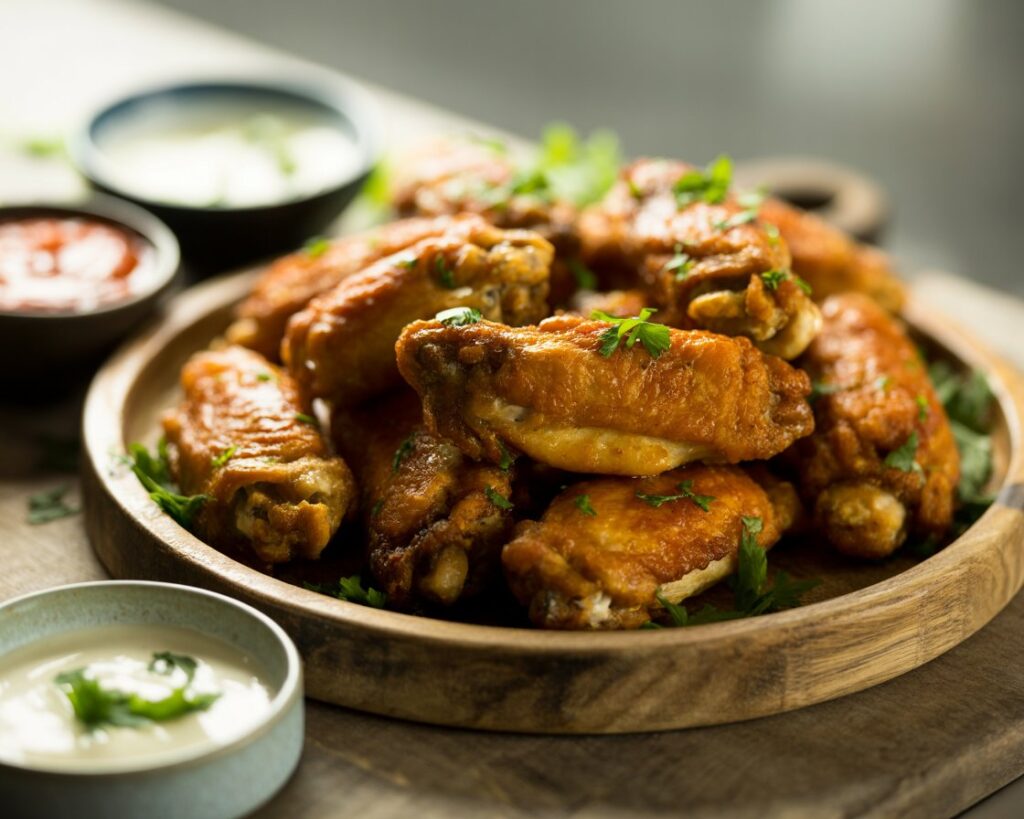
The true joy of air fryer chicken wings lies not just in their crispiness but in the bold flavors you can coat them with after cooking. Whether you prefer spicy, tangy, savory, or sweet, the right sauce or rub can turn simple wings into an unforgettable treat.
Flavor Profiles That Work Best with Air Fryer Wings (Buffalo, BBQ, Garlic Parmesan, Asian-Style)
Certain flavor profiles have become classics for good reason. The spicy tang of Buffalo wings with hot sauce and butter is a timeless favorite that complements the crispy skin perfectly. For those who love a smoky sweetness, BBQ wings offer rich layers of flavor with a sticky glaze.
If you want something a little more savory, Garlic Parmesan wings bring together nutty cheese and aromatic garlic for a deliciously creamy finish. And for a global twist, Asian-style wings with soy sauce, ginger, and a touch of honey deliver sweet and salty notes with a hint of spice.
Experimenting with these sauces and rubs lets you customize your wings to suit any mood or occasion.
How to Toss Wings Properly Without Losing Crispness
A common challenge is coating wings evenly without sacrificing that coveted crunch. The trick is to toss the wings gently but thoroughly right after air frying, while they’re still hot, so the sauce adheres but doesn’t make the skin soggy.
Use a large mixing bowl with a lid or even a resealable plastic bag to toss the wings with just enough sauce to coat. Avoid drowning them in sauce; instead, think of a thin glaze that enhances flavor without weighing down the crisp exterior.
Pairing Wings with Dips and Sides for a Complete Experience
Wings are rarely enjoyed alone—dips and side dishes complete the meal and elevate the flavor experience. Classic dips like cool ranch or tangy blue cheese dressing provide a creamy contrast to spicy or smoky wings.
Quick Dip Recipes That Complement Air Fryer Wings
- Creamy Ranch Dip: Mix sour cream, mayo, garlic powder, dried dill, and a squeeze of lemon juice.
- Spicy Blue Cheese Dip: Combine crumbled blue cheese, Greek yogurt, a splash of vinegar, and hot sauce for a tangy kick.
Easy Side Dishes to Serve Alongside Wings
- Crispy Celery and Carrot Sticks: Classic, refreshing veggies that cut through richness.
- Air Fryer French Fries or Sweet Potato Fries: Keep the crispy theme going with easy homemade fries.
- Coleslaw: A crunchy, tangy side that adds freshness and balances heat.
By combining perfectly cooked, crispy wings with complementary flavors and textures, you create a meal that’s both satisfying and exciting every time.
Troubleshooting Common Air Fryer Chicken Wings Problems
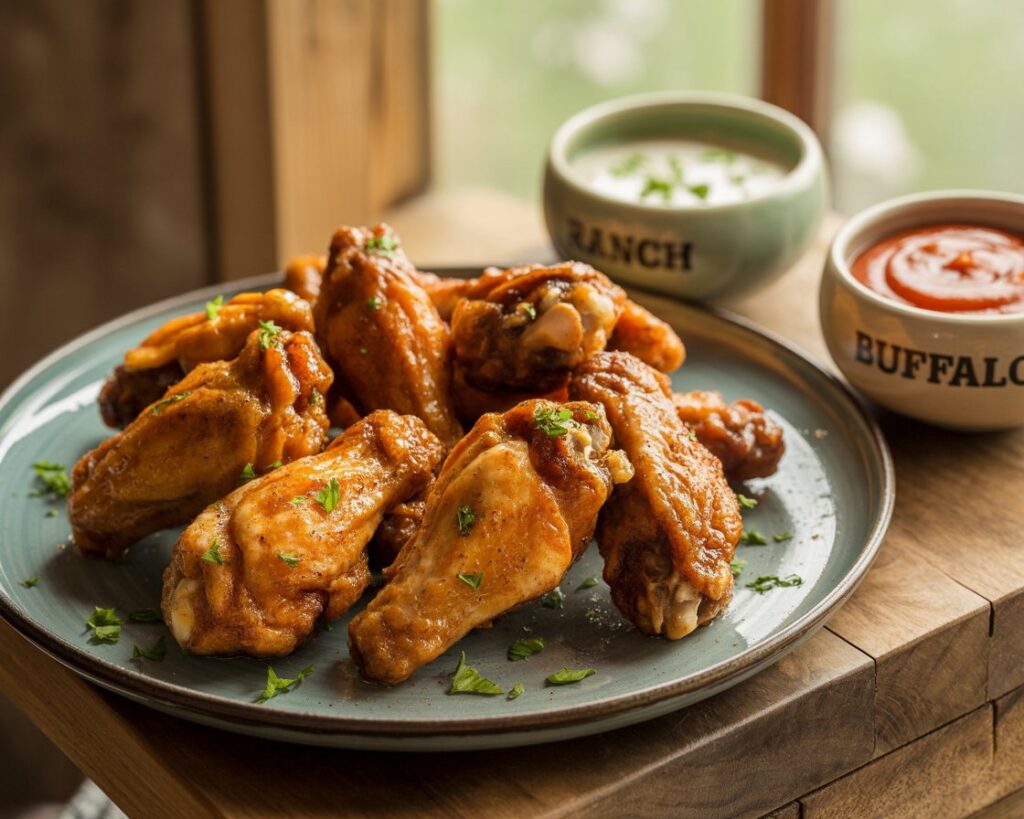
Even with a great recipe and good intentions, things can go wrong. But don’t worry—most issues with air fryer chicken wings have quick fixes. Whether your wings are soggy, unevenly cooked, or you’re working straight from the freezer, here’s how to troubleshoot like a pro.
Wings Not Crispy Enough? Fixes You Can Try Right Now
If your wings come out more rubbery than crispy, the issue usually comes down to one of three things: moisture, temperature, or crowding.
Here’s how to fix it:
- Pat the wings dry thoroughly before air frying, especially if they were frozen or marinated.
- Increase the temperature to 400°F (205°C) during the last 5 minutes of cooking for extra crisping.
- Don’t overcrowd the basket—wings need room for the air to circulate and do its magic.
- Consider a light dusting of baking powder or cornstarch next time for better skin texture.
Wings Cooked Unevenly? How to Adjust Your Technique
Uneven cooking often happens when the air can’t circulate freely or when wings vary too much in size.
Here’s what to do:
- Flip or shake the wings halfway through cooking to promote even browning.
- Group wings of similar size together, or cut larger pieces in half for more uniform cooking.
- If your air fryer has a small basket, cook in two smaller batches instead of one big one.
Cooking Frozen Wings: Tips for Perfect Results Every Time
Yes, you can make amazing air fryer chicken wings from frozen, but you’ll need to tweak your approach slightly:
- Start at 350°F (175°C) for 5–7 minutes to defrost, then raise to 400°F (205°C) to finish crisping.
- Do not thaw wings before air frying—they cook better straight from frozen.
- Pat them dry halfway through cooking if there’s excess moisture in the basket.
- Add seasoning or sauce after cooking to avoid steaming the skin.
FAQ Quick Answers
Q: Do I need to preheat the air fryer?
A: Yes, preheating helps the wings start crisping immediately and promotes even cooking.
Q: Can I stack the wings?
A: For best results, no. Wings should be in a single layer. If needed, cook in batches.
Q: Why are my wings chewy?
A: Likely undercooked or overcrowded. Increase cook time or space them out more.
Q: Should I oil the wings?
A: Only a light spray if desired—too much oil can reduce crispiness.
Q: Can I reheat leftover wings in the air fryer?
A: Absolutely! 3–4 minutes at 375°F (190°C) will bring back the crispiness.
How to Make the Best Air Fryer Chicken Wings Every Time
Mastering how to make the best air fryer chicken wings means combining the right wing selection, preparation, and cooking techniques to achieve that perfect balance of crispy skin and juicy meat. With the tips and tricks shared here—from understanding heat circulation to choosing the best sauces—you’re now equipped to impress at every meal or gathering. Remember, practice makes perfect, and your air fryer is your secret weapon for quick, delicious wings that never fail to satisfy.
