

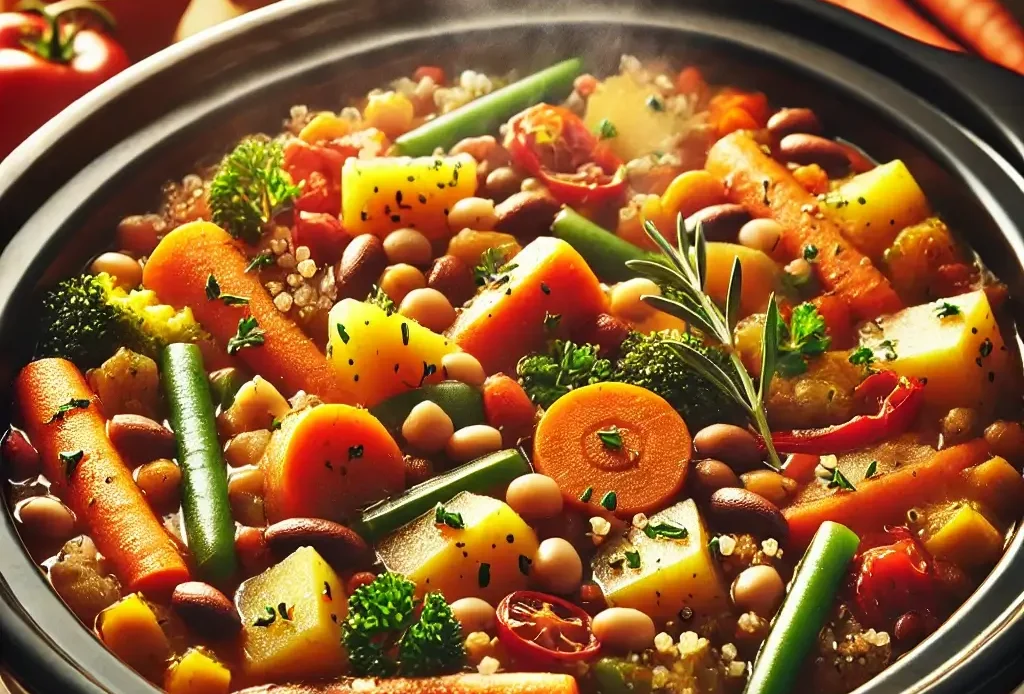
- A cozy, flavorful chili that’s as easy to make as it is to eat.
- Perfect for busy days and guaranteed to warm you from the inside out.
If you’re looking for a way to simplify your cooking routine without sacrificing flavor or nutrition, vegetarian crockpot recipes are your ultimate solution. The magic of slow cooking lies in its ability to transform simple ingredients into rich, hearty meals with little effort.
For vegetarians, a crockpot is a game-changer. It’s perfect for preparing a variety of dishes, from wholesome stews packed with lentils and vegetables to creamy curries bursting with flavor. The best part? You can set it in the morning, go about your day, and return to a ready-to-serve meal.
In this guide, we’ll walk you through everything you need to know about creating delicious vegetarian crockpot meals. Whether you’re new to slow cooking or a seasoned pro, you’ll discover:
- The benefits of incorporating crockpot recipes into your lifestyle.
- Essential ingredients to keep in your pantry for quick and healthy meals.
- Five must-try recipes that are guaranteed to impress.
So grab your slow cooker, and let’s explore how to elevate your vegetarian cooking game effortlessly!
Why Choose Vegetarian Crockpot Recipes?
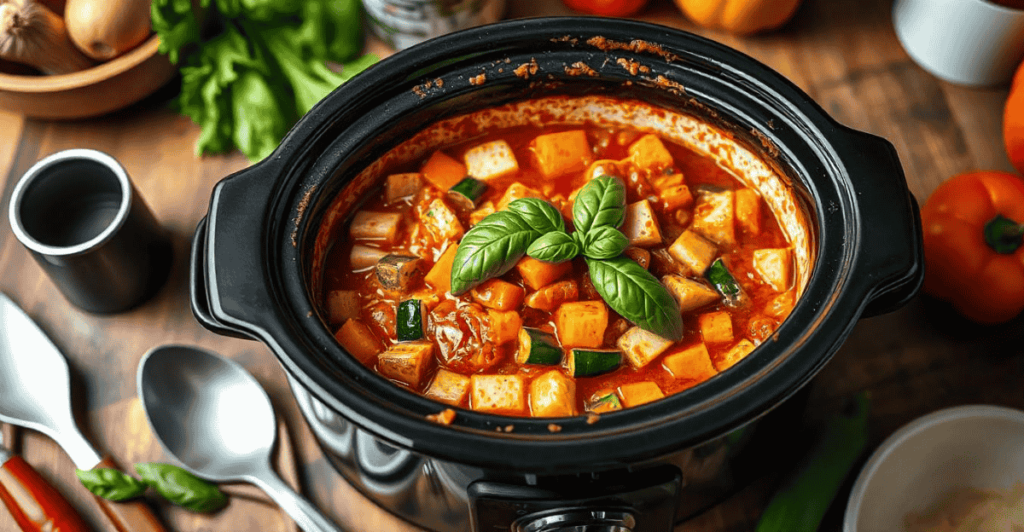
Vegetarian crockpot recipes offer a perfect balance of convenience, nutrition, and flavor, making them an excellent choice for anyone looking to simplify their mealtime routine. Whether you’re a busy professional or someone exploring more plant-based meals, a slow cooker can be a powerful tool in your kitchen. Here’s why:
The Benefits of Slow Cooking for Vegetarians
One of the most significant advantages of using a crockpot is how it enhances the natural flavors of vegetarian ingredients. Slow cooking allows spices, herbs, and vegetables to meld together, creating rich and robust flavors in every bite. Additionally, this method retains more nutrients in vegetables compared to high-heat cooking, ensuring your meals are as healthy as they are delicious.
Perfect for Busy Lifestyles
Crockpot meals are ideal for anyone with a packed schedule. With minimal prep time required, you can simply chop your ingredients, add them to the pot, and let the slow cooker work its magic. Whether you’re at work, running errands, or spending time with family, you’ll come home to a ready-made meal with no extra effort. Plus, the crockpot minimizes dishwashing since it’s a one-pot solution.
Versatile Meal Options
Vegetarian crockpot recipes are incredibly versatile and can cater to a variety of tastes and dietary needs. From hearty dishes like lentil stews and vegetarian chili to lighter meals such as soups and curries, the options are endless. You can even use a slow cooker to prepare breakfast oats, desserts, or sides, making it a multifunctional tool for your kitchen.
Look at this
Check out these recipes
Essential Ingredients for Vegetarian Crockpot Recipes
The beauty of vegetarian crockpot meals lies in their ability to work with a wide variety of ingredients. When creating slow-cooked dishes, it’s essential to use ingredients that can stand up to long cooking times while still retaining their flavors and nutrients. Below are the key ingredients you’ll want to have on hand for the best vegetarian crockpot recipes.
Protein-Packed Options
Incorporating plant-based protein is crucial for making hearty and satisfying vegetarian meals. Some of the most common options for slow-cooking include:
- Beans: Black beans, kidney beans, chickpeas, and pinto beans all work well in slow cooker dishes. They absorb flavors and break down nicely during the cooking process, creating a rich and hearty base for soups, stews, and chili.
- Lentils: Both brown and green lentils hold up well in a crockpot and provide a hearty, earthy texture to soups, curries, and even veggie burgers.
- Tofu and Tempeh: For a protein-packed dish with a different texture, tofu and tempeh can be added to slow-cooked meals like curries, stews, and stir-fries. When cooked low and slow, tofu takes on a more substantial, flavorful bite.
Nutrient-Rich Vegetables
Vegetables are the star of any vegetarian crockpot recipe. The slow cooker enhances the flavors of vegetables while softening them, making them perfect for hearty dishes. Some vegetables work especially well in a slow cooker due to their texture and ability to hold up over time:
- Root Vegetables: Carrots, sweet potatoes, and parsnips are sturdy and sweeten as they cook, making them perfect for soups, stews, and roasts.
- Squash and Pumpkin: Varieties like butternut squash and pumpkin become tender and absorb the spices and herbs you add, creating velvety smooth textures for soups and curries.
- Leafy Greens: Greens such as spinach, kale, and chard can be added to the crockpot near the end of cooking. They wilt down into the dish, adding vitamins and minerals without losing their texture.
- Tomatoes: Fresh or canned, tomatoes provide a juicy base for sauces, soups, and stews, infusing dishes with a tangy, rich flavor.
Flavor Boosters
A slow cooker has the magic of bringing out deep, rich flavors in your dishes, but it’s important to start with the right flavor boosters to give your vegetarian crockpot recipes that extra depth. Here are a few essentials:
- Spices and Herbs: Cumin, turmeric, coriander, paprika, and cinnamon are some of the most common spices in vegetarian slow cooker dishes. Fresh herbs like basil, oregano, and thyme bring even more vibrancy to your meals. Consider adding a bay leaf or two for an aromatic touch.
- Garlic and Onions: These are foundational ingredients in many vegetarian crockpot recipes. Both garlic and onions add sweetness and depth when cooked slowly, transforming the flavor of the entire dish.
- Broth and Stocks: Vegetable broth or stock is essential for creating a flavorful cooking liquid. The broth imparts a savory base that complements all the other ingredients, especially in soups, stews, and risottos.
- Coconut Milk: For creamy curries or soups, coconut milk offers a rich and slightly sweet texture that balances out spices and gives your dishes a luxurious finish.
Pantry Staples
Having a few pantry staples will help make meal prep quick and easy. Consider stocking up on the following:
- Canned Tomatoes: Essential for creating sauces and stews, canned tomatoes hold up well in slow cooking, allowing you to build complex flavors.
- Grains: Quinoa, rice, and barley are great additions to crockpot meals, as they cook well and absorb the flavors of the broth and spices.
- Dried Spices: Keep a selection of your favorite dried spices, like chili powder, cinnamon, cumin, and smoked paprika, to easily elevate any dish.
Top 5 Vegetarian Crockpot Recipes to Try
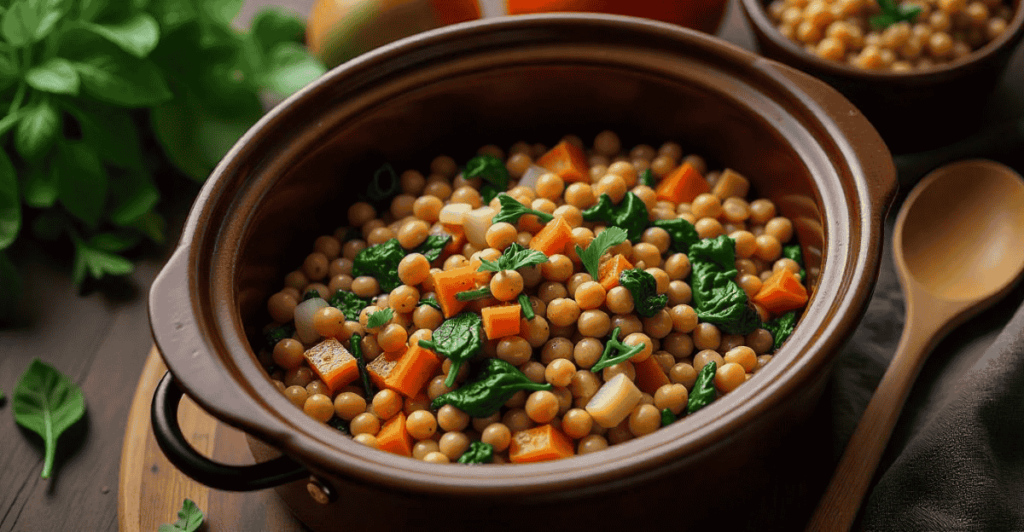
Now that you know the key ingredients for a successful vegetarian crockpot meal, it’s time to put them to use! Below are five must-try recipes that are not only easy to prepare but also packed with flavor and nutrients. These dishes are perfect for meal prepping, weeknight dinners, or sharing with family and friends.
Hearty Vegetarian Chili
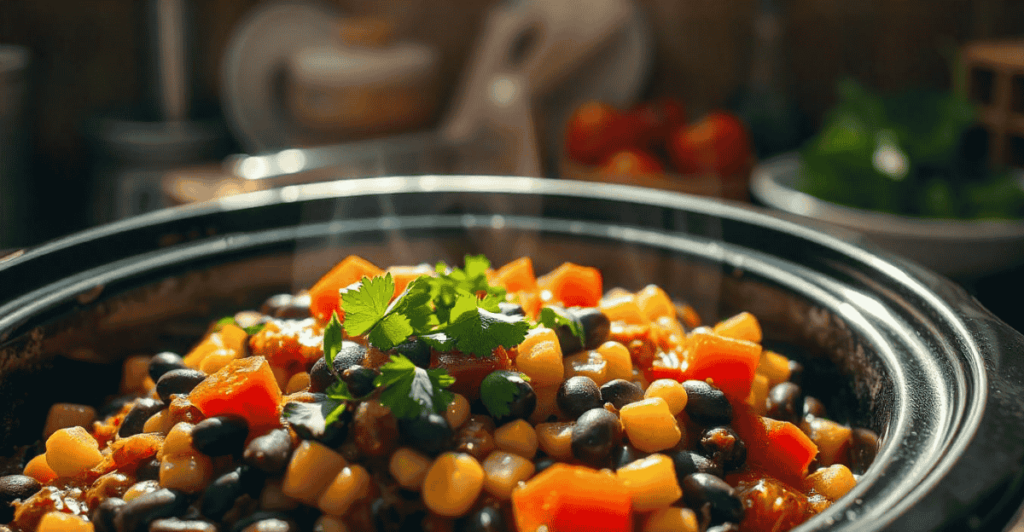
A classic and comforting dish, vegetarian chili is packed with protein-rich beans, tomatoes, and spices. It’s one of the most popular crockpot meals and can be easily customized to suit your taste.
Ingredients: Black beans, kidney beans, pinto beans, tomatoes, bell peppers, onions, garlic, chili powder, cumin, vegetable broth.
How to Make:
- Combine all the ingredients in your crockpot, stir well, and let it cook on low for 6-8 hours or on high for 3-4 hours.
- You can top your chili with sour cream, shredded cheese, or avocado for added richness.
- Serve with cornbread, tortilla chips, or over rice for a complete meal.
Why You’ll Love It: Hearty, satisfying, and perfect for batch cooking. It also freezes well, making it great for future meals.
Creamy Lentil and Vegetable Stew
This stew combines the earthy flavor of lentils with the sweetness of root vegetables, creating a filling and nutritious meal. The addition of coconut milk adds a creamy texture and depth of flavor.
Ingredients: Brown lentils, carrots, celery, potatoes, onions, garlic, vegetable broth, coconut milk, spinach, turmeric, cumin.
How to Make:
- Add lentils, vegetables, garlic, and spices to the crockpot with vegetable broth. Cook on low for 7-8 hours.
- In the last 30 minutes, add spinach and coconut milk, stirring well.
Why You’ll Love It: Rich in fiber and plant-based protein, this stew is both hearty and creamy. It’s perfect for a comforting meal on chilly nights.
Slow Cooker Vegetable Curry
This vegetable curry is vibrant and full of aromatic spices. It’s incredibly customizable—use any vegetables you have on hand. The coconut milk gives the curry a smooth texture, while the blend of spices provides bold flavor.
Ingredients: Cauliflower, sweet potatoes, carrots, bell peppers, onions, garlic, ginger, coconut milk, vegetable broth, curry powder, turmeric, cumin.
How to Make:
- Add all the chopped vegetables, garlic, ginger, and spices to the crockpot. Pour in the coconut milk and vegetable broth, then stir to combine.
- Cook on low for 6-7 hours, then adjust seasoning to taste.
Why You’ll Love It: It’s a vibrant, comforting dish that’s full of flavor. Plus, it’s easy to customize with whatever veggies are in season or available.
Quinoa-Stuffed Peppers
This dish makes a great weeknight meal and is visually appealing, making it perfect for serving guests. The quinoa stuffing is flavorful and filling, and the bell peppers add a subtle sweetness.
Ingredients: Bell peppers, quinoa, black beans, corn, diced tomatoes, onions, garlic, cumin, chili powder, vegetable broth.
How to Make:
- Cook the quinoa with vegetable broth and spices in your crockpot for 2-3 hours on high.
- Stuff the cooked quinoa into hollowed-out bell peppers and place them back into the crockpot.
- Let the peppers cook for 2-3 more hours on low until they’re tender.
Why You’ll Love It: This dish is not only delicious but also easy to prepare. The quinoa stuffing is a perfect balance of protein, fiber, and flavor.
Vegan Minestrone Soup
This classic Italian soup is made with vegetables, beans, and pasta, creating a hearty, filling meal that’s easy to prepare in the crockpot. The flavors develop beautifully as the soup simmers all day.
Ingredients: Zucchini, carrots, celery, tomatoes, cannellini beans, kidney beans, garlic, vegetable broth, spinach, small pasta (like elbow or shell pasta), Italian seasoning.
How to Make:
- Add all the vegetables, beans, and pasta to your crockpot along with vegetable broth and Italian seasoning.
- Cook on low for 6-8 hours, then add spinach in the last 30 minutes of cooking.
Why You’ll Love It: Minestrone is full of vegetables, beans, and fiber, making it a wholesome, light, but filling dish. It’s perfect for a cozy dinner, and leftovers taste even better the next day!
Tips for Perfect Vegetarian Crockpot Recipes
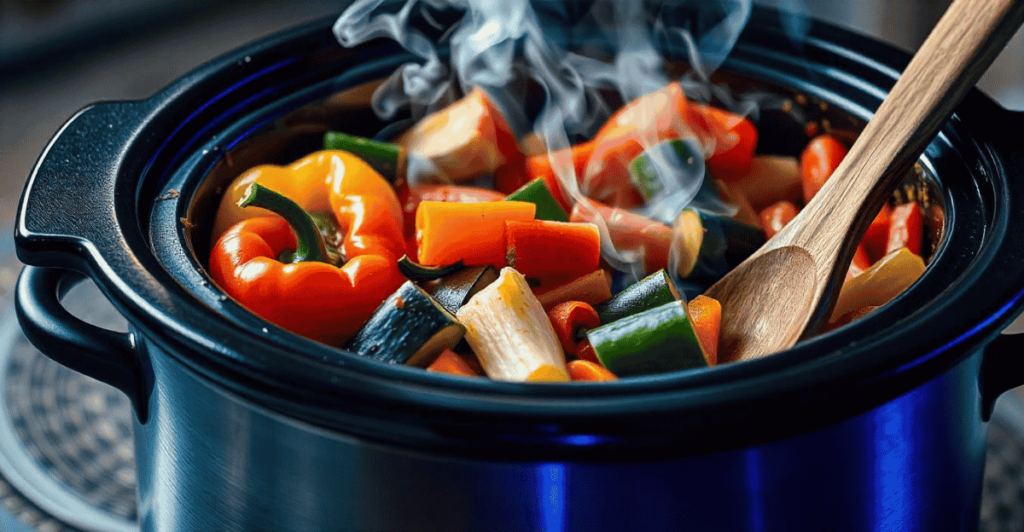
Cooking with a slow cooker can yield incredible results, but there are a few tips and tricks that will help ensure your vegetarian meals turn out perfectly every time. From layering ingredients correctly to knowing when to add delicate vegetables, these helpful guidelines will make your cooking experience smoother and your meals even more delicious.
Layer Ingredients Strategically
The way you layer your ingredients in the slow cooker can affect the final texture and cooking time of your dish.
- Heavier ingredients at the bottom: Start by placing the root vegetables (such as potatoes, carrots, and onions) at the bottom of the slow cooker. These denser ingredients take longer to cook, so they need to be closest to the heat source.
- Delicate ingredients on top: Lighter vegetables like zucchini, spinach, or bell peppers should be placed on top. These vegetables cook quickly and can become mushy if overcooked, so adding them later in the cooking process helps preserve their texture.
- Layer grains or legumes carefully: If using dry beans, lentils, or grains, ensure they’re fully covered with liquid to allow them to cook properly. For best results, rinse dried beans before adding them to the crockpot to remove any dirt and ensure even cooking.
Avoid Overcooking Vegetables
One of the most common pitfalls when cooking with a slow cooker is overcooking vegetables. Vegetables like zucchini, spinach, and leafy greens cook down quickly and should be added towards the end of the cooking process.
- Timing is key: For most recipes, you can add these vegetables in the last 30 minutes to an hour of cooking. This way, they maintain their texture and don’t turn to mush.
- Check on doneness: Always check for doneness as you near the end of the cooking time. Vegetables should be tender but not overly soft.
Make It a One-Pot Meal
One of the biggest advantages of slow cooking is its convenience—everything can go into one pot! For a complete, balanced meal, consider incorporating grains and proteins into your recipe.
- Grains and beans: Quinoa, rice, and barley work well in the slow cooker. Just make sure there’s enough liquid to cook them thoroughly. You can also use beans as the main protein source in a vegetarian dish to make it more hearty and filling.
- Use a mix of proteins and vegetables: Combining beans with vegetables like sweet potatoes, zucchini, and tomatoes gives your meal a balanced mix of fiber, protein, and essential nutrients without requiring additional sides.
Stir Occasionally (If Possible)
While slow cookers do their job well without much attention, occasionally stirring your dish can help prevent burning and promote even cooking.
- Stir at the halfway point: If you’re home and it’s safe to do so, give your dish a quick stir halfway through the cooking time. This helps evenly distribute flavors and ensures that all ingredients cook uniformly.
- Avoid constant opening: While it’s tempting to check your meal frequently, each time you open the lid, heat escapes, and your dish will take longer to cook. Limit checking to once or twice during the cooking process.
Don’t Overfill the Crockpot
While it might be tempting to fill your slow cooker to the brim, overloading it can lead to uneven cooking and even potential spillage.
- Follow the “half to two-thirds” rule: For optimal cooking, your ingredients should fill the crockpot to no more than two-thirds of the way full. If you need to cook a larger batch, consider making your recipe in two separate batches or use a larger slow cooker.
- Even cooking: This ensures that the heat can circulate evenly around the food, allowing it to cook thoroughly and preventing some ingredients from becoming overdone while others remain raw.
Choose the Right Setting: Low vs. High
Understanding when to use the low or high setting can greatly impact the texture and taste of your meal.
- Use the low setting for longer cooking times: Most vegetarian recipes will benefit from being cooked on low for 6-8 hours. This slow, steady cooking process allows the flavors to develop deeply and gives you tender, melt-in-your-mouth vegetables and legumes.
- Use the high setting for quicker meals: If you’re short on time, you can cook on the high setting for 3-4 hours. While the flavors may not be as deeply developed, the meal will still turn out delicious and well-cooked.
Customize for Your Taste
One of the great benefits of slow cooking is that it’s highly customizable.
- Adjust spices and flavors: Because slow cooking melds the flavors so well, you might find that you need to adjust seasonings toward the end of cooking. Taste your dish and add more salt, pepper, or herbs to suit your preferences.
- Add tangy ingredients last: If you’re making a dish with ingredients like tomatoes, vinegar, or lemon juice, wait until the end of the cooking time to add them. These ingredients can lose their bright flavors when cooked for a long time.
Common Mistakes to Avoid When Cooking Vegetarian Crockpot Recipes
While slow cooking is a simple and convenient way to prepare vegetarian meals, there are a few common mistakes that can impact the outcome of your dish. Being aware of these pitfalls will help you create perfect crockpot meals every time. Here’s what to watch out for:
1. Not Using Enough Liquid
Unlike traditional cooking methods, slow cookers rely on moisture to cook the ingredients evenly. Without enough liquid, your vegetables, grains, and legumes may end up dry or undercooked.
- Solution: Always ensure there’s enough broth, water, or another cooking liquid (like coconut milk) to cover your ingredients, or at least to the halfway point. For most recipes, the liquid should come up to about one inch over the ingredients.
- Tip: If you find the dish too soupy at the end of cooking, you can remove some liquid or let it simmer uncovered for a few minutes to thicken.
2. Adding Delicate Vegetables Too Early
Certain vegetables, such as zucchini, spinach, and leafy greens, cook quickly in the slow cooker and can become mushy if added too early.
- Solution: Add delicate vegetables in the last 30-60 minutes of cooking to preserve their texture and flavor.
- Tip: If you’re unsure, consider adding delicate veggies during the final stages of cooking on the low setting, or stir them in toward the end.
3. Overcrowding the Slow Cooker
It might be tempting to fill the slow cooker to its maximum capacity, but overcrowding can prevent even cooking, resulting in undercooked or unevenly prepared meals.
- Solution: Follow the rule of filling your crockpot up to no more than two-thirds of its capacity. This allows enough room for heat to circulate evenly, ensuring all ingredients cook properly.
- Tip: If you need to cook a larger batch, consider splitting it into two separate cooking sessions or use a larger slow cooker.
4. Skipping the Pre-Cooking of Certain Ingredients
Some ingredients benefit from a bit of pre-cooking to ensure they blend seamlessly into the dish. For example, if you’re using onions, garlic, or strong spices, sautéing them beforehand can help release their natural oils and deepen their flavor.
- Solution: While the slow cooker does a fantastic job of cooking ingredients on its own, taking a few minutes to sauté onions and garlic can elevate the flavor profile of your dish. Additionally, browning proteins like tempeh or tofu before adding them to the slow cooker can add an extra layer of richness.
- Tip: If you’re in a rush, pre-cooking isn’t always necessary, but it’s something to consider for dishes that need deeper, more complex flavors.
5. Not Considering Cooking Times for Different Ingredients
Different ingredients cook at different rates, and ignoring this can lead to either overcooked or undercooked components. For example, root vegetables like potatoes and carrots take much longer to cook than leafy greens or beans.
- Solution: Layer your ingredients according to their cooking time, with denser items (like potatoes, carrots, and beans) at the bottom and quicker-cooking ingredients (like spinach or bell peppers) on top.
- Tip: If your recipe includes grains like rice or quinoa, make sure they’re fully covered with liquid and that there’s enough cooking time for them to cook through.
6. Using the Wrong Setting for the Recipe
Choosing the correct setting on your slow cooker is essential for achieving the right texture and flavor. Using the high setting when a recipe calls for low can cause ingredients to break down too quickly, while using the low setting for a dish that requires higher heat may not cook the meal properly.
- Solution: Stick to the recommended cooking time and settings for each recipe. As a general guideline, most vegetarian crockpot dishes are best cooked on the low setting for 6-8 hours. The high setting is better for quicker meals, with a cooking time of 3-4 hours.
- Tip: If you need to adjust during cooking, don’t be afraid to tweak the setting, but always keep an eye on the progress as cooking times can vary based on your slow cooker model.
7. Forgetting to Stir Occasionally
While the slow cooker is a set-and-forget appliance, stirring your dish occasionally can ensure even cooking and help ingredients meld together. Failing to stir can result in some components cooking faster than others or spices not distributing properly.
- Solution: Stir your ingredients once or twice throughout the cooking process, especially at the halfway mark. This helps prevent burning at the edges and promotes uniform cooking.
- Tip: If you’re making a dish that requires stirring but can’t be opened often, like a risotto or stew, try setting a timer to stir at the right intervals to keep everything well-mixed.
8. Not Tasting and Adjusting Seasoning
The long cooking times in a slow cooker can mellow out flavors, so it’s important to taste and adjust seasonings throughout the cooking process. This includes salt, pepper, and other spices.
- Solution: Taste your dish toward the end of the cooking time and adjust the seasonings. If the dish tastes flat, you may need to add more salt, pepper, or spices like garlic, cumin, or chili powder.
- Tip: You can also add a splash of vinegar, lemon juice, or hot sauce to brighten the dish and add a bit of acidity to balance out the richness of the vegetables or beans.
9. Using Canned Ingredients Without Draining Them
Many recipes call for canned vegetables, beans, or tomatoes, but forgetting to drain and rinse these ingredients can lead to a dish that’s too salty or watery.
- Solution: Drain and rinse canned beans, tomatoes, and other canned vegetables before adding them to the slow cooker. This helps reduce the sodium content and prevents excess liquid from diluting your dish.
- Tip: If you’re using canned tomatoes with added seasoning or sauces, be mindful of how that might affect the flavor and adjust your seasonings accordingly.
Embrace the Ease and Flavor of Vegetarian Crockpot Meals
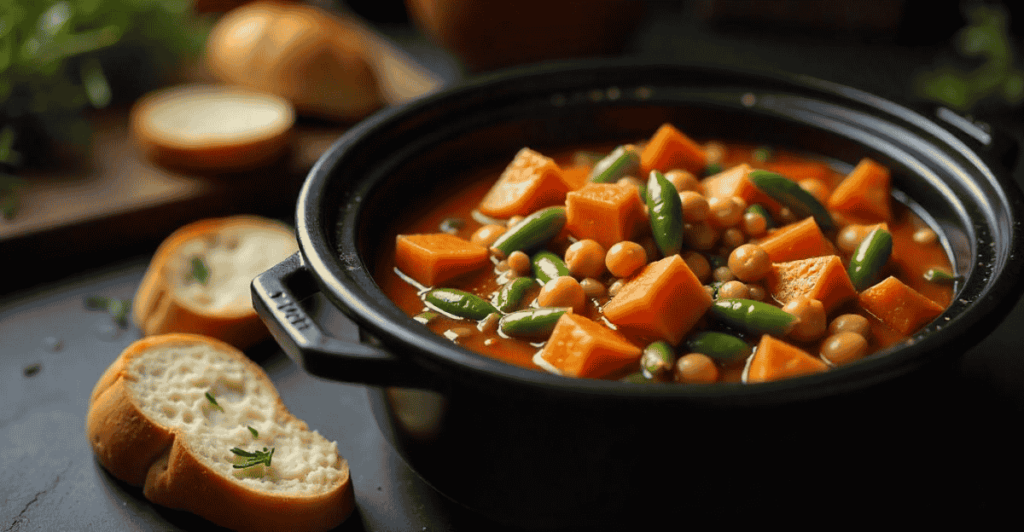
Vegetarian crockpot recipes are not only convenient but also incredibly flavorful, offering a perfect solution for busy days or meal prepping. With the right ingredients, a little know-how, and some patience, you can create dishes that are not only nutritious but also satisfying. Whether you’re a seasoned vegetarian or simply looking to incorporate more plant-based meals into your routine, these slow cooker recipes will help you do just that.
Unlock the Potential of Your Slow Cooker
One of the best things about cooking with a slow cooker is how it enhances the natural flavors of your ingredients. As vegetables, grains, and legumes simmer together, they release their nutrients and create a rich, hearty meal. By avoiding common mistakes and following the right tips, you’ll unlock the full potential of your slow cooker, turning it into your go-to kitchen tool for easy and tasty vegetarian meals.
Enjoy Delicious Meals with Minimal Effort
The beauty of slow cooking lies in its simplicity. Once you set up your ingredients, you can let the slow cooker do all the work. This hands-off cooking style means you have more time to relax, take care of other tasks, or enjoy your day, while still being able to look forward to a hot, delicious, and nutritious meal. Whether you’re preparing a cozy dinner for the family or making a batch for later, vegetarian crockpot recipes make life easier and more delicious.
Experiment and Make It Your Own
Don’t hesitate to experiment with flavors, ingredients, and textures. The world of vegetarian crockpot recipes is vast, and the flexibility it offers is one of its biggest advantages. Feel free to swap out vegetables, use different spices, or try new grains to suit your tastes. The slow cooker is a great tool for creativity in the kitchen. Each time you try a new recipe or tweak an old favorite, you’ll discover more ways to enjoy vegetarian meals.
Want to complement these vegetarian crockpot recipes with a tasty side? Check out our Healthy Shrimp Salad for a nutritious addition to your meal.
